The Polarizing Hot-and-Cold Landscape of New Energy Heavy-Duty Trucks
If you travel across China in the summer of 2026, you will witness a strikingly divided picture.
In coastal deep-water ports, rows of pure white electric heavy trucks are quietly towing containers out in succession, with no black smoke, no roar of diesel engines, only the rustle of tires rolling over the road. Driver Lao Zhao rolls down the window, pointing to the newly built battery swapping station not far away and says: "The fleet arranges unified battery swapping, I don't need to pay a penny, and charging one kilowatt-hour of electricity saves more than half the cost of burning oil."
But if you turn onto national and provincial highways, you will enter a completely different world. The service areas are full of red and blue diesel heavy trucks with license plates from all over the country. Driver Lao Li is squatting in the shadow of his truck eating instant noodles: "Switch to electric? My truck has only run 400,000 kilometers, it is at its peak of productivity, I won't consider switching to an electric truck."
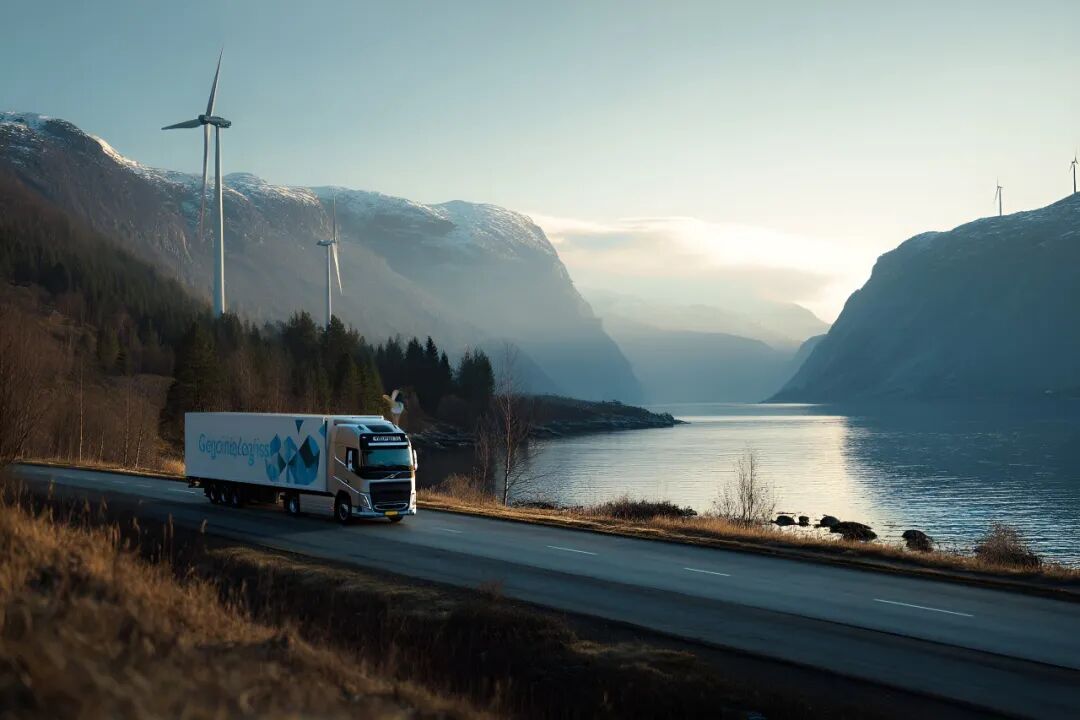
The same wave of the times falls on different people, stirring up completely different ripples. Official data shows that the cumulative sales of new energy heavy trucks are about 140,000 units, a year-on-year increase of 78.6%, which seems to herald the arrival of a brand-new era. But behind the growth curve, individual self-employed truckers, who account for more than 90% of China's road freight main body, still hold the steering wheel tightly and are reluctant to get on board the new trend.
In the current era when electrification and intellectualization are advancing in full swing, why are heavy truck drivers unwilling to switch to new energy vehicles? On one side, new energy heavy trucks are widely deployed in ports and mining areas, industrial capital pours into the market, and policy documents continue to introduce supportive measures; on the other side, millions of individual freight practitioners are hesitating, preferring to stick to their diesel trucks.
Why is it so hard for electric heavy trucks to enter the homes of individual operators? Why does new energy, as a representative of new technologies, meet with such two extremely different fates?
The driving force behind the "green power" tide
Before understanding the comfort of Lao Zhao and the anxiety of Lao Li, it is necessary to figure out where this "green power" tide comes from and why it is advancing so rapidly.
Looking back five years ago, new energy heavy trucks were almost negligible in the million-level heavy truck market. In 2018, the annual sales of new energy heavy trucks across the country were less than 1,000 units. At that time, when people saw an electric heavy truck at an industry exhibition, the most frequently asked question by onlookers was: "Can this thing carry cargo?"
The turning point came in 2021. After the "Dual Carbon" goal was officially put forward, key industries began to put clean transportation on the agenda. In addition, enterprises such as CATL and BYD crossed the threshold of large-scale commercial application in commercial vehicle cell technology, the annual sales of new energy heavy trucks exceeded 10,000 units for the first time, a year-on-year surge of nearly three times. That year was also called the "first year of commercialization" by the industry.
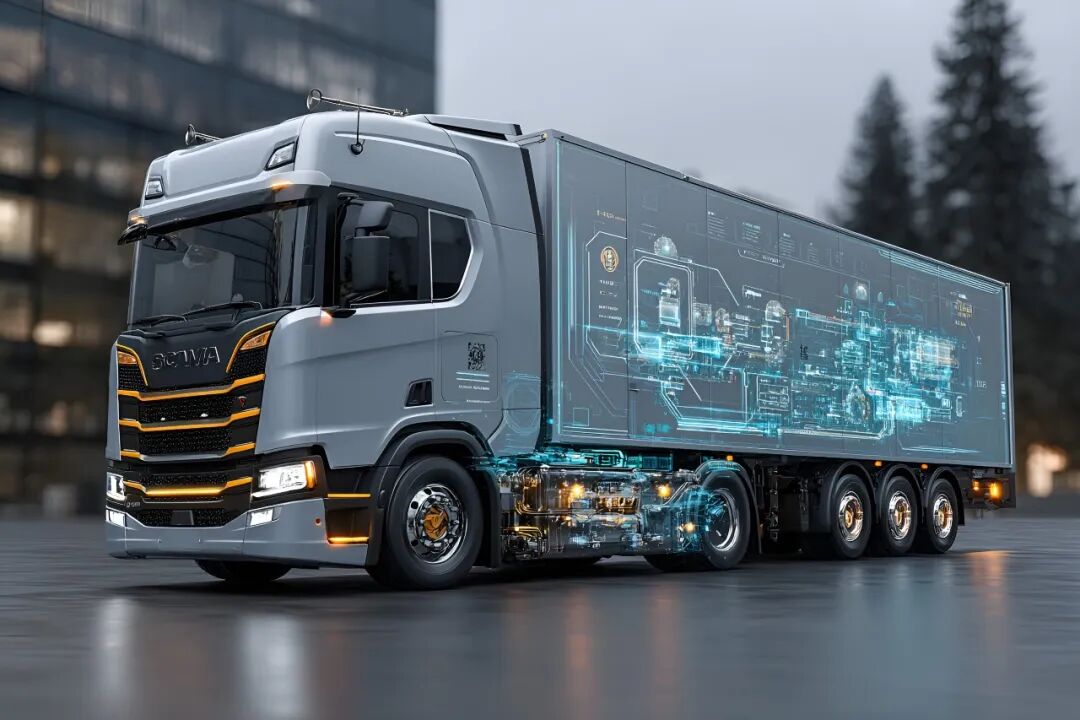
Every subsequent year has broken records. By 2025, the cumulative annual sales of new energy heavy trucks have reached 231,100 units, a year-on-year increase of 182%. Entering 2026, the momentum continues to grow, the cumulative sales of new energy heavy trucks in the first quarter alone reached 43,908 units, and the monthly penetration rate has exceeded the 40% mark.
This means that in the current incremental heavy truck market, fuel vehicles are quickly giving way to a secondary position. For every 10 new heavy trucks added, 4 are registered with green new energy license plates. However, how did new energy heavy trucks achieve this counterattack? Why are individual truckers still missing in this counterattack trend?
To understand the completely two different situations of new energy heavy trucks, we must first jump out of the single dimension of "whether the vehicle is good or not", and figure out "where the vehicle runs and who is driving it".
The first layer of the answer lies in the transportation scenarios. The port short-haul transportation track where Lao Zhao works is a golden scenario built for new energy heavy trucks, and it is also the core support for the rising electrification data of the industry. As a large logistics hub, deep-water ports have a highly fixed freight mode, vehicles travel back and forth between port areas, storage yards and logistics parks every day, the transportation radius is basically locked within dozens of kilometers, and there is no long-distance range anxiety. For closed-loop fixed scenarios, all the advantages of electric heavy trucks can be maximized.
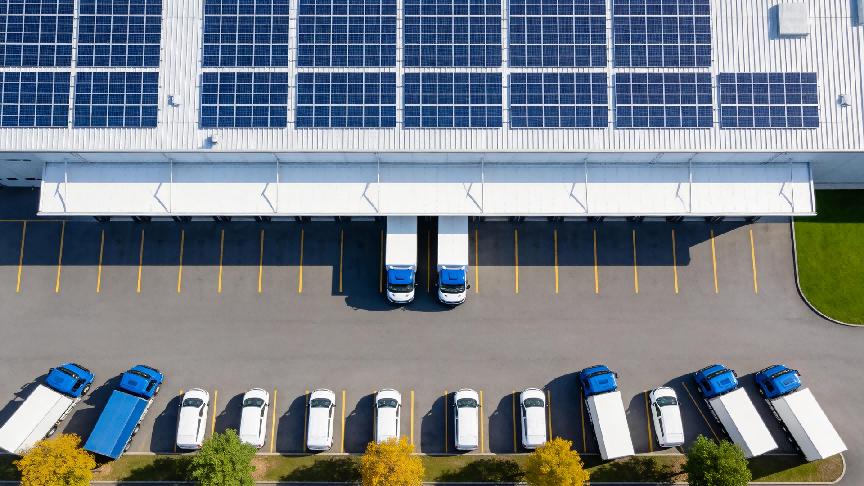
At the same time, such large-scale fleets rely on enterprise resources to build a complete electrification supporting system. Battery swapping stations and charging piles are densely deployed in the port area, and the 5-minute ultra-fast battery swapping mode is fully comparable to the refueling efficiency of diesel trucks, which will not delay the freight timeliness. The fleet is uniformly connected to the power department to get exclusive low electricity prices, further reducing operating costs.
In addition, enterprises can enjoy multiple policy dividends such as new energy industry subsidies, tax reductions, and priority capacity scheduling, and their comprehensive operating costs are far lower than individual operators. Sufficient cash flow of enterprises can also bear various risks such as vehicle depreciation, battery loss, and market fluctuation, through a high-frequency and high-turnover operation mode.
Therefore, for professional drivers like Lao Zhao who work in enterprise fleets, electric heavy trucks only bring the dividends of quietness, low cost and low trouble. They do not need to bear the vehicle purchase cost, do not need to worry about energy replenishment problems, the daily operating expenses are greatly reduced, and their salary income increases steadily, so embracing new energy is naturally an unhesitating choice.
The unaffordable economic account for individual truckers
However, when the spotlight is on corporate customers, the vast majority of individual operators in road freight are still in the dark. For these "husband and wife shop" style vehicle owners, new energy heavy trucks have huge uncertainties.
When the view shifts from the closed coastal port areas to the vast national trunk freight market, the shortcomings of new energy heavy trucks begin to emerge layer by layer. The transportation mode of individual operators has no fixed track, no exclusive site, and no resource support. Their cargo sources are all over the country, today they are running on mountain national highways, tomorrow they are shuttling across provincial expressways, the transportation mileage is often thousands of kilometers, the road conditions and energy replenishment conditions are full of uncertainties, and they are completely dependent on market-oriented public supporting facilities.
As of 2026, there is still a huge regional gap in China's special energy replenishment network for heavy trucks. The vast majority of high-power charging piles and battery swapping stations are concentrated in closed scenarios such as ports, mining areas, steel mills and logistics parks. The heavy truck energy replenishment points on national expressway trunks and remote national highways are sparsely distributed, and the layout is extremely unbalanced. The supporting facilities in the eastern coastal hub cities are relatively perfect, while the coverage rate of central and western trunks and mountain roads is still very low. In addition, the industry's battery swapping standards have not been fully unified, and the batteries of different brand models are not compatible, which often leads to the awkward situation that drivers cannot swap batteries at the station or cannot charge even when there is electricity.

For individual truckers, timeliness is the lifeline. In order to find a suitable energy replenishment station, they have to make a detour for dozens of kilometers, or queue up for one or two hours to swap batteries during peak hours, the number of transportation shifts in one day will be directly reduced. In the highly competitive freight market, delaying one cargo delivery will not only lose the freight fee, but also may lose long-term cooperative cargo owners. The advantage of diesel heavy trucks lies precisely in their full-domain adaptability, they can quickly replenish energy in any service area or gas station across the country, refuel and leave immediately without any worries.
If range anxiety is the first hurdle in front of individual operators, then the purchase cost and operating burden constitute the second almost insurmountable hard threshold.
At present, the landing price of mainstream 49-ton heavy-duty diesel heavy trucks in the market is basically maintained at 300,000 to 400,000 yuan, with mature models and transparent prices, and the market ownership is very large, so subsequent maintenance and replacement are very convenient. While the landing price of pure electric heavy trucks of the same specification is generally 600,000 to 700,000 yuan, which is 200,000 to 300,000 yuan higher than diesel trucks. Even if the vehicle-battery separation mode is popularized in the industry to reduce the one-time vehicle purchase threshold, individual operators still need to bear thousands of yuan of battery rental fees every month.
Since the maintenance of new energy heavy trucks is highly dependent on manufacturer-authorized service stations, the price of spare parts and working hours fees are much higher than the traditional maintenance system. In addition, the insurance cost rises due to the high value of the battery, the annual average insurance premium of an electric heavy truck is often thousands or even tens of thousands of yuan higher than that of a diesel truck. These hidden expenses add up, making the "cost saving" label on the individual operators' account books become blurred.
In addition, the maximum total weight of heavy trucks in China is 49 tons. The lighter the self-weight of the vehicle, the more goods can be loaded in compliance with regulations. In general, the self-weight of fuel heavy trucks is controlled at about 8 tons, while the self-weight of new energy heavy trucks equipped with heavy power batteries is generally more than 10 tons. This means that for the same trip, electric heavy trucks can carry 2 tons less cargo than diesel trucks.
Some drivers have calculated an account: from Henan to Shanghai, the freight difference of 2 tons of goods is more than 500 yuan, and the annual lost income amounts to tens of thousands of yuan. If we take three years as a cycle, the loss of this item alone exceeds 360,000 yuan. This hidden loss caused by "underload" also increases the vehicle replacement cost invisibly.

In short, the new energy heavy trucks at the current stage are products designed for specific scenarios, while individual operators need all-round vehicles that can cope with ever-changing situations, there is a product concept mismatch between the two.
Enterprises rely on scale, resources and policy support to steadily gain the dividends of electrification; individual operators rely on their own efforts, take full responsibility for their own profits and losses, and bear all unknown risks alone. These two completely unequal survival account books make the benefits of new energy completely the preference of large enterprises, and also make the wait-and-see attitude of grassroots drivers well-founded.
How can electrification break out of partial carnival?
After sorting out all the underlying logic, it is not difficult to find that the root cause of the divided situation of "hot data, cold individual operators" in the industry is not that drivers are conservative and resist new things, but that the current electrification reform has always focused on large enterprises and large-scale scenarios, and has never really adapted to the survival pain points of millions of individual operators.
The current hot data of heavy truck electrification is only a partial carnival limited to closed scenarios and large enterprise groups. The so-called rapid growth of the industry has not covered the most extensive and basic trunk freight market, let alone adapted to the survival needs of millions of individual operators. The march of pure electric heavy trucks is not over yet, to make this reform truly break through the existing circle, we need to tear down the barriers from at least three levels:
First, the energy replenishment network needs to expand from scattered points to full coverage.
No matter how dense the battery swapping stations in ports and mines are, they have nothing to do with the drivers on the national highways. The industry must break the brand barriers of separate operations, unify the battery swapping interface and charging protocol, so that an electric heavy truck driving from Shandong to Guangdong can freely choose battery swapping stations along the way just like refueling. At the same time, optimize the energy replenishment price system, put an end to the problems of electricity price premium during peak hours and falsely high electricity prices in remote areas, so that individual truckers can complete energy replenishment anytime and anywhere at low cost, eliminating range and timeliness anxiety.
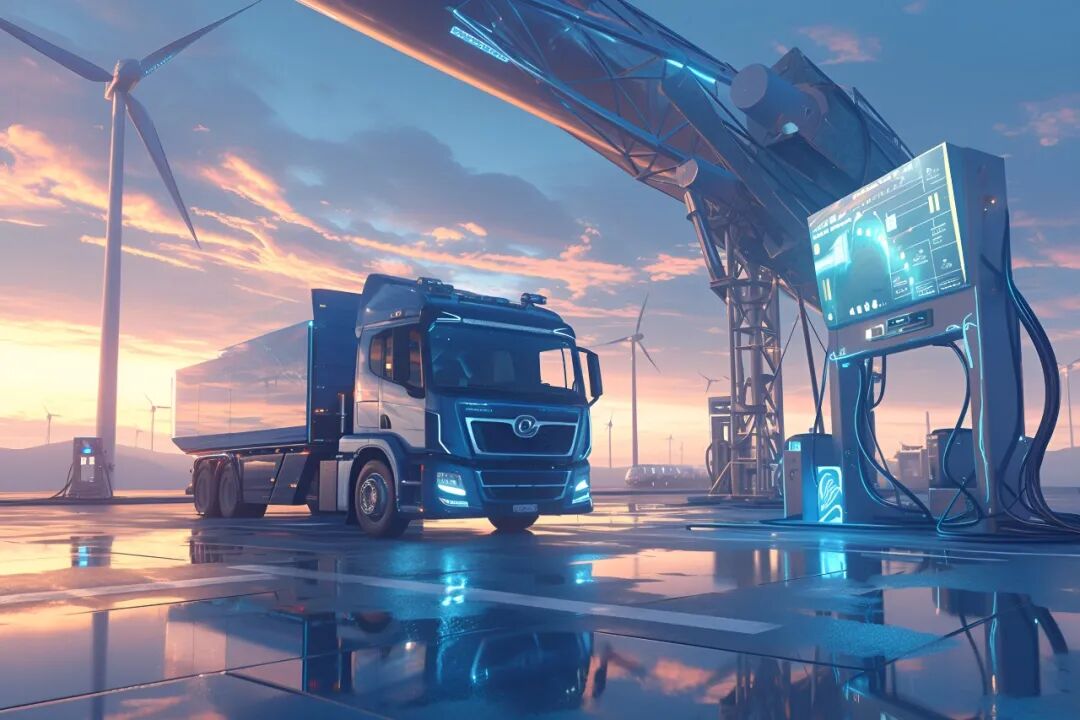
Second, the business model needs to shift from heavy to light.
Individual operators cannot afford hundreds of thousands of yuan for electric trucks, nor can they withstand the residual value plunge caused by battery degradation. Electric heavy truck enterprises need to launch more lightweight and low-risk vehicle purchase and usage solutions, optimize the battery leasing and rent-to-own model, and at the same time establish a complete battery testing, maintenance and circulation system, provide battery maintenance and loss replacement services on a regular basis, extend the service life of batteries and reduce operation and maintenance costs.
Third, the vehicle itself needs to evolve from a specialist to an all-rounder.
Auto companies cannot only focus on short-distance transportation in ports and cargo hauling in mining areas, they need to truly develop vehicles for long-distance trunk lines. The battery should be light, the actual range should be reliable, and the vehicle should be able to withstand the severe cold in northern China and the extreme heat in southern China. Automakers should develop lightweight, high-range, high and low temperature resistant heavy-duty models for trunk freight scenarios, reduce the self-weight of batteries and increase the cargo carrying tonnage under the premise of compliance, to make up for the income gap of individual operators. Improve the national after-sales maintenance network, cover remote areas, improve the efficiency of fault rescue and maintenance, ensure the stability of vehicle attendance, so that electric heavy trucks can adapt to the full-domain scenarios of complex road conditions and long-distance transportation.
At that time, the heavy truck electrification reform can truly step out of the "partial carnival" under specific regions and move towards its broad prospects.
This article is from the WeChat official account "Brainstorm Auto", author: Shan Hu, published with authorization from 36