The 2026 World Robot Conference opens in Beijing
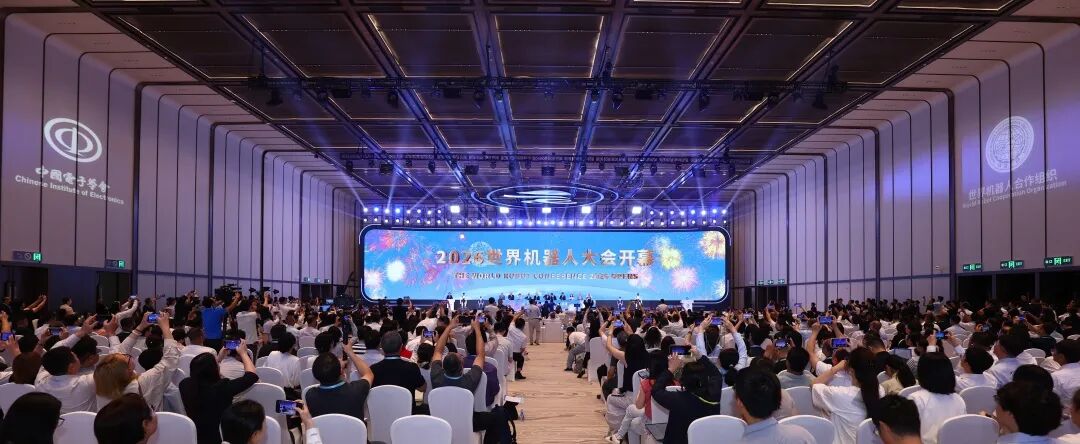
On the morning of August 19, the 2026 World Robot Conference, co-hosted by the Chinese Institute of Electronics and the World Robotics Cooperative Organization, kicked off in Yizhuang, Beijing. The opening ceremony and launching session were attended by Yin Li, Member of the Political Bureau of the CPC Central Committee and Secretary of the Beijing Municipal Committee of the Communist Party of China; Li Lecheng, Minister of Industry and Information Technology; Yin Yong, Deputy Secretary of the Beijing Municipal Party Committee and Mayor of Beijing; He Junke, Vice Chairman of the China Association for Science and Technology in charge of daily work and First Secretary of its Secretariat; Cheng Fubo, Director of the State-owned Assets Supervision and Administration Commission of the State Council; Xu Xiaolan, Member of the Standing Committee of the National Committee of the Chinese People's Political Consultative Conference, full-time Vice Chairperson of the Central Committee of China Zhi Gong Party, Vice President of the All-China Women's Federation and President of the Chinese Institute of Electronics; Qiao Hong, President of the World Robotics Cooperative Organization; Jeff Burnstein, President of the Association for Automation Advancement; Juha Roning, Vice President of the European Robotics Association; Wolfram Burgard, Academician of the German National Academy of Engineering and Professor at the Technical University of Nuremberg, Germany; and Mohamed Al Shamsi, Secretary General of the UAE Robotics and Automation Society. More than 700 participants joined the opening ceremony, including Xin Guobin, Vice Minister of Industry and Information Technology; Yu Junsheng, Deputy Director of China Media Group; Jin Wei, Member of the Standing Committee of Beijing Municipal Party Committee and Vice Mayor of Beijing; Zhao Lei, Member of the Standing Committee of Beijing Municipal Party Committee and Secretary General of Beijing Municipal Party Committee; Zhang Yi, President of China Construction Bank; Zhang Feng, Party Secretary of the Council of the Chinese Institute of Electronics; Chen Chengchuan, President of the World Federation of Engineering Organizations; Andras Kecskemeti, President of the International Federation for the Promotion of Mechanism and Machine Science, as well as heads of relevant international organizations, representatives of key enterprises across the industrial chain, experts and scholars from universities and scientific research institutions, professionals from the financial and investment sectors, and 131 young contestants of the "Chinese Bridge" program from 121 countries around the world.
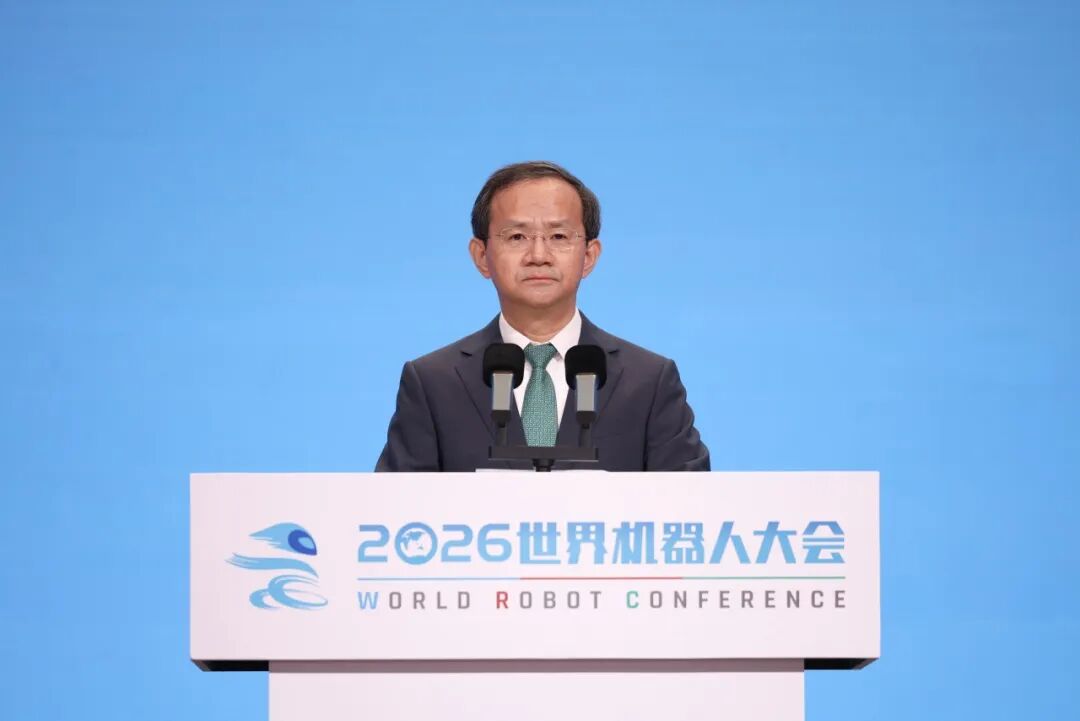
In his address, Yin Yong noted that robotics technology, as a core representative of new quality productive forces, is transforming the way humans produce and live. The Beijing Municipal Government has long prioritized the robot industry as a key high-end and high-tech sector for cultivation, focusing on strengthening original innovation, consolidating the manufacturing foundation, enhancing standard leadership, promoting demonstration applications, and optimizing the industrial ecosystem to accelerate the building of a globally influential robotics innovation highland. Going forward, Beijing will coordinate all kinds of innovation resources to fully foster an open, inclusive and dynamic development environment for robots and embodied intelligence. It will provide more robust factor support, introduce a three-year action plan for the high-quality development of the humanoid robot industry, improve the system of pilot testing platforms, inspection and testing services, and investment and financing services, to build a fast-responsive and more resilient robot industrial chain and supply chain. It will also expand broader application scenarios, leverage the rich scenario advantages of megacities, push forward the "Robot+" demonstration applications, and build a global benchmark city for robot application. In addition, Beijing will build a closer collaboration network, and work with peers from all over the world to jointly promote the safe, controllable, inclusive and shared development of robotics technology, so that robots can better serve all industries and improve people's livelihood.
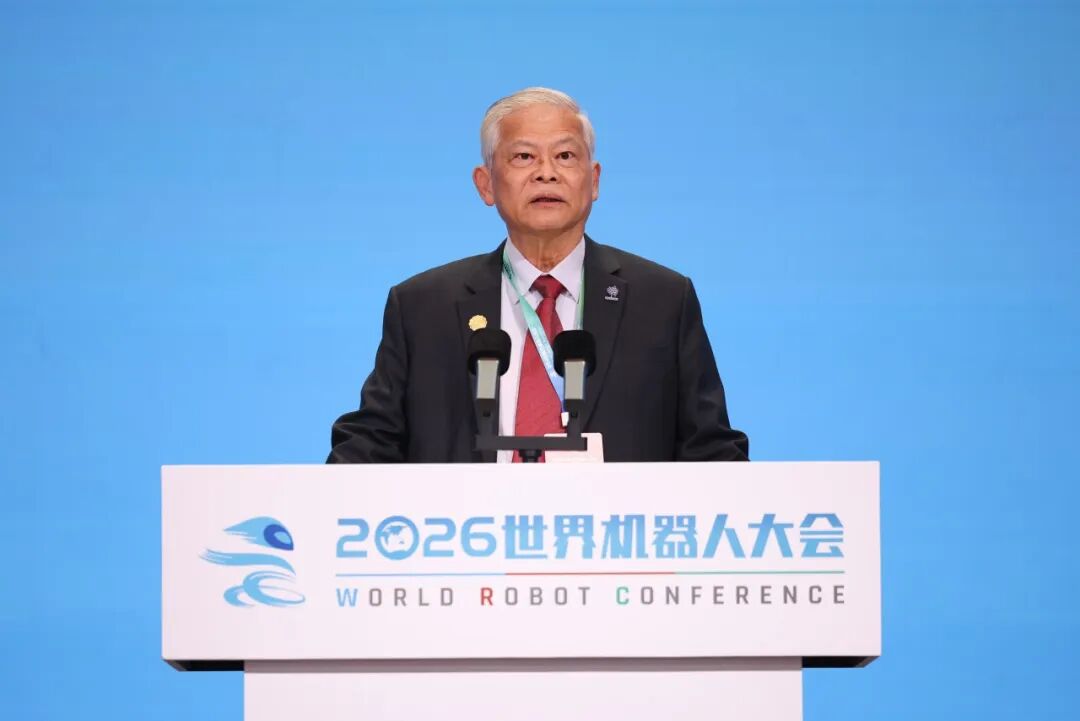
Chen Chengchuan delivered an address on behalf of the World Federation of Engineering Organizations. He stated that AI algorithms are being increasingly embedded into robot systems, spawning intelligent robots with independent cognitive and interactive capabilities, and driving artificial intelligence to move from the virtual space to the real world. The deep integration of cutting-edge technologies including artificial intelligence, advanced materials and biomedicine with robotics technology is systematically reshaping the robot industrial chain. It is necessary to focus on breakthroughs in cutting-edge technologies and engineering practices, and drive the overall upgrading of the industrial chain through technological engineering. The World Federation of Engineering Organizations connects around 30 million engineers worldwide, and will continue to carry out engineer training, international mutual recognition and standard research in the field of intelligent robots, enhance the capacity of engineers in developing countries to apply cutting-edge technologies to promote sustainable development, and deepen cooperation with the Chinese Institute of Electronics and other parties, so that technological progress can benefit more countries and people.
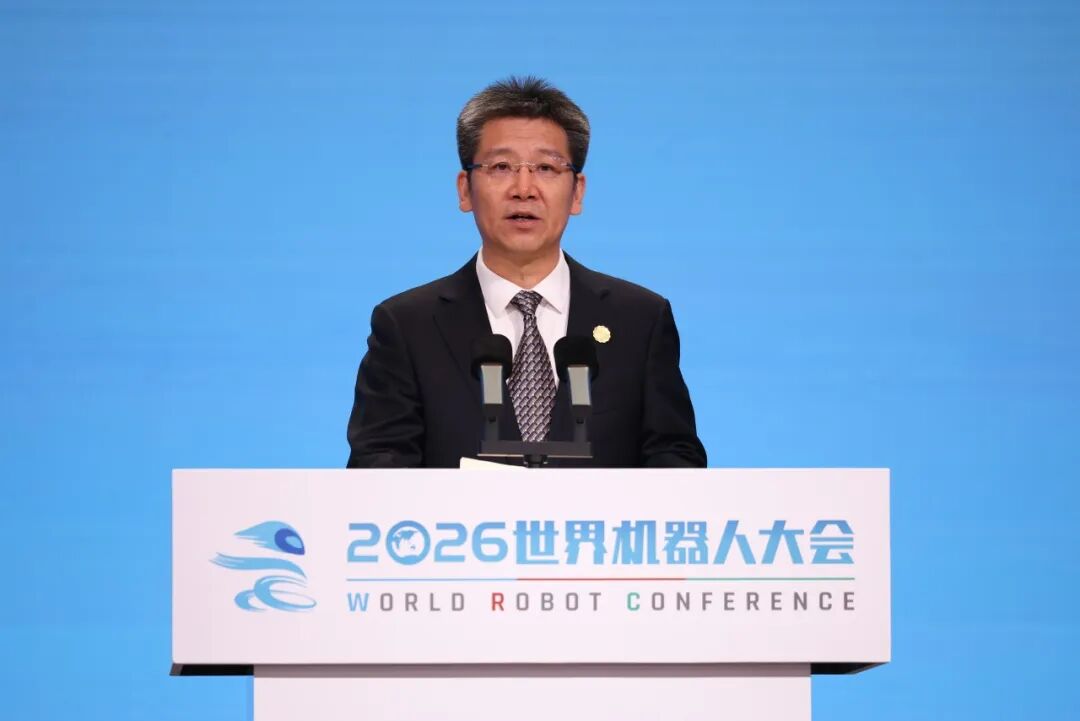
In his address, He Junke noted that the robot industry is currently in a booming stage. As the integrated carrier of advanced manufacturing technology and cutting-edge technologies including cognitive science, computational science and neuroscience, intelligent robots have greatly expanded the application scenarios of artificial intelligence technology and granted huge development space to robotics technology. He expressed the hope that the conference can lead the technological direction, give full play to its advantages in connecting supply and demand, linking domestic and international resources, and integrating cross-disciplinary, cross-domain and cross-format resources, deeply discuss the future development trends of robotics-related fields, clarify demand scenarios, sort out development formats, summarize key scientific and technological issues, guide researchers to enrich innovation paths, and set a vane for tackling original scientific and technological problems. The conference should gather innovation factors, fully showcase the latest achievements of cross-empowerment of relevant professional technologies and the full linkage between natural sciences and humanities and social sciences, and promote the construction of an innovation closed loop featuring demand traction, fundamental breakthroughs, engineering realization and industrial application. It should also widely connect outstanding innovation talents, deepen pragmatic cooperation around topics including scenario development, technical standards, science and technology ethics and talent cultivation, and build a global science and technology collaboration network of mutual trust and mutual benefit. The China Association for Science and Technology will continue to play its role as a bridge, promote cross-border integration and exchanges, and enhance international scientific and technological trust, openness and cooperation.
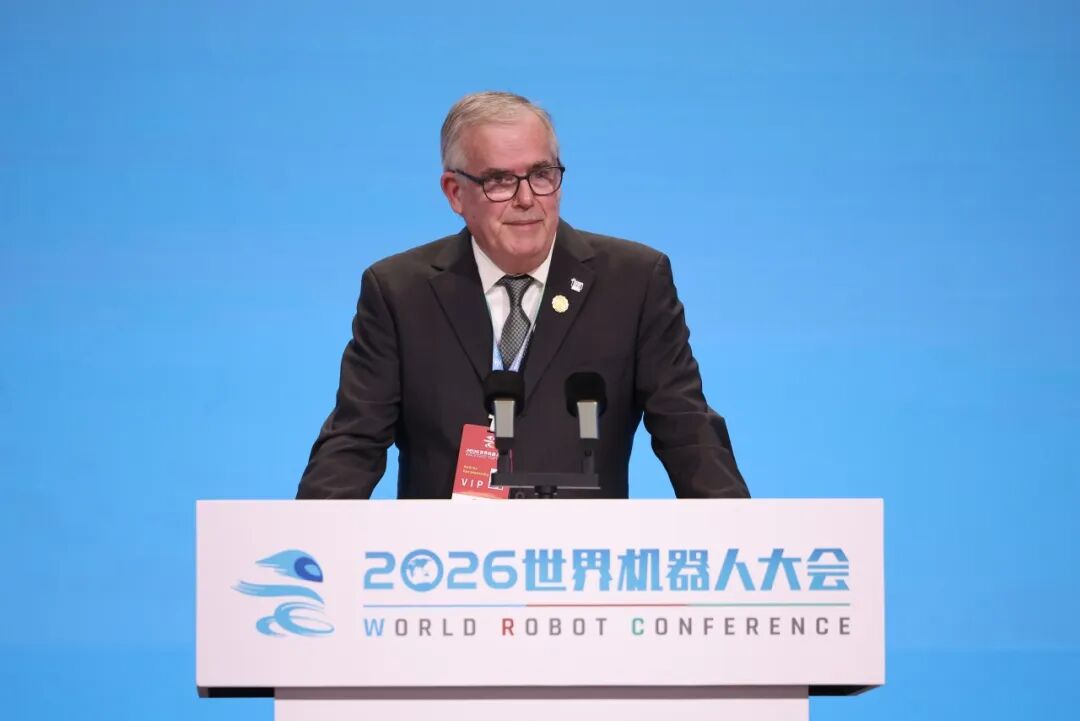
Andras Kecskemeti delivered an address on behalf of the International Federation for the Promotion of Mechanism and Machine Science. He stated that the new round of scientific and technological revolution and industrial transformation is driving the deep integration of cutting-edge technologies such as artificial intelligence and bionics with mechanical engineering, bringing independent perception, intelligent decision-making and adaptive operation into a new stage of development. Humanoid robots, as an important carrier of embodied intelligence, are being widely integrated into fields including industrial manufacturing, home-based elderly care, emergency support and public services. At the same time, the global robot industry still faces technical bottlenecks such as dynamic balance, complex scenario adaptation, model and algorithm iteration, and real machine data accumulation, while safety specifications, ethical systems and industry standards still need to be improved. He called on colleagues around the world to jointly improve the technical standards and ethical norms for intelligent robots and humanoid robots, deepen cross-national, cross-domain and cross-disciplinary cooperation, promote international academic mutual recognition, technical interconnection and joint talent cultivation, so that the dividends of robotics technology can benefit people of all countries around the world.
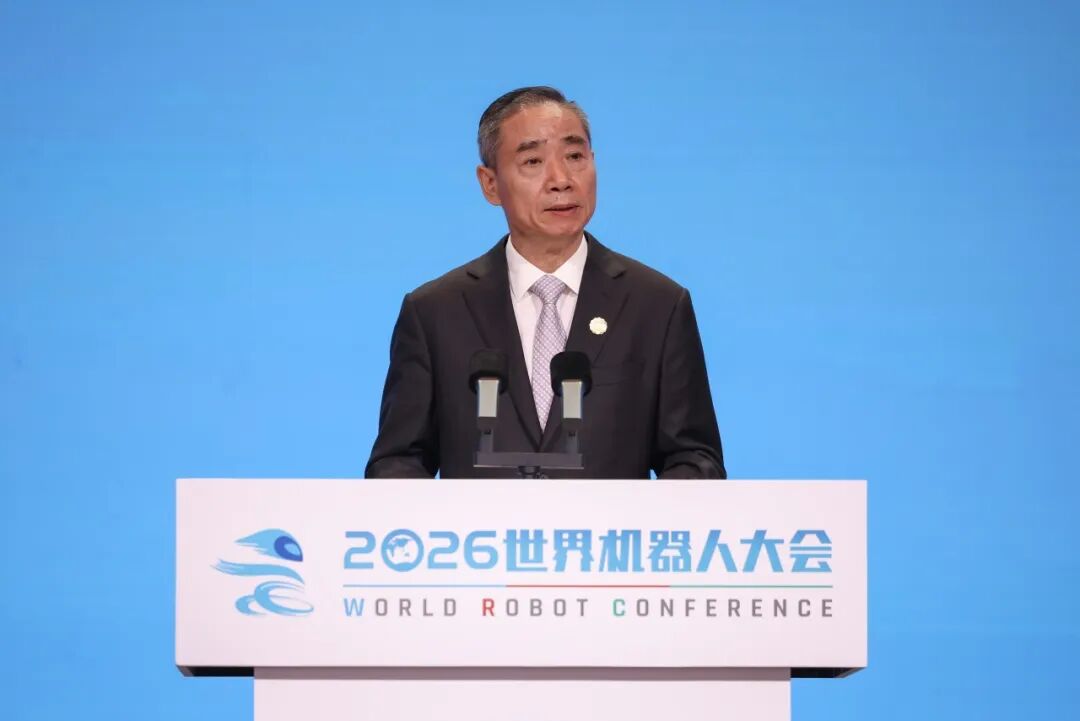
In his address, Xin Guobin noted that global artificial intelligence technology innovation is more active than ever. As an important carrier for artificial intelligence to move from the digital world to the physical world, intelligent robots are empowering thousands of industries and entering thousands of households at an unprecedented speed. The Ministry of Industry and Information Technology will thoroughly implement the important instructions of General Secretary Xi Jinping on the development of the robot industry, implement the decisions and arrangements of the CPC Central Committee and the State Council, firmly seize the development opportunities of the 15th Five-Year Plan period, take intelligentization as the main line and practical application as the traction, coordinate technological breakthroughs, industrial cultivation, scenario expansion and safety governance, and promote the innovative development of the robot industry. First, strengthen innovation cooperation, encourage Chinese and foreign scientific research institutions and enterprises to carry out joint research, smooth the industry-university-research-application innovation chain, and jointly promote intelligent upgrading. Second, deepen application linkage, focus on key industries including agriculture, medical care, elderly care and emergency response, organize targeted industry-application pairing research, on-site application verification and mature scenario promotion by category, and jointly promote the industrialization process. Third, adhere to the people-oriented principle, uphold the concept of positive and benevolent development, promote technology for good and science and technology for the people, balance efficiency improvement and employment security, so that robots can better serve people's production and life.
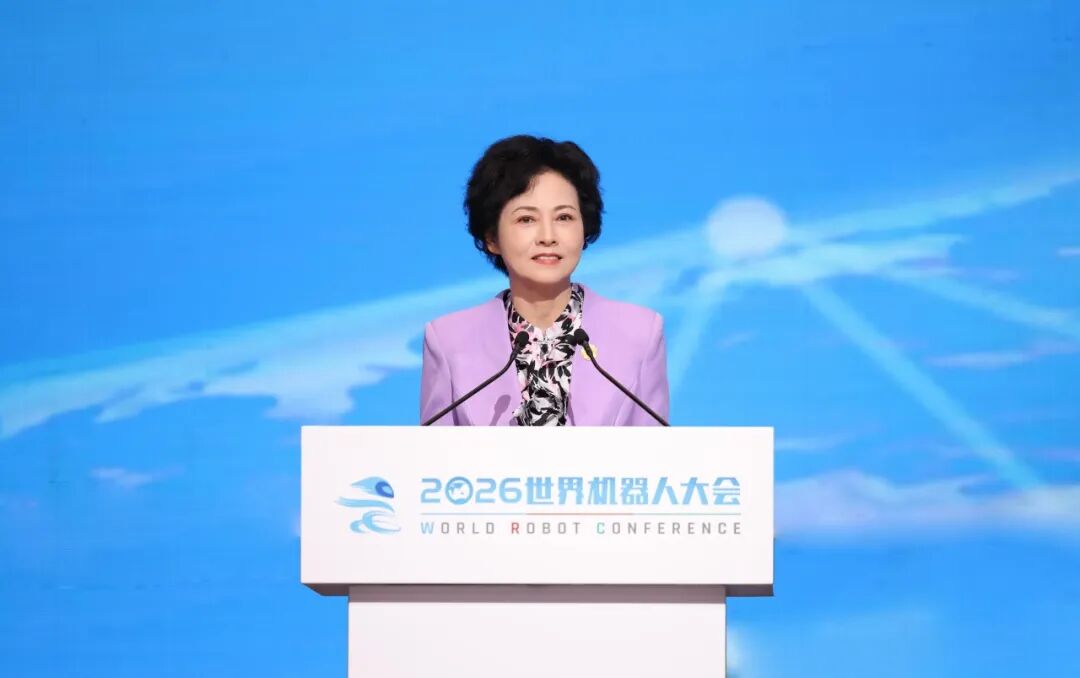
The opening ceremony's address session was hosted by Xu Xiaolan. She pointed out that in 2015, President Xi Jinping sent an important congratulatory letter to the first World Robot Conference, sounding the clarion call for the development of the robot industry. Over the past decade, robotics technology has been accelerating its integration into all fields of the national economy and social life, continuously unleashing huge potential to improve people's livelihood and create a better life while driving industrial upgrading. The World Robot Conference has grown into a globally influential event for innovation leadership, industrial promotion, application promotion and international cooperation in the robotics field. This year's conference has invited 30 international supporting institutions and more than 1000 domestic and overseas guests to attend, attracted 373 well-known domestic and foreign enterprises to exhibit with 3000 innovative products, gathered more than 17000 contestants to participate in the competitions, released achievements including the "Initiative for the Positive and Benevolent Development of Intelligent Robots", and unveiled 311 new products, fully supporting the high-quality development of the robot industry at a new historical starting point.
At the achievement release session of the opening ceremony, the Chinese Institute of Electronics and the World Robotics Cooperative Organization, together with 268 international institutions and enterprises, jointly released the Initiative for the Positive and Benevolent Development of Intelligent Robots. Upholding the people-oriented and positive concept, the initiative aims to promote the standardized, healthy and high-quality development of the intelligent robot industry, and consolidate the positive foundation for human-robot symbiosis. The Central SOE Robot Innovation Consortium established under the guidance of the State-owned Assets Supervision and Administration Commission of the State Council also released the "Top 10 Innovation Achievements and Top 10 High-value Application Scenarios of Robots from Central SOEs" via video. The Chinese Institute of Electronics, in collaboration with the National Institute of Natural Hazards of the Ministry of Emergency Management, released the "Application Demands of Embodied Intelligence in Emergency Scenarios", systematically sorting out the scenario demands of embodied intelligence in the emergency field, and injecting scientific and technological momentum into the development of emergency undertakings. The "Robot World 3.0" was also officially launched at the opening ceremony of the conference.
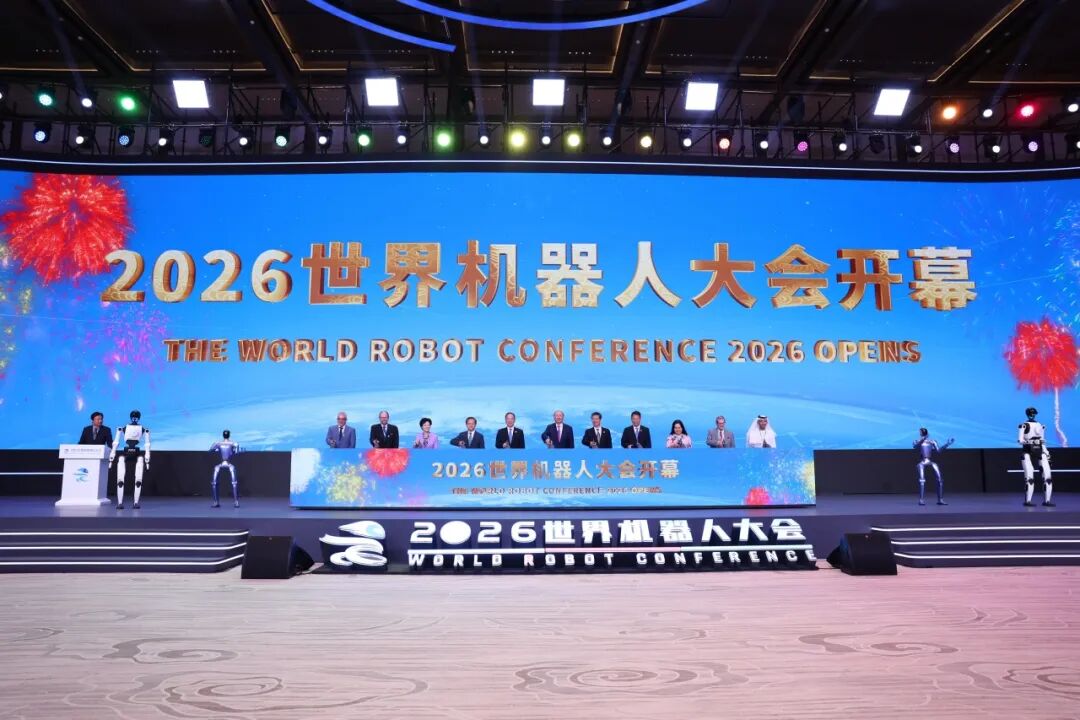
At the launching ceremony of the conference, 11 intelligent dexterous hands greeted the guests on site, shook hands with the leading officials and guest representatives attending the launching ceremony to kick off the event, marking the official opening of the 2026 World Robot Conference. After the opening ceremony, the participating leading officials visited and investigated the exhibition, and had in-depth exchanges with representatives of exhibiting enterprises around topics including technological innovation, industrial development and scenario application.
The 2026 World Robot Conference is held in Beijing from August 19 to 23, with the theme of "Human-Robot Symbiosis, Industry-Application Integration". It sets up 7 main forums, with an exhibition area of over 60,000 square meters, and four pavilions namely the Innovation Pavilion, Collaboration Pavilion, Intelligent Manufacturing Pavilion and Fun Tech Pavilion, showcasing the achievements of complete robot products, core components, industrial chain collaborative innovation and multi-scenario applications. 48 central SOEs participated in the exhibition as a group for the first time. More than 70 supporting events will be held during the conference, and the competitions have attracted over 17000 contestants from more than 20 countries to compete on the same stage. The "2026 E-Town Robot Consumption Festival" will also be held concurrently. The conference has built a robot consumption street on site for the first time, adopting a layout of both indoor and outdoor blocks to create an immersive consumption scenario integrating "technology, food and cultural creativity".
The 2026 World Robot Conference will further gather global innovation resources, promote efficient connection between industry and demand, and drive robotics technology to better empower economic and social development and benefit mankind.
The one-tap navigation system for the 2026 World Robot Conference is officially launched!
Scan the QR code for one-tap navigation

No more repeatedly checking paper maps to find your way around the exhibition!
Scan the QR code to view the full layout of all pavilions, with all booth and meeting room information clearly displayed.
Select your target booth or meeting room, plan your route to the destination with one tap, say goodbye to the trouble of getting lost in the venue, and efficiently enhance your visiting experience of the conference.
Sign up now, and witness the present and future of the robot industry together.
