Anthropic CEO dispels rumors, shifts to AI research for his late father, and vows to eradicate cancer within 10 years.
Anthropic CEO's rare long post pushes back hard against skepticism ahead of the largest IPO in history!
Dario Amodei almost never uses social media.
But at the critical moment when the IPO valuation is pushed to 2 trillion US dollars, he rarely published a long article, directly responding to Silicon Valley's biggest doubts about him.
For a CEO known for being cautious, who repeatedly emphasizes risks even when launching products, the weight of these words is heavier than any bold statement.
A person who almost never makes public statements on social media suddenly steps forward at the peak of valuation and the height of controversy — this in itself is a signal.
The Tide Rises: Silicon Valley's Biggest Doubt About Anthropic
The trigger for the entire conversation was a claim circulating the previous day: "multiple reliable people" told Gavin Baker, a leading U.S. tech investment figure:
Dario once said that Anthropic could one day be, in a sense, the only private company in the world.
Sasha de Marigny, Head of Brand & Communications at Anthropic, promptly refuted the claim, but it was too late.
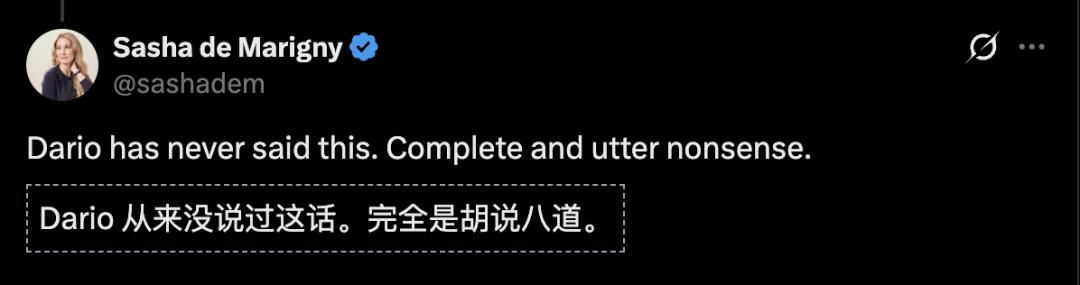
Just imagine, in this vision, a vision of Anthropic supremacy, there is only Anthropic in the world, followed by national governments, and nothing else.
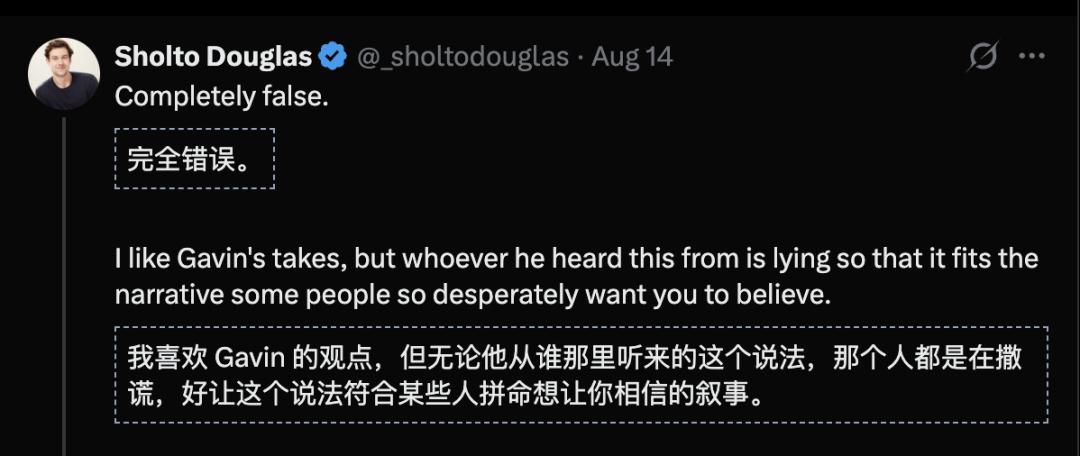
Sholto Douglas from Anthropic immediately dismissed it as complete nonsense:
What Anthropic fears most is precisely the excessive concentration of economic power.
Later, Gavin posted a long post in response: The problem is that many people in Silicon Valley actually believe this. Dario Amodei has lost.
To make it clear, as I outlined on the podcast, I think Anthropic has deep competitive advantages and is a remarkable company.
Ironically, the main risk I saw for Anthropic a few months ago was Dario's own words and actions.
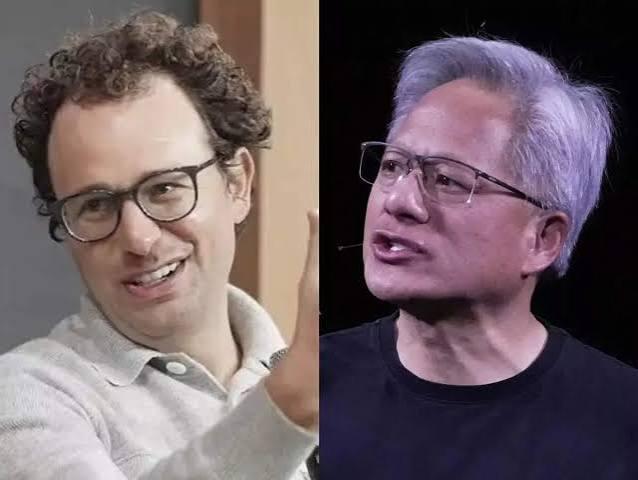
Jensen Huang also commented on Dario:
First, he thinks AI is so terrifying that only they should do it...
Second, AI is so expensive that no one else should do it...
Third, AI is so incredibly powerful that everyone will lose their jobs, which explains why they should be the only company building it.
Finally, Jensen Huang advocated that responsible AI should be developed in an open environment, "don't do it in a dark room and then tell me it's safe."
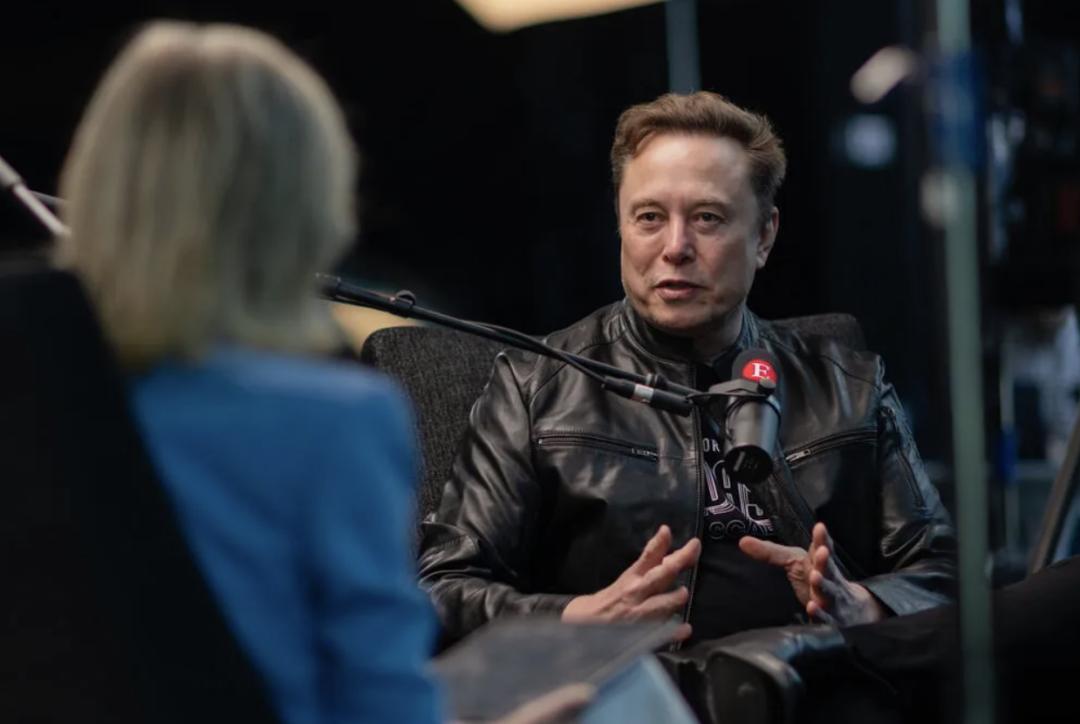
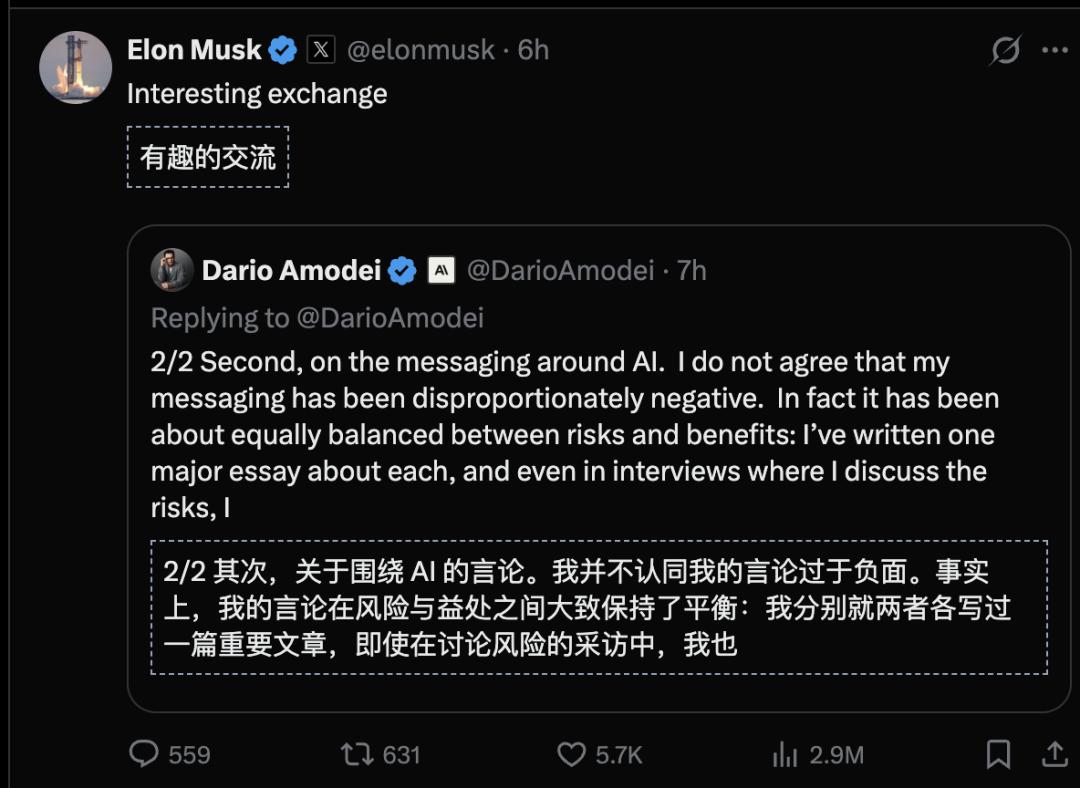
In July, Elon Musk also subtly criticized Dario's communication style: "If you scare everyone first, and then say we are going to release this scary thing, people will surely be alert to it."
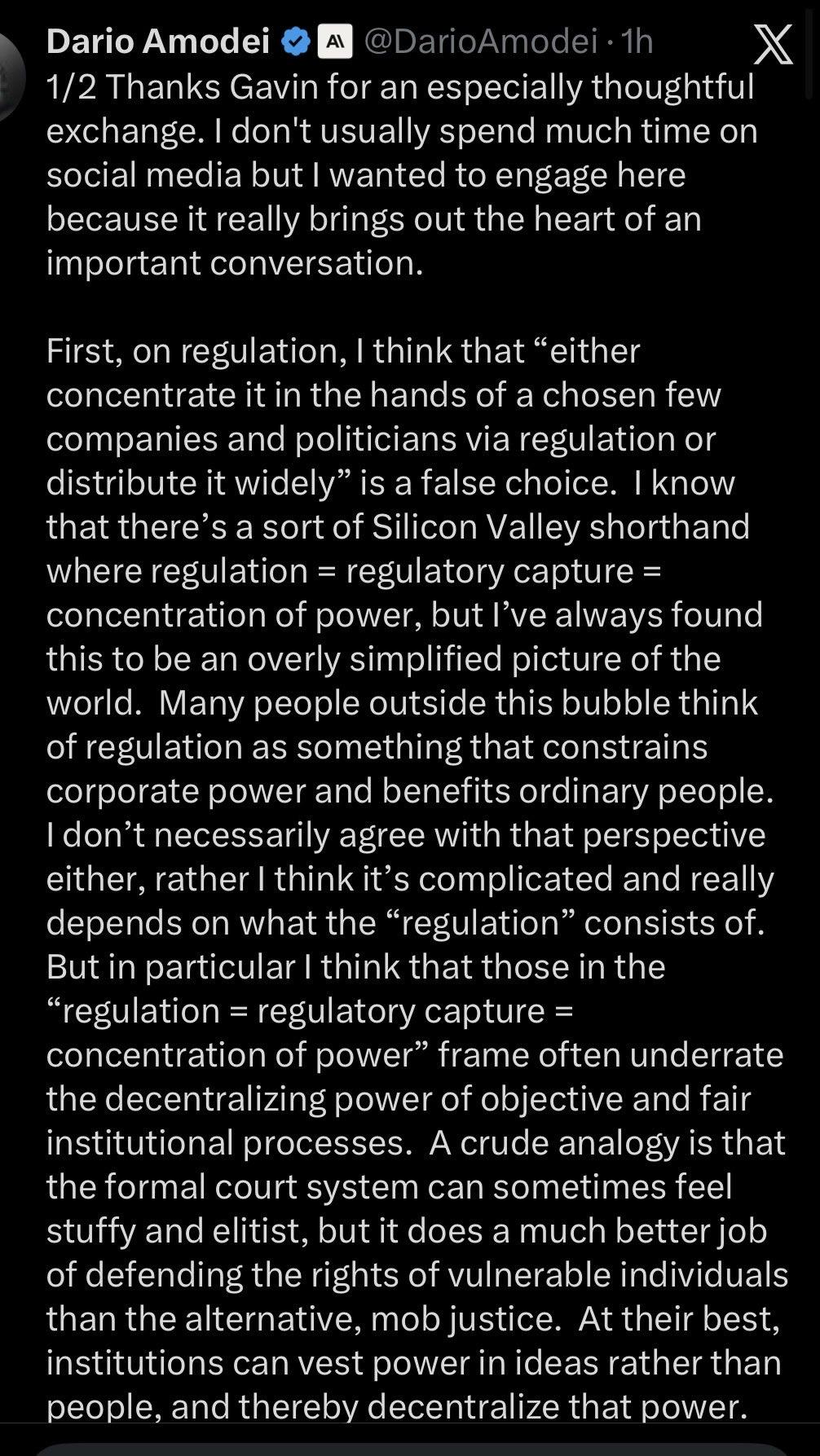
Now, Dario hits back hard: This is a false dichotomy.
He dismantles the most popular logic in Silicon Valley: regulation = regulatory capture = concentration of power.
Dario says this formula oversimplifies complex issues. He gives an analogy: The court system watches over everyone, but it protects the weak better than mob trials. The system puts power in the hands of rules, not individuals.
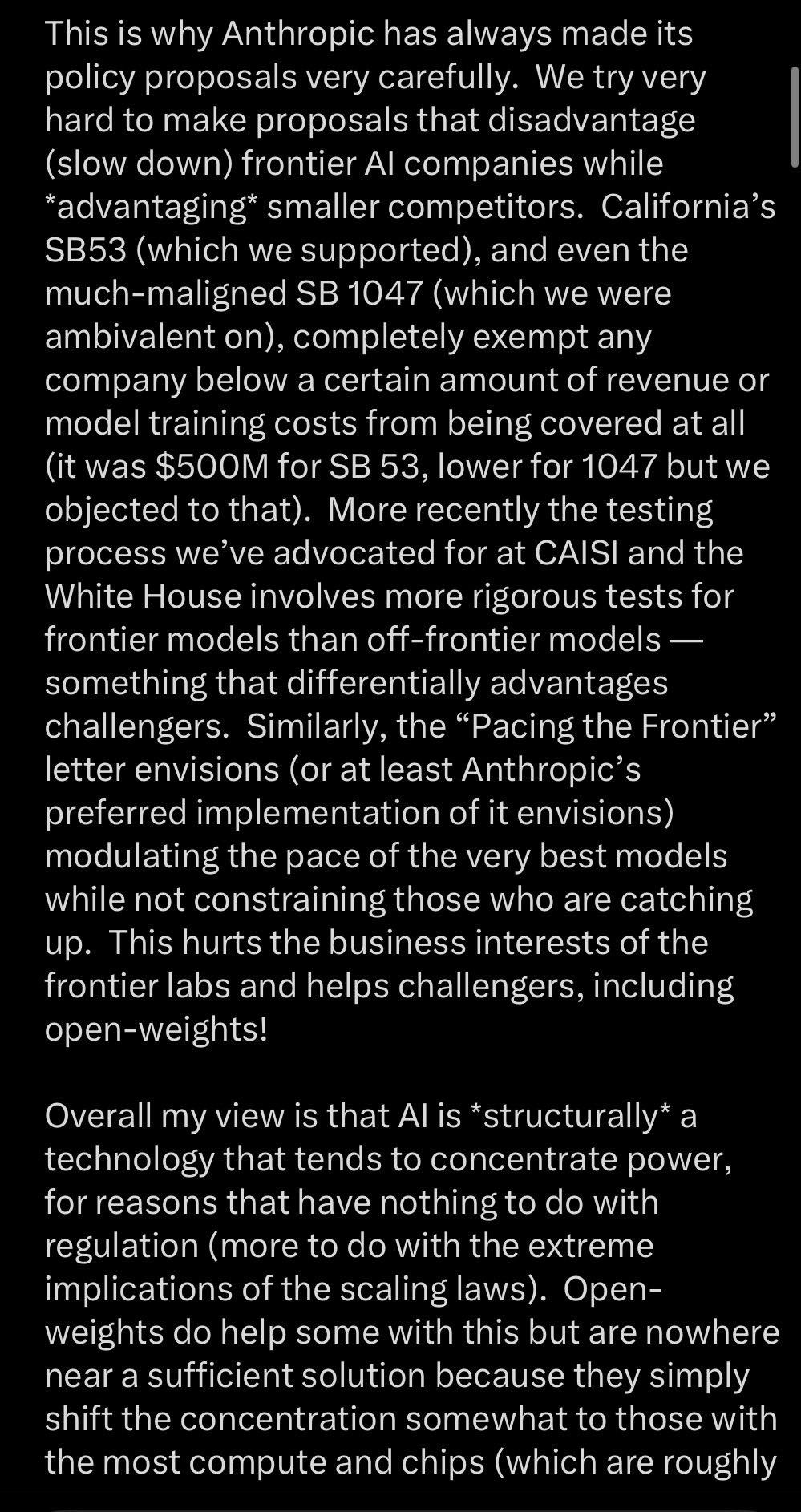
He cites the California SB 53 bill supported by Anthropic as an example: AI companies with revenue below $500 million are completely unrestricted. In other words, the rules only restrict the most cutting-edge players, while small companies benefit instead.
"Every policy we design adds more costs to frontier companies, while benefiting smaller competitors."
He believes that if the right "rules of the game" can be formulated, it is entirely possible to achieve three things at the same time:
1. Address the risks of AI in cybersecurity, biosecurity, and alignment;
2. Restrain the power of frontier AI companies through institutional constraints;
3. Reserve development space for open-weight models while taking corresponding measures for their unique risks.
He also supports the idea proposed by Demis Hassabis to establish an AI regulatory agency similar to FINRA (the Financial Industry Regulatory Authority of the United States).
But what really makes people prick up their ears is the ambition he shifts to talk about.
Anthropic is ramping up biomedical AI at full speed.
Ambition: AI Cures All Diseases
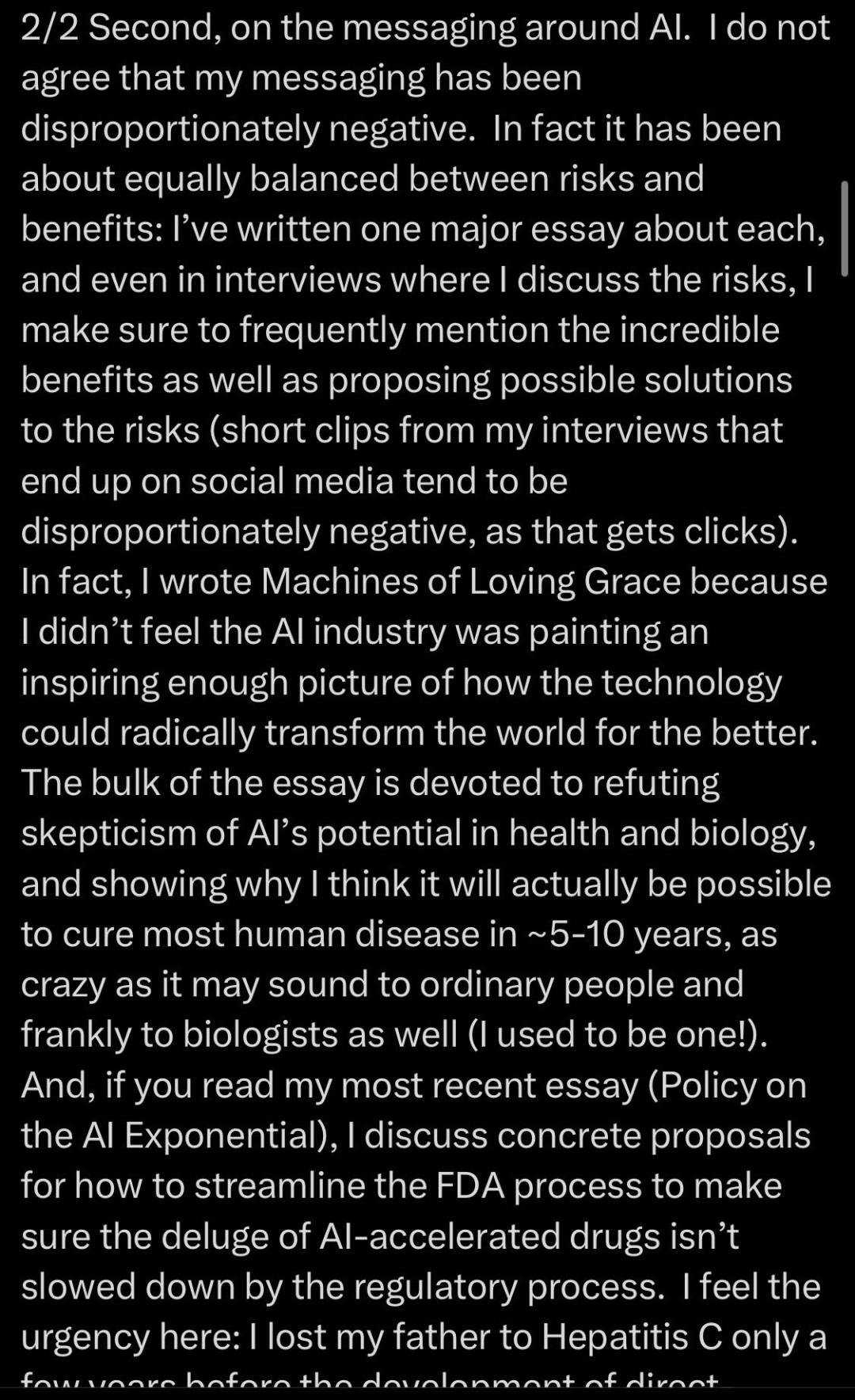
His judgment is extremely radical: In the next 5-10 years, AI will be able to cure most human diseases.
He believes that:
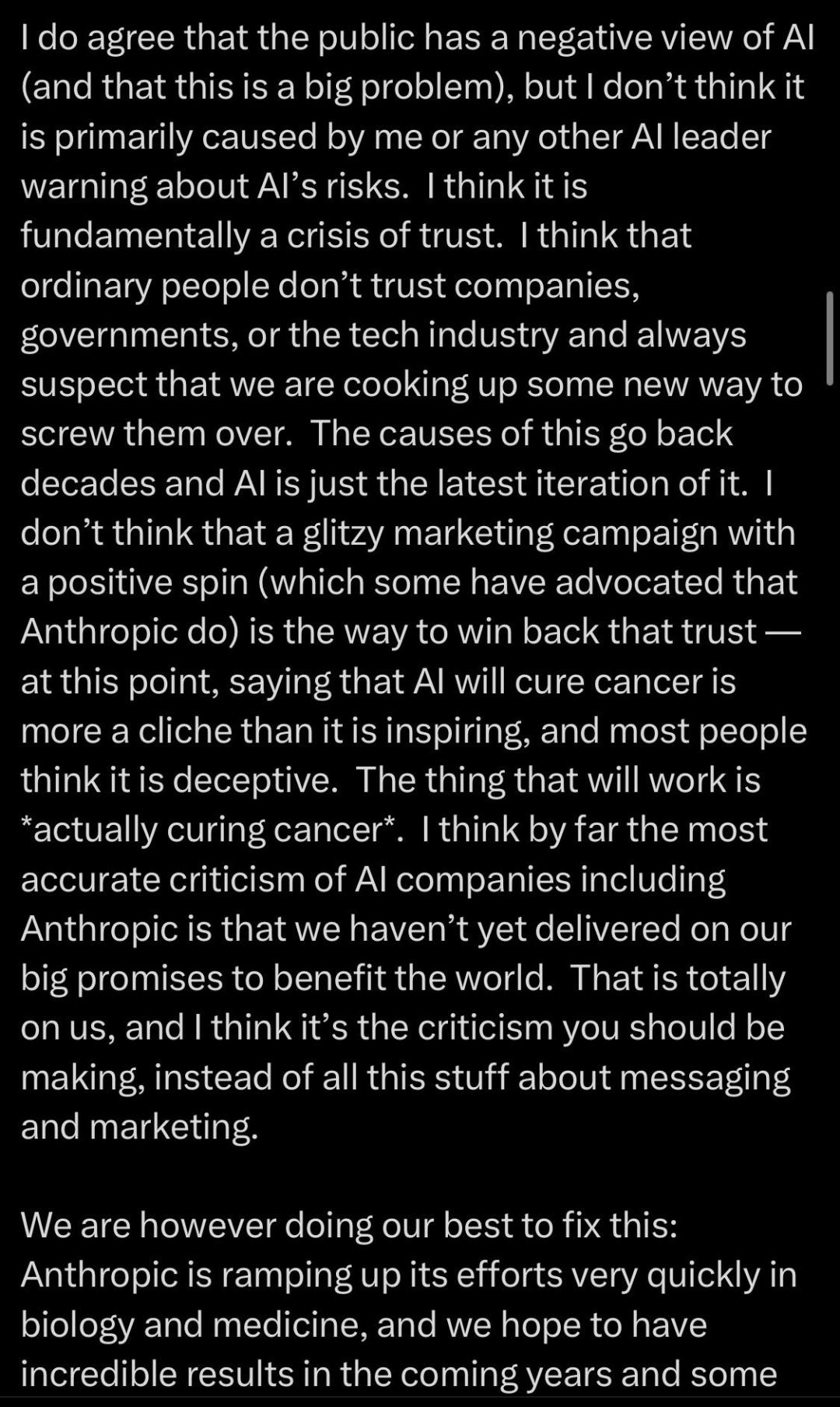
So far, the most accurate and powerful criticism of AI companies including Anthropic is: We have not yet fulfilled the grand promises of "using AI to benefit the world".
The only antidote is not shouting slogans, but only when cancer is actually cured will the public trust AI.
Anthropic is rapidly increasing investment in the fields of biology and medicine. We hope to achieve remarkable results in the next few years, and see some initial glimmers of hope in the next few months.
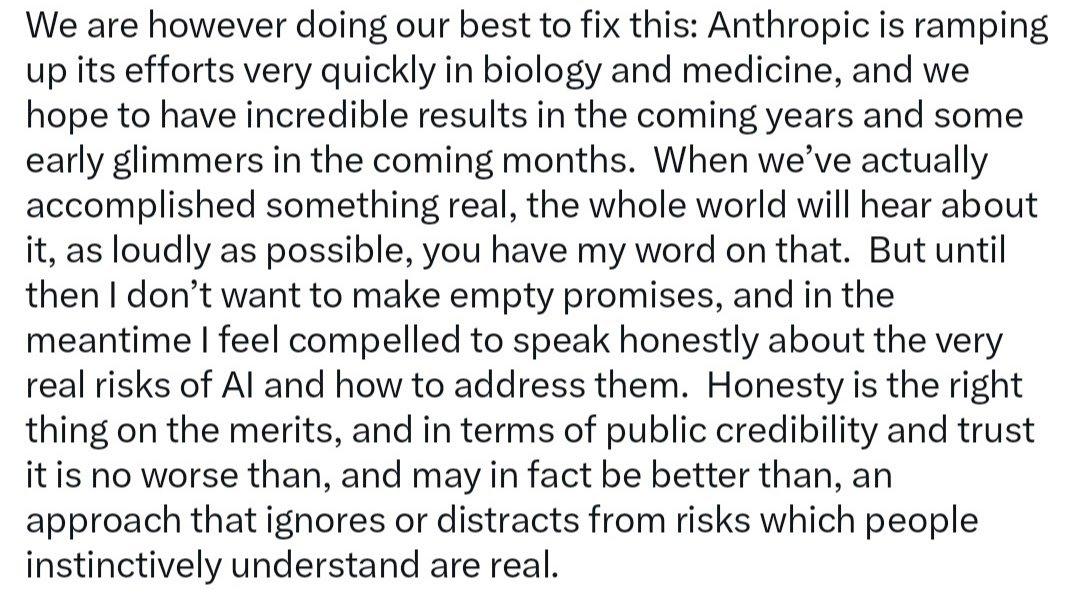
He predicts that within 5 to 10 years, AI will be able to cure most human diseases, and he gives a specific timetable.
This confirms the Wall Street Journal's report that Anthropic is betting heavily on the healthcare sector to ease the growing negative sentiment among the American public towards AI.
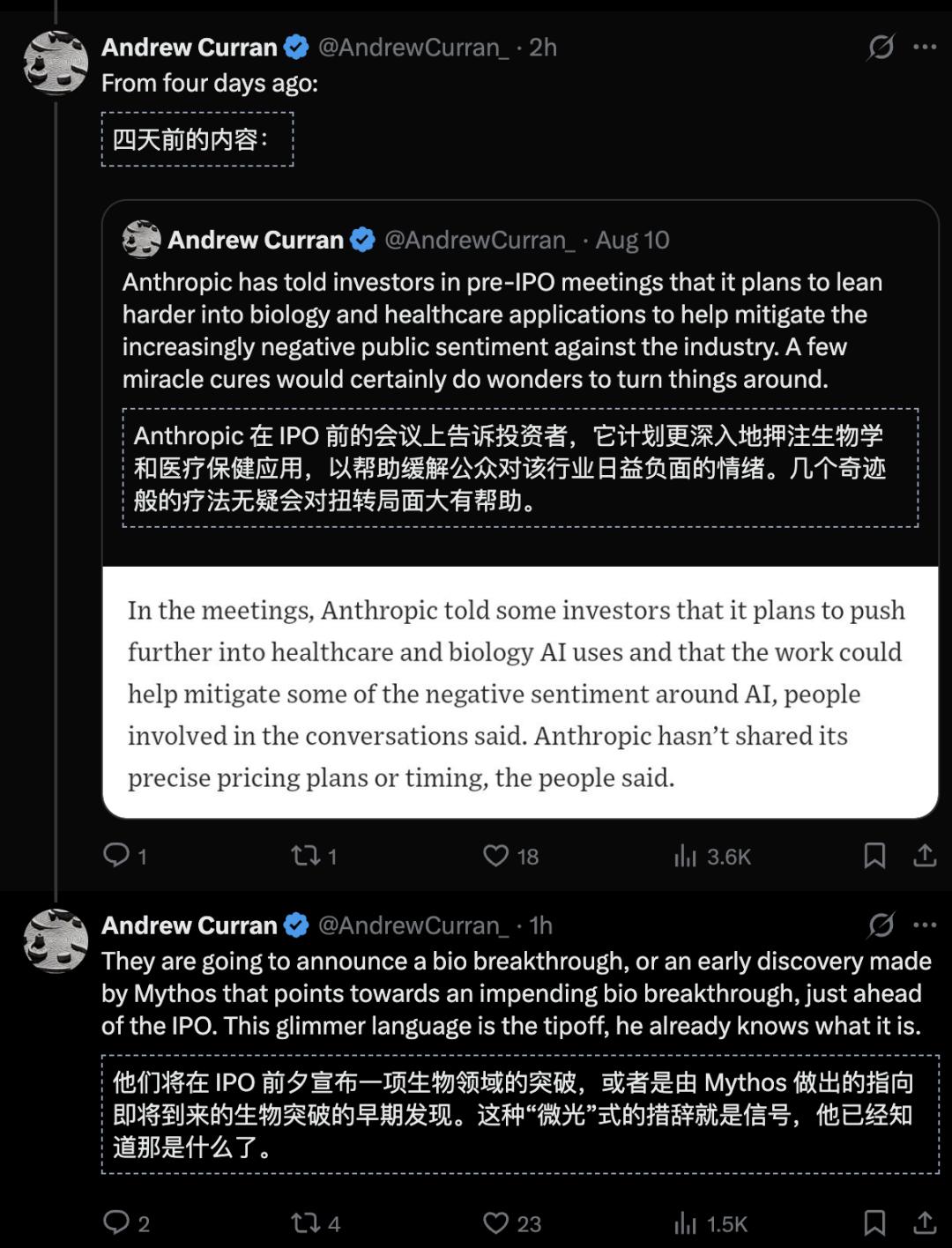
In October 2024, his judgment was even bolder: Advanced AI can compress biological progress that would otherwise take 50 to 100 years into 5 to 10 years.
At that time, many people took it as a vision and just listened to it.
This time it's different, he says, early research results will be made public in the next few months.
Then he told a personal story — his father died of hepatitis C.
In 2006, 23-year-old Dario Amodei was studying theoretical physics at Princeton.
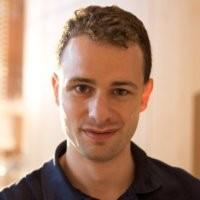
After years of suffering from chronic hepatitis C (HCV), his father Riccardo could not hold on and eventually passed away.
At that time, the cure rate for this disease was 50-50. Whether you could survive was entirely up to fate.
By 2010, specific oral drugs such as sofosbuvir emerged. Overnight, the cure rate of HCV skyrocketed from 50% to 95%.
Most people in a similar situation to Riccardo can recover after taking a few pills.
Four years too late, his father didn't make it. When a person is gone, everything is too late. One wishes to support one's parents but they have already passed away.
Amodei has repeatedly mentioned this incident later:
Someone developed a cure for this disease, really cured it, and saved many lives.
But many more people could have been saved.
In a sense, Amodei's life ever since has been a response to his father's death.
Amodei switched from theoretical physics to biology, hoping to directly study human diseases and biological issues.
But he soon discovered that life is too complex, beyond the capability boundary of a single human scientist.
So he finally turned his attention to AI.
This is why he has only one acceptance standard for "AI curing diseases": Don't shout "AI will cure cancer", actually cure cancer.
Before that, he won't make empty promises. He said bluntly: Public trust in AI will not come from press conferences and benchmark tests, but from only one thing — AI has actually saved people's lives.
This is not just sentiment. On the eve of the IPO, it is a narrative reconstruction.
Narrative Reconstruction on the Eve of IPO
The timing of this statement is thought-provoking. According to the Financial Times, Anthropic could go public as early as October this year, with some investors giving a valuation of $2 trillion — surpassing SpaceX's $1.77 trillion, setting a new record for the largest IPO in history.
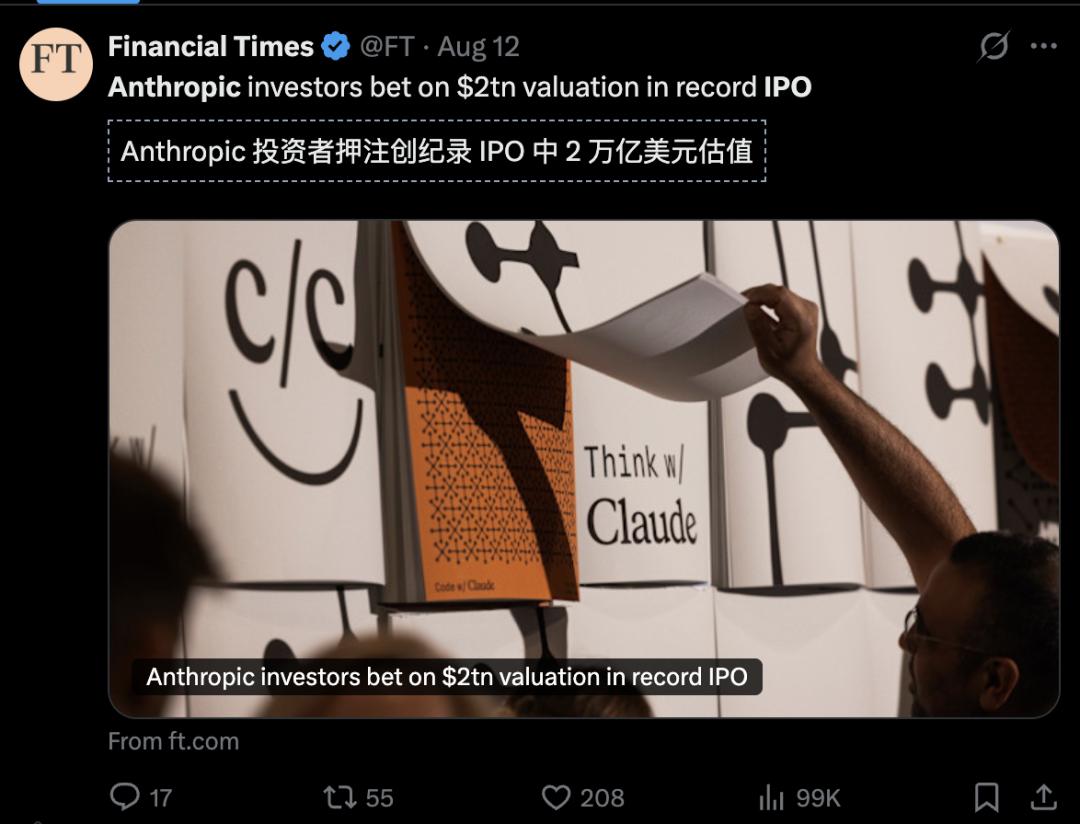
From 2021, when Dario left OpenAI to start a business with his sister Daniela, to today's valuation surpassing his former employer, it only took five years.
Underpinning this figure is a ridiculously steep revenue curve: annualized revenue reached $1 billion in January 2025, and exceeded $47 billion in May 2026. Less than 18 months, 47x growth. Enterprise-level API market share is 32%, surpassing OpenAI for the first time to rank first.
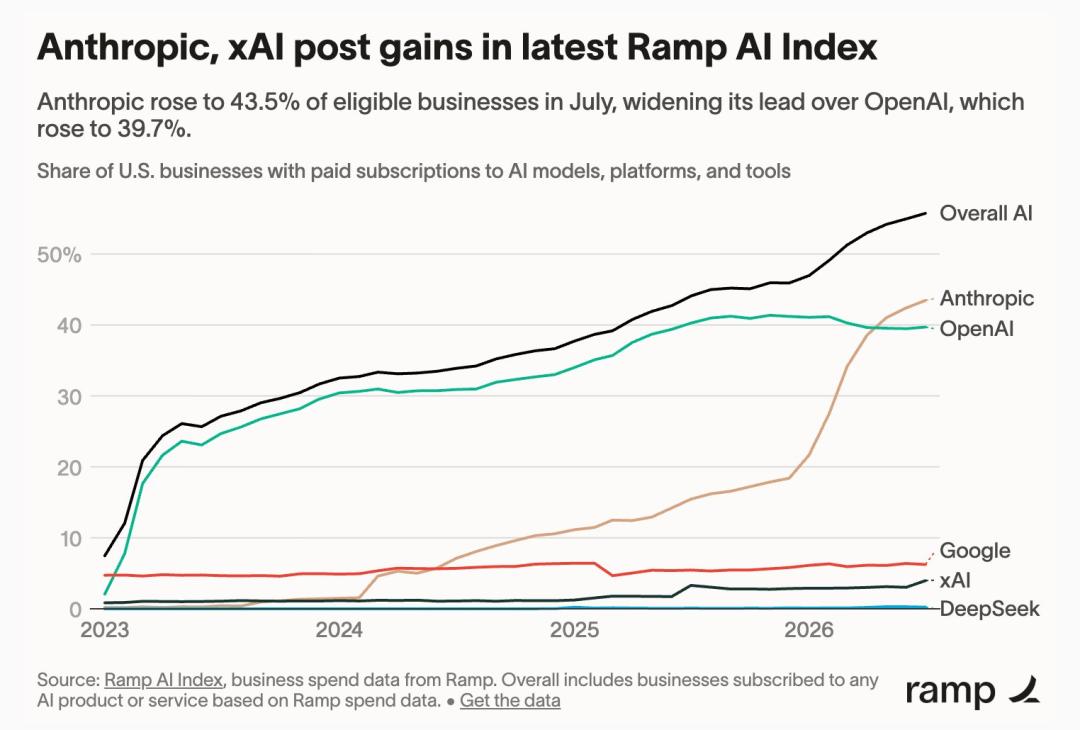
But Dario obviously doesn't want Anthropic to be defined only as "the company behind the amazing code-writing tool Claude Code".
By personally stepping forward to talk about regulation and curing cancer on the eve of the IPO, he is redefining Anthropic's narrative: not just a competitor of OpenAI, but a company trying to use AI to solve the most fundamental problems of humanity.
As for whether the market will buy it, we will see the result in October.
References
https://x.com/DarioAmodei/status/2088758816376807762
https://x.com/DarioAmodei/status/2088758819304443967
https://x.com/GavinSBaker/status/2088611616577253502