After reading DeepSeek's recruitment announcement, is the golden age for civil engineering practitioners making a comeback?
What? Do civil engineering practitioners finally get the chance to bring their professional expertise to Liang Sheng's team?
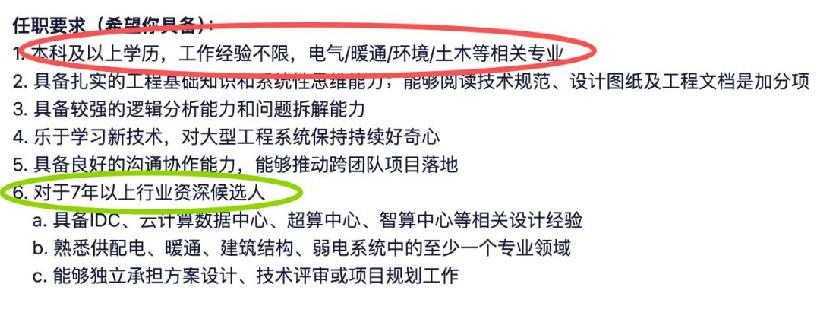
The other day when I was surfing online, I found that DeepSeek has launched a new large-scale recruitment program. Apart from traditional engineer and AI talent positions, civil engineering practitioners even appear on the recruitment list.
Does that mean the golden era described by older generations of civil engineering workers, when central enterprises recruited directly in dormitories, provided full social insurance and housing fund, free meals and accommodation, plus signing bonuses on entry, and the widely known promotion path of "becoming chief engineer in 3 years and project manager in 5 years" is making a comeback?

Well, after a quick check, we found that the reason why DeepSeek is seeking this "mutual attraction" with civil engineering practitioners is not to revive the glory of civil engineering, but at the end of the day, to contribute to the construction of AI infrastructure.
DeepSeek plans to build a data center far larger than any existing ones.
What does this "far larger" mean? Traditional data centers generally operate at the megawatt power level, but now, they are aiming for a power consumption level of 1 billion watts (1GW).
To put this into perspective, in the first half of this year, the average power consumption of Hangzhou was around 12GW, which means one single data center will take up nearly one tenth of the total electricity used by the entire city of Hangzhou.
In fact, this is not a unique choice of DeepSeek. Building super data centers has long become an arms race among large model manufacturers.
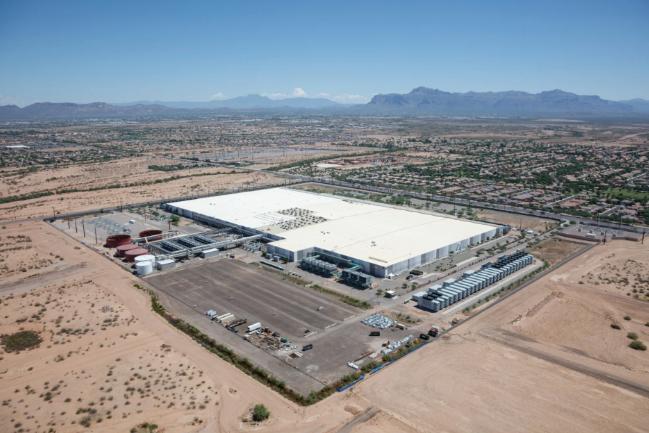
Meta next door is planning to build a 5GW super data center in Louisiana, USA; Elon Musk, with abundant capital, has taken the lead in launching the world's first GW-level data center Colossus 2; as for the two long-time rivals OpenAI and Anthropic, the number of super data centers in their planning is estimated to be even larger than the number of dumplings cooked in a pot during Chinese New Year.
However, design drawings are easy to make. When it comes to the actual ground-breaking construction phase, manufacturers have encountered many setbacks: site selection, power supply, water use, heat dissipation... a huge number of troubles come up one after another.
You may ask, is building a data center really that difficult?
Frankly speaking, it is indeed very difficult. The fundamental reason is that today's super data centers are not the same type of thing as traditional data centers at all.
In the past, the design idea of building a data center was not that complicated. You would roughly select a suitable site, build a computer room inside, and then stack servers and other equipment.
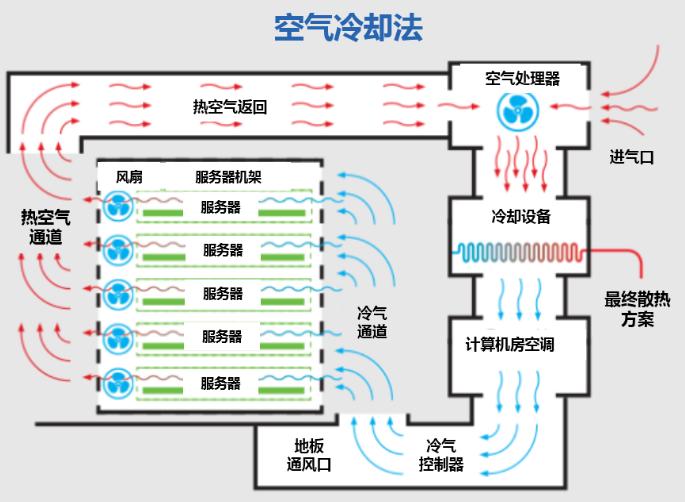
But super data centers cannot follow this old path, because heat dissipation has become the X-factor that determines how the entire computer room is constructed.
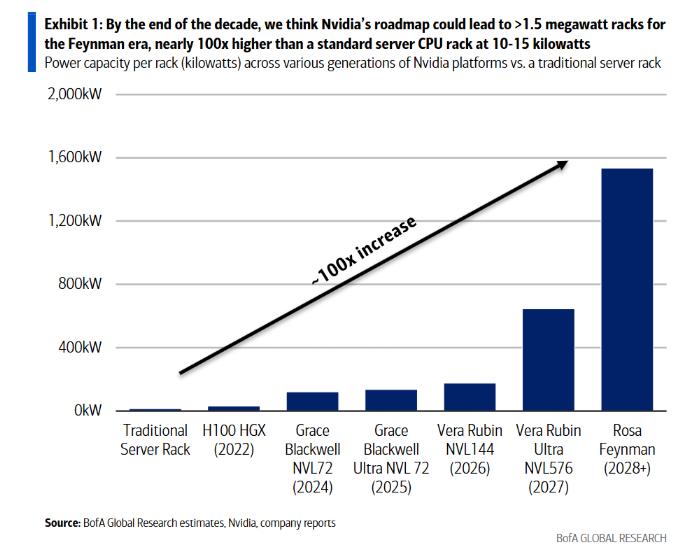
Before the rise of large models, data centers were mainly CPU-based. The total power of chips in one cabinet was at most around 15kW.
Such a small amount of heat can be easily taken away by a few rows of large fans blowing air.
But things are different now. To meet AI demands, data centers are packed with various high-power graphics cards, and cabinets with dozens of kilowatts of power are everywhere. The GB 300 cabinet launched by Jensen Huang even reaches a power of 140kW directly.
At this power level, the traditional "air cooling" technology is completely outmatched. To keep these precious cabinets running stably at an appropriate temperature, liquid cooling has to be adopted.
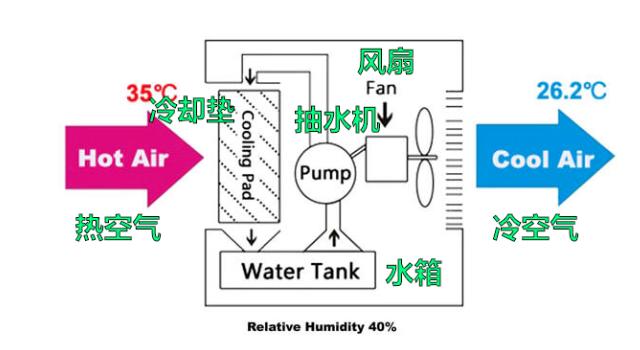
However, once large-scale liquid cooling is used, you have to plan in advance where to install the cold plates, how much flow to allocate to each cabinet, how to configure the CDU (Coolant Distribution Unit), how thick the pipelines should be, what coolant to use, whether to adopt full liquid cooling, or a liquid cooling solution mixed with a small amount of air cooling...
What's worse, compared with mature air cooling solutions, liquid cooling computer rooms are still non-standard products. There are several different technical routes in the market for joints, coolant, redundancy design and maintenance processes, and no fully unified standard has been formed yet.
Therefore, the construction period of the computer room alone for a super data center is two to three months longer than before.
If solving the heat dissipation problem is already a headache, this is just the beginning for super data centers.
The next problem that comes up immediately is power supply.
The power consumption of previous data centers was already considerable, but the power grid could still manage to handle it with some efforts. Now that a single data center has reached the GW level, the situation has reversed, with power consumers even having more bargaining power than power suppliers.
According to data from the International Energy Agency, the construction of a data center itself usually only takes a few years.
But to supply power to these data centers, the construction of new transmission lines, substations and other power grid infrastructure, from planning, approval to actual completion, may take a much longer period.
This leads to a very absurd situation: the building may be almost completed, but the power supply is still not connected.
In China, we have long enjoyed low electricity prices without much feeling, but people in the United States are in a real difficult situation.
Because their electricity prices fluctuate, if a large power consumer appears near their homes, the electricity price will naturally rise.
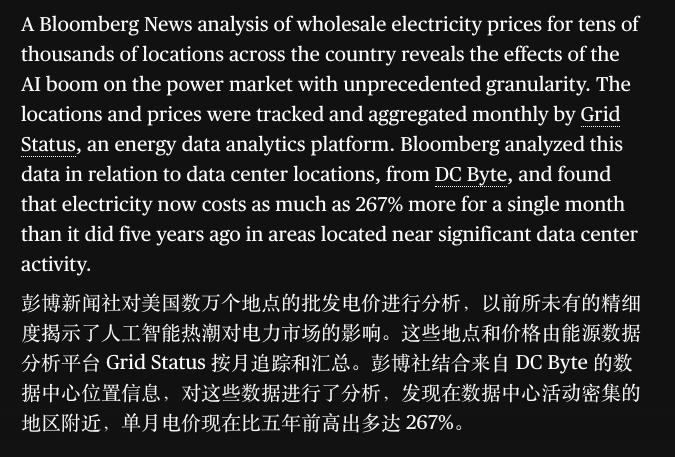
Some media previously tracked electricity prices in some regions of the United States and found that in areas with a high concentration of data centers, residential electricity prices are 267% higher than they were 5 years ago.
I can only say that AI may change the lives of Americans, but it has already changed their electricity bills first.
Similarly, water has also become a trouble for data centers.
As mentioned earlier, to cope with high power consumption, computer rooms have all adopted liquid cooling. But exporting heat from chips is only the first step of heat dissipation.
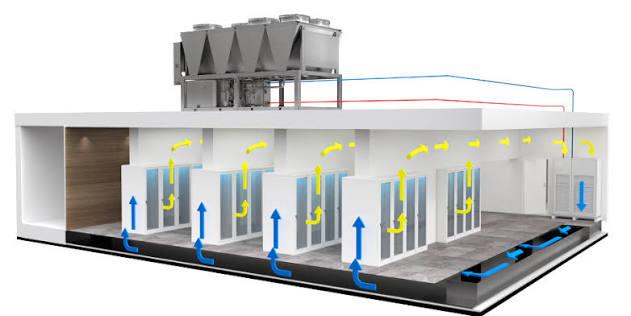
These heats will eventually be dissipated into the atmosphere through continuous water evaporation in cooling towers.
This process consumes a huge amount of water resources. A team led by LI Pengfei from the University of California, Riverside made an estimate in 2023: for every 20 conversations people have with ChatGPT, about 500ml of water may be evaporated.
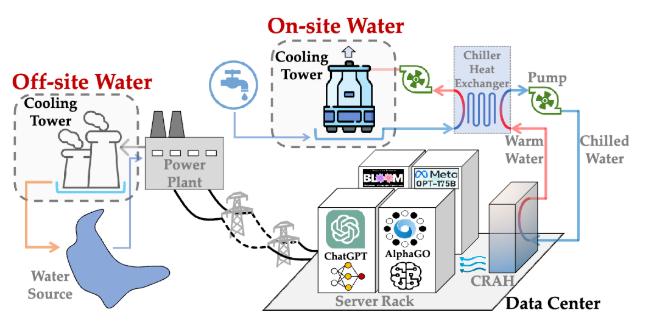
Although this water will not disappear directly from the earth, it is very unrealistic for the evaporated water to fall back to the local area.
What's more abnormal is that many data centers are deliberately built in areas with scarce water resources.
Because many of these water-scarce areas are deserts, and deserts have well-developed wind power and photovoltaic power generation, with low electricity prices and favorable land prices.
Local governments, in order to attract data centers to settle down (which is also a way to increase local jobs), will sign agreements to prioritize water supply for these facilities.
For example, the government of Arizona in the United States was forced to suspend urban infrastructure construction to supply water to data centers, and was even warned by the US federal government to "use less river water".

Google was even taken to court over the water grabbing issue of its data centers.
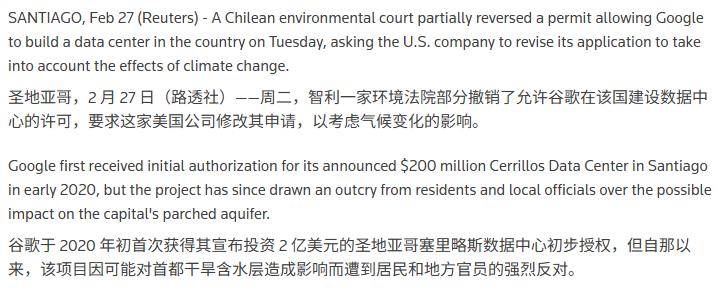
Previously, Google planned to build a data center in Santiago, Chile. Its initial cooling solution was very "simple and crude": directly pump local groundwater for cooling.
Coincidentally, Chile has suffered from consecutive droughts for nearly ten years, and the reservoirs for local residents to farm and get drinking water are almost drying up. When people heard that Google was coming to grab groundwater, they were extremely furious.
Eventually, public anger turned into legal action. The Chilean environmental court withstood the pressure from multinational capital and revoked part of the environmental assessment permits of the project in court.
Google finally had to abandon the original plan and come up with a new solution.
Fortunately, after being criticized by the whole world for several years, large tech companies have begun to find ways to help data centers "reduce water dependence".
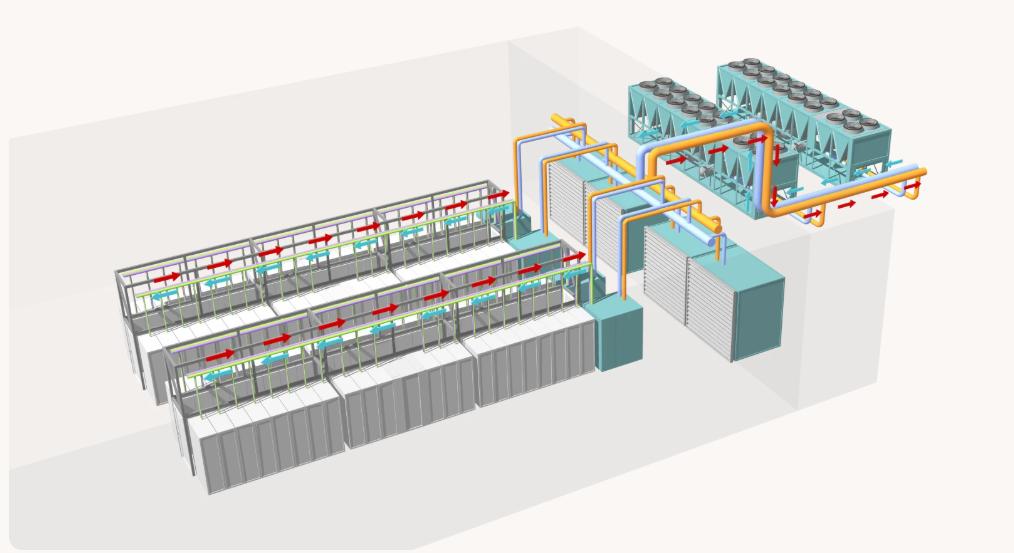
At present, some newly built AI data centers have adopted more complex closed-loop cooling solutions. After the coolant is injected into the pipelines, it circulates continuously between chips, heat exchangers and water chillers. After the heat is brought out of the computer room, instead of using unlimited water for cooling as before, fans and mechanical refrigeration solutions are also applied.
According to Microsoft's own data, this new design can reduce evaporative water consumption to nearly zero, and a single data center can save up to 125 million liters of water per year.
Therefore, we can see that building super data centers that can run large models today is far more complicated than simply pulling network cables for a few servers.
Essentially, this is an ultra-large systematic project spanning civil engineering, electrical engineering, HVAC, energy, communication, and even environmental engineering.
Therefore, many people are saying that the current evolution of AI is gradually entering the heavy industry era.
Can't get the chips you need? Then spend huge sums of money to develop them independently;
The rented computing power is unreliable? Then acquire land to build your own data centers;
The power grid load can't keep up? Then negotiate cooperation with power plants, build substations and construct energy storage facilities.
...
Recently, many people outside the industry have complained about the development direction of AI, saying that they thought AI was coming to help people with their work, but ended up finding that AI is coming to take their jobs.
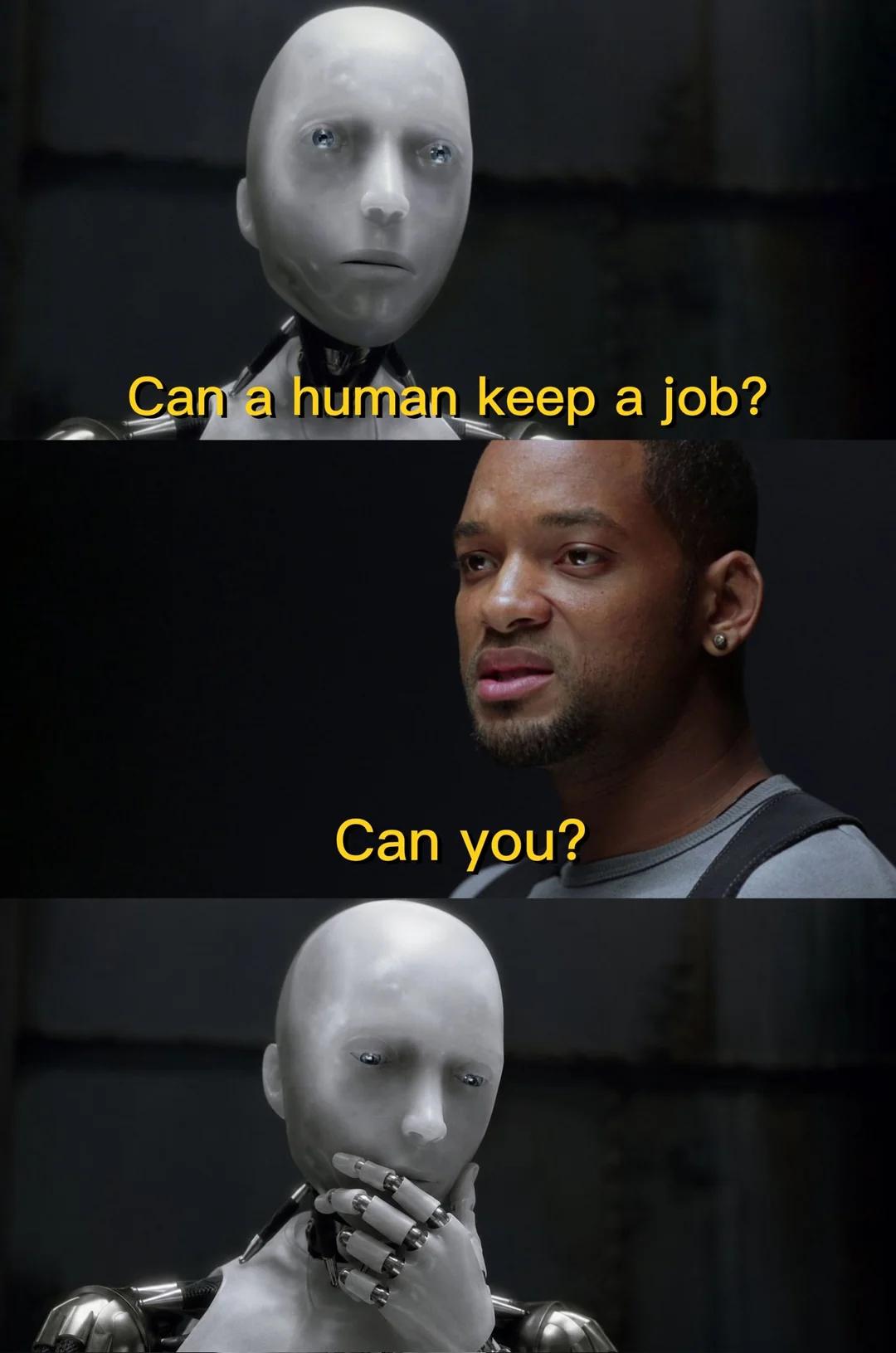
But if we look at this story about data centers, you will find that what AI brings is not all about "which jobs will be replaced".
It is also redefining what kind of work counts as "AI industry work".
In the past, when people mentioned AI, what came to their mind might be algorithm engineers, researchers and programmers.
But when the scale of models continues to expand, what really determines whether the model can run stably has turned to whether there are enough chips, where the electricity comes from, how the heat is dissipated, whether there is enough water, and how the building itself is constructed.
As a result, civil engineering practitioners who have