Google Pixel 11 Full Lineup Unveiled: Minor Hardware Tweaks, Phones Become Gemini's Main Battlefield
Do you still remember the "incoming call flashing" mobile phone charms from the feature phone era? Google has brought this notification light, which was phased out years ago, back to its 2026 flagship Pixel device.

Image source: Internet
On the back of the Pixel 11 Pro, there is a ring of colorful LEDs called HiLight, which replaces the position of the temperature sensor on the previous Pixel 10 Pro series. Together with the camera bar covered by the entire piece of glass, it has become the most eye-catching appearance change of this generation.
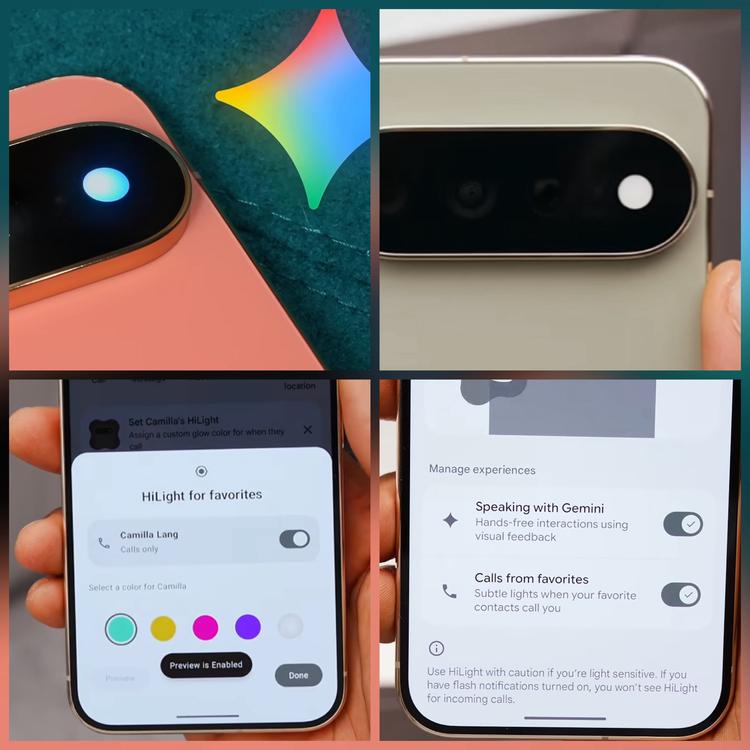
Image source: Internet
However, it seems that the software capability has not kept up with its visual presence. At launch, HiLight only has five colors, and it can hardly be freely linked with other notifications except for the Gemini status and incoming calls from designated contacts.
It has fulfilled the task of "making the new Pixel recognizable", but it will never be a reason for people to buy the Pro version.
Four Pixel 11 models, the entire line sees a $100 price increase
This year's Pixel 11 family still consists of four products: the 6.3-inch Pixel 11 and Pixel 11 Pro, the 6.8-inch Pixel 11 Pro XL, and the Pixel 11 Pro Fold with a 6.5-inch outer screen and an 8-inch inner screen.
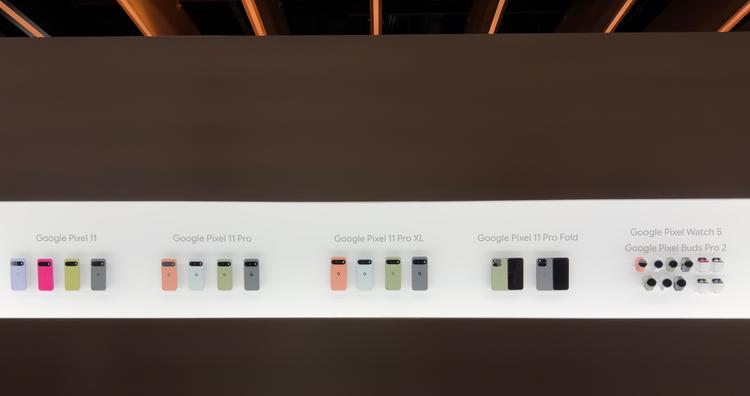
Image source: Internet
All four phones are equipped with the brand-new Tensor G6 processor, and start with 256GB of storage; the starting prices in the US market are $899, $1099, $1299 and $1899 respectively. Pre-orders open today, and the official sale will start on August 20.
Compared with the previous generation, the minimum starting price for the entire Pixel 11 line has increased by $100. However, the good news is that the 128GB version has been canceled for both the Pixel 11 and Pixel 11 Pro. Google, like Apple, has offset part of the price increase by doubling the base storage, but consumers have also lost the option of cheaper models.
This year's memory configuration also reflects the cost pressure from the supply chain. The Pixel 11 comes with 12GB of RAM, while the Pro and Pro XL require upgrading to 512GB or 1TB storage to get 16GB of RAM. Compared with the previous generation of Pro models that all came with 16GB of RAM, this can be regarded as a significant downgrade.
In terms of the camera module, all three bar phones are equipped with an integrated glass camera bar. The bulge on the standard version is 40% thinner than that of the previous generation. The peak screen brightness of the Pixel 11 has been increased to 3000 nits, and the LTPO screens of the Pixel 11 Pro and Pro XL reach 3600 nits, with a new scratch-resistant coating added.
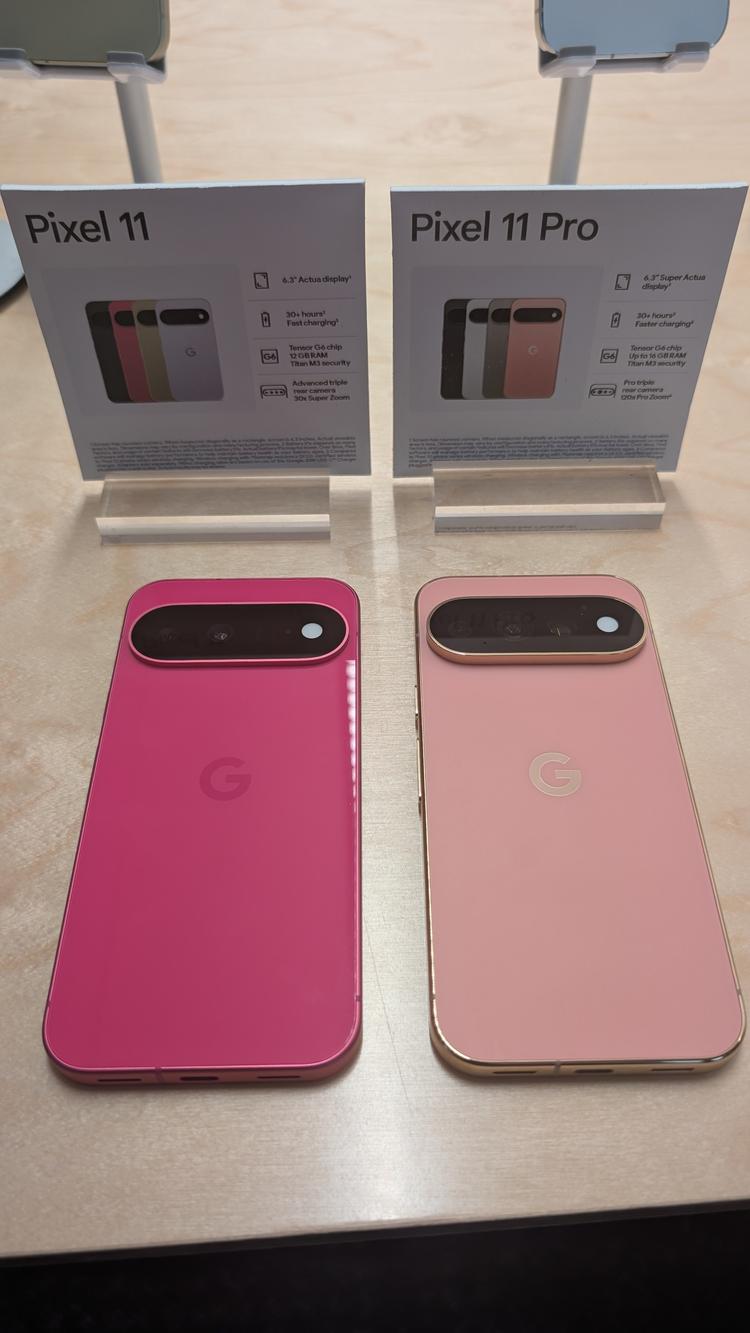
Image source: Internet
The focus of Tensor G6 is still not benchmark scores
Just like previous launch events, Google still did not release too much traditional performance data, but emphasized the improvement of Tensor G6 to daily experience: its web browsing speed is 25% faster, app startup speed is 15% faster, and CPU energy efficiency is increased by up to 20%. The new TPU has 50% more computing power, and the memory bandwidth is doubled; paired with the new generation of Gemini Nano, some on-device AI tasks can be up to 3.5 times faster, while the power consumption is reduced to about one-third of the previous level.
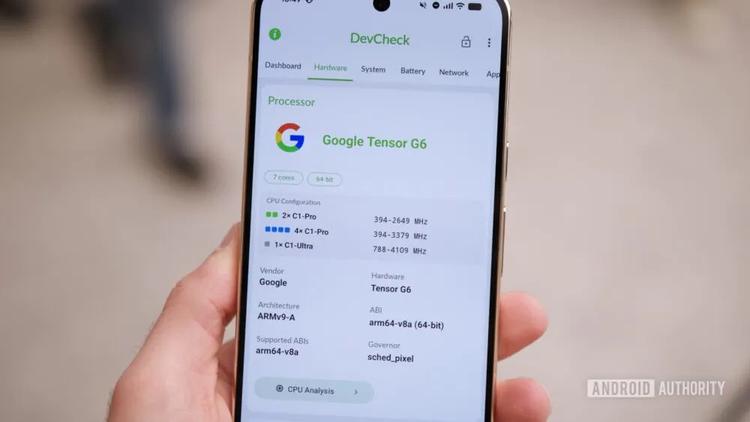
Image source: Internet
This is Tensor's consistent path: it does not compete for the first place in benchmark scores, but invests resources in imaging and local models. The new ISP brings 4K portrait video to the three bar Pixel models, while the Titan M3 security chip introduces post-quantum cryptography technology into device startup. The entire line still promises seven years of software version updates.
In terms of battery life, the Pixel 11 series and the iPhone 17 series have taken the same path, mainly relying on the energy efficiency improvement of the new processor rather than piling up larger batteries. The Pixel 11, Pro and Pro XL have battery capacities of 4985mAh, 4850mAh and 5115mAh respectively, and the battery capacity of the Pro series has even shrunk; the foldable Pixel 11 Pro Fold has also been reduced to about 4800mAh.
At this capacity, Google still claims that the bar phones can last for more than 30 hours, and the Fold can last for more than 24 hours, which shows that the energy efficiency improvement of the Tensor G6 processor should be quite obvious.
In addition, the entire Pixel 11 line supports Pixelsnap magnetic accessories and Qi2.2 25W wireless charging. Google says the Pro XL can be charged to about 75% in half an hour, but the overall charging speed is still not as fast as any domestic Android flagship.
Standard version gets upgraded main camera, real imaging improvements are reserved for Pro models
The Pixel 11 is equipped with a 48-megapixel main camera with a 1/1.56-inch sensor, and Google claims that its light-sensing capability has been increased by 56%. The other two cameras are still a 13-megapixel ultra-wide-angle lens and a 10.8-megapixel 5x telephoto lens, and the maximum zoom capability of the telephoto lens has been increased to 30x.
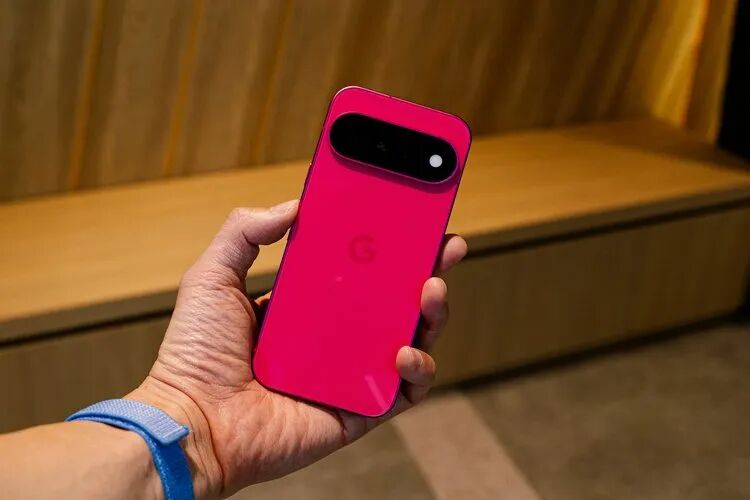
Image source: Internet
The Pixel 11 Pro and Pro XL have exactly the same camera module: a 50-megapixel main camera, a 48-megapixel ultra-wide-angle lens, and a redesigned 48-megapixel 5x periscope telephoto lens. The light-sensing capability of the telephoto lens is increased by 30%, supporting 5x portrait shooting, 10x zoom with "lossless optical quality" and a maximum 120x digital zoom.
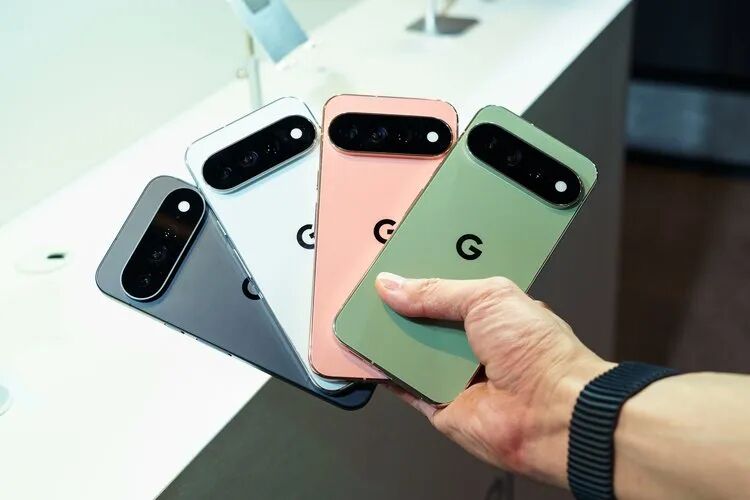
Image source: Internet
Google stated that the night shooting speed of the two Pro models this year is increased by up to 4.5 times, which can effectively reduce the time required for people to stay still when taking photos. However, Google has also significantly widened the gap between the standard version and the Pro models this year. Features such as Instant Night Sight, 120x digital zoom, and 8K video recording are exclusive to the Pixel 11 Pro series.
Camera Looks, Pixel's reflection on computational photography
If a larger sensor is just a regular upgrade, then Camera Looks seems to better represent the imaging changes of the Pixel 11.
Over the past decade, Google has used multi-frame synthesis, HDR+ and night scene stacking to pursue photos that are as technically "correct" as possible. The problem is that when every photo becomes more and more "correct", their visual performance also becomes more and more similar.
Although Camera Looks sounds like a filter, it will directly change the exposure strategy of HDR+, the number of synthesized frames, sharpening and color performance. It does not overlay colors on the finished photo, but determines how the photo should be "computed" before the shutter is pressed.
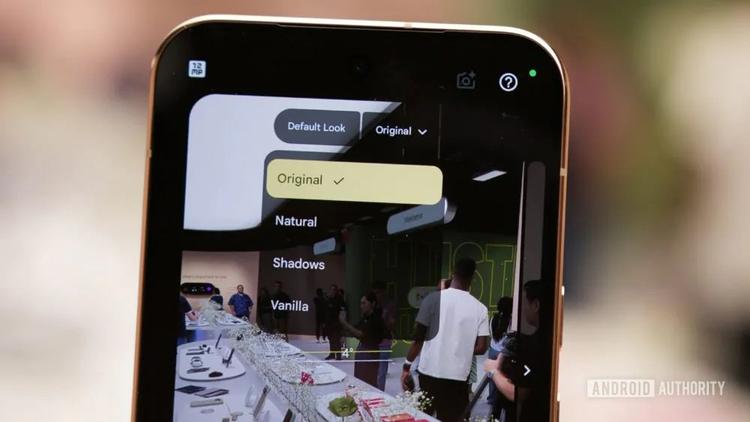
Image source: Internet
In addition to Original, users can also choose styles such as Natural, Shadows, Vanilla, Digi, Minimal, Editorial, and adjust color temperature, sharpness and grain. This is very similar to the combination of Apple's Photographic Styles and Fujifilm's film simulation, but opens up more computational photography controls.
Google, which once insisted on calculating the "best answer" for everyone, for the first time admitted through Camera Looks that there is no single correct answer for imaging aesthetics.
Google starts to seriously "compete" for mobile content creators
The other two brand-new imaging features are clearly targeted at professional users engaged in content production. Magic Capture is a hybrid mode between photos and videos. The phone will record videos while using on-device intelligence and the Gemini model to analyze about 400 frames of images, select 12-megapixel photos with better timing, and automatically crop and deblur them, which is especially suitable for scenarios where it is difficult to predict the shutter, such as children, pets and sports actions.
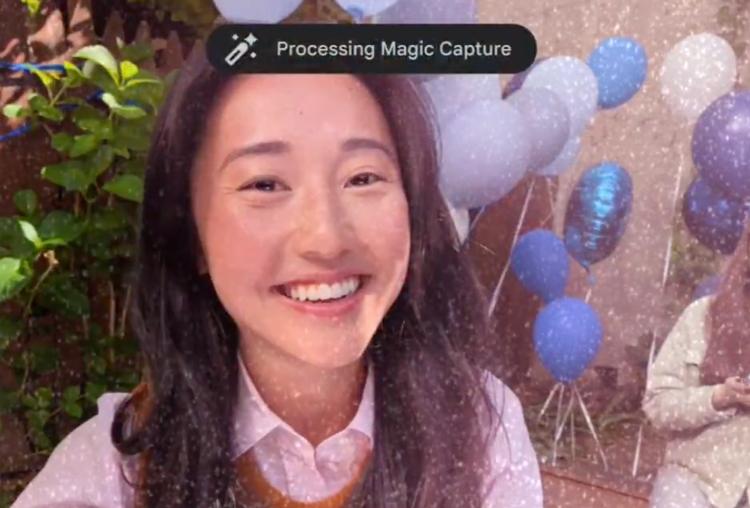
Image source: Internet
This concept is not new. Samsung's Galaxy AI (including the Chinese mainland version) has long had similar functions, and the short hands-on test by foreign media The Verge also shows that this feature is not stable enough at present: a 15-second footage finally only generates one photo and one short clip.
Creator Suite integrates teleprompter, frame guide lines, external microphone level, voice enhancement, project folders and editing tools into the system camera. The teleprompter can also scroll and pause following the speaking speed.
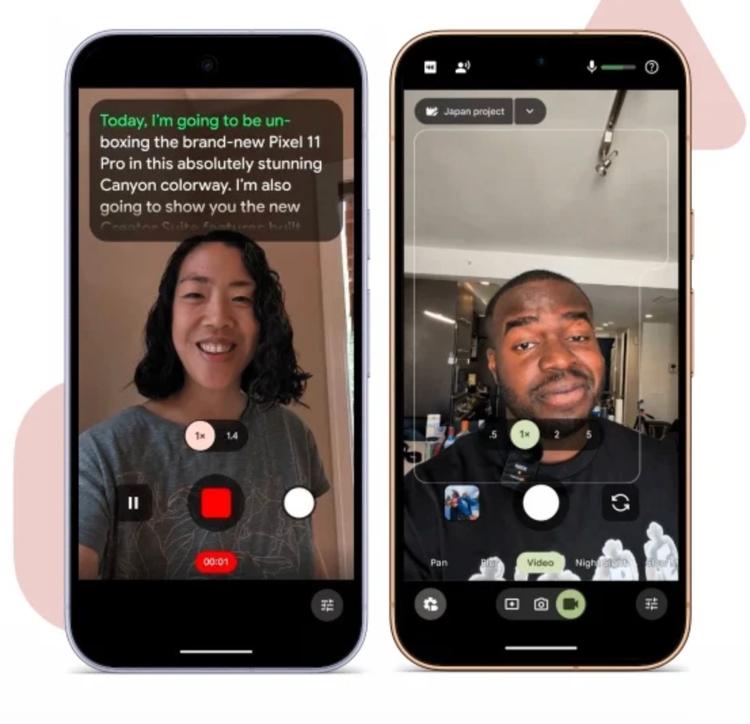
Image source: Internet
None of these features are revolutionary on their own, but they show that Pixel is trying to grab the core group that has been firmly controlled by the iPhone Pro series: small-scale creators who do not have a professional team, need to update content frequently, and hope to complete the whole process from shooting to publishing on a single mobile phone.
Gemini is evolving from "an app" to part of the system
Just as we speculated in the article "The Pixel 11 is coming, but what Google really wants to sell is no longer the phone" written a few months ago, the real protagonist of the Pixel 11 is still Gemini Intelligence.
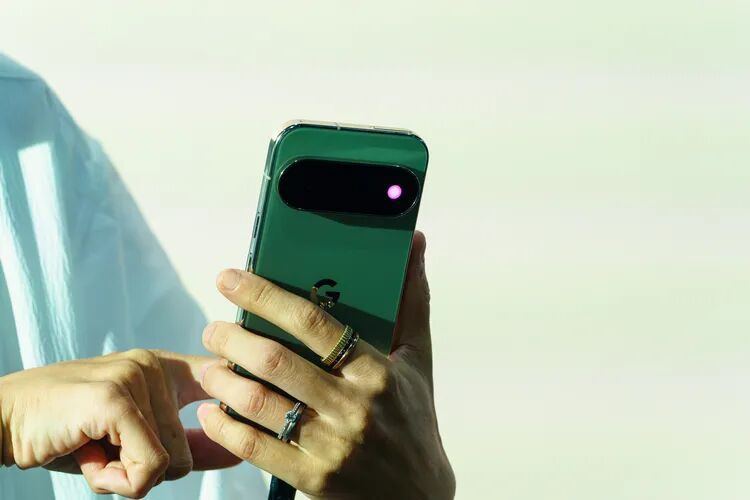
Image source: Internet
Different from the past when users needed to actively open Gemini, Google emphasizes "showing up at the right moment" this time. Gemini can perform multi-step tasks across more than 40 apps, and can also combine screen content with information from Gmail, Calendar, Google Maps, Wallet and other services authorized by users to actively provide contextual cards.
In Google's official demonstration, when a friend asks for flight and hotel information during a chat, the relevant information can be displayed directly; when discussing dinner plans, the system can prompt to make a restaurant reservation. In the US market, Gemini can also make purchases in the background, automatically book a vehicle or make a phone call to a merchant on your behalf, and users can take over the operation at any time with sufficient permissions.
At the same time, Rambler can remove filler words and repetitive expressions when you speak, and organize the content into concise text; Live Translate can generate real-time voice dubbing for videos and audios.
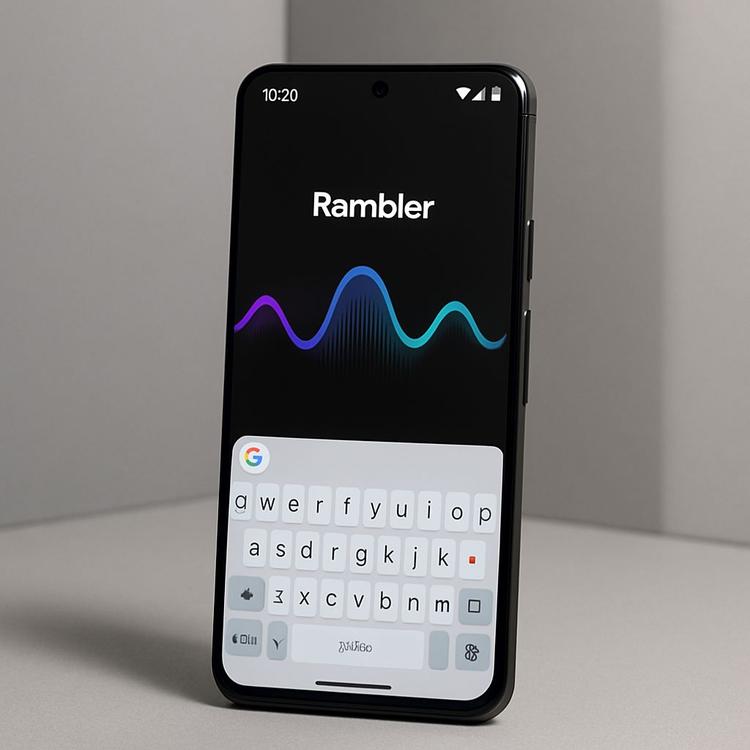
Image source: Internet
Google has also integrated the sign language-to-text model into Gboard and Live Transcribe. The