Why do heavy-duty truck drivers spend 10,000 yuan to install an additional air conditioner in their vehicles?
On the road, have you ever seen such a scene:
Behind the cab of a truck, there is a square box "carried" on its back, which looks exactly like the outdoor air conditioner unit at home.
You are not mistaken. It is not a lookalike, that is exactly an outdoor air conditioner unit.
Statistics show that among the approximately 18 million commercial trucks nationwide, more than 35% are equipped with parking air conditioners, and the installation rate on some long-distance logistics routes is even as high as 78%.
Since the original truck comes with a factory-installed air conditioner, why do drivers pay out of their own pockets to install an extra set?
In addition to air conditioners, more and more drivers are also modifying the sleeper berth and storage space of the cab, and even turning the cab into a wheeled "home".
Behind these modifications lie the survival accounts of 38 million truck drivers, and also reflect the development trend of an industry.
01
Installing Additional Air Conditioners
There is an old Chinese saying that lists "three hardest jobs in the world": blacksmithing, boating, and tofu making.
Modern truck drivers are enduring the same hardship as the "boating" job.
The nature of long-distance freight work determines that drivers cannot go home and rest on time like ordinary office workers.
Drivers operating mainline logistics and green channel transport often rush day and night. To meet time limits, save toll fees and accommodation costs, they spend most of their rest time on the truck.
In hot summer weather, the closed cab is sweltering, and the air conditioner must be turned on.
As everyone knows, the original factory air conditioner in a car is driven by the engine. Once the vehicle is turned off, the air conditioner stops working.
This means that as long as drivers stop to rest, eat, or stay overnight, they have to let the engine idle for a long time if they want to use the air conditioner.
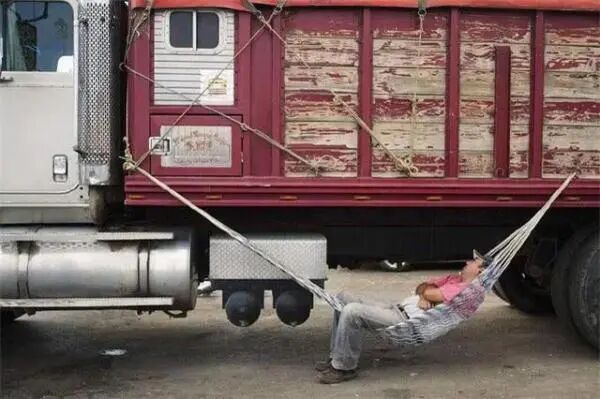
Prolonged idling of the engine brings two problems:
The first is excessive fuel consumption.
A diesel engine with 11L displacement consumes 2 to 3 liters of fuel per hour at idle. Calculated at the current diesel price, if a driver turns on the air conditioner for 8 hours during night rest, the fuel cost alone will be 128 to 192 yuan.
This adds up to thousands of yuan a month, directly eating up most of the driver's income.
The second is safety risks.
When the engine is idling, the fuel does not burn fully, and the exhaust gas contains high concentration of carbon monoxide, which seeps into the vehicle through gaps in the cab and the external circulation air vents, easily causing carbon monoxide poisoning.
In addition, prolonged idling will also lead to engine carbon deposition, increased wear and shortened service life.
With the three core demands of saving money, protecting the vehicle and ensuring safety overlapping, paying out of pocket to install an air conditioner has become a "helpless choice" for drivers.
Let's do the math: installing a set of independent parking air conditioner that does not rely on the engine, powered by the on-board battery or a small diesel generator, costs between 8,000 and 15,000 yuan.
The installation cost is not low, but the usage cost is greatly reduced.
A parking air conditioner consumes about 1 kWh of electricity per hour, which translates to a cost of only 2 to 4 yuan. Compared with the 16 to 24 yuan per hour fuel consumption of the original factory air conditioner, the cost is cut by more than 80%.
Some drivers have tested that under 40℃ high temperature, after 8 hours of continuous operation, the parking air conditioner saves 62% more fuel than the original factory solution.
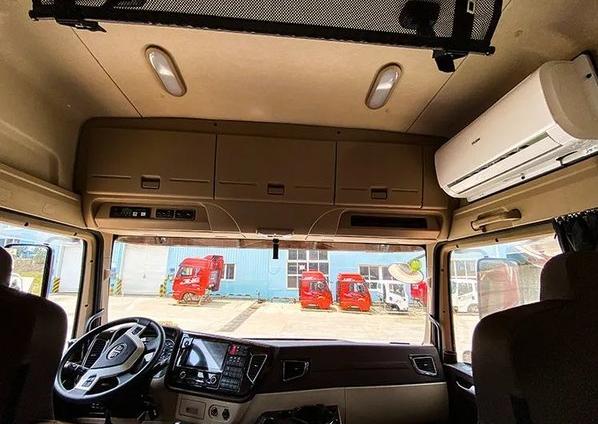
The air conditioner installed inside the cab
At this efficiency, a 10,000-yuan parking air conditioner can pay for itself in one summer.
Some readers may say that the air conditioners of new energy trucks should have no such problems.
Indeed, new energy trucks are all equipped with battery packs, and the original factory air conditioner is powered by the power battery, which only consumes more than ten kWh of electricity after running all night.
But in reality, new energy trucks have just started to be popularized, and the vast majority of existing trucks are still fuel vehicles.
For the vast majority of fuel truck drivers at present, paying to install a parking air conditioner is still the most practical solution.
02
Modifying the Cab
If you think that hanging an outdoor air conditioner unit at the back of the truck is all the modifications, you will underestimate the survival wisdom of truck drivers.
More and more drivers are carrying out all-round modifications to their trucks.
Sleeper berth modification is the most basic rigid demand.
After the seats of traditional light trucks are laid down, you can sleep simply, but the experience is not very good.
Therefore, drivers show their own ingenuity.
Some directly remove the co-pilot seat to replace it with a storage box and sleeper berth, some install a foldable upper sleeper to realize bunk beds, and some replace it with a custom sleeper mattress to enrich the "home-like" functions of the cab.
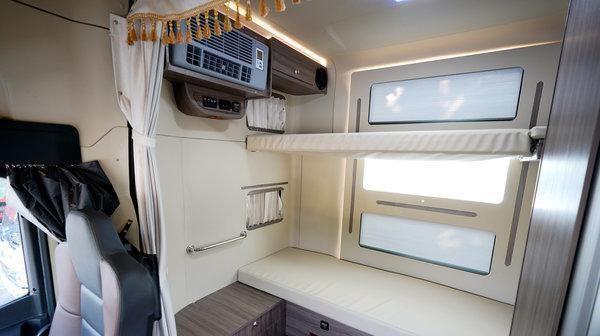
The modified truck cab
A more advanced modification is turning the fairing into a bedroom.
The so-called fairing is a streamlined cover installed on the top of the truck cab, whose core function is to guide airflow, reduce wind resistance and thus lower fuel consumption.
The fairing itself is a hollow shell, which provides the physical space basis for modification.
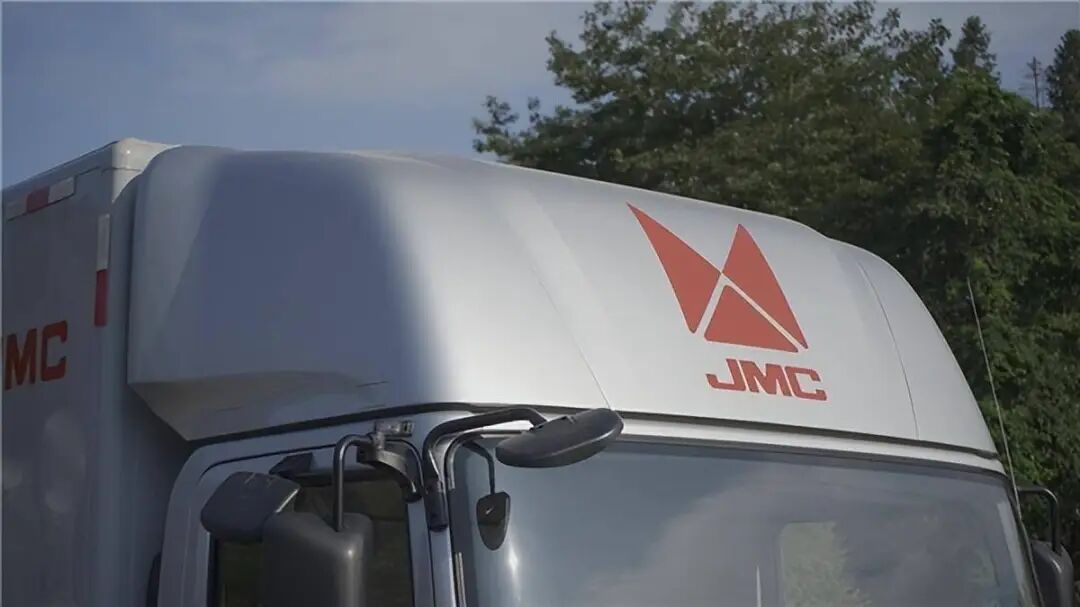
The fairing is located on the top of the cab
The specific method is: first disassemble the original fairing shell, cut the cab roof to open a passage, and connect the cab with the fairing.
Then lay a reinforced bottom plate inside the fairing, and install mattresses, breathable small windows, lighting, charging ports and heat insulation layers.
Some drivers will also match it with a roof-mounted parking air conditioner and storage compartments.
The originally hollow fairing has been transformed into an attic-style sleeping cabin.
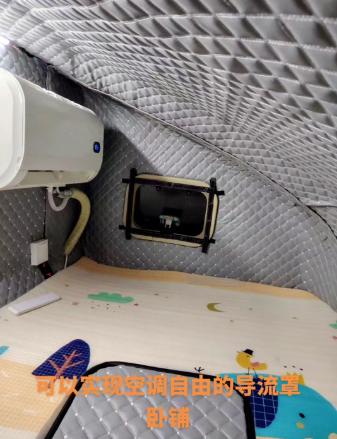
The interior of the modified fairing
The advantage of this is that it not only makes use of the idle space on the roof, but also does not occupy the space of the cab and cargo box, allowing drivers to rest lying down comfortably.
A more advanced modification is to install shower equipment in the cargo box.
Lay a waterproof basin and constant temperature mixing valve in the spare space of the cargo box to create a closed independent shower space, which is matched with the roof fairing sleeping cabin and parking air conditioner as a complete set.
After the modification is completed, the truck that was originally only used for transporting goods has become a mobile home that can sleep, wash, cook, and shelter from wind and rain.
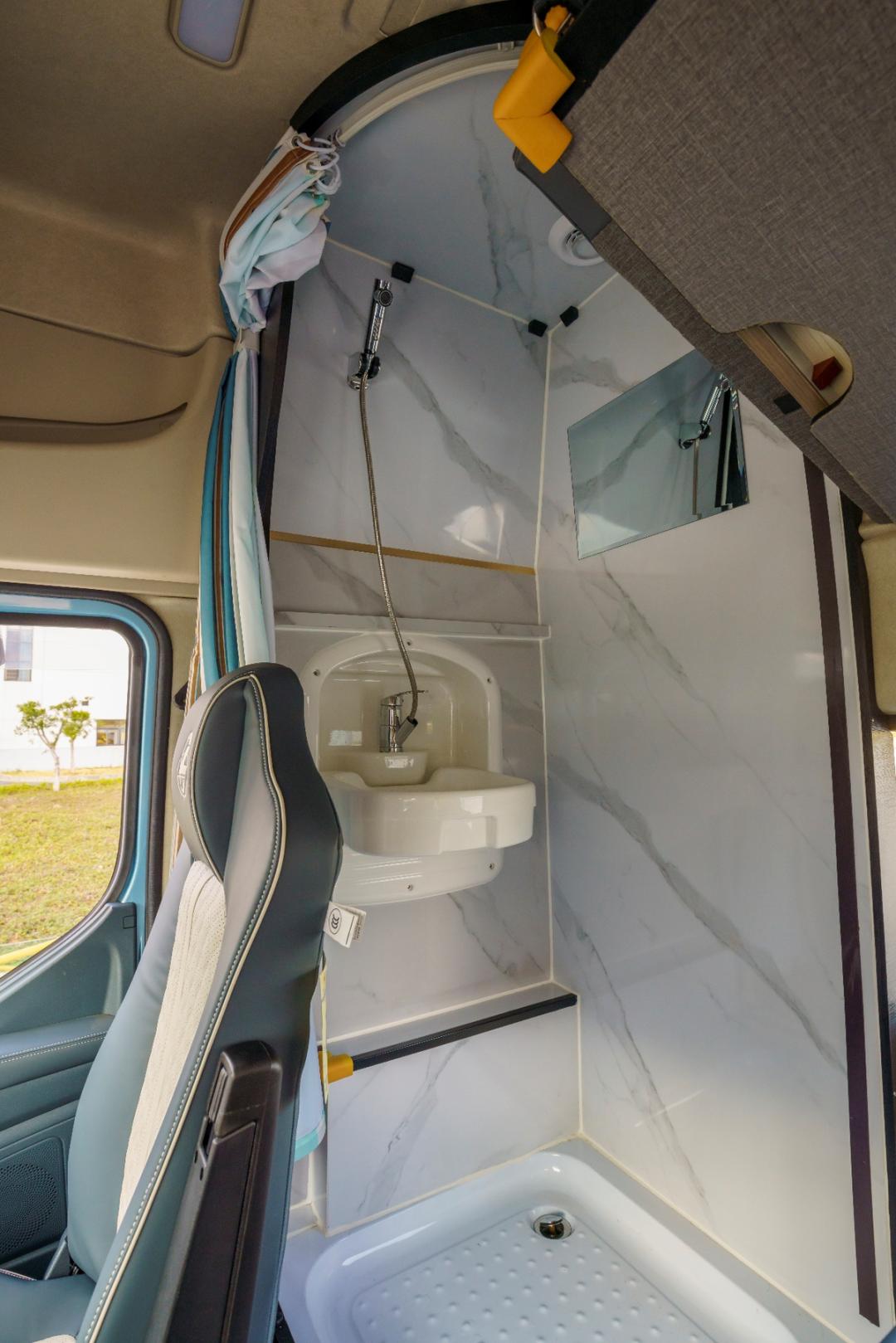
The truck shower room
In recent years, China's freight industry has become increasingly competitive, freight rates have continued to fall, and profit margins have been continuously squeezed.
In order to save costs to the maximum extent, drivers give up accommodation in service areas and eating in restaurants, and choose to eat and live in their trucks.
For long-haul drivers and husband-and-wife teams who drive all year round, a spacious and safe rest space is the foundation for ensuring sleep, restoring physical strength and driving safely.
These seemingly "troublesome" modifications are not for drivers to pursue comfort, but a necessity for their livelihood.
03
Industry Progress
While the truck becomes more comfortable after modification, it also brings hidden safety hazards.
The installation of parking air conditioners often requires modifying the original vehicle circuit. If there is no fuse protection on the circuit, sparks are very likely to be generated and cause spontaneous combustion.
Unstandardized modification of the cab and fairing will also damage the original center of gravity and collision protection ability of the vehicle.
According to the "Regulations on Road Transport", if a truck that has obtained an operation permit is modified without authorization, the competent transport department may impose a fine of not less than 5,000 yuan but not more than 20,000 yuan on the operator, and order it to make corrections.
After the vehicle is modified, its appearance does not match the registration information on the driving license, which will directly lead to failure to pass the annual inspection, and the vehicle must be rectified before it can be re-inspected.
On the one hand, there are livelihood modifications that meet rigid demands, and on the other hand, there are strict compliance red lines, leaving drivers in a dilemma.
Blocking is less effective than guiding.
On the one hand, the path for compliant modification is being gradually opened up.
On the product side, two industry and national standard documents "Parking Air Conditioner" and "Installation Specification for Independent Vehicle Air Conditioners" were successively issued in 2025, so that parking air conditioners have standards to follow since then.
On the modification process side, the "Detailed Implementation Rules for the Administration of Entrusted Installation of Superstructures on Road Motor Vehicle Products for Trucks" implemented in 2025 clarifies the qualifications, approval processes and main responsibilities of entrusted installation.
On the filing and certification side, the National Transportation Safety Early Warning and Supervision Center advocates the selection of filing and certified products, and implements the traceability mechanism of one product one code.

The reply of a local traffic management department on annual inspection
The annual inspection policies in some regions are also loosening, shifting from a "one-size-fits-all" approach to conditional approval.
On the other hand, original equipment manufacturers are also responding to the survival needs of drivers from the source.
For a long time, when designing trucks, vehicle manufacturers only focused on "cargo carrying capacity", but ignored the "living needs" of drivers for a long time.
In order to meet the length limit regulations of the freight industry, the cab space of trucks is strictly compressed, resulting in poor driving and living experience, and drivers have to pay out of their own pockets for modifications in the end.
In recent years, mainstream vehicle manufacturers have begun to abandon the traditional thinking that "trucks are just tools", and optimize product design according to the real needs of drivers.
Brands such as Jiefang, Jiangling and Dongfeng have successively launched original factory models with built-in parking air conditioners, independent sleeper berths and even living cabins, so that "comfortable experience" no longer requires sneaky private modification.
Jiangling Kyun Yunxiang Sleep Cabin is equipped with an original integrated fairing roof attic sleeper, with a wide double sleeping position, ventilation windows and charging facilities, which can also reduce wind resistance and solve the pain point of narrow rest space in light truck cabs.
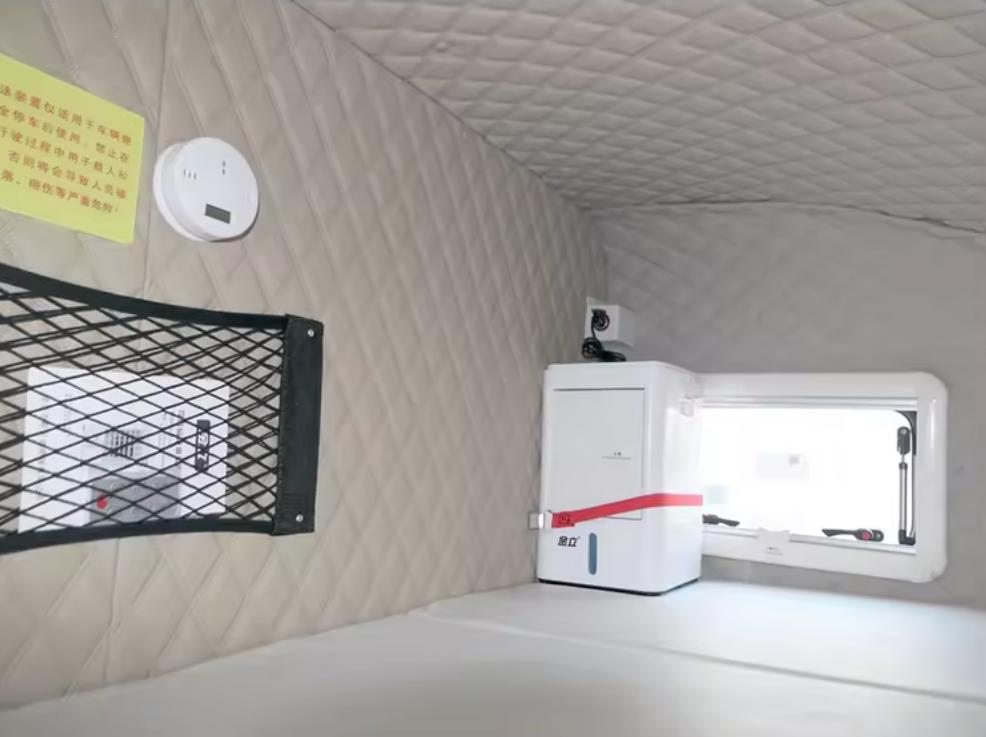
Jiangling Kyun Yunxiang Sleep Cabin
FAW Jiefang Yintu Living Cabin even creates a 7.5 square meter integrated heavy truck cockpit, integrating parking air conditioner, widened sleeper, kitchen counter, independent bathroom and abundant storage space, making the truck a compliant mobile living space and saving drivers from private modification.
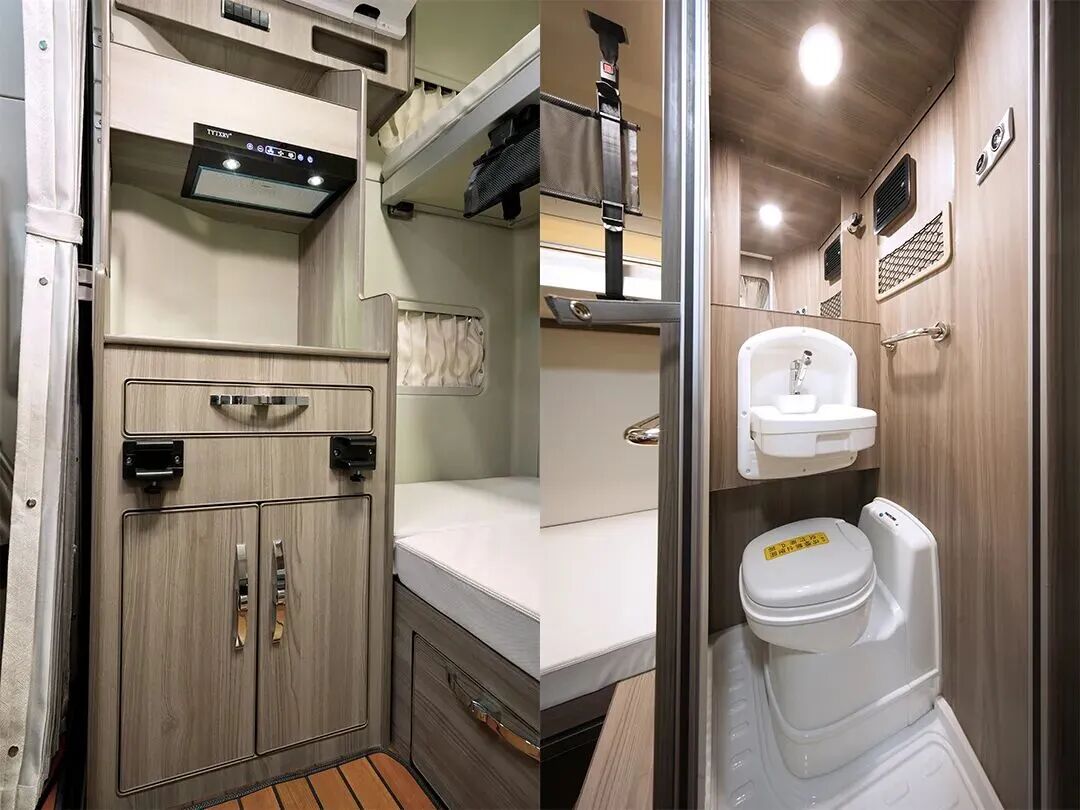
FAW Jiefang Yintu Living Cabin
The industry is gradually replacing the unregulated private modification market with standardized and compliant original factory configurations.
As the main artery of the national economy, road freight carries the circulation of hundreds of millions of tons of materials across the country.
Urban life, people's livelihood supply and industrial circulation are all inseparable from the 38 million truck drivers who travel day and night.
For a long time, truck drivers have lived a hard life, eating and sleeping in their trucks, making a living amid the fierce competition in the industry.
Those seemingly trivial vehicle modifications are their tiny confidence to fight fatigue, protect safety and maintain their livelihood.
The standardized upgrading of the industry, the improvement of vehicle comfort and the popularization of compliant configurations are not only the progress of the industry, but also a kind of care for workers.
Truck drivers who travel across mountains and rivers deserve a better driving and riding environment and a more decent working experience.