Jeff Dean's startup BP has been exposed, with Yang Zhilin also featured on it, and Silicon Valley VCs are scrambling to pour in funds.
Jeff Dean's startup Discovery Loop has rolled out what is arguably the most luxurious BP (Business Plan) in history.
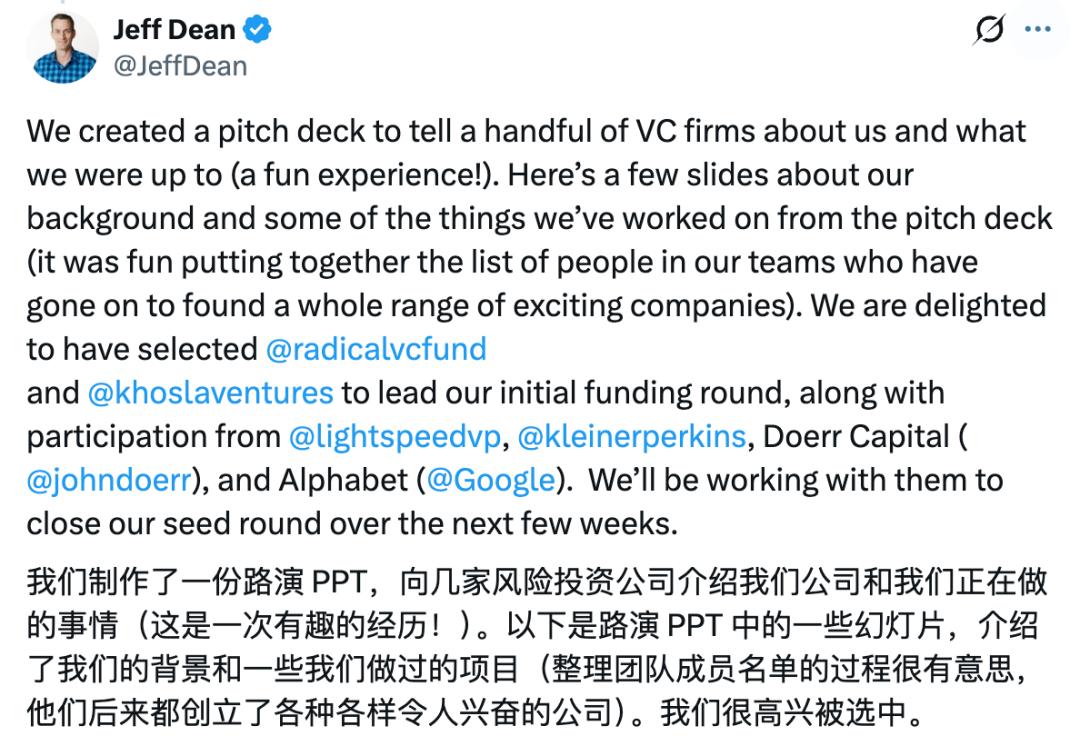
Three of its pages look like this:
Page 1: What we have built together;
Page 2: How large teams we have led;
Page 3: How strong our technical influence is.
There is another page: We have some private photos here...
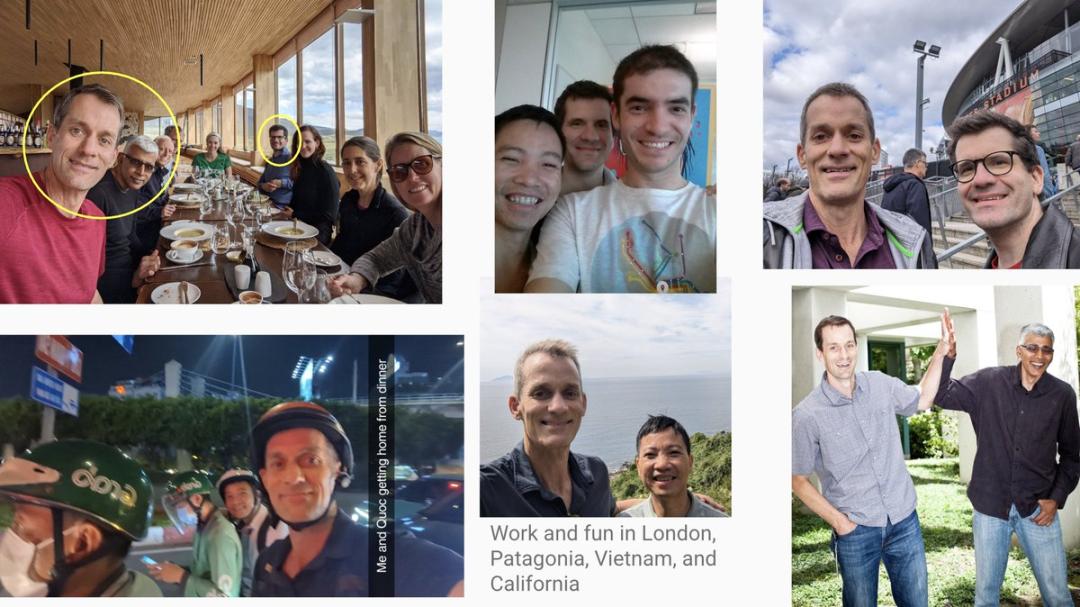
That's all, it's that simple.
Google's Jeff Dean be like: Raising financing? That's a piece of cake.
Silicon Valley VCs are already queuing up to transfer their investment checks.
The founder of one of the lead investors directly stated:
We are "selected" to invest in Jeff Dean's new company, we are truly honored!!
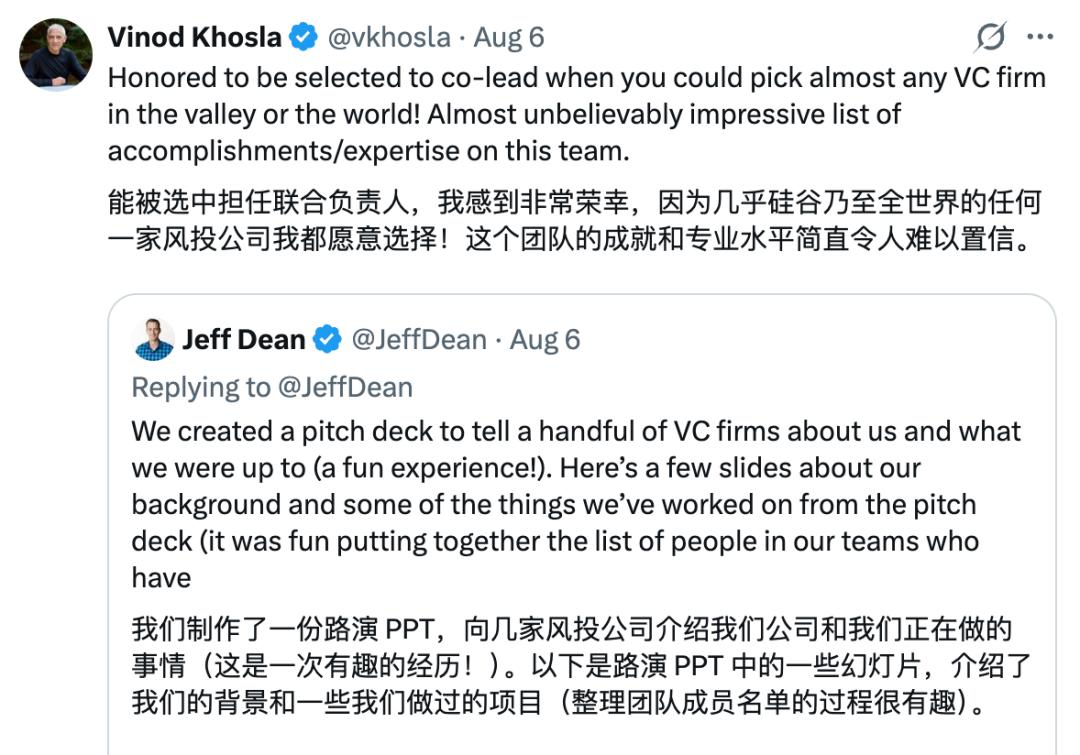
Netizens were completely blown away after seeing it: When facing Jeff Dean, it's not certain who is pitching to whom.
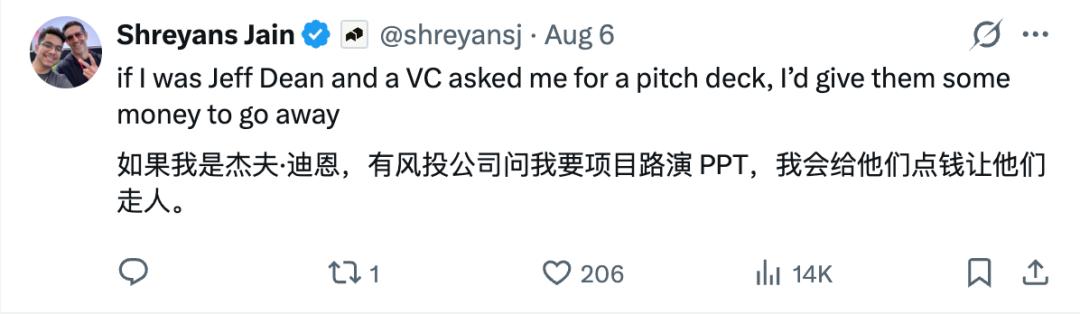

Jeff Dean, Jeff Dean, even 3 pages of PPT are too many.
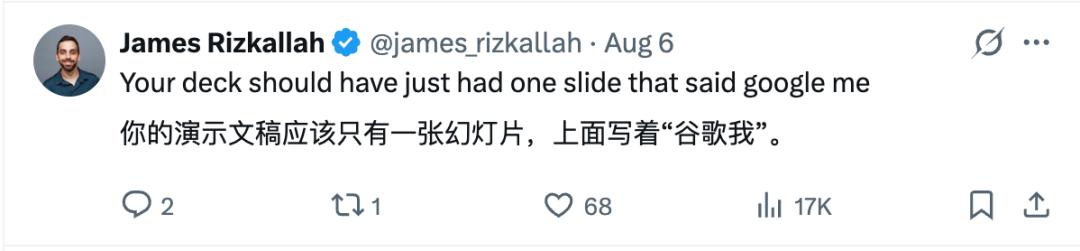
"Your BP only needs one page: Google me".
What does the most luxurious BP in AI startup history look like
A standard BP usually needs to answer these questions: What problem are you solving, what is the product, how big is the market, how do you plan to make money...
And more importantly, why you are the one to make it.
Jeff Dean is truly Jeff Dean... He directly started answering from the last question.
After all, this is Jeff Dean!
You know, this name used to represent the meaning of vibe coding in the early days (doge).
He could have just said "It's me, Jeff Dean, send the check", but this big shot still handcrafted such a plain PPT, he is really down-to-earth.
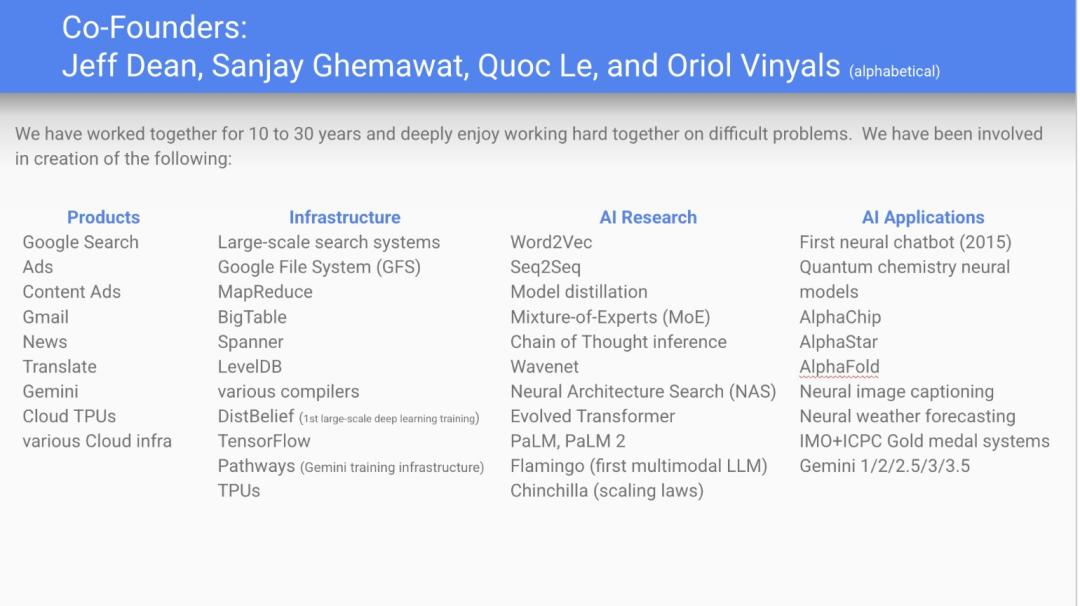
Page 1: What we have built together.
It lists the names of the 4 founders and their achievements, which are mainly divided into 4 categories:
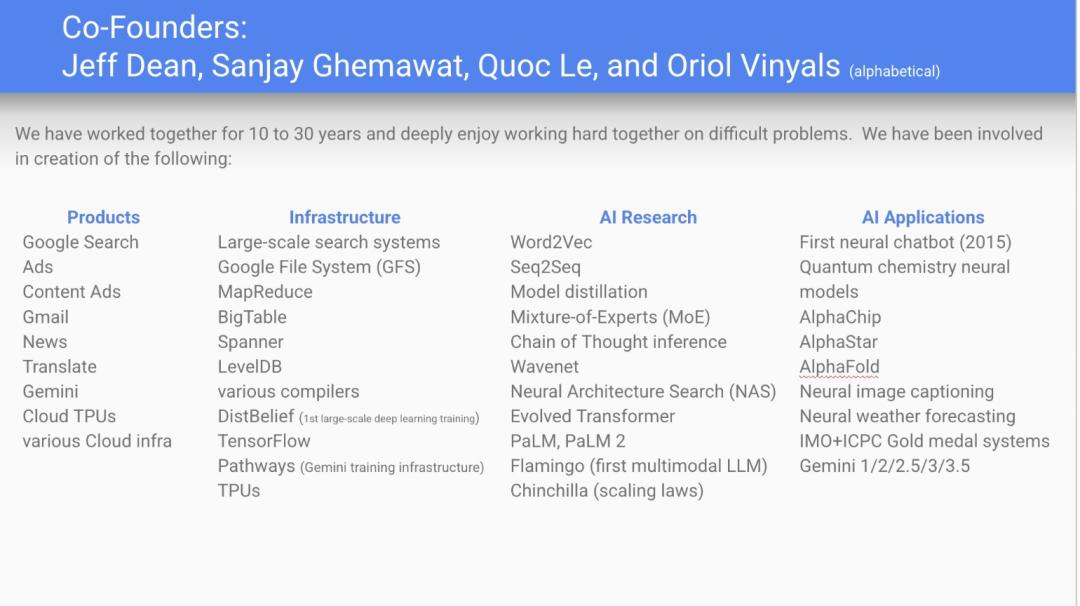
Products: Google Search, Ads, Gmail, Google Translate, Gemini, Cloud TPU;
Infrastructure: GFS, MapReduce, Bigtable, Spanner, TensorFlow, Pathways;
AI Research: Word2Vec, Seq2Seq, MoE, model distillation, PaLM, Flamingo, Chinchilla;
AI Applications: AlphaChip, AlphaStar, AlphaFold, weather forecasting, and all generations of Gemini models.
...What is this? It's basically the entire Google product catalog copied onto the page.
As netizens joked:
The best product I built at Google is Google itself.
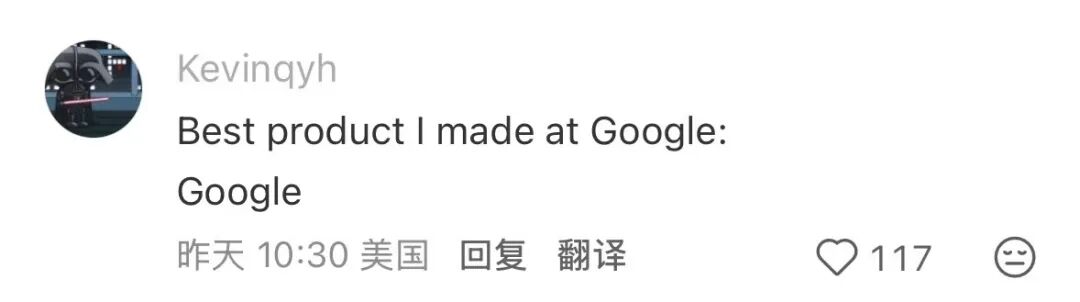
△ Source: Comment from netizen @Kevinqyh on Xiaohongshu
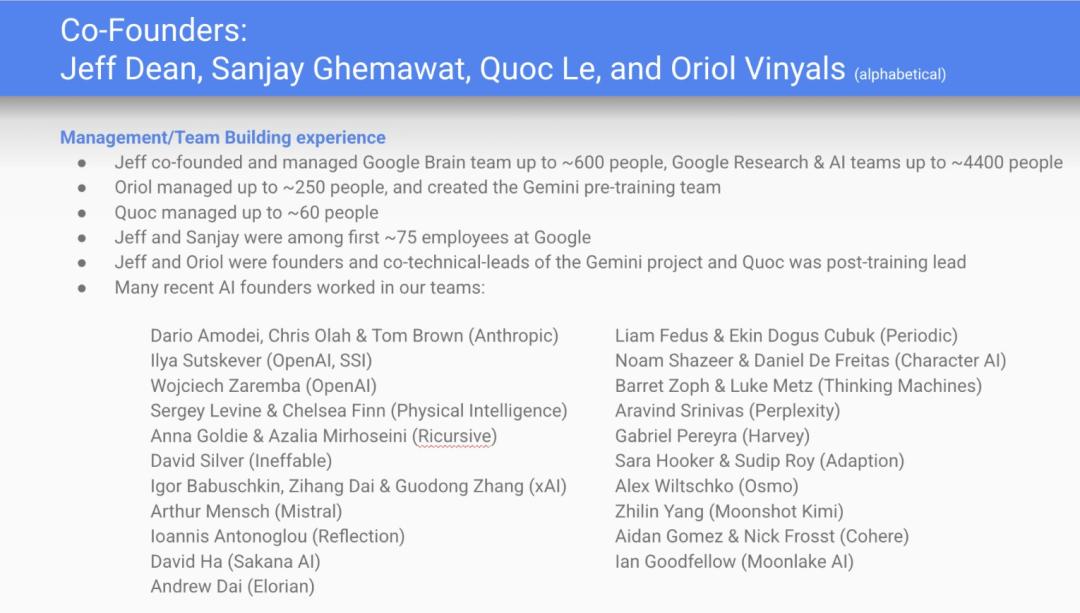
Page 2: How large teams we have led, and what AI entrepreneurs we have nurtured.
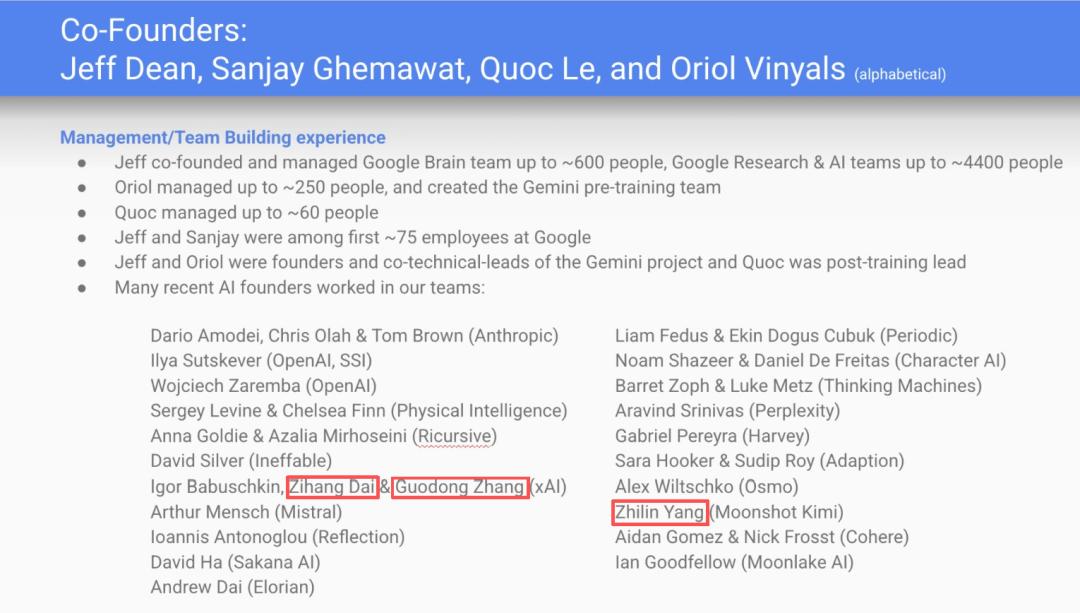
Jeff Dean co-founded and managed Google Brain, whose team size once reached about 600 people; the Google Research and AI team under his management reached a maximum size of about 4400 people.
Oriol Vinyals once managed a team of about 250 people and created the Gemini pre-training team.
Quoc Le once managed a team of about 60 people.
The three of them have all served as co-technical leads for Gemini, and taken charge of pre-training and post-training related work respectively.
What's even more amazing is the long list of names below... which basically covers half of the top talents in today's AI industry.
Dario Amodei, Ilya Sutskever, Noam Shazeer... these well-known big names are no surprise, there are also founders of well-known AI labs such as Physical Intelligence, Thinking Machines, and Sakana AI.
Among the familiar Chinese faces, there is Yang Zhilin.
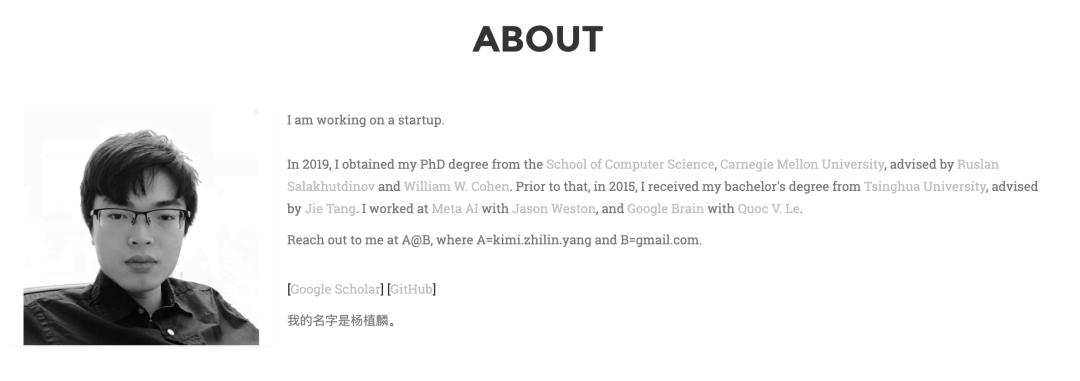
When he was pursuing his PhD at Carnegie Mellon University, he joined Google Brain and cooperated with Quoc Le's team to research language model architectures and pre-training methods.
At this stage, he co-proposed Transformer-XL and XLNet with Dai Zihang and other colleagues.
The former tried to break through the fixed text window of ordinary Transformers, allowing the model to span different paragraphs and retain longer-distance information; the latter explored another pre-training route outside BERT, and outperformed BERT on 20 natural language processing tasks reported in the paper.
You all know what happened later.
Yang Zhilin founded Moonshot AI and built Kimi. The capability that first made Kimi remembered by users is exactly long text processing.
Technologies such as Mooncake, MoBA, and Kimi Linear that Moonshot AI later made public have adopted different methods to solve the reasoning cost, attention calculation and cache pressure brought by long contexts respectively.
Dai Zihang, Yang Zhilin's long-time partner, later joined the founding team of xAI.
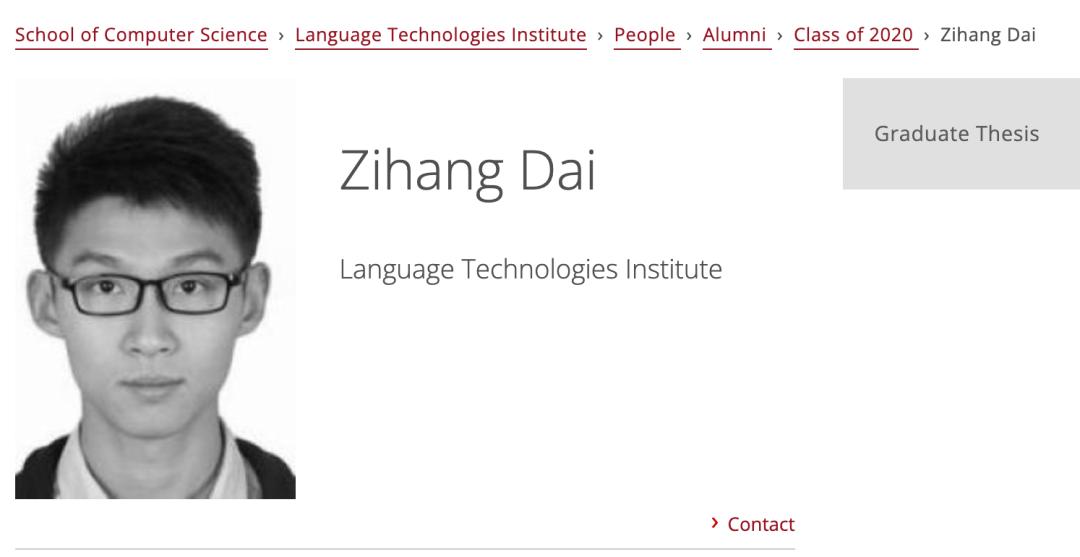
During his PhD at Carnegie Mellon University, he cooperated with Quoc Le's team at Google Brain, and co-completed Transformer-XL and XLNet with Yang Zhilin. In both papers, the two were marked as co-first authors.
After graduating with his PhD, Dai Zihang joined Google Brain as a research scientist, continuing his research on language models and efficient Transformers.
For example, he participated in proposing FLASH, which uses a new efficient attention architecture to allow the model to process longer sequences in an approximately linear way while maintaining performance. The paper reports that the training speed can be improved by up to about 12 times on different language modeling tasks.
In addition, he also appears in the author list of the first generation Gemini technical report.
In Jeff Dean's PPT, there is another Zhejiang University alumnus Zhang Guodong.
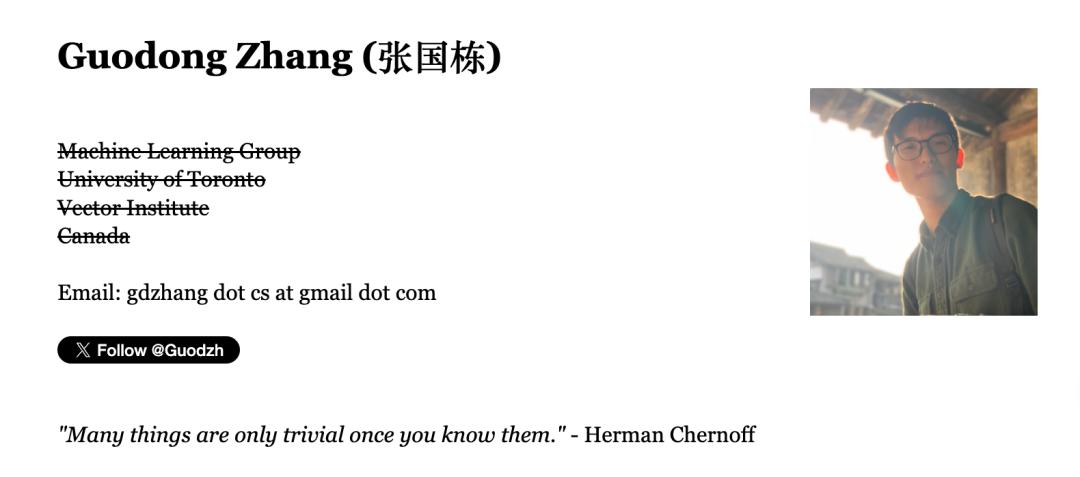
He once interned at Google Brain and DeepMind. His representative research includes analyzing which training algorithm choices are really important under different batch sizes; he also studied minimax optimization, multi-agent optimization, and how to make the model give verifiable answers through the Prover-Verifier mechanism.
He is also one of the co-authors of the Deformable Convolutional Networks paper. This work later became an important basic module in the field of computer vision.
In 2023, Zhang Guodong joined the founding team that xAI first publicly announced.
Back to Jeff Dean's PPT.
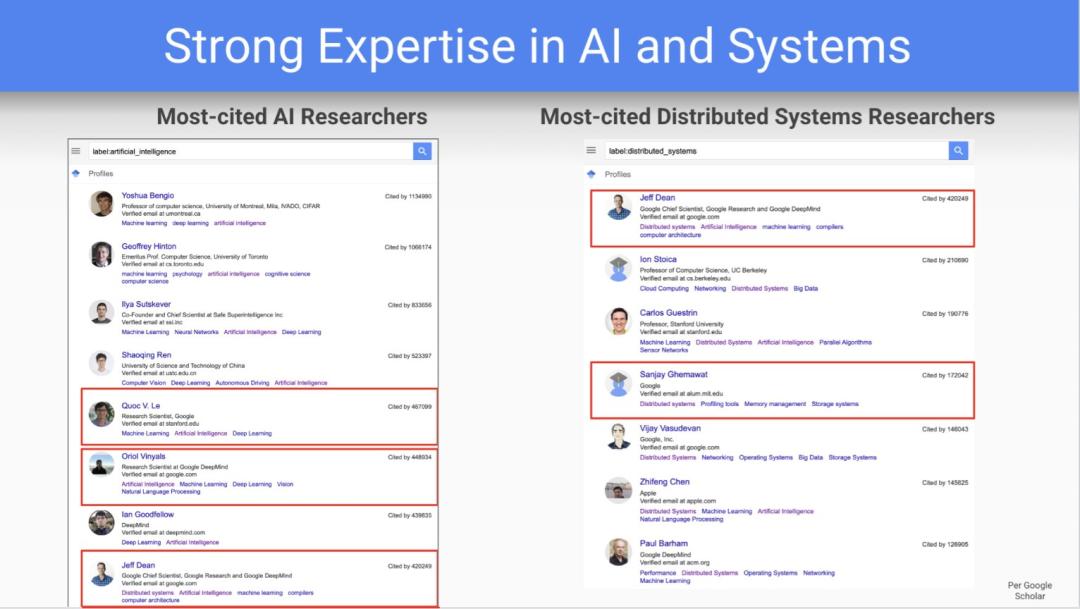
Page 3: How strong our academic influence is in the fields of AI and distributed systems.
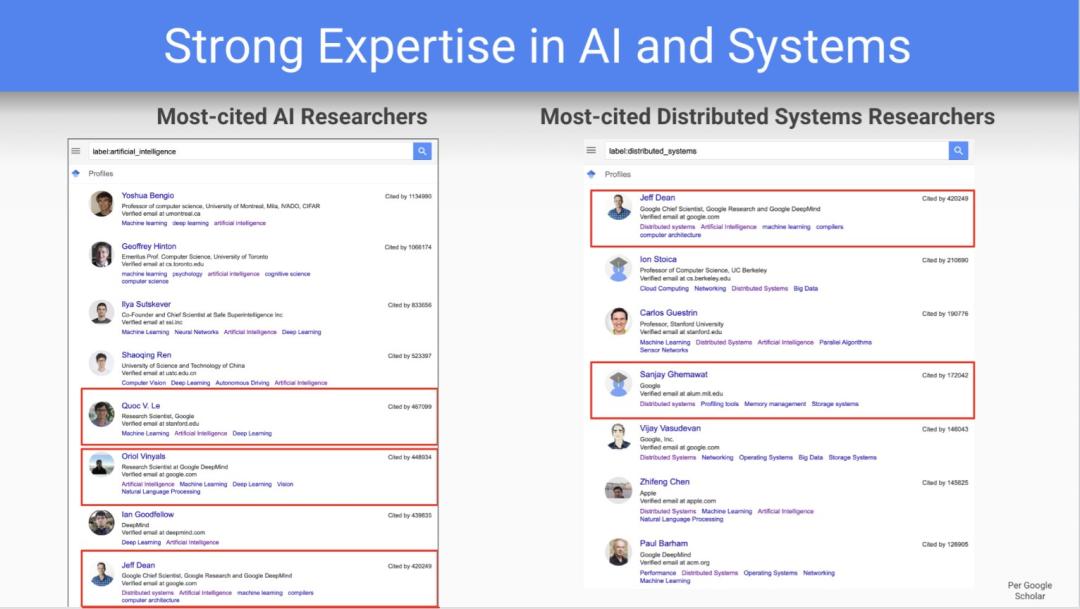
On the left is a screenshot of Google Scholar showing "Highly Cited AI Researchers".
Quoc Le, Oriol Vinyals and Jeff Dean are all marked with red boxes.
On the same page, you can also see highly influential scholars such as Yoshua Bengio, Geoffrey Hinton, Ilya Sutskever, Ian Goodfellow, as well as Chinese AI researcher Ren Shaoqing.
Ren Shaoqing is one of the core authors of classic computer vision researches such as Faster R-CNN, and later entered the fields of autonomous driving and AI research.
