Koreans on the rooftop, the forced liquidation meat grinder that bloodily wipes out retail investors
01
Koreans on the Rooftop
During the 1992 Los Angeles riots in the United States, many Koreans chose to take up arms to resist the rioting mobs pouring into Koreatown.
They took the rooftops of their own shops as strongholds and carried out militarized armed self-defense.
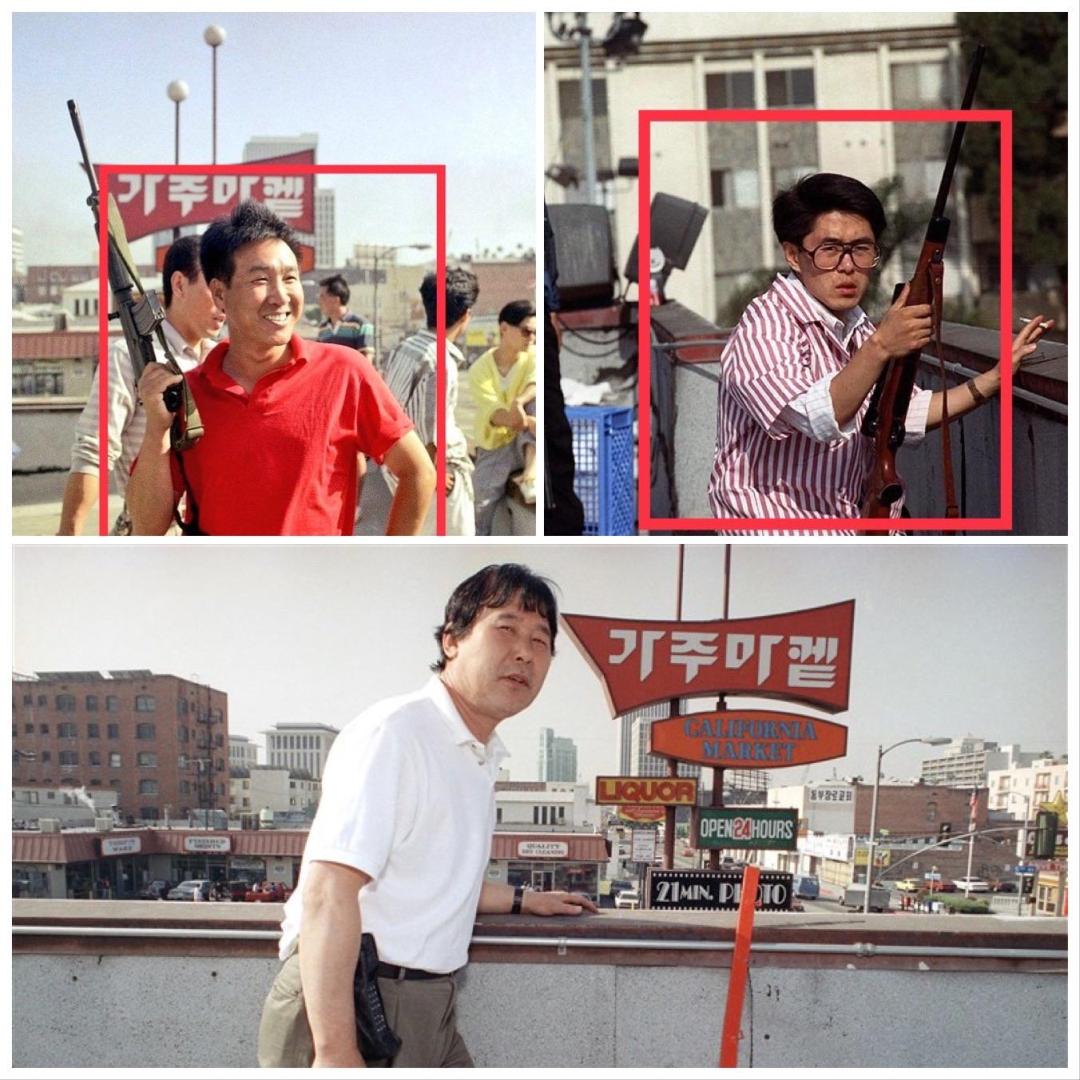
"Firearms + Tactics" for Everyone Under the Universal Conscription System
Eventually, they not only protected their own property, but also made the "Roof Koreans" famous overnight, which even became a popular hardcore internet meme for many years afterwards.
Times have changed. In the current AI era, a new group of "Roof Koreans" has also emerged.
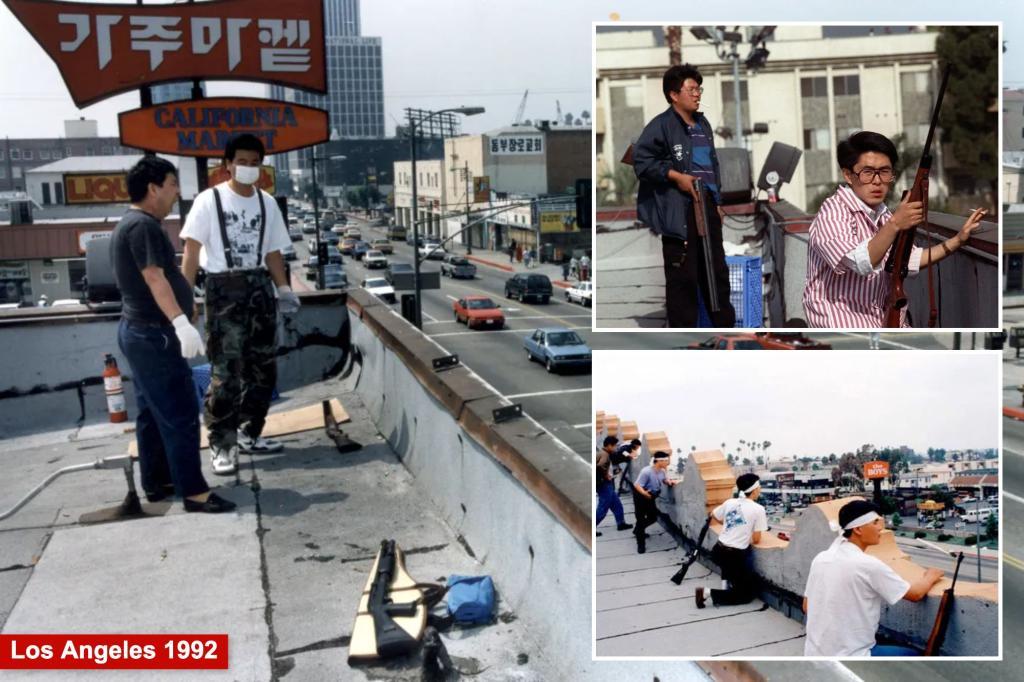
Abundant Martial Virtue
These Koreans standing on the rooftops have no weapons and put up no resistance, because they failed to protect their property, and the only thing they have left is the strong wind on the top of the building.
After several rounds of drastic fluctuations in the South Korean stock market, more and more South Korean stock traders have faced margin calls and liquidation.
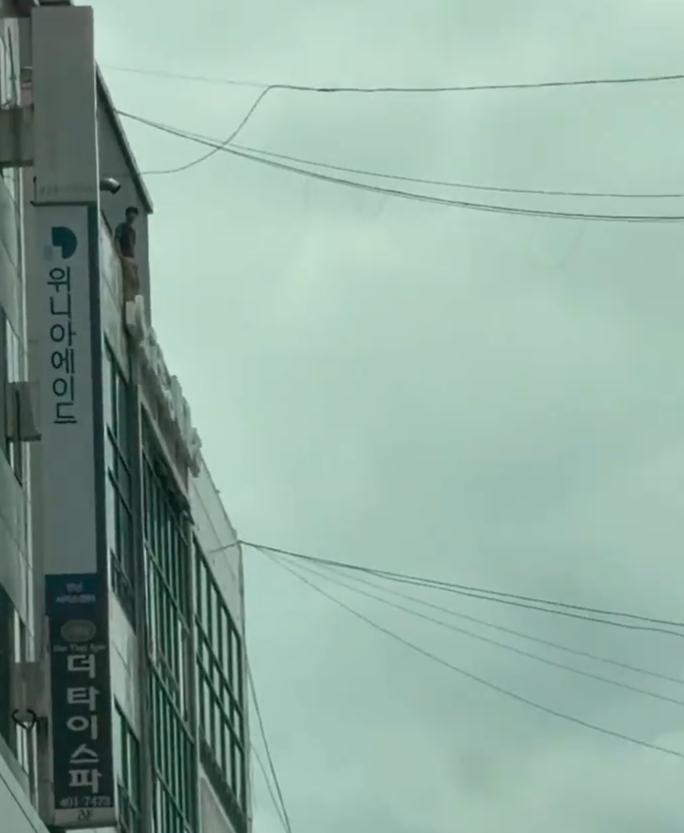
Koreans Can Fly
At the beginning, many people chose to bet all their life savings under the huge "fear of missing out" and maxed out all available leverage, never realizing that leverage is more fragile than life itself.
The higher the leverage, the greater the amplification effect when prices rise, but when a plunge hits, it turns into a wealth shredder.
Not to mention the South Korean stock market, whose recent plunge has become increasingly dramatic.
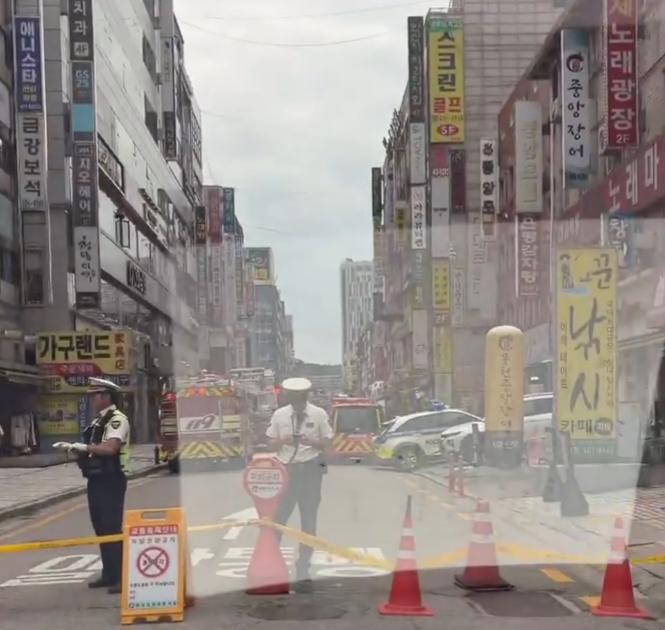
The police pulling the cordon downstairs might be checking their stock positions too
On July 28, the "Black Tuesday", the KOSPI index of South Korea plunged more than 8% during the session and triggered a circuit breaker (the eighth time this year). After trading resumed, the decline once expanded to 9.6%, with SK Hynix falling more than 14% and Samsung falling more than 13%, setting a new single-day historical decline record.
Even the next day, the KOSPI still plunged more than 8% during the session, triggering circuit breakers for two consecutive days. The index fell below the 5600-point mark, hitting a recent new low.
Even if the timeline is extended, the trend of this plunge has not softened at all, but has become even more blatant.
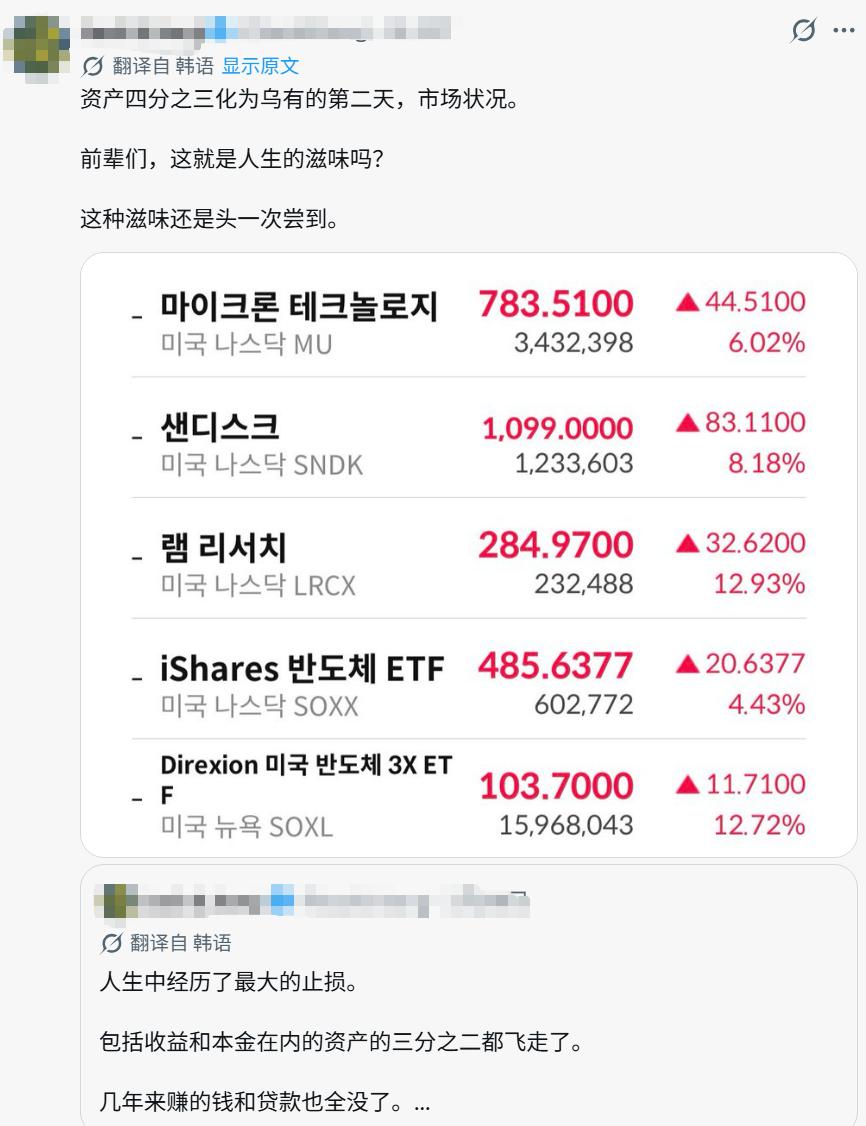
In the past 40 days, the cumulative decline of the KOSPI index has reached 44%, nearly halving. The single-month decline even surpassed that of the 1997 Asian Financial Crisis and the 2008 Global Financial Crisis. Among them, the two memory giants dragged down the entire market directly: Samsung retreated 44% from its June high, and SK Hynix retreated 53%.
According to market data, as of July 30, the South Korean stock market has evaporated by 2877 trillion won (about 13.57 trillion yuan), exceeding the total annual GDP of South Korea.
The more frantically it rose at the beginning, the more miserably it falls now. The market value could once exceed the annual GDP, and the same amount of money could be wiped out during the plunge.
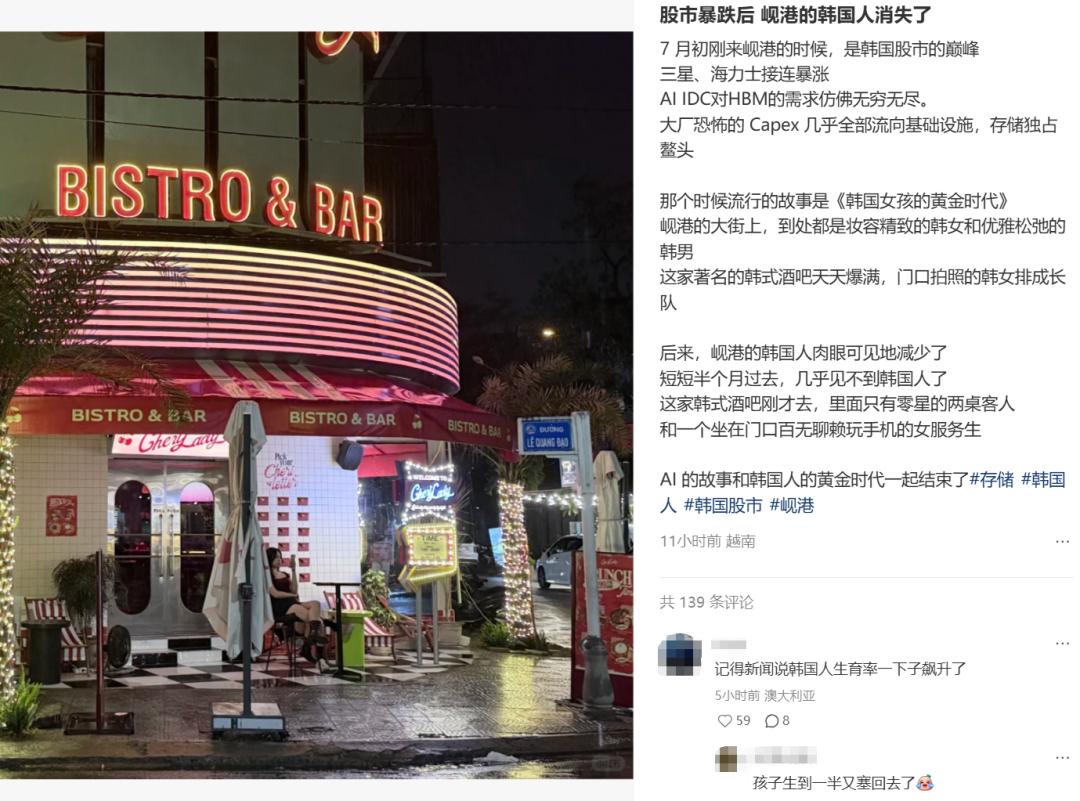
"The baby was stuffed back halfway through being born"
As for the South Korean retail investors known as the "Ant Legion", every point the stock index falls is like a huge mountain pressing down on their positions.
Data from the Financial Supervisory Service of South Korea shows that more than 1.2 million leveraged retail accounts across the market have hit the margin call line. Based on the estimated 35.7 million South Korean people aged 15-64, it means that 1 out of every 30 working-age people has received a margin call notice.
Among these 1.2 million accounts that triggered margin calls, about 320,000 to 360,000 accounts have been forcefully liquidated by brokerages, and the total leverage loss is estimated to be about 2.15 trillion won.
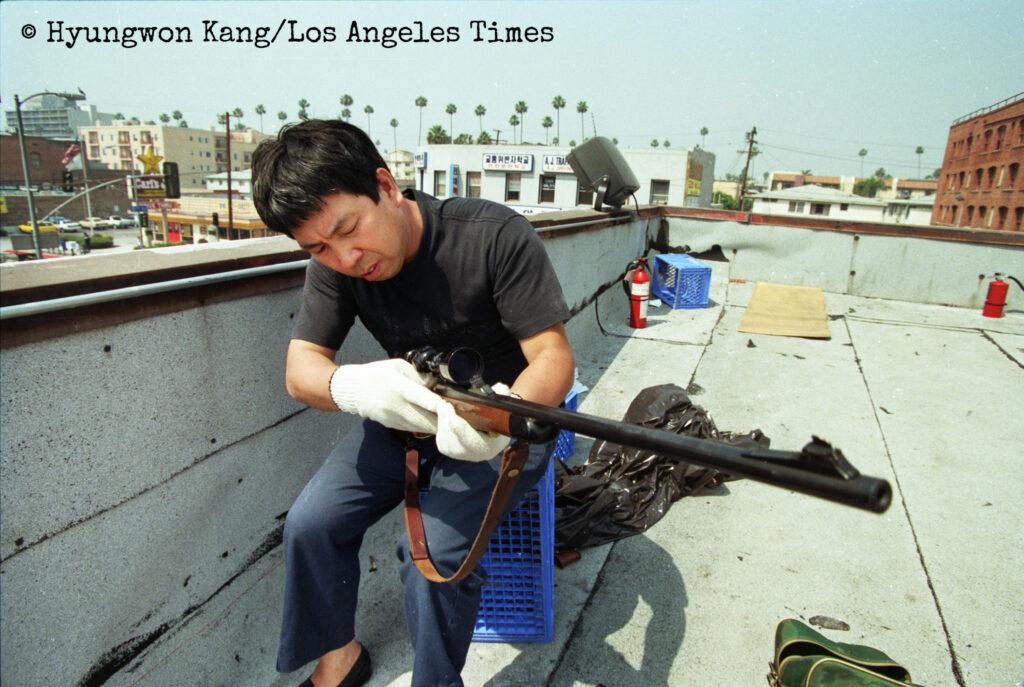
The stock market is more terrifying than rioters
Therefore, compared with the rooftops of Los Angeles more than 30 years ago, the retail investors standing on the rooftops in South Korea now have nothing at all.
Although the stock market is not filled with physical violence and real destruction like riots, it can still devour people without spitting out their bones, making people willing to free fall along with the negative candlesticks.
Even if they don't go to the rooftop to end their lives, most South Korean retail investors are still having a hard time, with wails and complaints spreading all over the internet.
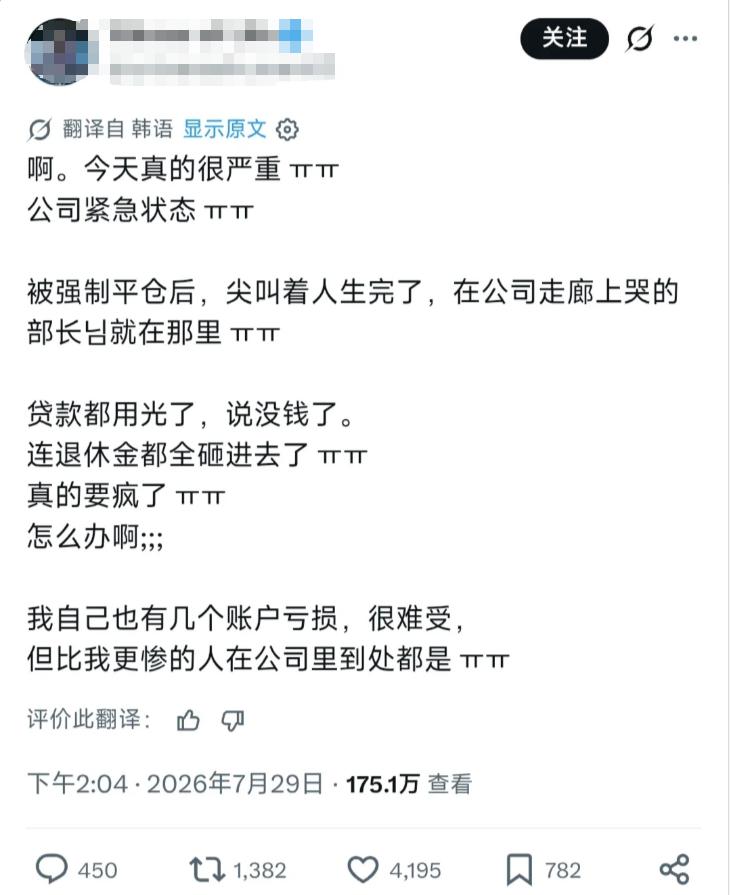
Some people found their accounts were forcefully liquidated while at work, screaming that their life was over and crying uncontrollably in the company corridor.
Some people stared at their liquidated accounts in front of their office computers, feeling utterly dejected, just like losing gamblers wandering like zombies outside a casino.
Some took out loans, some poured in their retirement pensions, some used up all their life savings, and lost everything overnight.
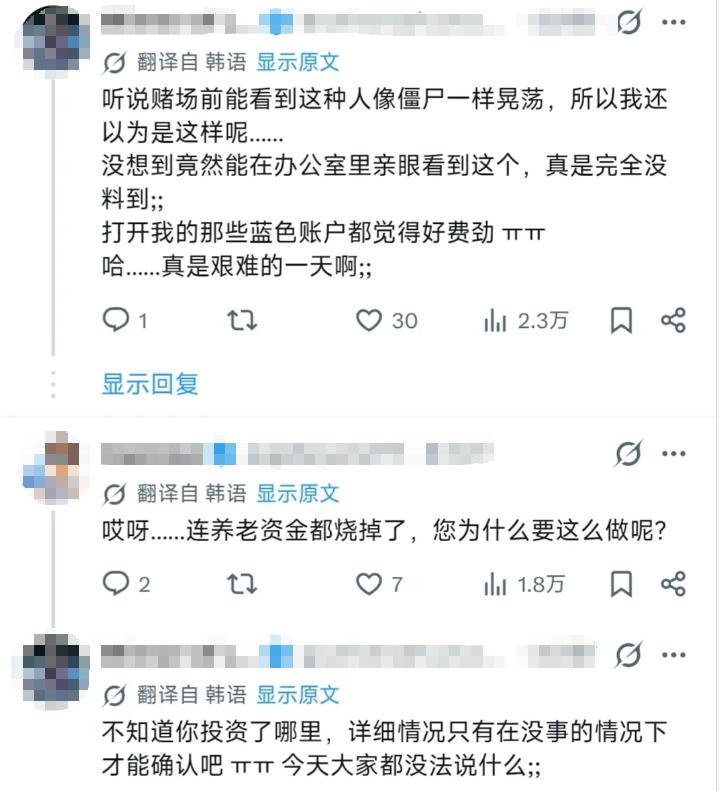
No matter you are a general manager, a department head, or an ordinary employee, everyone is equal in the face of liquidation. Not long ago, you were still treating everyone to dinner, happily announcing that your account had a floating profit of hundreds of millions of won, but now you can only stare at your phone, beating your chest and stamping your feet, cursing helplessly to no avail.
Exclamations of "What the hell, is this even a stock?" can be heard everywhere, fully expressing the helplessness and sadness......
Many South Korean netizens even said that the government has begun to use AI smart cameras for 24-hour monitoring to prevent the increase in suicides.
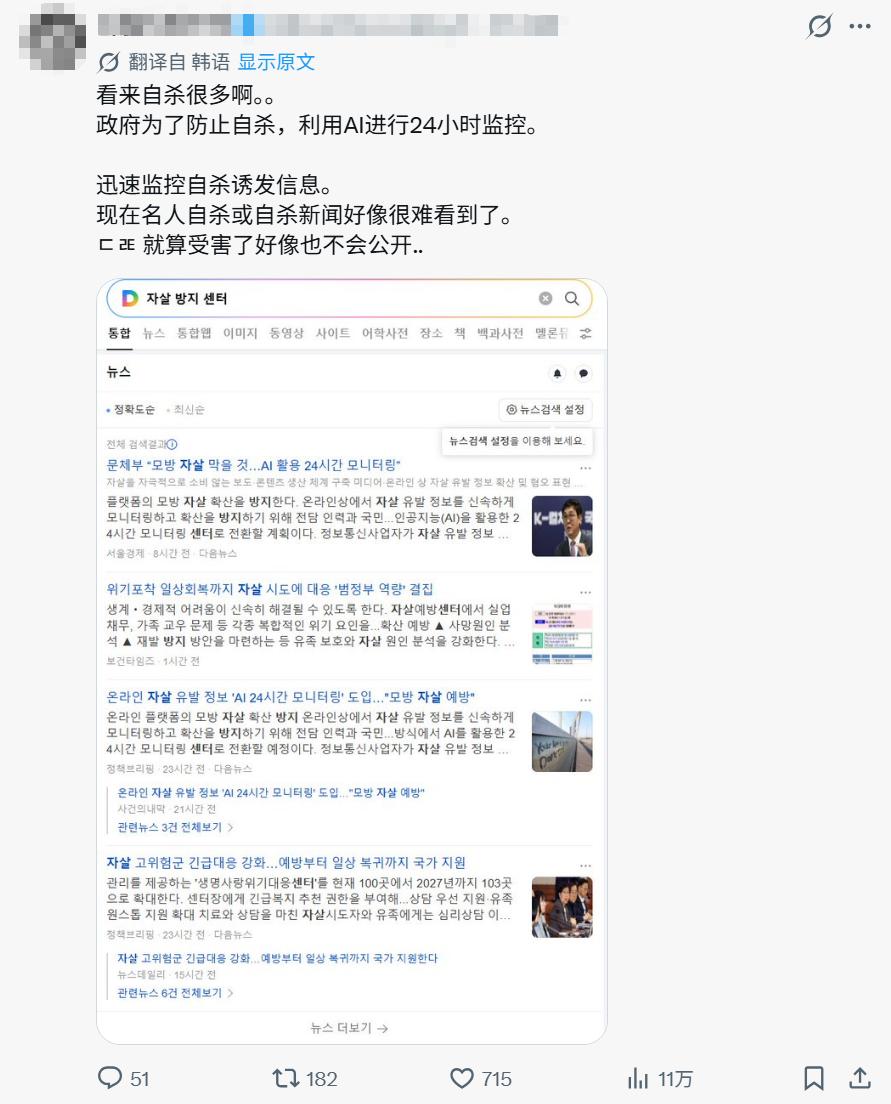
The darkest humor is that half a month before "Black Tuesday", the South Korean Financial Services Commission had already submitted the "Countermeasures for Suicide Prevention of Families in Economic Crisis".
Lee Eok-yeon, the person in charge, said "Suicides caused by economic crisis are social murders", and the government will proactively identify potential crisis families, launch a unified national debt consultation hotline, and simplify the application process for personal bankruptcy debt certification.
Isn't this a little too predictive?
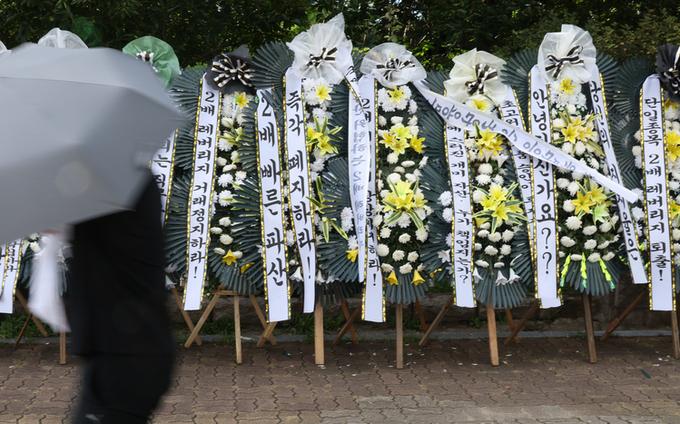
In addition to going to the rooftops, angry retail investors have also taken to the streets and launched various protest activities.
On July 29, more than 30 white mourning wreaths appeared in front of the National Assembly building in Yeouido, Seoul, with slogans written on them: "Abolish it immediately! The bankruptcy speed is doubled!", "Stop 2x leverage trading!", "Who will stand up for the ants (retail investors) hurt by 2x leverage?".
Large-scale protests with flags on the street came one after another.

The one who was scolded the most by South Korean retail investors is no one else but Lee Jae-myung, who was the biggest cheerleader for the stock market at the beginning.
Stock traders shouted angrily: "Lee Jae-myung, come out and take responsibility!", "Lee Jae-myung, why aren't you on TV today?", "There are not many governments in the world that treat their people like this, right?"

Of course, this plunge has affected more than just South Koreans.
A 26-year-old Hong Kong trader embezzled 50 million Hong Kong dollars of the company's margin and went all in on 2x long Hynix ETF. After Hynix plunged, not only did he lose all his principal, but he also owed 150 million Hong Kong dollars. In the end, he was arrested, his career was completely ruined, and this case is just the tip of the iceberg.
Leopoldo Aschenbrenner, known as the post-2000 "AI stock god" on Wall Street, also blew up his position due to high leverage, with losses exceeding 40 billion US dollars.
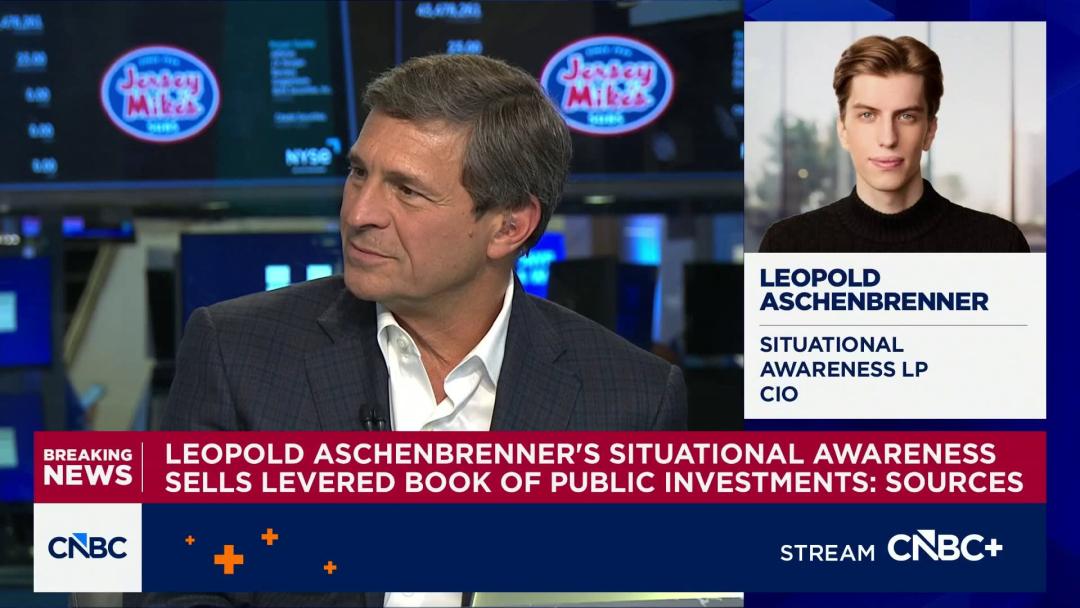
This guy previously bet on AI hardware stocks such as SK Hynix and SanDisk with nearly 4x high leverage, and his fund achieved a return rate of over 400% in the first half of 2026, with a cumulative return of over 2000%, and its management scale once rushed to 45 billion US dollars!
He is supposed to hold his wedding this weekend, and it is hard to imagine what mood he is in now.
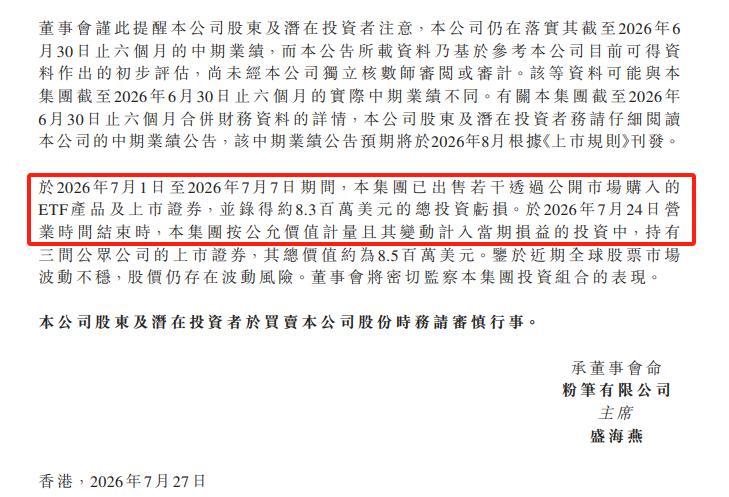
In June this year, Zhang Xiaolong, CEO of Feng who went to universities to promote to students preparing for civil service exams that they should not take civil service jobs but trade US stocks, also got hit back by the boomerang.
His company recently disclosed that it lost 8.3 million US dollars (about 56.15 million yuan) in stock trading. This guy previously bragged that he made 53 million yuan from stock trading, which means he lost all the money back.
The