Will driving after taking Ganmaoling cold medicine definitely lead to a criminal sentence?
Guys, there's something really interesting going on lately.
A few days ago, the National Medical Products Administration released Announcement No. 66, requiring all oral cold remedy preparations, including granules, capsules, tablets, teas and other forms, to mark the following content in their specifications: Do not drive aircraft, vehicles or boats, do not engage in high-altitude operations, mechanical operations, or operate precision instruments while taking the medicine.
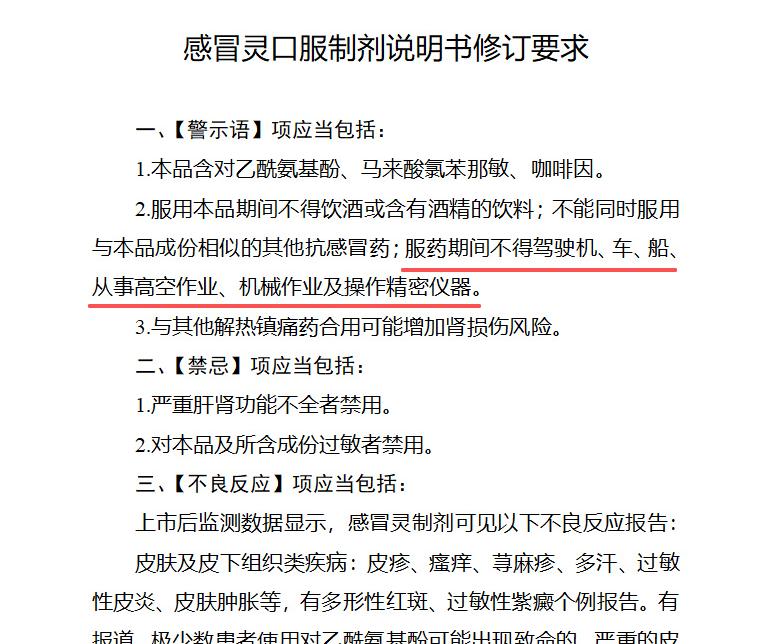
That means, as long as you take 999 Ganmaoling or similar cold medicines when you have a cold, you can no longer drive.
I believe all of you here will find it incredible. We only heard of drunk driving before, so why is drug-impaired driving popping up now? It really makes no sense at all that you will get fined and demerit points just after taking a cold medicine...
But don't be unconvinced, this is mainly because taking cold medicines will really make you drowsy and make you unable to concentrate on driving.
For example, Neck Brother has a very strong reaction to Tylenol. Every time he takes one pill, he feels dizzy and can't do anything properly. Driving at this time may be almost as dangerous as drunk driving.
Why is this happening?
You need to know that many cold symptoms come from histamine released by immune cells binding to H1 receptors in the body, which is equivalent to making a phone call to notify all departments of the body to get into position, making your nose run and triggering sneezes as they should.
Therefore, most cold medicines on the market are added with antihistamines, such as chlorphenamine maleate in Ganmaoling, also known as chlorpheniramine. Even some compound preparations of traditional Chinese and Western medicine that look like pure traditional Chinese medicine actually contain this ingredient.
This substance can block H1 receptors in advance, forcibly occupy the line and interrupt the process of symptom development. The good part is that cold symptoms are relieved, but the bad part is that it can quickly get into your brain.
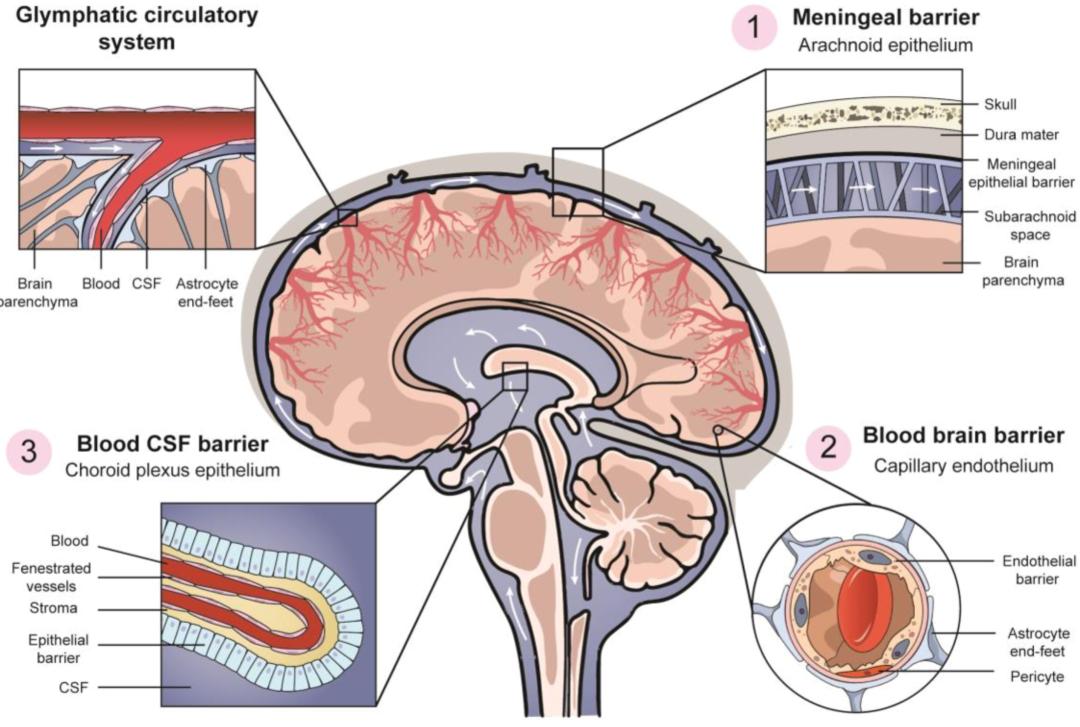
As a first-generation antihistamine, it has the property of "going wherever it wants", which can easily cross the blood-brain barrier and directly enter the brain, and that's where the problem arises.
Because the histamine here has the function of keeping the brain awake, after being blocked by antihistamines, your brain will start to crash.
Since constitutions vary from person to person, you may feel nothing after taking it, but it cannot be ruled out that some people will become extremely drowsy. We should try our best to avoid such road killers.
However, it's not just cold medicines that affect your driving. The World Health Organization (WHO) divides such medicines into seven categories.
In addition to the antihistamines mentioned earlier, there are also antidepressants and anxiolytics, sedative-hypnotics, antipyretic analgesics, antihypertensives, antiepileptics and hypoglycemic drugs.
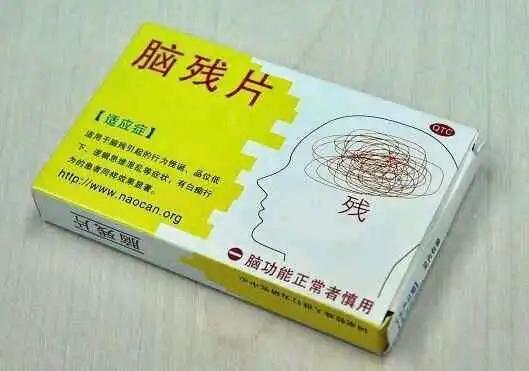
There are far too many specific types to list here. If you really need to drive after taking medicine, don't guess randomly what you can take, it's best to read the instructions first.
The key point is that you really shouldn't underestimate drug-impaired driving, as the accidents it causes are far more than you can imagine.
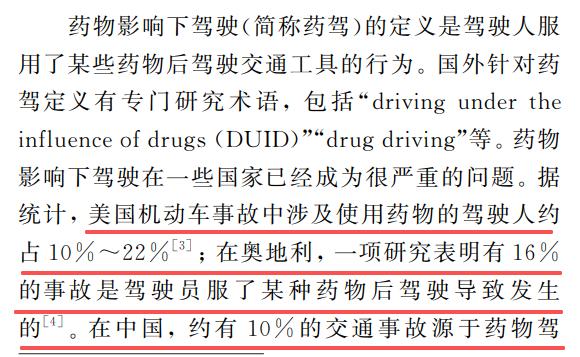
Studies have pointed out that drug-impaired driving accounts for 10-22% of motor vehicle accidents in the United States, 16% in Austria, and about 10% in China, but there are no good control measures for this issue at present.
According to Article 22 of the Road Traffic Safety Law, people who drink alcohol, take psychotropic or narcotic drugs controlled by the state, suffer from diseases that hinder safe driving of motor vehicles, or are excessively fatigued that affect safe driving, are not allowed to drive motor vehicles.
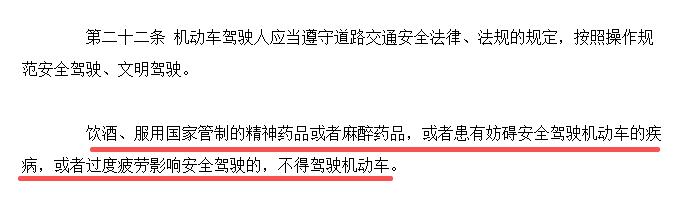
This regulation mainly targets drunk driving and drug driving, while the supervision and punishment for driving after taking cold medicines are not strict, which is generally classified as "an act obstructing safe driving" according to specific situations.
In addition, the detection of drug-impaired driving is time-consuming and laborious, which usually requires blood tests and urine tests. Unlike drunk driving that you can tell directly from someone's flushed face, traffic police will at most ask you to blow a breathalyzer to check for drunk driving during patrols and checkpoints, and rarely check for other situations.
Drug-impaired driving that is actually detected is almost always after a major accident occurs.
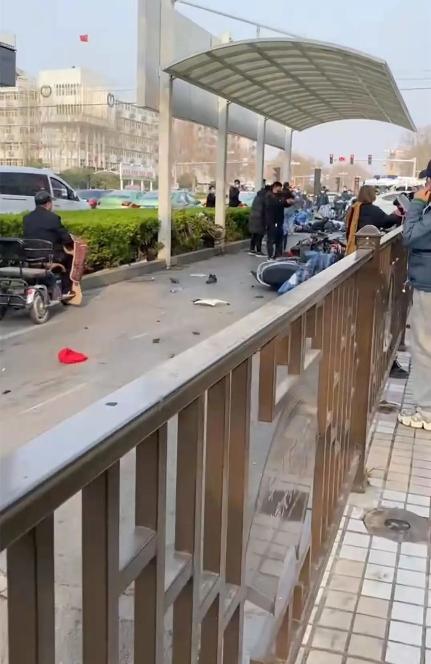
For example, in 2022, an accident occurred in Handan where a white car suddenly drove into the non-motor vehicle lane and continuously hit multiple non-motor vehicles, causing 14 injuries and 4 deaths. It was found after the accident that the driver had taken excessive doses of prescription analgesics.
In contrast, the regulations on drug-impaired driving in foreign countries are relatively complete.
No matter you are drinking, taking medicine or taking drugs, as long as your normal driving ability is affected, it is an illegal act, which is collectively referred to as DUI (Driving under the influence).
For example, in the UK, common drugs are clearly specified in traffic rules. If taking drugs affects your driving ability, it is illegal. If the drug is not a doctor's prescription, it is illegal as long as the content exceeds the standard, and you don't even need to prove the actual impact.
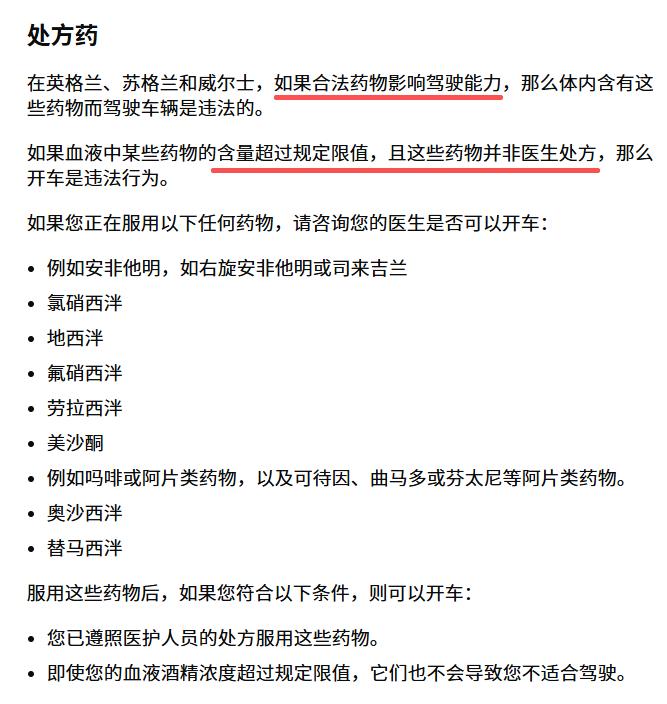
And the penalty for this is at least a one-year driving ban, with unlimited fines and a maximum of 6 months in prison.
However, this also includes drug driving, because in foreign countries, drug driving and drug-impaired driving are often treated as the same thing... In most cases, when the police stop your car, they mainly want to check if you have taken drugs, and will not specifically test for common medicines.
After all, there are too many types of drugs, and there is really no good way to verify them quickly. Usually, only saliva test strips are used to detect the content of several key drugs.
However, we can't say that drug-impaired driving is not worthy of attention.
Studies have shown that benzodiazepines for treating anxiety and insomnia will bring side effects such as dizziness, blurred vision and fatigue, increasing the risk of traffic accidents by 60-80%.
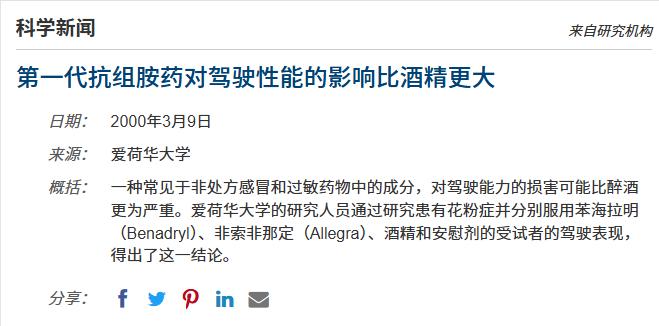
A study from the University of Iowa also concluded that first-generation antihistamines such as diphenhydramine have even more impact on driving than alcohol.
So everyone, don't take medicine without worry just because no one is checking, you should pay more attention to it, which is good for yourself and everyone else.
On the other hand, in addition to drinking, taking medicine and taking drugs, there is another situation that is also illegal, which is "driving with illness", specifically including heart disease, epilepsy, Meniere's disease, vertigo, hysteria, tremor paralysis, mental illness, dementia and so on.
Many people may not know that if you have these diseases, you are not allowed to apply for a driving license.
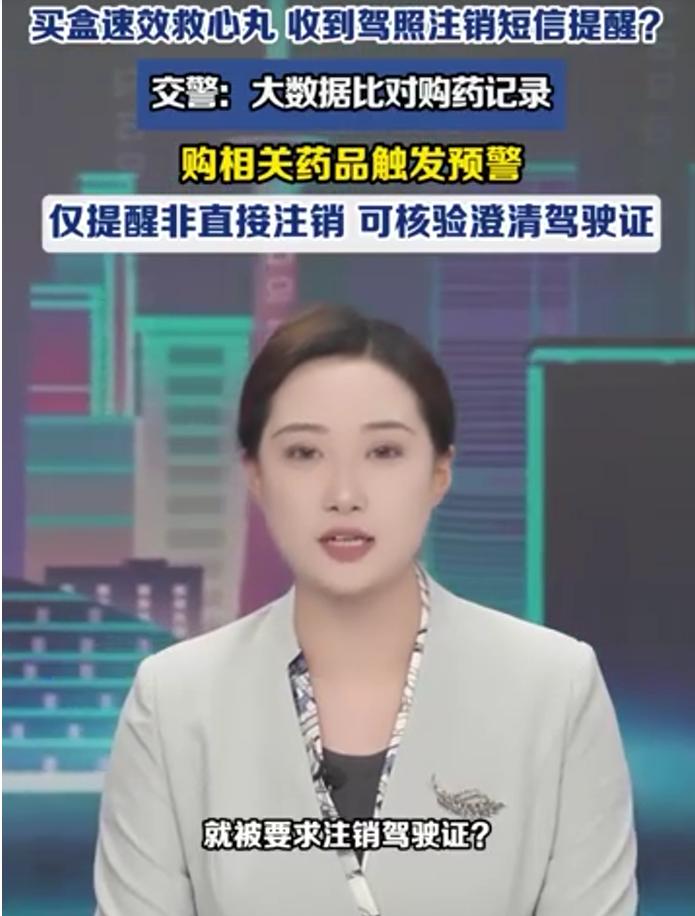
Not long ago, a netizen was notified by the traffic police team via SMS just because he bought a few boxes of quick-acting heart-saving pills online, requiring him to have his driving license revoked as soon as possible. It seems that the internet big data has finally been put to good use.
In short, when it comes to safety, we ourselves are the first person in charge. Don't blame the car company for making a bad AEB system after an accident. In many cases, we can avoid risks in advance.
Don't think that you can just hold on for a while when you are drowsy, maybe you will really have an accident soon.
After all, the last time I played ranked matches, I was that confident too...
Image and Data Sources:
Taking Multiple Medications Can Increase Crash Risk for Older Drivers
Effects of Fexofenadine Diphenhydramine and Alcohol on Driving Performance: A Randomized, Placebo-Controlled Trial in the Iowa Driving Simulator
First-Generation Antihistamine Has More Impact Than Alcohol On Driving Performance
Shocking | A car suddenly rammed into the crowd, causing 4 deaths and 10 injuries! The driver was detained for taking excessive doses of medicine, are prescription analgesics drugs?
A netizen bought a few boxes of sleep aids and quick-acting heart-saving pills, and received a text message saying "your driving license is revoked"? Traffic police responded
This article is from WeChat Official Account "X.PIN", author: TC, editor: Mianxian, published with authorization from 36Kr.