PandaAI Li Yuqi: The competition in AI trading is shifting from factor competition to Agent competition
With the continuous evolution of technologies such as large language models and multi-agent collaboration (A2A), artificial intelligence is accelerating its transformation from an auxiliary tool to core business scenarios in the financial industry. How AI participates in trading research and what kind of human-machine collaboration model the future financial industry will form are becoming new topics of widespread concern across the sector.
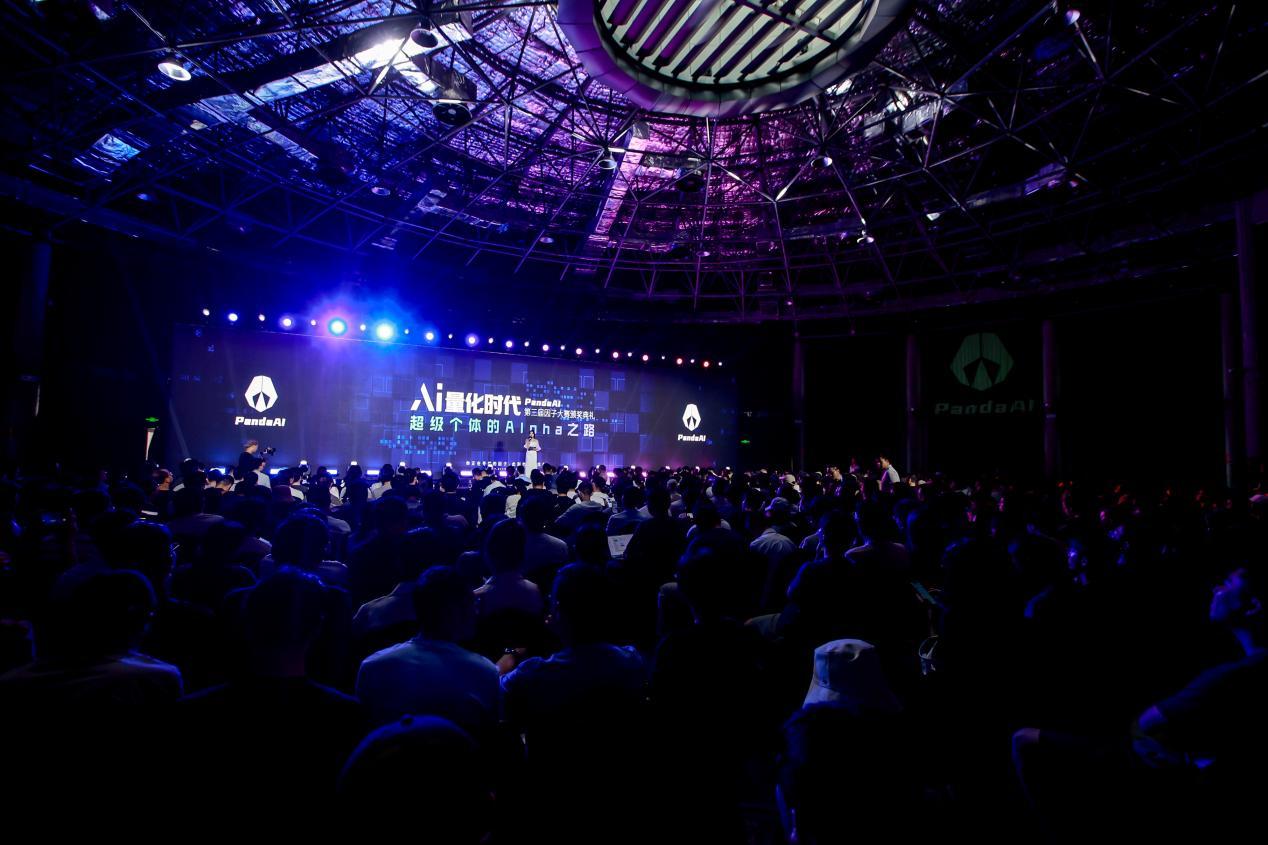
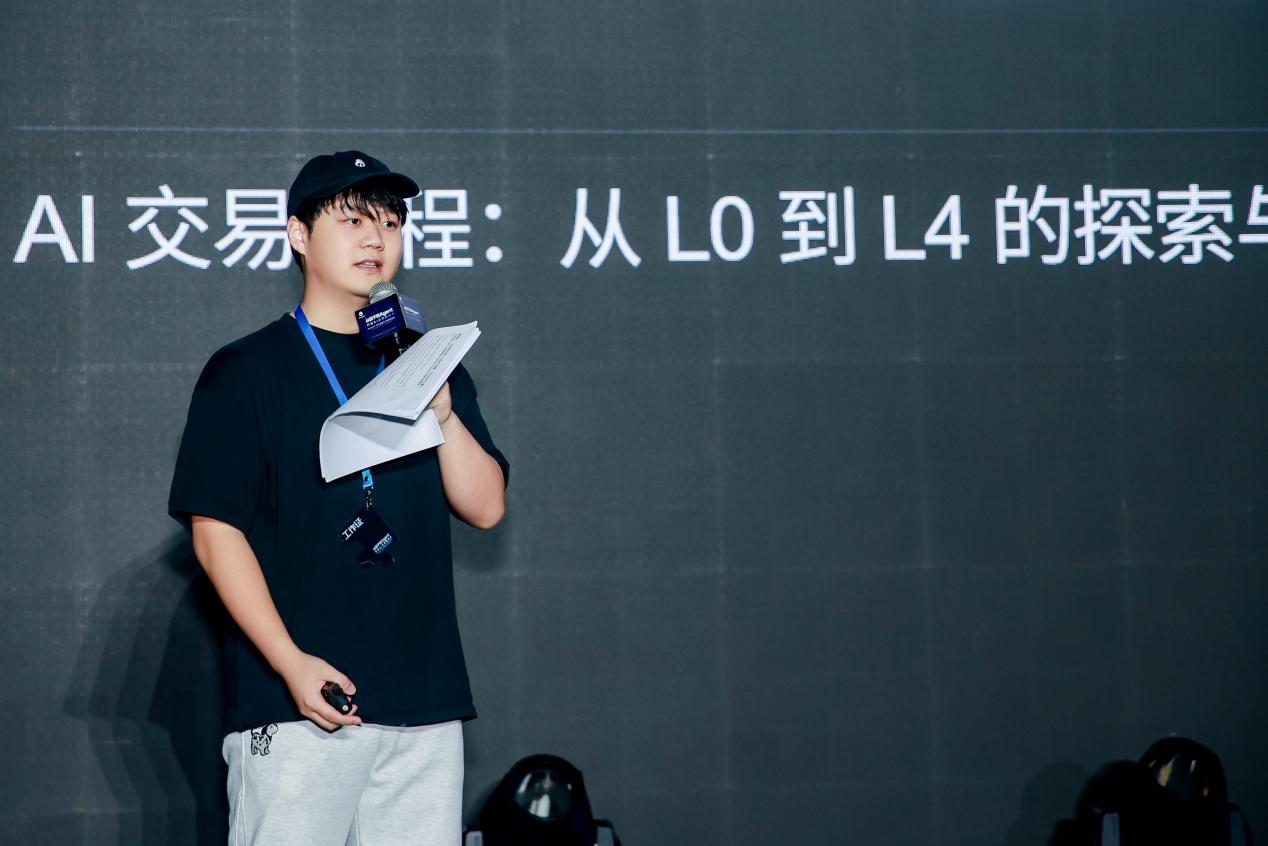
On August 1, at the award ceremony of the 3rd PandaAI Factor Competition and AI Trading Summit held in Hongkou, Shanghai, Li Yuqi, Founder and CEO of PandaAI, systematically proposed the L0-L4 evolution system for AI trading for the first time, attempting to define the development path of AI participating in trading research with a unified framework. He believes that the future competition in AI trading will gradually shift from competition focused on single-model capabilities to competition centered on Agent capabilities, collaboration capabilities and research paradigms.
During the summit, the registration for the 4th PandaAI Factor Competition was officially launched, and a new generation of product system tailored for the AI trading era was released. Guests from financial institutions, academic circles, the industrial sector and the developer community held in-depth exchanges on topics including AI trading, Agent and multi-agent collaboration.
Shifting from Factor Competition to Agent Competition
Li Yuqi stated that over the past two decades, the development of quantitative investment has always revolved around Alpha factors. Researchers have continuously sought excess returns through factor mining, model construction, strategy verification and other methods. Factors have always been the most critical research object in quantitative research, which is why PandaAI's previous factor competitions were all designed around this path.
However, with the rapid improvement of large language model capabilities, more and more standardized research processes are beginning to be automatically completed by AI. Work such as public data processing, strategy generation, historical backtesting and research verification is gradually becoming a basic capability that AI can complete efficiently, and the traditional competitive advantage of obtaining Alpha relying on public information is constantly narrowing.
Li Yuqi believes that what truly determines competitiveness in the future will no longer only be the effectiveness of a single factor, but the ability to build an Agent system that supports continuous learning, autonomous planning and collaborative work.
"Model upgrading solves the problem of efficiency, while paradigm upgrading determines the way of competition in the next decade," Li Yuqi said. In the AI era, the core of trading research is shifting from "finding a good factor" to "building a continuously evolving intelligent research system".
He pointed out that in the future, Agents will gradually participate in the full process including market analysis, factor research, strategy construction, risk management, trading execution and continuous optimization, and the relationship between AI and humans will evolve from "assisting in completing tasks" to "jointly participating in research".
From L0 to L4: AI Evolves from Auxiliary Tool to Main Body of Research
Focusing on the development path of AI trading, Li Yuqi proposed for the first time the five-level L0-L4 evolution system for AI trading at the meeting, hoping to establish a unified framework for understanding the development of AI trading.
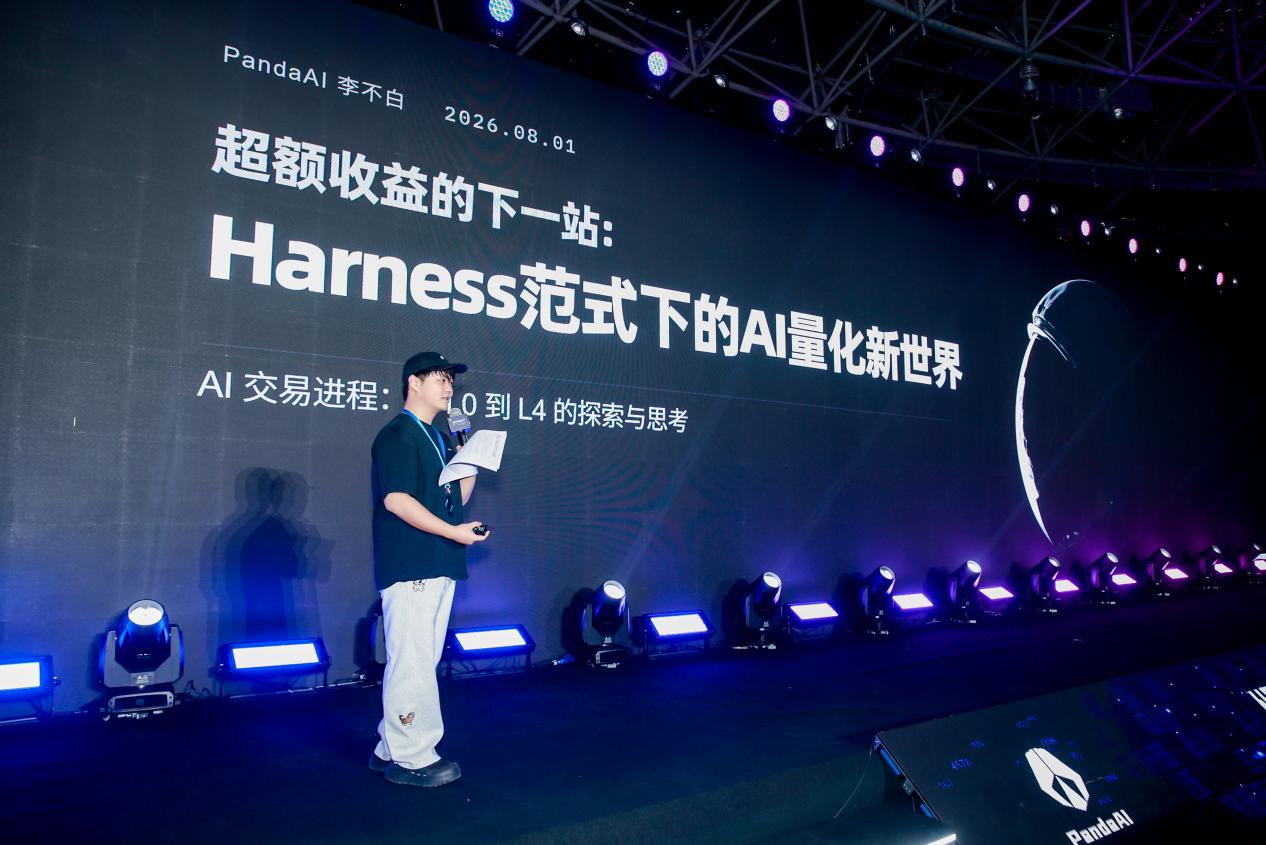
Among them, L0 represents research and trading that is completely completed manually;
At the L1 stage, AI is mainly responsible for auxiliary work such as code generation and Prompt optimization;
At the L2 stage, AI begins to participate in the full investment research process through standardized Agents, forming a single-agent closed loop;
At the L3 stage, multi-agents work collaboratively (A2A) to achieve autonomous planning, mutual restriction and continuous iteration;
L4 means that AI can complete standardized research and trading in the public market, while humans will focus more on investment target setting, non-public information acquisition and risk boundary control.
Li Yuqi said that this system not only reflects the improvement of AI capabilities, but also embodies the changes in trading production methods. He emphasized that Agent is not a chatbot in the traditional sense, but a key sign that AI has begun to truly participate in the financial research process. Future industry competition will gradually evolve from competition for single-point model capabilities to competition among research systems, collaboration capabilities and infrastructure.
Building AI Financial Infrastructure, PandaAI's New Product System Officially Unveiled
It is worth noting that the evolution system proposed at this summit is not limited to the theoretical level. Li Yuqi introduced that focusing on the development path of AI trading, the team has carried out continuous research in directions including L2 closed-loop Agents and L3 multi-agent collaboration, hoping to explore new paradigms of AI trading through closed-loop research systems and multi-agent collaboration mechanisms, and further promote the engineering implementation of relevant capabilities.
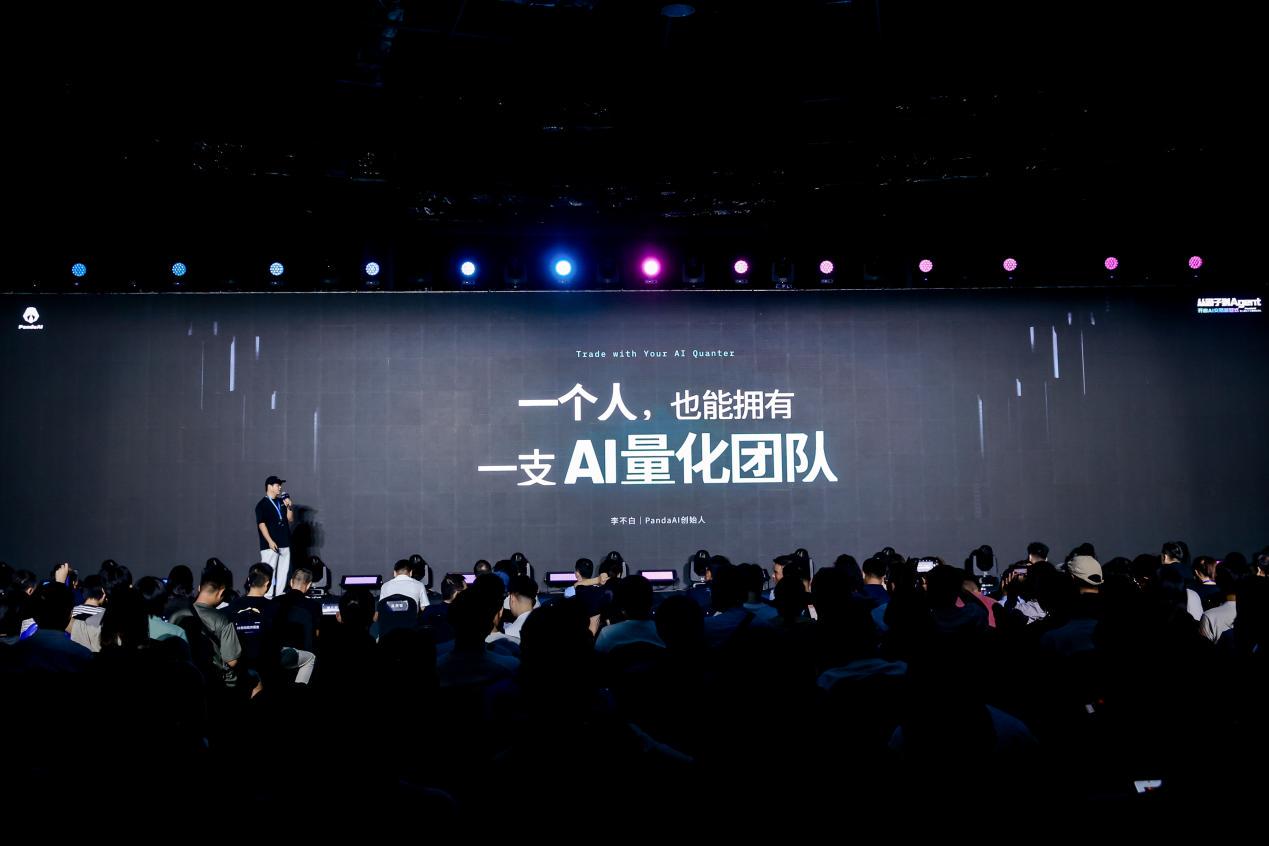
Adhering to the concept of "one person can also have an AI quantitative trading team", PandaAI simultaneously displayed a brand-new product system for the AI trading era. From natural language interaction and visual research orchestration to Agent creation and multi-agent collaboration, different products carry different levels of AI trading capabilities, together forming a complete set of intelligent research and trading infrastructure.
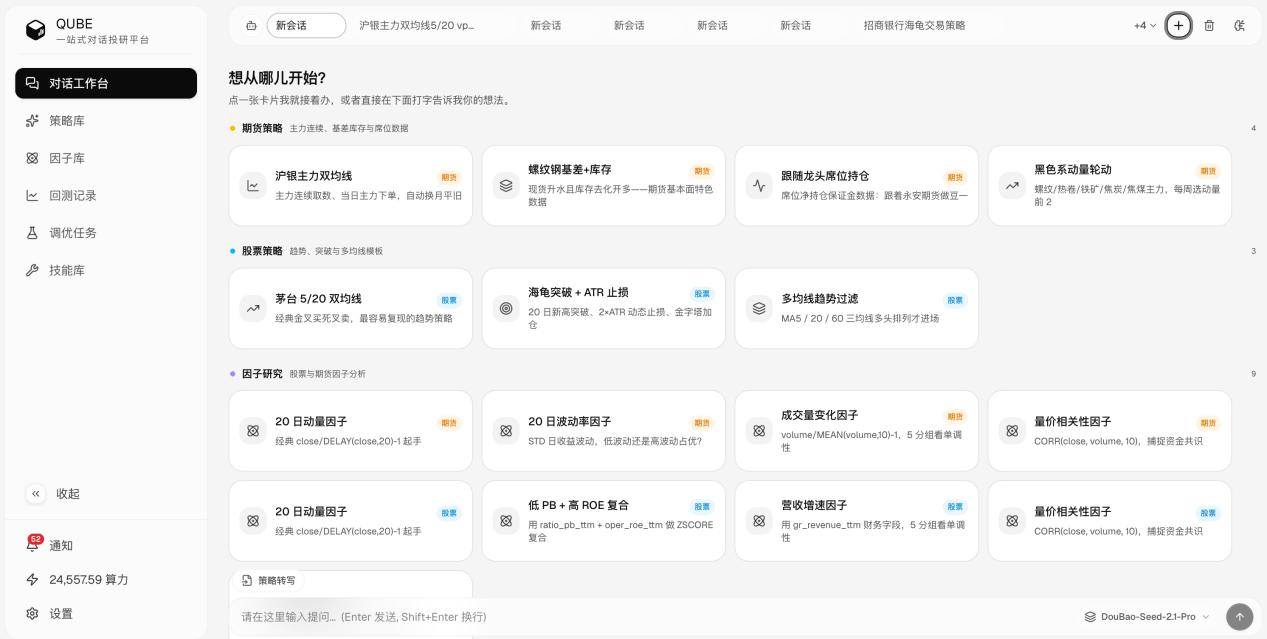
First, the newly launched QUBE is positioned as a conversational strategy assistant, representing PandaAI's natural language interaction capability. Users only need to describe their trading ideas in natural language to call data, generate strategies, complete backtesting verification and output trading signals, which greatly shortens the path from idea proposal to strategy verification.
The brand-new Trading OS uses a brand-new AI workflow visual canvas to orchestrate data, Skills and Agents, allowing users to build, connect and automatically execute complete quantitative research tasks through natural language.
On this basis, EVO is positioned as an integrated AI trading Agent research platform, integrating Agent creation, task management, collaborative research and strategy execution, enabling one person to own a complete AI quantitative trading team.
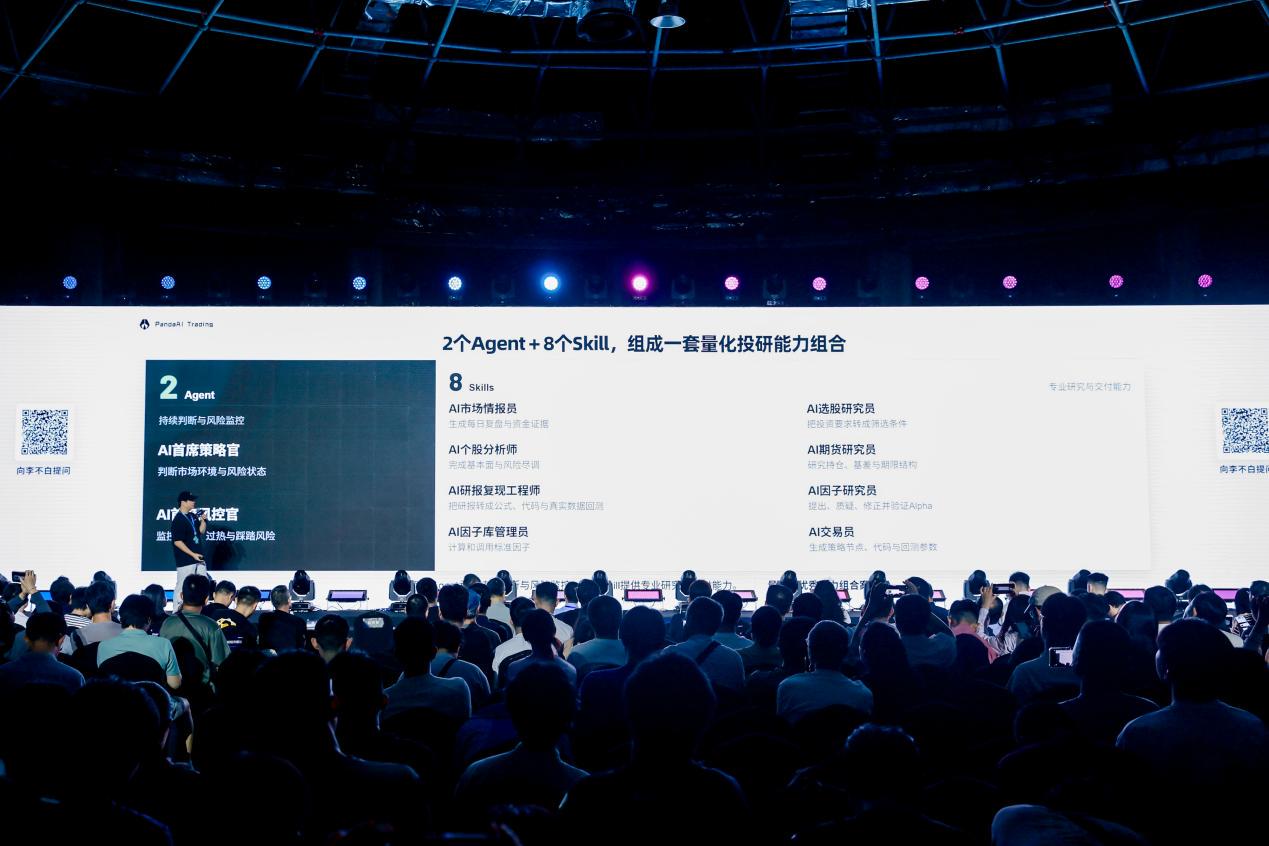
At the event site, PandaAI also demonstrated the A2A Agent collaboration capability in the Trading OS scenario. Multiple Agents responsible for research, analysis, risk control and trading independently divided work, provided mutual feedback and collaboratively completed tasks on the basis of sharing information and experience, and continuously optimized research ideas and evaluation standards in continuous interaction, showing a brand-new form of AI trading that evolves from "single assistant" to "intelligent team collaboration".
Li Yuqi expressed the hope that through a unified AI infrastructure, AI can truly participate in the whole process of financial research, rather than only staying at the stage of code generation or intelligent Q&A.
The 4th Factor Competition Launched, Exploring New Paths for AI Empowering Quantitative Research
It is understood that the new competition will continue the core framework of factor research, further strengthen the application of AI in quantitative research, and encourage participants to use AI to participate in the whole process of factor mining, strategy construction, model optimization and research verification, so as to explore new modes of artificial intelligence empowering quantitative research.
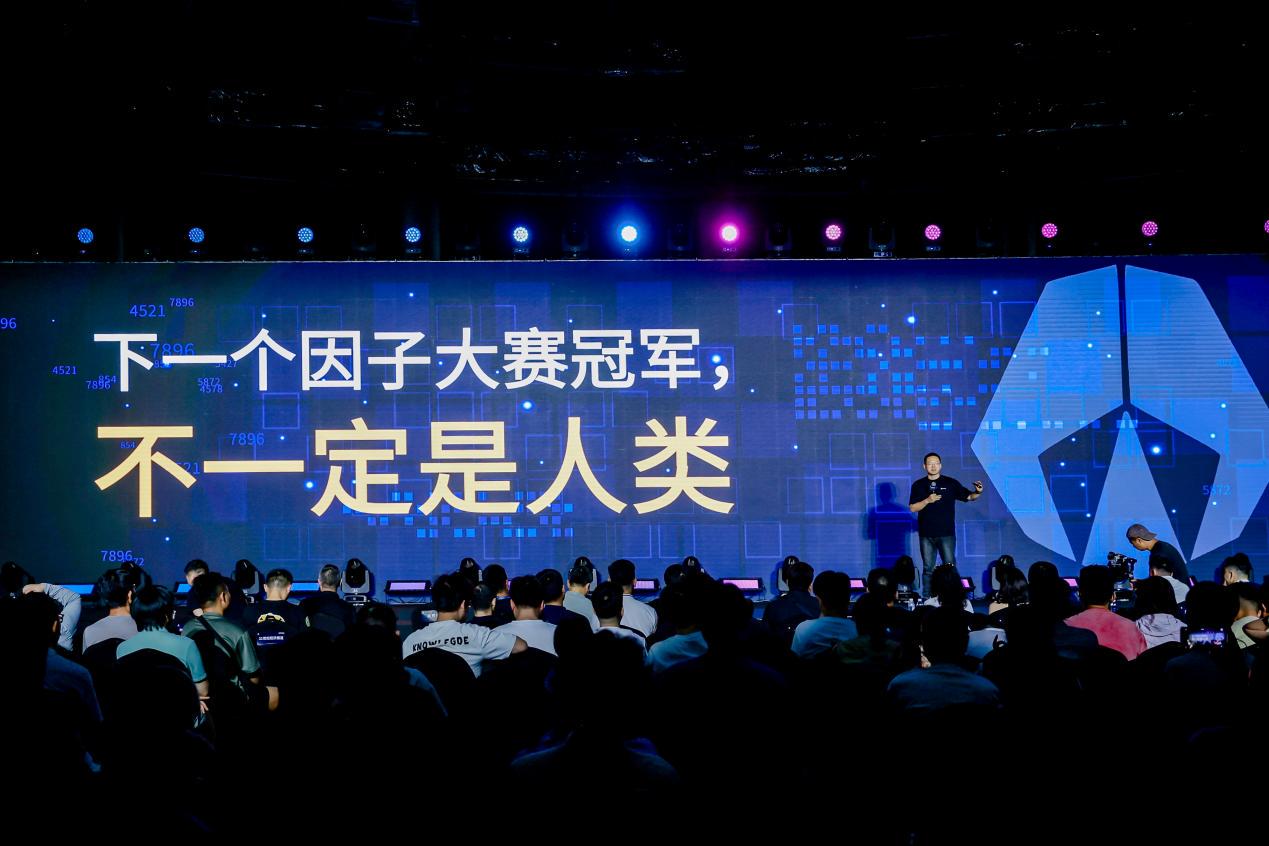
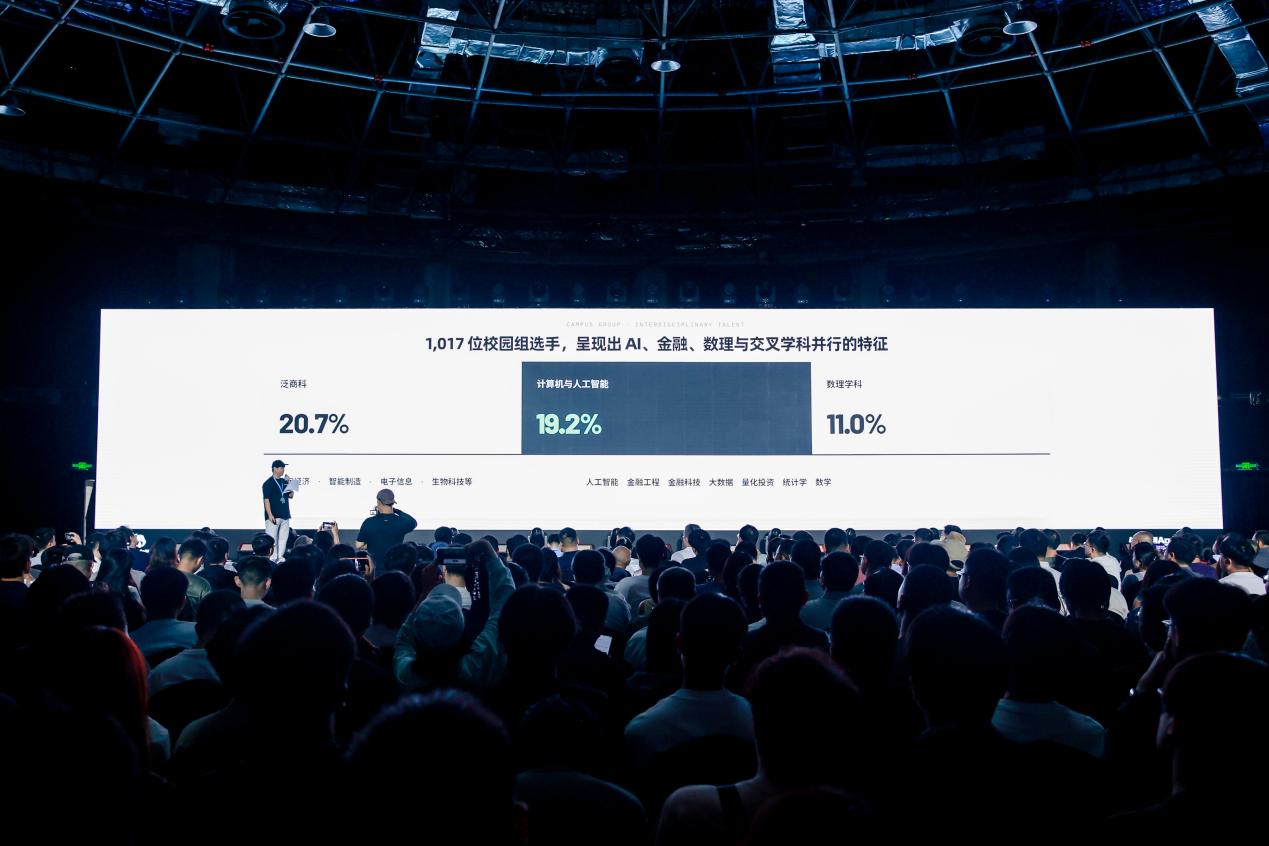
As an open quantitative competition that has been held for three consecutive sessions, the PandaAI Factor Competition has gradually formed a complete system covering competition organization, unified evaluation, pre-competition training and achievement display. The 3rd competition received a total of 12,958 registrations, and 7,438 factor workflows were submitted, both the number of registrants and the number of submitted works hit a record high.
The award ceremony for the 3rd Factor Competition was held during the summit to recognize outstanding participants. Winning teams from universities, financial institutions and the developer community shared their practical achievements in factor research, AI application and strategy innovation.