Google takes the lead in 2nm process, Honor's robot smartphone is officially on sale, which new phone launched in August is the most competitive?
July and August are supposed to be the two hottest months of the year, and the competition in the global smartphone market in the second half of 2026 has become increasingly fierce. Generally speaking, August is often the period when major brands prepare for the September autumn flagship battle, with relatively few new moves, but the situation this year is a little different.
According to the leaked information and official pre-heating content collected and sorted out by Leitech (ID: leitech), the lineup of new phones in August is quite rich. Among them, there is the classic return of Huawei nova 16 SE, the all-round flagship of the REDMI K100 Pro series, and the over-spec sub-flagship like vivo iQOO Neo11s. In addition, the embodied smartphone Honor Robot that has been showcased at major exhibitions will be officially released, and Google Pixel 11 will make the world's first launch of the 2nm process.
This batch of new phones covers multiple price ranges from mid-range models of 2,000 to 3,000 yuan to high-end flagships, and also presents trends such as AI hardwareization and the popularization of ultra-large batteries. Next, we will take you through an advance inventory to see which of these new August phones is more to your liking.
Huawei SE product line returns, targeting the mid-range market
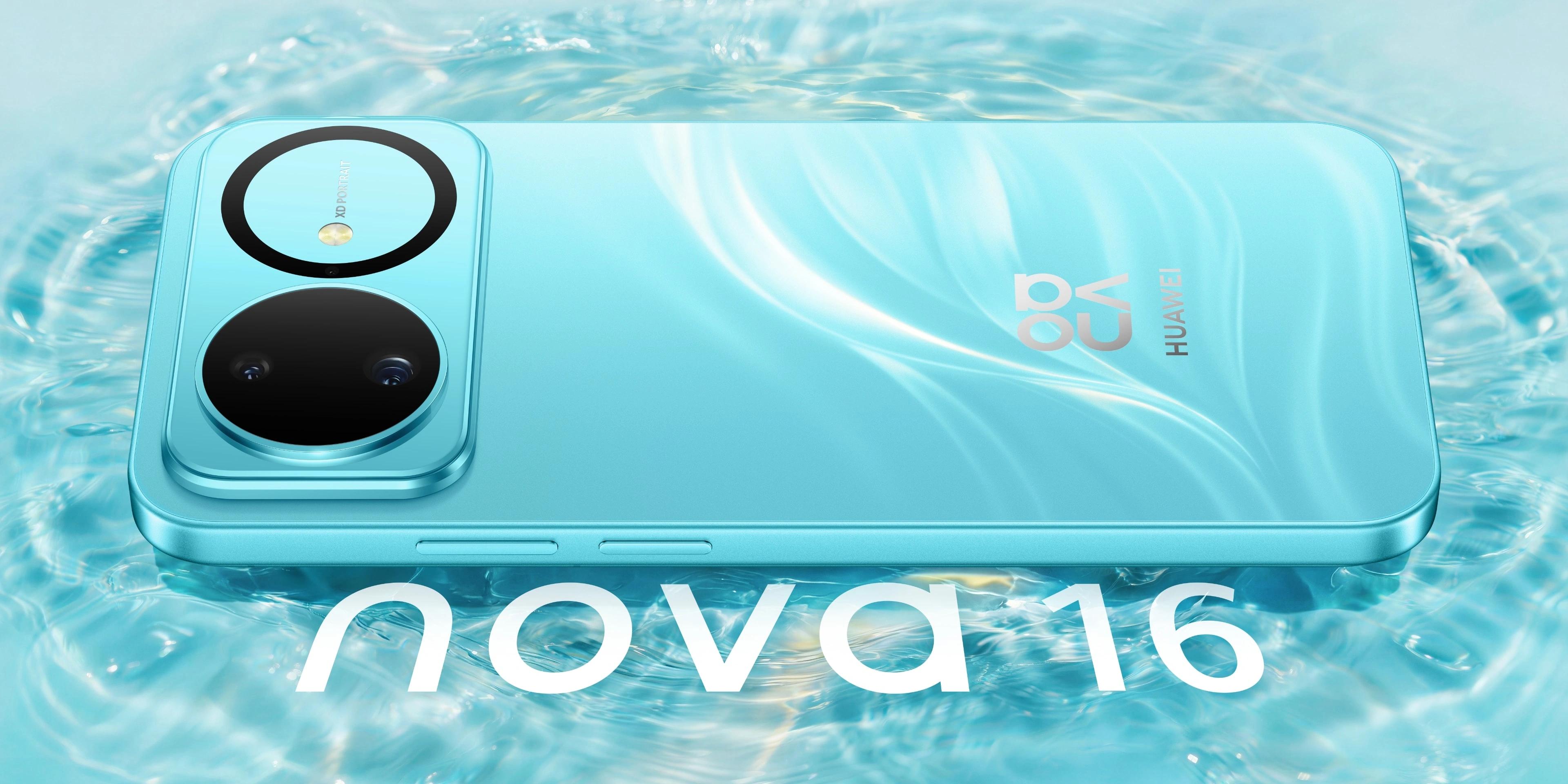
According to the information disclosed by the leak blogger @Dingjiao Digital, a new Huawei nova series phone codenamed "Cangshan" will be released. If nothing unexpected happens, it will be the nova 16 SE. It is worth mentioning that the SE product line in Huawei's nova digital series has stopped updating in the Chinese market for several years, and the last SE model was the nova 11 SE released in 2023.
In addition, on June 1 this year, Huawei held a nova 16 series launch event and launched four models. Moreover, according to the leak from @Wangzai Bestinfo, the nova 16 series sold more than 1 million units 39 days after its launch, which is a very impressive sales performance under the current market environment.
(Source: Huawei)
The positioning of Huawei nova 16 SE is expected to be slightly lower than that of the standard version, with a price range estimated at 2000 yuan to 3000 yuan. According to leaks, it will have four color options: black, white, orange and blue, and its core selling point is still imaging. The Red Maple Original Color Imaging technology from the Mate 70 series will be downscaled to this model. With the support of this technology, the nova 16 SE can maintain excellent color reproduction even in extreme scenarios.
The target group of the Huawei nova brand has always been young users, and the 16 SE's strategy is obviously to combine enhanced imaging, trendy appearance and attractive price, which makes it highly competitive amid the current general price rise of mobile phones. In addition, Huawei will hold an all-scenario new product launch event on August 5. Although the protagonist is the new Zhijie vehicle, it is estimated that the nova 16 SE will be released together with it.
New REDMI flagship is coming, competing for the throne of all-round flagship king
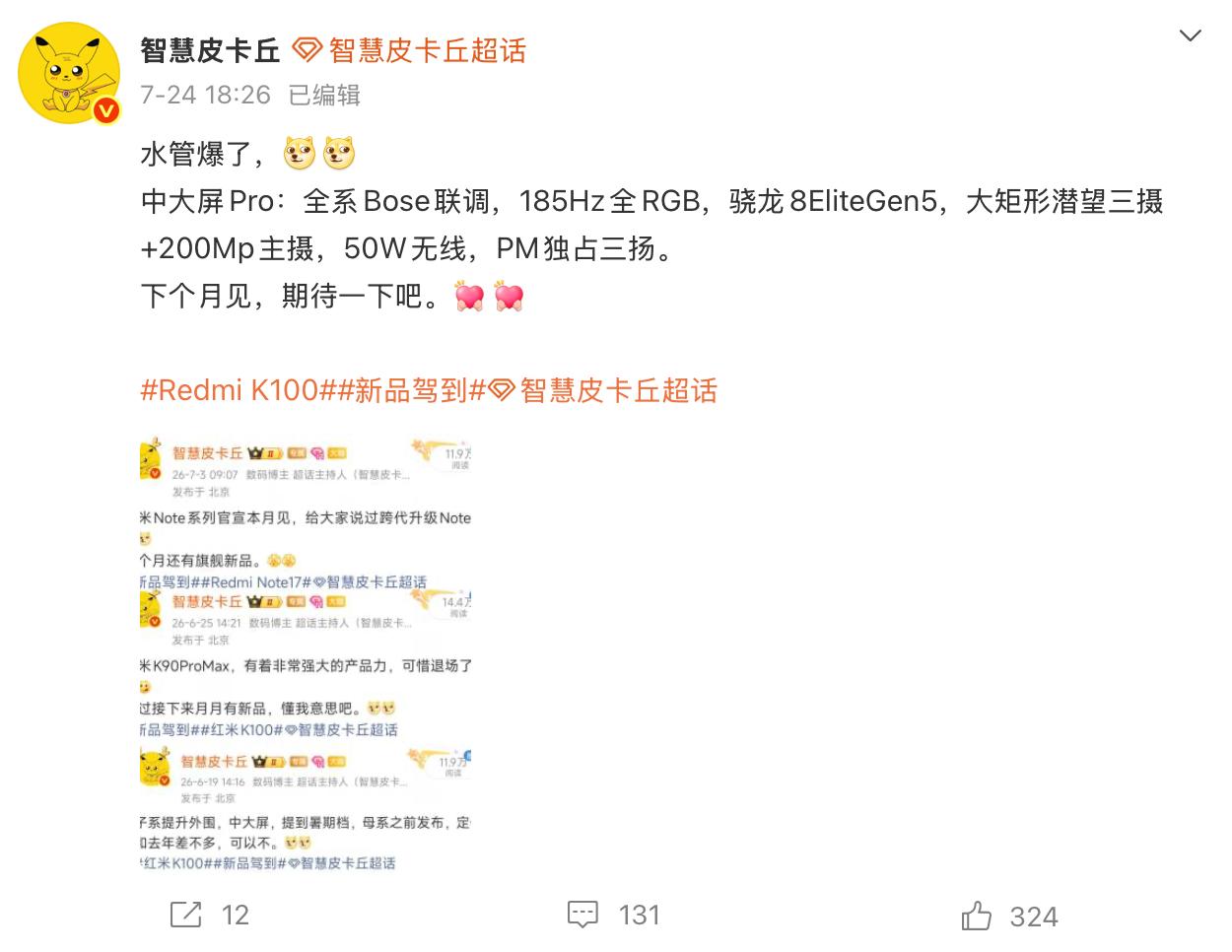
Xiaomi, which was relatively quiet in the flagship market in the first half of the year, will finally launch a heavyweight product, the REDMI K100 series, in August. At present, the configuration information of this series has been almost fully exposed. The K100 Pro will be equipped with the 5th generation Snapdragon 8 Elite chip, a 185Hz high refresh rate super pixel OLED screen, a 200MP rear triple camera, 100W wired fast charging + 50W wireless fast charging, and a battery capacity of 8500mAh.
In terms of specifications, the K100 Pro is a typical all-round flagship with full configurations, and there are no obvious shortcomings in performance, display, imaging and other aspects. In addition, the K100 series also has a standard version and a Pro Max version, the latter of which has a battery capacity of up to 9000mAh.
(Source: Weibo)
At present, the only suspense left about the REDMI K100 series is the price. Under the pressure of memory cost, this new Xiaomi phone is very likely to see a price increase. However, due to REDMI's cost-effective positioning, the price increase will not be very large. Moreover, it can be seen that under the cost pressure, Xiaomi's mobile phone product line focuses on high-end flagship models, and it has basically stopped investing resources in many low-end entry-level models, even at the cost of poor shipment data.
Relatively speaking, flagship models like the REDMI K100 Pro still have room for adjustment in pricing and product polishing, and can become core products to stabilize target users and maintain brand awareness.
iQOO sub-flagship targets the 3000-yuan price segment
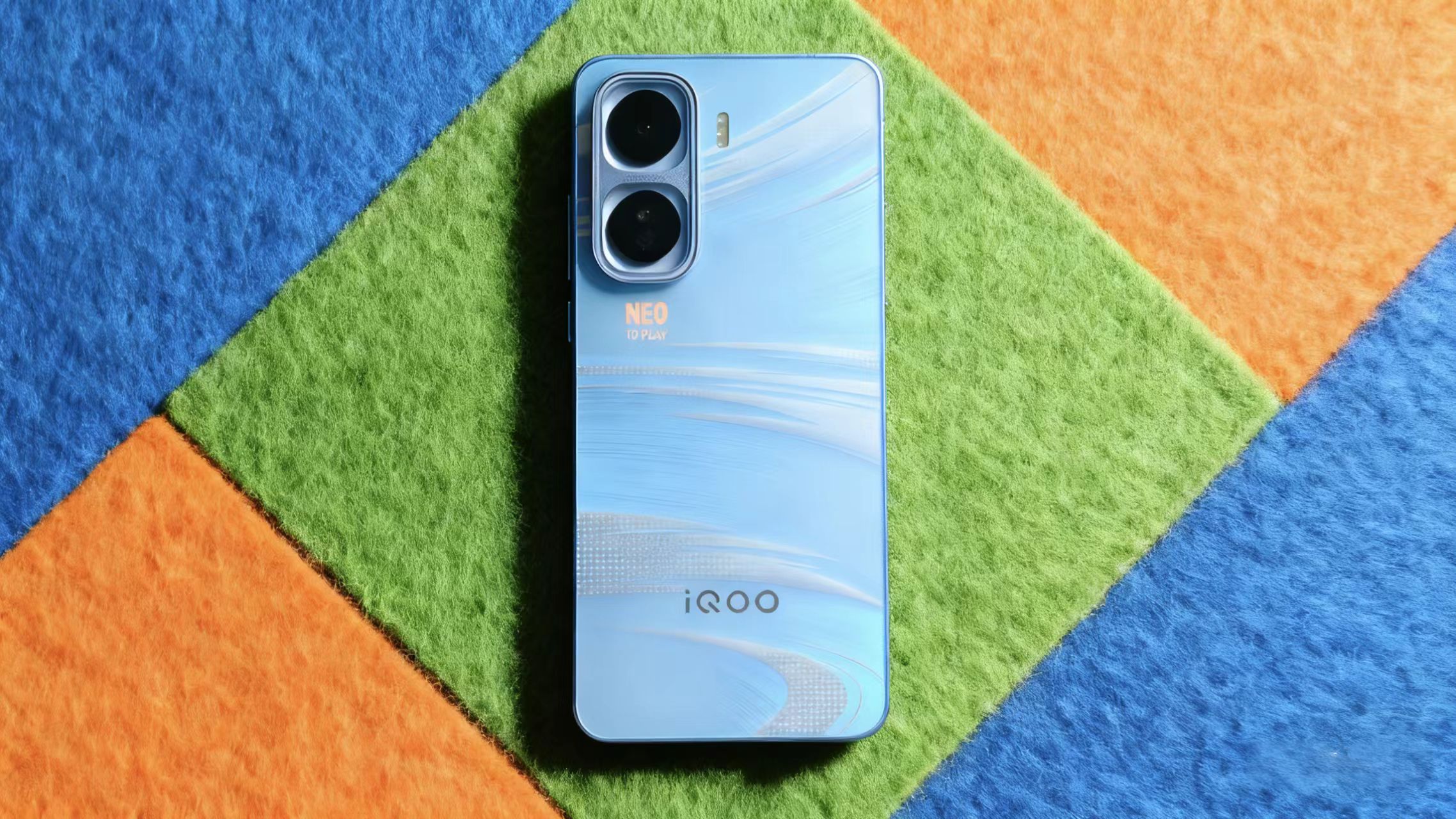
In the performance phone market at the 3000-yuan price segment, iQOO has always played the role of a fierce competitor. After the release of the iQOO Neo11 last year, the iQOO Neo series will launch a brand new sub-flagship model around August, which is expected to be the iQOO Neo11s.
(Source: Leitech)
Combined with the current leaked information, this new phone is very likely to be equipped with a down-clocked version of the Dimensity 9500 chip. Although it is a down-clocked version, its overall performance is not weak. With the maximum 16GB + 512GB storage combination, there is no pressure to handle high-load scenarios.
In addition to performance, the iQOO Neo11s is also well-configured in other aspects. It will be equipped with a 2K resolution flat screen, and add the 3D ultrasonic fingerprint recognition that is highly praised by users. In terms of battery life, it is equipped with a Blue Sea large battery of over 8000mAh, and supports 100W wired fast charging at the same time. In addition, this phone has IP68/IP69 dust and water resistance, and three new color options: Glow White, Shadow Black and Windrider.
The positioning of this new iQOO phone at the 3000-yuan price segment is very clear, which is to use the flagship chip released last year to support the current sub-flagship positioning. Of course, the competition in this price segment will also be very fierce. With the launch of the new generation of flagship chips and the arrival of the autumn launch events, old flagship models may cut prices to clear inventory and enter this price segment as well.
Honor Robot Phone is finally available for purchase
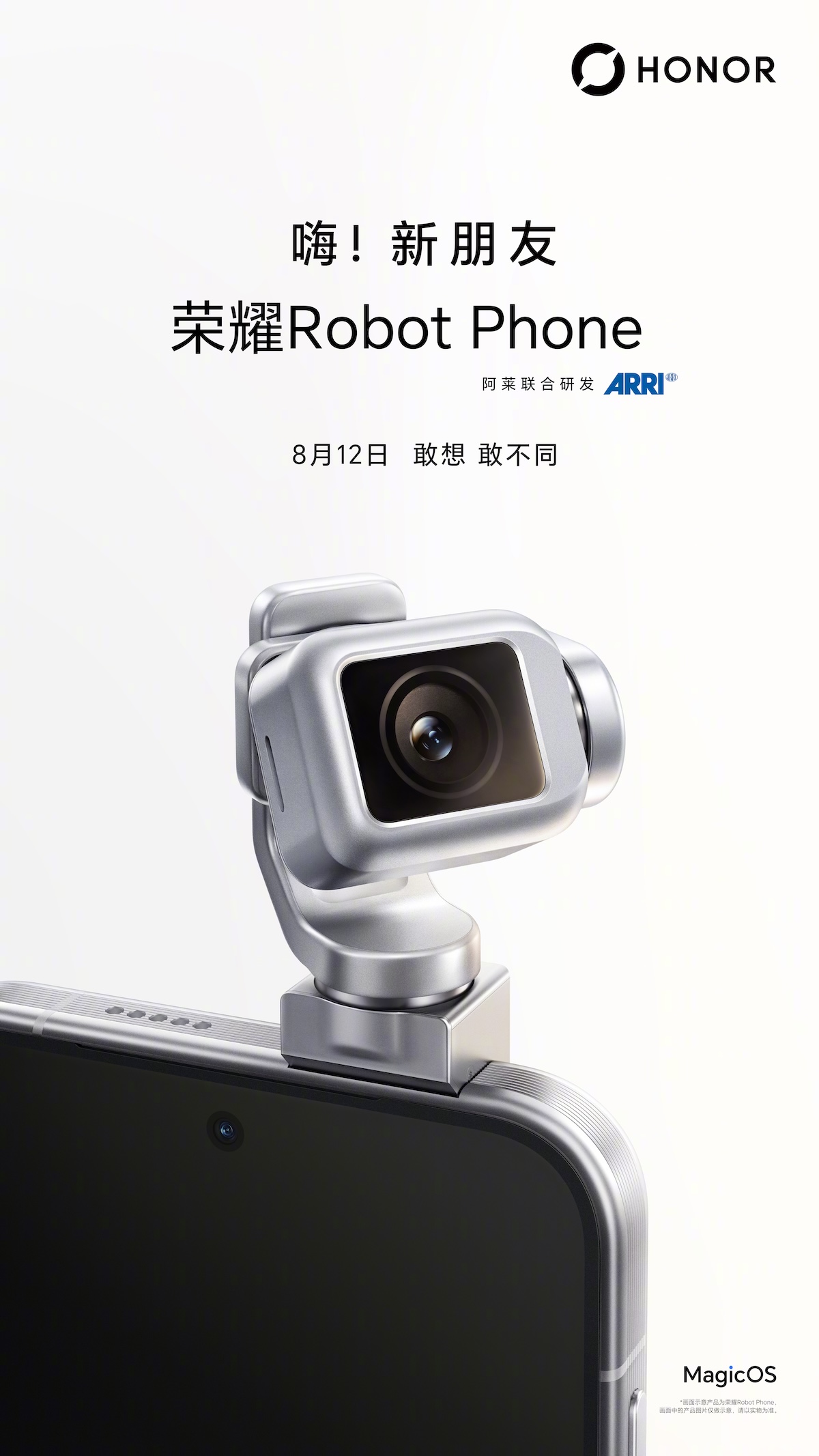
At the MWC at the beginning of this year, the Honor Robot phone made a stunning appearance and became the focus of the whole exhibition. The biggest highlight of this phone is the camera composed of a 3-axis mechanical anti-shake gimbal and a 200MP sensor. With the mechanical structure, it realizes the combination of embodied intelligence and imaging.
It can not only track and focus on the shooting object more accurately, but also generate corresponding dialogues in real time according to the external scene through unique AI interaction methods, which endows the phone with visual perception and turns it into an AI hardware device.
Not long ago, at WAIC 2026, Honor Robot made its first public appearance in China. Now, Honor has officially announced that the Honor Robot Phone launch event is scheduled for August 12. That means this phone will be sold to the mass market. This means that the Honor Robot Phone will be mass-produced, and ordinary users will most likely be able to buy it.
(Source: Honor)
Information on the official poster shows that this phone is jointly developed by Honor and ARRI. It is understood that ARRI is the world's leading manufacturer of film equipment, and most commercial films are shot with ARRI's camera equipment. ARRI has profound technical accumulation in imaging color, light and shadow and other aspects. Now, the cooperation between Honor Robot Phone and ARRI will definitely bring some surprises in the imaging field.
Google Pixel 11 self-developed chip grabs the 2nm first launch
Google has never been good at keeping information confidential. When Google officially announced that it would release the Pixel 11 series on August 12 (Beijing time August 13), the relevant information of this phone has already been fully leaked.
According to leaks, the Pixel 11 series has a total of four models, namely the standard version, Pro, Pro XL and Pro Fold. The starting storage capacity of all models in the full line will be increased from 128GB to 256GB, and all models except the standard version will add a 1TB capacity version.
Of course, the core selling point of the Pixel 11 series is still the Google self-developed Tensor 6 chip. This chip will be the first to use TSMC's first-generation 2nm process, ahead of Apple A20 Pro, Qualcomm Snapdragon 8E6, MediaTek Dimensity 9600 and others. For a long time, due to the heat generation and energy efficiency problems caused by the manufacturing process, Google's self-developed mobile phone chips have been continuously criticized. Now with TSMC's latest process, this problem is expected to be completely solved.

(Source: X)
The CPU part of Tensor 6 has excellent performance, with a large ARM C1-Ultra core and six C1-Pro cores. However, its GPU is relatively weak, using a PowerVR GPU released in 2021, which is a bit unsatisfactory in both performance and energy efficiency at present.
At the same time, the latest TSMC process will also lead to a significant increase in the cost of the Pixel 11 series. According to industry sources, the cost of TSMC's 2nm process has increased by more than 50% compared with the 3nm process. Coupled with the pressure of memory cost, the price of the Pixel 11 series will increase by 100 US dollars. Moreover, the memory of some models in the Pixel 11 series will be reduced. For example, the starting memory capacity of Pixel 11 Pro will be reduced from 16GB to 12GB.
At present, the core selling point of the Pixel 11 series is still the AI experience built around Gemini. This phone has always been Google's test bed for various AI applications, which is a major advantage over other Android smartphones.
Kick off the 2026 annual flagship battle, the highlight will be in September
Looking at this wave of new phones coming in August, we can clearly see the strategic moves of various brands in the third quarter.
Huawei stabilizes its mid-range basic market by reviving the SE product line, while Xiaomi and vivo (iQOO) are frantically stacking specifications on their sub-brand performance flagships, trying to lock in young users in the 3000-yuan price segment with ultra-large batteries above 8000mAh and over-level configurations.
Honor directly pushes the demo device that was originally displayed at exhibitions to the mass market, taking embodied intelligence technology as its core selling point. Google, which has always been low-profile, actively seizes the first launch of the 2nm process this time, using self-developed chips to build the core advantage of Pixel.
However, in the view of Leitech (ID: leitech), this wave of new phones in August is certainly wonderful, but it is only the appetizer of the technology circle in the second half of the year. On the one hand, it is a test bed for major manufacturers to verify new technologies and seize niche markets; on the other hand, it is also a warm-up for the upcoming September autumn launch events.
Don't forget that in September, the highly anticipated Apple iPhone 18 Pro series, Huawei Mate 80 series and other truly industry heavyweights will be launched.
If you have a limited budget and focus on specific functions, such as ultra-long battery life and cost-effective gaming experience, the new phones in August are totally worth buying without hesitation; but if you have a sufficient budget and long for a full range of top flagship experience, you might as well wait a little longer for the "gods' battle" in September.