The most hidden chokepoint material in the semiconductor industry has risen several times without anyone noticing, and has just been banned by China.
Helium is a very peculiar substance.
It is the second most abundant element in the universe, making up a quarter of the Sun's mass. But on Earth, it is extremely scarce, cannot be artificially synthesized, and can only be extracted little by little from natural gas, while the helium content in most natural gas is only a few ten-thousandths. What's more absurd is that once you release it, it will float all the way up, pass through the atmosphere, and escape into space, the Earth's gravity cannot hold it, once it is used up, it is gone forever and will never come back.
This kind of gas that drifts away as soon as it is released happens to be an irreplaceable raw material in the world's most advanced chip manufacturing processes today. The purity requirement is 6 nines, 99.9999%, not a single 9 less is acceptable. Without it, the etching in wafer fabs will stop, leak detection will stop, the stage temperature of lithography machines cannot be controlled, and there is no substitute.
But it is probably the least noticeable thing in the entire semiconductor industrial chain, so low-key that most people do not know it is needed for chip manufacturing, so low-key that its price has doubled without ever making a headline.
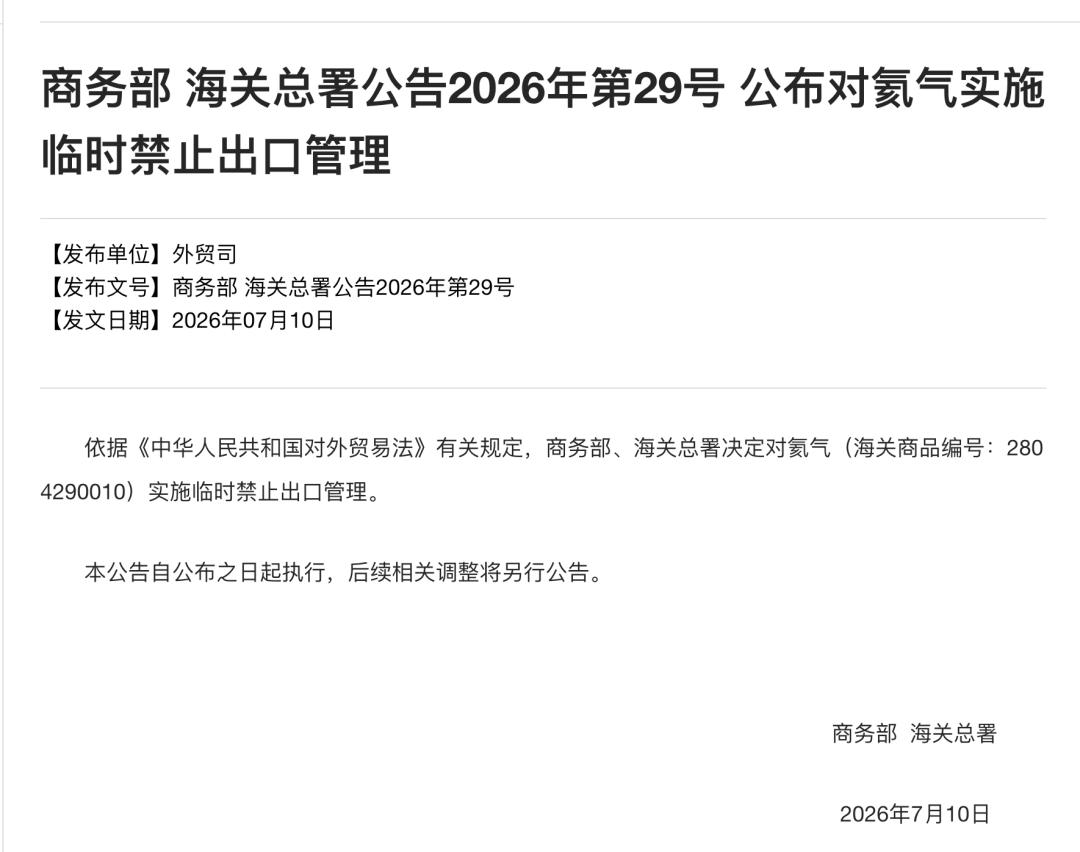
On July 10, China suddenly banned its export.
This news barely made any ripples in public opinion.
But if you take a look behind this inconspicuous gas, what has happened in the past six months is far more drastic than most semiconductor headlines: the world's largest helium production hub was bombed by missiles three months ago, and it will take three to five years to repair; domestic special gas factories are operating at full capacity on double shifts yet still cannot meet demand; war, supply chain disruption, industrial breakthrough, great power game are all piled on top of this little bit of drifting gas.
01: Why chip fabs cannot do without this gas
Helium is a very contradictory element. In terms of total reserves, it is the second most abundant substance in the universe, accounting for a quarter of the Sun's mass; but on Earth, it is extremely scarce. The path of artificially producing it is basically unworkable. It can indeed be generated a little in nuclear reactions, but that cost is not called production, it is called performance art.
Helium on Earth can only be extracted as a by-product from natural gas, and once released into the air, it is very difficult to recover, just like when you were a kid at the mall entrance, once you let go of your hand, the helium balloon will fly straight up into the sky without looking back. It is so light that it will float all the way up and eventually escape the atmosphere. Every bit used up means one less bit left.
Many people's entire impression of helium is limited to party balloons and the voice-changing effect after inhaling it, which is worlds apart from its actual value. This kind of substance that cannot be retained is needed everywhere in wafer fabs.
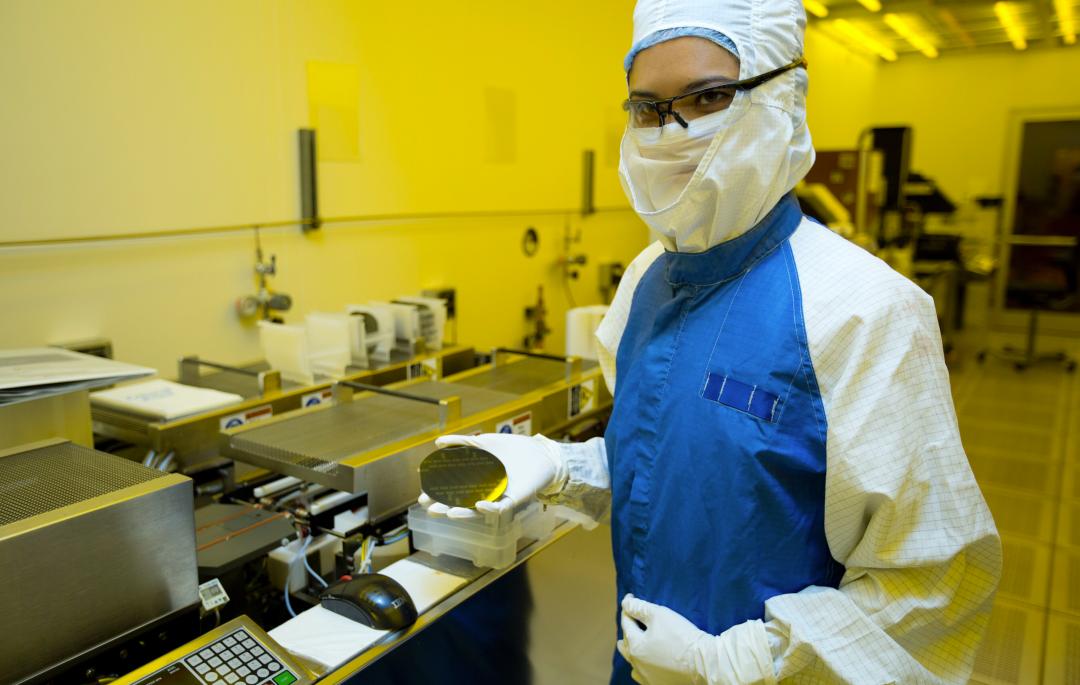
After a wafer enters the factory, it will travel back and forth between dozens of large pieces of equipment.
One of the important links is plasma etching. Simply put, it uses a group of high-speed moving charged particles to carve nanoscale circuits on the wafer surface.
The problem is that as the carving goes on, the wafer will heat up.
If an ordinary iron plate is heated unevenly, at most the streaky pork in the middle will be a bit burnt, and the enoki mushrooms next to it will be a bit raw. But the lines on the wafer are only a few nanometers wide. If the temperature is slightly uneven, the etched structure may deviate, and the yield of the entire wafer will suffer accordingly.
So engineers will fill helium between the back of the wafer and the chuck.
This layer of helium is a bit like the thermal silicone grease between a computer CPU and the radiator, except that it is gaseous. It is responsible for transferring heat quickly and evenly, preventing the wafer from having a local high fever while undergoing nanoscale surgery.
Hydrogen actually has stronger thermal conductivity, but hydrogen... right, engineers would not dare to go to work if hydrogen is used.
Wafer fabs obviously do not want to add an explosion Easter egg to the etcher just for cooling. Helium can not only conduct heat, but also is non-flammable and rarely undergoes chemical reactions, so it is difficult to replace simply in many verified processes.
Helium has another job: leak detection.
There are a large number of vacuum chambers and gas pipelines in wafer fabs. When inspecting these devices, engineers will spray helium outside the pipelines. Once the detector inside "smells" helium, it means there is a leak somewhere.
Helium atoms are small enough, and their background content in the air is very low, the effect is like equipping the entire vacuum system with a drug-sniffing dog that only recognizes one specific scent.
In addition, helium is also used for purging, protection, and thermal management of some precision equipment.
Around 20% of the global helium consumption is taken by the semiconductor industry, according to Deutsche Bank's research report.
The electronic-grade helium used in advanced processes has an extremely strict purity requirement, up to the 6N level of 99.9999%, with impurities controlled at the parts per million level. For nanoscale circuits, every bit of mixed impurity is a yield killer. The price of this kind of helium is dozens of times that of ordinary industrial helium.
Then can we do without helium?
Strictly speaking, alternative routes do exist in individual links. The problem is that a wafer fab is not your home kitchen, where you can substitute light soy sauce with dark soy sauce if you run out of the former. Once a process gas is changed, equipment parameters, temperature curves, pollution control and final yield may all change, and the production line often needs to be re-verified. The time and money consumed are astronomical, no one can afford that. Some leading factories have installed helium recovery systems, one of Samsung's production lines can save 4.7 tons of helium a year, but recovery only helps to use it sparingly, it cannot create new helium.
So the relationship between the chip industry and helium has always been quiet. Its proportion in the total chip cost is not very large, and its presence is far less prominent than lithography machines, but it is absolutely indispensable.
No one mentions it usually, because it has always been available for purchase, until this year, the shelves are empty.
02: How did the global helium supply suddenly run short
Helium cannot be produced as you wish, it is tied to natural gas fields, and nature has only distributed helium-rich gas fields to a handful of parties.
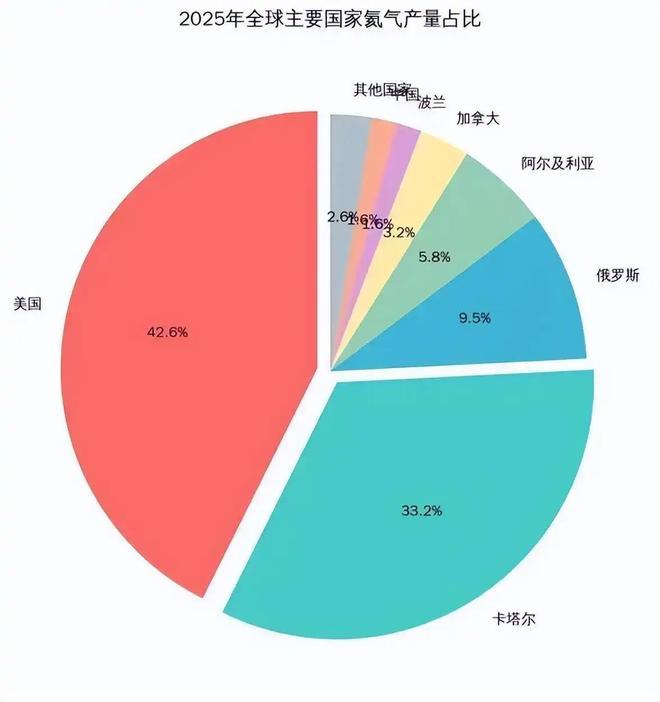
As a result, 85% of the world's helium is held by three countries: the United States, Qatar, and Russia.
Qatar alone accounts for one third, with its core facility being the Ras Laffan Industrial City, the world's largest helium production hub, where helium is a by-product of LNG production lines.
In early March this year, the war in the Middle East spilled over to the Gulf. With drone strikes and the de facto closure of the Strait of Hormuz to commercial shipping, Qatar Energy simply shut down all production at Ras Laffan and declared force majeure. Helium stopped production along with LNG, and one third of the global supply disappeared directly from the market in the short term.
In mid-to-late March, two more rounds of ballistic missile strikes caused real long-term damage: according to public statements, Qatar's helium export capacity was reduced by at least 14%, equivalent to about 5% of the global supply, and these damaged facilities will take three to five years to repair.


The most speechless scene is at the port.
Liquid helium needs to be transported in special low-temperature tank containers, each of which is worth about 1 million US dollars, and the effective cold preservation window is usually only 35 to 48 days. Beyond this time, liquid helium will gradually vaporize. To avoid excessive pressure, it can only be discharged through the safety valve.
After the war broke out, about 200 tank containers were trapped in the Middle East and stuck.
Just like the time-limited props in games, if you don't clear the level quickly, they will disappear on their own.
Even if shipping resumes one day, it will take several more months to reallocate these expensive tank containers to other gas sources.
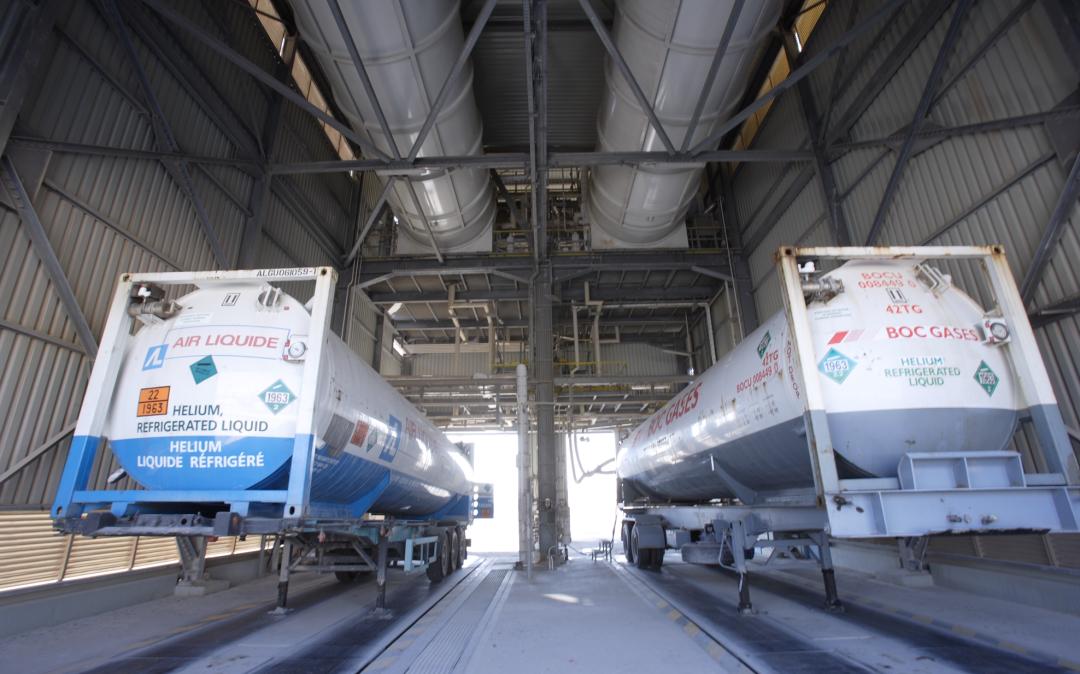
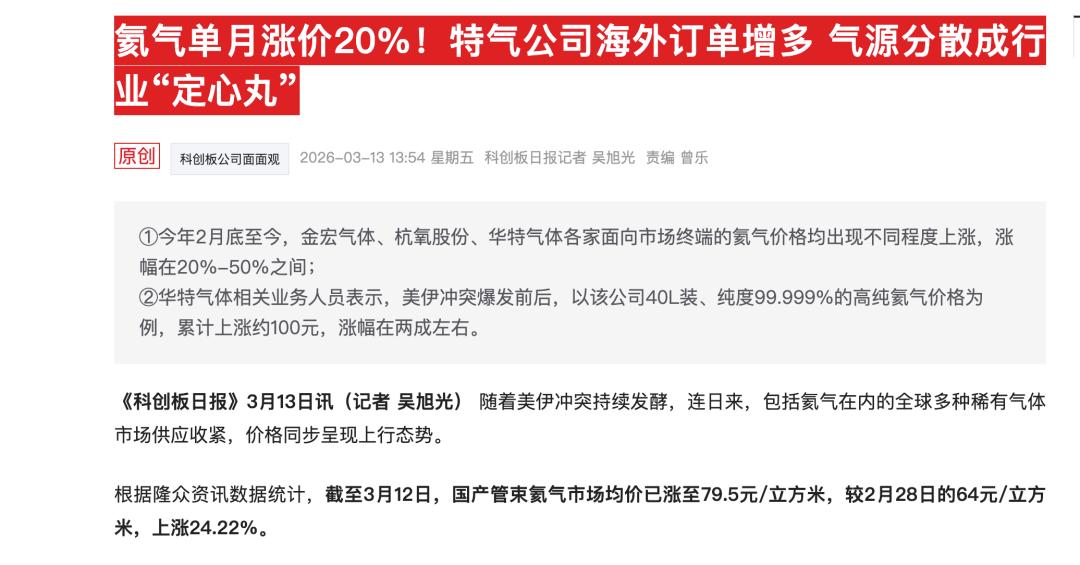
Prices spiraled out of control first. The global spot price doubled immediately, some gas giants began to impose surcharges; domestic high-purity helium in cylinders soared from 76 yuan per cubic meter to 251 yuan in seven weeks.
The nerves of the chip industry tightened accordingly: TSMC admitted at its April performance meeting that the prices of gases and chemicals may rise, which will affect profits, and the company has prepared safety stocks; supply chain consulting agencies issued more direct warnings, that prolonged shortage will force enterprises to reduce production, spreading all the way from electronics to automobiles.
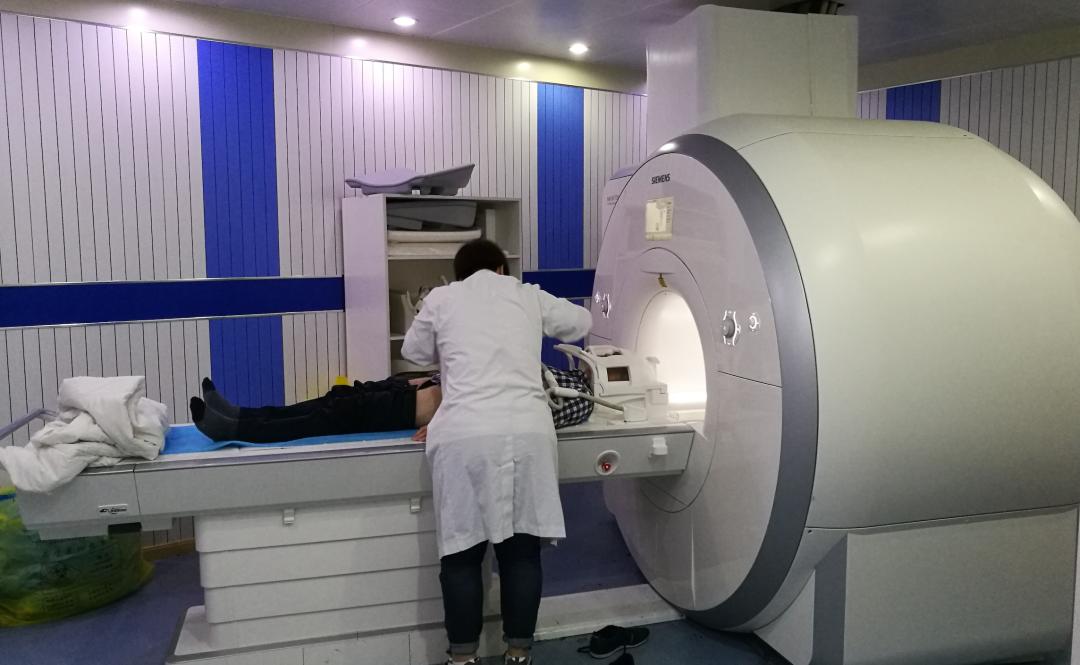
The distribution order during shortage is also very realistic: hospitals are the top priority, one MRI machine needs to be filled with about 1500 liters of liquid helium, and 30% of the world's helium is originally used for medical treatment; laboratories have small contracts and low priority, and are usually cut first. Wafer fabs are in the middle — if the shortage really forces production cuts, the industry expects high-profit AI chips and HBM to be prioritized for supply, while ordinary consumer products are more likely to be rationed.
The industry has assigned version numbers to several global helium shortages: the 2.0 version was around 2011 to 2013, the 3.0 version was around 2018 to 2020, and it entered 4.0 again in 2022. Now, the industry has begun to discuss whether this round is just a temporary shock, or the "Helium Shortage 5.0".
The other two major players also have their own problems. The United States is the world's largest helium producer, ExxonMobil's gas field in Wyoming is one of the world's largest single helium sources. But the United States did a very subtle thing in 2024 in hindsight: it sold its nearly 100 years of accumulated federal helium reserves, including gas storage and 423 miles of helium pipelines, to a private gas company as a whole, and the government's inventory was cleared to zero. The world's largest producer cashed out all its strategic reserves in one go.

Figure: Natural gas processing plant
On the Russian side, helium exports outside the Eurasian Economic Union have been changed to a government special licensing system since April 2026, which is planned to last until the end of 2027.
The trouble is that the helium industry does not have an organization like OPEC that maintains a large number of idle production capacities in normal times, so that when one party goes offline, others can make up for it immediately.
Its global market is not large, but its elasticity is extremely low. It looks like an inconspicuous water pipe in normal times, but when an accident happens, people find that it is connected to MRI machines and wafer fabs.
03: No helium mines, but we can still play this card
China is standing in the most awkward position in this shortage.
In 2025, China's total helium supply was about 5818 tons, of which 4913 tons were imported and about 9