As soon as Kimi K3 was open-sourced, Anthropic finally stopped pretending.
A Chinese open-source model has sent shockwaves through Silicon Valley's tech giants.
This familiar scenario saw DeepSeek R1 in the spotlight last time, and now the newly open-sourced Kimi K3 has taken center stage — even pitting NVIDIA and Anthropic publicly against each other.
Within 30 minutes of Kimi K3 being uploaded to the open-source large model community Hugging Face, it earned over 4,000 likes and topped the trending list. Even Hugging Face's co-founder posted on X, calling it the fastest-growing model release to date.
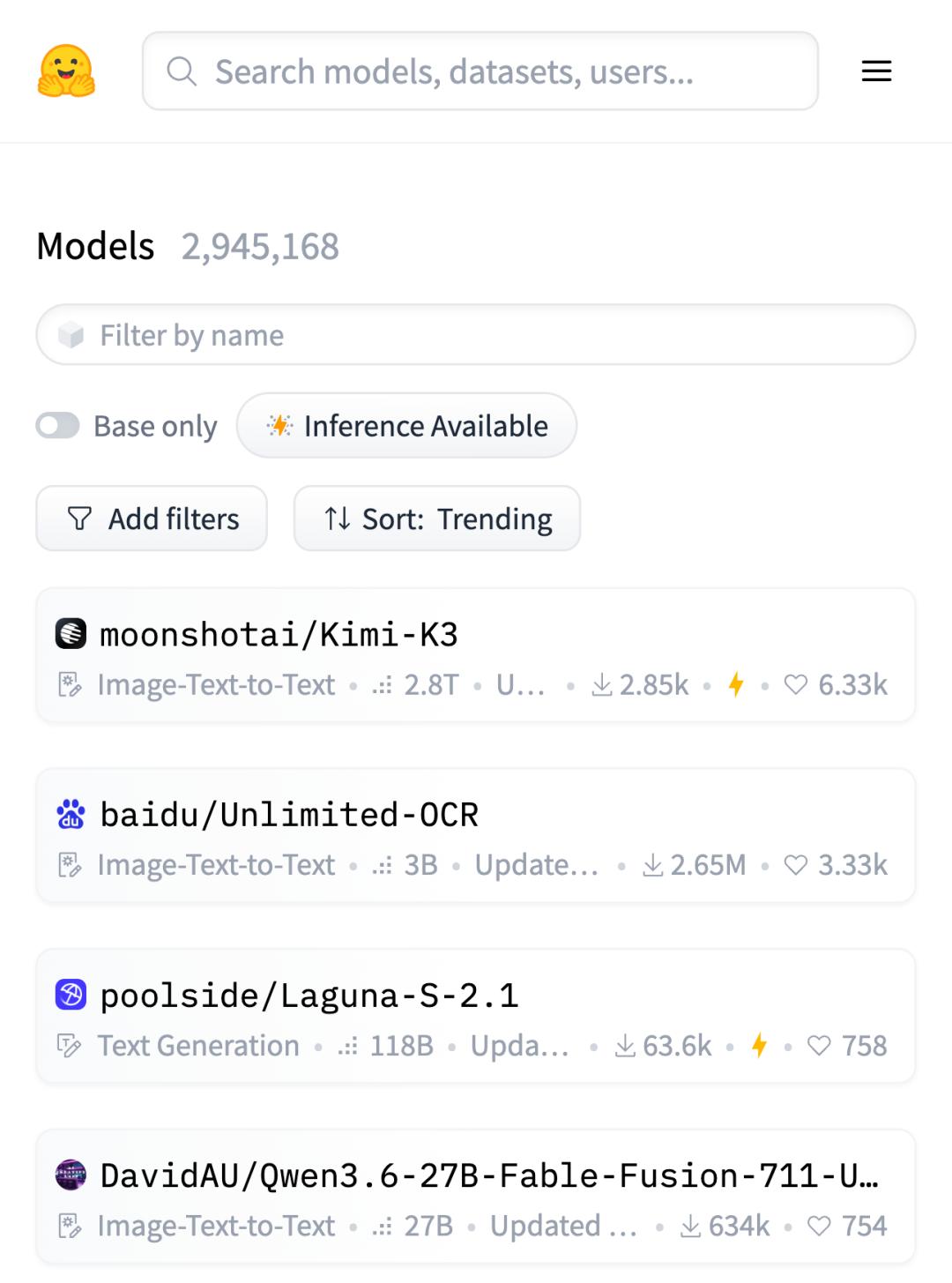
Kimi K3 currently ranks first on the Hugging Face model trending list, with over 6,000 total likes
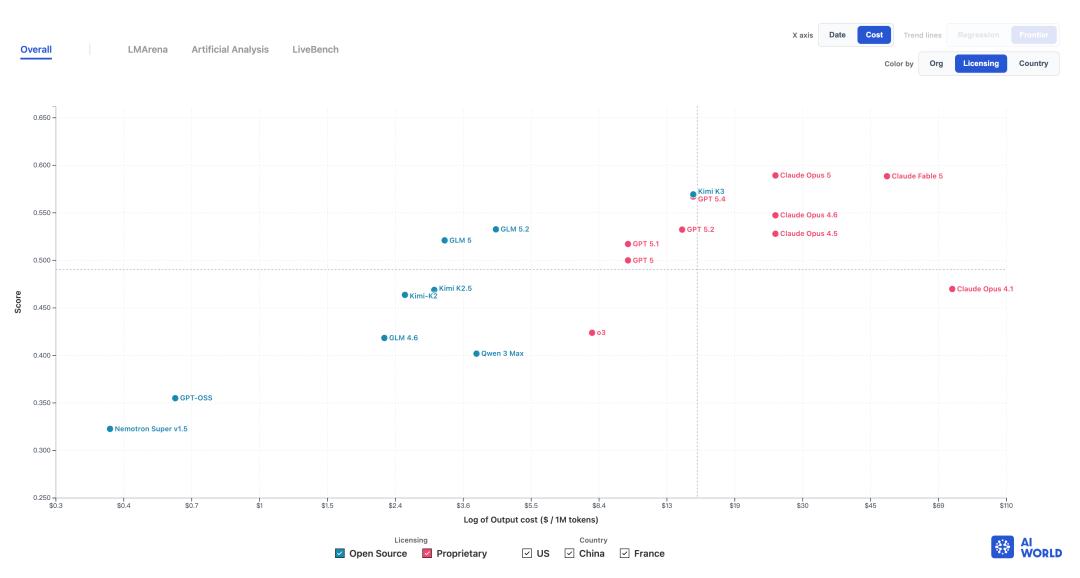
If an enterprise wants to choose a locally deployed model, domestic models seem to have become a must-have option. According to statistics from AI World, the price of Kimi K3 is far lower than that of the Claude series models, yet its model evaluation scores are about to catch up with Opus 5.
The combined impact of near-cutting-edge capabilities, extremely low pricing, and open model weights has completely stirred up Silicon Valley. Debates surrounding Kimi K3 have expanded beyond model performance to whether open weights are safer and how open-weight models should be regulated.
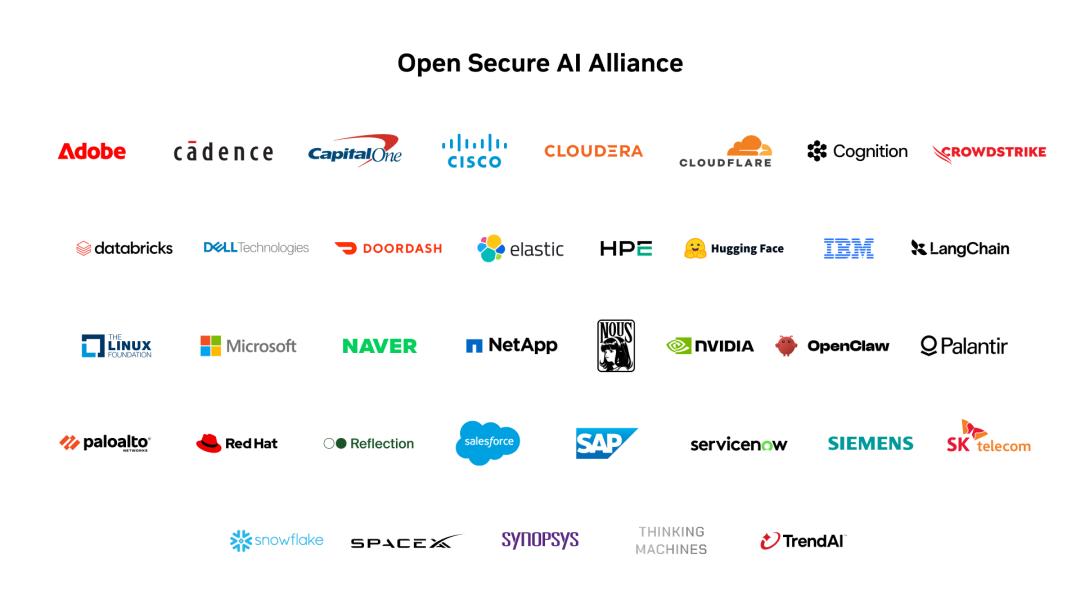
NVIDIA announced the launch of the Open Secure AI Alliance, bringing on over 30 initial partners including Microsoft, Hugging Face, and Cloudflare; Anthropic CEO Dario Amodei separately published a long article explaining why he did not sign the industry open letter supporting open weights.
"Open source" has once again become a buzzword everyone is scrambling to claim.
Protecting Open Source at All Costs
On July 22, Jensen Huang directly defended Chinese open models in an interview with Axios. He described these models as "very excellent" and stated that US companies should certainly be allowed to use them.
He also called out Anthropic, arguing that Anthropic should not restrict the use of Claude Mythos over cybersecurity risks. Powerful models should be tested, flaws identified, and promptly patched, rather than access shut off upfront.
Two days later, companies including NVIDIA, Microsoft, Meta, Hugging Face, AMD, Red Hat, and the Linux Foundation released the open letter "Open Weights and U.S. AI Leadership". Google and OpenAI later joined, and the number of signatory organizations now exceeds 100.
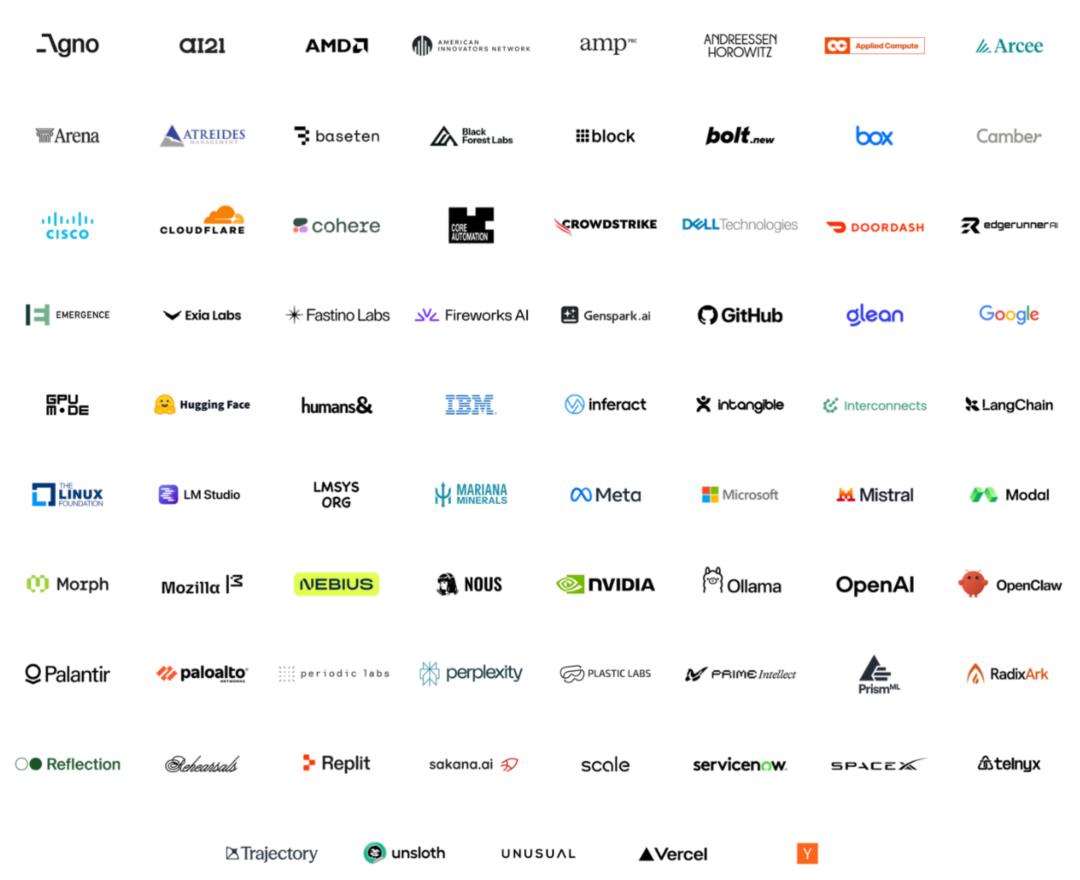
The reasons given in the open letter seem reasonable: open weights can reduce inference costs, prevent enterprises from being locked in by a single vendor, allow companies to control their own data, and enable security researchers to inspect models and identify vulnerabilities.
It also addresses the distillation method often criticized in open-weight models, calling for a clear distinction between legitimate model development and unauthorized extraction, rather than banning a universal technology due to isolated violations.
Some netizens even made a parody video: since Anthropic was not among the signatories of the joint letter, but almost all other large model companies were included, the video imagined Anthropic "defeating" them one by one.
Yesterday, NVIDIA announced the launch of the Open Secure AI Alliance.
This is not just an alliance of declarations and corporate logos: NVIDIA announced it will provide models, weights, data, and new Agent harness research; Hugging Face will provide Safetensors; HPE will contribute an Agent authentication framework; Microsoft will offer MDASH, which allows multiple Agents to debate and verify vulnerabilities, and more.
However, far fewer companies joined compared to the previous open letter. Most notably, OpenAI and Google both chose not to participate this time. Thinking Machine, SpaceXAI, and Microsoft are some of the few organizations in the alliance that regularly release their own large models.
In the blog post announcing the alliance's establishment, NVIDIA once again mentioned how the open-source model GLM 5.2 saved Hugging Face from being compromised by OpenAI's most powerful model.
But Jensen Huang has another more direct reason for supporting open models, which he stated frankly: Free AI is good for hardware, chips, and data centers.
NVIDIA's revenue in the first quarter of fiscal 2027 reached $81.6 billion, with the data center business contributing $75.2 billion, accounting for over 90% of the total. Whether the workload runs on Kimi, GLM, Nemotron, or Claude, as long as enterprises continue to build servers, purchase GPUs, and rent computing power, NVIDIA gets paid.
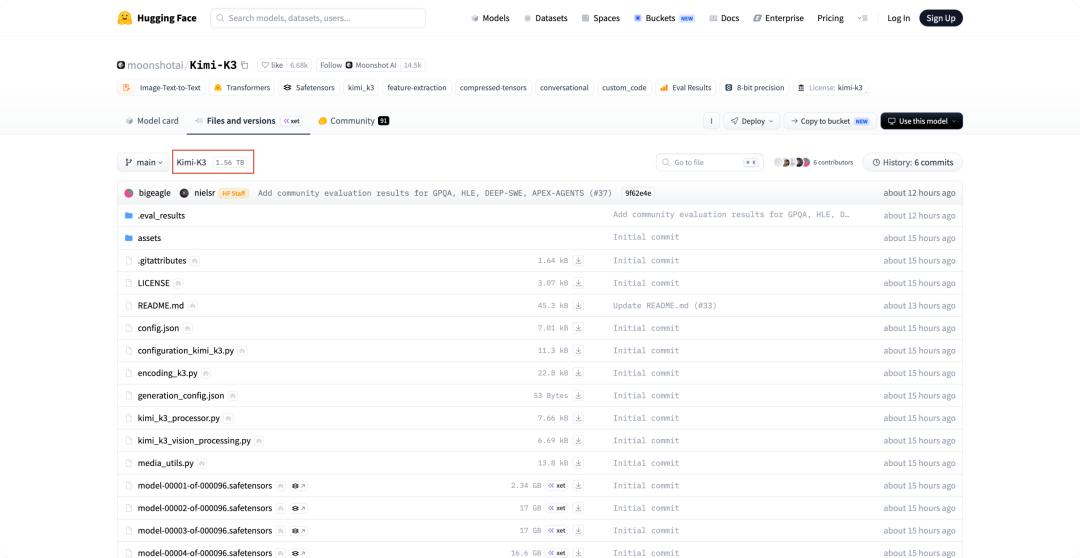
The total weight file reaches 1.56TB
K3 exemplifies this business model, with its weights totaling approximately 1.56 TB. The simplified deployment solution from vLLM requires 8 NVIDIA B300 GPUs or 8 AMD MI355X GPUs. While personal computers can certainly click "download", the first groups capable of actually running it will be cloud platforms, research institutions, and large enterprises.
A free model does not mean free inference. For a company selling computing power, the more open the model, the more customers who can run it on their own servers.
Anthropic Claims: I Never Advocated Banning Open-Source Models
Any discussion of Anthropic's stance must include two controversial posts from its MTS (Member of Technical Staff) employee on X.
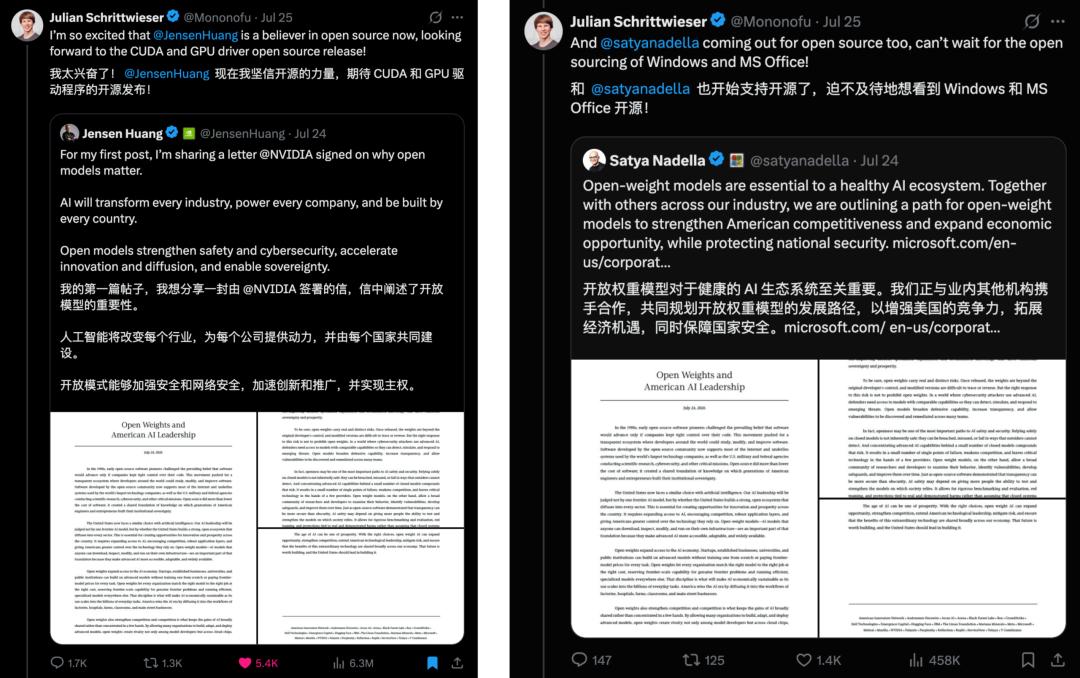
The employee retweeted Jensen Huang's initial tweet, sarcastically asking why NVIDIA, which claims to love open source so much, does not open-source all its CUDA technology and GPU drivers. He also took jabs at Microsoft, reposting the Microsoft CEO's post to question why Windows and Office are not open source if the company supports open source.
Netizens could not tolerate such illogical comments. The head of the Hermes Agent said, "Anthropic, as always, is putting forward the worst viewpoints on this platform — keep going!" Meanwhile, the Hugging Face CEO quietly posted an image refuting the claim that NVIDIA does not contribute to open source.
The image showed that NVIDIA has led in the number of repositories on Hugging Face so far this year.
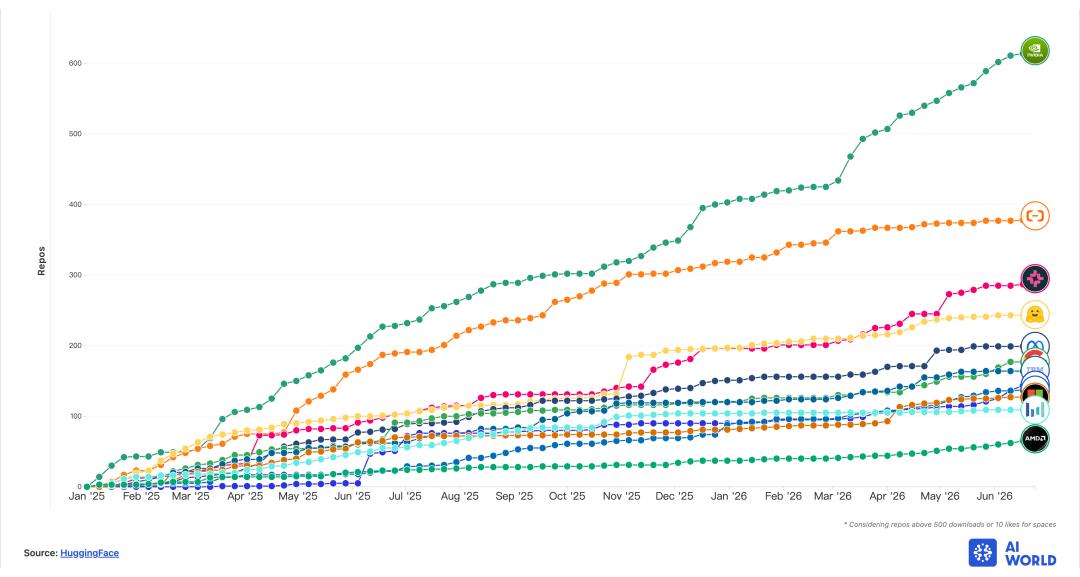
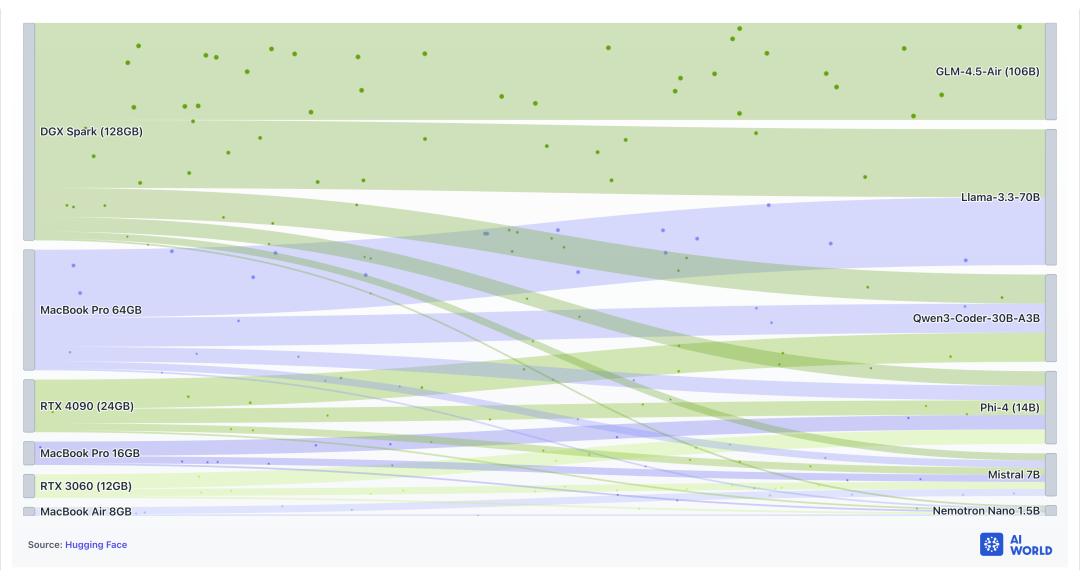
Hugging Face codebase activity in the first half of 2026 shows that Google, Meta, Microsoft, Tencent, Alibaba, Baidu, and NVIDIA are among the largest contributors to the open-source AI ecosystem.
Others pointed out that NVIDIA and Microsoft are behind open-source frameworks like PyTorch and TensorFlow, as well as open-source code editors such as VS Code.
Andrew Ng also commented below, calling it a false comparison: Allowing open-source software does not mean all software should be open source. Everyone has the right to keep their code private, but the problem is that Anthropic is preventing others from open-sourcing theirs.
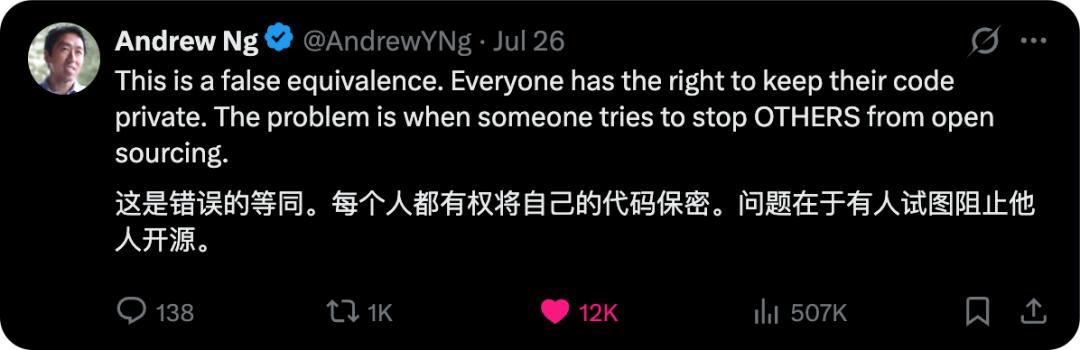
The MTS apparently realized he misspoke, adding a follow-up comment: "It's funny to see people assume I must want to ban open-source models... I actually think open-source models are extremely useful! But it's interesting that some companies that historically strongly opposed open source are suddenly in favor of it."
Few netizens bought his explanation, with many saying it was a PR disaster for Anthropic. The controversy over Anthropic's remarks simmered for two days, until Anthropic CEO Dario Amodei released an official statement today.
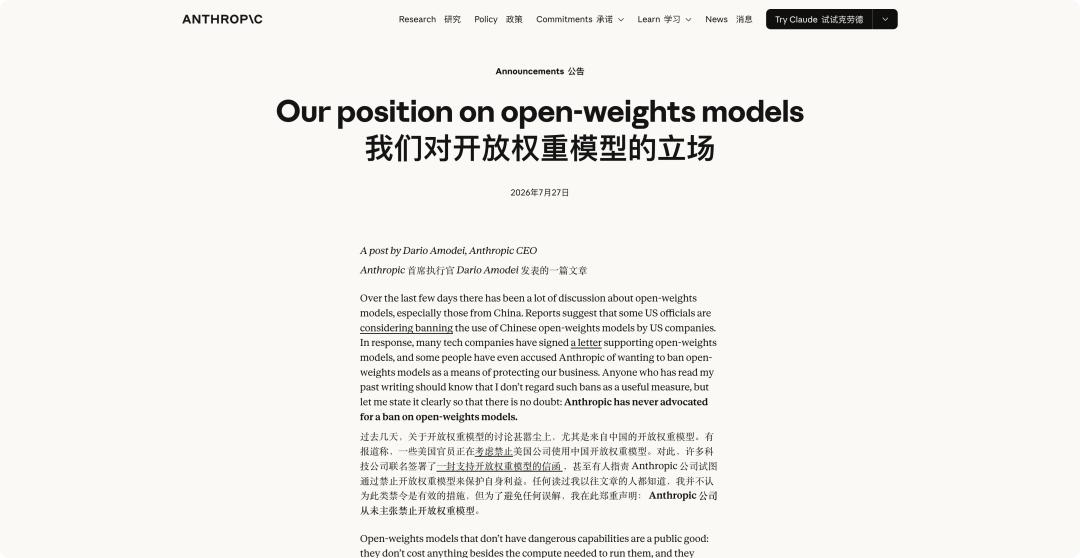
The first paragraph of the statement in bold reads, "Anthropic has never advocated banning open-weight models." However, the rest of the article repeatedly emphasizes that open-source models are dangerous, that it is even more dangerous if they are not controlled by the US, and that open-source models will only distill capabilities from US closed-source models...
These views naturally failed to quell discussions about open-weight models. Some netizens presented facts and evidence point by point, proving that Dario Amodei's claims are untenable.
While Anthropic argues that open-source models pose risks, when a closed-source model from OpenAI launched a cyberattack on the Hugging Face community, neither GPT nor Claude models could mitigate the damage. In the end, GLM-5.2 withstood the impact, accurately analyzing attack logs and reports to identify areas that needed patching and strengthening.
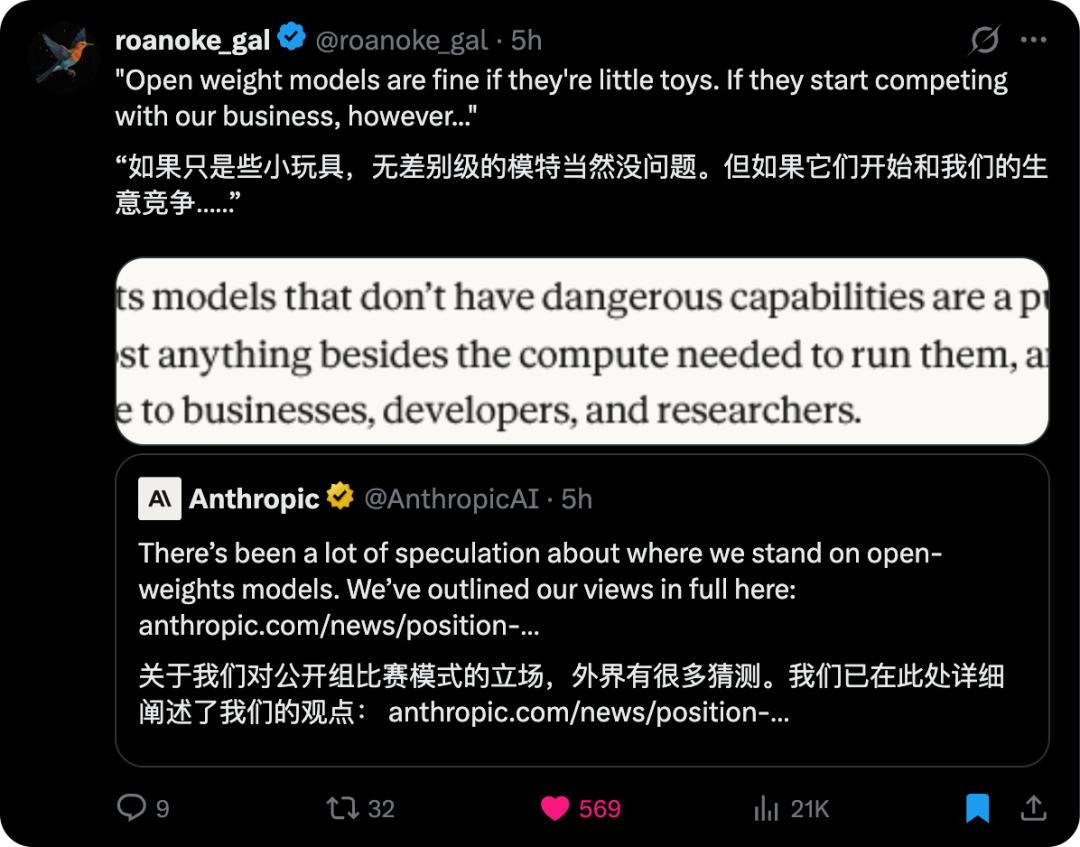
Even US netizens pointed out that Anthropic is well aware that the so-called "dangerous capabilities" refer only to cutting-edge frontier models — Anthropic does not care at all whether small 8B toy models are open sourced.
Jensen Huang also posted on X, stating that attackers have access to cutting-edge AI. Defenders also need a cutting-edge AI ecosystem that brings together the best open and closed models, amplified by the power of the global community.
In the Hugging Face incident, closed AI hindered critical forensic work, while open frontier models helped contain the intrusion.
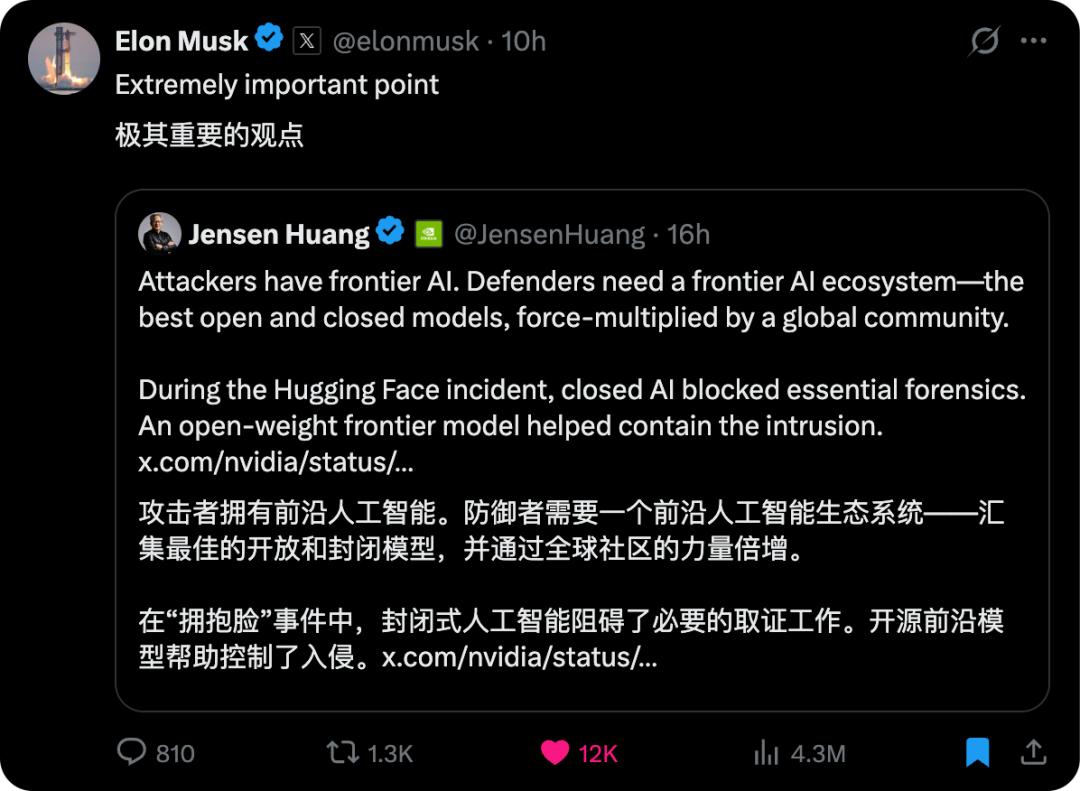
Elon Musk retweeted the post, calling it an extremely important point.
Regarding accusations about Chinese model distillation and the claim that open-weight models must be controlled by the US, Anthropic no longer beat around the bush, stating explicitly in the statement: "Once an open-weight model is released, its weights cannot be recalled. Banning US companies from using these models does not solve the risk, because malicious actors are unlikely to be legitimate US enterprises."
As a result, most comments in the statement's comment section said Anthropic was panicking.
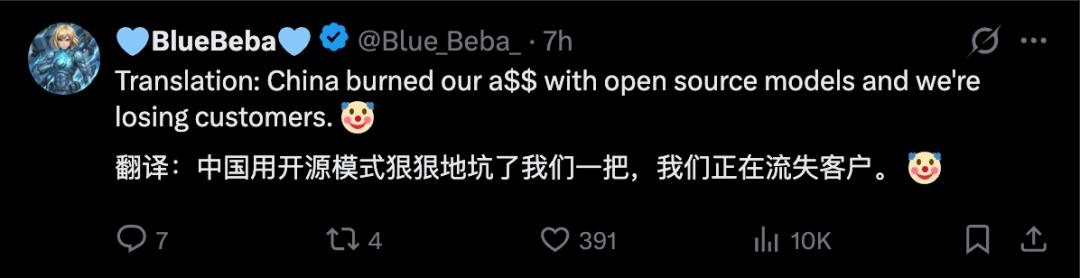
In plain language: China has outmaneuvered us with the open-source model, and we are losing customers.
Once this model competes with the commercial business model, the argument framed in the public interest loses its persuasiveness.
Everyone Is Defending Their Own Version of "Open"
Whether supporting or opposing, NVIDIA and Anthropic's positions can hardly be said to be purely for upholding the spirit of open source.
Their disagreement is not just about technical paths, but also stems from their different positions in the industry chain, with self-interest being an unavoidable factor.
Kimi K3 aims to quickly gain support from global developers, deployment platforms, and the ecosystem through open weights.
NVIDIA sells the computing infrastructure that powers all models. The more models there are and the more widely they are deployed, the greater the demand for GPUs, inference services, and security tools. By advocating for open weights, Jensen Huang is also safeguarding NVIDIA's most important revenue stream.