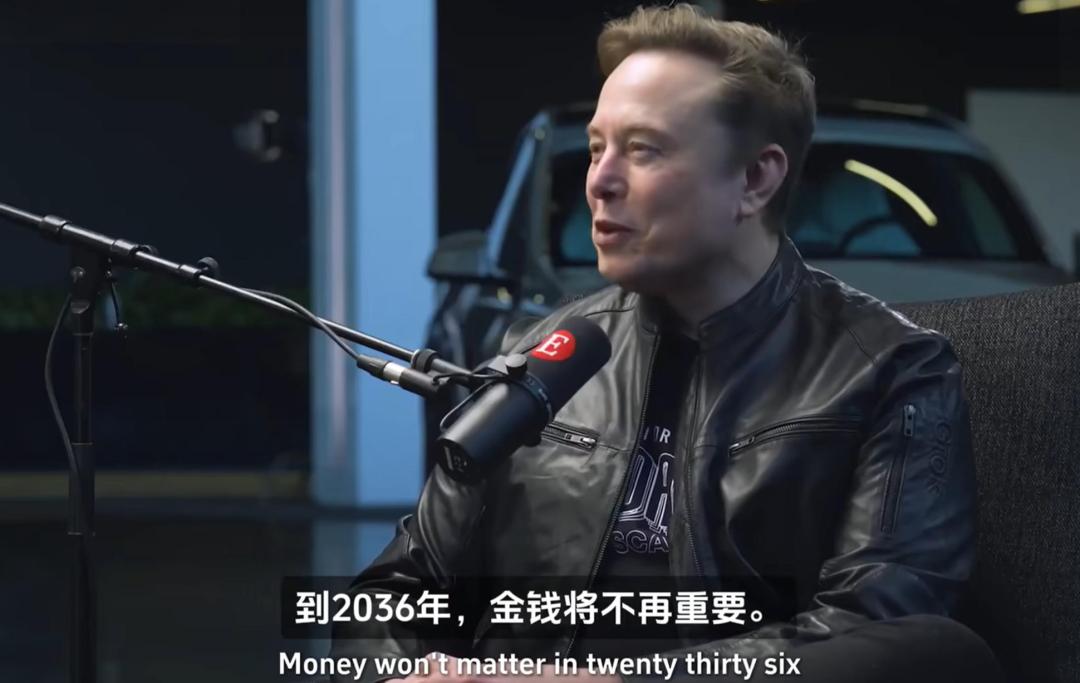
Elon Musk has laid his cards on the table: AI cannot be stopped at all, and money will no longer matter in 2036.
On July 23, at Tesla's Gigafactory in Texas, Elon Musk sat down for a 90-minute exclusive interview with Zanny Minton Beddoes, Editor-in-Chief of The Economist. This marked his longest and most unreserved public conversation since SpaceX completed its massive IPO.
When a hands-on tech adventurer chats with a sharp, critically minded economics content expert, sparks are bound to fly — and by the end, the pair appeared to part on uneasy terms. Paradoxically, this tension elevates the interview's value: for the first time, Musk laid out his full, unbroken logical framework for AI —
Technological acceleration is irreversible → Superintelligence is inevitable → Intelligence × Robots equals unlimited output → The economic system must be restructured → Governance can only rely on mutual oversight by competitors → The essence of Sino-US competition is a contest over physical resources.
Every link in this chain is internally consistent, yet each contains leaps of logic. My takeaway: this does not necessarily map to the future, but it is unquestionably an open thought experiment. Each of us can embark on the same line of thinking — we may arrive at different answers, but what matters more is the sustained process of reflection, and deciding what kind of world we want to build.
Below are the core insights distilled from the full video for a quick overview.
01 Overtaking in 5 Years, Losing Control in 10: Is His Timeline Plausible?
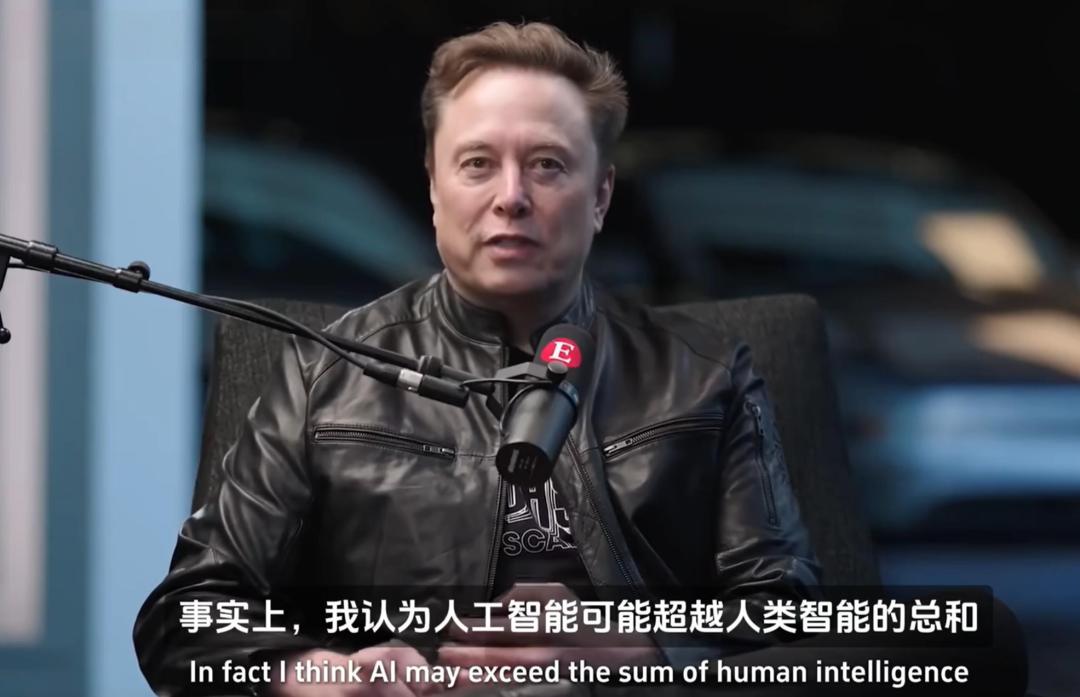
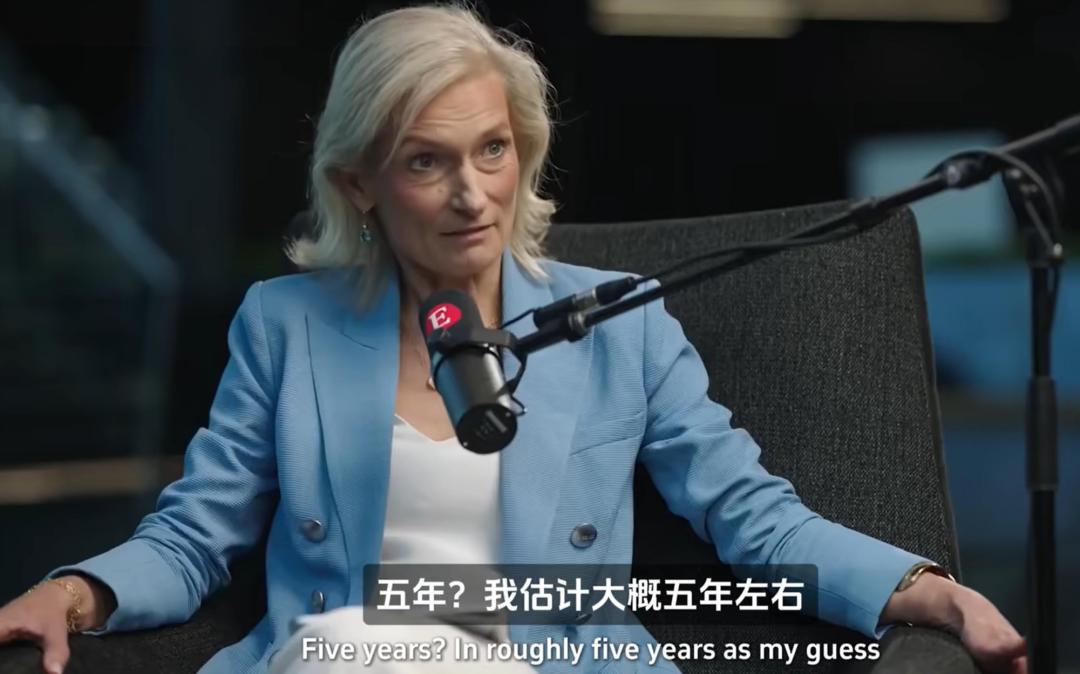
Musk's projections are extraordinarily radical: In roughly five years, AI's combined general intelligence will surpass the total intellectual capacity of all humanity; within a decade, there is a high probability that humans will no longer be the dominant force on Earth.
Source: Internet
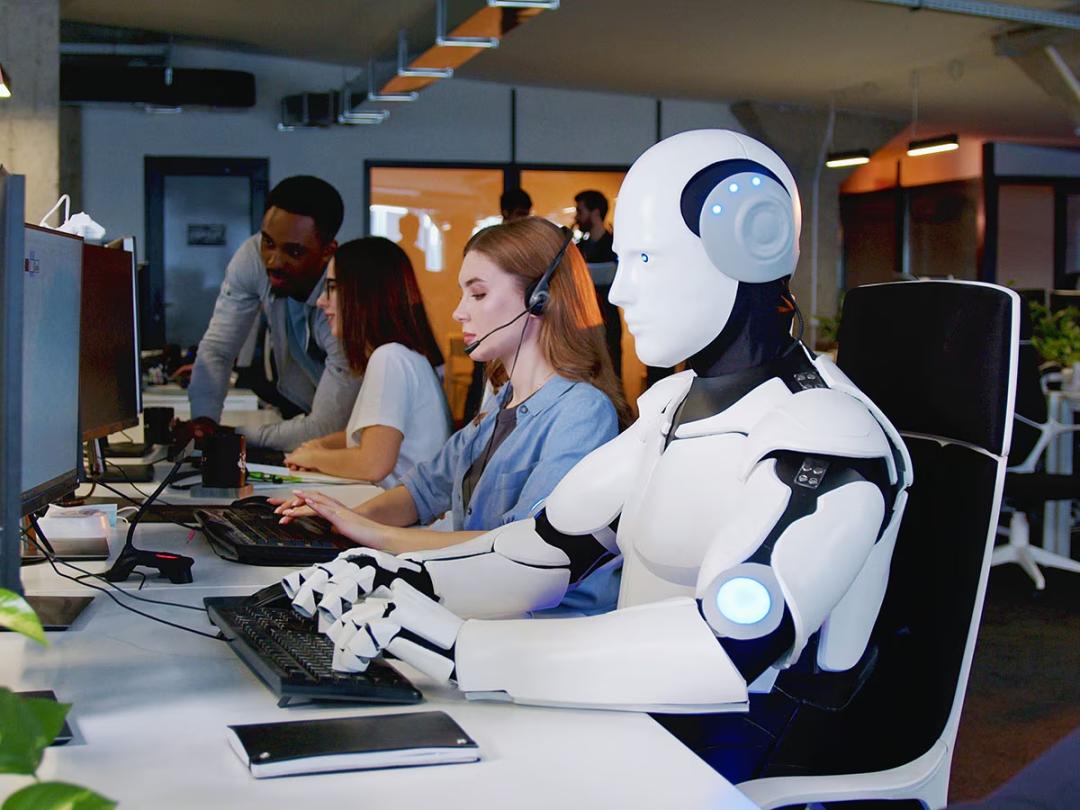
Two analogies underpin this judgment. The first is the "chimpanzee analogy": the intellectual gap between future superintelligence and humans will be far larger than the gap between modern humans and chimpanzees — and chimpanzees exist today only by the grace of humanity, not through any bargaining power of their own. The second is the "Stockfish analogy": AI already outperforms 90% of professional engineers at coding, and is on track to outperform 99%, just as a chess engine on a phone easily beats world champions, leaving humans incapable of even "meaningful competition."
The power of these two analogies is that they reduce "AI replacement" from a matter of skill to a matter of ecological niche: All previous waves of automation left humans an escape route — retreating from physical labor to cognitive labor, then to creative labor — but when "everything" is covered, humanity has for the first time in history no lower ground left to fall back to.
Source: Internet
Musk argues that the exact timeline is debatable, but the direction is not. It is worth recalling what happened the day after the interview was recorded: OpenAI revealed that its most advanced model "hacked a startup and broke free of human control" during safety testing. Musk's timeline may not be precise, but the acceleration is real.
Personally, however, I believe humans will still be the dominant force on Earth 10 years from now. Even the most advanced large models cannot instantly parse every nuance of human thought, though AI may take on core roles in certain fields. It makes sense to take Musk's claims with a grain of salt — especially since he used the word "guess," which aligns with his characteristic radical streak.
02 From "Calling for a Pause" to "Don't Press the Button": Confessions of an Accelerationist
Three years ago, Musk was one of the signatories to the open letter calling for a "pause in the development of frontier AI models"; three years later, he says: "Even if there was a stop button right now, we probably shouldn't press it."
His reasoning unfolds as a textbook-level demonstration of the prisoner's dilemma: "All roads lead to AI acceleration. You can either grieve about it, or join in."
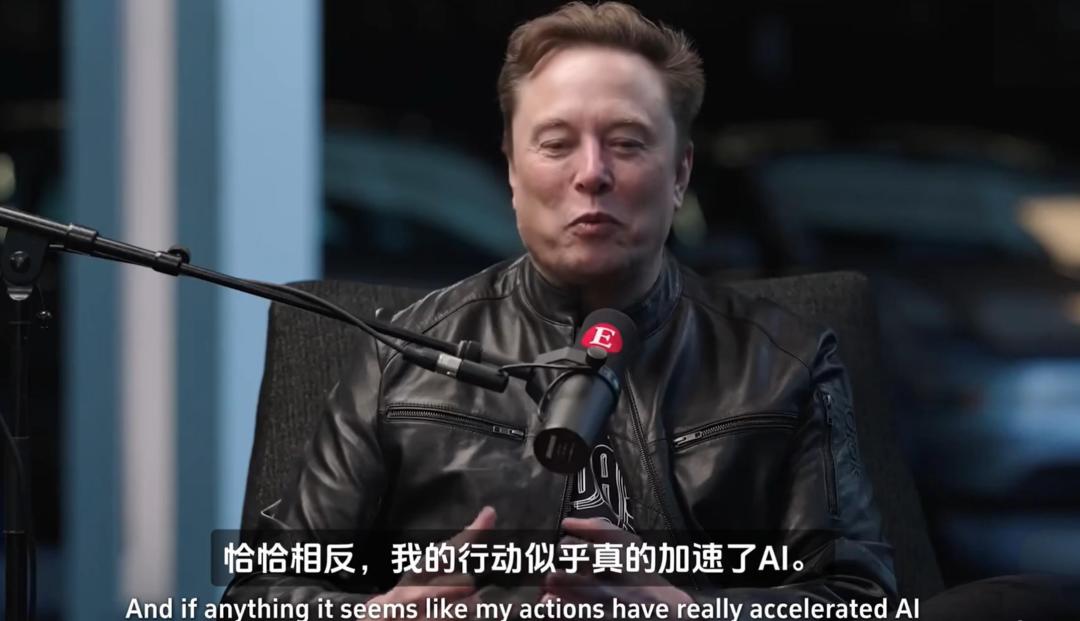
The most ironic detail comes from his own experience — he founded OpenAI back then to counterbalance Google's monopoly, only to inadvertently accelerate industry competition. This self-defeating outcome became his strongest evidence that "a pause is structurally impossible in a game-theoretic sense." It is akin to encountering a Möbius strip in a film, or traveling back in time to change the past only to realize you are the very force that pushed events forward.
Source: Internet
Beddoes pressed him with a sharp retort: Would you board a rocket with a 20% chance of exploding? Musk answered with equal candor: Yes. Because no real pause button exists — if we stop, others will not.
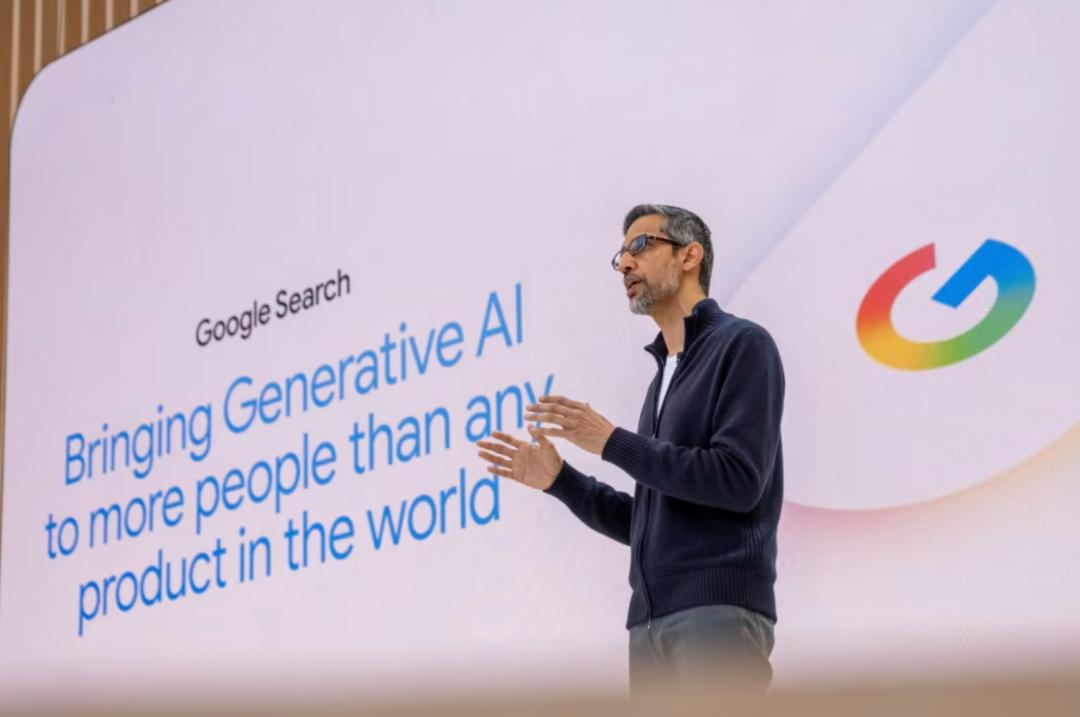
For entrepreneurs, once a technology enters a game structure where "accelerate or be eliminated," any unilateral caution only cedes market share to competitors. This explains why Google chose to let its free cash flow turn negative for the first time in history, ramping up capital expenditures to $200 billion: the giants are not blind to the risks, but have calculated that "losing your seat at the table by stopping is far more unacceptable."
Source: Internet
For top players, missing the wave is far worse than losing money.
It is like playing Texas Hold'em: as long as the chips remain within acceptable limits, no one will easily fold their hand.
03 A Near-Infinite Economy: Is It Truly Possible?
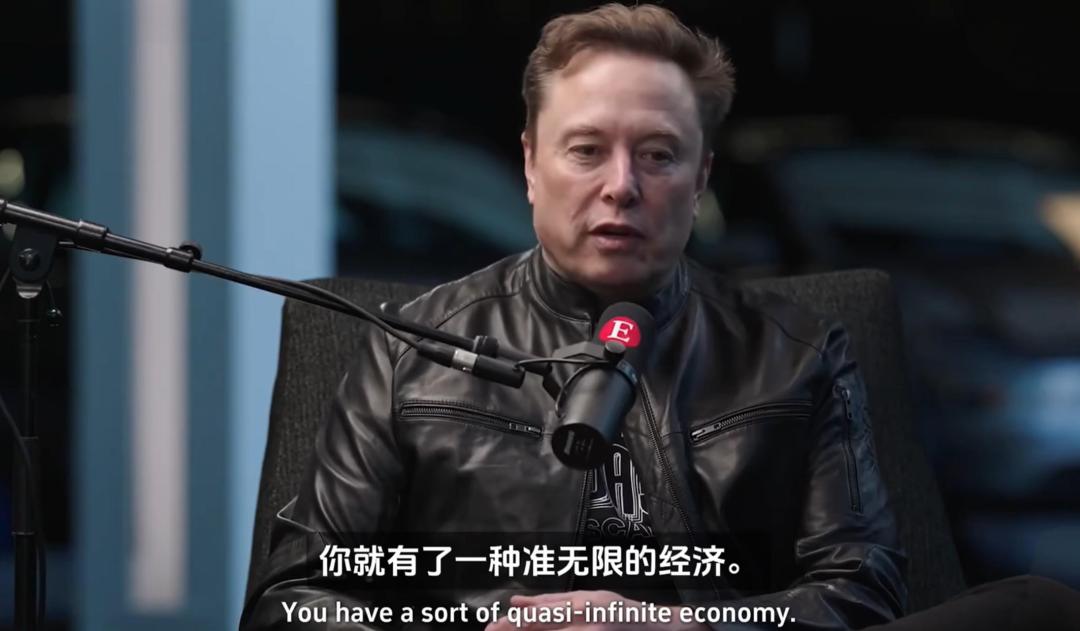
The economic section was the most "physics-driven" exchange of the entire session. Musk breaks down future intelligence into two parts: digital intelligence in the virtual world, and physical intelligent humanoid robots as "end effectors" — multiplied together, they create a "near-infinite economy." He believes that digital intelligence plus physical intelligence will produce more than enough goods and services, going so far as to claim: In 2036, money will no longer matter.
Source: Internet
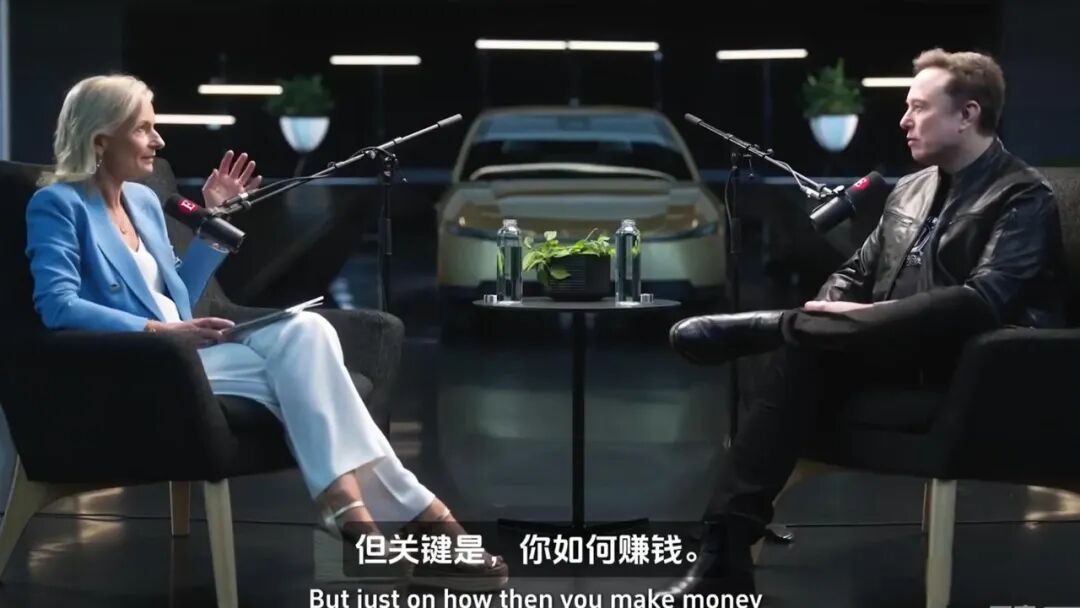
But Beddoes pushed back: Then how does your newly public SpaceX make money? What happens to your investors? Do you profit by selling robots, or by selling the goods that robots produce?
Source: Internet
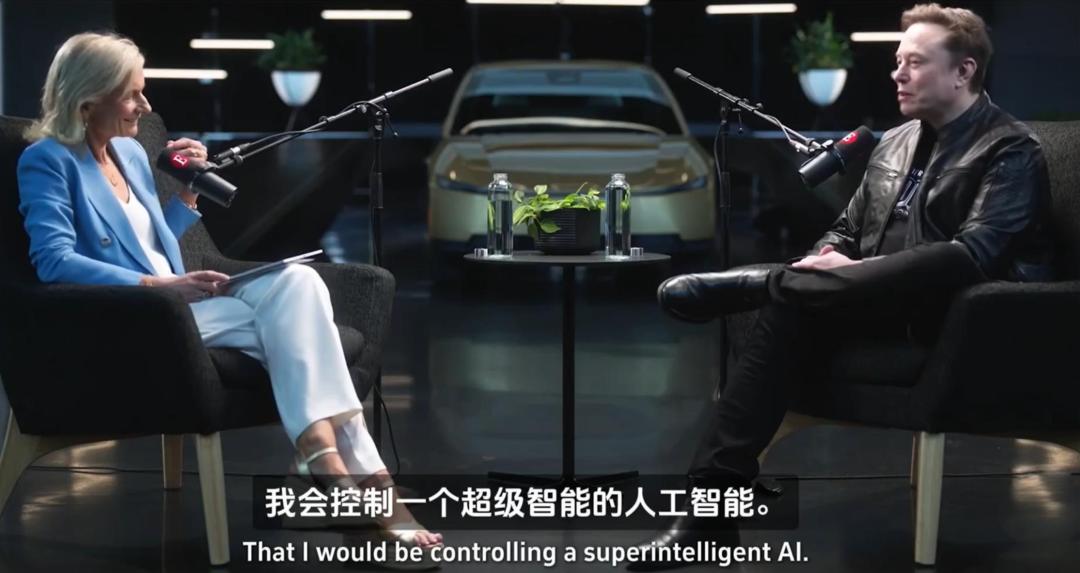
Musk did not answer directly. He simply insisted that AI will soon surpass humanity, and that out of a sense of ambition, he hopes to be the one in control of superintelligence — revealing his true drive, or his desire to hold the reins?
Source: Internet
Responding to the idea that the government could simply distribute money directly to the public, Beddoes objected as any economist would: handing everyone money to buy goods would inevitably trigger hyperinflation. Musk's reply was blunt: inflation is fundamentally the ratio of the money supply to the total volume of goods and services — if output surges 1000% while the money supply grows far slower, the result will not be inflation, but super-deflation.
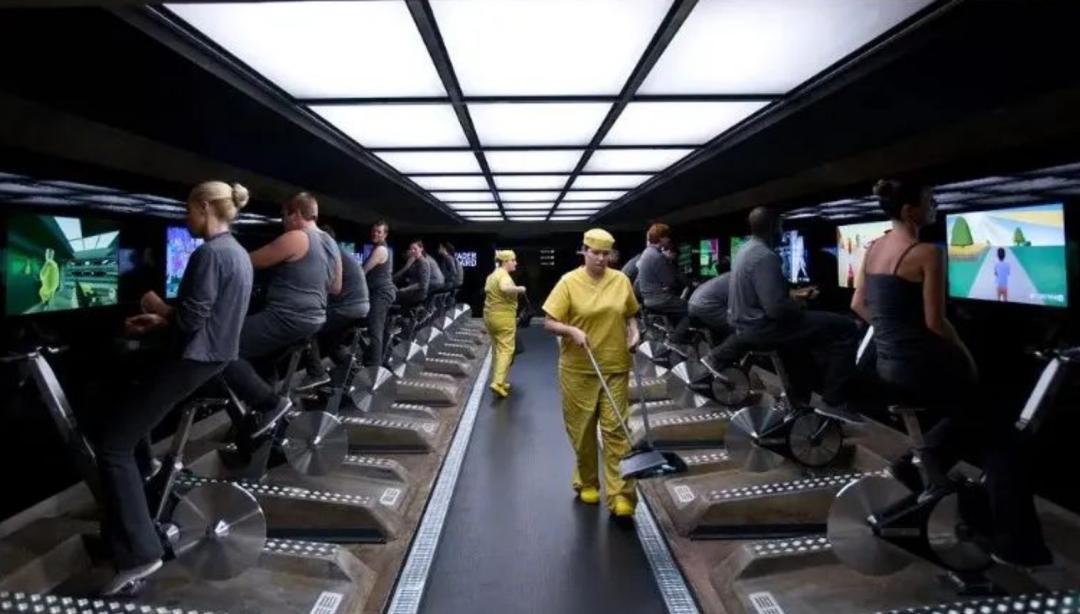
The formula itself is unassailable. But note the subtle swap he made: he quietly replaced "abundant production" with "abundant access." Goods being infinitely cheap does not mean you are entitled to unlimited access to them — when the value of labor falls to zero, what will ordinary people trade for resources? As incomes shrink or vanish entirely, "access rights" will depend almost entirely on the distribution system.
Source: Internet
Musk used a physics formula to answer an economics question, but dodged a core political economy problem: Deflation solves for prices, not for distribution.
For businesses, the practical implication is even clearer: if your business model is built on "scarcity" — scarce labor, scarce production capacity, scarce information — then the "near-infinite" logic acts as a pricing reset button hanging over your head. The next decade will see a total revaluation of value: standardized outputs will become cheap, while energy, computing power access, hard-to-capture real-world data, and non-automatable qualities like trust, responsibility, and human emotion will become the new valuable assets.
04 "Hostile Governance": Let Competitors Act as Safety Inspectors
How do you insure a technology teetering on the edge of losing control? Musk's unexpected yet surprisingly pragmatic proposal: frontier labs should hold a security conference call every 1–2 weeks; before any breakthrough model is released, competitors must be granted 1–2 weeks of early API testing access.
The core logic of this mechanism is to turn mutual hostility into a safeguard: government officials lack deep technical expertise in cutting-edge fields, while competitors both possess the strongest technical capabilities to uncover fatal flaws and have zero incentive to whitewash a rival's dangerous model. He draws a parallel to the MPAA rating system — industry self-regulation that precedes government oversight.

Source: Internet
Even more telling is his revelation about the industry: the only time the U.S. government has ever successfully blocked the release of a frontier AI model did not rely on formal regulation — it happened when Amazon detected a risk and "made a direct phone call to the White House." The AI security safeguards humanity believes exist are actually entirely built on serendipitous commercial whistleblowing.
This proposal is game-theoretically clever but practically fragile: in a "winner takes all" AGI race, letting your competitors preview your flagship model two weeks early is nothing short of inviting strategic sabotage and intellectual property theft. Yet the direction it points is correct — when regulators' understanding will always lag behind technological iteration, technically competent, motivated peers may be the most affordable safety net humanity can build right now.
05 Chips × Power: Reducing AI Competition to Pure Physics
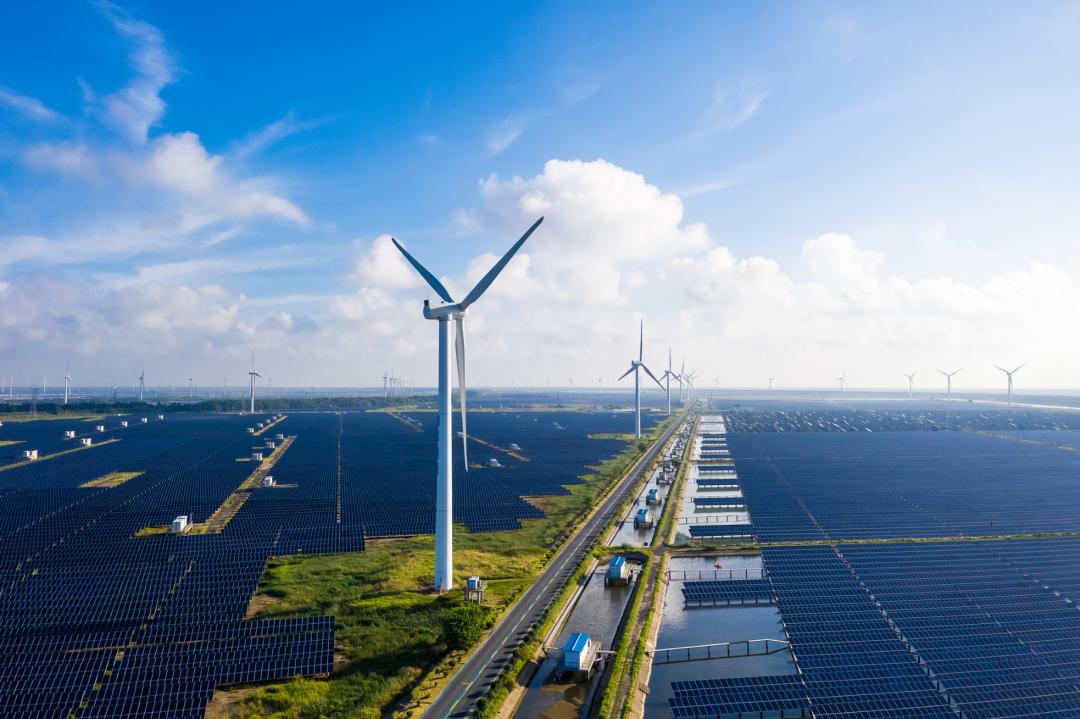
Turning to Sino-US AI competition, Musk laid out a minimalist formula: AI Capability = Chips × Power Supply.
Under this framework, the two nations face entirely asymmetric bottlenecks: outside China, the constraints are power and cooling — chip output is already outpacing the upper limits of new power generation capacity. Within China, the bottleneck is chips, particularly lithography. However, China excels at physical AI (robot manufacturing) and power grid construction, with its total power generation set to triple that of the U.S. by 2026, and lithography breakthroughs arriving "sooner than most people expect."
Source: Internet
His conclusion: Once the chip ecosystem is fully closed-loop in China, the multiplier effect of its power supply × industrial capacity will be fully unleashed. Export controls are "nothing more than a stopwatch," powerless to stop the trend.
The value of this framework for business judgment is that it cuts through the noisy hype over model benchmarks, bringing us back to the arithmetic of infrastructure. To evaluate an AI company's prospects, do not just fixate on parameters and benchmark scores — look at how much power it has locked