The "lazy cleaning" trend has gone viral, but is its popularity driven by a mere concept or genuine demand?
From pre-made meals to robot vacuums and instant retail, the "lazy economy" is no longer a playful joke, but a trillion-yuan industry that is rewriting the rules of business.
In this structural wave, one sector stands out as particularly special — household cleaning.
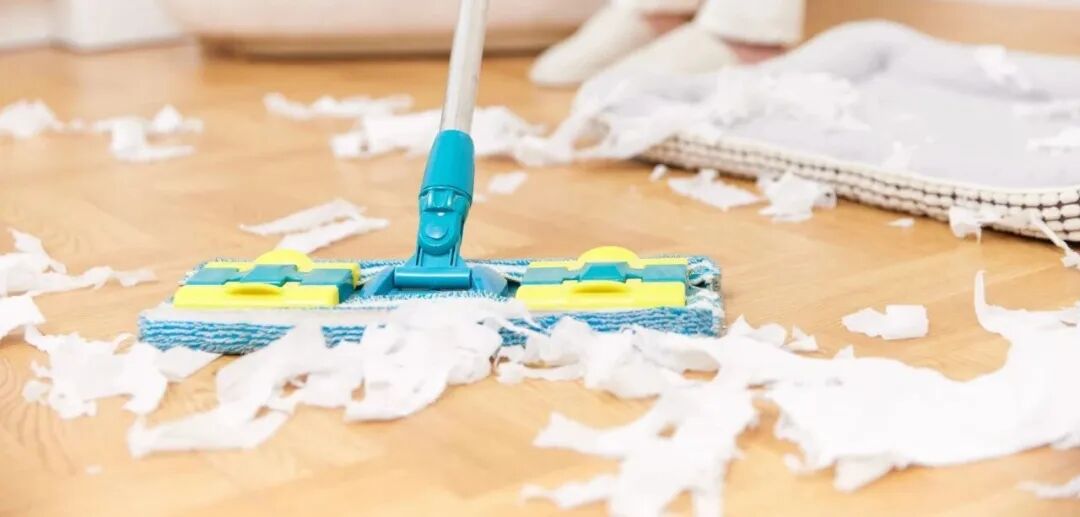
Unlike other demands that can be fully outsourced to platforms and services, household cleaning shows up in your life every single day, forcing you to handle it yourself.
As a result, "wipe-clean" and "oil-removing in 3 seconds" cleaning magic products have gone viral on short-video platforms. The "lazy cleaning" category has expanded 6 times in two years, with its 2025 online market size surging to 18.7 billion yuan.
But businesses ripened by algorithms often stumble over low user loyalty.
A recent CTR case study on household cleaning consumption behaviors among commuters in first-tier cities shows that the "lazy cleaning" category is trapped in a typical dilemma of high traffic but low retention.
This means that the "lazy cleaning" track ultimately has to answer a simple question: How to turn first-time trial users into long-term loyal customers?
CTR Case Study traced back the full user journey from initial recommendation to product abandonment, and dug out five pain points hidden deep under the category. These are not just flaws of the "lazy cleaning" sector, but also five hurdles that the entire "lazy consumption" track must cross to move from concept-driven boom to long-term sustainable operation.
Pain Point 1: The category is expanding rapidly, but brand mindshare building lags far behind, leading to a clear imbalance pattern of "strong category, weak brand" in the market
Our survey shows that 82.4% of consumers only compare 2 or 3 brands when buying "lazy cleaning" products. Among them, 15.1% buy the product immediately without any hesitation. And zero consumers compare more than 5 brands before making a purchase.
But the problem is, when buying laundry detergent in a supermarket, most people can name at least 5 brands such as Blue Moon, Liby, Super, Tide, and Omo... But when it comes to "lazy cleaning" products, many people can barely name 3 brands.

Data from short-video platforms confirms this phenomenon: In the cleaning and detergent category, the combined sales of the top 5 brands by brand awareness only account for 17.3% of the total market. That means for every 10 yuan spent, more than 8 yuan goes to unknown, unrecognizable brands.
The continuous lack of brand focus may root in the traffic distribution mechanism of content e-commerce. On these platforms, when consumers directly search for product efficacy instead of brand names, any product with high-quality content performance can compete on the same starting line as well-known brands. The booming category opens the door for all entrants, but few brands manage to establish a solid foothold at that door.
Pain Point 2: Product repurchase performance is deeply tied to the frequency of usage scenarios, making low-frequency conceptual products difficult to accumulate long-term user assets
Looking at the oil stain cleaner category, we found that 98.7% of past buyers will make repeat purchases. Because oil splatters on the kitchen stove every day no matter how many times you clean it. For the same reason, the repurchase rate of limescale remover can also reach 94.3%. The common feature of these products is that they are all tied to high-frequency scenarios in daily life: cooking and showering — which means they can continuously get exposure in algorithm recommendation systems. But essentially, this high repurchase rate comes from the scenarios, not from brand loyalty.
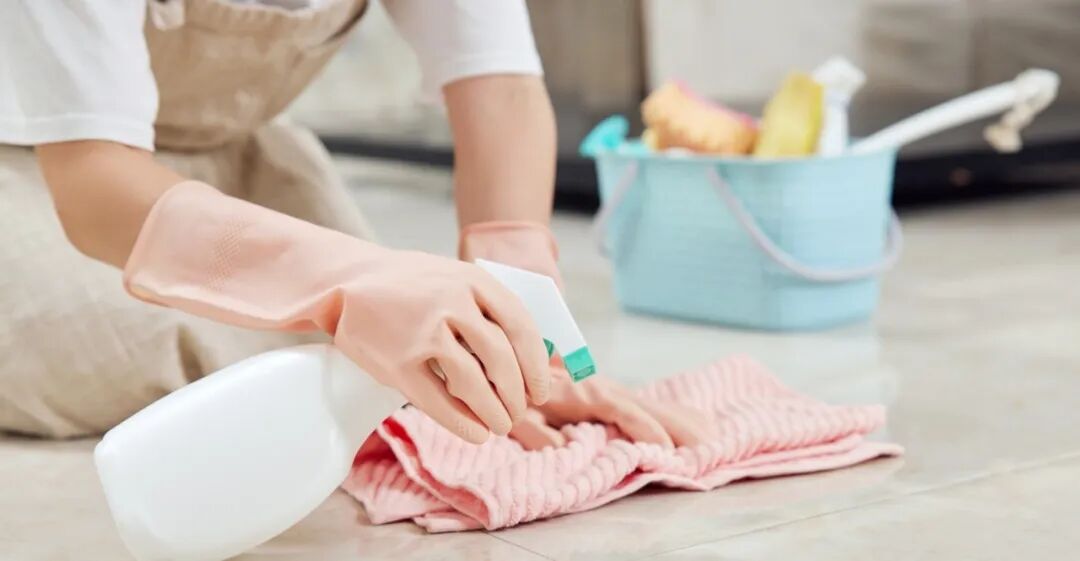
So for products like pot bottom cleaning masks, the conclusion is completely different. Surveys show that 28.6% of people who bought such products will never buy them again. The abandonment rate of disposable toilet brushes is 22.5%, and the rate for magic silicone brooms is slightly lower at 18.5%. This means in low-frequency scenarios, purchases mainly rely on platform recommendations. Once users feel the product does not meet their expectations after use, their next order becomes unpredictable.
If brands only focus on grabbing consumers' first orders, they are doomed to fail to accumulate repeat customers. Platforms can deliver precise category exposure, but exposure does not equal retention. The real question is: Does the frequency of your product appearing in consumers' daily lives match the algorithm exposure frequency on platforms?
Pain Point 3: Brand marketing messages are highly homogeneous, and the lack of differentiated value leads to continuous weakening of user brand awareness
According to our survey, brand awareness of "lazy cleaning" products ranks only 7th among the seven factors influencing purchase decisions — other factors including cleaning performance, sterilization effect, safety, fabric softness, no fabric damage, and cost-effectiveness all rank before brand. Only 37% of people think brand is important, a figure that is abnormal for any mature consumer category.
It is not that consumers do not value brands. The reality is: when consumers scroll through 10 "lazy cleaning" videos, almost 9 of them are using exactly the same marketing lines.

When all brands say the exact same things, consumers can only choose to ignore brands. Since none of the brands are memorable, buying any of them makes no difference.
If brands do not establish differentiated value, consumers' purchasing choices will degenerate into a random lucky draw. This is not fierce competition, but unhealthy category involution — all players are crowded in the same track, wasting identical resources.
Pain Point 4: There is a significant gap between advertised efficacy and actual user experience, and exaggerated marketing is continuously eroding the overall trust of the category
Surveys show that 97.9% of people buy "lazy cleaning" products because they do not want to put in effort for housework. But among these same people, 58.9% feel after purchase that the product promotion is overly exaggerated.
This is the typical cleaning demo in live-streaming rooms: the demonstrator uses highly skilled operations, the pot has been pre-processed, the lighting is carefully adjusted for half an hour, and the best 5 seconds of footage is cut out from dozens of materials. But there is a huge gap between these demos and the real cleaning problems in consumers' homes.
When 60% of users feel that "the product is different from what was advertised", the entire category is using collective credibility to exchange for first-time purchases. Every product recommendation is also creating a skeptical customer who no longer fully trusts the whole category.
Pain Point 5: The safety ingredient mindshare track has not been effectively occupied, and quality trust is the core breakthrough point to convert non-user groups
In our survey, among consumers aged 18 to 23, only 17.5% worry about the unsafe chemical ingredients in cleaning products. But once people turn 24, this proportion surges to 35.9%. This aligns with real life: many young people suddenly realize in their first few years of independent living that the safety of cleaning product ingredients is closely related to their health.

Among people who never buy "lazy cleaning" products: 75.0% of them refuse to buy because they are afraid of chemical residues. 96.4% of these people say — they will buy the product as long as it has authoritative testing certification. And price reduction cannot convince any of them to make a purchase.
At the same time, data points to the same trend: 69.0% of consumers pay attention to safety and health when buying household cleaning products, and more than 90.0% prefer products with natural ingredients. It is clear that the whole market is moving in this direction.
It can be seen that in this track, "safety" is not an additional selling point, but an untapped positioning highland that no brand has occupied yet.
Three Fundamental Questions
The "lazy cleaning" track has no shortage of concepts or traffic. What it lacks is the ability to turn trial users into repeat customers, and the courage to put in hard work on invisible areas — ingredient testing, quality control, and certification endorsement.
Our current findings may only be the tip of the iceberg. Facing the huge gap between "viral concept hype" and "real user retention", every enterprise that wants to establish a long-term foothold in this track must answer the following three fundamental questions:
1. The Question of Scene Reconstruction: Are our products just providing a "use once and discard" micro-innovation gimmick, or are they truly reconstructing the life rhythm of modern people and the high-frequency household cleaning ecosystem?
2. The Question of Trust Infrastructure: When traffic dividends fade and exaggerated marketing has exhausted the category growth dividends, have brands built a "safety and efficacy" trust moat that can resist operational risks?
3. The Question of Asset Accumulation: Facing the hidden market rules and unexposed user pain points, how can enterprises get rid of the traffic dependency of "betting on viral hits", and turn every algorithm-driven exposure into long-term brand assets?
This article is from WeChat Official Account "CTR Insight" (ID: chinainsight), written by SUN Jialin and LIANG Jishan, and republished by 36Kr with authorization.