Spending 260 yuan to revive a pair of AirPods Pro, I find that old earbuds will hardly be phased out.
While tidying up his desk the other day, Xiao Lei found his long-forgotten, dust-covered AirPods Pro. Even though Xiao Lei had no shortage of headphones to use, and had purchased the more securely fitting Powerbeats Pro 2 a few years prior, he decided to follow the principle of avoiding waste, bought new silicone ear tips for these AirPods Pro, and planned to use them to connect to his Apple TV for watching TV at night.
But as everyone knows, electronic devices don't "break from use" — they only "break from disuse": even though the charging case still responded when plugged in and the indicator light lit up, the two earbuds simply would not connect to the phone no matter what. Xiao Lei thought the pairing information had gone wrong after being left unused for so long, so he first removed the device from his iPhone, then long-pressed the button on the back of the charging case to reset it, but after struggling for a long time there was still no result. Later, he simply left it charging with the cable plugged in overnight. The next day when he opened the case lid, the earbuds still did not appear on his iPhone.
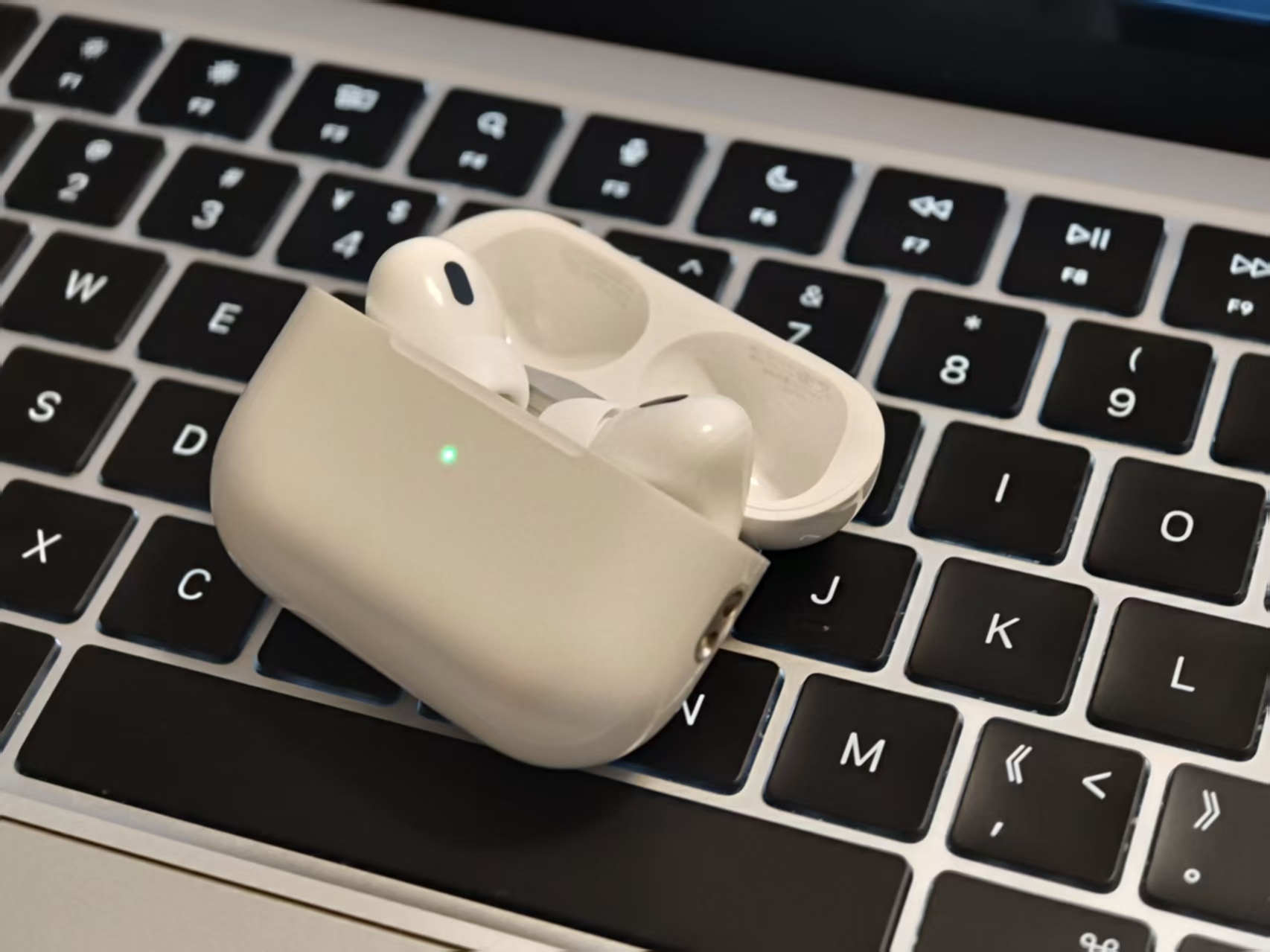
Image Source: Leitech
Since the problem was not with the earbud case, following the elimination method the issue must be the earbud batteries being dead — replacing the batteries should make them work normally again. But this second-generation AirPods Pro had long been out of warranty, and Apple's official out-of-warranty repair price was ridiculously high, almost the same as buying a brand-new pair directly.
At that point, the only option left for Xiao Lei was third-party repair. That's how this repair experience sharing article from Leitech (ID: leitech) came to be.
¥260, 1 Hour, AirPods Pro Successfully Repaired
Searching for "AirPods battery replacement" online, you can find a huge number of merchants providing this service. Some focus on on-site repair, some promise "half an hour repair in-store", and others use so-called "brand new batteries" with a two-year warranty. But considering price and convenience, Xiao Lei still decided to visit a physical offline store in person, to see the differences between these third-party repairs and official Apple repairs.
This time Leitech found an offline store located in Guangzhou Jinhong Digital City, recommended by a friend. Although it was named "XX Tech", it was essentially a small personal-run digital repair shop: there were no promotional slogans posted on the storefront about professional repair or battery replacement, but judging from the large number of AirPods placed on the counter and the batteries and earbud molds on the workbench, this shop's main business must be AirPods repair.
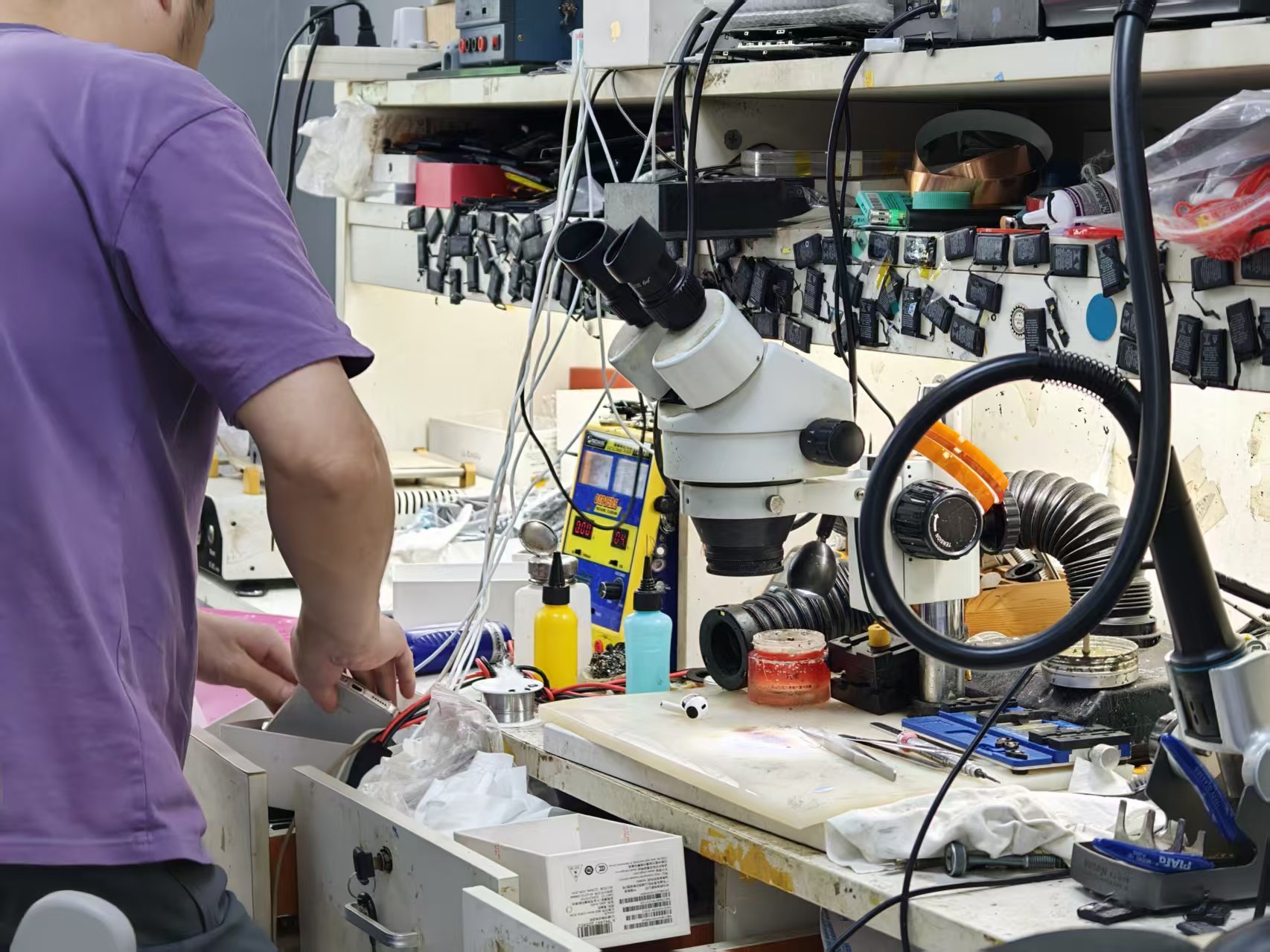
Image Source: Leitech
The repair process itself was nothing special: after cross-checking with another pair of AirPods Pro to confirm the problem was the earbud batteries, Xiao Lei's AirPods Pro was placed on the operation bench. According to the introduction, newer models like the second-generation AirPods Pro use adhesive bonding, so there's no need to forcibly cut open the earbud stem like on older models — you just need to heat and soften the adhesive to disassemble them without damage. After removing the old batteries, installing new ones, re-gluing the outer shell with special adhesive, and polishing the excess adhesive at the seams with an electric grinder, the earbud battery replacement was complete.
In terms of cost, this entire repair only cost ¥260 and took less than an hour. While with AppleCare+ we could get a "free replacement" from Apple, considering that current Apple Store repairs require factory inspection and often take 14 days of back-and-forth time, Xiao Lei thinks this kind of repair that can be done near home is actually more worth considering.
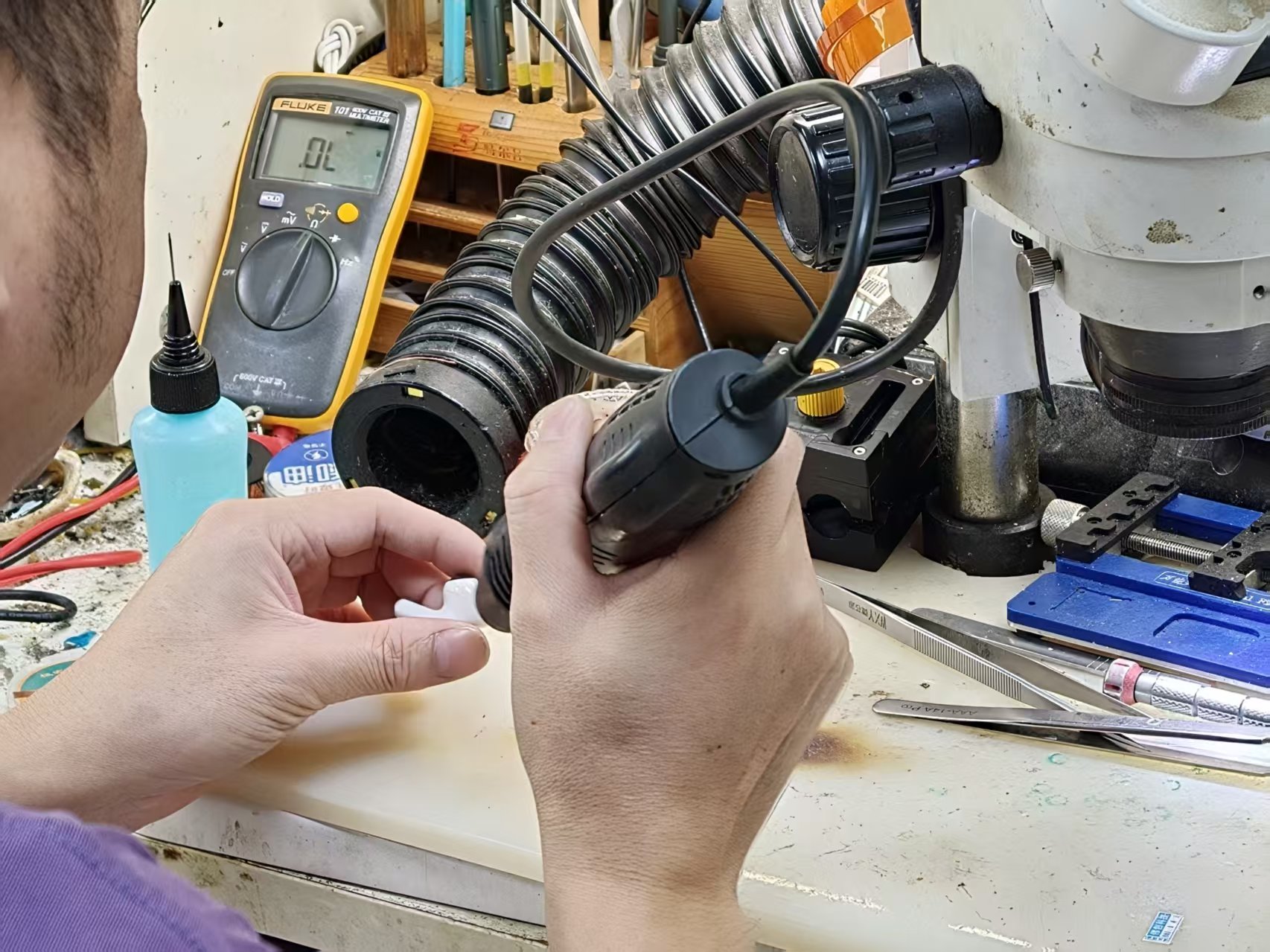
Image Source: Leitech
Of course, choosing third-party repair also means extra risks. After all, compared to official after-sales services, third-party repair parts are far less controllable: if you replace a phone screen with one of unknown origin, the worst outcome is at most unresponsive touch or Face ID malfunction; but batteries of unknown origin could carry the risk of spontaneous combustion. While there are indeed replacement batteries for AirPods produced by regular brands on the market, as everyone knows, the biggest problem with third-party repair is its "lack of transparency" — as consumers, we have no way to determine the reliability of the repair parts.
That's exactly why, if you are also considering this kind of non-brand-authorized third-party after-sales service (authorized third-party repair shops can purchase official repair parts through formal brand channels, but still face the problem of "non-transparent" repair), Xiao Lei suggests choosing repair shops that are relatively stable in operation, larger in scale, and have a good reputation.
TWS Headphones Are Becoming More Durable, AI Is The Only Reason To Upgrade
But then again, even though Xiao Lei's AirPods Pro is almost four years old now, after replacing the new battery, its noise cancellation capability and sound quality are still "competitive" even in 2026. From Leitech's observations, this phenomenon of "still going strong in old age" is actually very common in the TWS headphone category.
After all, over the past few years, the improvements in TWS headphone sound quality and noise cancellation have hit a bottleneck: the sound quality and noise cancellation algorithm upgrades are almost unnoticeable to ordinary users. In other words, as long as the headphone batteries are not dead, flagship TWS headphones from several years ago can fully meet most of the needs of mainstream users.
In view of this situation of "headphone users who refuse to upgrade", Leitech believes that the headphone brands' aggressive promotion of the "AI headphone" concept in recent years is actually an attempt to push upgrades in the headphone category through AI capabilities.
That's right, most current TWS headphones have AI features, but most of the computation for these AI features happens on the phone, making the headphones essentially just a "mouthpiece". Take Xiao Lei's AirPods Pro released in 2022 as an example — after updating the firmware, the AirPods Pro 2 also has features like hearing tests, hearing assistance, and real-time translation.
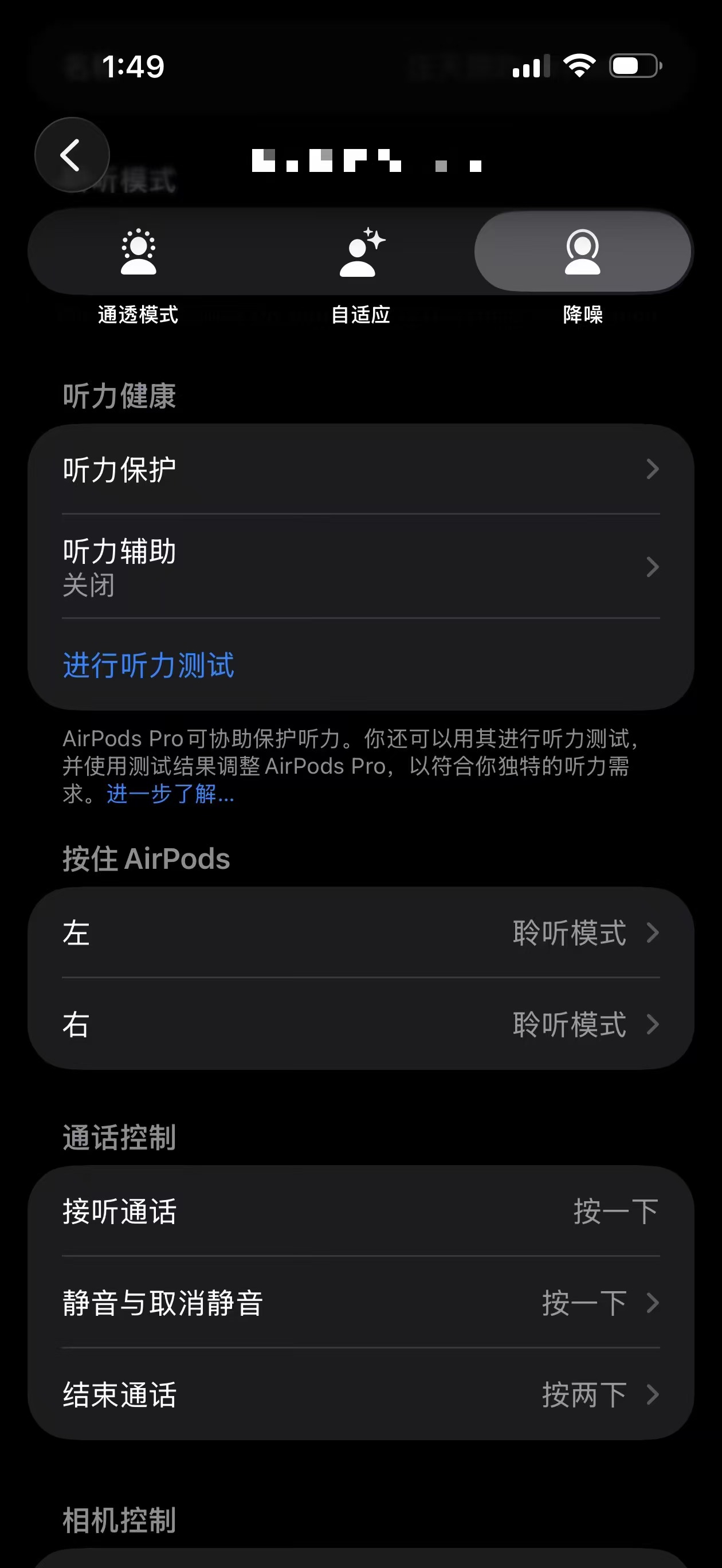
Image Source: Leitech
But in the Agent era, we have new demands for the AI capabilities of TWS headphones: faster response speed requires on-device small AI models; AI visual perception also requires additional perception cameras; the LightSail AI headphones that Xiao Lei tested some time ago even integrated 4G network on the charging case... All these "capabilities" are directly related to the TWS headphone's chip and hardware design.
Software updates can bring new features to TWS headphones, but they can never turn TWS headphones into "native AI hardware". Therefore Leitech believes that after the TWS headphone category enters a "bottleneck period" in experience, native AI capabilities will inevitably become the next key competitive focus in the TWS industry.
The Next Step For Wearables: From Phone Accessories To AI Hardware
But that's not all — Leitech believes that the trend of headphone Agentization can even affect the status of smartphones in the long run.
Since their birth, wearable devices have always revolved around smartphones: headphones need to connect to phones to play music, smartwatch data needs to be aggregated on phones, and even photos taken by smart glasses need to be viewed back on phones; no matter how many smart devices you wear on your body, the "core" is still the phone in your pocket.
But when Agents are widely adopted and voice interaction becomes mainstream, the phone can completely "retreat" to a place invisible to users. After all, compared to phones, devices like headphones and glasses that are "always on standby" are naturally more suitable for voice interaction; for example, when changing a high-speed train ticket, you just need to state your request, and the Agent will naturally handle how the devices cooperate with each other.
Image Source: Leitech
Among the three categories of wearable devices — glasses, headphones, and watches — smart glasses cannot be "on standby all day" due to battery life and wearing comfort issues, and smartwatches are not suitable for long-duration interaction. Only TWS headphones already have a huge user base, and people are already used to wearing headphones for long periods of time. Therefore Leitech believes that headphones are the most likely to become the new era AI devices that are "on equal footing" with smartphones.
But compared to phones, headphones also have their own problems: higher integration and IP protection levels to some extent turn TWS headphones into "disposable" devices that are designed to be replaced rather than repaired. Just like the story at the beginning of this article, it describes Xiao Lei's experience where his headphone battery reached the end of its lifespan and he had to turn to third-party repair. If the problems of headphones "breaking right after warranty expires" and "being too difficult to repair" are not solved, no matter how rich the features headphones have, they cannot compete with the stability of smartphones.
It can only be said that headphone brands still have a long way to go if they want headphones to become more important AI devices in the future.