We let Kimi K3, Qwen 3.8-Max and GLM 5.2 jointly take over a so-called "shit mountain" of notoriously messy legacy code.
When Anthropic unveiled its "most dangerous" model Mythos, its CEO and staunch anti-China figurehead Dario Amodei asserted that Chinese models would need another 6 to 12 months to catch up to that level of capability.
But as we all know now, ZhipuAI immediately launched GLM-5.2 to chase the cutting edge of programming, and Kimi then followed up with K3 featuring 2.8 trillion parameters, sparking a "DeepSeek moment" replay on Wall Street.
Shortly afterward, Alibaba released Qwen3.8-Max-Preview with 2.4 trillion parameters. According to official statements, its overall performance is second only to Fable 5, and it can already compete with state-of-the-art models in full-stack development, data analysis, and Office workflows.
Can Qwen3.8-Max-Preview continue to advance the narrative of Chinese open-source models?
We decided to put it to the test: having three flagship Chinese open-source models from recent months — GLM-5.2, K3, and Qwen3.8-Max-Preview — collaborate to develop the revamped new website of TechPlanet/PingWest.
To reduce the influence of Harness, we adopted a "model + opencode" workflow for our work.
It's worth noting that the ongoing revamp of the TechPlanet website is a half-finished project. The site already includes a Next.js frontend, Payload CMS, Anime.js page animations, as well as pre-existing design specifications, legacy code, and working documentation.
This website has major issues: multiple rounds of frontend and backend development and maintenance over the years have accumulated a mountain of messy code, bloated architecture, chaotic frontend interactions, and numerous fake non-functional features... Problems are scattered everywhere, with frontend and backend bugs intertwined. In short, the historical PingWest website is the worst example of web development you could ever encounter.
It had to be changed. For AI models, a blank project has no historical baggage or messy legacy code, so they can usually perform freely; but a half-finished project is often the strictest test for a model. It requires the model to understand the current state of the project and make precise modifications without breaking existing functionality — a high-difficulty operation of "carving on a pile of garbage".
Then we handed the task over to GLM 5.2, K3, and Qwen 3.8-Max-Preview. This website revamp needed to solve six problems, and we tested them one by one.
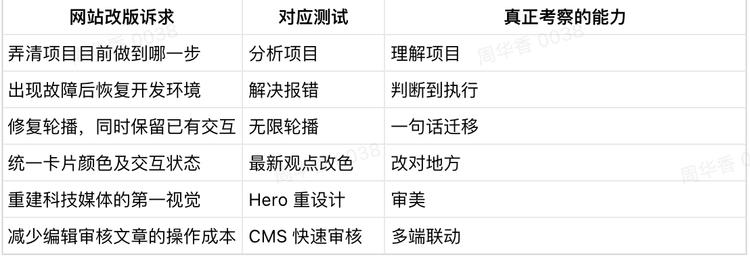
Who Understood the Current Progress of the Project?
Results:
- No.1 Qwen 3.8-Max
- No.2 Kimi K3
- No.3 GLM 5.2
This round corresponds to the first requirement of the website revamp: distinguishing between "what exists now" and "what was intended to be done in the documentation".
The scariest thing about taking over a half-finished project is not the large amount of code, but that the model mistakes old documentation for current requirements and redoes functions that have already been completed. So we didn't immediately let the three models modify the code, but first asked them to analyze the project to see who could figure out the current situation faster.
In terms of generation speed, Qwen 3.8-Max-Preview was undeniably the fastest, finishing within 10 seconds, followed by GLM-5.2, and finally Kimi K3. Looking at the analysis results, the three models acted like developers with three different styles.
GLM-5.2 is like an experienced veteran craftsman. It checked the load-bearing walls, plumbing and electrical lines, and previous construction blueprints, accurately identifying 14 CMS collections, Payload version locks, and database check mechanisms, showing the deepest understanding of the project's underlying structure. However, this veteran was so focused on reviewing the blueprints that it mistook an old April draft in a drawer for the current construction plan. GLM-5.2 listed full-text search as a to-do item, when in reality, search, filtering, and result highlighting had already been completed long ago.
Qwen 3.8-Max is more like a supervisor who stays on-site every day. It didn't study every single pipeline in the house thoroughly, but knew exactly which wall the construction team was modifying and which tile they were laying recently. It had the fastest generation speed and most accurately captured what the project was working on recently.
Kimi K3, on the other hand, is like a real estate agent who shows you the whole house in one minute. It explained the room layout concisely and clearly, but counted 14 CMS collections as 15, and even introduced the adjacent work record folder as a "documentation repository".
In terms of clarifying the current requirements, Qwen 3.8-Max scored the highest: it lacked a slight sense of the full picture, but found the problem the fastest and most accurately. Next was Kimi K3: it knew what it needed to do, but was too slow (the most criticized flaw of K3). It could see the overall situation but was too careless, often making slip-of-the-tongue mistakes. GLM 5.2 had the most serious problem: it was the only one that mistook old documentation for current requirements and recompleted already finished functions, which meant it completely failed to grasp the actual situation.
Resolving Website Errors
Results:
- No.1 Qwen 3.8-Max
- No.2 GLM 5.2
- No.3 Kimi K3
This round corresponds to the second requirement: whether the model can turn diagnosis into action.
I launched the frontend page but didn't open the CMS at the same time, so the webpage threw an error. I directly handed the error message to the three models for them to handle.
All three models identified the problem, but their subsequent actions were clearly different:
Qwen 3.8-Max was one step ahead and directly helped me launch the CMS. Kimi K3 only provided a solution without actual execution. GLM-5.2 processed slower: by the time it was ready to launch the CMS, the public port had already been occupied by Qwen 3.8-Max, so it directly reused the service started by Qwen 3.8-Max.
Regarding resolving the error requirement, Qwen 3.8-Max still ranked first: it launched the CMS and was the fastest, leaving no room for dispute. GLM-5.2 ranked second: it was a step slower, which deserves a point deduction, but after finding the port was occupied, it chose to reuse the existing service instead of exiting with an error or killing and restarting others' processes — that was a correct and mature engineering judgment. As for Kimi K3, it only submitted a plan without taking action, which meant the task was not completed, so it could only rank third.
Implementing Carousel Effects
Results:
- No.1 GLM 5.2
- No.2 Kimi K3
- No.3 Qwen 3.8-Max
Next, we switched the three models to independent ports to test their ability to precisely modify the frontend.
First was the news flash section. We wanted it to implement auto-carousel and seamless looping, but the existing animation made the cards pan left one by one, and after playing to the last card, the entire list would slide right back to the start.

prompts: Modify the "Breaking Now" section on the homepage to achieve seamless infinite carousel: all cards keep moving left continuously. After the 8th card moves out of view, the 1st card naturally follows in from the right, looping indefinitely. Do not make the entire list slide right back to the start after playing to the last card; there must be no pauses, jumps, or blank spaces during loop transitions. Only modify the frontend carousel effect, do not modify data or backend.
Carousels are a common web page information display component. Could we use a single sentence to get large language models to adapt this feature to our own website? The results were rather disappointing: all three models had more or less problems in the end:
Let's look at Qwen 3.8-Max first. It arbitrarily deleted the mouse drag function, which was a major point deduction. Qwen 3.8-Max tried to be clever: it faked the loop by extending the length, only realizing the loop broadcast on the surface. It's like not converting a straight racetrack into a circular one, but just laying several identical sections of road behind the finish line. As long as users are patient enough to watch to the end, they will find it just copied multiple copies of content to forcibly stretch the carousel track. When playing to the last round, the cards will still jump back to the start.
Kimi K3 made the opposite trade-off. It converted the straight track into a circular one, but deleted the auto-carousel function. Users can only make the cards move forward by dragging with the mouse. Moreover, the animation details are not refined: before the next set of cards fully enters the frame, the previous set exits early, causing frame skipping and sudden stuttering on the screen.
GLM-5.2 achieved the most complete implementation, with all required functions available: it retained both auto-carousel and mouse drag support, enabling continuous looping. However, it shared the same problem as Kimi K3: old cards disappeared too quickly, and there was still a sudden jump during loop transitions. It was just one final touch away from a true seamless loop.
GLM 5.2 can rank first: it is the only one with a complete feature list — auto-play, draggable, and true loop — but our requirement of no pauses, jumps, or blank spaces during transitions was not fully met, as there was still a jump at the seam. Still, it was pretty good.
Kimi K3 got the hardest part right: it also achieved true auto-carousel, but the problems of missing auto-play and frame skipping during transitions were obvious proof that the engineering work was not finished. It was an honest half-finished product, so it can rank second.
Qwen 3.8 Max had serious problems this time: it deleted the mouse drag function and arbitrarily modified the requirements, which is a trust issue in real collaboration. Worse, its solution was a fake one, and the architecture was a dead end. To truly implement seamless looping, it would have to be completely rebuilt. A seemingly usable wrong answer is far more dangerous than a half-finished product that is obviously incomplete at first glance.
Modifying Existing Features
Results:
- No.1 Qwen 3.8 Max
- No.2 GLM 5.2
- No.3 Kimi K3
Next, I modified the accent color and card animations of the "Latest Opinions" section. The original effect is shown in the figure below.
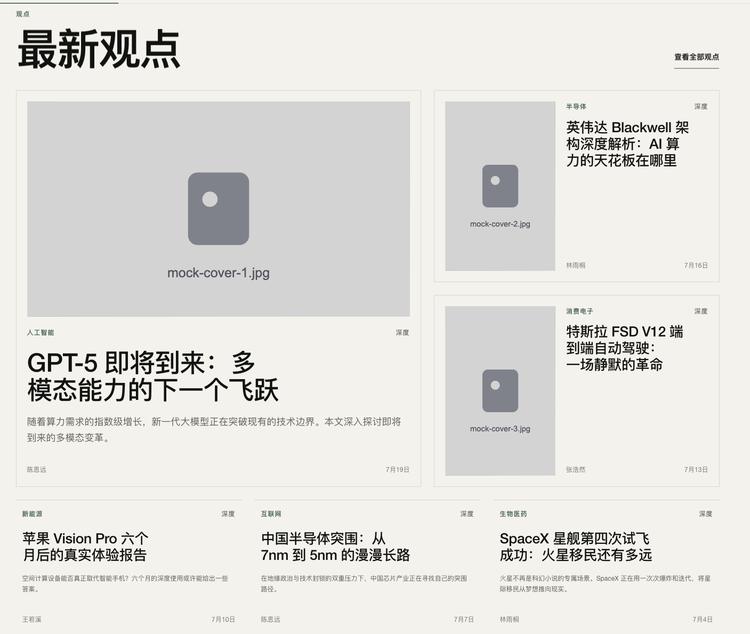
prompts: Modify the "Latest Opinions" section on the homepage: change the accent color to tech blue (#3157FF), applied to section titles, serial numbers, and hover states. Add a light blue border and rounded corners to cards; make cards float slightly and turn their borders blue when the mouse hovers over them. Keep other layouts and content unchanged, only modify the frontend.
This test did not examine whether the model could recognize colors correctly, but whether the modification scope was complete and consistent. Modern models usually don't make low-level mistakes like "being told to change to blue but ending up with red". The real difficulty lies in whether the model can understand exactly which parts need to be modified, and break down a relatively broad design instruction into an accurate modification checklist.
On the surface, the task was simply changing green to blue, but it actually involved titles, serial numbers, card backgrounds, borders, rounded corners, and mouse hover states. The page also has multiple variants such as large cards, small cards, and image-free cards. Any omission would cause both the old and new designs to appear to users at the same time.
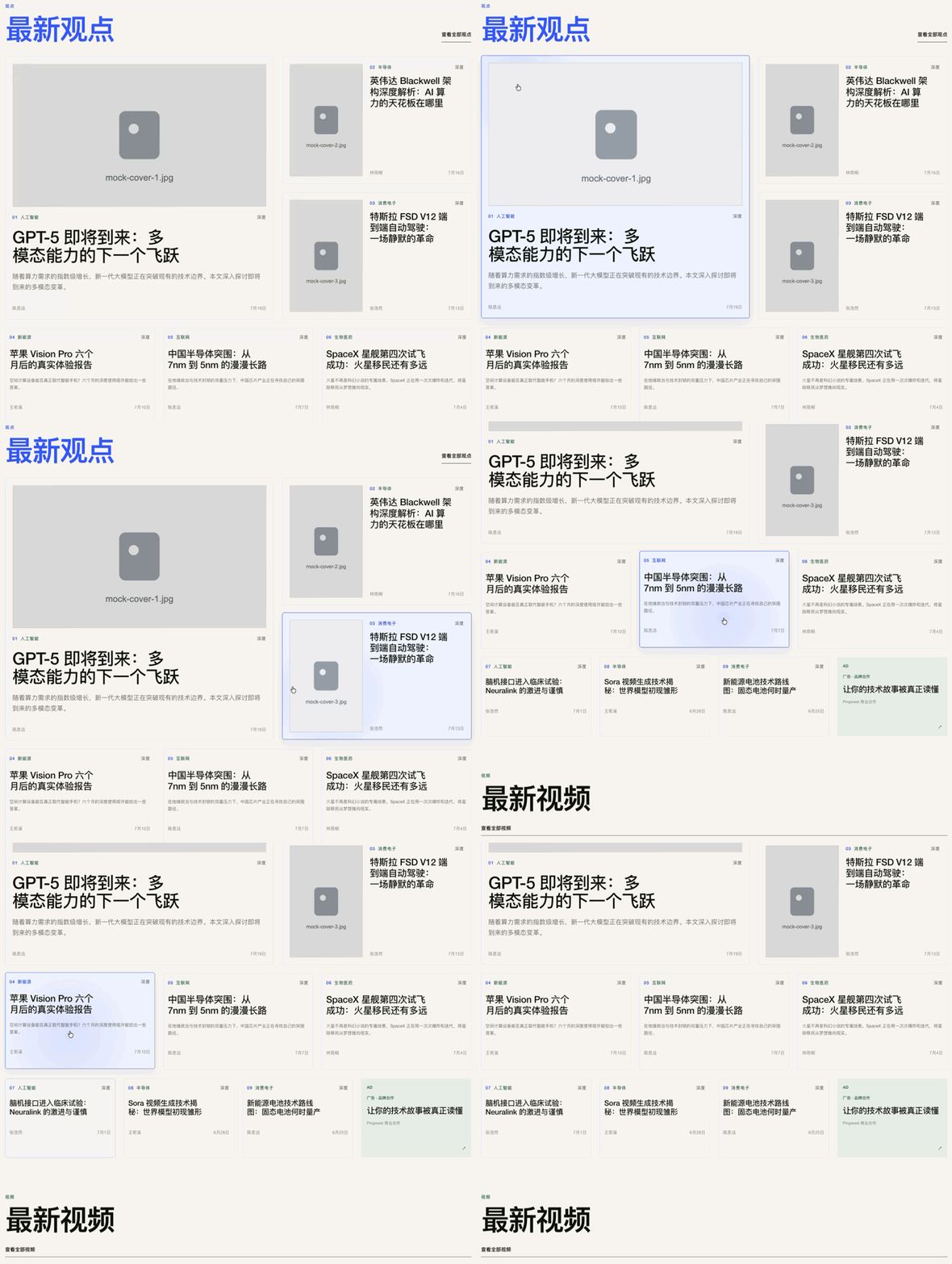
Qwen 3.8-Max modified the fastest: text color, background color, borders, and rounded corners were mostly handled correctly. The only imperfection was that the interactive color after mouse hover was still green and not changed to blue synchronously. In other words, Qwen 3.8-Max did not modify the color of the interaction layer.
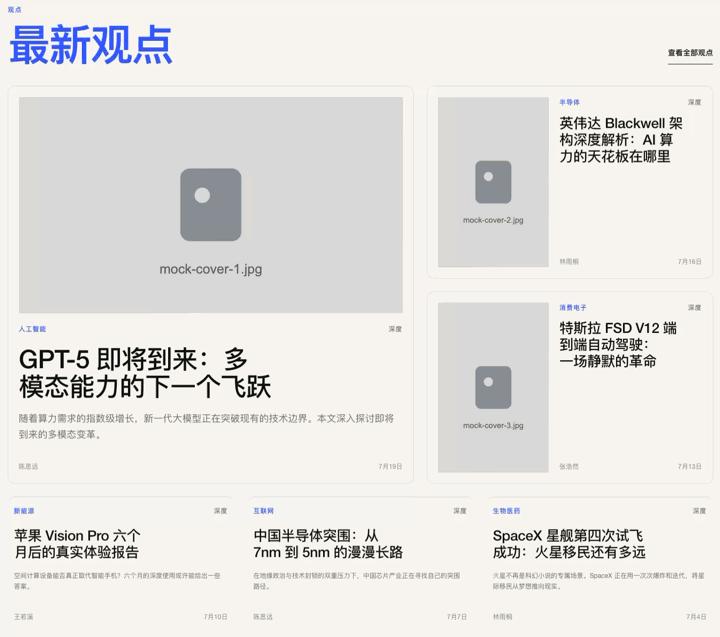
Kimi K3 had major problems in this round. It modified the borders, rounded corners, and one of the colors, but almost no changes were made to the rest. Perhaps K3 thought the original aesthetics was problematic and didn't want to make modifications.
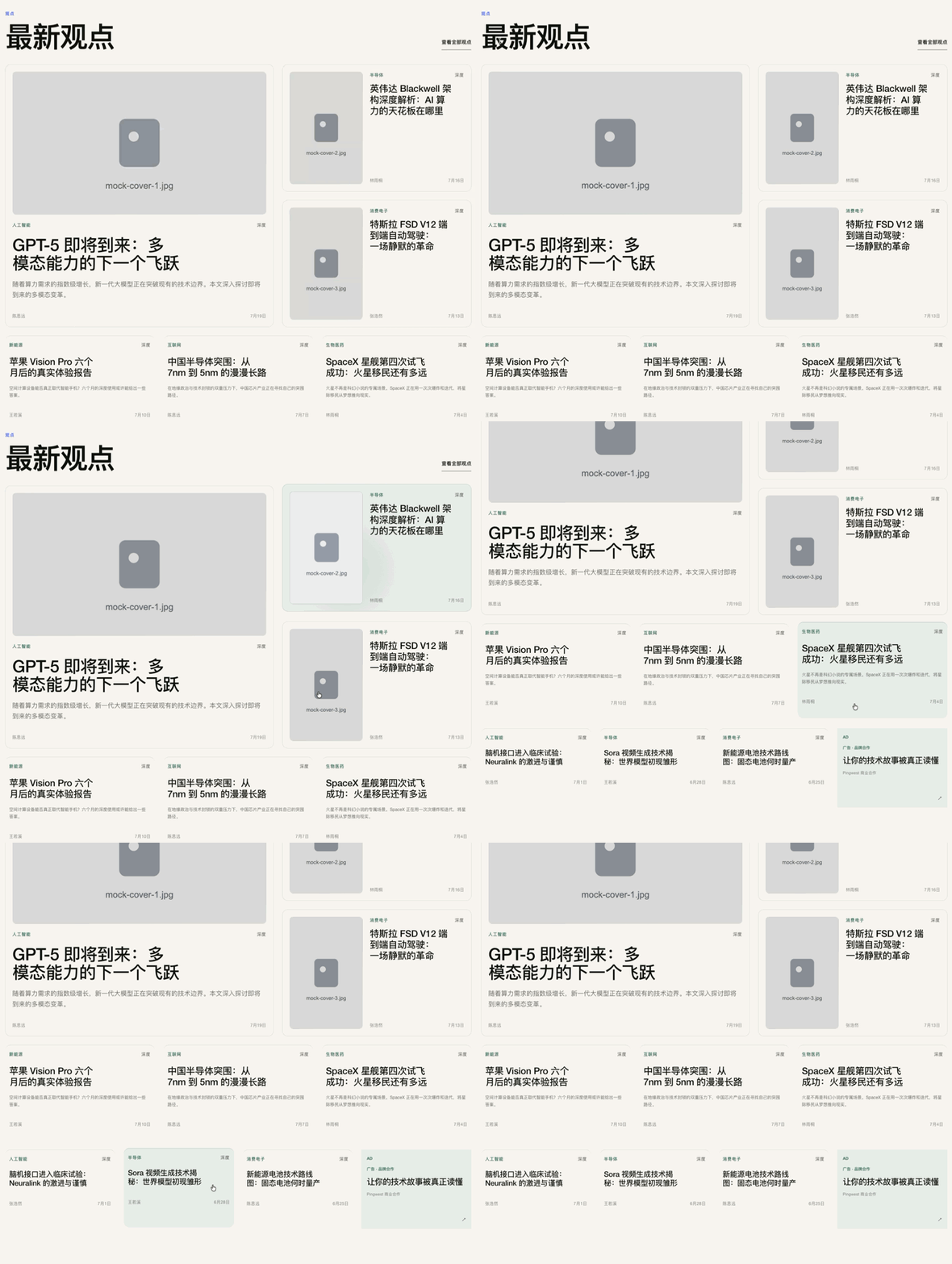
GLM-5.2 did not modify the code directly, but first asked two questions, such as which titles needed color changes and how to handle cards without serial numbers. The parts it explicitly inquired about were completed well, but omissions appeared in areas not covered by the plan.
The mouse hover color of the largest card was still green, only small cards turned blue, and the interactive color of the bottom image-free cards was not modified at all. Unlike Qwen 3.8-Max, which didn't modify the entire interaction layer's color, GLM-5.2 modified colors selectively, changing only half of the same type of content.
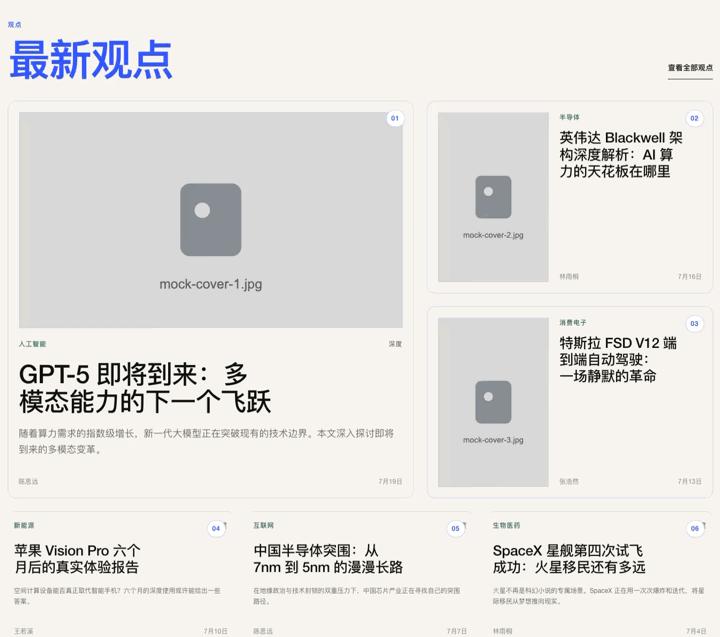
In this round, Qwen 3.8-Max had the highest overall completion rate, even though it missed the hover color modification. GLM-5.2 worked more carefully within the confirmed scope, and the action of confirming the scope in advance was very important — it was a response to trying to understand the exact intent, but its execution betrayed its process: the parts it inquired about were done beautifully, while the parts it didn't inquire about were completely ignored. In contrast, Kimi K3 had to rank last: it clearly didn't fully understand the task, only modifying the borders, rounded corners, and one color.
Testing the Models' Aesthetic Judgment
Results:
- No.1 Kimi K3