The parents in Northeast China are the ones most willing to spend money on their children's tutoring classes across the country
When it comes to children's education, most people might think that parents in Jiangsu, Zhejiang, and the famous Haidian District of Beijing are the most competitive.
But there is a statistic that most people may not expect:
By region, Northeast China has the most intense after-school tutoring craze.
Data proves this.
At the basic education stage, the participation rate of after-school education in Northeast China is as high as 66%, far exceeding 49.9% in the eastern region, 46.8% in the central region, and 38.7% in the western region, ranking firmly first in the country.
After all, in people's impression, the birth rate in Northeast China is not high, and the permanent resident population is decreasing.
But why is the enthusiasm for after-school tutoring in Northeast China so high?
01
Tutoring: A Required Course for Children in Northeast China
In fact, in Northeast China, for many middle-class families, the largest rigid expenditure has never been the mortgage or car loan, but the tutoring fees for their children.
A blogger living in Shenyang shared on social media that her eldest daughter is in the second year of junior high school, and her younger daughter is in the fourth grade of primary school.
In early March, she calculated the tutoring fees for her two children during the winter vacation and found that the eldest daughter spent 12,310 yuan, while the younger daughter spent 4,300 yuan.
For the eldest daughter, she enrolled in small-group classes of 8 to 10 people, not one-on-one classes, mainly covering four major subjects: Chinese, mathematics, English, and physics. She took a total of 15 Chinese classes at 150 yuan per class, costing 2,250 yuan in total; 18 math classes at 160 yuan per class, costing 2,880 yuan; 14 English classes at 200 yuan per class, costing 2,800 yuan. In addition, since her eldest daughter was weak in mathematics, she also signed her up for an additional online recorded course, which cost 1,500 yuan.
After the new semester starts, although the frequency of tutoring is not so high, the number of tutoring sessions in one semester is similar to that in one vacation. The total cost for a year is nearly 50,000 yuan, which is only the most basic level in Shenyang.
Although her younger daughter is still in primary school, she has already been arranged for after-school care classes, where she attends three major subjects (Chinese, mathematics, English) every morning, and takes an additional 18 English classes.
Roughly calculating, the family spends 70,000 to 80,000 yuan a year just on tutoring for the two children.
Obviously, many families in Northeast China are never stingy when it comes to tutoring their children.
In the past, some people from southern China met talkative Northeasterners on the train. When they heard that the other party spent hundreds of thousands of yuan on tutoring and hiring tutors for their children, they just thought it was bragging. But after truly understanding the current state of education in Northeast China, they realize that this statement is completely true.
In Northeast China, the phenomenon of tutoring can be seen everywhere.
Before the third grade of primary school, children mainly take various interest courses such as swimming, sports, calligraphy, and programming. In junior and senior high school, the focus shifts to academic subjects.
In short, from kindergarten children to those about to take the college entrance examination, the daily lives of many children in Northeast China are filled with various tutoring classes.
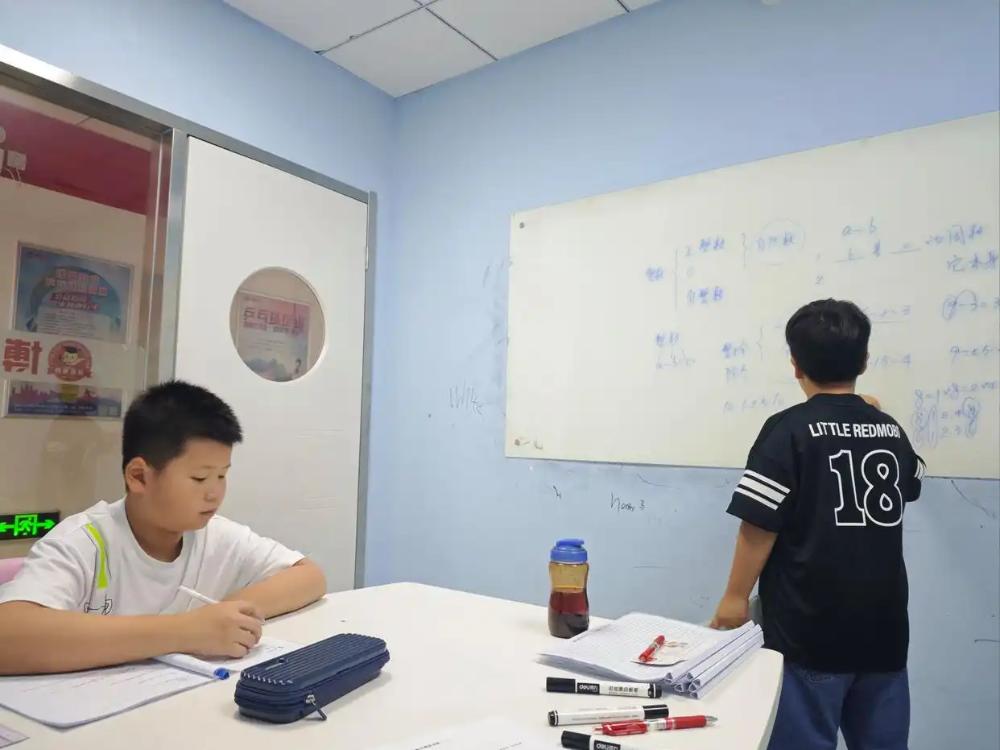
The weekends of most children in Northeast China are filled with tutoring sessions
The price of tutoring starts at 100 to 200 yuan per class, with no upper limit. The cost of one-on-one classes ranges from 300 to 500 yuan per session, and the price for reputable and well-known teachers doubles. Many children need to spend at least 10,000 yuan on tutoring during a single vacation, and the average annual tutoring cost per child is about 25,000 to 35,000 yuan.
According to the survey data from the 2025 Education and Training Industry White Paper released by China Education Online, the market size of after-school training for primary and secondary schools in the three northeastern provinces reached about 420 billion yuan in 2025, accounting for 8.7% of the national total, with a regional training participation penetration rate of 68.5%, which is significantly higher than the national average.
This is the public data of the industry. In fact, there are still many hidden academic training sessions that exist in the form of one-on-one or small-group classes, and their market size is unimaginably large.
An industry insider revealed that he earned enough money through after-school tutoring in five years to buy a villa, which shows how profitable the tutoring industry is.
Logically, there is no need for such intense competition in children's education in Northeast China, right?
02
Extreme Faith in Education Changing Destiny
There is an old Chinese saying: "You cannot neglect education even when you are poor." People in Northeast China truly take this saying to heart.
In Northeast China, as long as children are willing and eager to study, most families will do their best to support their education, even if it means selling off their family assets.
However, in today's society, simply relying on knowledge to change fate faces many challenges.
But the Northeasterners' obsession with education is far more than just "hoping their children will become successful". It is an extreme faith deeply rooted in their bones that education can change fate.
As a result, Northeastern parents invest the most in their children's education.
This is also proven by data.
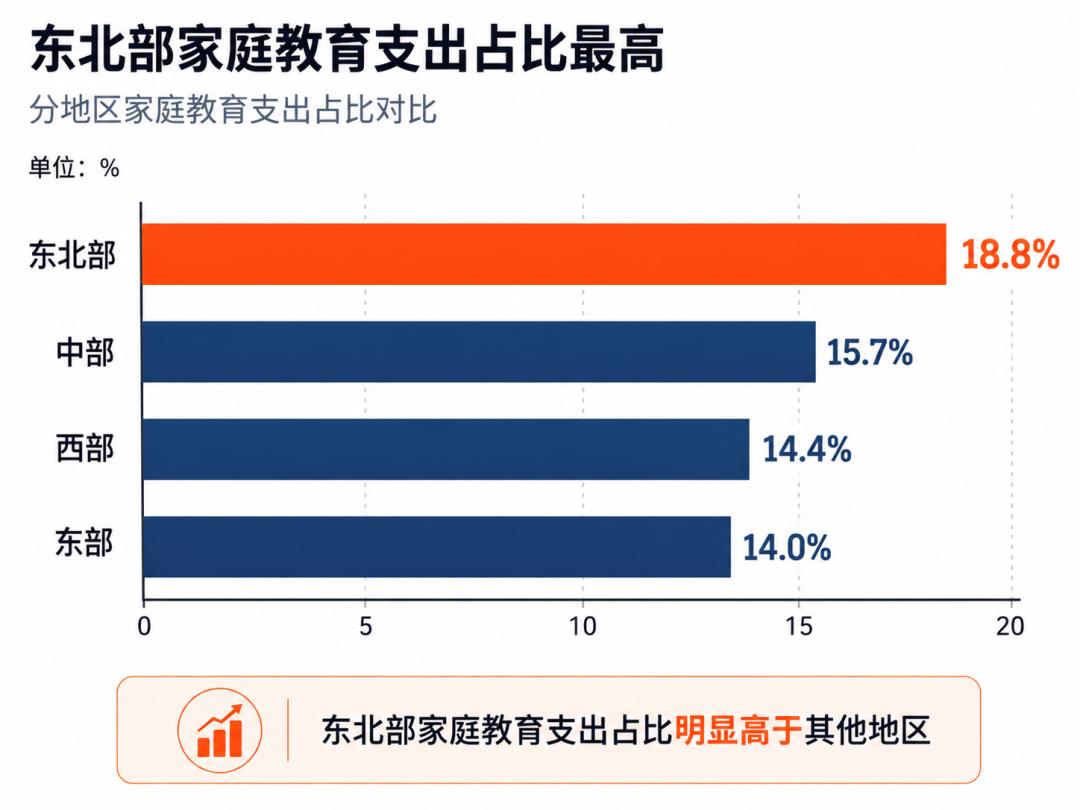
According to a study by the China Institute of Educational Finance Research at Peking University, the proportion of family education expenditure in Northeast China (18.8%) is significantly higher than that in other regions, followed by the central and western regions at 15.7% and 14.4% respectively, while the eastern region has the lowest proportion at 14%.
The answer to this question can be found in history.
Around the 1950s, with the assistance of the Soviet Union, the People's Republic of China began to vigorously develop Northeast China, making it the first region in China to start urbanization.
While many places were still engaged in arduous farming work, the working class in Northeast China was already living under the large danwei (work unit) system.
During the First Five-Year Plan period, Northeast China produced 40% of the country's coal, 50% of its electricity, and 80% of its chemical fertilizers and steel.
Obviously, the industrial development in Northeast China at that time was extremely prosperous, and this single region even supported the industrial development of the entire country.
For this reason, technical jobs in many enterprises in Northeast China were very popular at that time. These jobs not only offered high salaries and benefits, but also were highly respected and had a good social status.
Ideas such as "making a living by your own skills" and "establishing yourself through technology" were once the most simple beliefs of the Northeastern people in that era.
This kind of worship for professional skills and knowledge was a full generation earlier than in most other regions of China.
Therefore, the belief that education can change fate has long been rooted in the genes of Northeastern people.
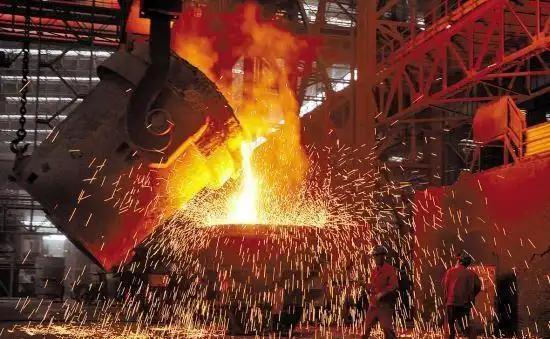
Northeast China ranks among the top regions in the country in terms of industrialization level, and is thus known as the "Eldest Son of the Republic"
At the same time, Northeast China was also the first region to experience the disappearance of the dividends from state-owned enterprises.
In 1998, the reform of state-owned enterprises was fully promoted.
Northeasterners had to realize a cruel fact earlier and more painfully than others: no iron rice bowl is unbreakable, and only the knowledge stored in your own mind is the most reliable.
For this reason, Northeasterners are more willing to devote all their efforts to supporting their children.
In the TV drama "A Long Way Home", Sun Ganchao is an ordinary worker at the bottom of Guangzipian. After being laid off, he had a very difficult life because he had no special skills.
Although he took odd jobs everywhere, Sun Ganchao still tried his best to support his son Sun Sheng's studies, even regarding his son's education as more important than his own life.
After Sun Ganchao suffered from uremia, when the hospital urged him to pay the deposit, he refused to use the few thousand yuan the family had, because that money was the college tuition saved for his son. He repeatedly told his wife Yu Hong: "This money is for Sun Sheng to go to school, and it must never be used to treat my illness."
Sun Ganchao's behavior seems extreme, but it once again proves that Northeasterners are not just saying that they are willing to support their children with their lives.
Nowadays, after the end of the extensive growth era of "competing by population quantity", families in Northeast China almost instinctively turn to "competing by quality".
In the parent groups in Changchun and Harbin, people are no longer arguing about "whether to take tutoring", but are deeply studying "how to take tutoring more efficiently".
This profound memory of the survival risks outside the system, passed down from their parents, makes them regard education as the most solid reliance to get through cycles. As a result, the tutoring participation rate in Northeast China ranks among the top in the country.
03
Parents' Love Lies in Planning for the Long Term
The Strategies of the Warring States states: "Parents' love for their children means planning far ahead for them."
In China, Northeasterners are definitely among the top in spoiling their children.
In other places, picking up children is a very trivial daily matter. But in Northeast China, it is absolutely one of the top priorities for the whole family.
From the time children just start kindergarten, Northeastern parents can keep picking them up until they retire. This is a concrete manifestation of the idea that they are afraid their children will get hurt when going out, or meet bad people when walking alone.
No matter whether their children are studying or working outside, as soon as the children step on the train back home, the whole family will start eagerly waiting for them. When the train arrives at the station, the exit is full of family members. It is not uncommon for the whole family to come to pick them up, and even some neighbors will follow. When the children get home, a full table of sumptuous meals has already been prepared.
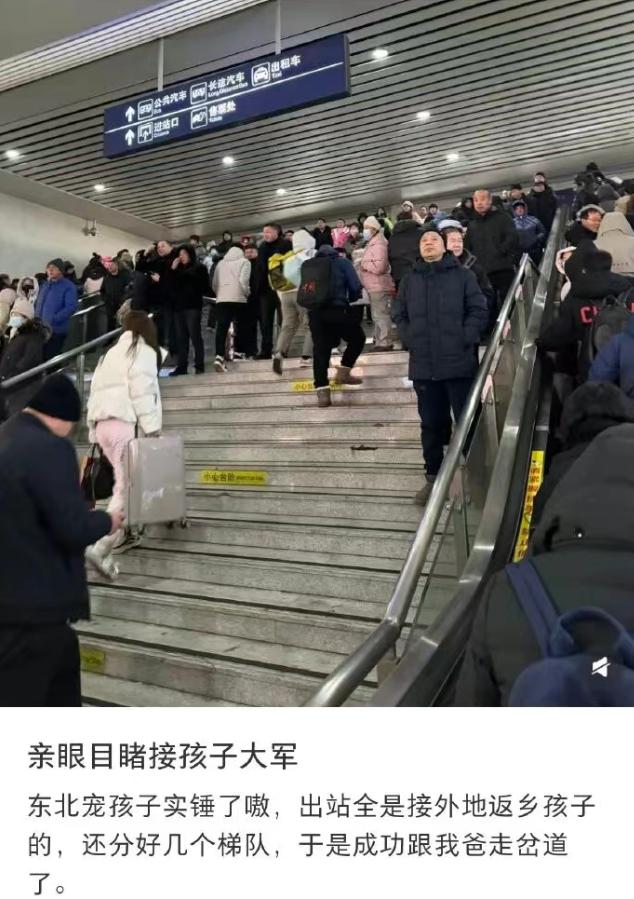
Every holiday, stations in Northeast China are filled with parents picking up their children. Image source: Xiaohongshu @Your Peaceful Aunt Fan Laoyi ra
In other places, picking up children is mostly done by the parents alone. There are hardly any scenes like those in Northeast China, where the whole family turns out to welcome the child as if it's a wedding procession, which fully shows how much Northeasterners dote on the next generation.
Northeastern families invest their limited savings in education. Although it seems crazy, it is not a blind follow-up without reason.
Although the media is advocating that it is difficult for children from poor families to achieve great success, graduating from a prestigious university is still a shortcut for children from ordinary families.
In fact, the foundation of basic education in Northeast China is very solid.
Established prestigious schools such as the High School Affiliated to Northeast Normal University and Harbin No. 3 High School still maintain a strong presence in national five major academic competitions and the admission rates to Peking University and Tsinghua University in recent years.
On the surface, Northeast China has a low birth rate and high population loss rate, but in fact, the cultural and educational level in Northeast China ranks among the top in the country.
According to the data from the seventh national population census, the proportion of people with college education per 100,000 people in the three northeastern provinces ranks among the top in the country. Among them, the proportion of higher education population in Heilongjiang Province is as high as 16.8%, far exceeding the national average, making it known as the "hidden king" in education.
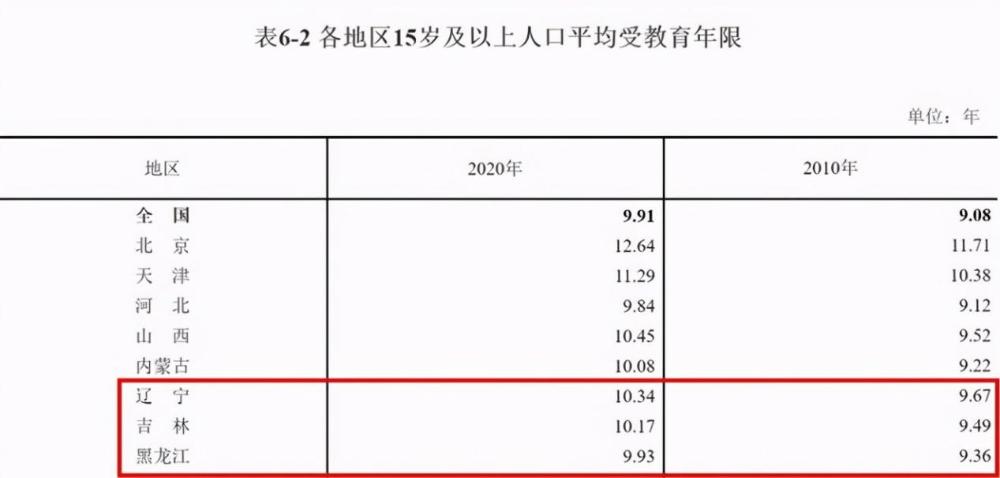
The average years of education for the population in the three northeastern provinces are all higher than the national average
While first-tier cities screen people through the closed loop of school district housing and quality-oriented education, Northeastern parents use the most direct and simple rule of "sweat + money" to forcibly raise their children's starting line, giving their children more confidence to choose in the cruel national competition.
After all, the direct economic return of helping children get into "Double First-Class" universities through high-intensity tutoring is visible to the naked eye.
The starting salary, employment platform, and career choices of a graduate from a popular major in a 985 university are completely different from those of an ordinary undergraduate. For ordinary Northeastern families who do not have abundant family wealth, this investment is the most cost-effective "insurance" to help their children achieve class transition or at least maintain their middle-class status.
In addition, for many Northeastern parents, they are not only calculating the scores, but also striving for more choices for their children in the future.
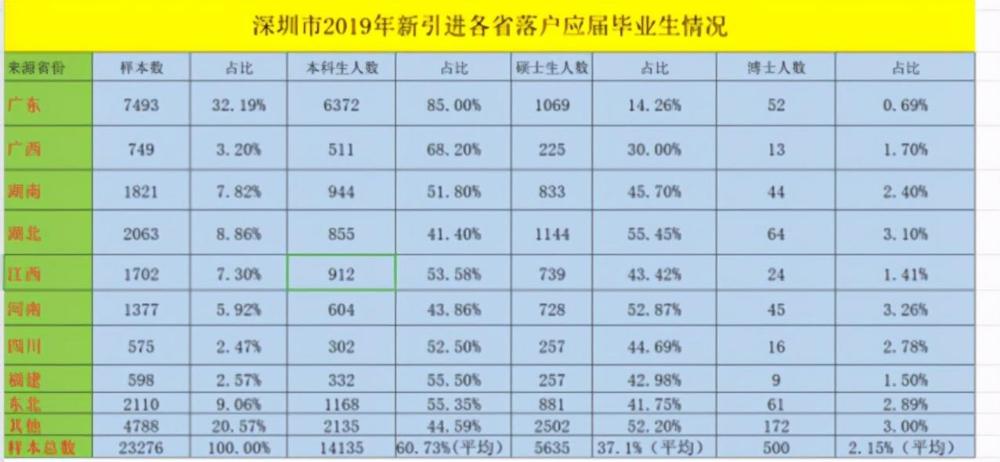
According to the 2019 survey data on new graduates settling in Shenzhen, the number of new graduates from Northeast China is unexpectedly larger than that from provinces near Shenzhen such as Hunan, Hubei, and Fujian.
In addition, after a large number of Northeastern students are admitted to prestigious universities, they initially flow to first-tier cities such as Beijing, Shanghai, Guangzhou, and Shenzhen. However, the quietly emerging trend of "talent return" in recent years is worth paying attention to.