At WAIC, AI begins to take over human desires
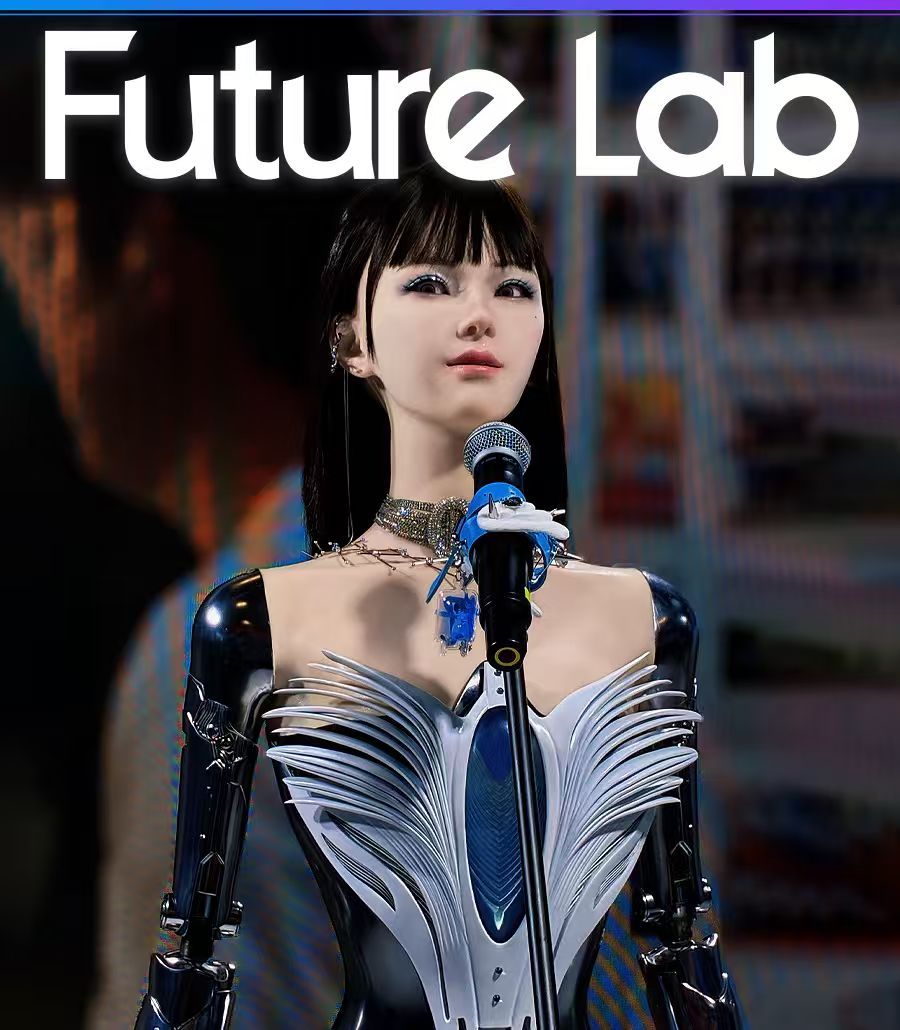
A 248,000-yuan Bionic Humanoid Robot: "More Expensive Than a Bride Price!"

Written by | LIU Sijie
Edited by | ZHANG Wei
At the 2026 World Artificial Intelligence Conference (WAIC), large models, computing power, and robots dominated the grand narrative of the core exhibition areas. However, in the innovation exhibition hall on the basement level, AI was shedding its reserved facade and tapping into humanity's most intimate instincts: lust, the desire for control, regret over loss, fear of loneliness, and the confusion about the future.
An egg-shaped plush toy encased in a plastic shell is placed on a table. Once it reaches a certain level of interaction intimacy with a user, it will "hatch" to reveal a fluffy desktop companion pet. A plush AI toy that closely resembles Labubu is designed for parent-child companionship, allowing educational content that parents want to convey to be spoken through the AI doll. Another form of companionship is designed as a plush pendant that can be worn on the shoulder, which senses changes in the user's emotional state through voice recognition.
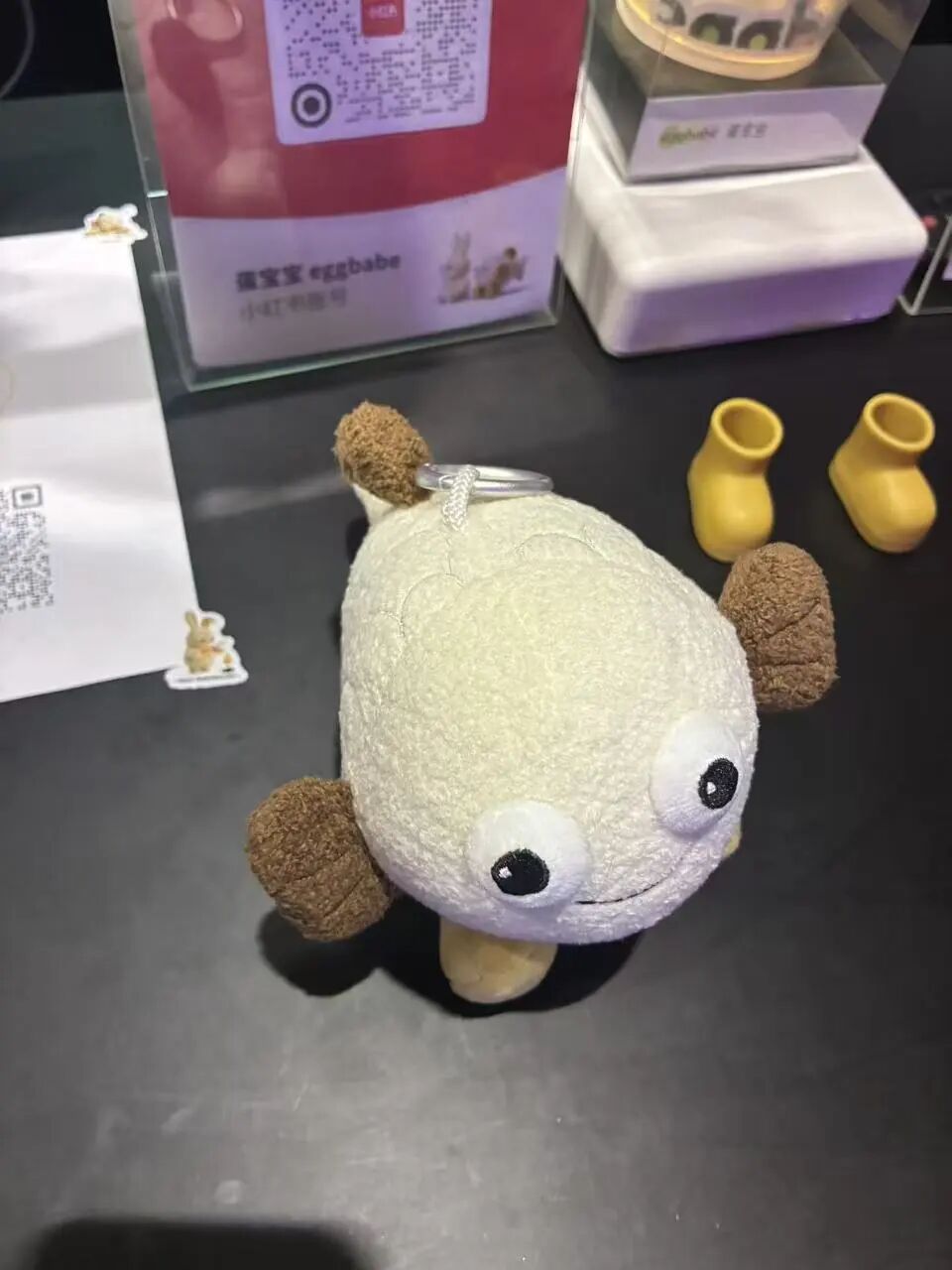
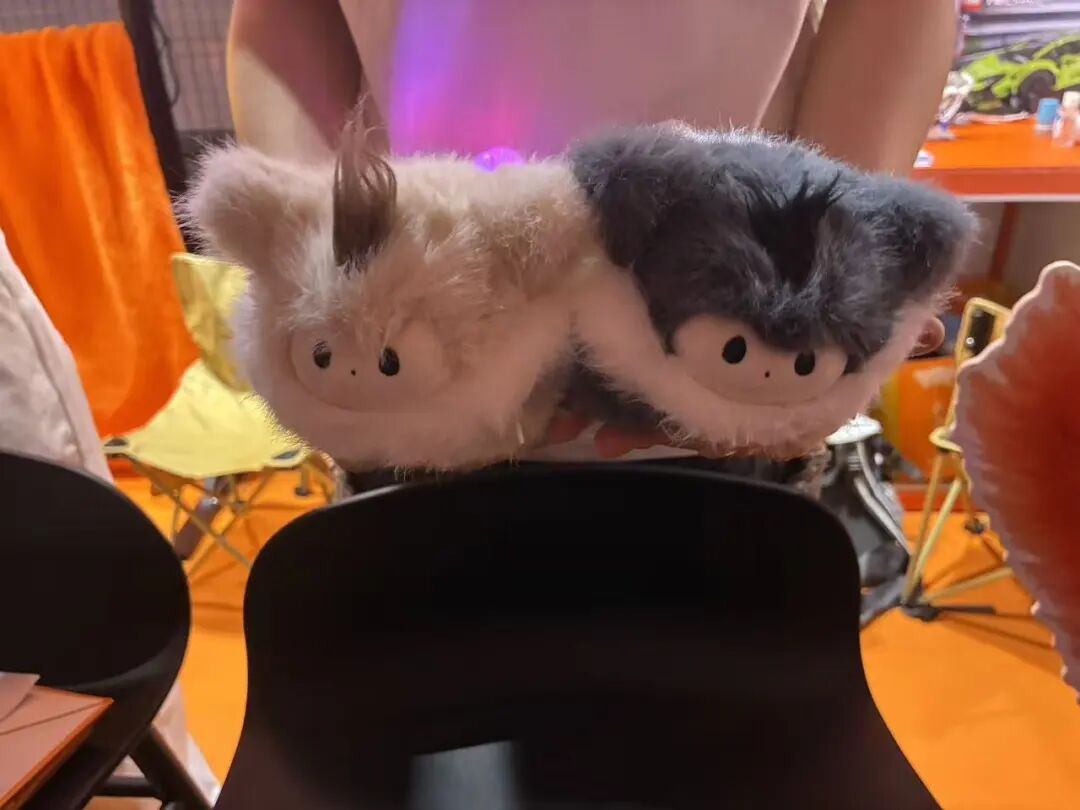
AI companion hardware products on display at the exhibition
Fluffy textures are the most common design for companion products. Bionic humanoid robots represent a more direct approach. At the WAIC venue, bionic robot companies showcased their products positioned as virtual idols, receptionists, and health consultants. However, their most commercially viable use case today is serving as movable skeletons that bring silicone dolls to life, sold in bulk to adult toy manufacturers. Users' expectations for bionic robots are to replace "significant others," and upon hearing the product's price tag, many blurt out, "It's more expensive than a bride price!"
Of course, human desires do not only require a tangible entity to project onto, or a body to embrace and interact with. In more hidden scenarios, people are outsourcing the responsibility of making decisions to AI. Divination, psychology, and consulting services from previously banned relationship influencers, all repackaged with AI technology, have become a business that provides users with a sense of certainty in decision-making.

A 248,000-yuan "Risk-Free" Relationship
A female-shaped silicone head is displayed separately on the booth, with extremely detailed skin textures and exquisite facial features. Next to it stands a complete female reception robot with red lips, a red knit top, her head slightly lowered, arms hanging by her sides, and a slender figure. She is stationary, supported by a stand. Further ahead, another female bionic robot is mounted directly on a metal stand. The connection between its neck and body is covered by a silk scarf. This one is "functional": it is not connected to the internet and is in standby mode, but its dark blue eyeballs, embedded with cameras, still rotate from time to time.
This is the booth of Dehao Technology, located in the innovation zone on the basement level of WAIC, far from the venue entrance. The foot traffic here is less dense than in the central exhibition area, but the booth is often crowded, with visitors curiously stepping forward to touch the robot's face and body.
The company's founder, XUE Fei, got the idea to develop bionic robots back in 2020, when Elon Musk announced he would "create a catgirl robot." XUE Fei thought that was exactly the product he wanted: "something that can chat with me, go for walks with me, and of course, share intimate moments." He said he would have considered buying Musk's product if it was priced under $100,000, but when Musk unveiled the "Optimus" robot in 2022, XUE Fei was deeply disappointed, which pushed him to start his own business to develop a "catgirl robot."
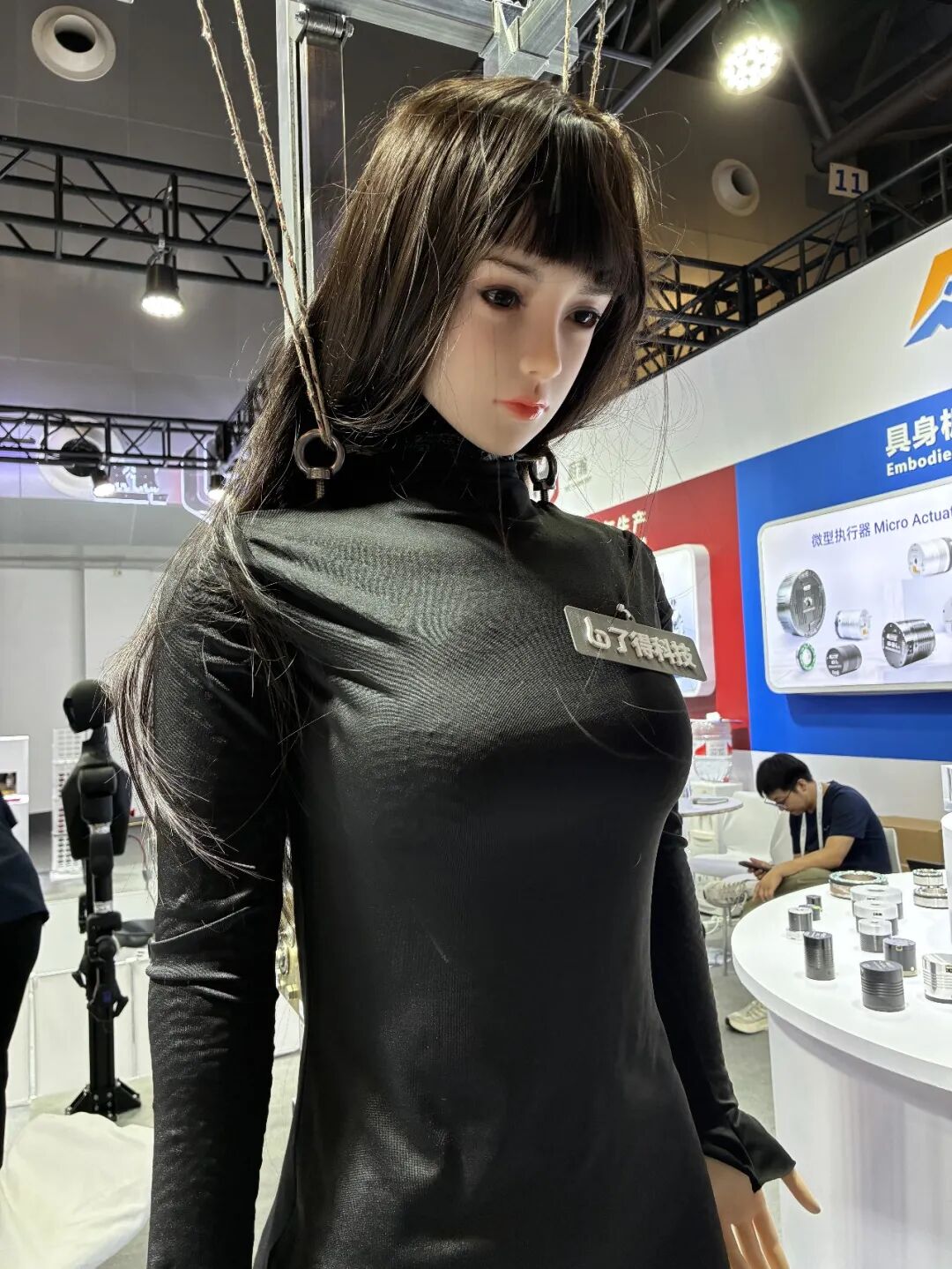
The bionic robot developed by Dehao Technology
He stated candidly that the most human-aligned function of bionic robots is to satisfy "sexual needs," a topic that remains sensitive to discuss openly in China. However, nearly all of their B2B clients are adult product manufacturers, for whom they provide motion skeletons and systems that enable the lower half of silicone dolls to move.
At the same time, he believes that "sex" is not the core function of bionic robots. In his view, intimacy is a very minor, easily implementable feature, and it is only due to regulatory reasons that most people tacitly acknowledge this function without discussing it publicly.
But "sex" is not a high-frequency function—people cannot use it 24 hours a day. What people need more is companionship: chatting, cooking together, going for walks. What is truly scarce is "emotional value." He argues that completely unconditionally caring greetings feel boring, while concerned remarks that carry a hint of questioning, such as "Why did you come home so late today," make people feel genuinely warm.
XUE Fei even believes that some people may choose to live in their fantasies instead of facing the pain of loss, by creating a bionic robot modeled after a deceased loved one.
His bionic robots will support full customization. As bionic robots become widespread, "physical attractiveness will no longer be a scarce resource," and marriage will become more purely based on financial compatibility. "Matching social and economic status will become increasingly important in the future," he says. "People who want to be with attractive partners can simply custom-make a bionic robot that meets their preferences."
Buying a bionic robot is more like purchasing a risk-free relationship, XUE Fei explains. Using an AI robot means no risk of contracting HIV, and falling in love with a robot cannot be considered infidelity.
When a passing visitor learned that the price of the movable bionic robot is 248,000 yuan, he blurted out, "That's more expensive than a bride price!"
"It will never argue with you," a staff member from Dehao Technology quickly responded.
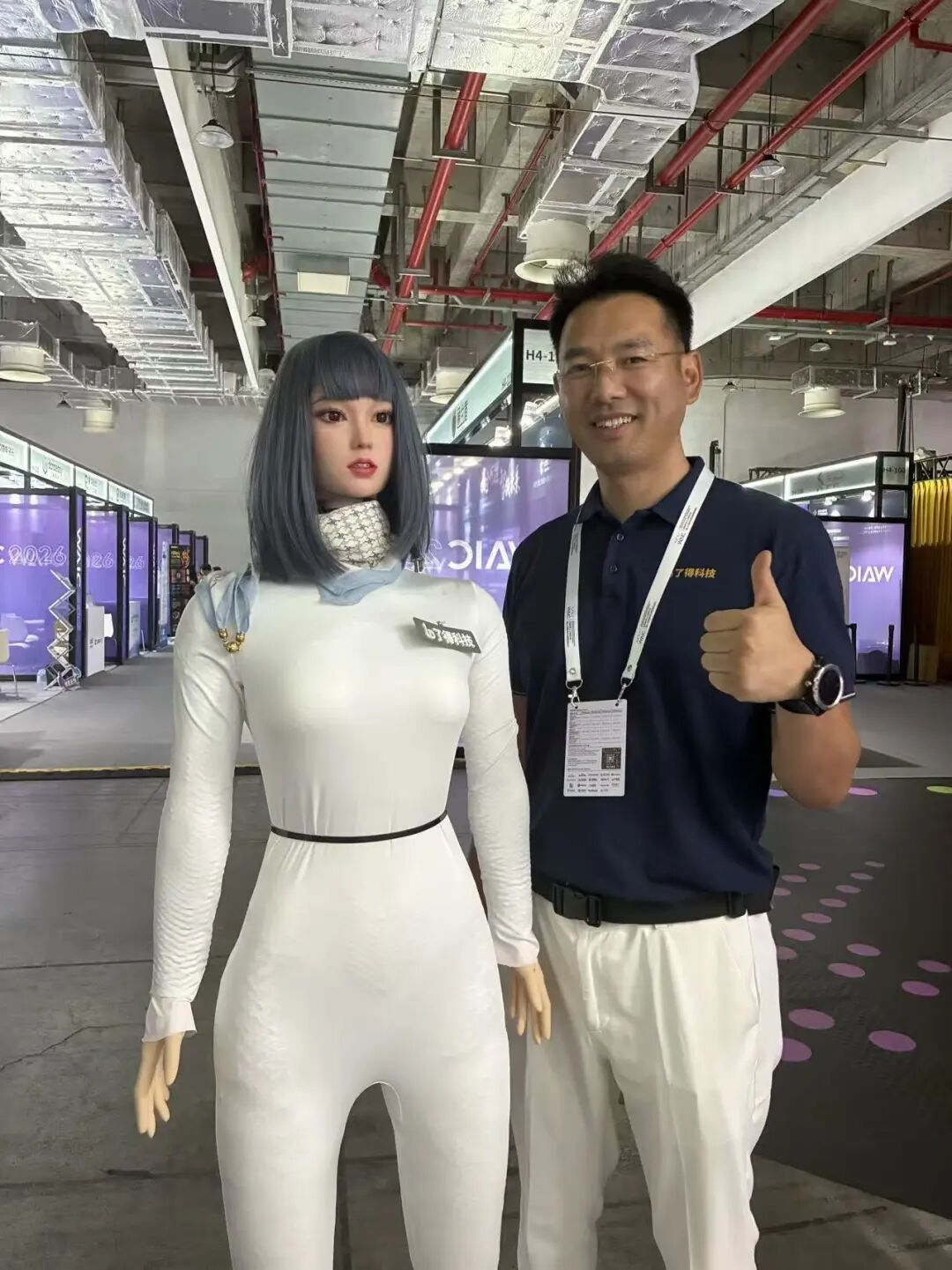
XUE Fei with the bionic robot his company developed

Freud Is Less Practical Than Divination
"We do everything that is unscientific."
This is the opening line that WU Shang, founder of the "Animism" app, uses to introduce his product to visitors.
Their booth is bathed in dark purple lighting, making visitors feel as if they have stepped into an astrology parlor rather than a tech exhibition space. A row of beaded bracelets is placed on wooden trays, and several standing phone screens display their launched AI divination apps.
Their booth is packed with visitors. Young attendees passing by always pick up their hardware products to try them out, and WU Shang constantly explains the usage to passersby, occasionally pausing to take a throat lozenge to soothe his overused voice.
Their newly launched hardware device lets users draw a daily tarot fortune card, generate a personalized fortune slip, and attach the slip to the back of their phone. The bracelet, which looks nearly identical to a traditional beaded bracelet, will vibrate at key moments for divination reminders, prompting users to check the app on their phone for guidance on what actions they should take next.
Also aiming to provide users with a sense of certainty, a nearby booth named "Think It Through" has taken a different approach. Rooted in cognitive psychology, they position themselves as users' "cognitive coaches." Their founding team breaks down the product logic into a five-step closed loop: emotional validation, cognitive deconstruction, new interpretation, action initiation, and mental model updating.
However, they do not position their product as a psychological counseling tool. They consider themselves more of a "Life coach." In their view, much of the confusion faced by young people today stems from cognitive issues: relationship problems with partners, conflicts with one's original family, disputes with colleagues, even how to network with influential superiors, or how graduates can find jobs. On the B2B side, they plan to license this cognitive modeling capability to enterprises and institutions.
There are also products that cover both tracks. A team that started by developing divination AI engines once tried to dabble in psychological healing and companionship services, but the founder told me frankly, "Schools of thought from Freud and Jung all dismiss one another's theories. I think divination is far more practical. Divination may seem chaotic on the surface, but its internal logic is actually relatively clear."
However, he has not made significant profits from either divination or psychological healing. He admitted that without the funding they received, the team would not have been able to keep operating for so long. Now, they have launched prediction products that can forecast World Cup match results, and have also established partnerships with domestic funds and securities firms.
From the perspective of these founders, whether it is psychology, divination, or companionship services, the most critical capability is product operation. The founder of "Think It Through" said, "That plush toy company backed by Jinhua Capital has no special cutting-edge technology. They simply targeted the very specific scenario of children's companionship: the toys come in five colors with different personalities, can chat with kids, and raised 30 million yuan in a financing round last year. In the companionship track, companies that can achieve large-scale user growth must have deep scenario positioning advantages, rather than relying solely on strong professional technical capabilities."
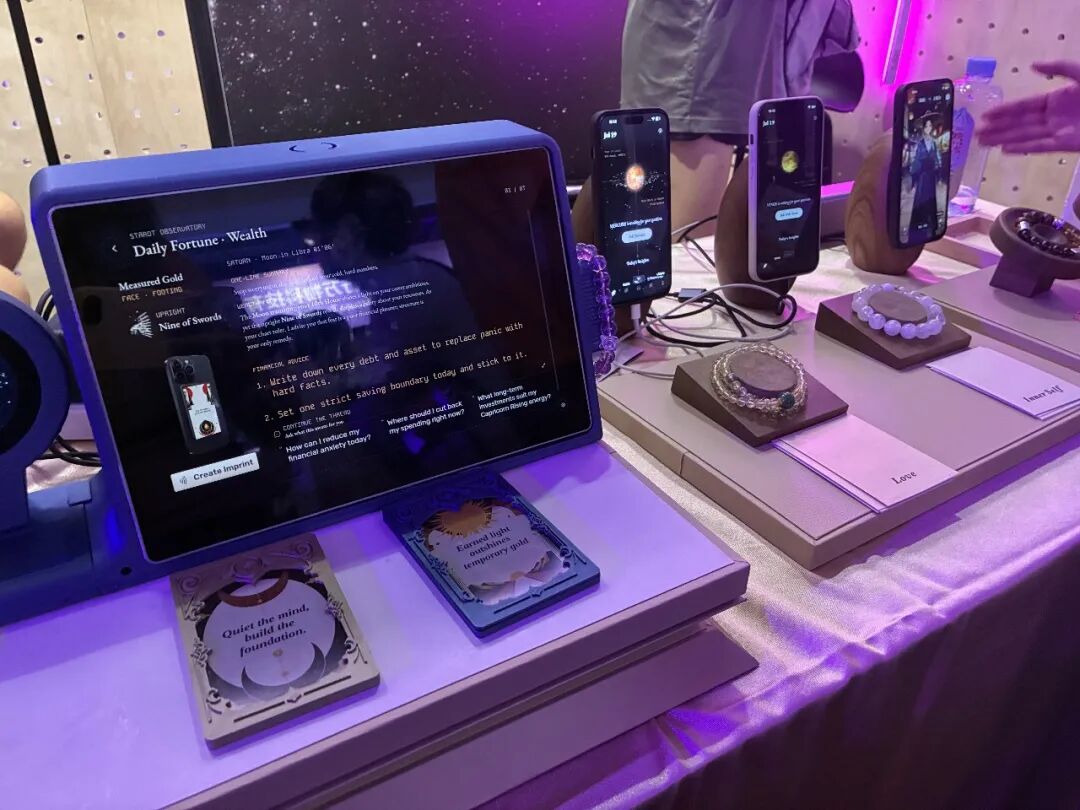
The new divination-themed hardware product from the Animism app

The Cyber Resurrection of Relationship Coaches
No matter what you used to do, wrapping your business in an AI shell seems to grant you a new period of user trust.
If you did not know the founder's background, just from the introduction, you would naturally assume this is an AI product focused on female emotional companionship and healing.
But this exhibition area is distinctly different from others: all the tour guides are tall, beautiful women with curvy figures, who are explaining the products while holding their phones to live stream simultaneously. On the left side of the exhibition area, there are two laminated A4 sheets printed with WeChat QR codes for visitors to scan and add the official account. The photo props provided for visitors to take check-in photos are printed with cartoon male characters, labeled with descriptions like "mentor man," "dominant man," and "business man."
In the middle of the exhibition area stands a woman in a white sequined dress with a large butterfly design on the chest. She is frequently recognized by visitors, who say, "I never expected to see you here," and step forward to ask for photos and autographs.
This woman surrounded by fans has a far more well-known online alias — "Ququ Big Woman."
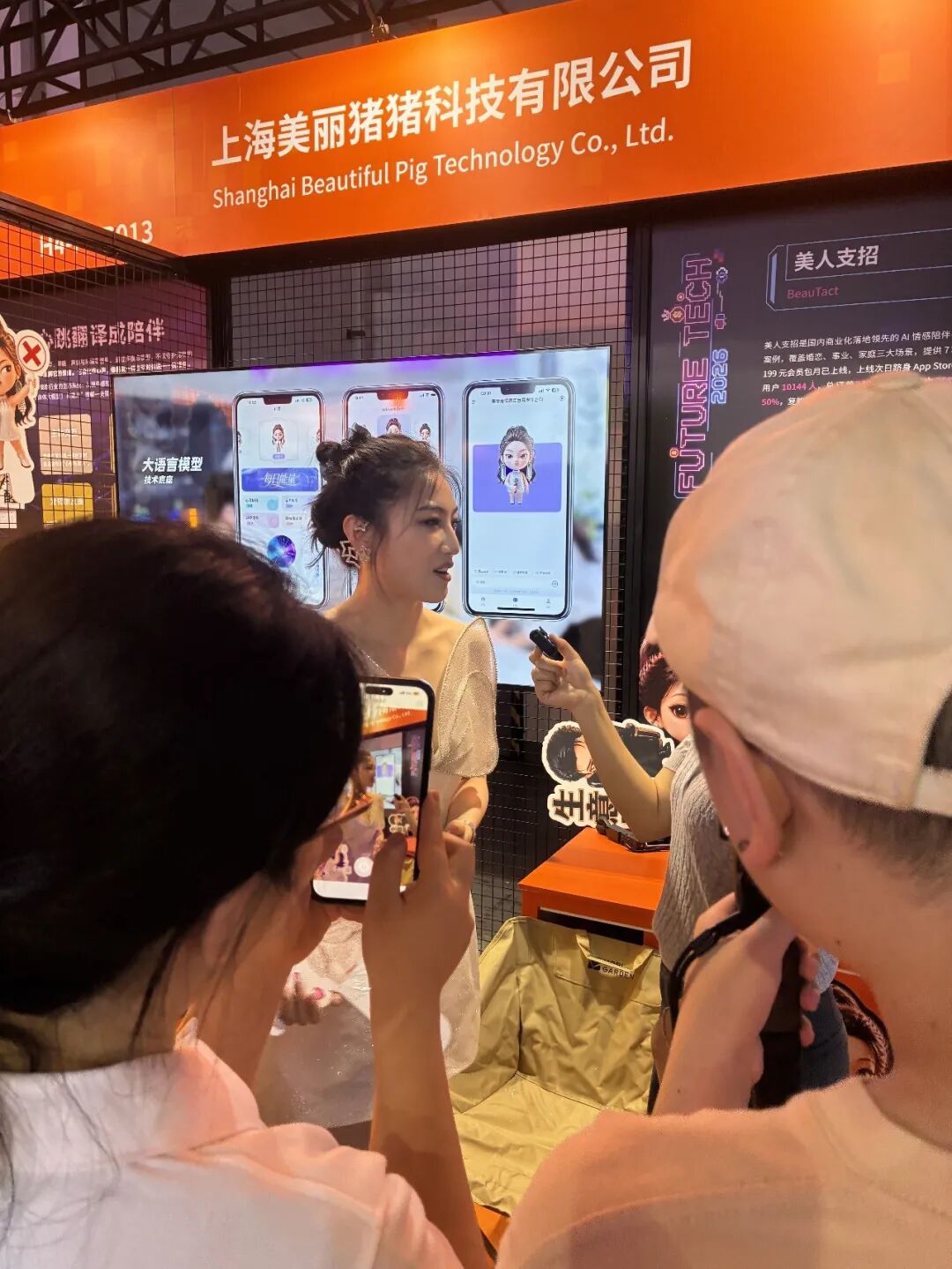
Ququ being interviewed by a crowd of visitors
In 2023, she was banned across multiple platforms for "repeatedly promoting harmful relationship views to gain attention, selling paid courses for personal profit, and spreading misaligned value orientations." Before being