Why are sneakers increasingly becoming the go-to footwear for urban commuting?
From the early-morning subway rides and CBD business districts to the conference rooms in office buildings, the daily wear rate of professional athletic shoes is far exceeding their usage in dedicated sports scenarios.
The new wading shoes recommended by fitness bloggers have become the go-to commuting footwear for office workers the very next day; the hardcore trail running shoes released as a brand debut may appear in the crowded Mount Tai scenic area; and the high-tech carbon-plate running shoes are more likely to become part of urban fashion outfits beyond the running track.
In other words, originally niche professional athletic shoes are increasingly favored by the general public who do not love sports.
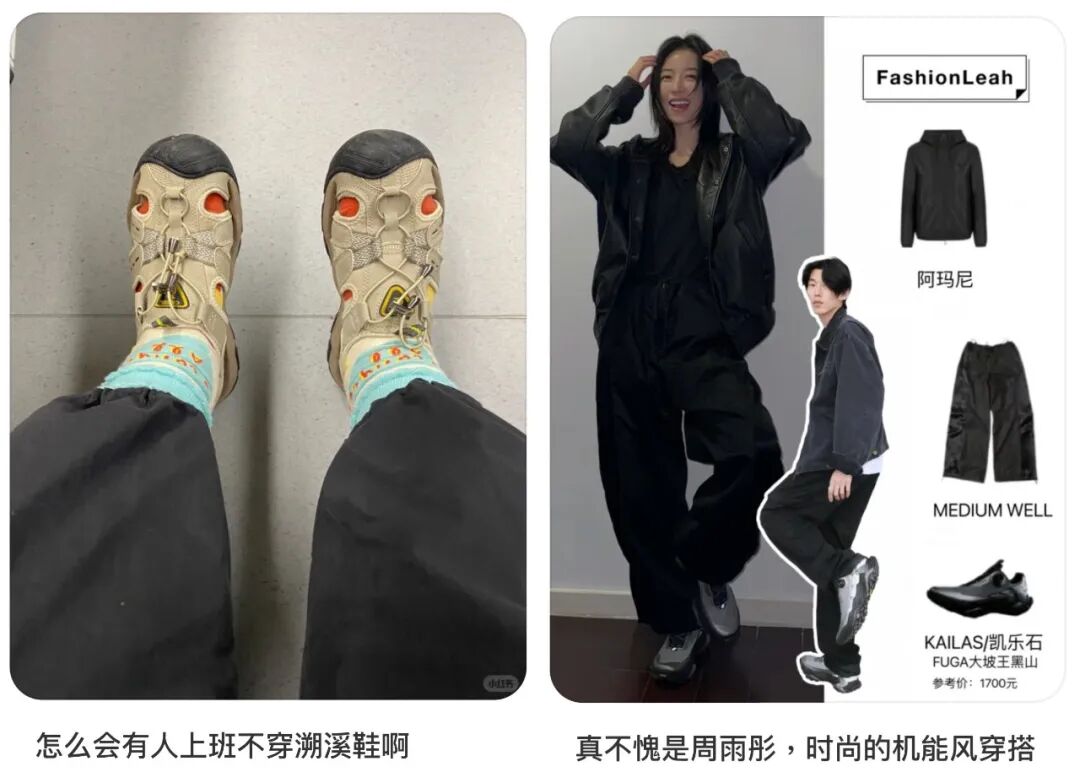
Compared with the limited number of core consumers, the choices of the mass consumer group are also becoming an important driving force for niche brands to achieve a turnaround.
From 2020 to 2025, HOKA recorded double-digit annual sales growth for five consecutive years; On Running's 2025 financial report showed that its performance in Greater China nearly doubled, while the latest financial reports of Amer Sports' Arc'teryx and Salomon still maintained a growth rate of over 30%.
At the same time, more and more niche sports brands are beginning to move out of multi-brand stores, and even directly enter the core floors of shopping malls to replace the positions originally occupied by luxury brands. Taking On Running as an example, it is expected to have more than 100 stores in China by 2026.
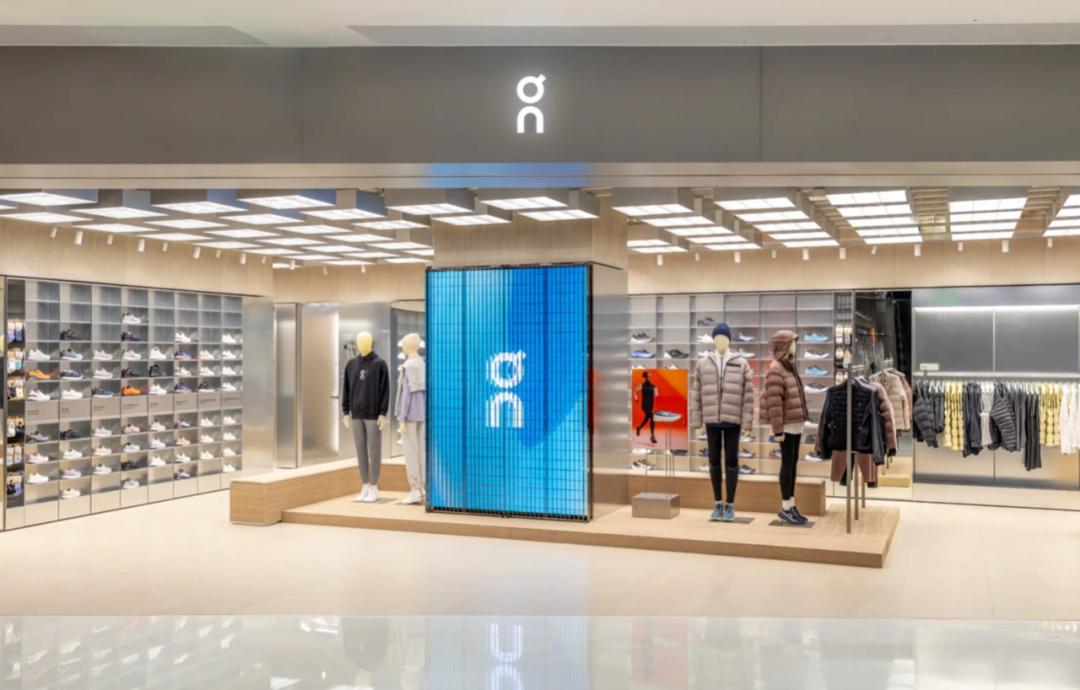
Niche athletic shoes are rapidly becoming a popular choice for the public. As the vanguard that reflects the changes in current lifestyles, footwear is also facing unprecedented challenges.
On one hand, it needs to rely on professional performance to enhance the wearing experience and meet the cross-scenario wearing needs of mass consumers; on the other hand, innovative development in appearance and the storytelling of sports culture also determine the brand's tonality and long-term survival issues.
For mass consumers, athletic shoes have always been a symbol of a healthy lifestyle; for brands, athletic shoes represent the growth hope to open up the market. In this sense, the fact that more and more people who do not love sports prefer athletic shoes may not be a bad thing.
01
People Who Don't Love Sports
Embrace Relaxed Style With Athletic Shoes
Materials, technology, and foot feel — for a pair of newly "debuted" athletic shoes, their professional product performance often draws much attention.
HOKA, a rising star in the outdoor industry, emphasizes the product's "ultra-thick midsole, shock absorption and rebound"; Salomon highlights the outdoor performance of hiking shoes for "moisture absorption, sweat wicking, and flexible grip"; On Running emphasizes its exclusive CloudTech cushioning technology and hollow modular midsole, which brings a unique foot feel during exercise.
For the core sports population, each pair of professional athletic shoes has its specific application scenario; but in the eyes of more "pan-sports people" who do not love sports, professional athletic shoes mean the possibility of wearing them in a more relaxed way across more scenarios.
Ajie, who recently bought a pair of HOKA second-generation wading shoes, told GymSquare that he actually has no hobby of wading in streams, and he never steps into water with this pair of shoes — he only wears them for commuting.
"Wearing wading shoes, the subway wind blows through the gaps between my toes, which is incredibly comfortable."
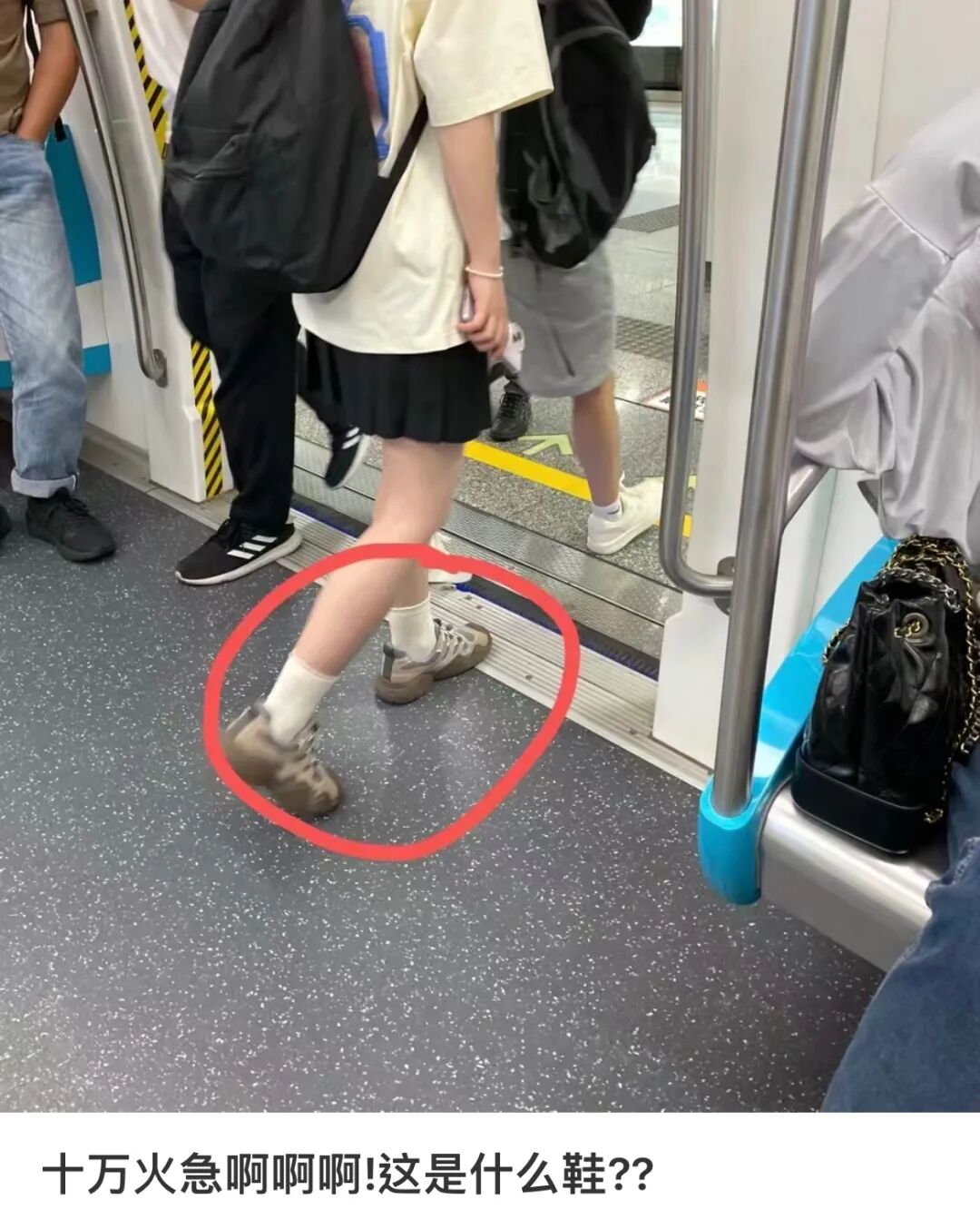
On the commuting road, wading shoes or hiking shoes are definitely the top choices
Similarly, Lily, who stays in the office on weekdays and stays at home on weekends, wears a pair of On Running most frequently in her daily life, just to complete her "mountain-style outfit" in the office: sunglasses + cargo umbrella pants + lightweight backpack + athletic shoes.
Thanks to the versatile appearance of the shoes and the sense of relaxation they create, On Running is called the "standard outfit for the Shanghai middle class" by netizens, and there are quite a few other athletic shoes on this list.
Salomon Speedcross, known for its grip and durability, is favored by more people for its sleek appearance — "it would be a waste to wear it in the mountains, and it's just perfect for street photography"; the popular GTX model fully highlights futurism and functional style, allowing people to explore more styling fun beyond sports.
Wearing HOKA gives you 5cm of height increase without pain, and wearing KAILASH allows you to walk 20,000 steps at Disney while still taking great photos. It has become an unspoken trend that people who don't love sports prefer professional athletic shoes.
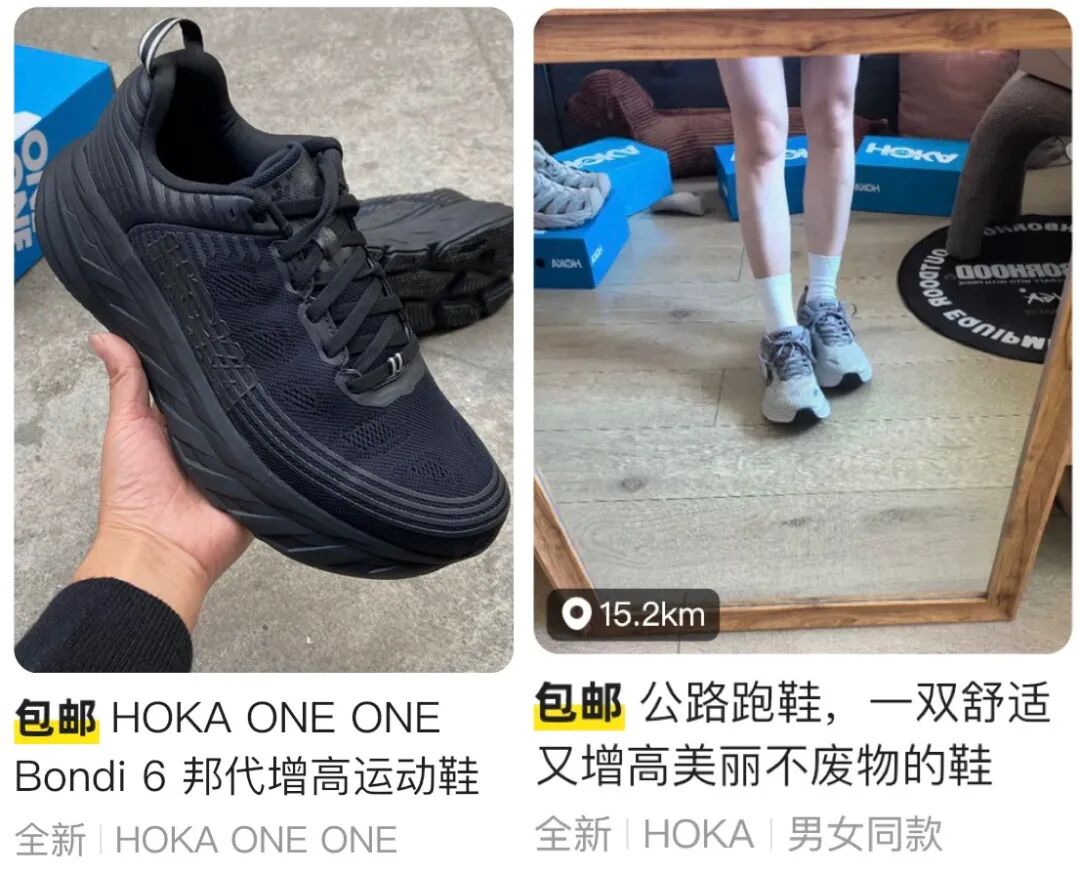
On domestic second-hand platforms, adding the "height-increasing" description to HOKA helps the shoes sell better
At the same time, the public's purchasing preferences are also subtly influencing the sales strategies of sports products.
In the live-streaming rooms of many professional athletic shoes, although the hosts' explanations take into account professional attributes such as upper technology, outsole performance, and wearing experience, higher priority is given to multi-angle styling suggestions — professional athletic shoes that "can be worn for running, working, walking, and traveling" often rank higher in sales.
Athletic footwear brands are trying every means to increase the technological content of their products, but mass consumers' reasons for buying are taking an unexpected turn — is all this effort in vain?
02
Not Doing Sports
Why Do People Still Love Wearing Athletic Shoes
Athletic shoes that focus on performance have become commuting footwear, styling items, and height-increasing tools for the pan-sports population, behind which lies the tremendous changes in people's lifestyles in recent years.
One of the reasons is that the dress code in modern workplaces has become more relaxed. As GymSquare observed in a previous article, more people are wearing athletic shoes, while fewer people are wearing high heels and leather shoes. According to the survey of "Workplace Dress Code Observation 2024", compared with the strict hierarchical corporate dress codes in the past, currently only 40% of enterprises still have strict dress codes for their employees, and most respondents said that workplace outfits are mainly simple and comfortable.
"High heels can only be worn for a morning, but athletic shoes can be worn all the time."
People no longer sacrifice comfort for decency, and athletic shoes with comfortable performance, low-key design and unique style allow office workers to have both.

As business socialization fades and sports socialization rises, footwear has also become an invisible social business card for people in urban life.
Just like the unspoken social rule of "judging people by their shoes" in the basketball community, limited-edition and vintage shoes are often a symbol of wealth and taste. The sports culture carried by niche athletic shoes of different brands effortlessly gives the wearer a sense of belonging.
Wearing HOKA daily without doing trail running, inadvertently showing the yellow Vibram logo, easily establishes a personal setting of being able to hike 50km; wearing On Running shoes under formal workwear without running not only looks perfectly natural but also earns you praise for your great taste.
Worn-out and dirty athletic shoes do not mean unhygienic, they even casually create an atmosphere of a wild survivor for the wearer.
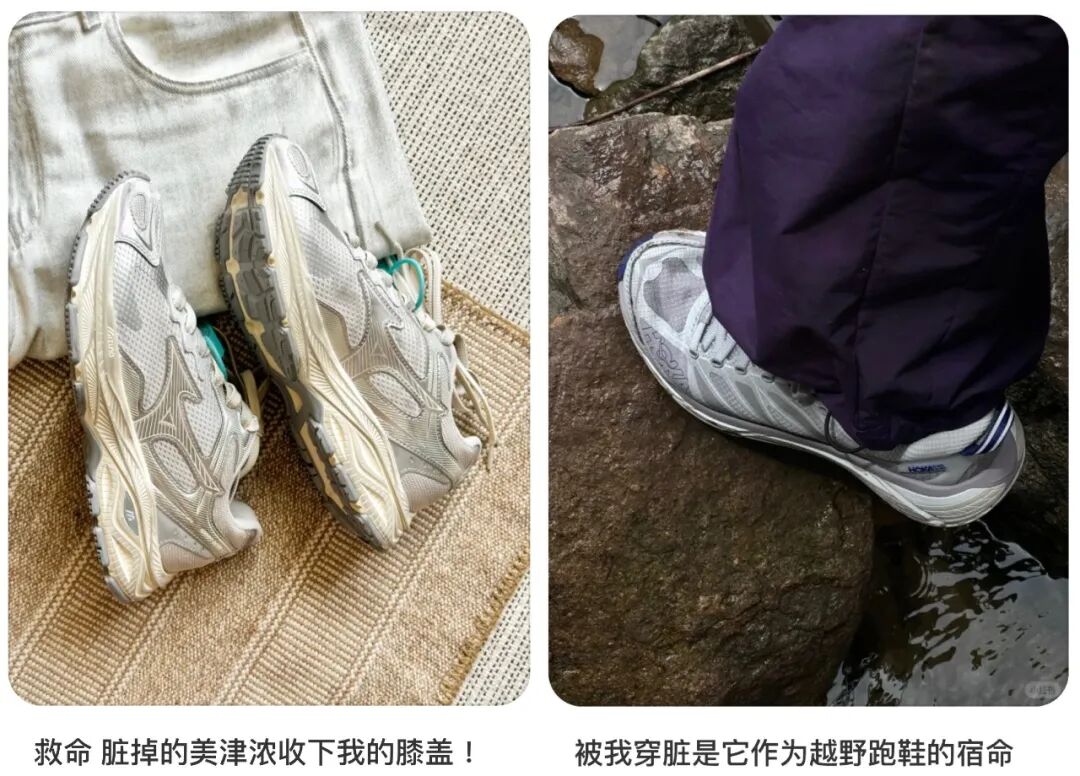
As "athletic shoes" are gradually decoupled from "sports", people who do not love sports have transcended the snobbery and found the relaxed feeling of dressing as they like.
Ten years ago, wearing only athletic shoes when going out was seen as giving up on fashion, but now it's the opposite — young people who wear athletic shoes when going out have fully mastered the sense of fashion.
And the constantly updated and segmented niche athletic shoe models are also expanding the list of equipment for people's dressing choices, allowing more people to find footwear options that are closer to their real inner needs, beyond the leather shoes and high heels required by social norms.

Although people who wear athletic shoes nowadays are not necessarily keen on a certain sport, maintaining the yearning for a healthy lifestyle is still the inner thought of many people.
"Although I don't do sports, as long as I put on athletic shoes, it's like seeing another version of myself who can hike in the mountains and swim in the sea in the future."
03
Niche Athletic Shoes
Rapidly Becoming a Popular Favorite
Footwear is often the vanguard of changes in lifestyle.
In the 1980s, the aerobics craze swept the United States, leading to the rise of Reebok. Reebok Freestyle even became a social currency for women, leading the "athleisure" fashion trend back then.
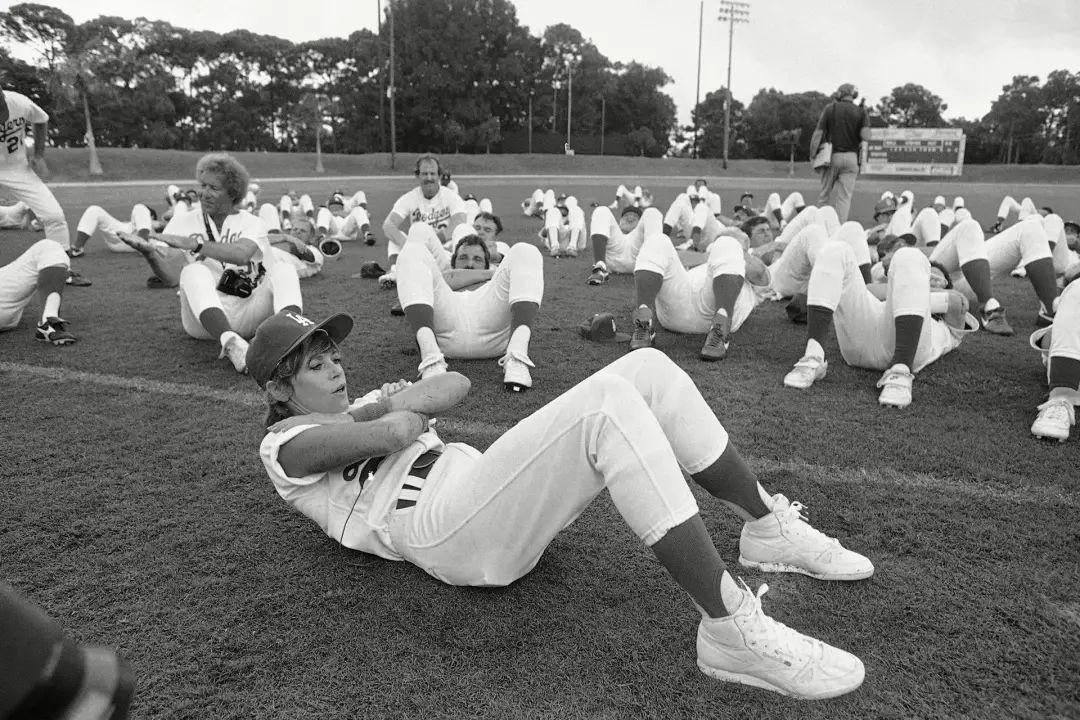
Looking back at China, lululemon, born out of yoga, has also launched cross-training shoes. While meeting functional needs, its low-saturation color design and comfortable foot feel provide more people with cross-scenario wearing experiences.
At the moment, whether it's trail running shoes, tennis shoes, or racing running shoes, the reason why niche athletic shoes are quickly accepted by people is undoubtedly that the rise of niche outdoor sports has acted as an accelerator.
Data from Xiaohongshu shows that in the past year, running-related searches on social platforms have increased by 50% year-on-year, and the search volume related to "outdoor activities, urban travel" ranks among the top two in category growth. The storytelling of niche sports brands about sports such as trail running, tennis, and hiking undoubtedly outlines a vibrant and diverse life picture for people.
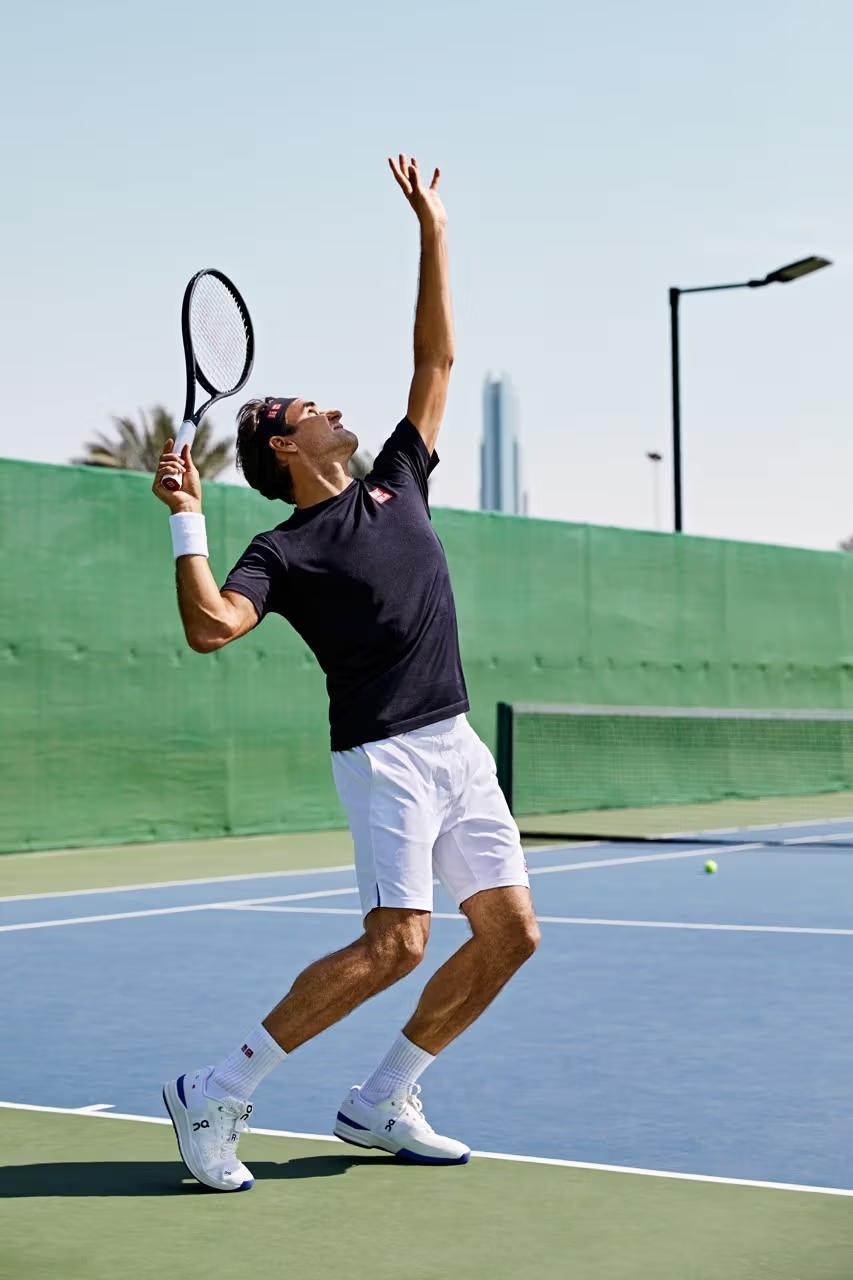
Providing the best sports equipment for the core sports group, while helping the pan-sports population to continuously expand their comfort zones, is becoming a common topic for current sports brands.
Therefore, on one hand, HOKA has launched trail carbon-plate running shoes to update the equipment library for competitive runners; on the other hand, Salomon has launched the Speedcross 3 reissue, which continues the classic "lava" color scheme while introducing 6 other color schemes to re-enter the fashion circle.
In the face of fads that will eventually pass, the professional performance of athletic shoes remains fundamental. On this basis, brands use diverse products to help people complete their emotional connections with life and nature.
This article is from WeChat official account "GymSquare" (ID: GymSquare), written by Jting, and authorized for release by 36Kr.