China's top boxing champion lost 200 million yuan in 7 years
How long does it take to burn through hundreds of millions of wealth?
In the movie Hello Mr. Billionaire, the character Wang Duoyu tried all kinds of absurd methods to spend 1 billion yuan, but still failed to complete this almost impossible challenge.
But in the real world, squandering hundreds of millions of family fortune is far easier than in the movies.
Recently, former Olympic champion and world boxing champion Zou Shiming and his wife Ran Yingying publicly talked about their family's financial situation on a variety show:
In the seven years after retirement, the couple ventured into cross-border entrepreneurship and invested in multiple projects, accumulating a loss of over 200 million yuan. They not only sold their real estate to pay off debts, but also once fell into a capital chain crisis.

The champion family, who once stood at the top of the world, now has to start all over again.
Two million 100-yuan banknotes spread out cover an area equivalent to 3.3 standard football fields. If deposited in a bank to earn interest, they could live a comfortable life without worrying about food and clothing.
What on earth did Zou Shiming and his wife do to evaporate so much property at a speed like a banknote shredder?
01
The Second Half of the Champion Boxer's Life
If you do a street interview and ask passers-by who the most successful athlete in Chinese boxing history is, I'm afraid 99% of people will blurt out the same name:
Zou Shiming.
It's not that Zou Shiming's historical status is completely undisputed, but for ordinary people, Zou Shiming is almost synonymous with Chinese boxing, because most people can't name a second boxer.
In 2017, Zou Shiming lost his title defense match to Kimura Shō, then faded out of the professional boxing ring and began to shift his focus to business. Around 2018, the couple built the "Zou Shiming Boxing and Fitness Center" in Shanghai, which was one of the largest boxing complexes in China at that time.
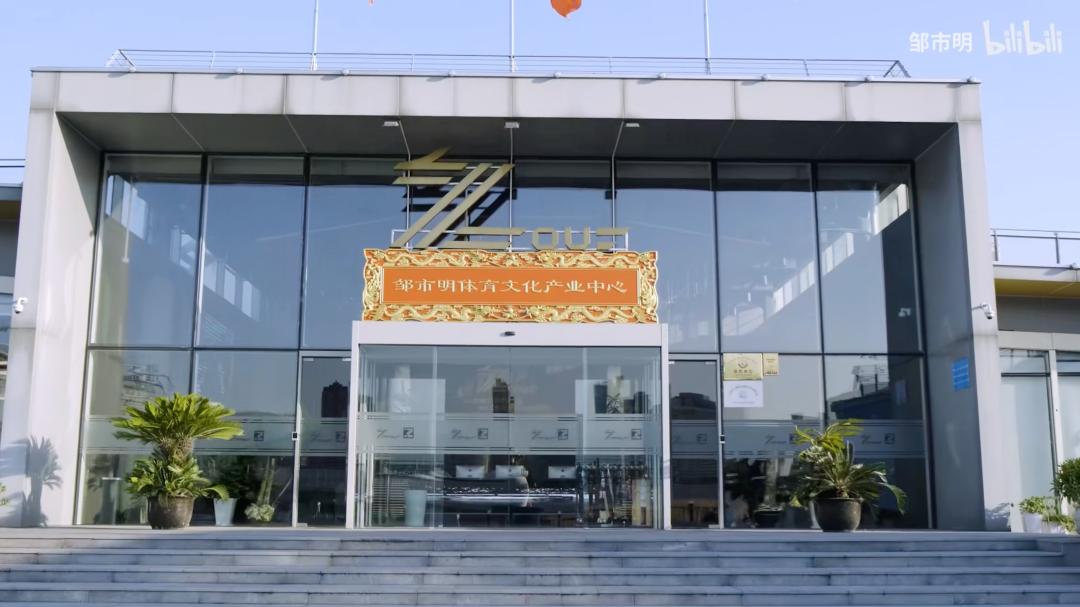
There is no more logical business than a world boxing champion opening a boxing gym. His professionalism is beyond doubt, and the influence of his personal brand is also there. It was a completely perfect start. But anyone who actually walked into Zou Shiming's boxing gym would have the same question:
Is this really a boxing gym that is meant to make money?
Zou Shiming and his wife did put a lot of effort into the boxing gym.
The boxing gym was located in the core area by the Huangpu River in Shanghai, covering an area of 18,000 square meters, equivalent to two and a half standard football fields.
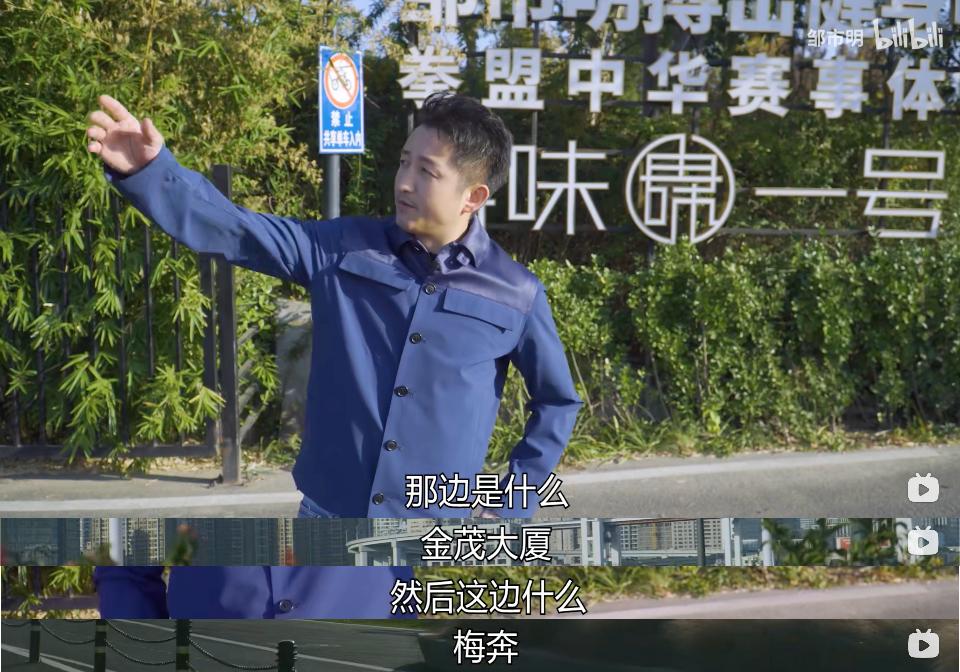
The hardware and software facilities were also extravagantly luxurious, with each treadmill costing 200,000 yuan;
The coaching team was world-class, the front desk decoration was inspired by the four great classical novels, and even the crystal chandelier in the hall cost 3 million yuan.
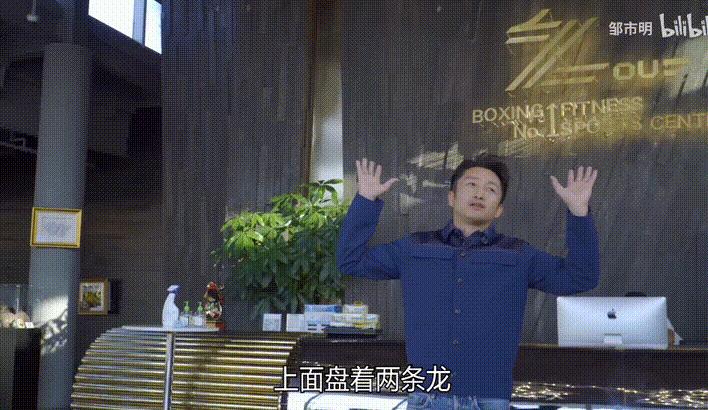
Take a 360-degree turn around
With such a large area and prime location, the annual rent of the boxing gym alone was 50 million yuan, which means 140,000 yuan was burned on rent every day.
So how to earn this money back? Zou Shiming's answer was:
The annual membership card was priced from 38,000 to 88,000 yuan, and a private training class cost 500 to 880 yuan per session.
This price is more than five times higher than the average price of gyms in the Shanghai market.
What's terrifying is that even at this charging standard, at least 800 stable paying annual members are needed to cover the rent. Apart from real elite athletes, how many people are willing to spend so much money on a membership card?
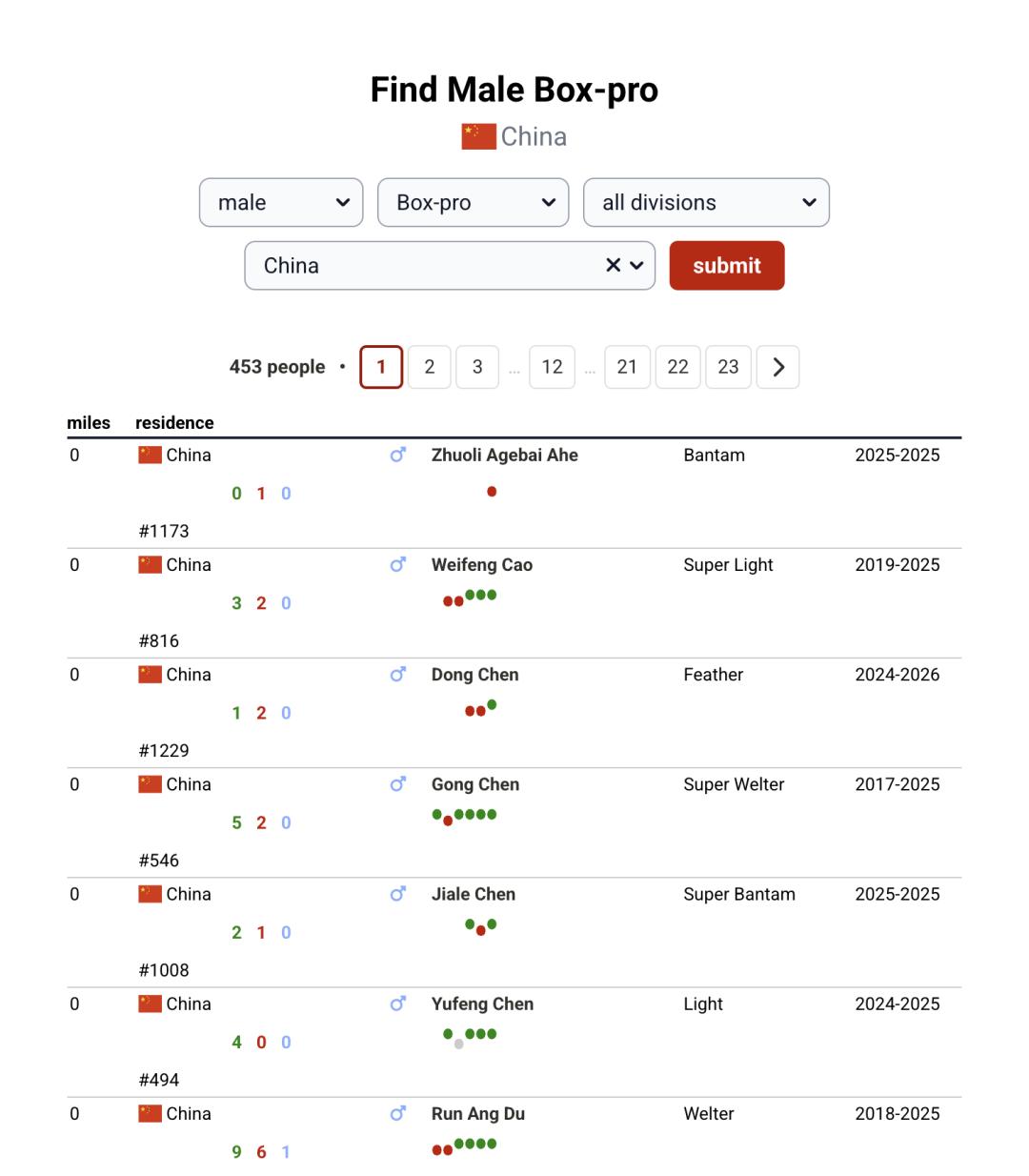
According to data from the international professional boxing database BoxRec, there are only over 400 registered active boxers in China, half of the number in the Philippines and a quarter of that in Vietnam.
Around the same time as Zou Shiming, UFC also moved its Asia-Pacific headquarters to Shanghai, building the world's largest dedicated MMA training and development center there.
This venue, which gathers top world-class MMA athletes from the Asia-Pacific region, is equipped with advanced equipment and facilities, provides spaces for training, rehabilitation and fighting competitions, and its layout includes a spectator area, office area, and an octagonal display space for media broadcasting and shooting...
It covers an area of about 8,600 square meters, less than half the size of Zou Shiming's boxing gym.
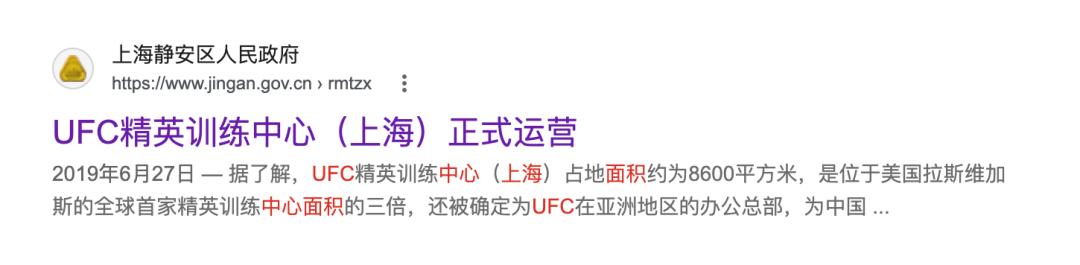
An ambitious project of a multinational sports giant even seemed a bit petty in front of Zou Shiming's gym. But this highly anticipated boxing gym not only failed to become a benchmark for Chinese boxing training, but also became the starting point that dragged down the entire business territory. From the construction of grand buildings and hosting lavish banquets to its final closure, it only took a few years.
It's certainly difficult to earn 200 million yuan, but losing 200 million yuan is not that easy either.
Anyone who has done multiple-choice questions knows that it takes a certain amount of skill to accurately avoid the correct answer for every single question.
It was already like this in their familiar field, and their cross-border operations were even more confusing.
In addition to the boxing gym, the couple have been associated with more than 20 companies one after another, with their business spreading to catering, e-sports, film and television, rushing into whatever trend was popular.
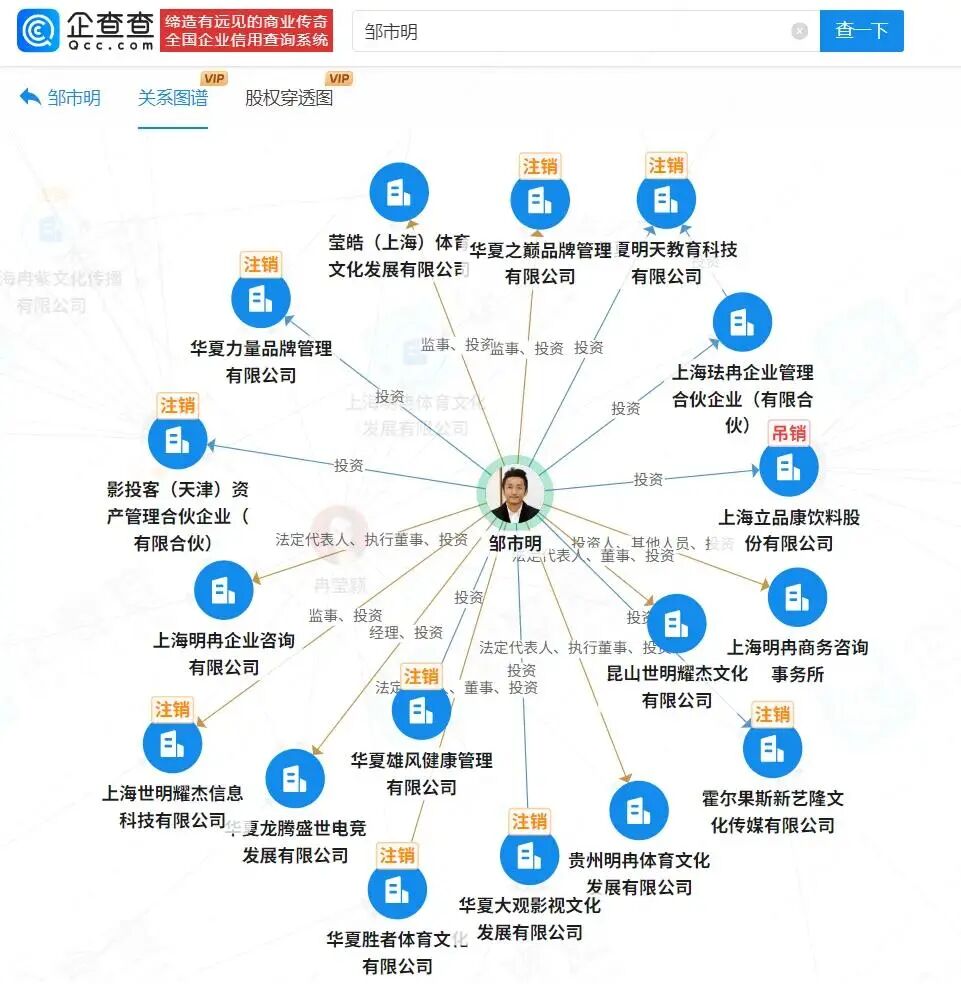
These industries seem different, but they all share a common feature:
Heavy assets, heavy operations, long payback periods, and extremely high requirements for cash flow.
Unfortunately, before one project could generate stable profits, they kept opening new fronts and pouring more and more funds into new attempts.
Once a problem arose in the capital chain, it was easy to trigger a chain reaction and cause everything to collapse — and that's exactly what happened.
The real fatal blow came from their investments.
When their real businesses were losing money, the most important thing was to protect their cash flow. What did Zou Shiming and his wife do?
According to Ran Yingying, the couple invested about 80 million yuan in high-risk assets such as P2P and virtual currency, which was supposed to be the ballast for their family and business.
As a result, both investments hit the rocks almost at the same time.
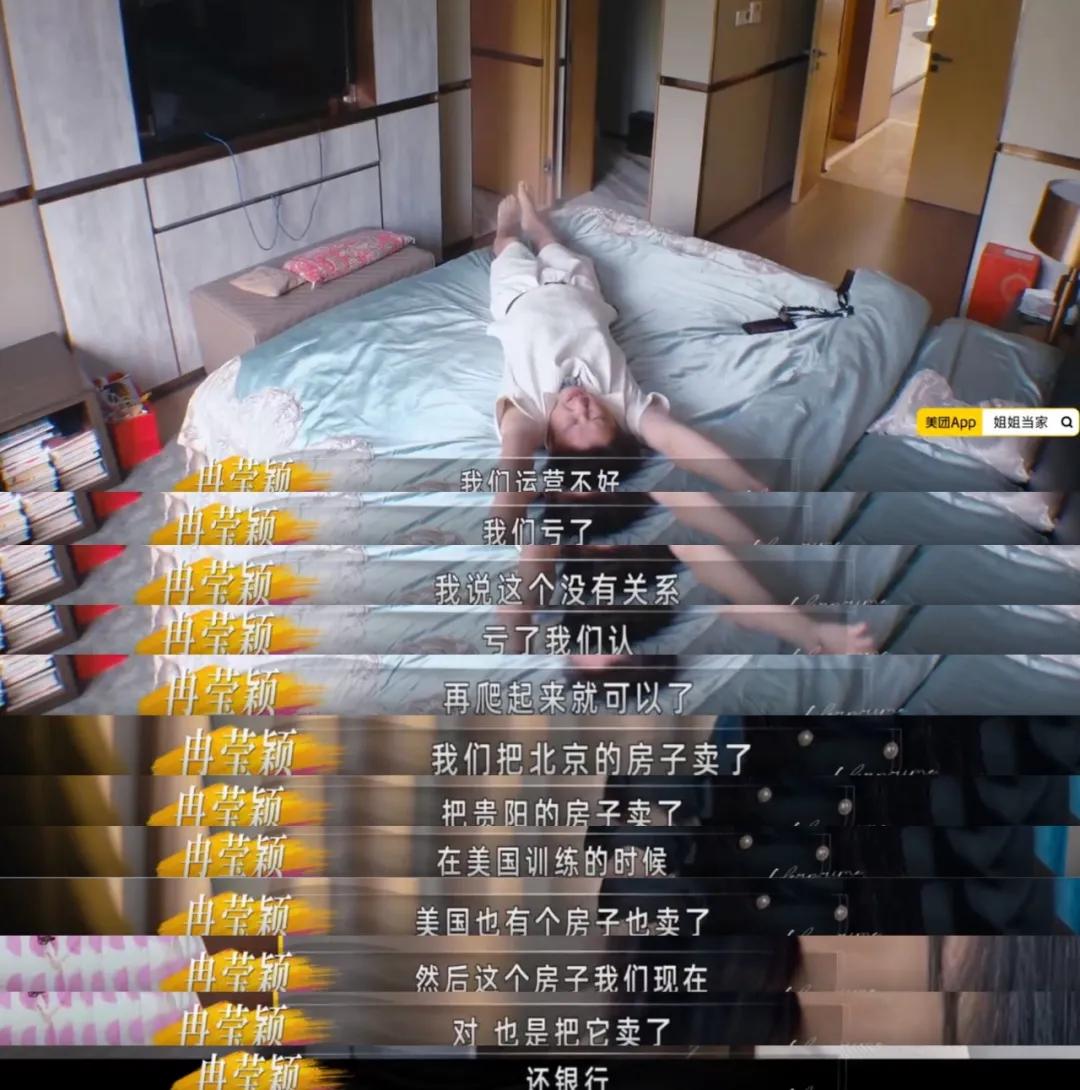
What's more dangerous is that they did not set up sufficient risk isolation between their family wealth and the company's operations, and the operational risks of the company were eventually transmitted to the entire family's assets.
Looking back, Zou Shiming and his wife almost stepped on all the most common mistakes that entrepreneurs make:
Heavy asset expansion, cross-border entrepreneurship, lack of cost control awareness, no risk isolation...
The good news is that Zou Shiming and his wife are slowly climbing out of the debt quagmire.
According to the latest episode of Sister in Charge 2, by the end of March this year, they had paid off loans from three banks, and their remaining bank debts were less than 20% of the previous total. They are currently mainly repaying loans from relatives and friends.
Compared with many sports stars who eventually went bankrupt, they at least still have a chance to start over.
From boxing legend Mike Tyson, to tennis star Andre Agassi, to NBA superstar Allen Iverson... After retirement, sports superstars always seem to pay an expensive tuition fee in the second arena of life.
02
Retirement, the Critical Line for Sports Stars
Zou Shiming's situation is already considered relatively good among sports stars.
The U.S. National Bureau of Economic Research once tracked hundreds of NFL players and found that about 15.7% of players would file for personal bankruptcy within 12 years of retirement, which is equivalent to 1 out of every 6 people.
A survey by Sports Illustrated showed that the actual situation may be even more severe.
Two years after retirement, about 78% of NFL players are already bankrupt or facing severe financial pressure;
Five years after NBA players retire, about 60% of them also face varying degrees of financial difficulties.
Sports is the best springboard for people from poor backgrounds to turn their lives around, and getting rich overnight is the norm. Newly wealthy people always attract attention, and a famous newly rich person is like a firefly in the dark night, destined to attract a large number of light-seeking creatures.
When you suddenly have a huge sum of money in your hands, a group of people will soon appear around you, teaching you how to spend that money.
Sports superstars who retire with substantial income from their careers are seen as IP with built-in traffic in the eyes of investors, as partners who have money but are not very busy in the eyes of entrepreneurs, and as mobile ATMs in the eyes of vampires.
Wealth never only brings opportunities, but also endless traps.
Some people spent all their fortune to support their entourage.
NBA superstar Allen Iverson is the most typical example.
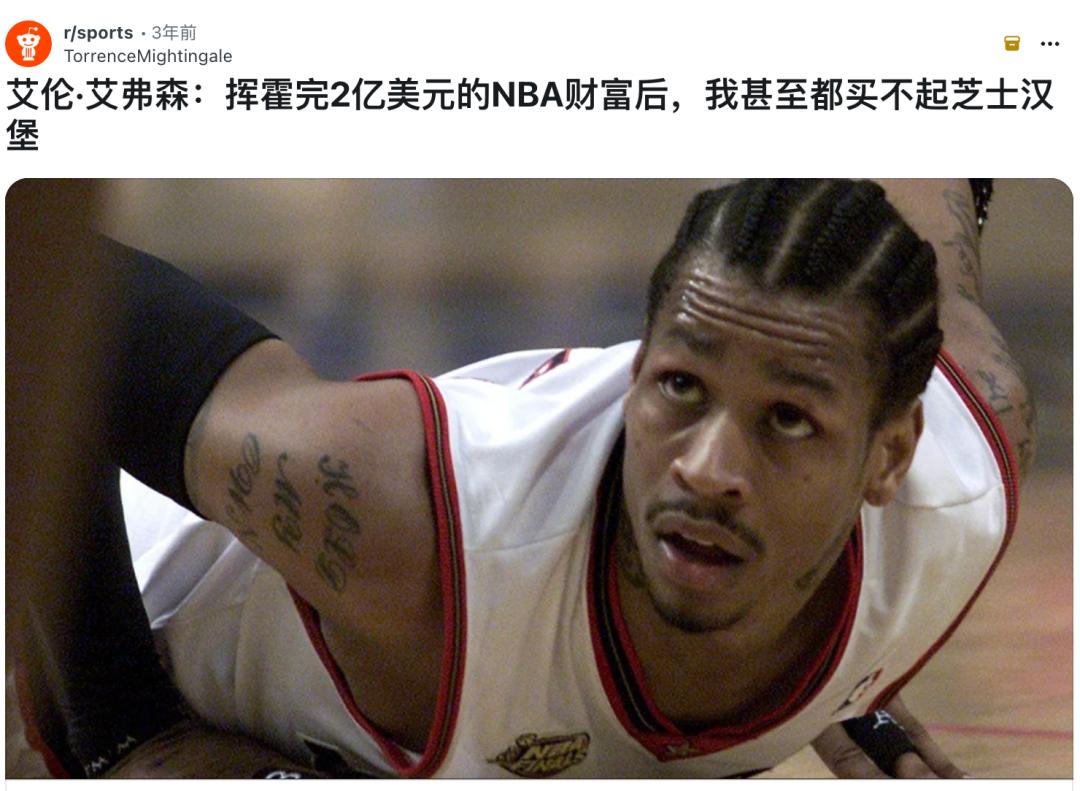
At his peak, Iverson was not only the MVP on the court, but also the street culture totem of the NBA. His total career salary plus commercial endorsements exceeded 250 million US dollars.
At his most glorious moment, he was constantly surrounded by a team of up to 50 people, most of whom were his buddies and relatives from his street days. He paid for all their luxury cars, luxury watches, first-class air tickets, and daily extravagant spending.
Spending money to show loyalty is an unsustainable game.
After Iverson retired and lost his high salary income, the days of living off his past wealth quickly led him to bankruptcy.
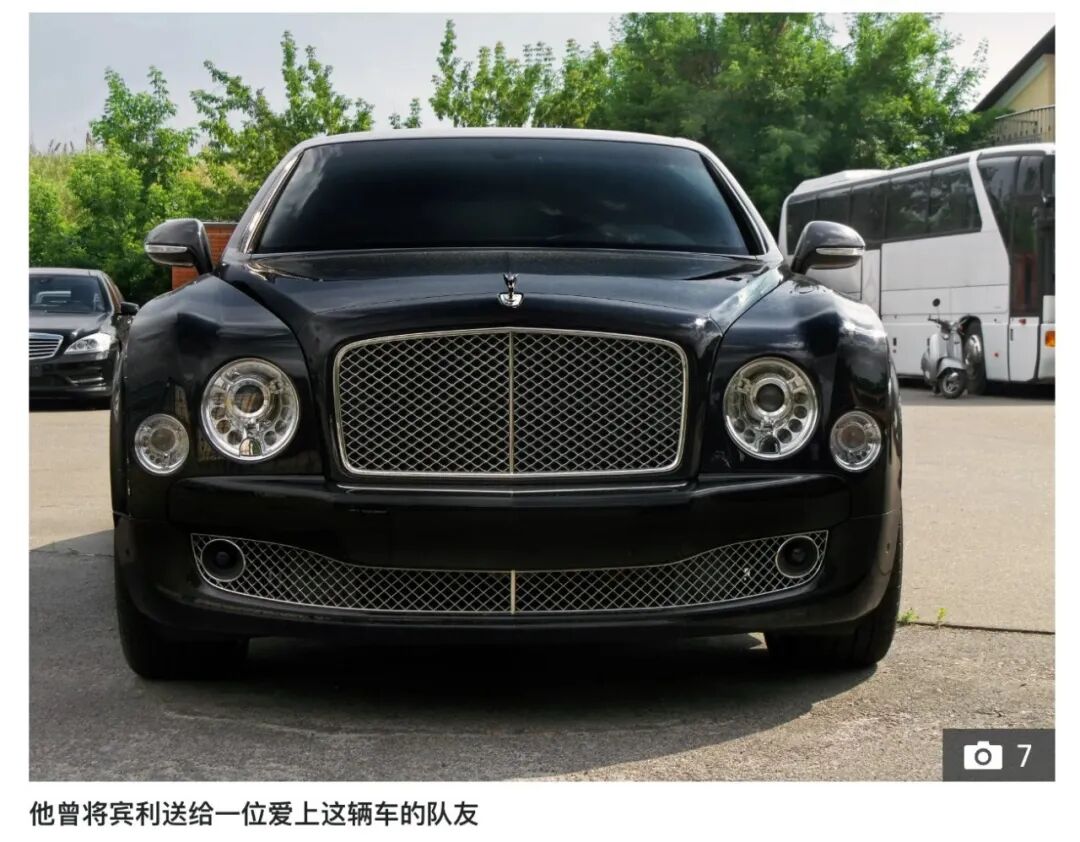
This is the famous "entourage trap" in the sports industry.
These vampires focus on playing the "gratitude" card. Many athletes, in order to maintain the perfect image of "not forgetting their roots after becoming famous", can only become an endless ATM machine.
Compared with spending money recklessly, another way that people around them suck their wealth is more hidden. They will come to them with all kinds of fancy business plans, asking to "give their buddies a hand".
Due to the lack of business training, many people blindly invest money in this way, and hand over the financial power of the company to amateur relatives and friends who have no management experience at all.
