Honor and Doubao lead the way: AI smartphones at WAIC are starting to take over tasks from you
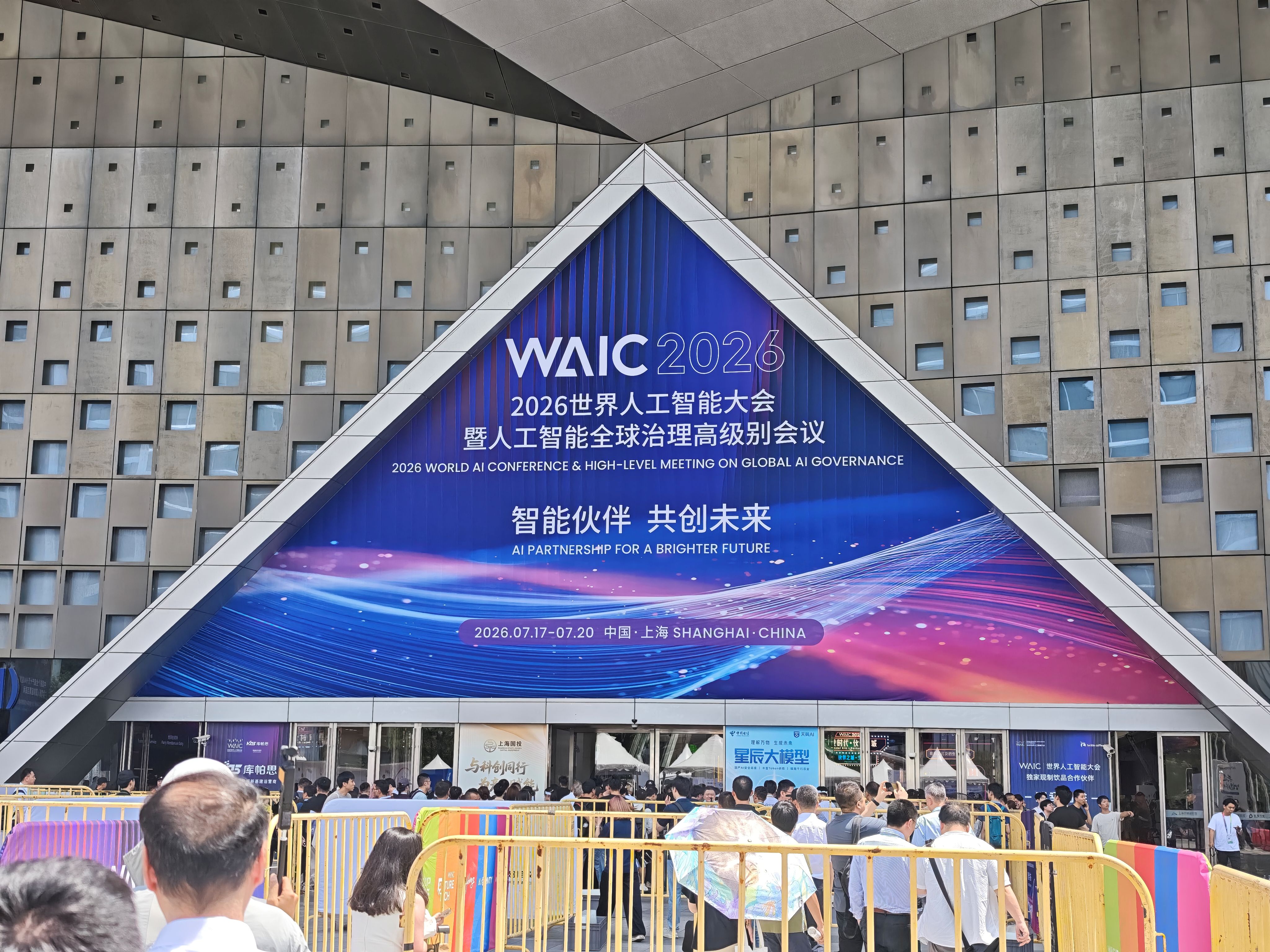
In sunny Shanghai, the WAIC 2026 event has entered its vibrant second day of operation.
This year's conference integrates the "three venues and four exhibition halls" spanning the Expo Site, Zhangjiang, and West Bund, gathering over 1,100 enterprises showcasing a full range of new products and cutting-edge technologies. Lei Technology has dispatched a reporting team led by senior editor @Zhongjia, who are conducting on-site coverage at the frontline.
(Image source: Lei Technology)
Across the entire exhibition, robots have stolen the spotlight the most — walking, performing martial arts moves, and serving coffee, drawing crowds of three layers of spectators with just a few casual motions. However, after the reporting team toured the exhibition halls, what truly made them stop in their tracks were several seemingly ordinary-looking smartphones from the front view.
Nubia has integrated the Doubao mobile assistant into its new NaviX Ultra device, StepStars is bringing STEPX Neo to WAIC for the first time, while Honor is preparing to enable its Robot Phone to automatically rotate, track users, and follow shots; outside the exhibition halls, OPPO's XiaoBu has already been connected to Alipay's A-Bao, and WeChat is reportedly advancing similar collaborations with multiple smartphone manufacturers.
Watching the phones actively operate on screen, I suddenly realized that manufacturers are no longer satisfied with treating AI merely as a tool.
They want Agents to become the core protagonists of the next-generation smartphones.
Agents Emerging as the New Trend for AI-Powered Smartphones
Over the past two years, AI smartphones have essentially remained as "smartphones with added AI features".
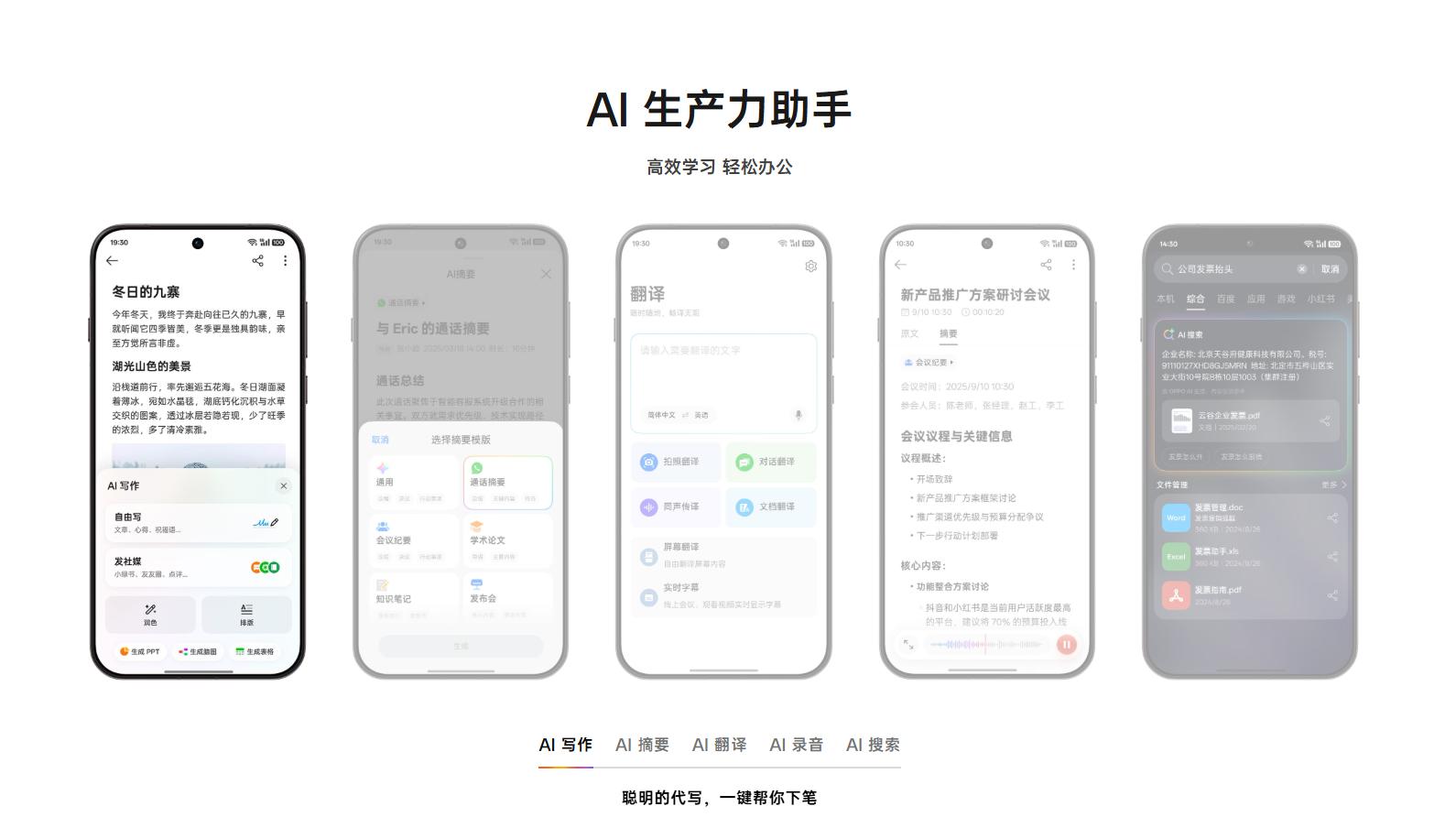
The photo album app handles image editing, the voice recorder generates meeting summaries, and the notes app assists with writing, with each function clearly segmented. The problem is that these capabilities can easily be replaced by independent apps such as Doubao and Tongyi Qianwen. The copywriting assistant that manufacturers spent half a year developing often turns out to be less user-friendly than a third-party alternative app.
More critically, these features have not truly transformed how we use our smartphones. AI can chat with you about everything under the sun and help draft a travel itinerary, but the tedious tasks of checking train tickets, searching for hotels, and filling out forms still ultimately require manual operation by users themselves.
(Image source: OPPO)
Manufacturers did attempt to let AI handle these tasks independently in the past, but at that time, on-device models were not sufficiently stable in task planning and tool invocation. Sending requests containing users' personal information to the cloud also raised significant security concerns, forcing them to put these efforts on hold temporarily.
Today, with seven on-device generative AI services for smartphones — Apple Intelligence, Huawei Xiaoyi, OPPO AndesGPT, vivo BlueHeart, Xiaomi Surge AI, Samsung Galaxy AI, and Nubia Doubao Large Model — completing official regulatory filings, on-device large models for smartphones have formally transitioned from a press-concept stage to compliant, practical deployment.
After completing regulatory filings, manufacturers immediately began competing on their respective Agent capabilities.
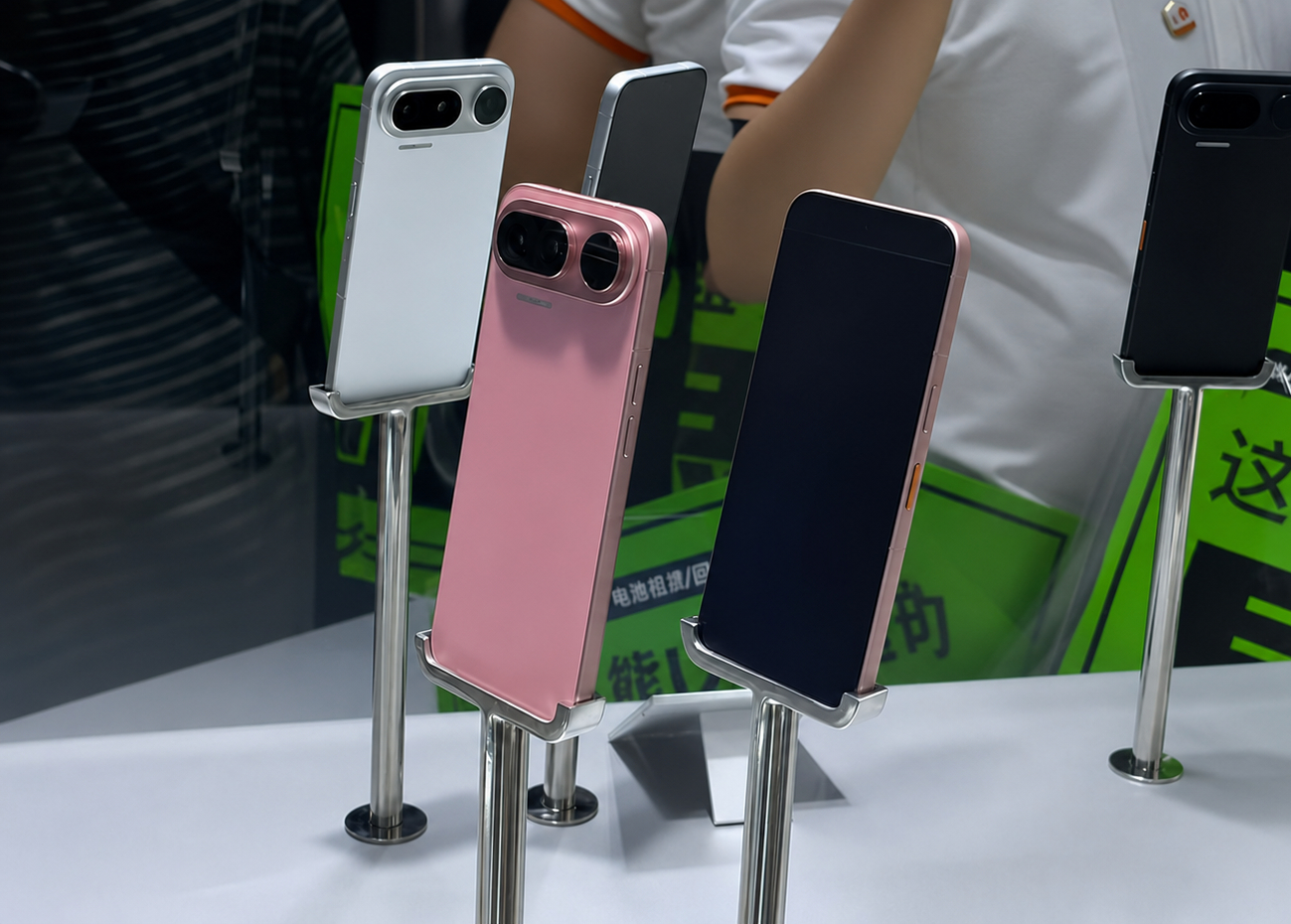
This point is vividly demonstrated in the "world's first Agent smartphone" jointly launched by Nubia and Doubao — the Nubia NaviX Ultra (second-generation Doubao phone).
Different from the previous M153 model, the new Nubia NaviX Ultra adopts a minimalist design philosophy. It is available in four rear cover colors: black, pink, silver, and blue, all printed with the lowercase "nubia" logo. An independent orange physical AI shortcut key is positioned on the right side of the device. Except for the blue variant, the frames and camera modules of the other three colorways match the body color, significantly enhancing the overall aesthetic appeal.
(Image source: Lei Technology)
As for the core selling point, it is widely known to all: the Doubao Mobile Assistant.
The Nubia M153 technical preview released last year already demonstrated how an Agent can perceive screen content, simulate taps, and perform cross-app operations. However, that product was more akin to an engineering prototype used to prove technical feasibility, with no pre-launch marketing, no official launch event, and even sparked a series of controversies due to its overly forward-looking design concept.
This year, Doubao and Nubia are finally bringing these capabilities to mass-produced consumer devices, shifting their focus from "AI can operate a smartphone" to "whether it can reliably and consistently complete tasks on behalf of users over the long term".
As Nubia President Ni Fei noted, rather than continuing to pile on more AI features, this new Agent smartphone aims to proactively complete tasks around user needs, reduce the need for users to frequently switch between different functions, and allow the device to take over many operations that previously required manual user input.
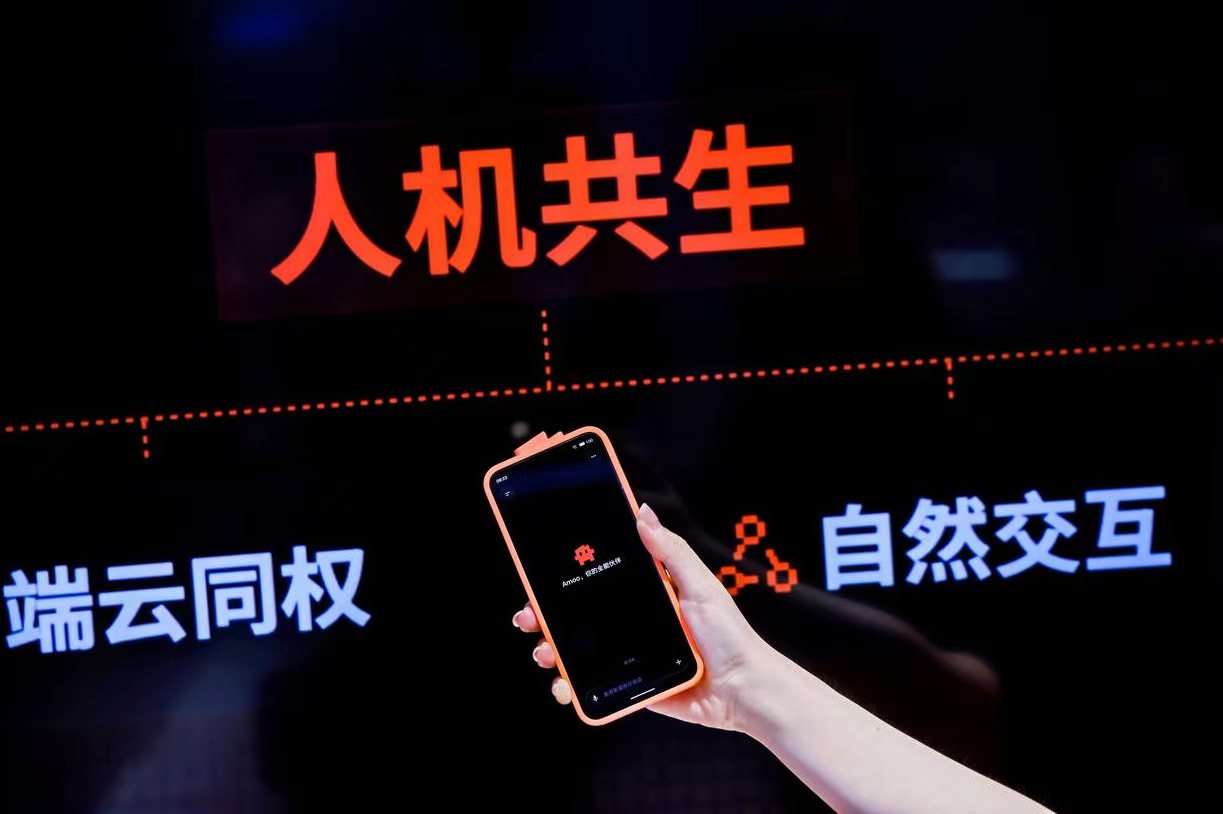
The STEPX Neo presented by StepStars also follows this exact design philosophy.
(Image source: StepStars)
Unlike conventional smartphones, this product positions the personal intelligent agent Amoo as its primary interaction entry point. Whether it is finding photos, setting schedules, or planning trips through system apps, or invoking third-party services such as Meituan, Trip.com, and Alipay, all these tasks can be handled by a single unified Agent.
Under the orchestration and scheduling of Amoo, users no longer need to categorize their requests as work-related, travel-related, or daily life services. They only need to state their intended goal, and Amoo will automatically determine which service to invoke to fulfill the request.
In my opinion, this is also one of the key reasons why smartphone manufacturers have recently begun emphasizing the importance of on-device large models.
Because Agents need to reside permanently in the system to continuously understand screen content, device status, and personal information, it is impractical to send every single action to the cloud and wait for a response. Processing simple tasks locally while offloading complex problems to the cloud not only improves response speed but also prevents users' photos, schedules, and files from being unnecessarily transmitted repeatedly across different servers.
Of course, being able to perform tasks and performing them reliably are two entirely different matters.
Successfully completing a dozen consecutive steps during a demonstration may not be particularly challenging. The real test that these Agent smartphones must pass in the near future is whether they can continue operating smoothly when encountering unexpected pop-up windows, network fluctuations, or last-minute changes to user requirements in daily usage scenarios.
Smartphones Proactively Perceiving the Surrounding World
Traditional smartphone assistants have a distinct flaw: they remain largely inactive unless explicitly prompted by the user.
Even if you rush into an airport with luggage in hand, with location services tracking your position and your flight information stored in the calendar, the assistant will most likely remain quietly idle in your pocket, adhering strictly to a principle of non-interference.
The reason for this limitation is that previous smartphone AI systems primarily relied on text, voice, and screen content information, requiring explicit user input before they could process any task. To enable AI to proactively provide services, smartphones must acquire stronger environmental perception capabilities, transforming cameras, location sensors, microphones, and other sensors into the "eyes and ears" of the Agent.
At WAIC 2026, the scope of understanding for AI smartphones has finally expanded beyond the screen, evolving toward proactively identifying the real-world scenarios users are situated in.
The Honor Robot Phone showcased at this event serves as the most intuitive example of this advancement.
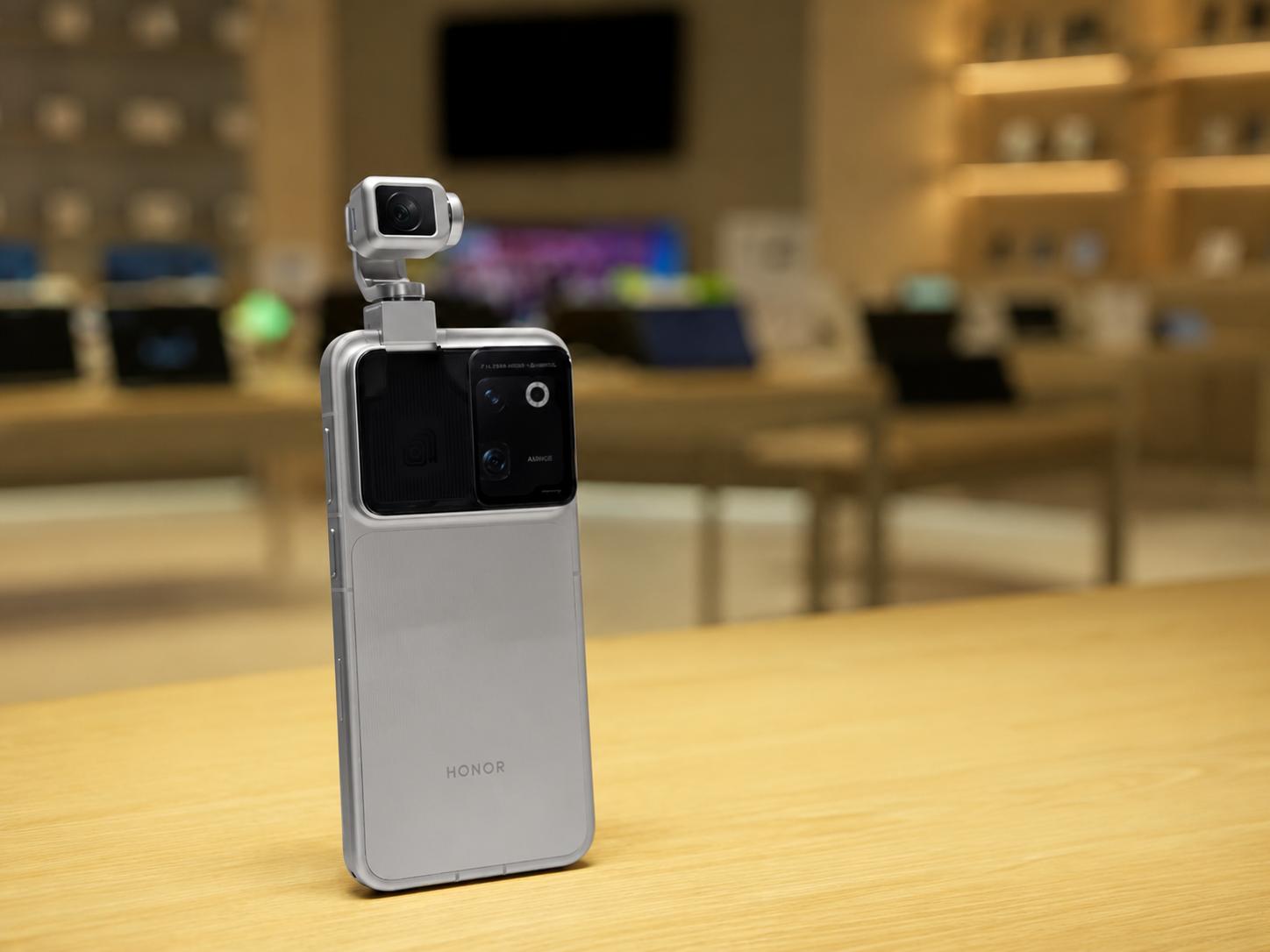
(Image source: Lei Technology)
In terms of specifications, the Honor Robot Phone is equipped with the 5th-generation Snapdragon 8 Elite chip, a 6.3-6.4-inch 1.5K equal-border flat display, 120W fast charging, and is available in two color options: Moonlight Gray and Star Trail Silver. Its camera system consists of a 200-megapixel F1.6 4D gimbal main camera, a 50-megapixel ultra-wide-angle lens, and a 200-megapixel periscope telephoto lens.
The core selling point of this device is self-evident: its unique dual-axis mechanical gimbal that can extend out of the device body and rotate freely, a design that is nearly unprecedented across the entire smartphone industry.
Traditional smartphone cameras can only face a fixed direction, requiring users to manually adjust framing and composition for every shot. The Robot Phone, by contrast, features a lens that extends out from the device body, enabling independent rotation, subject tracking, and even dynamic angle adjustments to maintain consistent tracking performance regardless of the movement of the shooting subject.
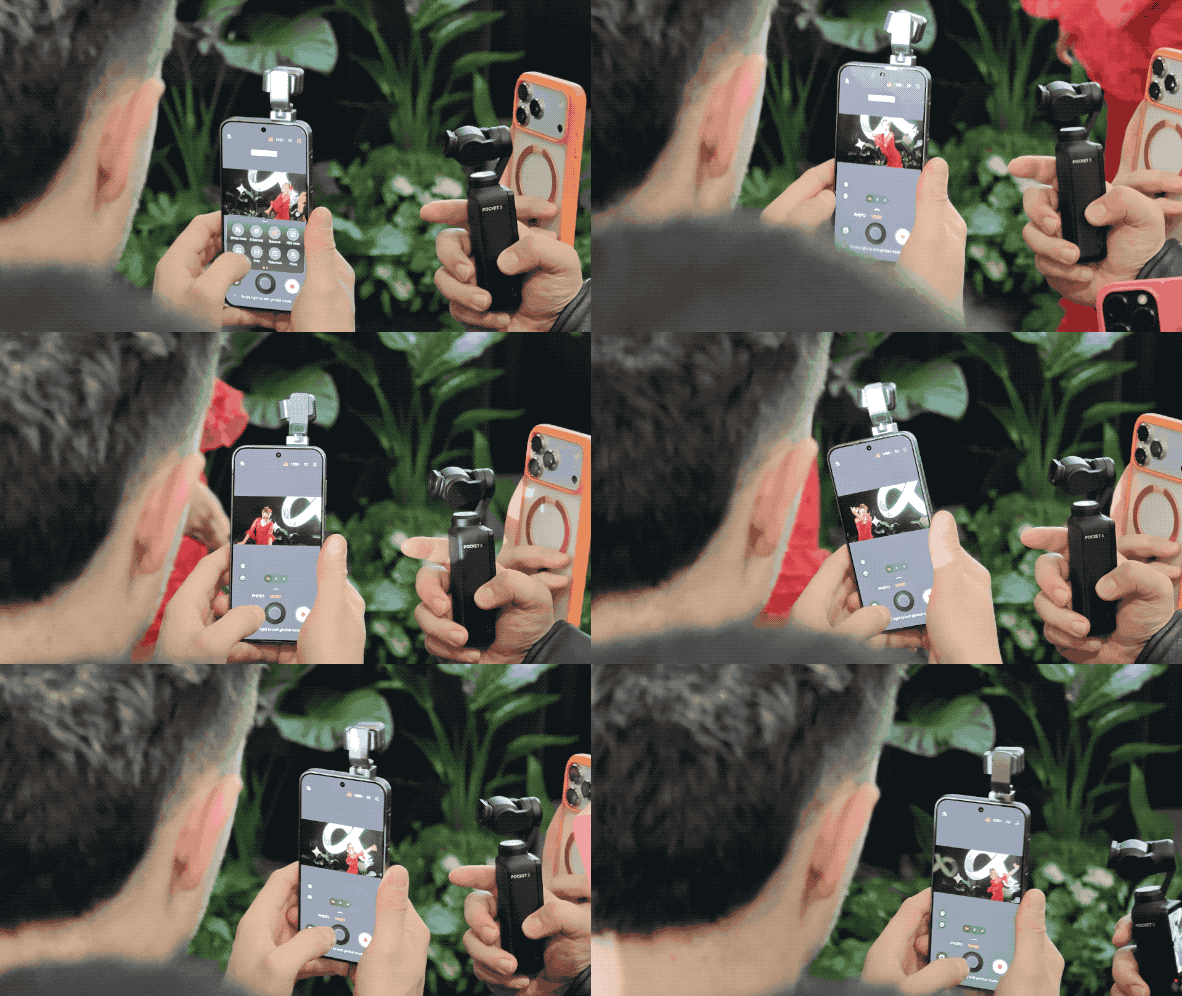
(Image source: Lei Technology)
While this mechanism can certainly be used for follow-shot recording and automatic framing adjustment, more importantly, it endows the smartphone with the capability to proactively observe its surrounding environment.
During video calls placed on the device while it rests on a table, the camera can automatically pan to follow the user as they move around. When capturing dynamic footage, it functions like a mini gimbal camera mounted on a smartphone, capable of completing follow-shot operations entirely on its own.
When the camera actively rotates toward the user and responds to external movements, the smartphone begins to exhibit a peculiar sense of "physical presence". To put it more dramatically, it no longer resembles an inert screen lying passively on the table, but creates a subtle illusion that "this device might actually be alive".

(Image source: Lei Technology)
According to Honor's product roadmap, the Robot Phone will later receive updates to add intelligent agent capabilities for perception, decision-making, and execution. Combined with its inherent ability to proactively observe the surrounding environment, the device will automatically determine the appropriate action to take based on the user's usage habits and emotional state.
As a side note, this product has already opened pre-orders across all sales channels and is scheduled for official launch in August this year.
The transition from passively understanding user commands to proactively comprehending the real world clearly demonstrates that "proactive intelligence" has become a universal consensus across the entire industry.
However, there is often only a fine line between providing thoughtful proactive services and being overly intrusive.
Timely reminders for boarding a flight are considered considerate, but unauthorized flight rebooking would be a severe violation of user autonomy. Automatic follow-shot recording can be regarded as intelligent, but continuously monitoring every action a user takes throughout the day would undoubtedly trigger complaints. Determining when the device can activate its perception capabilities, what information can be stored, and ensuring users have the option to fully disable these functions will inevitably become far more critical issues than how smoothly the camera can physically rotate.
The Operating System Emerging as the New Core Competitive Focus
Since the entire industry is now discussing Agents, the next logical question is what underlying infrastructure enables these Agents to function effectively.
Currently, the simplest and most straightforward approach is to have AI simulate human operations on the user interface: capturing screenshots to understand screen content, using visual recognition to locate interactive elements, and simulating user taps, swipes, and text input.
The Doubao Phone gained widespread attention precisely for adopting this GUI-based approach, and the recently tested Coolpad Cube device also follows this same design path.
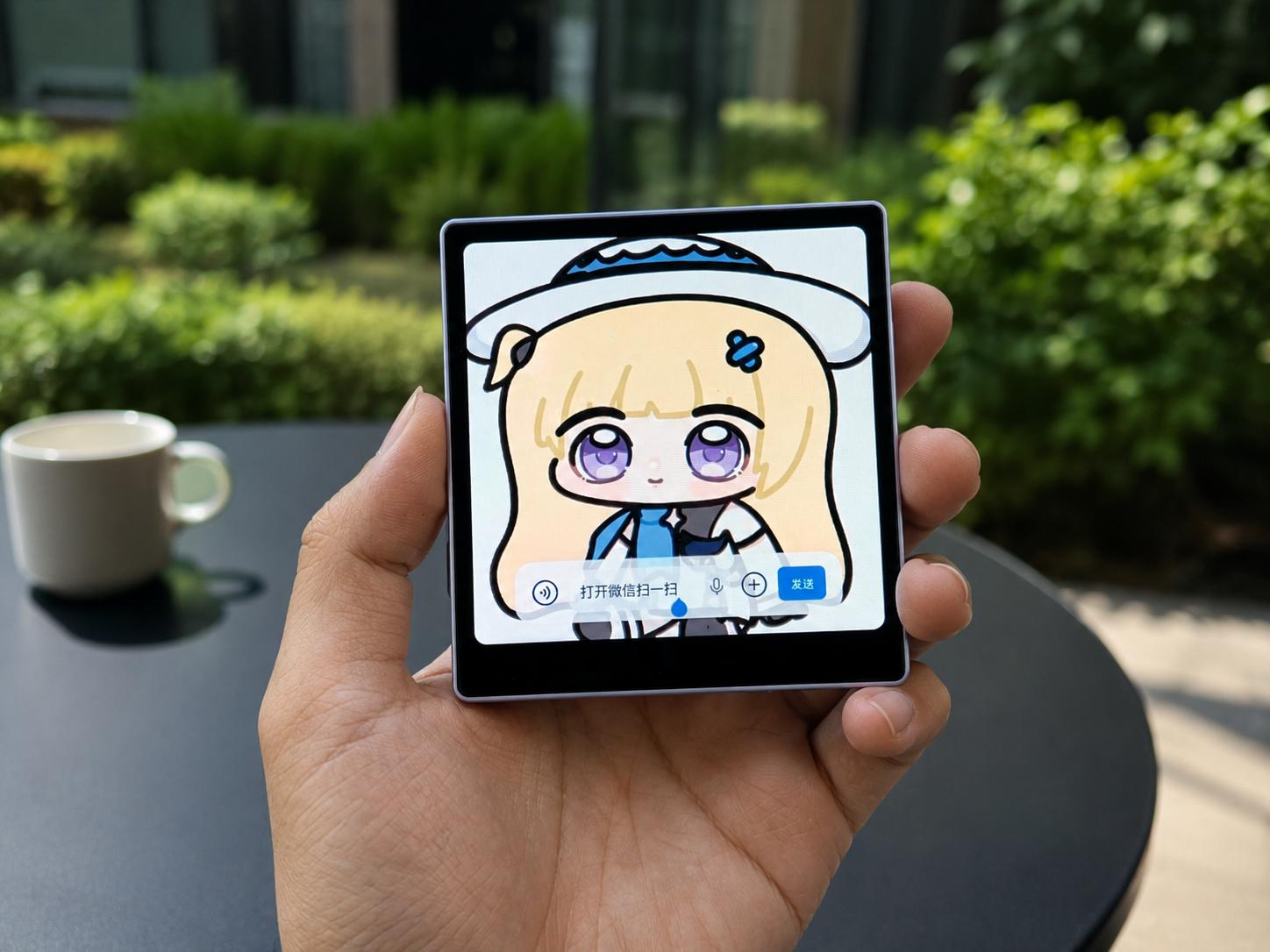
(Image source: Lei Technology)
The advantage of this approach is its broad compatibility: theoretically, AI can operate any app that humans can interact with. Even applications that have not received updates for years do not prevent the Agent from accessing and performing operations within them.
The disadvantages are equally obvious. A minor positional change of a UI button can cause the Agent to become completely disoriented; an unexpected pop-up window can divert its operational flow; and encountering splash-screen advertisements or privacy consent prompts can quickly reduce the "artificial intelligence" to a functionally impaired "artificial stupidity".
Furthermore, this approach offers virtually no inherent security guarantees, and once sparked widespread industry discussions regarding data privacy and security risks.
As a result, a new operational paradigm has emerged at this year's WAIC exhibition: GUI-based Agents continue to handle operations for unadapted general applications, while payment, social, and daily life service functions are facilitated through A2A or MCP standard interfaces, enabling direct collaborative interaction between different intelligent agents.
The partnership between OPPO XiaoBu and Alipay A-Bao serves as a highly representative example of this model.
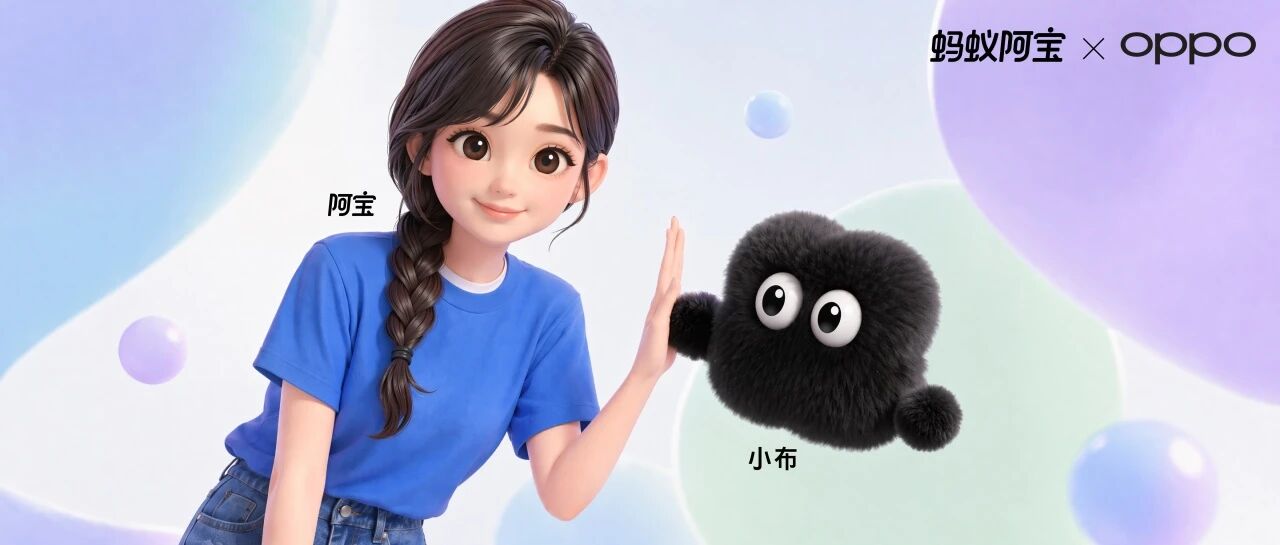
(Image source: Alibaba)
When users submit requests to XiaoBu for tasks such