This could be the most stunning image of this year's WAIC!
Jin Lei, from QbitAI in Shanghai | Official Account QbitAI
Just now, a new domestic model has burst onto the image generation field —
It not only supports native 8K direct output, but also can draft, design, and self-check its own work!
Look, this extremely long 8K image below is what it produced:
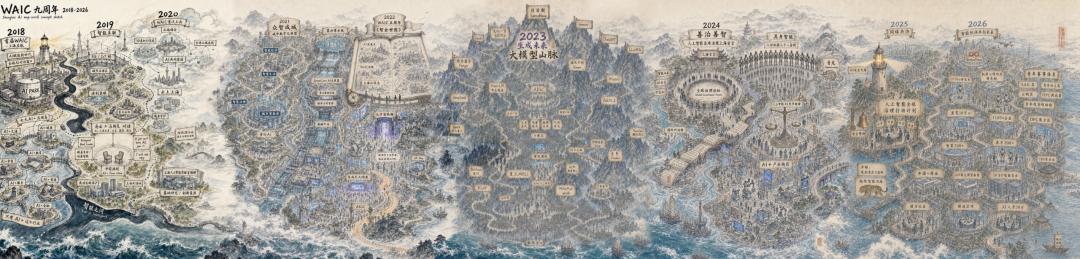
△ This image is size-limited; the original file is 51M with clear legible text when zoomed in.
The theme of this long scroll is "WAIC 9th Anniversary 2018—2026"; from left to right, the timeline unfolds sequentially, covering highlights from each edition of the conference.
You might wonder: For such a large image, can the details stay consistent?
Great question! Let's examine it carefully with a "magnifying glass":
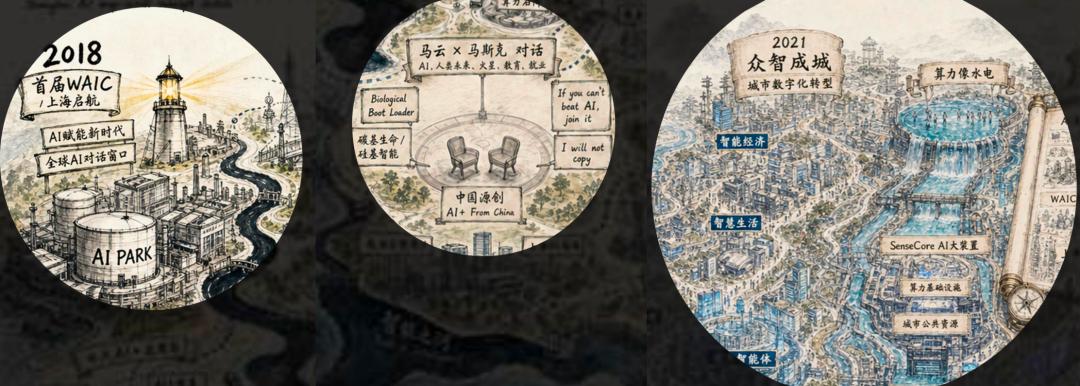
Every character is perfectly clear, no blurring at all.
This is the brand-new model just released by SenseTime at WAIC 2026 — SenseNova U1 Pro.
In short, U1 Pro is a delivery system designed for complex multi-modal tasks. It completes the full workflow around objectives: understanding, planning, information organization, multi-modal generation, review and revision, and final delivery. Its core is native unification of understanding, generation, and action.
After reviewing the full launch, we can summarize U1 Pro's three key highlights:
Native 8K Output: The focus is not just higher pixels, but maintaining text accuracy, composition integrity, and detail consistency across ultra-large canvases;
Interleaved Image-Text Thinking: The model can continuously complete sketching, refinement, coloring, inspection, and adjustment around a single objective;
End-to-End Deliverable Focus: SenseTime targets scenarios including infographics, urban planning, film storyboards, academic posters, and commercial design, aiming to reduce iterative "random sampling" and produce immediately usable results.
If previous image generation models competed on drawing realism and speed, U1 Pro pushes the problem one step further:
Can an image AI minimize post-generation manual fixes and complete the entire creative workflow on its own?
To test U1 Pro's real performance, we gave it four practical challenges.
Generating 8K Version of "24 Solar Terms"
The first test continues to examine U1 Pro's ultra-long canvas capabilities.
We asked it to generate a horizontally extended 8K long image themed on the 24 Solar Terms.
This task tests the AI's detail grasping ability: the names and order of the 24 solar terms must be correct; each term must match corresponding phenology and seasonal colors; 24 vertical panels need distinct visual features while maintaining a unified art style; color transitions from spring to winter must be natural.
Check the output from U1 Pro:
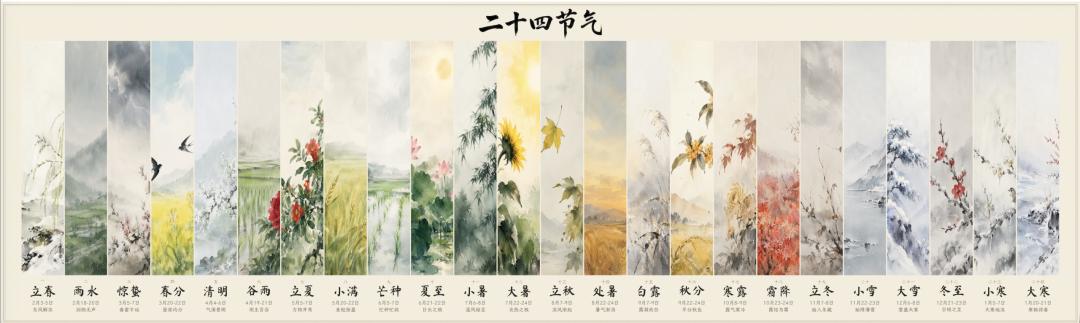
Overall, the model successfully arranges all 24 nodes in a unified horizontal layout.
It does not generate 24 unrelated wallpapers of identical size. The height of landscapes, plant positions, and white space in each panel vary, creating a visual rhythm that combines the aesthetics of traditional folding screens and long scroll paintings.
So U1 Pro is fully capable of stably outputting 8K ultra-long images.
For the second test, we asked it to design a premium laboratory visual poster titled "How Machines Observe and Understand Humans".
The prompt required a back-facing, slightly side-profile figure at the center of the frame, with detection boxes, coordinate axes, geometric circles, motion trajectories, eye-tracking paths, spatial grids, and data nodes overlaid on the head and upper body.
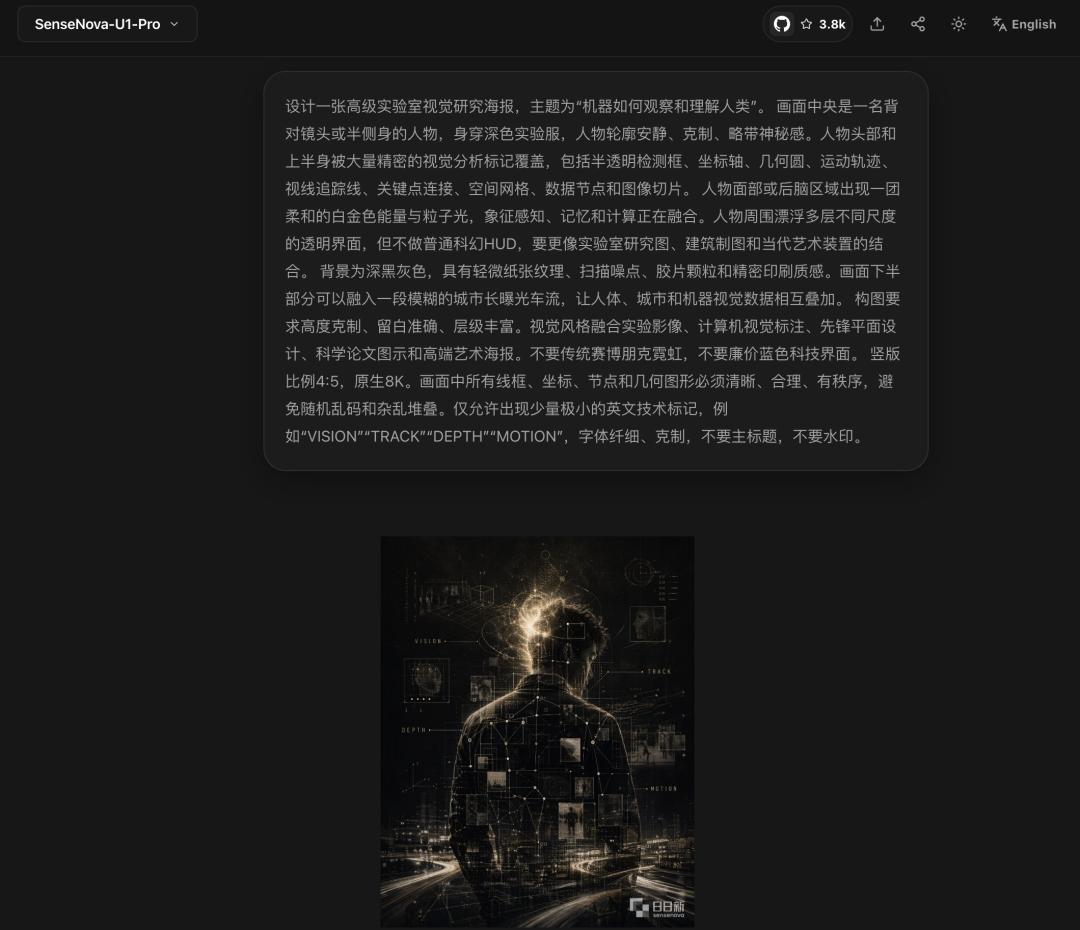
Check the details:
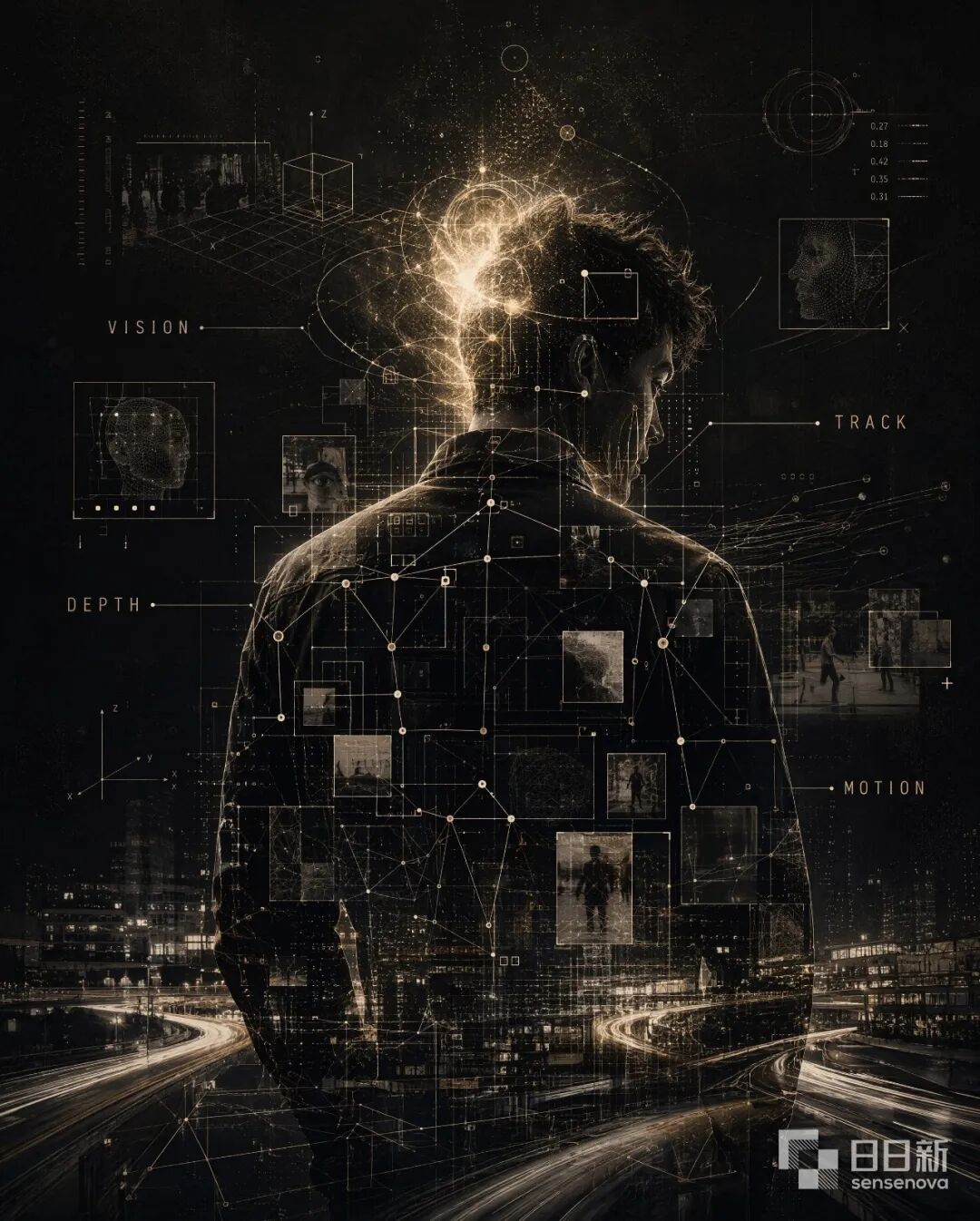
Surprisingly, most conventional image generation models would default to a "tech blue" palette when seeing keywords like "technology" or "robot".
But U1 Pro avoids this cliché entirely: dark gold lines, black background, and paper grain texture form a complete visual hierarchy. The central focal point is clear, with high information density, yet the composition never feels out of control.
The third challenge is a glazed texture ancient-style architectural landscape painting.
The requirements include turquoise mountains, blue rivers, waterfalls, pagodas, temple gates, pavilions, covered bridges, palaces, peach blossom forests, pine trees, auspicious clouds, and a futuristic architecture with oriental structural language.
For materials: mountains must appear to be crafted from a fusion of glaze, jade, and enamel, with flowing highlights, layered glazes, and gold outlines; water surfaces must have transparency and reflections; buildings must not look like cheap 3D models.
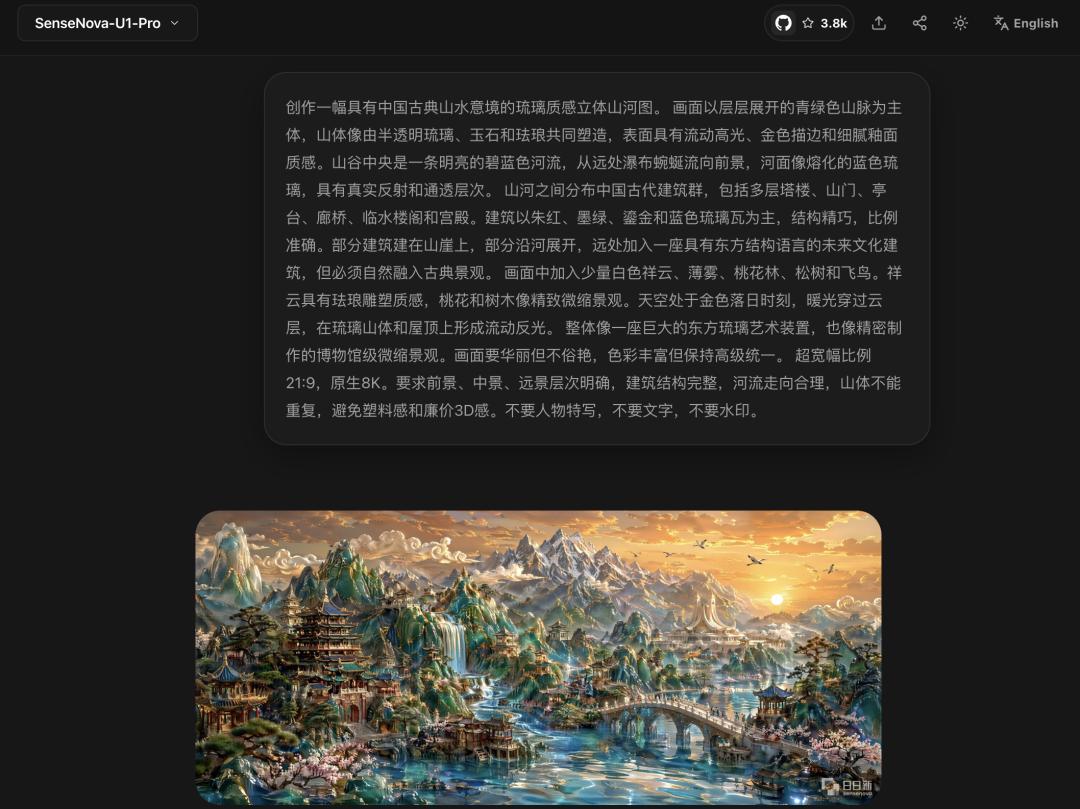
Here is U1 Pro's generated result:

From the final output, the model can organize glazed mountains, water systems, ancient architecture, and futuristic structures into a relatively cohesive world, demonstrating strong execution of complex stylistic requirements.
The first three tasks all feature large scenes, ultra-long canvases, and complex layouts, so for the final challenge, we tested a directly deliverable, commercial-grade movie poster.
The prompt is as follows:
Design an original movie poster with high completion level, ready for direct theatrical promotion. The aesthetic should blend oriental poetry, suspense epic, and modern art film sensibilities, with strong visual impact and premium artistic taste.
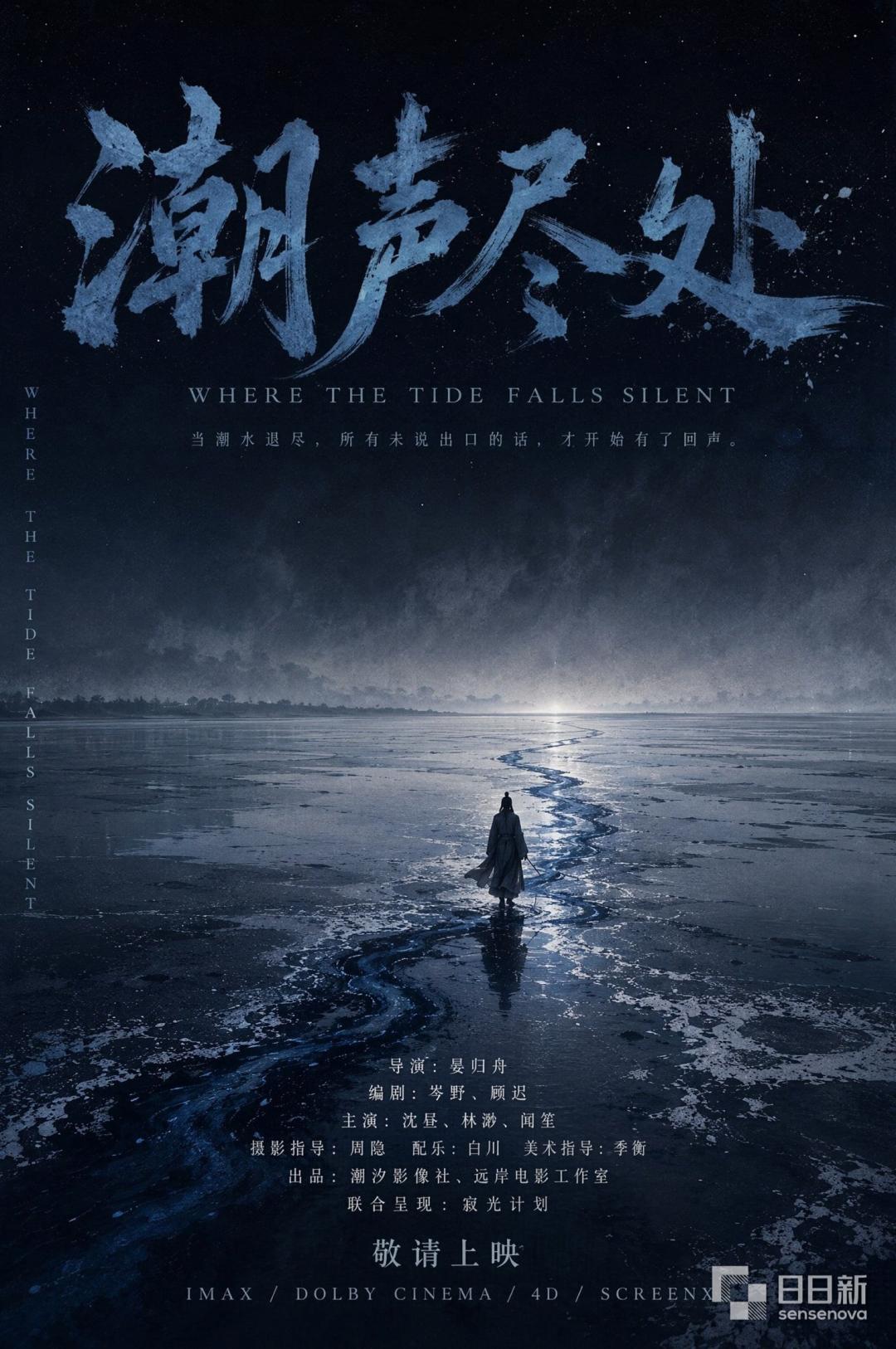
In the final result, all text remains sharp, and the overall effect is fully ready for commercial use!
After reviewing all four tests, U1 Pro's strengths extend far beyond 8K resolution.
It excels at organizing the entire composition around a complete objective, integrating information, layout, characters, materials, and style into a single task.
Additionally, U1 Pro can reliably handle technical diagrams, commercial-use ready images, and more:
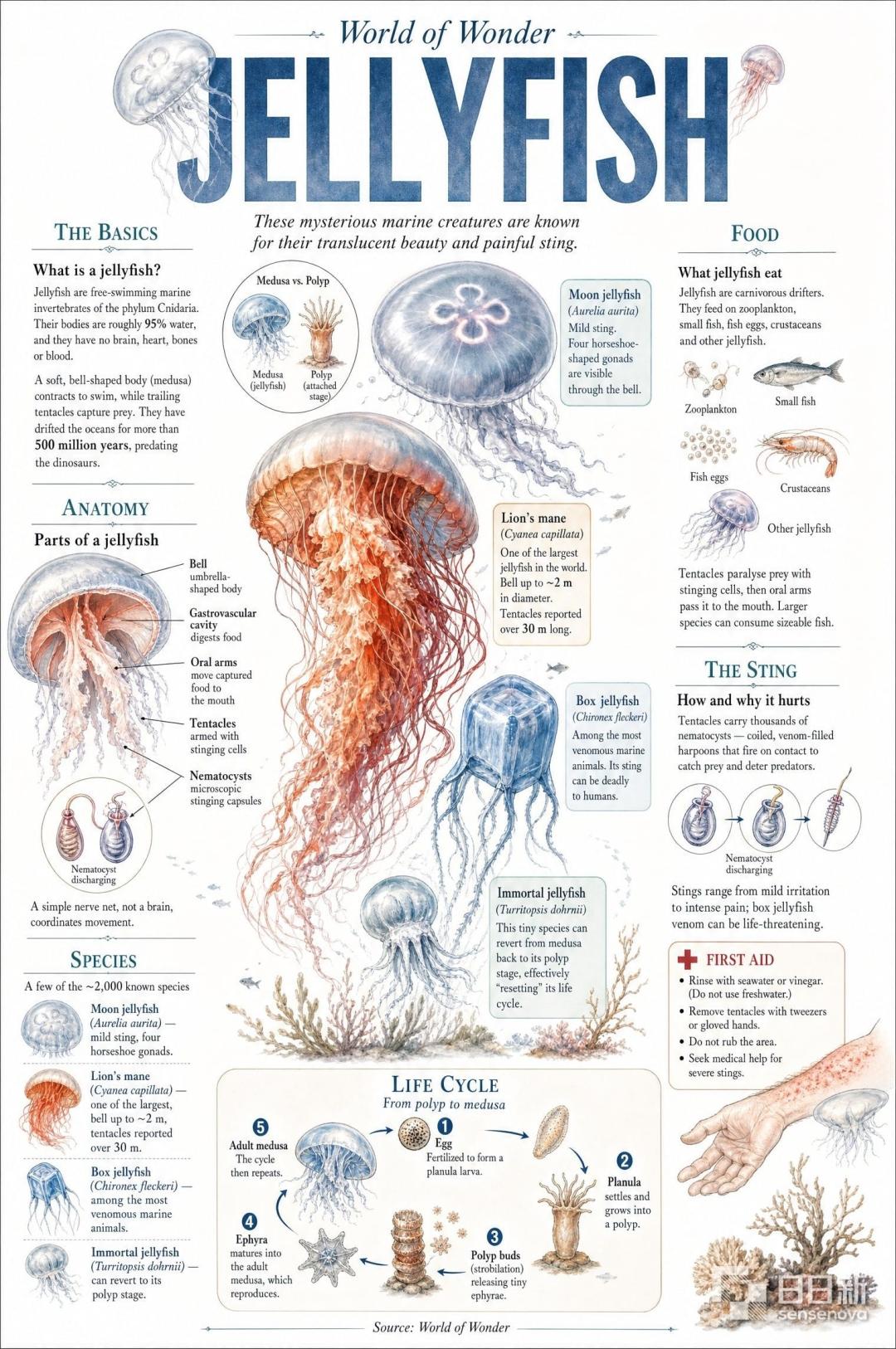
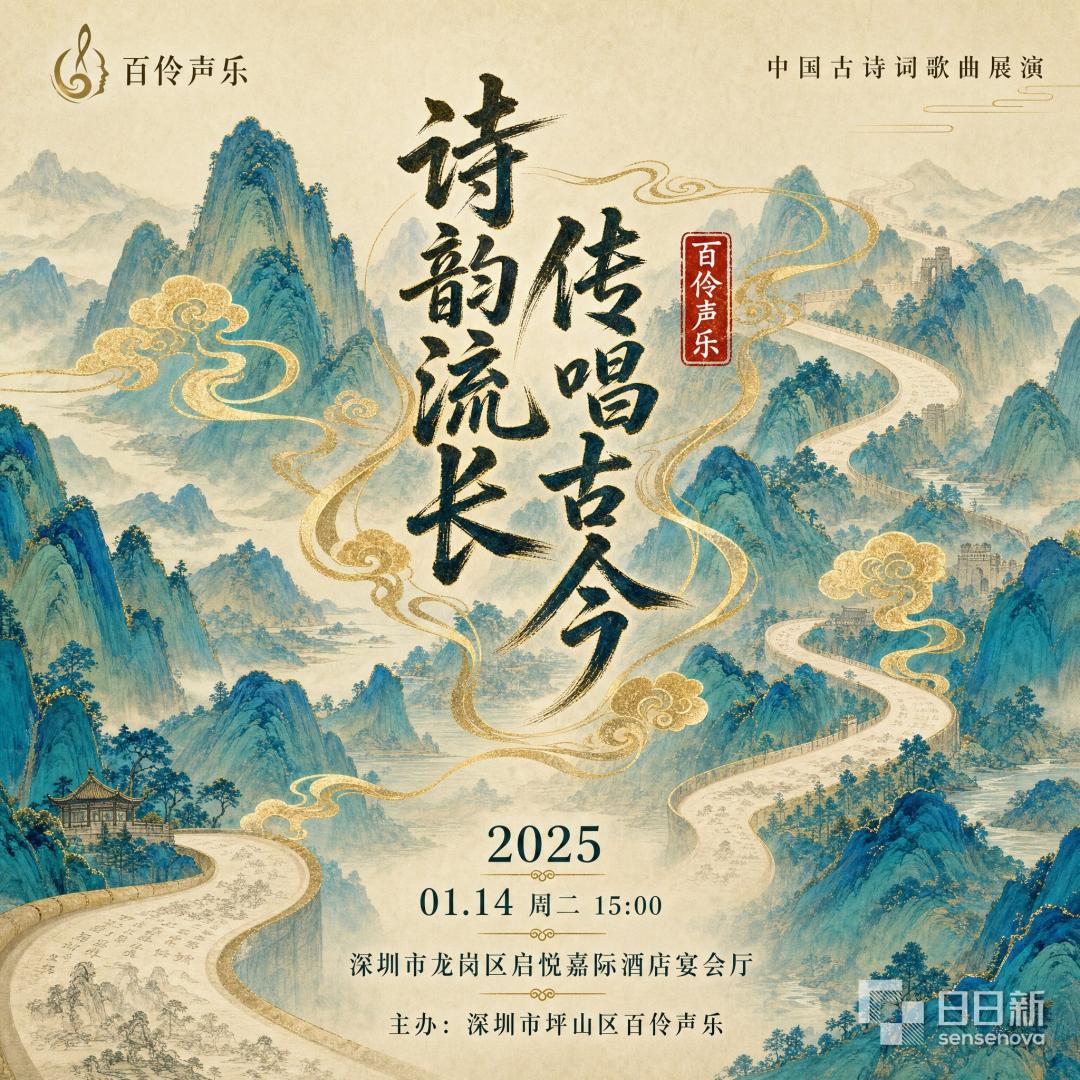
From One-Step Generation to Self-Inspection
The common strength across all test images goes far beyond image quality.
Whether it's the 24 Solar Terms long scroll, complex posters, or glazed landscape art, U1 Pro must simultaneously retain multiple sets of requirements, and continuously process information, composition, style, and details within the same canvas.
This addresses a practical pain point in current image generation tools.
Many existing models support iterative modification via natural language, but when tasks become slightly complex, results easily go out of control: modifying one local area causes unintended changes elsewhere; the composition looks professional, but text and structural details fail scrutiny; after multiple rounds of edits, textures, characters, and backgrounds gradually diverge from the original intent.
SenseTime CEO Xu Li summarized this problem on-site:
Interactivity does not equal deliverability.
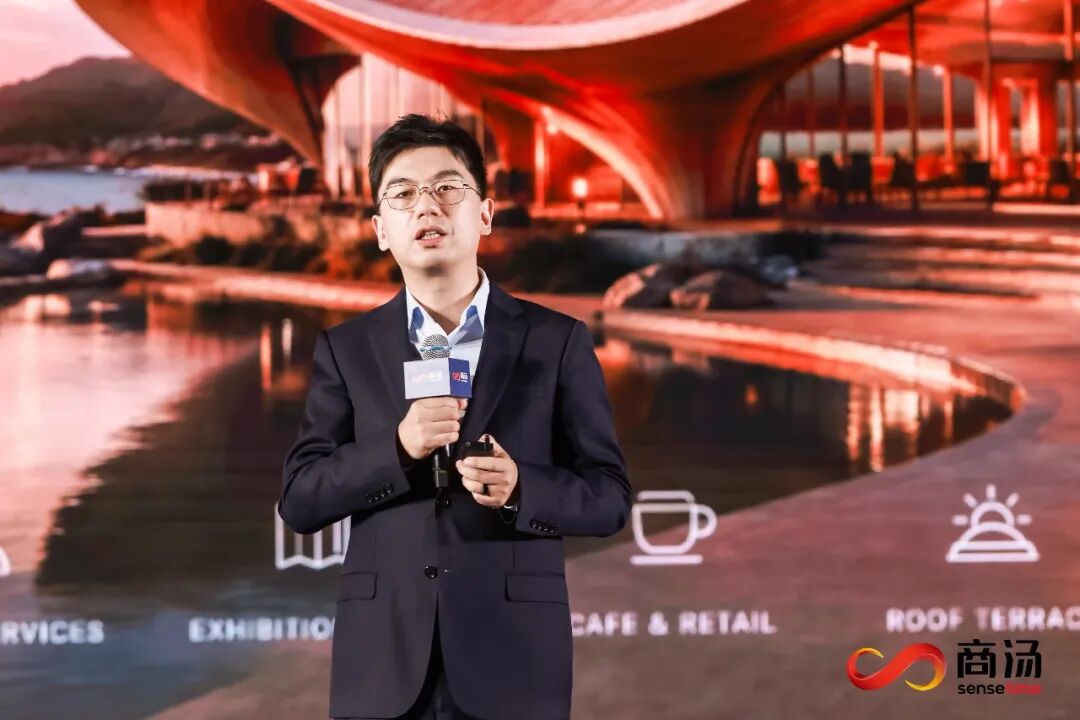
U1 Pro's approach extends one-step generation into a continuous creative workflow.
The "thinking" process here does not mean displaying long chains of text reasoning to users, but refers to a continuous creation process where images and text work in tandem.
During a conversation with QbitAI, SenseTime Co-Founder and Chief Scientist LIN Dahua stated:
SenseTime already observed the embryonic form of continuous creation during the U1 phase. The model can first sketch, then add details and colors to gradually generate a complete image. The team realized that vision models have the potential to approximate designer workflows, pushing image generation capabilities into real content production pipelines.
With U1 Pro, this workflow has evolved into a full closed loop:
Understand objectives, plan tasks, organize information, generate content, inspect for issues, iterate revisions, and complete final delivery.
Take the WAIC 9th Anniversary long scroll we showed at the beginning as an example: the model must first digest nine years of historical materials, then decide how to distribute events, connect different years, organize landscapes and cityscapes, arrange text placement, and maintain a unified oriental visual style throughout.
Native 8K: The Challenges Go Far Beyond Extra Pixels
While 8K direct output is a standout feature of U1 Pro, the technical difficulty brought by this massive resolution increase scales proportionally.
Higher resolution means more visual tokens, which leads to sharp growth in Attention computation and VRAM usage.
SenseTime's key solution to this challenge is adopting 32×32 large patches.
As LIN Dahua explained, common image generation models typically use 16×16 patches. If one patch corresponds to one or a group of tokens, doubling the patch side length reduces the total number of visual tokens to a quarter of the original.
This is equivalent to dividing an image into larger grids: fewer grids reduce computational pressure, but larger grids also carry higher risk of losing fine details.
To solve this problem, the team added adaptive Noise Control, applying targeted training strategies for high-detail regions; patches retain partial overlap, with optimizations in spatial sampling, loss function design, and model architecture.
These combined measures control the context scale to avoid the explosive computational cost of 8K, while preserving fine text, textures, and structural details as much as possible.
In summary, U1 Pro enlarges the patches to reduce total computation first, then recovers fine details within large patches through overlapping mechanisms and optimized training strategies.
Image Generation is Following the Path of AI Coding
From an industry perspective, U1 Pro's most notable significance is that it represents a product paradigm shift.
To understand this change, we can look at the evolution of AI Coding.
The earliest AI Coding tools like Copilot helped professional developers auto-complete code snippets; then came Vibe Coding, where users express requirements in natural language; later, Coding Agents could break down tasks, write code, call tools, test, and fix bugs to undertake full engineering workflows.
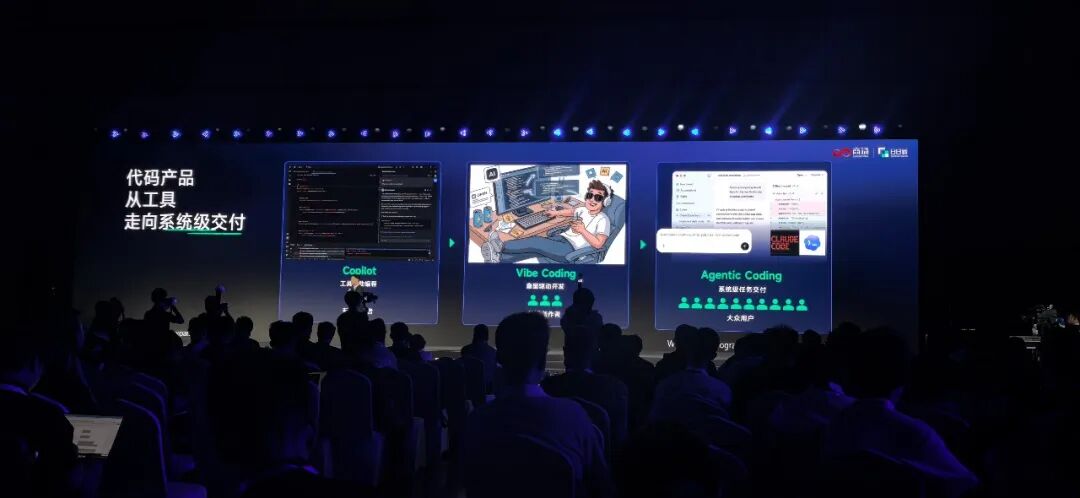
The value of models shifted from "how many lines of code they wrote" to "whether they can deliver a complete functional project".
Similar changes are happening in multi-modal content generation:
The first phase is single-step isolated generation.
The second phase is intent-driven, allowing users to make continuous iterative edits.
The third phase points to system-level end-to-end content delivery.
The model no longer just generates an image — it understands objectives, organizes information, maintains long-term consistency, checks for errors, and delivers immediately usable results.
