Is the biggest bull market in history causing 320,000 South Koreans to go bankrupt overnight?
This summer, countless South Korean retail investors felt this reality so tangibly for the first time:
Between a bull market and bankruptcy, there may be only one trading day apart.
On July 13, SK Hynix plummeted by over 15%, marking its largest single-day drop in 20 years, dragging the entire South Korean market down almost entirely on its own.
Hundreds of thousands of leveraged South Korean retail investors were liquidated overnight.
Rumors once spread on social media that someone, overwhelmed by massive stock losses, was considering jumping off a building.
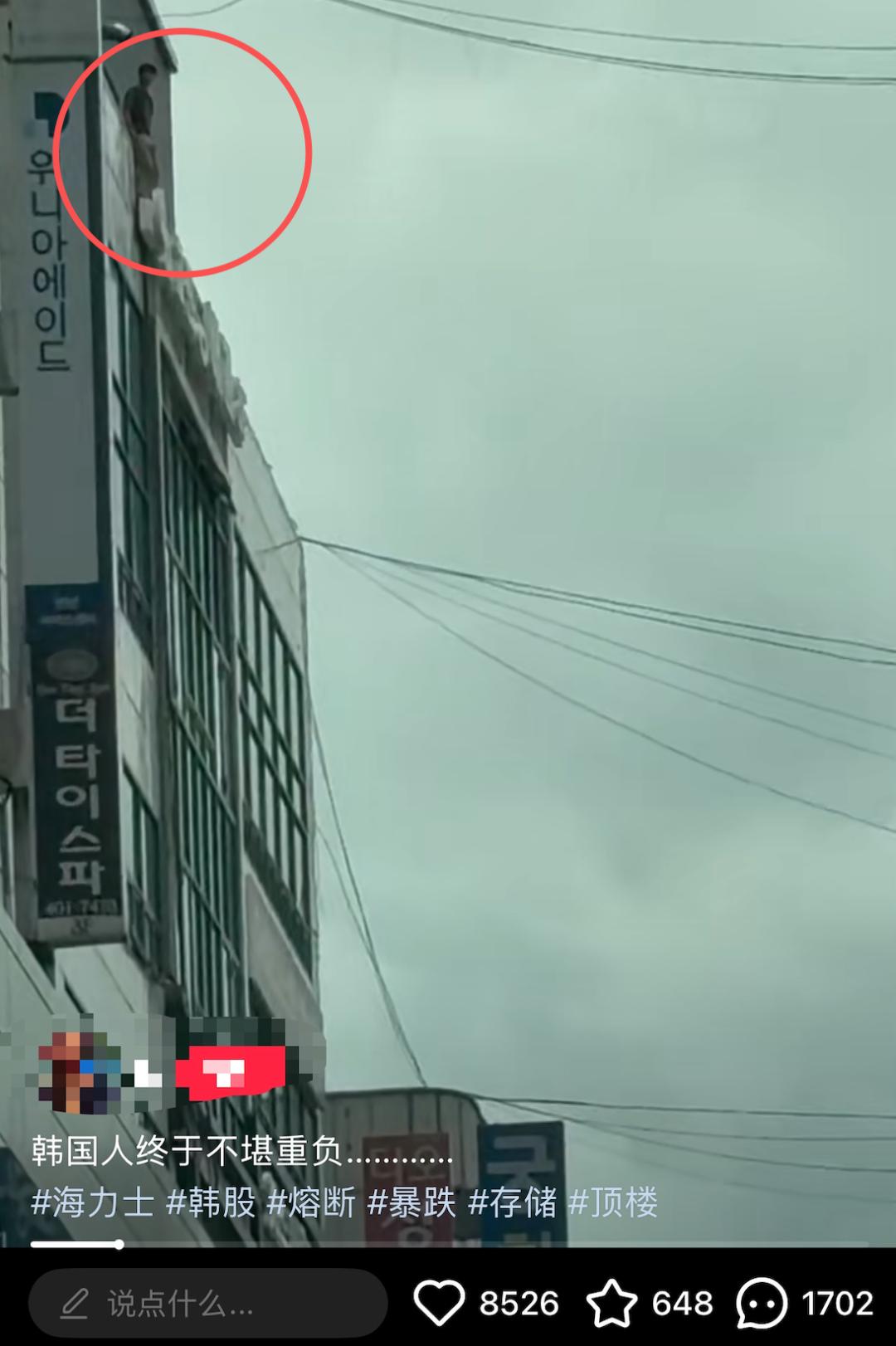
Unusually, there were no skeptical voices in the comment section. In an instant, everyone believed the young man standing there intended to take his own life, and the only apparent reason was his stock losses.
This is simply because the South Korean stock market has fallen so drastically that investors are numb.
After hitting an all-time high at the end of June, the KOSPI index has corrected by roughly 25% in just three weeks, officially entering a technical bear market. As the leading stock of the AI bull market, SK Hynix saw its price correct by over 40% from its peak, while another giant, Samsung Electronics, did not fare much better, losing nearly 30% of its market value.
Just a month ago, South Koreans were still immersed in the optimism of "the best summer ever."
Semiconductor exports were booming, pension accounts were rising, and young people were borrowing money to enter the market. It seemed that as long as they held SK Hynix and Samsung Electronics, they could catch the fastest wealth train in the AI era.
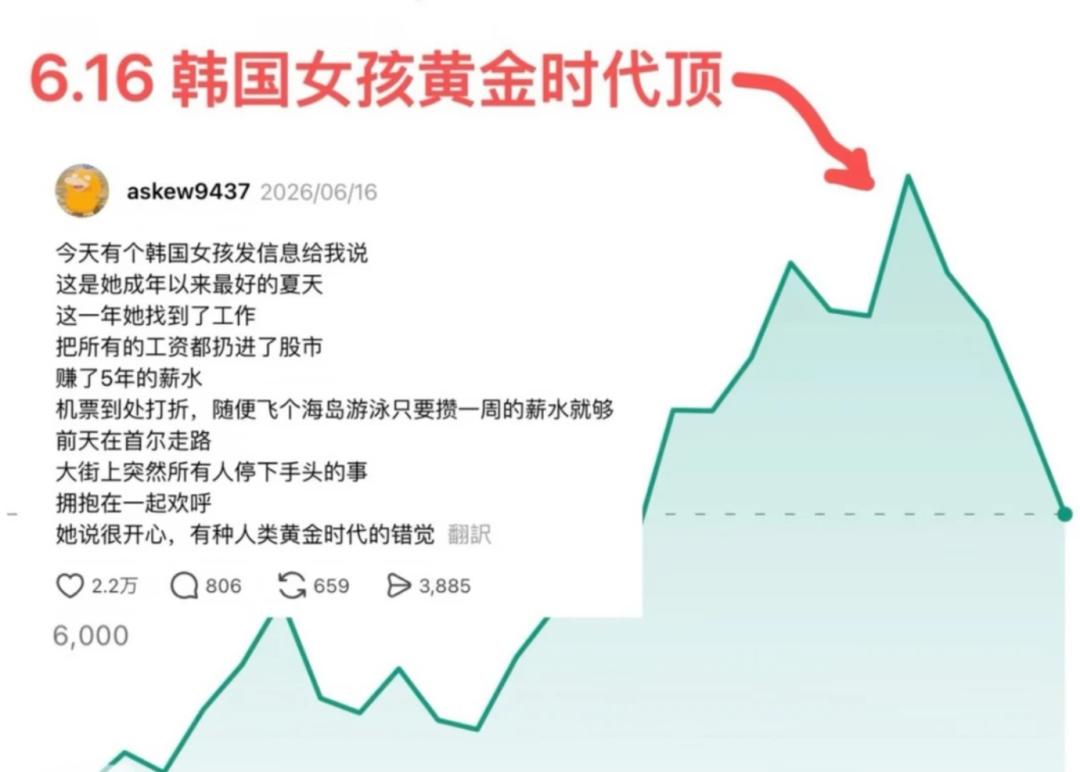
Just as the whole world thought South Korea's best summer was over, and South Koreans were lamenting that their pensions and home-buying funds were gone forever, a reversal happened:
On July 15, the South Korean stock market opened with a massive, retaliatory rebound.
The KOSPI surged by over 7% at one point during the session, SK Hynix jumped by roughly 13%, Samsung Electronics rose by about 8%, and Magnachip Semiconductor climbed by around 25%. In just two days, the index's volatility neared 16 percentage points, with SK Hynix swinging from a 15% crash to a 13% surge.
The day before, they were panicking about being force-liquidated, and the next day they were regretting not buying the dip. This is the most authentic reality of South Korean retail investors:
The whole nation goes all-in, swinging back and forth between massive wealth and total ruin.
Markets trigger trading halts as soon as they open, creating a rollercoaster ride every single day.
The Best Summer for South Koreans: 73% of Retail Investors Are Losing Money?
This round of decline was led by SK Hynix, the current leading stock in the South Korean market.
After a sleepless night, countless South Korean retail investors flocked to leave comments under the social media account of SK Group Chairman Chey Tae-won:
"I'm still a minor, I want a refund."
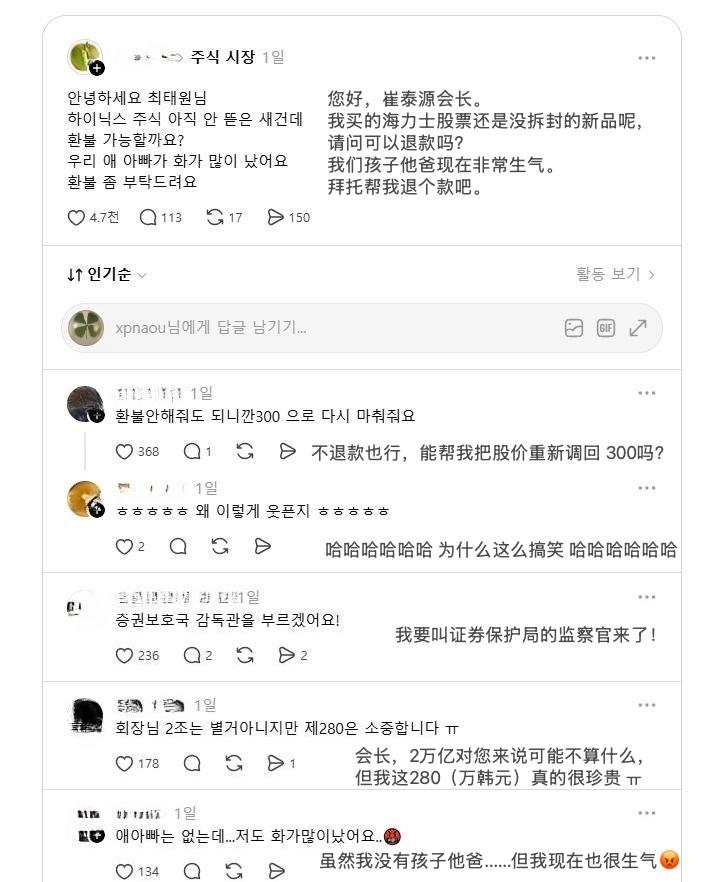
Even retail investors without children were clamoring for a full refund:
"You sent the wrong item. I bought the red one, why did you deliver the green one?"
"The government should step in! Stocks should support a 7-day no-reason return policy."
"Damn it, who hacked my account!"

For South Koreans, stock trading really is no different from online shopping.
In a country with only 50 million people, there are 14.5 million retail investors, and the total number of opened securities accounts exceeds 100 million.
While stock market losses are unfortunate, the turbulent South Korean stock market is churning out countless "peak losers" on a massive scale.
Some people believe they are being monitored by big data and trapped in a malicious scheme:
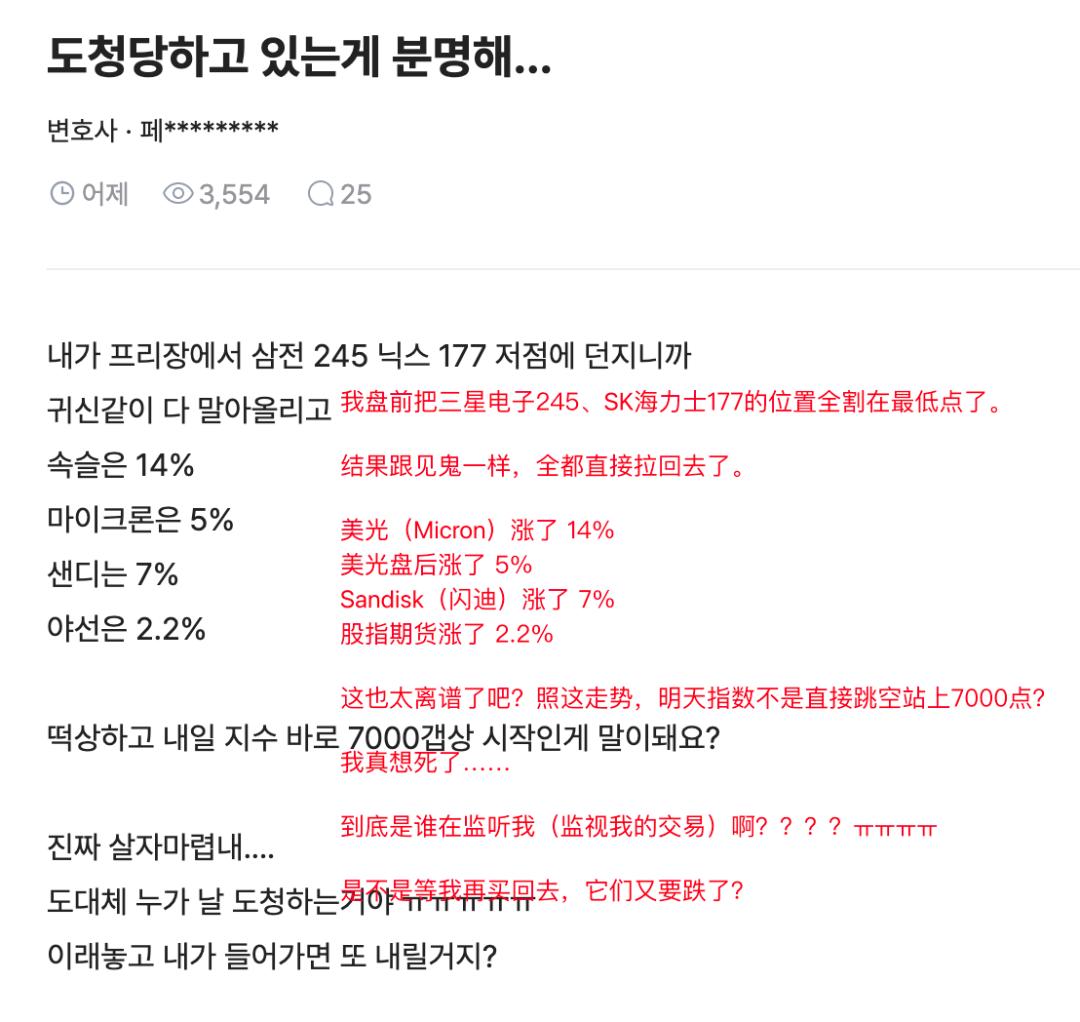
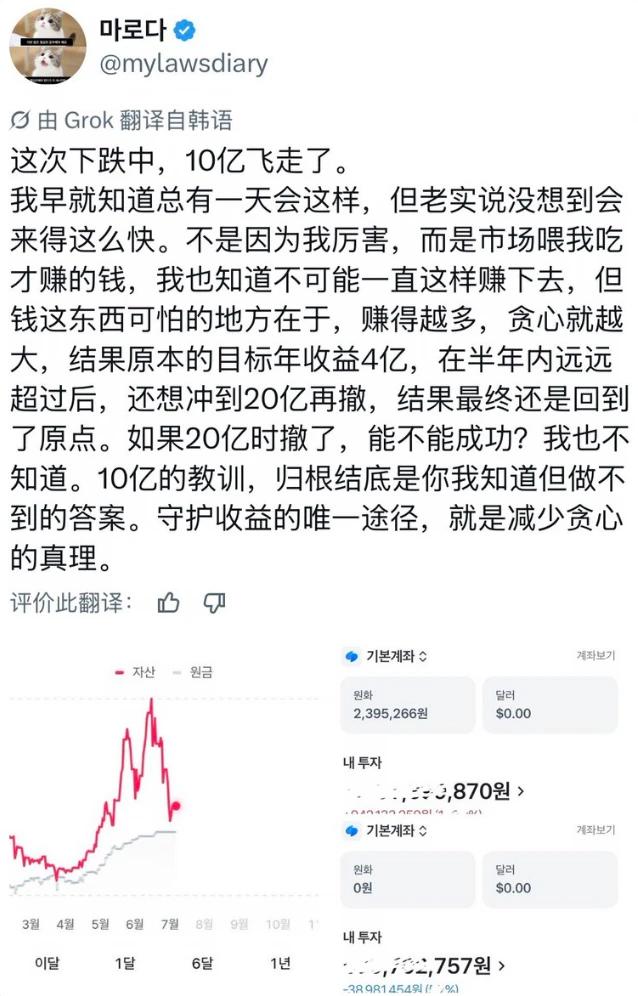
Some have reflected deeply, entering a period of calm rationality after the sharp drop:
Some are so tormented by the stock market that they want to see a psychologist:
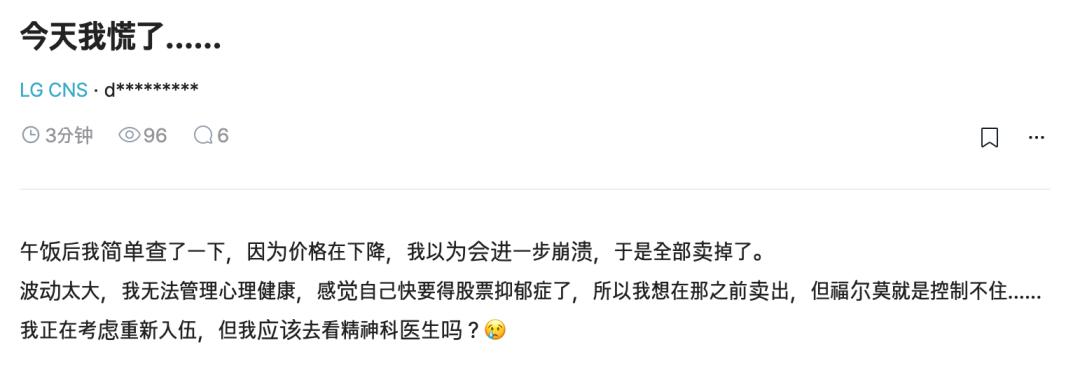
Fellow netizens in the comment section warmly encouraged him: Why not use the money you would spend on therapy to add more positions?

One retail investor posted on a forum: "Was all of this just a dream?"
The screenshot shows that this investor suffered a floating loss of 2.104 billion won in a single day (roughly equivalent to millions of RMB), with a loss rate reaching 42.04%.
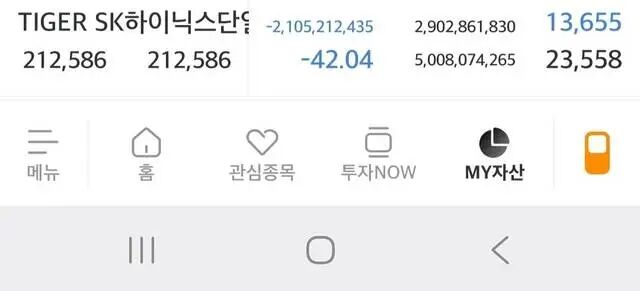
The reason for such a staggering loss is that he frantically bought over 200,000 shares of the 2x leveraged long ETF for Hynix, with an initial principal as high as 5 billion won (about 22.7 million RMB).
Thanks to Hynix's crash, his money-losing speed was doubled.
The oppressive atmosphere in the stock market even triggered a violent crime in the real world.
According to South Korean media reports, on July 13, a man in his 20s in Busan, who suffered huge losses after following stock recommendations from a stock YouTuber, tracked down the content creator and stabbed him with a knife.

The police investigation concluded that his motive was retaliation after failing in his investment.
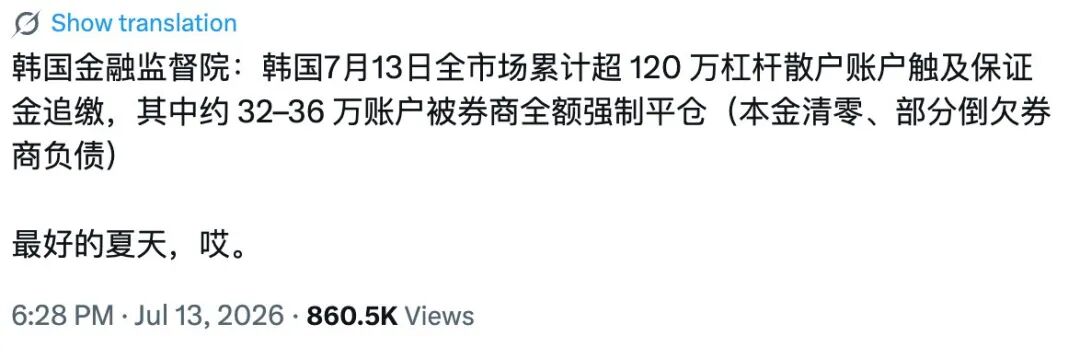
On the very day of the incident, over 1.2 million leveraged retail accounts in South Korea hit the margin call threshold, and roughly more than 300,000 of them were force-liquidated by brokerages.
What drove South Koreans to go all-in regardless of the risks was the South Korean stock market, which had been surging wildly over the past half year.
At the start of the year, the KOSPI was hovering around 4500 points, then it almost skyrocketed all the way: breaking 5000 points at the end of January, 6000 points at the end of February, 7000 points in May, and briefly hitting 9000 points in June...
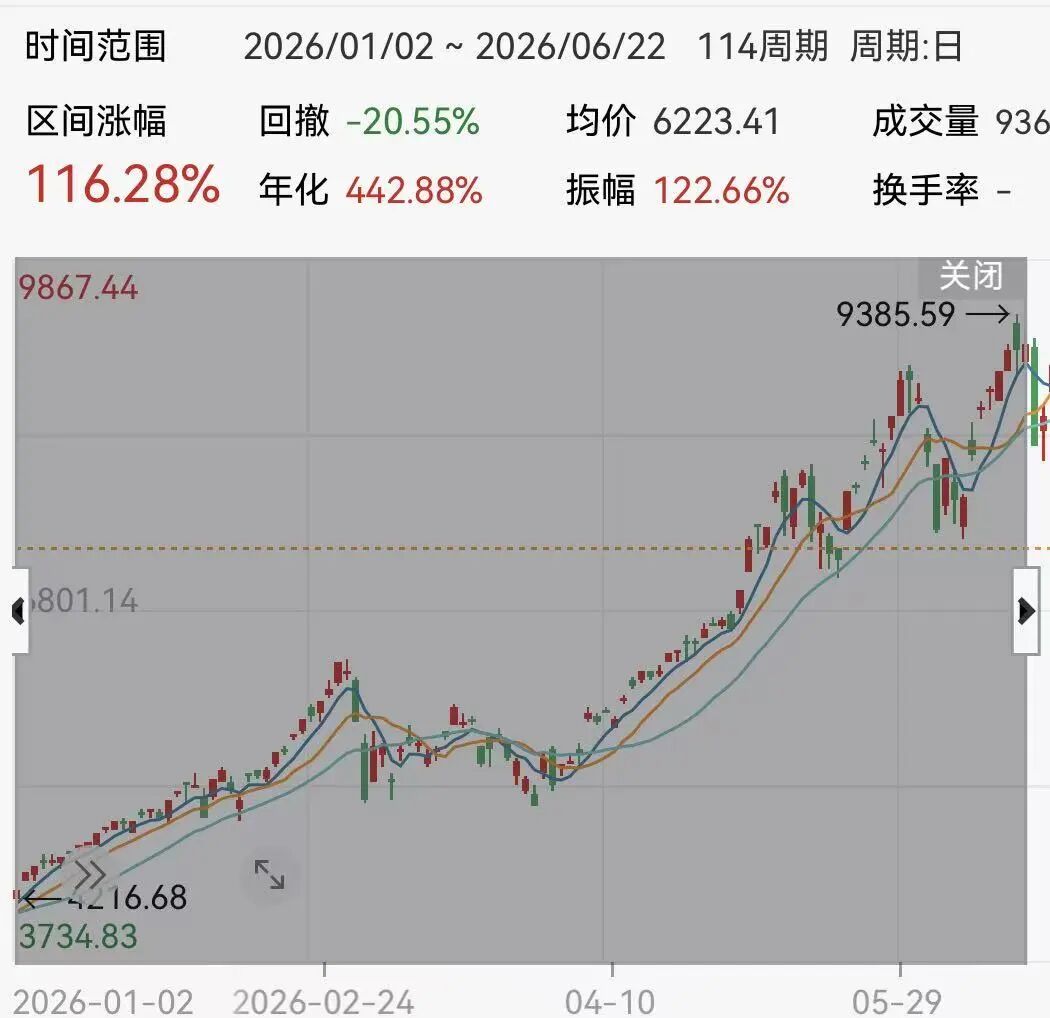
In half a year, the index has risen by a total of 100%, with Samsung Electronics up 170% and Hynix posting a staggering 300% gain.
There was no need for any technical analysis, fundamental research, or even understanding of candlestick charts. You could just mindlessly buy semiconductor stocks and wait to count your money.
This was the money-making experience for many South Korean retail investors in the first half of the year.
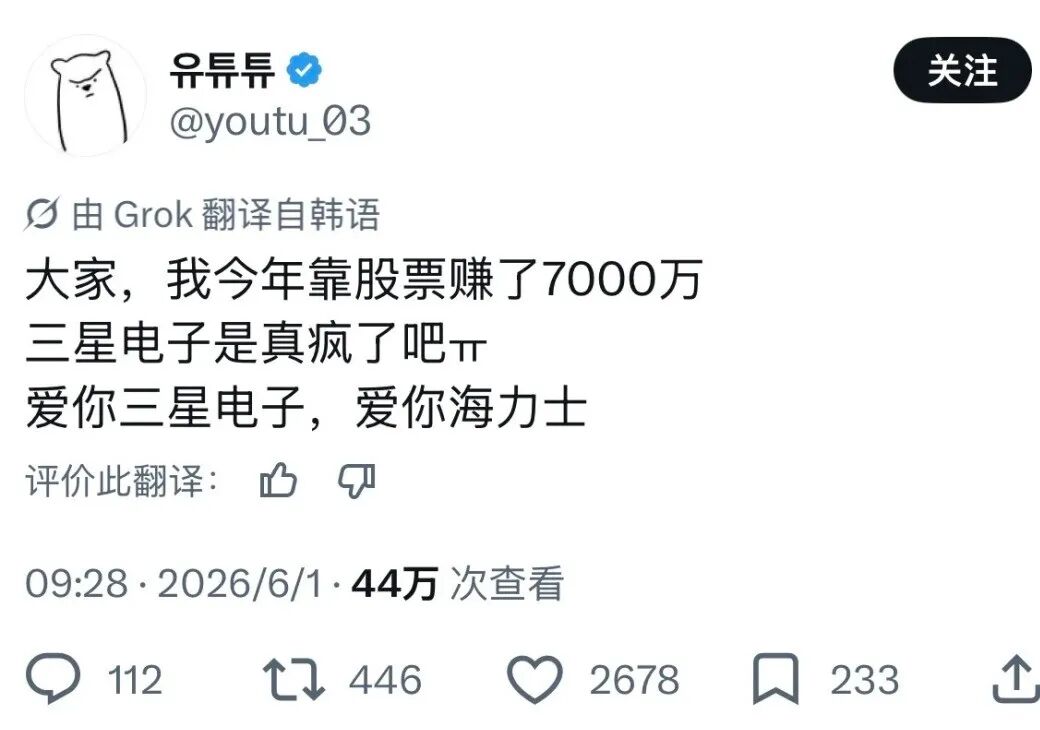
Seeing the market handing out money so freely, middle-aged people began to withdraw their deposits from banks and pour them into stocks.
In January 2026 alone, demand deposits at South Korea's five major commercial banks decreased by 30.75 trillion won; during the accelerated bull market phase in April, nearly 19 trillion won flowed out in two weeks.
The vast majority of this money went straight into the stock market.
Scrolling through South Korean online forums, you see post after post about civil servants using their down payment for a home to buy Hynix shares, and retirees cashing out their pensions to go all-in on Samsung.
Young people who barely have any savings are going all-in frantically with leverage.
In May 2026, South Korea's margin trading balance exceeded 60 trillion won, hitting an all-time record; 2x leveraged ETFs were completely bought out as soon as they were listed.
People talked about the stock market in cafes, at family gatherings, and even in nursing homes.
Yet the actual situation was not as rosy as the index suggested. Even during this red-hot market rally, a large number of retail investors still failed to make any money.
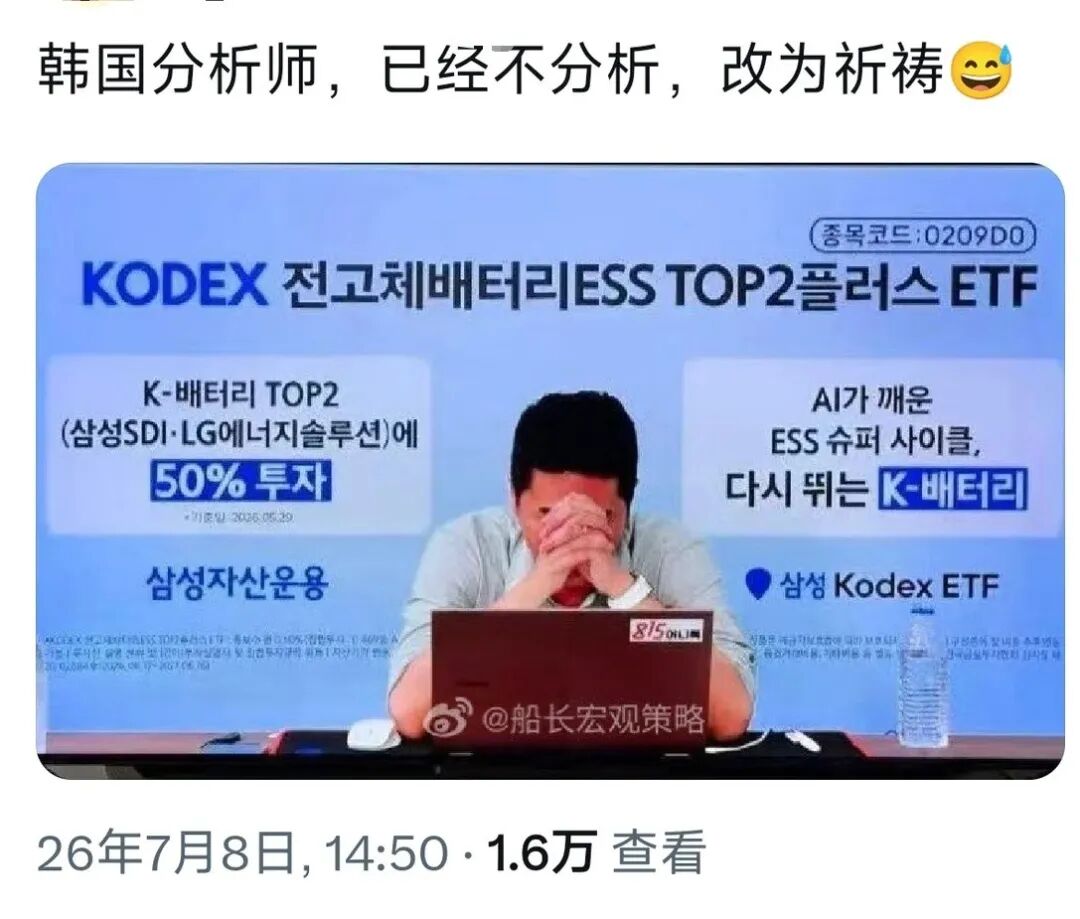
South Korea's Maeil Business Newspaper conducted an interesting analysis, reviewing the 50 most popular South Korean stocks bought by individual investors at a large brokerage in the first half of this year. The results showed that:
73.45% of investors were losing money.
Even more astonishingly, among these 50 hot stocks, 25 of them had over 80% of their retail investors in the red. In other words, in these most sought-after stocks, 8 out of every 10 buyers are trapped at high price levels.
Losing money in a bull market is a shared fate for retail investors around the world.
Retail investors also have a common trait: they can't keep up when the market is rising, but they are the first to get hit when the market crashes.
By the end of June, the margin trading balance in the South Korean stock market had already hit an all-time high.
These leveraged funds were highly concentrated in a handful of AI leaders such as Samsung Electronics and SK Hynix. Meanwhile, the trading volume of single-stock leveraged ETFs kept breaking new records.

The entire market increasingly resembled a tower of blocks built entirely with leverage. When the market rises, it out