Huawei and Tesla lead the charge, modular design emerges, and electric vehicles bid farewell to the "outdated as soon as they hit the market" scenario.
The average age of new energy vehicles is only 1.8 years — do users replace their cars more frequently than their phones?
Recently, topics related to "short replacement cycle of new energy vehicles" have gone viral across the internet, but this narrative is somewhat misleading. Some out-of-context content misrepresents the 1.8-year average age of new energy vehicles as a 1.8-year replacement cycle, contrasting it with the 8.2-year average age of fuel-powered cars.
As an emerging industry, new energy vehicles have a short development history, a smaller total fleet than fuel vehicles, and continuously growing sales volumes, so their average age is naturally not long. According to data from the China Automobile Dealers Association, the replacement cycle for new energy vehicles is 3-5 years, while that for fuel vehicles is 6-8 years.
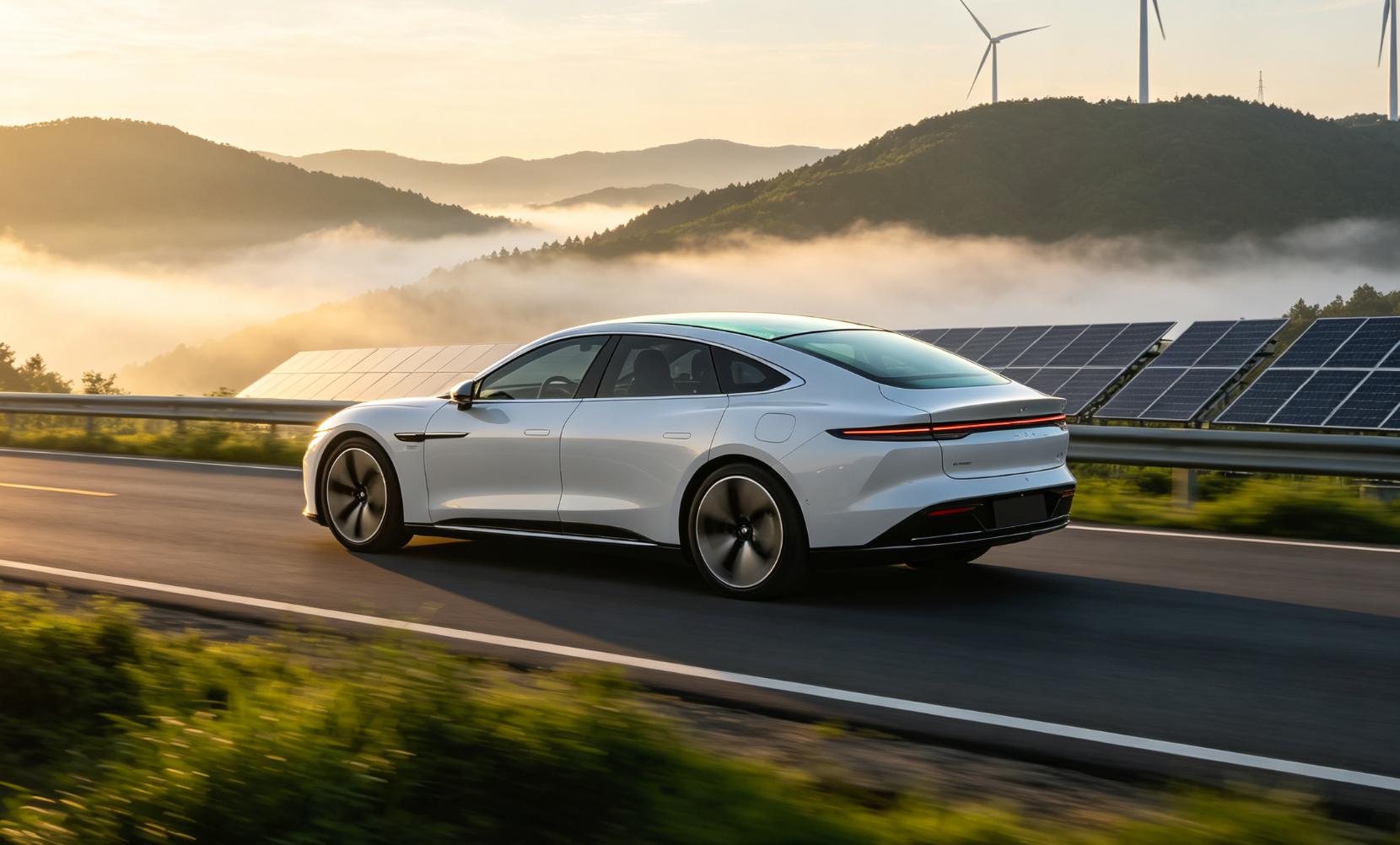
(Image source: Generated by Doubao AI)
Although the replacement cycle of new energy vehicles is still shorter than that of fuel vehicles, the gap is not as large as claimed. The reason this topic has gained such high popularity is that it hits consumers' core pain point — the anxiety of technological obsolescence.
Zeng Qinglin, General Manager of Yijing Automotive Brand, stated that the speed of product iteration is tied to the industry's development process: in the early stage, technology iterates rapidly, and product upgrades and refreshes also happen quickly. As technology gradually matures, the industry will stabilize. New energy vehicles should be forward-looking, pre-installing hardware that exceeds current needs and supporting high-frequency OTA upgrades to reserve redundancy for future usage scenarios.
However, in today's market where mainstream new energy vehicle models are updated annually, and some even get three iterations in a single year, is pre-installed hardware truly sufficient?
Pre-installed hardware cannot keep up with technological progress
"Bought today, obsolete tomorrow" has become the most frustrating problem for consumers when choosing new energy vehicles. Holding off on purchase means the household genuinely needs a car, but buying one almost guarantees being "betrayed" by subsequent rapid upgrades.
Behind this phenomenon lies the explosive growth of the new energy vehicle industry. In 2020, domestic new energy vehicle sales were only 1.367 million units; by 2021, that figure reached 3.521 million, a 157.6% year-on-year increase. This rapid sales growth is driven by continuous technological upgrades and iterations.
In recent years, the charging power of new energy vehicles has reached 1500kW, pure electric range has continued to surge, features like massage seats and advanced intelligent driving have been widely deployed, and even some models priced under 100,000 yuan are equipped with LiDAR. Mid-to-high-end models have also seen tangible, visible improvements.
Yet these upgrades not only bring better user experiences, but also leave existing owners feeling shortchanged.
Admittedly, early purchase means early enjoyment, but cars are high-value assets costing hundreds of thousands or even millions of yuan, so consumers care deeply about residual value. Excessively frequent updates and drastic upgrades for new models will inevitably undermine the residual value of older vehicles. Coupled with the ongoing price war, it is not uncommon for a new car to lose half its value within just one year of ownership.
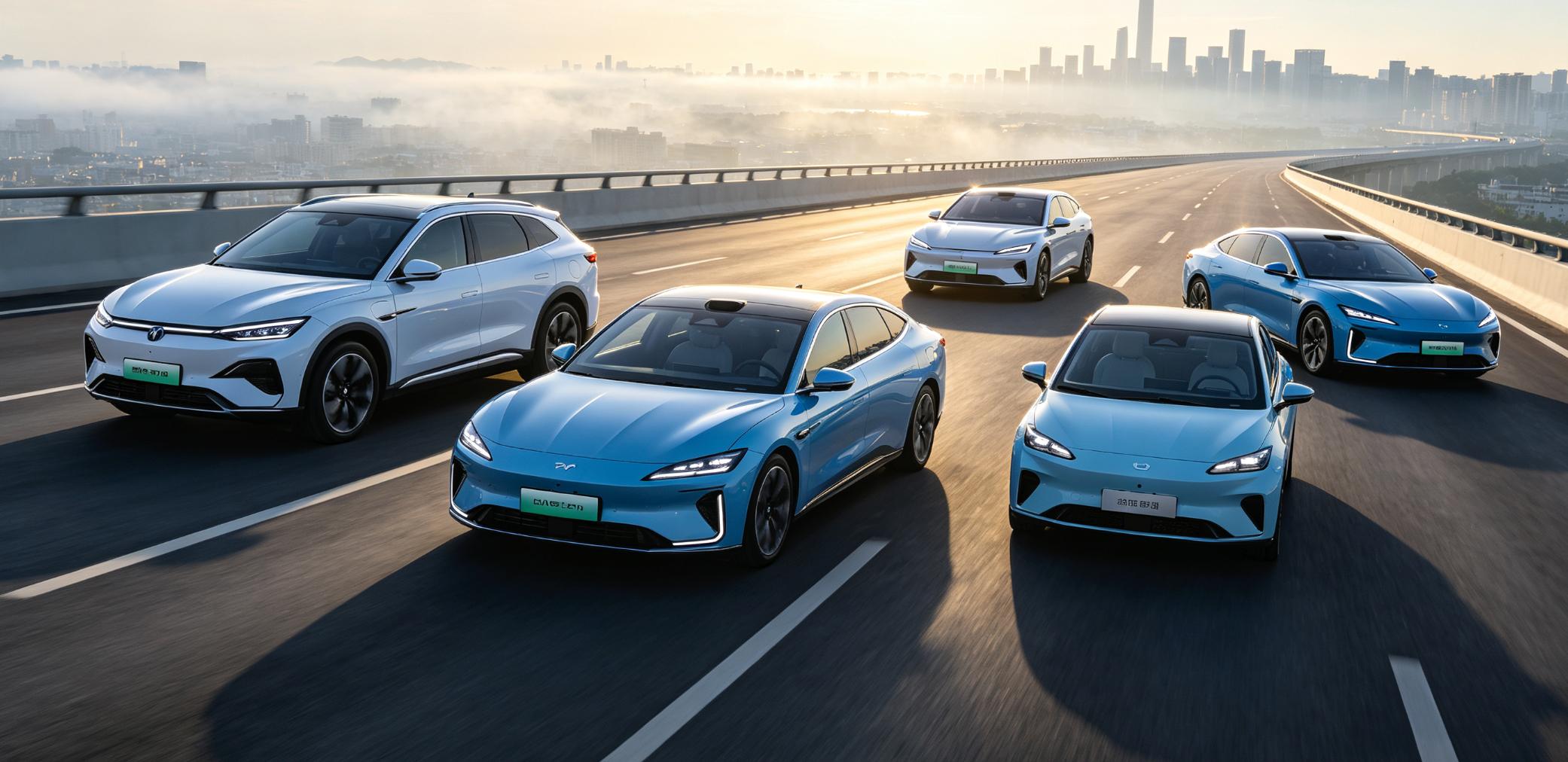
(Image source: Generated by Doubao AI)
Fortunately, after years of development, many hardware components and design aspects of new energy vehicles have matured. The only exception is intelligent driving, which is still advancing rapidly toward L3 and L4 levels — it cannot be considered truly mature before full autonomous driving is realized.
The pre-installed hardware concept proposed by Zeng Qinglin mainly targets smart cockpits and intelligent driving. By pre-installing high-computing-power chips, manufacturers can avoid situations where vehicles lack sufficient processing power. When it comes to pre-installing high-computing chips, Dianchetong (ID: dianchetong233) first thinks of NIO: its 2022-released ET7 came pre-fitted with four Orin X chips, delivering a total computing power of 1016 TOPS, which remains sufficient even today.
However, from a current perspective, 1016 TOPS can no longer meet the demands of L3 and L4 autonomous driving. High-end variants of new models from NIO, XPeng, and Li Auto are equipped with multiple self-developed chips, with total computing power exceeding 2000 TOPS, offering far stronger pre-installed performance.
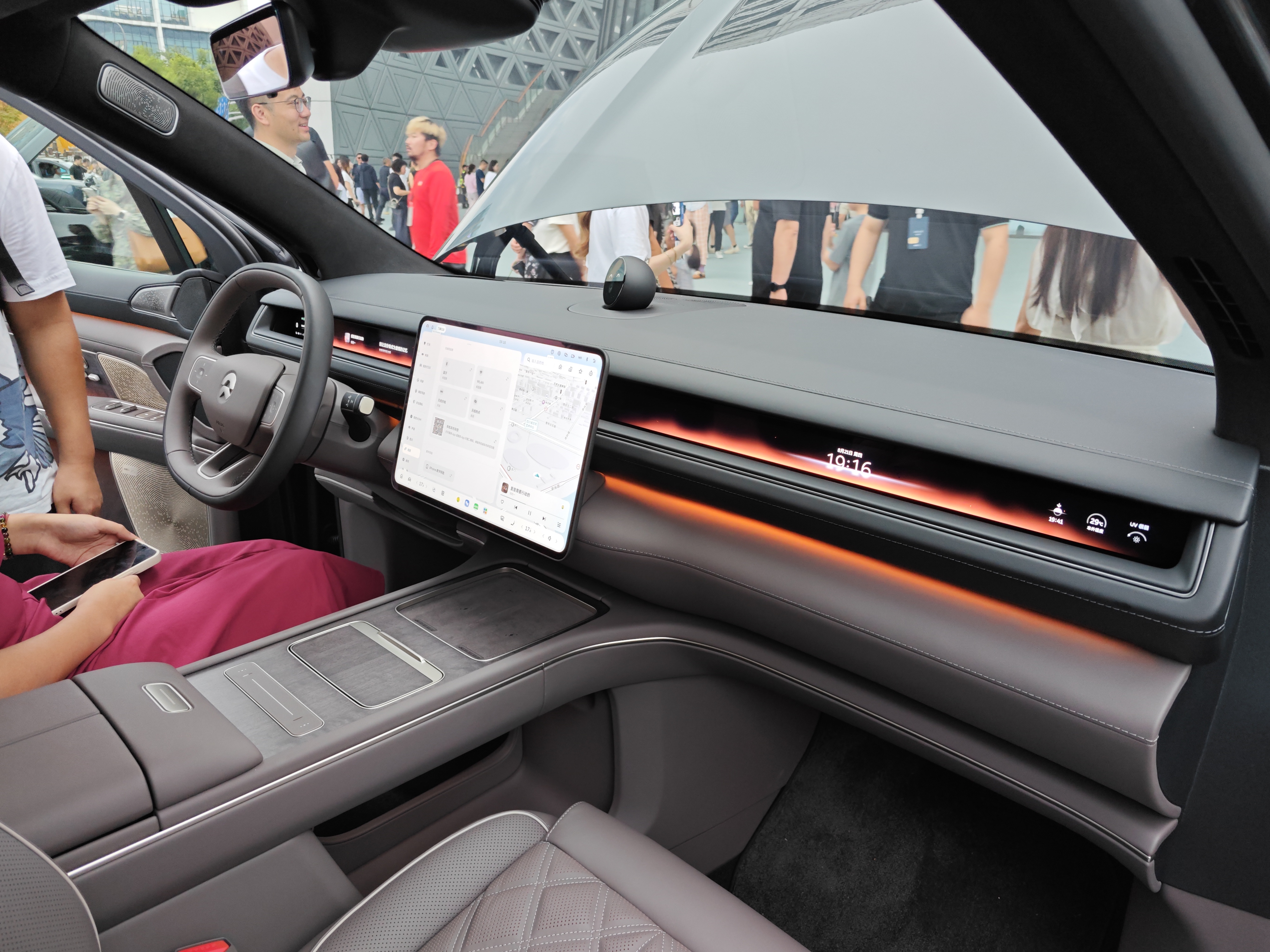
(Image source: Photographed by Dianchetong)
The problem is that higher-level intelligent driving not only demands greater computing power, but also requires synchronous upgrades to architecture, sensor performance, memory bandwidth, and memory capacity. While manufacturers like BYD, NIO, Li Auto, and XPeng can resolve architecture issues through self-developed chips, the bottlenecks in sensor performance, memory bandwidth, and memory capacity are almost impossible to address through pre-installation alone.
On an online platform, a netizen commented: "You can pre-install hardware that works today, this month, or this year — but can you pre-install hardware that will work next year, three years from now, or ten years from now?"
This comment resonates deeply with Dianchetong (ID: dianchetong233): pre-installed hardware will always reach its limit. We currently have no definitive answer to how much computing power or bandwidth is required for true L3 and L4 autonomous driving. Cars are not fast-moving consumer goods; an average family can drive a single vehicle for a decade or longer. Can automakers really pre-install hardware that will only be useful 10 years down the line?
To resolve consumers' obsolescence anxiety, modular design may be a far better solution.
Addressing both symptoms and root causes: modularity is the optimal solution to obsolescence anxiety
In March this year, Tesla published a patent related to the modular design of its FSD hardware system. The patent outlines a redesigned architecture for the MCU and FSD hardware, allowing individual system components to be detached and replaced independently, rather than requiring full replacement of the entire hardware setup.
Based on this patent, when the FSD hardware system requires upgrades or repairs, only specific components need to be swapped out. This drastically reduces the difficulty of hardware upgrades, maintenance, and servicing, making future iterations far more feasible.
The arrival of FSD V14 won widespread acclaim from owners of vehicles built on the AI4 platform, but it also sparked intense frustration among owners of AI3 and older models. Many paid the same amount for FSD software access, yet were denied the full capabilities of FSD V14.
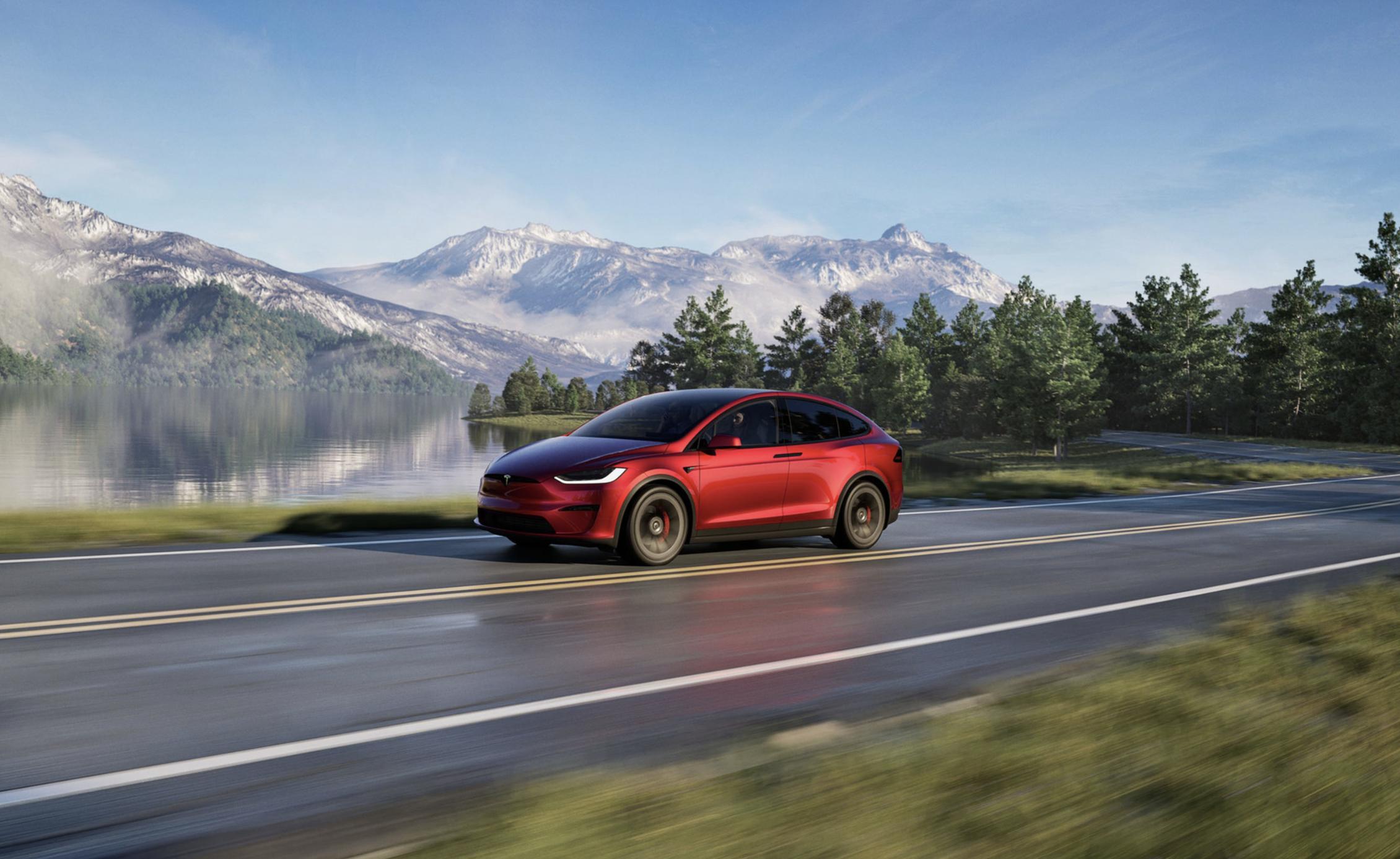
(Image source: Tesla)
In response to strong consumer demand, Elon Musk announced that Tesla will build a series of mini-factories in the US dedicated to retrofitting and upgrading AI3 platform vehicles. If these cars had adopted a modular design, Tesla's existing production facilities would have been more than sufficient to handle these upgrades.
At this year's High-Level Forum on Intelligent EV Development held in April, Jin Yuzhi, Senior Vice President of Huawei, noted that the current 2-3 year iteration cycle for automotive intelligent hardware is severely mismatched with the 10-15 year full lifecycle of a vehicle. The industry urgently needs to explore pathways for "replaceable intelligent hardware".
Previously, when Huawei's 896-line LiDAR was launched and widely deployed, it already offered upgrade services for older owners of models like the AITO M7 and M8. In the future, numerous components including seats, steering wheels, and in-vehicle infotainment screens could be easily replaced and upgraded through modular design, extending the usable lifespan of a vehicle almost indefinitely.
Of course, modular design still faces many technical challenges. The first issue is underlying architecture coupling: inconsistent protocols for sensors and domain controllers from different suppliers can easily lead to data misalignment and fusion delays. The distributed layout of multiple modules can also cause electromagnetic interference, undermining the stability of intelligent driving systems.

(Image source: Photographed by Dianchetong)
The second major challenge is the severe lack of standardization. There are no universal mechanical or electrical interfaces across the industry, preventing interchangeable modular components. Hardware iterates faster than the full vehicle development cycle, meaning pre-installed modules can quickly become obsolete with poor upgrade compatibility. Additionally, ASIL-D safety redundancy certification required for L3+ systems drastically increases development and certification costs.
Third, there are full-vehicle engineering constraints. Fixed mounting positions for perception modules limit vehicle styling and aerodynamic design. Distributed heat sources create significant cooling challenges, and can also compromise crash structure design, leading to higher collision repair costs.
Fourth, there are mass production and after-sales difficulties. Modularizing high and low trim levels increases pressure on production lines and component SKU inventory. Post-purchase hardware upgrades require recalibration, leading to poor user experience and higher failure rates, making seamless full-OTA iteration nearly impossible.
Essentially, modular design for intelligent driving hardware directly addresses users' core pain points of long-term value depreciation, hardware obsolescence, and functional gaps, resolving the inherent industry contradiction of "10-year full vehicle lifecycle vs. 2-3 year intelligent hardware iteration". This detachable, partial-upgrade model allows vehicles to adapt to the latest intelligent driving systems without full hardware replacement, drastically extending the usable intelligent lifespan of the vehicle and fundamentally solving the problem of lagging intelligent features and high upgrade/maintenance costs in later vehicle life.
Automakers need to actively research and resolve numerous technical and industrial challenges, including architecture adaptation, missing industry standards, mass production engineering hurdles, and safety certification requirements.
In the modular era, why replace the entire car?
Looking past the public narrative of a 1.8-year average vehicle age, the 3-5 year replacement cycle for new energy vehicles, while partially a product of the industry's early development stage, still highlights a key consumer pain point compared to the 6-8 year usage cycle of fuel vehicles: the issue is not mechanical degradation, but the "technological obsolescence anxiety" and asset depreciation caused by rapid intelligent hardware iteration.
In an industry where intelligent driving technology is still not fully mature, and the vehicle lifecycle is severely mismatched with hardware iteration cycles, the "pre-installed hardware + OTA" model promoted by most automakers is essentially a temporary compromise that cannot fundamentally resolve user pain points. Modular, replaceable hardware design is the core solution that aligns with the long-term development of intelligent vehicles.
Represented by NIO's case of pre-installing thousands of TOPS of computing power, automakers have attempted to mitigate short-term user anxiety by building excessive hardware redundancy to reserve room for future feature upgrades. However, intelligent driving upgrades are a systematic overhaul that covers computing power, chip architecture, sensor precision, memory bandwidth, and vehicle actuators. Purely stacking more computing power has no long-term value.
The inherent unpredictability of technological iteration means pre-installed hardware will always lag behind industry development. Automakers cannot accurately predict the intelligent driving technical standards and safety requirements of 3-5 years from now, so even top-tier pre-installed hardware will eventually be rendered obsolete by new technologies. The sense of betrayal among long-term owners can never be fully eliminated, which is the core reason OTA upgrades always hit a hard ceiling.
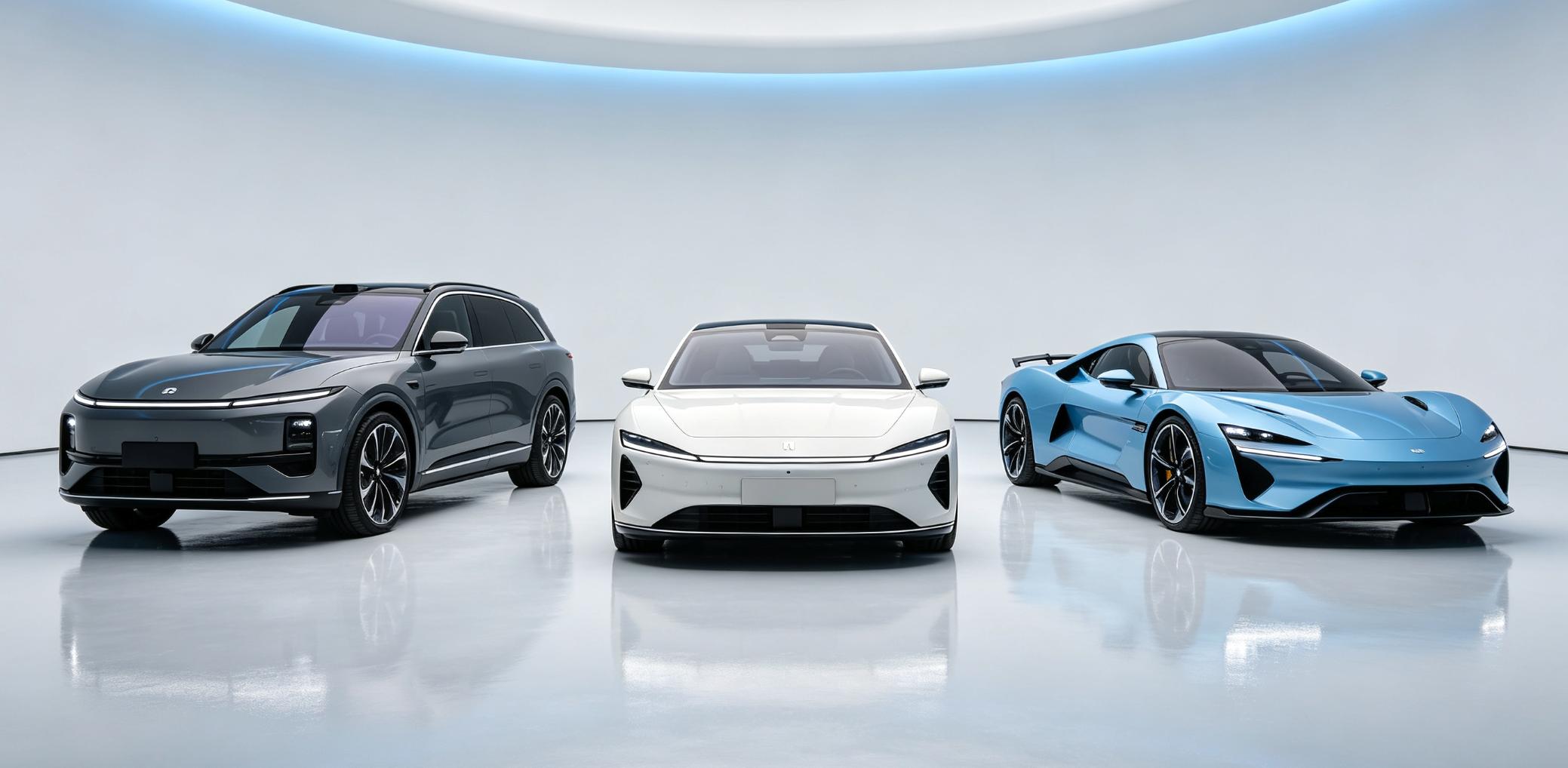
(Image source: Generated by Doubao AI)
Compared to pre-installed hardware that only treats symptoms, the modular hardware upgrade model pioneered by Tesla and Huawei breaks away from the traditional design mindset of fixed full-vehicle hardware. By modularizing core intelligent components like intelligent driving computing units and perception hardware, it enables partial upgrades, repairs, and replacements — allowing vehicles to adapt to the latest intelligent driving systems without full replacement. This not only drastically reduces users' long-term ownership costs and slows vehicle depreciation, but also perfectly aligns with the natural rapid iteration cycle of intelligent hardware.
It is undeniable that widespread modular implementation still faces multiple industrial barriers. The lack of unified industry standards, incompatible software and hardware interfaces, difficulties in electromagnetic compatibility and full-vehicle safety certification, and incomplete mass production after-sales systems have prevented modular upgrades from being widely adopted so far.
However, from the perspective of long-term industry development, technological iteration will eventually stabilize, and standardization, modularity, and upgradability will inevitably become the ultimate form of intelligent vehicles. In the short term, pre-installed hardware paired with high-frequency OTA will remain automakers' mainstream method of maintaining user satisfaction. In the long run, only full adoption of modular design can completely end the "buy today, obsolete tomorrow" dilemma for new energy vehicles, transforming cars from disposable consumer electronics back into durable, long-lasting mobility assets.