Why do the rich only buy "useless" things, yet the more they spend, the richer they get?
Shen Translation Bureau is a translation team under 36Kr, focusing on technology, business, workplace, life and other fields, introducing new technologies, new perspectives and new trends from abroad.
Editor's Note: This article interprets the wealth-building logic behind the seemingly useless consumption of the rich. Rather than chasing short-term stimulation and speculation, they prefer to spend money in exchange for energy, independent choice and the confidence to say no to others. This article is translated and compiled, hoping to bring you inspiration.

Image source: Unsplash, photographed by Ruthson Zimmerman
A few years ago, I watched a video in which a man whose net worth far exceeded all the wealth I could earn in my entire life paid 40 dollars to hire someone to assemble a cheap desk.
At that time, I secretly judged him in my mind, thinking he was lazy and overly coddled.
It was a long time before I realized belatedly that he saw a layer of logic that I could not see, and this logic is basically the core rule of wealth accumulation.
Money will completely subvert people's judgment standards of what is "reasonable".
If you walk into the homes of a penniless person and a wealthy person respectively, you will often find that the poor person has more belongings. All kinds of electronic products are piled up everywhere, many clothes still have their tags on, and there is a pile of fitness equipment that has long been reduced to clothes racks over time.
In contrast, the furnishings in the homes of the rich are often very simple, and the items they own look unremarkable, even giving people a sense of gap that far exceeds expectations.
But this plainness is by no means accidental. These inconspicuous things are the real purpose of their consumption.
For many years in the past, I always thought that wealth represents a person's ability to buy all kinds of things. Later I realized that wealth depends more on what consumption a person actively gives up, and what trivial matters he is willing to spend money to avoid.
Plainness and dullness are rarely something people will show off
When I first realized this, my pride was greatly hit.
Those eye-catching speculations, popular virtual currencies, and "sure-profit" businesses that your relatives keep sending messages to recommend to you are almost all traps that ordinary people will fall into.
Stimulating experiences come at a high cost, and only plain long-term investment can bring compound value appreciation. The rich will continuously invest their funds in targets that are so dull that reading their introduction manuals will make people drowsy:
Index funds that have been held for 30 years without any dramatic fluctuations;
An unremarkable rental house in an ordinary small town;
A sum of savings that lies quietly in the account, as docile as a lazy dog.
These investments do not have the thrill of "getting rich overnight" at all, but this is exactly the fundamental reason why they can continue to make profits.
Anything that can bring you instant pleasure will make you pay for it sooner or later.
The human brain prefers dramatic stories, and yearns for the dazzling lights in casinos, high-risk gambles, and the dopamine stimulation brought by returns that can be cashed in on the same day.
But wealth accumulation is exactly the opposite of those dramatic and exciting stories. It is just repeating boring choices over and over again, taking the long passage of time as the path to realize returns.
Think about it, when was the last time you actively chose a plain and stable plan, and felt a sense of achievement instead of feeling that you were losing out?
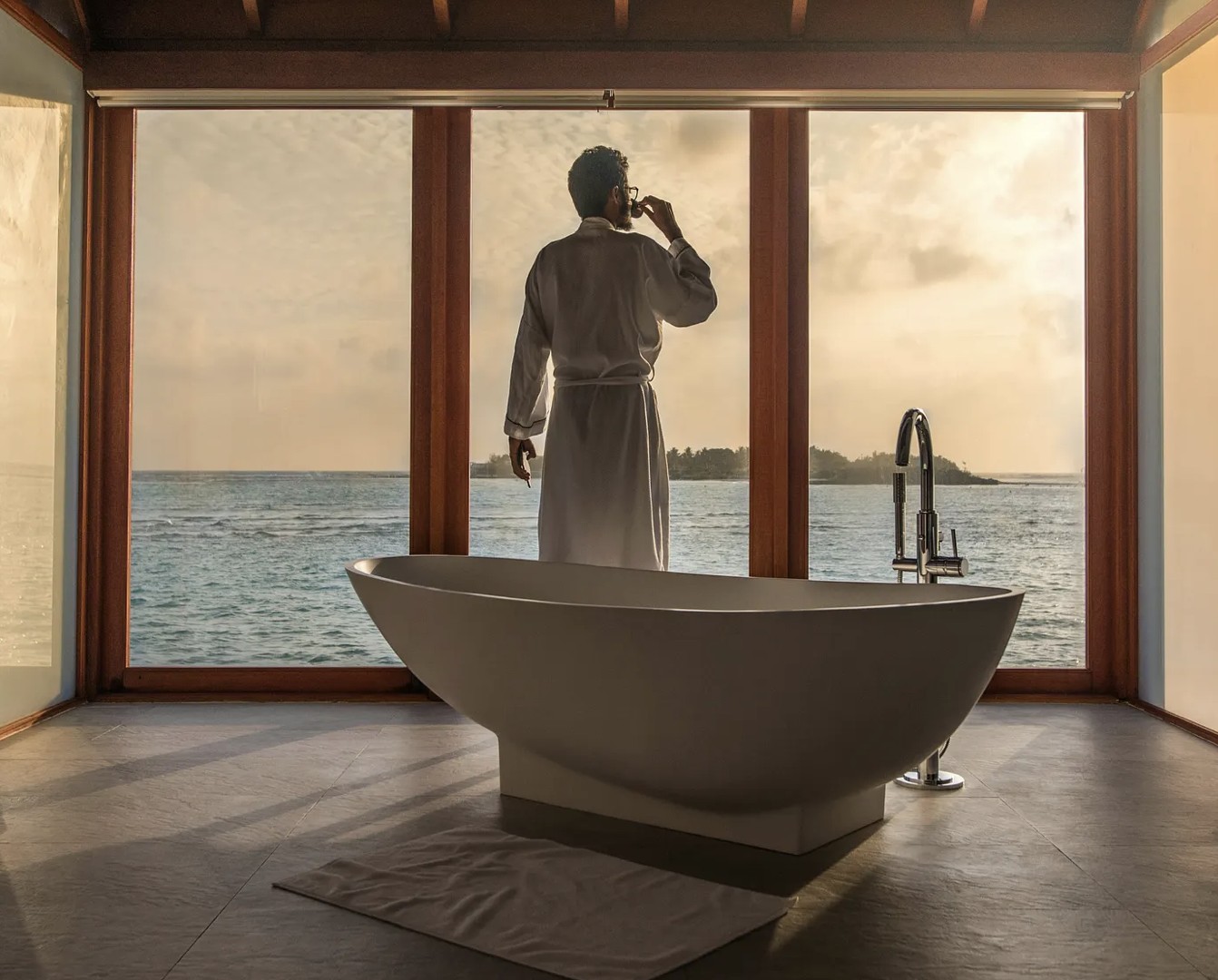
Image source: Unsplash, photographed by Ishan @seefromthesky
Spending money to eliminate complicated choices is a luxury expense worth paying
You will find that many wealthy people wear the same style of clothes, eat the same breakfast, and drive an unremarkable car all year round, without changing for more than ten years.
I used to think this was just stinginess, but now I understand that behind it is the ultimate thinking of trade-offs.
Every time a person makes a choice, he will consume his own energy.
No one has ever reminded us in advance of the mental friction caused by decision-making.
People who see through this point are willing to spend money to completely eliminate the thinking cost of a certain type of trivial life matters: hiring a cleaner so that they no longer have to worry about housework; ordering pre-made meals so that they don't have to struggle with what to eat for dinner every day; hiring an assistant to handle all kinds of trivial matters for them, so that problems can be solved as soon as they arise.
Outsiders may think this is being overly coddled, but in fact it is more like a precise "surgical operation". These consumptions help them clear a large number of irrelevant trivial worries from their minds, leaving brain space for the most important things. The mental attention freed up in this process is the core asset that really needs to be protected.
When I was short of money in the past, I wasted a lot of precious time on trivial things like haggling over parking apps and repeatedly comparing prices to choose socks. But the wealthy people I know cherish their attention as if it is the only hard currency. For them, attention is the most valuable currency.
Think about it, if your brain does not need to spend half of its energy dealing with trivial matters, what truly valuable things could you have concentrated on doing?
"Saying no" is the most expensive thing money can buy
It took me a long time to truly understand this point.
The most precious thing a person can buy is never a luxury car, a mansion, or an absurdly expensive watch. It is the calm confidence to say "no" easily, and the total peace of mind when you refuse others.
Say no to clients who treat you as a tool; say no to friends who only contact you when they need help; say no to a cooperation that may bring considerable returns but feels wrong in your intuition.
Whenever you reluctantly agree to others out of inner fear, you are essentially paying a high hidden tax. The so-called freedom is nothing more than slowly building up enough confidence to say no again and again with a clear conscience.
Many people think that the rich spend all their money to get freedom, but the truth is just the opposite. Long before others called them rich, they spent money little by little and unobtrusively to buy their freedom.
A small sum of emergency deposit is freedom; turning down a job that constantly drains you is freedom; being able to arrange your own time freely even if the salary is lower is freedom.
These things cannot be photographed into glamorous photos, nor can they get likes on the Internet, but they can reshape your whole life from the root.
There is a sentence I really wish my ignorant younger self could understand earlier: Wealth never lies in unrestrained consumption, but in knowing not to drain yourself.
Those seemingly meaningless expenses only seem superfluous to people who do not understand the underlying logic. Having the confidence to turn around and leave is better than all the temptations that people are eager to chase.
When a person finally has the capital to be content with plainness, eliminate complicated choices, and calmly refuse others, his heart will not be filled with the ecstasy of getting rich overnight, but will become completely calm.
This seemingly empty calmness is always the ultimate meaning of the pursuit of wealth.
Translator: Teresa