Beer for breakfast and pets in jerseys: The metamorphosis of World Cup consumption
At 8:30 in the morning, Lao Li, the owner of a neighborhood café in Jing'an, Shanghai, was left bewildered when a customer pushed open the door, ordered an iced Americano, grabbed two cans of craft beer on the side, and said he was heading to the 9 a.m. match. In the old days, drinking alcohol at this hour would have been seen as a sign of a hangover, but now it's become a routine occurrence.
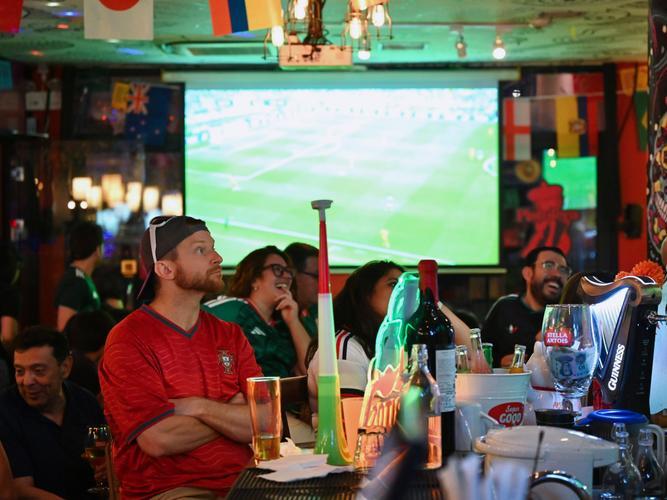
As the 2026 FIFA World Cup in the United States, Canada, and Mexico unfolds, consumer behavior is undergoing a complete paradigm shift. The time difference has acted like a scalpel, slicing apart the decades-old World Cup ritual of "late-night snacks + beer + barbecue" and reassembling it into a surreal, bizarre consumer landscape.
Daytime Beer and Nighttime Coffee: The Consumption Rhythm Shattered by Time Zones
Data from Taobao Flash Delivery illustrates this trend vividly.
Since the tournament kicked off, combined orders of "beer + breakfast" have surged 79.4% year-over-year, while the "coffee + braised snacks" combo has skyrocketed by 120.6%. Staying awake with caffeine deep into the night and starting the morning with beer to build a match-watching ritual—this reversed consumption rhythm has become the defining hallmark of this World Cup.
Under traditional logic, the World Cup equates to peak season for beer. Over the past two decades, beer stocks always rallied ahead of major tournaments, and food stalls, barbecue joints, and bars were packed to capacity.
But this time, the script has flipped entirely.
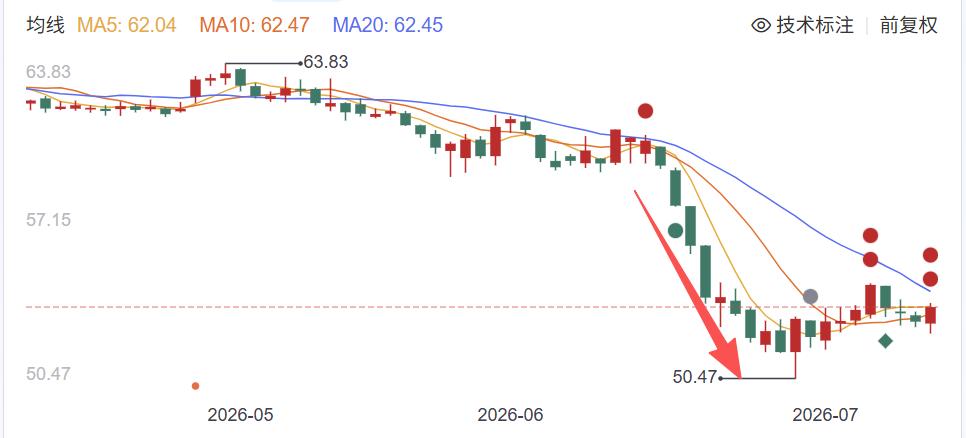
Just one week into the tournament, Tsingtao Brewery's stock price has plummeted more than 11% cumulatively, hitting a new recent low. The capital market's "vote with feet" has made it clear to everyone that the old World Cup consumption logic no longer works.
It's not just beer stocks that are failing to deliver.
Owners of multiple Shanghai bars admitted they stocked up millions of yuan worth of inventory before the tournament, yet barely any customers showed up on the opening night. The late-night viewing spots that used to be impossible to reserve are now advertising "early-bird specials." Some bars even adjusted their opening hours to 8:30 a.m., serving brunch paired with beer, effectively transforming themselves into brunch spots.
Instead, early-morning consumption has unexpectedly taken off.
Orders for craft beer in the morning hours have risen 16.3% month-over-month, while sales of toast, sandwiches, steamed buns, and shaomai have all increased by more than 10% in tandem. The trend is even more extreme in Guangdong, where searches for "local dim sum restaurants nearby" have surged 8.5 times year-over-year. Teahouses have seized the opportunity to launch football-themed dim sum, integrating match-watching into traditional morning tea time.
Data from JD Instant Delivery confirms this trend.
Sales of iced beer have grown over 98% year-over-year, but the peak consumption window has spread from late night to cover the full day: early morning, daytime, and night. The 30-minute delivery capability of on-demand retail has accommodated fans' fragmented viewing needs. In other words, it's not that beer isn't selling anymore—it's that the time and place people drink it have completely changed.
Behind this shift is the full-scale migration of viewing scenarios from public spaces to the home.
With match times moved from late night to early morning, the social cost of going out to drink with friends has risen sharply. The living room, sofa, and projector at home have replaced the big screens and noisy crowds in bars. Sales of over-ear headphones have jumped 84% year-over-year, driven by the practical need not to disturb sleeping family members.
Interestingly, takeout sales of Nanfu batteries have increased by 72%, as many people dug out their dusty TV remotes only to find the batteries were long dead.
The "Football Widow" Consumer Awakening
In previous World Cups, men almost monopolized consumption decision-making. But data from this tournament shows that the number of female shoppers has surpassed that of men, making them the new main force in World Cup-related consumption.
Behind this reversal lie two completely different consumption paths.
One path is "self-pleasure" consumption—since their partners are obsessed with the matches, women might as well spend time and money on themselves. Within the first hour of the tournament, 200,000 women ordered breast enhancement products, and more than 16 million face masks were sold during a single match promotion. "Football widows" are no longer complaining; instead, they are turning the free time created by their partners' match-watching into a window for self-improvement.
The other path is even more fascinating: sales of lingerie and cheerleading outfits have surged 350% month-over-month, with search indices growing 23 times. The main consumer group is married women aged 25 to 30, who use this method to recapture their partners' attention. On Taobao, thousands of sexy jersey sets in Argentina and Brazil colorways are sold monthly, and the top-liked comment in the review section reads: "I wore it, and he finally looked at me instead of the game."
There are regional exceptions to this pattern.
In Shenzhen and Guangzhou in South China, condom sales have risen rather than fallen, leading internet users to joke that "male fans in Shenzhen are the most efficient."
On the other side of the globe, after England's 4-2 opening match victory, searches for condoms in the UK skyrocketed by 98%, as the joy of winning directly translated into intimate behavior.
What deserves more attention is the real rise of the female fan demographic.
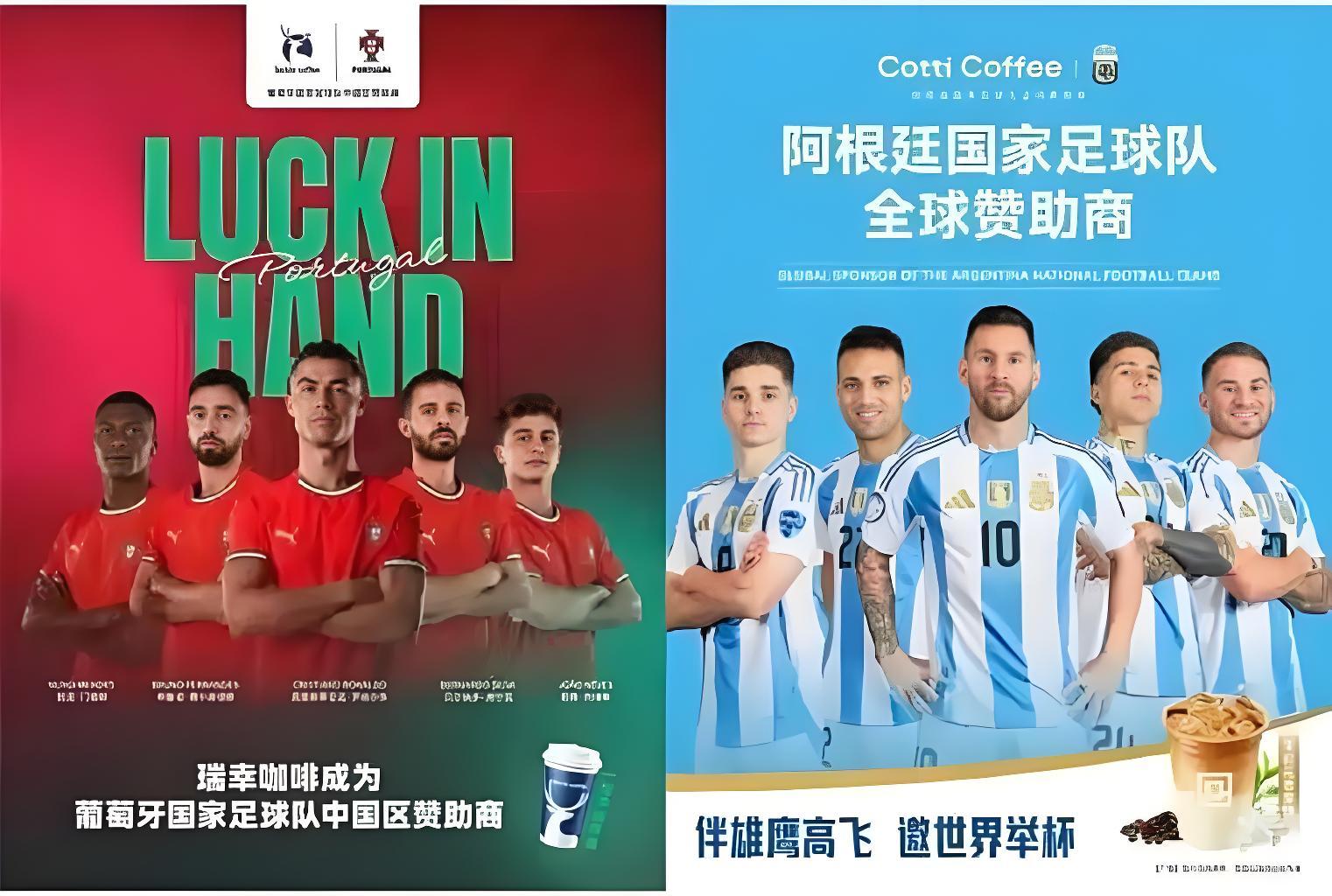
They are no longer just passive companions watching games; they actively participate in consumption decisions. The main disseminators of the marketing campaigns by Cotti and Luckin Coffee, which took sides around Messi and Cristiano Ronaldo, are female users. On Xiaohongshu, views on topics related to "World Cup outfits" and "match-watching makeup" have exceeded 10 million. Pairing jerseys with pleated skirts and creating trendy, bold viewing looks has turned sports events into a fashion show.
This is essentially a microcosm of the shift in consumption power. As women begin to lead household consumption decisions, the World Cup's commercial narrative must evolve from "catering to male fans" to "considering the entire family's experience." Parent-child outfits, family packages, and female-friendly viewing spaces—once niche categories in previous tournaments—are now becoming new growth drivers.
Pet Jerseys: The Most Absurd Yet Authentic Emotional Consumption
If there's one product that best captures the absurdity of this World Cup, it has to be pet jerseys.
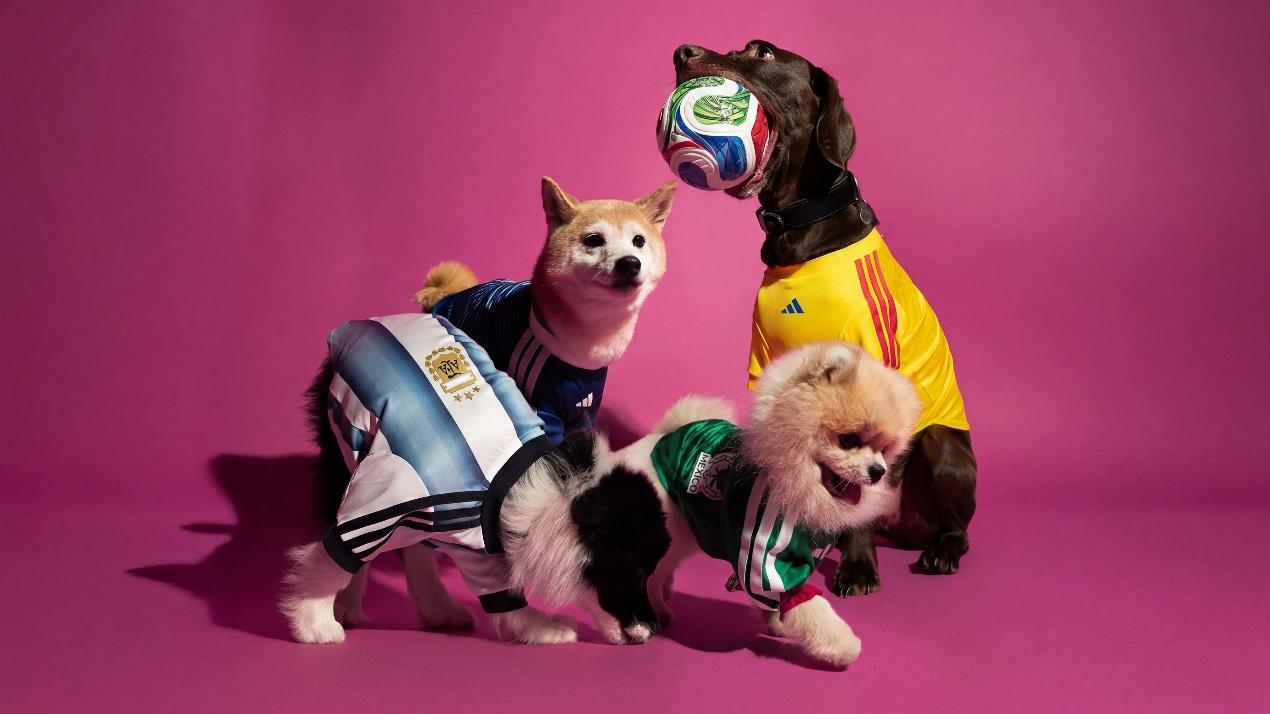
After FIFA opened up pet IP licensing for the first time, official national team pet jerseys generated over 170,000 RMB in single-day GMV on TikTok's US marketplace, with sales skyrocketing 1772% year-over-year. A $15 dog jersey became a viral bestseller thanks to a short video with 1.8 million views.
Ninety-three percent of these sales came from content-driven traffic, with comment sections full of remarks like "My pup must support Argentina" and "My cat deserves the prestige of wearing a Brazil jersey."
Merchants in Yiwu were the first to spot this business opportunity.
During the last Qatar World Cup, some customers asked about pet jerseys when the market was almost nonexistent. This time, they boldly stocked up, and now pet jerseys priced at a dozen yuan wholesale have already sold 50,000 to 60,000 units. A pet clothing factory in Suzhou, Anhui, has performed even more impressively, selling nearly 300,000 units in total, with Argentina's blue-and-white striped design accounting for 30% of sales.
Why have pet jerseys become a hit? It all boils down to emotional consumption.
Data shows that 75% of pet owners in the US and Canada include their pets in World Cup consumption plans, with 39% buying special snacks and 34% purchasing team jerseys. For them, pets are not just animals—they are family members and social currency.
Dressing their furry kids in jerseys and posting photos on social media brings far more emotional value than the dozens of yuan spent on the clothes.
This emotional premium is everywhere.
POP MART's LABUBU became the first Chinese designer toy IP to appear at the World Cup opening ceremony. The hidden version of its collaborative glassware blind box, originally priced at 59 yuan, has been resold for 465 yuan in the secondhand market, marking a premium of over 7 times. After Norway advanced to the quarterfinals, its home jersey, originally priced at 699 yuan, was scalped up to 1859 yuan, with fans queuing for 12 hours outside Oslo stores to snap one up.
Match results directly determine consumer spending power. The day after Germany won the 2014 World Cup, online transaction volume rose by an average of 75%. After Mexico was eliminated, national consumer spending dropped by 51%, resale ticket prices halved from $4,000 to $2,000, and nearby parking fees fell from $50 an hour to $10 for unlimited stays.
The year Brazil suffered its 1-7 humiliation at the hands of Germany, retailers took four full years to clear out their stock of Brazil-themed merchandise.
From pet jerseys to designer toy blind boxes, from fan merchandise to result-driven consumption, the World Cup is no longer just a sports event—it's a month-long emotional carnival, where people pay for feelings, take sides for their identities, and invest in social currency. The once-essential beer and barbecue have instead become supporting players.
The Exploitative Economics Inside the Stadium
If off-field consumption is a displaced carnival, on-field consumption is blatant exploitation.
This World Cup is billed as the most expensive in history. Just how pricey is it? A regular bottle of mineral water sells for $5.25, equivalent to 35 yuan. A beer costs $18.5, roughly 130 yuan. A Coke is 60 yuan, and a hot dog is 90 yuan—spending 300 to 400 yuan on food and drinks during a single match is effortless.
Worse still are the pre-tournament bans.
FIFA initially prohibited spectators from bringing any reusable water bottles into the stadium, forcing them to buy overpriced water from official sponsors. This rule drew public criticism from the UK Prime Minister and New York City Mayor, accused of profiteering under the guise of security. Under public pressure, FIFA revoked the ban, but the image of executives holding up sponsor-branded water bottles for demonstration was still derided as a PR disaster.
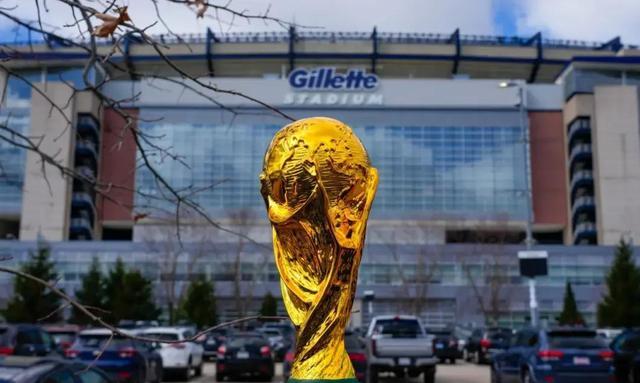
Tickets are even more outrageous.
The highest-tier official ticket for the final costs $10,990, roughly 78,000 yuan—7 times the price of the Qatar World Cup. And that's just the official price. Dynamic pricing mechanisms for high-demand matches can push ticket prices up 2 to 5 times. The official resale platform goes even further, charging 15% commission from both buyers and sellers, taking a 30% cut per transaction, earning itself the playful nickname of "officially licensed scalper."
The Attorneys General of New York State and New Jersey have already issued subpoenas to FIFA to investigate its deliberate manipulation of seat classifications and ticket pricing. But investigations aside, the profits keep rolling in. FIFA projects that total revenue from this World Cup will exceed $14 billion, hitting a new all-time high.
This aggressive commercial strategy essentially stratifies fans into different classes.
Want to enter the stadium to experience the game? Pay exorbitant ticket prices first. Want to eat and drink? Accept the monopolized pricing. Want to appear on the big screen? Pay another $79. Every step is designed with a fee point, turning football, a once-accessible sport for the masses, into a high-end luxury business.
Ironically, while inside the stadium you're paying 35 yuan for a bottle of water, outside ordinary people can put together a match-watching combo for just a few yuan via on-demand retail.
Two worlds, two kinds of consumption, coexisting in parallel within the same World Cup cycle.
The Underlying Shift in World Cup Consumption
The time difference is just a catalyst. What has truly transformed the consumption structure is a deep-seated shift that has long been underway.
The first shift is scenario migration. From bars and food stalls back to the home living room, from collective revelry to personal immersive experiences. The explosion of on-demand retail, home projectors, and noise-canceling headphones essentially serves this new at-home viewing scenario.
The second shift is emotional premium. People no longer spend money just to watch the game itself—they pay for the feeling of watching it. Pet jerseys, designer toy blind boxes, and fan merchandise are all carriers of emotion, with consumption purposes shifting from meeting basic needs to self-expression.
The third shift is power transfer. Women, young people, and non-core fans are becoming the main consumer force. They bring completely different consumption preferences and keep expanding the commercial boundaries of the World Cup.
Lao Li's café has now figured out the pattern: an hour before early-morning matches, orders combining beer and coffee peak; during lunch breaks, sandwiches and cut fruit sell best. He simply launched a viewing combo featuring coffee, beer, and braised snacks, with sales tripling compared to last month.
The World Cup will eventually end, but these consumption changes will not recede. Just as the 2002 World Cup popularized food stalls, the 2010 World Cup boosted bars, and the 2022 World Cup drove the rise of on-demand retail, every major tournament leaves a new mark on the consumption landscape.
What this tournament leaves behind may be morning beer, pet jerseys, and an increasingly clear truth—football remains the same football, but the people watching it have long since changed.