The thicker new iPhone has untangled the entire mobile phone industry
Recent leaks from multiple sources indicate that the unreleased Apple iPhone 18 series Pro models will introduce a counterintuitive adjustment, with their body thickness likely increasing significantly.

Relevant information shows that the iPhone 18 Pro's body thickness will rise from 8.75mm on the iPhone 17 Pro to 9.9-10.9mm, with a maximum increase close to 2mm, potentially making it the thickest Pro model in nearly a decade.
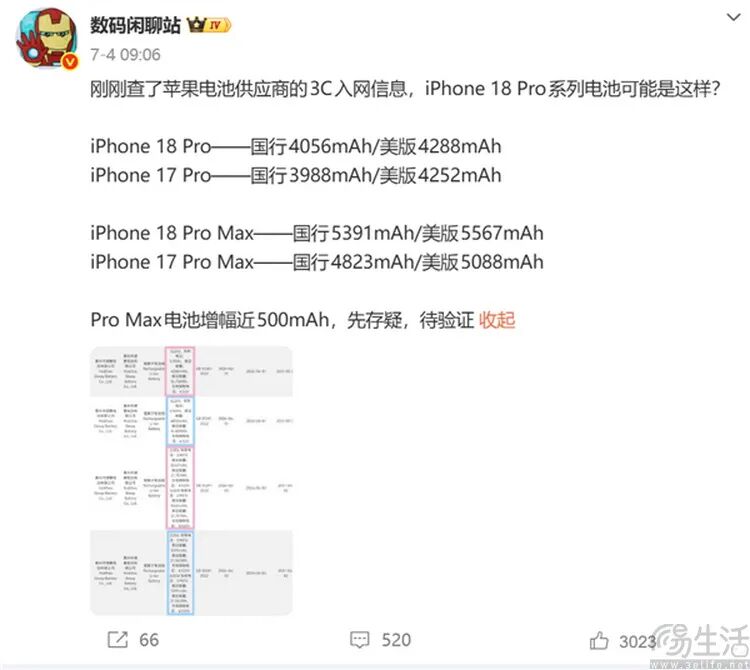
So what will a thicker body bring? Specifically, there are two main aspects: first, a full-line upgrade to high-capacity batteries, where the Pro Max variant may see its battery capacity increase to 5391mAh, nearly 100mAh more than the previous generation. Combined with the efficiency improvements of the 2nm-process A20 Pro chip, the overall device's battery life is reportedly extended by 3-5 hours. Second, a fully upgraded imaging system, which is said to feature a brand-new main camera with a mechanical variable aperture, a large-aperture telephoto lens, paired with stacked image sensors and larger lens modules.
Prior to this, the mobile industry had fallen into an "ultra-thin" trap
Looking at the mobile industry over the past few years, "thinner" has almost become the default unbreakable rule for major manufacturers' iterations, making the thickness indicator a Sword of Damocles hanging over all mobile brands, spawning abnormal "thickness involution" and widespread "thickness shame".
Yet this pursuit of extreme thinness has led to massive functional compromises.
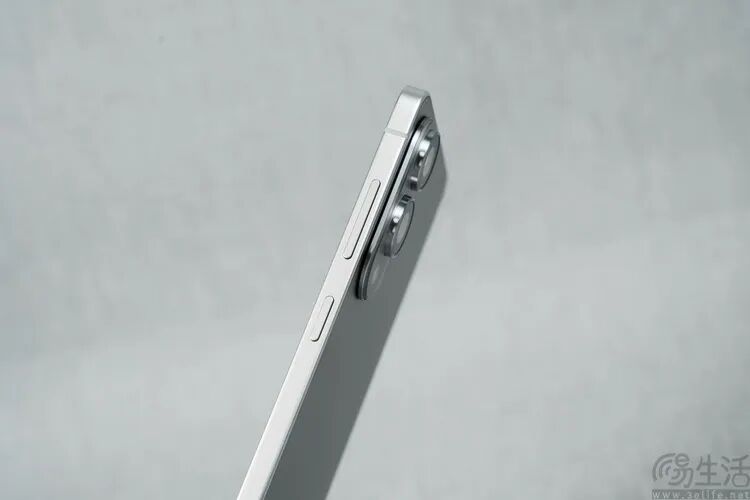
On one hand, many ultra-thin flagship phones have drastically reduced battery capacity compared to regular models of the same size to cut down thickness, making battery life the most prominent pain point. Not lasting a full day on a single charge is a common issue for these devices. Even some regular flagships have pulled off the "joke" of deliberately not upgrading battery capacity during iterations, or even actively removing existing features from older models, all for the sake of being thinner.
On the other hand, the space constraints of ultra-thin bodies make it impossible to fit high-end imaging components like periscope telephoto lenses, large-sensor image sensors, and variable apertures. Most ultra-thin models are sold at flagship prices but can only use mid-range imaging hardware, trying to compensate for poor image quality with algorithm optimization, which fails to convince consumers of their premium positioning.
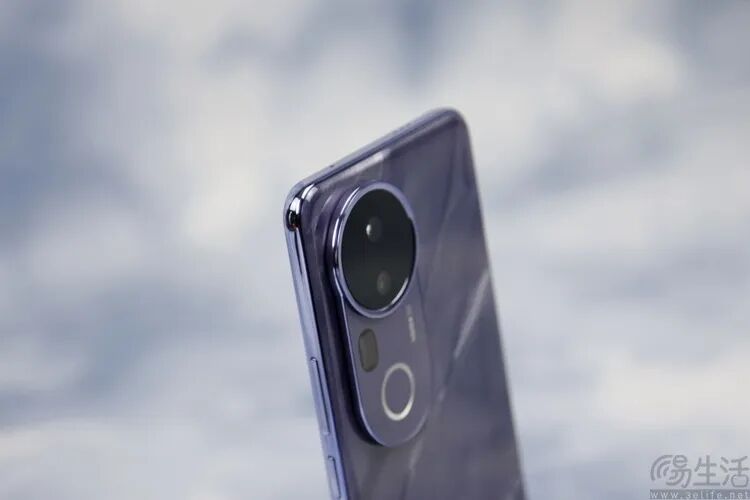
In contrast, the so-called "thickness shame" has become a widespread phenomenon across the entire industry in recent years. If you pay a little attention, you will find that whenever a product has a thinner body than its predecessor, manufacturers will highlight selling points like "ultra-slim body" and "lightweight grip" in their promotions. Once a new phone is thicker than the previous generation, brands almost completely avoid mentioning this parameter, even deliberately evading the thickness metric in marketing. This has pushed product iterations into the misguided path of "being thin for thinness's sake", disconnected from consumers' real usage needs.
When the iPhone unapologetically gets thicker, it is a meaningful correction
Admittedly, ultra-thin bodies offer a more premium feel, but are extremely thin phones actually easy to use? From actual grip experience, overly thin devices are prone to digging into your hands and unstable holding, which are often less comfortable than moderately thicker bodies that fit the palm's curvature better.
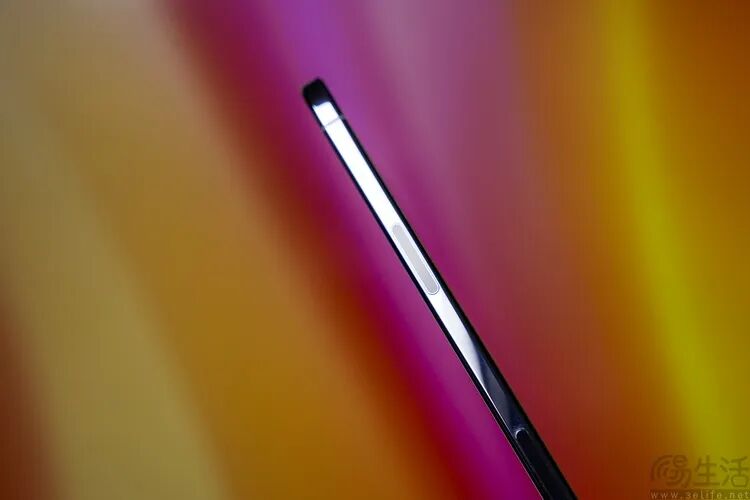
Objective data also proves that consumers do not actually care that much about "ultra-thin" designs.
The 2025 China Smartphone Consumer Behavior Survey released by iiMedia Research shows that 78% of users list battery life as their top priority when purchasing a phone, 68% consider long-term smooth performance a core requirement, and less than 15% include "extreme lightness and thinness" in their key purchasing criteria. Relevant reports from the China Academy of Information and Communications Technology also point out that 42.7% of users take imaging performance as their core demand for upgrading phones. Compared to a thinner body, experience upgrades in battery life, heat dissipation, and imaging are the core drivers for users to switch devices.
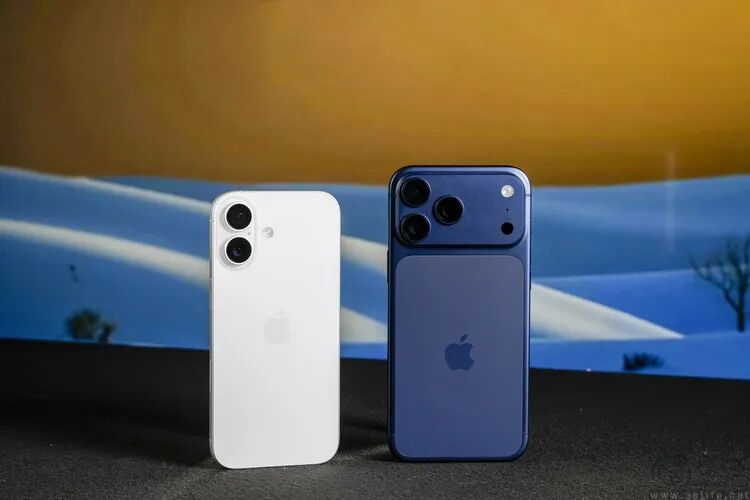
Against this backdrop, Apple's bold move to make the iPhone 18 series Pro models "thicker" will obviously deliver a positive corrective effect. To put it more plainly, this gives other manufacturers a valid reason to "free themselves", allowing them to finally confidently develop new phones that are thicker but actually more practical.
But why is Apple the first brand to declare that "thinner is not the right direction"?
Apple's "right to interpret" industry standards comes from its market performance and engineering capabilities
Clearly, Apple's confidence first stems from its absolute advantage in global market sales. According to 2025 global smartphone market data from Counterpoint, after the launch of the iPhone 17 series, its global market share has steadily ranked first in the premium segment, with full-year shipments of premium models (priced above 6,000 yuan) accounting for over 65% of the total, far exceeding the sum of premium Android devices.
Its massive market presence gives Apple's design choices absolute industry influence. When it breaks the unwritten rule that "iterations must be thinner", it will not face skepticism, but instead reshape the entire industry's design standards.
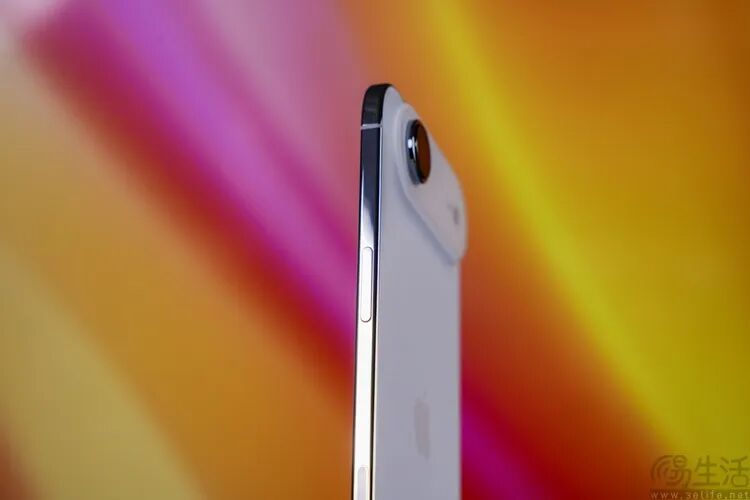
At the same time, for users who still firmly believe that "thinner is better", the existence of the iPhone Air is enough to dispel their doubts about Apple's engineering capabilities. Especially when most other manufacturers have abandoned the R&D of ultra-thin flagships, Apple, which continues to develop the next-generation iPhone Air, essentially holds the "right to interpret" body form design in the industry.
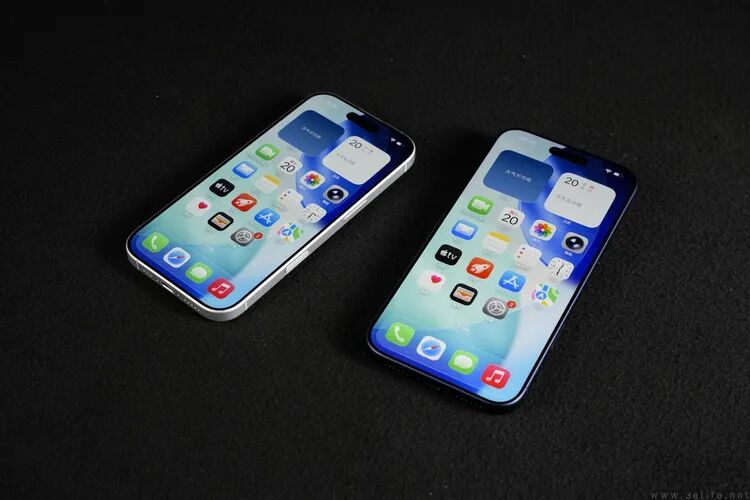
Returning to the leaks about the iPhone 18 series Pro models, Apple's active decision to increase the new devices' thickness embodies a more pragmatic trade-off between features. For better imaging performance, stronger processing power, and longer battery life, it is willing to abandon the gimmick of lightness and thinness. This clearly conveys the idea that ultra-thin design is not inherently bad, but it cannot come at the cost of user experience.
When phones no longer follow the "thinner is better" rule, it benefits the entire industry
From the perspective of industry development, the "thickening" of the iPhone 18 series Pro models carries strong corrective value for the entire sector, and is expected to completely end the years-long chaotic "thickness involution".
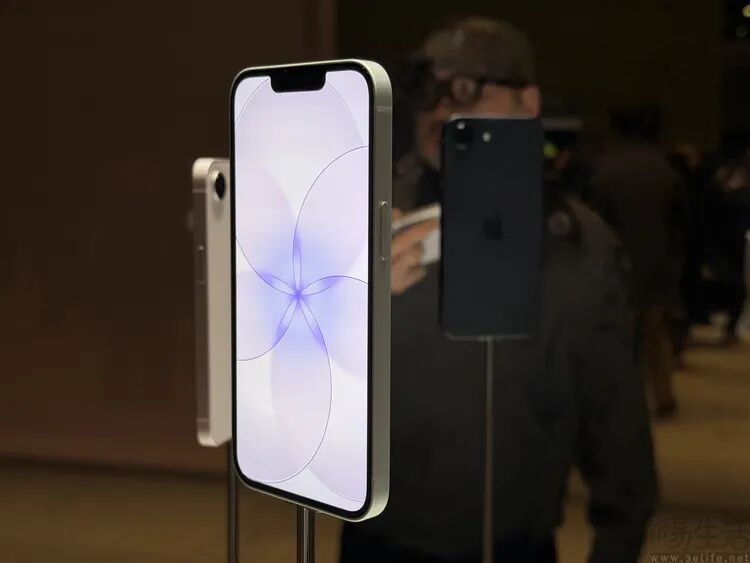
For a long time, many Android manufacturers have been trapped in passive follow-up, afraid to break the ingrained perception that "thinner is better". The root cause is their lack of discourse power to define industry standards, forcing them to iterate passively following the mainstream market aesthetic. Apple's this adjustment essentially removes the invisible shackles for the entire industry, sending a clear signal to the market: the core of smartphone iteration is experience improvement, not meaningless parameter competition. There is no absolute good or bad for body thickness, and the optimal design is the one that adapts to hardware functions and meets user needs.
For consumers, this liberation has far-reaching significance. It means that future phone manufacturers no longer need to sacrifice battery life, heat dissipation, and imaging for the sake of lightness and thinness. R&D resources will shift from ineffective thickness reduction to hardware upgrades, feature optimization, and experience refinement. For the entire industry, the end of thickness involution is expected to push the sector back to rational iteration, get rid of homogeneous appearance competition, and start a new era where "functions come first, and experience is king".
This article is from the WeChat Official Account "3eLife" (ID: IT-3eLife), authored by 3eJun, published with authorization from 36Kr.