With no one standing behind it, Louis Vuitton has finally lost the Chinese consumers' support this time.
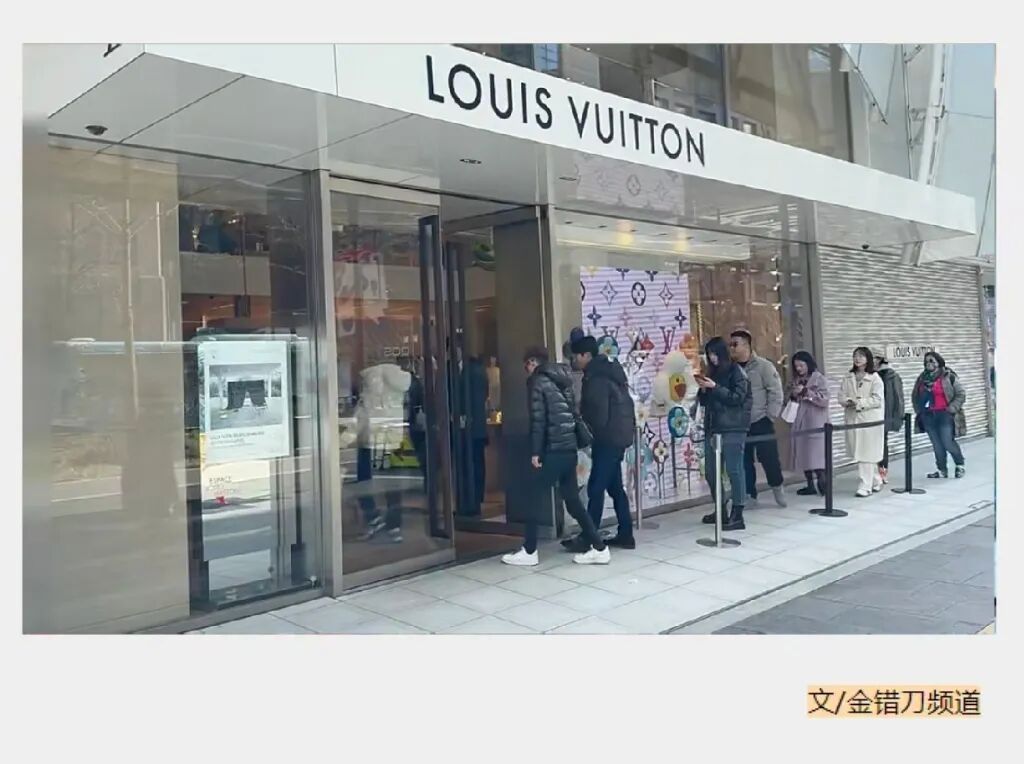
LV
Recently, a flood in Guangxi has once again pushed many brands to the top of trending searches.
Among the long list of brand donations, alongside familiar consumer giants and internet tech titans, a new face caught the public's eye: Moli Nai Bai.

Moli Nai Bai
Some netizens commented, "Even when caught in the rain themselves, they still think about holding an umbrella for others." Not long ago, Moli Nai Bai was itself in a very tight spot.
The milk tea chain, which sells drinks for 20 yuan a cup, was suddenly taken to court by a top-tier luxury brand selling bags worth 30,000 yuan, over the claim that the four-leaf pattern on its cups was "similar" to the brand's signature design. A netizen summed it up perfectly:
LV falls, Moli Nai Bai thrives.
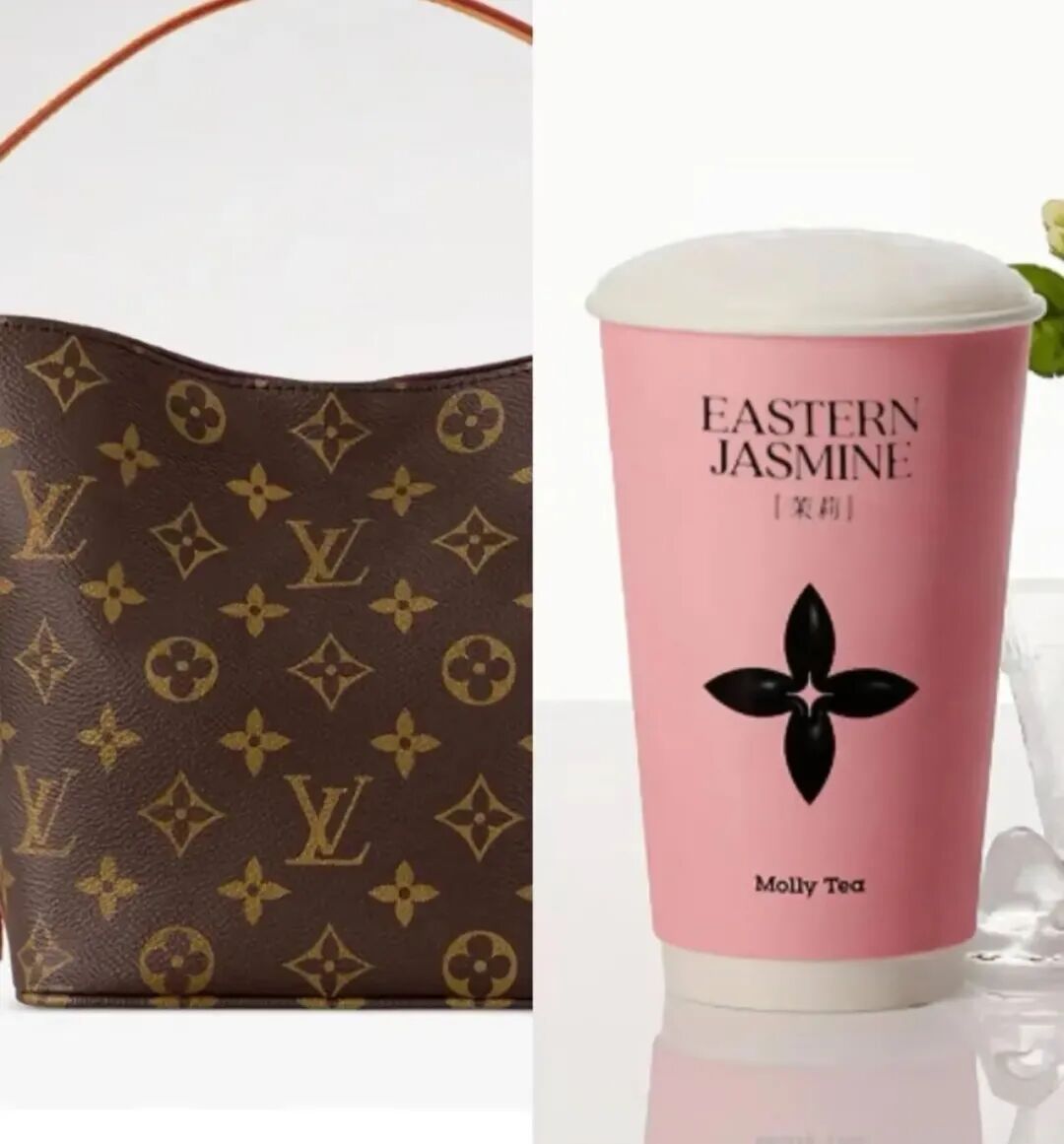
LV falls, Moli Nai Bai thrives.
The saying holds true. In reality, Moli Nai Bai did lose the case: the Suzhou Intermediate People's Court ruled in the first instance that the milk tea brand should pay LV 10.3 million yuan in compensation, a record-high damages award for trademark infringement in the new tea drink industry.
Yet this time, public opinion on trending platforms did not side with the winning party.
Some netizens joked that the four-leaf pattern on their home brick walls looked like LV's monogram, "I'm so scared LV will sue my house." Others dug up all kinds of items with patterns similar to LV's: public toilet decorations, wall tiles, even RMB banknotes, and said they were glad LV hadn't noticed them.

Four-leaf pattern on brick wall
Even state media raised a thought-provoking question: "Can't we use the patterns left by our ancestors ourselves? We should explore the establishment of a database of traditional Chinese national aesthetics."
Despite all the doubts, none of them stopped LV from its aggressive legal actions. Moli Nai Bai is not the first target. People have uncovered LV's legal track record over the years: in the past five years alone, there have been 1,691 trademark infringement risk cases, 207 in 2024, and 56 in the first half of 2026.
So many court cases can no longer be simply explained as "rights protection". Some people joked that LV's legal department in China is busier than its design department.
LV, the brand that "sues everyone in sight", in recent years, seems to be using litigation not to protect its rights, but to sustain its business.
Over a thousand lawsuits in 5 years: tea shops, restaurants, liquor brands...
LV of recent years is no longer the aloof luxury brand that "keeps away from the mundane world".
Its decision to break the luxury brand's usual detached image and sue small and micro businesses stems from the sweet fruits it has tasted from past litigation.
At the very beginning, its targets were unknown ordinary people and small grassroots businesses.
A few years ago, a retro-style restaurant bar in Nanjing used some floral patterns on its bar counter decorations and cake packaging, and even modified the patterns specially to avoid potential infringement issues.
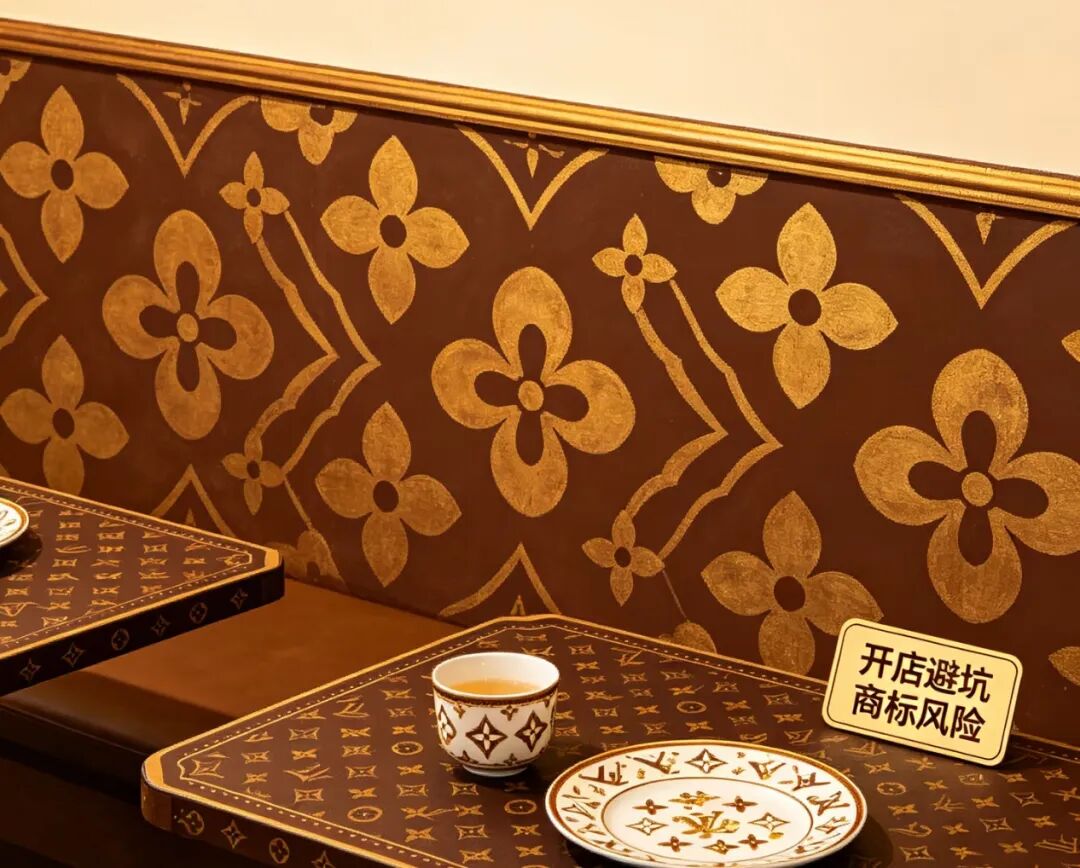
Retro-style restaurant bar
Yet LV still came for them eventually, demanding 1.2 million yuan in compensation right from the start.
In March this year, the court ruled in LV's favor, ordering the restaurant bar to pay 60,000 yuan for infringement plus 20,000 yuan for LV's legal costs, totaling 110,000 yuan. While the amount doesn't sound huge, the restaurant had already lost over 2 million yuan and closed down.
Of course, LV's rights protection journey is far from over, and it has grown bolder, setting its sights on well-known brands and companies.
In recent years, wine trading companies, popular local snack chains, bars... all have accidentally stepped on LV's "minefields" and been sued by the brand.
Streetside shops and individual business owners are treated equally: as long as there's a possibility that their logo's visual elements are similar to LV's, they are all included in its litigation range.
Many people don't know that even Xiang Tai, a well-known Hong Kong celebrity, ended up on LV's rights protection list.
These days, Xiang Tai herself revealed that when filming the movie *The Shopaholics* starring Cecilia Cheung years ago, the crew used some floral-patterned props in the scene, and LV's lawyer's letter was directly sent to her desk, threatening to sue.
Yet this time, LV, which had won every battle before, unexpectedly hit a wall.
Unlike most businesses that silently endure lawsuits, Xiang Tai didn't put up with it. She directly confronted LV's senior management, forcing the brand to withdraw the lawsuit.
Another brand that stood up to LV is Chow Tai Fook. A few days after Moli Nai Bai's infringement controversy, netizens noticed that Chow Tai Fook opened an original monogram-themed exhibition near an LV store, displaying the 1,300-year-old traditional Chinese Baoxiang flower pattern, which netizens called a "direct face-off against LV".
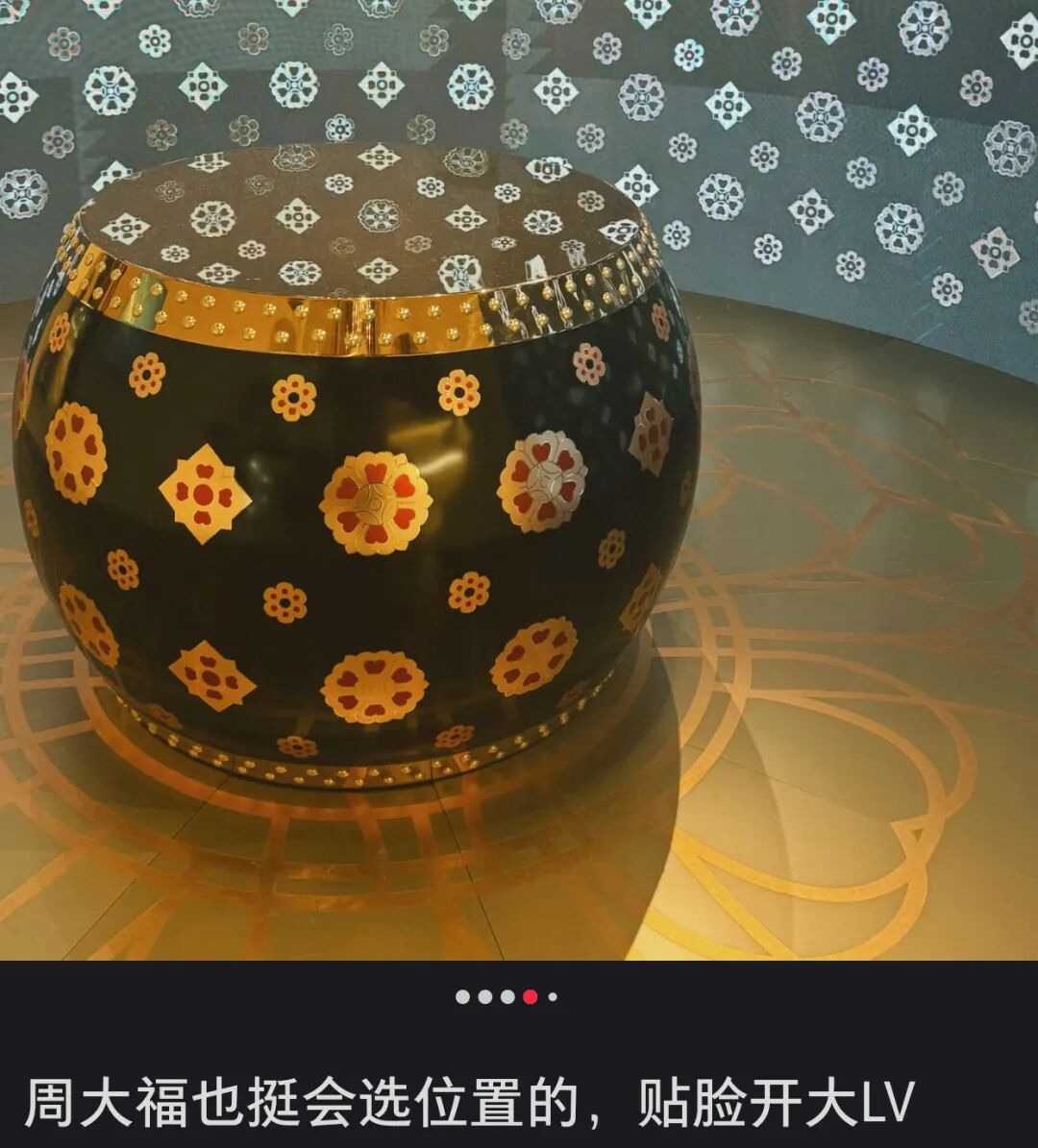
Chow Tai Fook
Then the Moli Nai Bai incident completely sparked public anger, with people widely criticizing LV. The public could no longer hold back, and even started associating LV's pattern with public facility designs.
Winning all legal cases but losing all public opinion is the most surreal part of this round of LV's rights protection actions.
In fact, netizens are not ignorant of trademark law. What makes them feel aggrieved is that the four-leaf floral monogram that LV relies on for rights protection can be traced back to the Baoxiang flower of the Sui and Tang dynasties, and even earlier to the persimmon calyx pattern from the Neolithic Age, which appeared on Tang Dynasty sandalwood lutes.
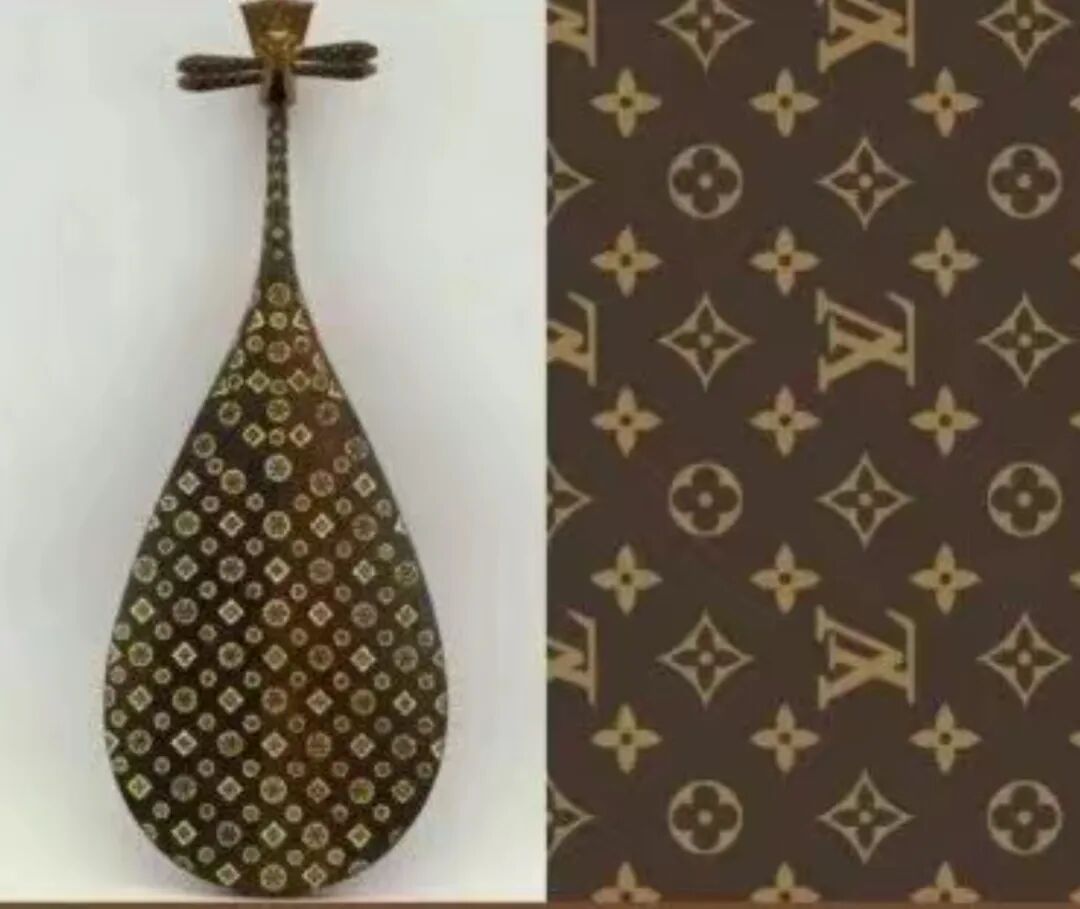
Baoxiang flower pattern
This is the aesthetic heritage of Chinese ancestors, but now it has become something LV took from traditional Chinese patterns, made secondary modifications to, registered as a trademark first, and then used to sue domestic Chinese companies.
To put it bluntly, this round of litigation spree is not aimed at trademark edge cases, but at anyone who can pay compensation.
As netizens put it:
"In the past, LV's anti-counterfeiting actions still had some decency. Now LV's lawsuits look more like a sign of desperation."
LV's century-old moat no longer works for young people
Why has LV been so frequently filing lawsuits in recent years, being teased as "suing everyone in sight" by netizens?
The root cause is simple: business is getting harder.
Looking at LV's development in recent years, if being infringed is an unavoidable annoyance, then its product line is a longer-term chronic problem.
For one thing, LV originally didn't sell bags, but the lifestyle of old European money. Once, from celebrities to ordinary people, LV's monogram pattern was almost a symbol of being stylish.
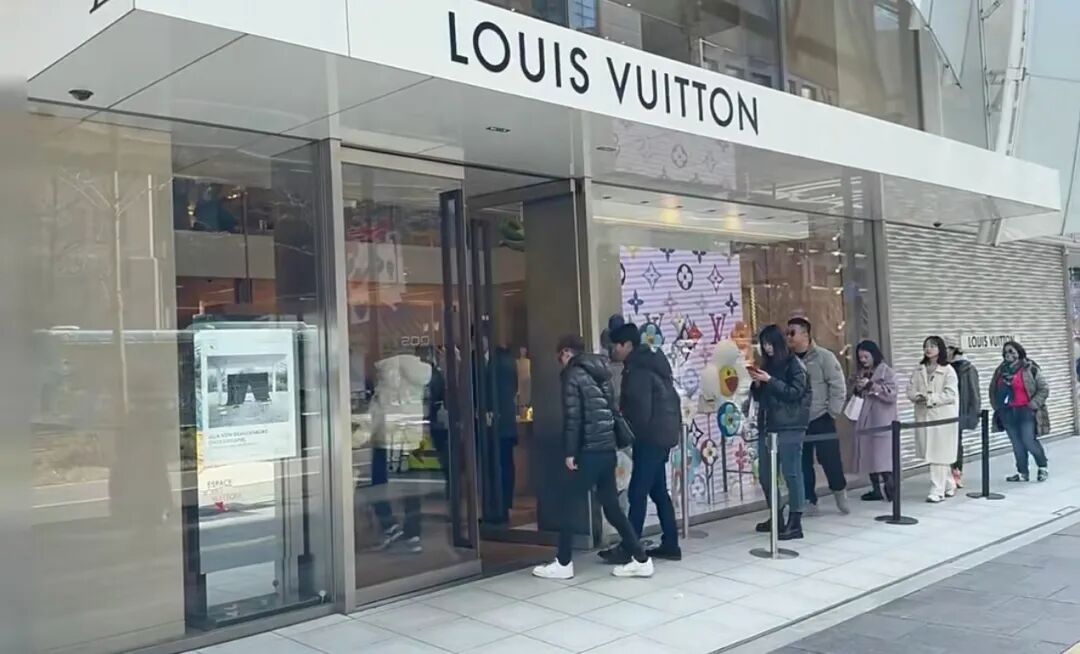
LV
Carrying an LV bag in the past would make passersby think you are wealthy. But now, people might not even glance at it.
People's perception of the brand's lofty status has begun to loosen, which is undoubtedly a heavy blow to the luxury giant. To save its reputation, LV has made two major moves, but in reality, both have achieved nothing.
The first move was raising prices, which backfired with young consumers.
Many big luxury brands' go-to self-rescue trick is price hikes.
After raising prices, it's easy to create scenes of queuing at stores. Consumers follow the logic that buying later will cost more, so they tend to buy when prices rise rather than fall, leading to frenzied buying after price increases.
So LV launched a price hike strategy in April 2025, raising prices of regular handbags by 600 yuan, and classic models by over 1,000 yuan.
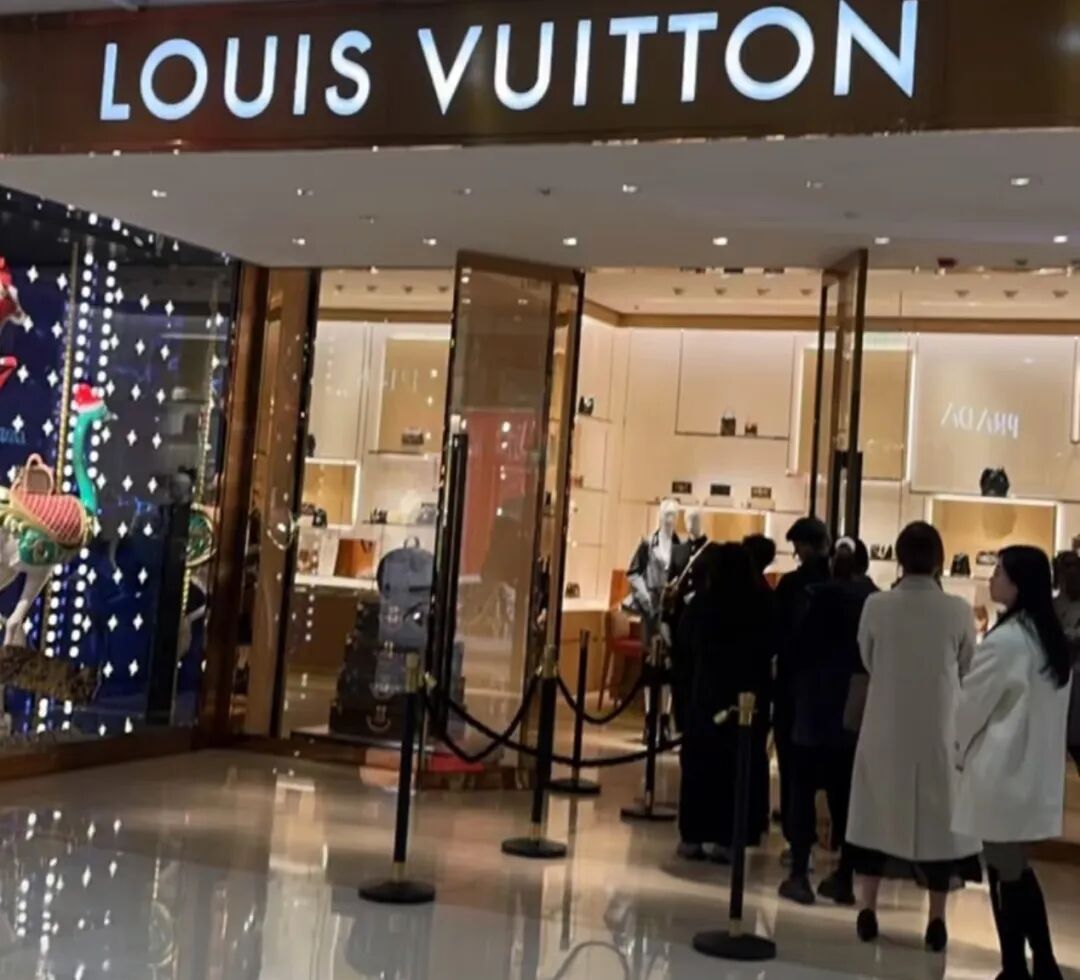
LV
Yet LV didn't expect that today's young people completely reject this tactic.
In 2025, LV's annual revenue reached 80.8 billion euros, down 5% year-on-year; net profit was 10.8 billion euros, plummeting 13%. LV's leather goods and fashion division posted 37.77 billion euros in revenue in 2025, down 8% for two consecutive years.
Last year's second quarter even delivered its worst single-quarter performance in 30 years, and the management itself admitted that the slowdown was triggered by the Chinese market.
Why are young people no longer buying into it? The answer is: they refuse unreasonable premium pricing.
Luxury bags were already expensive, and what's more awkward is that while the official retail price rises every year, the resale market price is quietly sliding. Young people now check second-hand platforms before buying bags. The myth that "buy early, gain early" — treating luxury bags as financial products — no longer exists, so many people can't accept LV's blunt, arbitrary price hikes.
At the same time, some original domestic Chinese bag brands offer comparable texture and style to luxury bags, with designs that better suit Chinese consumers' tastes. Young people think clearly: instead of spending 10,000 to 20,000 yuan just for a logo, they would rather spend 1,000 to 2,000 yuan to support domestic brands.
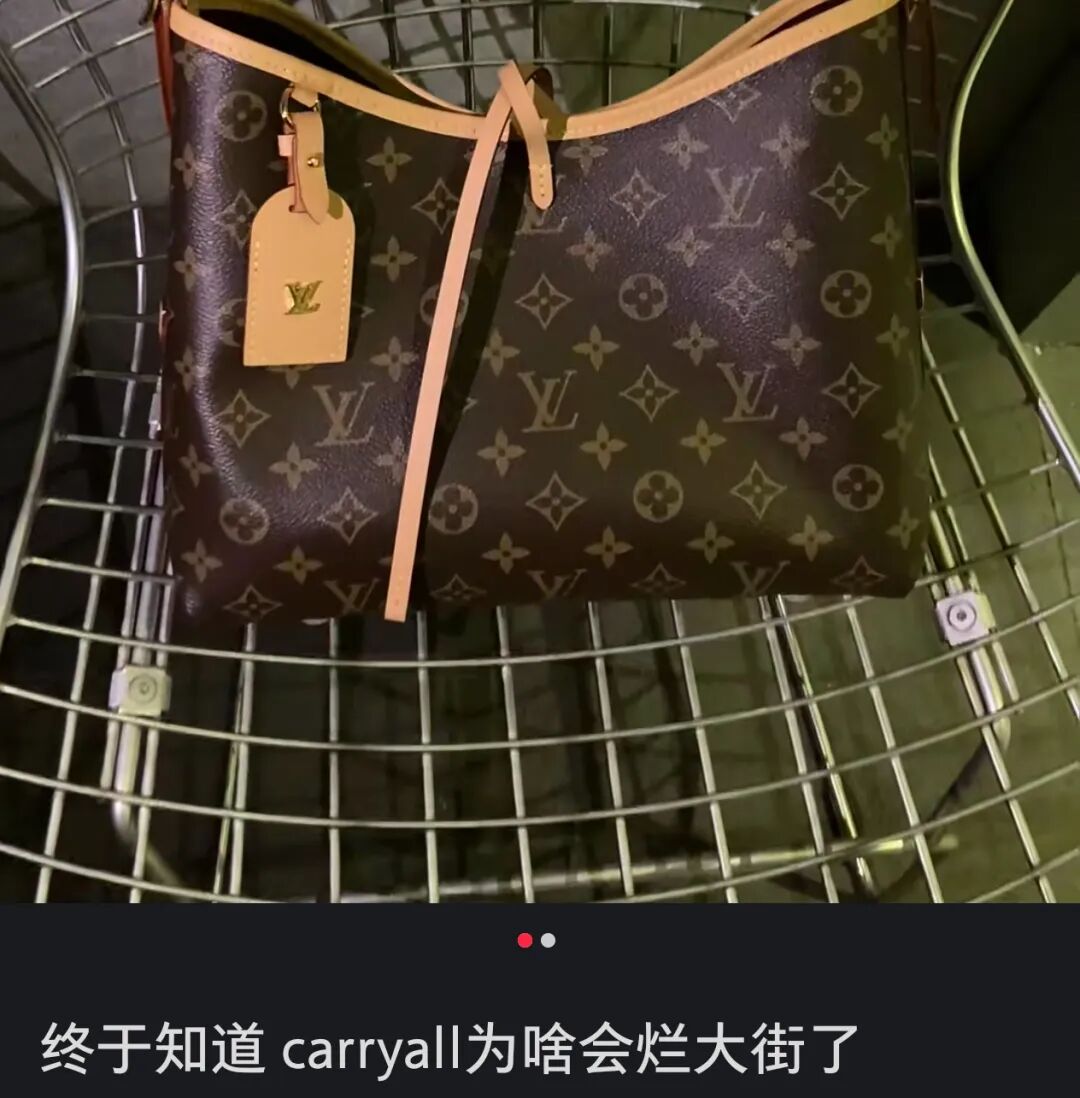
LV
The second move of expanding store networks is even more disheartening, letting younger competitors overtake its core strengths.
After failing to impress young people, LV theoretically still has its loyal middle-class, middle-aged fan base.
This group has more money, and won't easily change their consumption habits due to price fluctuations. But now, they have more and more new favorite brands.
In recent years, other luxury brands like Celine and Miu Miu have used youthful designs to capture the budget that originally belonged to LV. Even Coach saw a 15% year-on-year same-store sales growth in Q1 2025, attracting middle-class consumers who are abandoning traditional luxury brands.
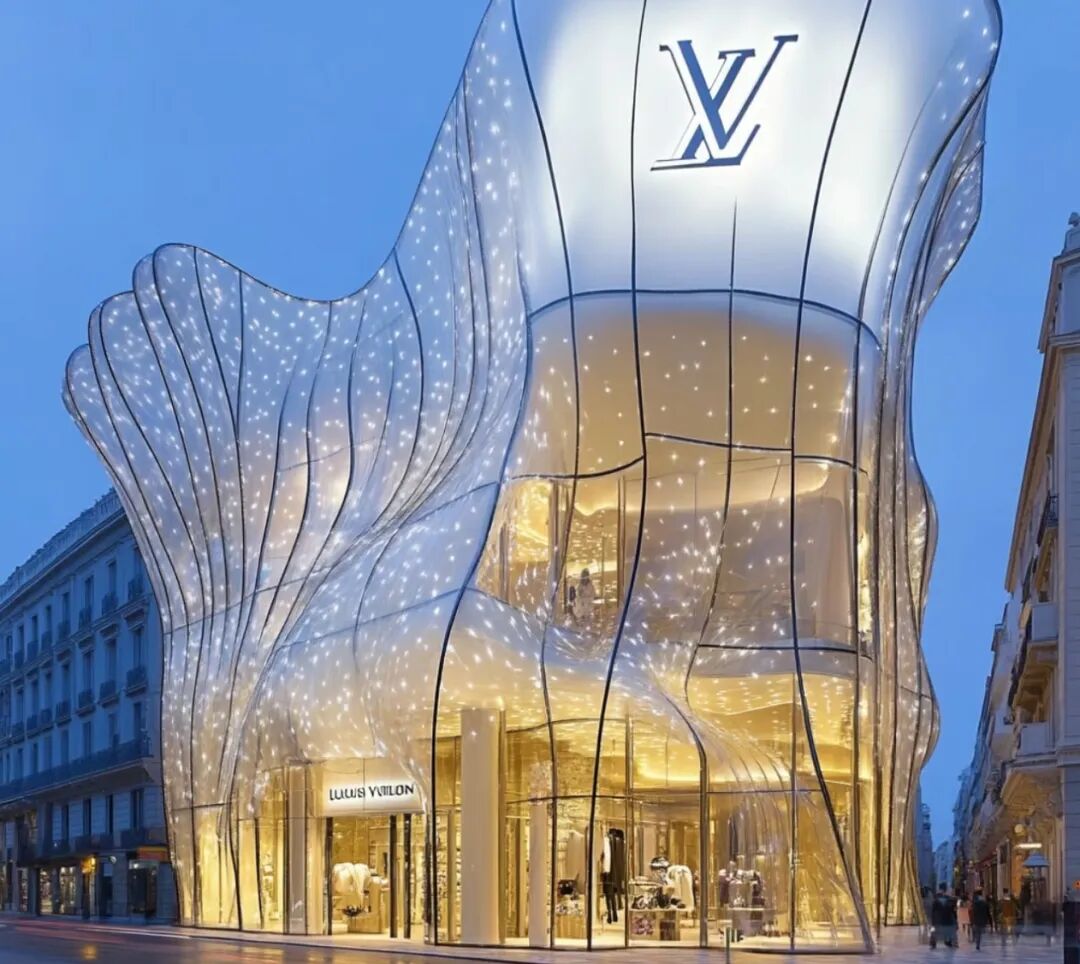
LV
Why are the middle class also defecting? Behind this, it can be said that LV has lost the moat that this group values most: a sense of scarcity.
Many people don't know that LV has expanded its store network wildly in recent years, spreading from first-tier cities to third- and fourth-tier cities. Stores have even been opened at airports in Guiyang and Kunming, and earlier, the LV brand sign was hung in countless non-core cities, making its monogram pattern ubiquitous on the streets.
