The most anticipated AI phone of the year is coming
Good news kept coming in July.
First, Samsung released ads teasing its large foldable phone for this year, then Google sent out invitations, signaling that the Pixel series, known as the "Android show home", is about to get a new update.
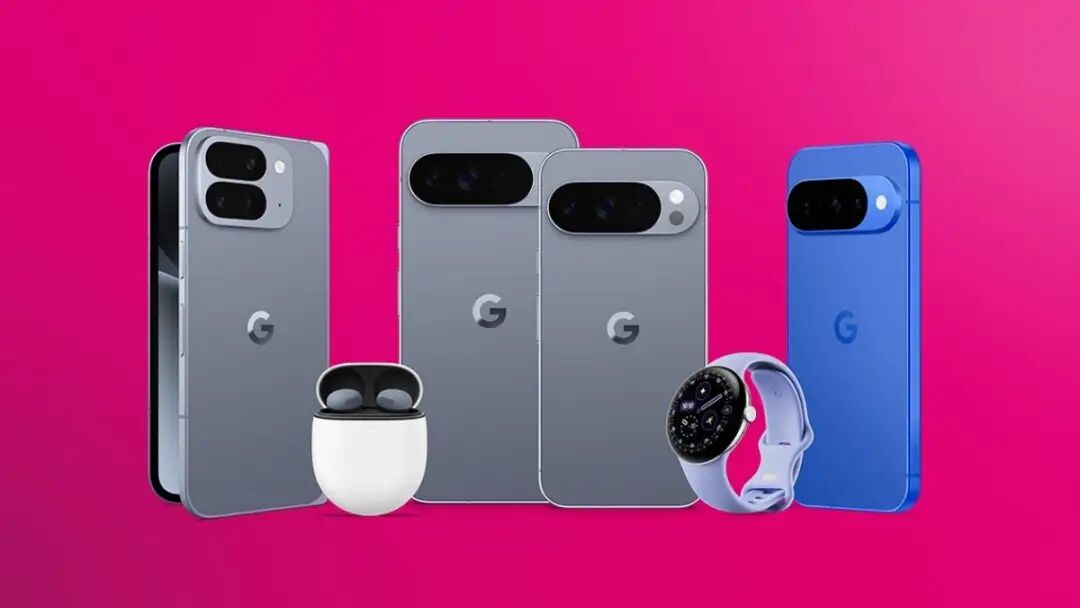
Image | PhoneArena
A few days ago, Google sent out invitations to the media for the 2026 Made by Google hardware event, which is officially scheduled to take place on August 12 in New York.
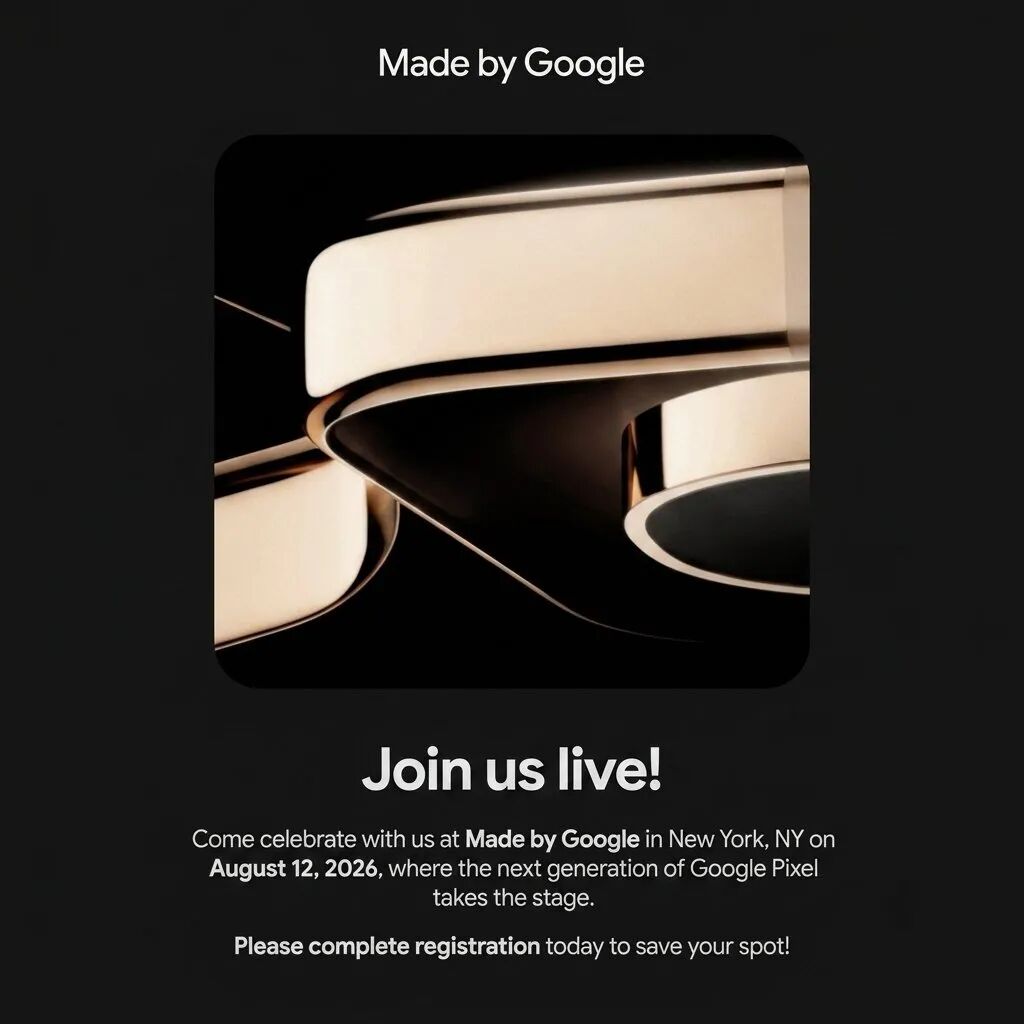
Image | Google
Following the usual pace, we expect to see four new models of the Pixel 11 series, as well as the next-generation Pixel Watch 5, at the event.
The well-received Pixel a series and Pixel Buds have no new updates for now, and are more likely to get refreshed next spring:
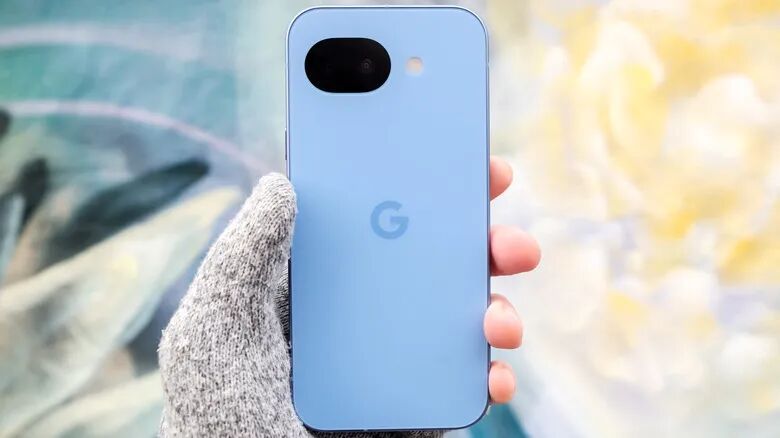
Image | Engadget
However, no one can escape the current global supply chain situation. Besides being a "steady update", the main keyword for this year's Pixel 11 series is still price increase.
Few hardware highlights, many pain points
Just like last year's Pixel 10 series, this year's Pixel 11 still comes in four familiar configurations — Google is clearly in no hurry to jump on the "large foldable" bandwagon.
In other words, the Pixel 11 and 11 Pro will maintain their positioning as 6.3-inch "small-screen flagships".
For users who prefer larger screens, there are the 6.8-inch Pixel 11 Pro XL and the large foldable Pixel 11 Pro Fold:
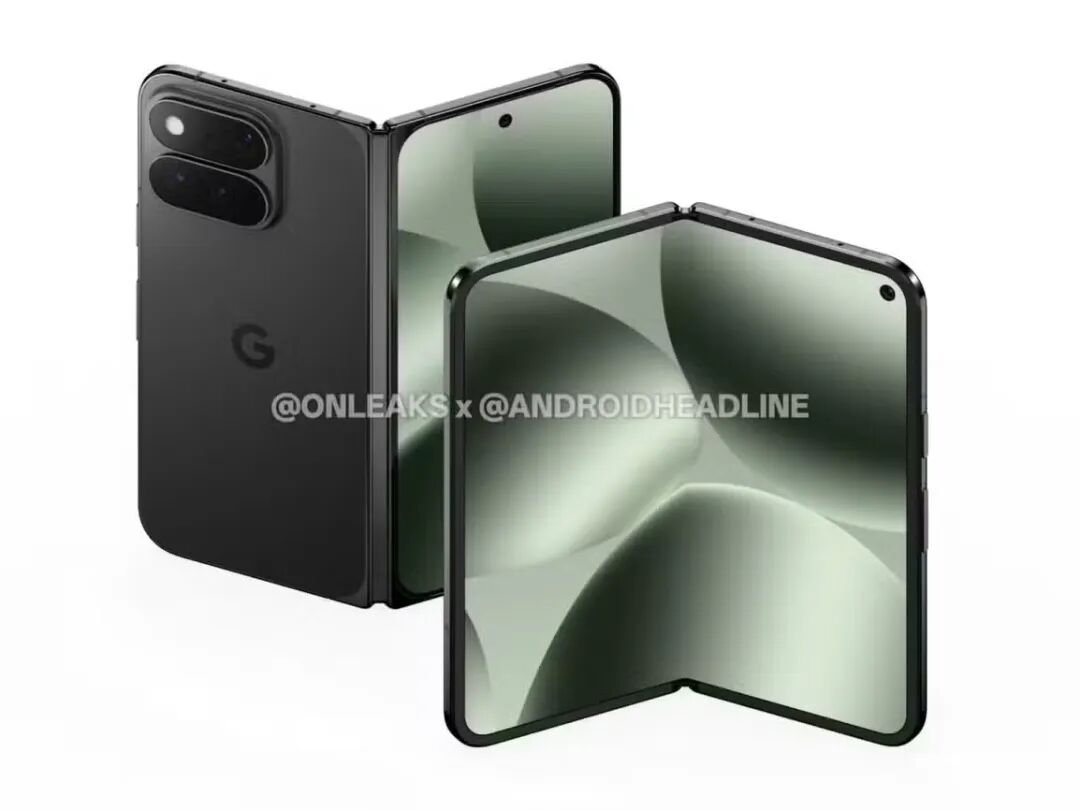
Pixel 11 Pro Fold | Android Headlines
The Pixel 11 series will also follow Google's long-standing tradition, using the self-developed Tensor G6 processor uniformly, without tiered performance for chips in the same generation for now.
Fortunately, Google did not choose Tata from India for manufacturing, so there was no "full-level leak" similar to what happened to last year's Pixel 10.
Based on available information, the Tensor G6 will adopt TSMC's 2nm process with a 7-core architecture of 1+4+2.
The main cores are still the ARM C1 Ultra super core and 4 C1 Pro medium cores.
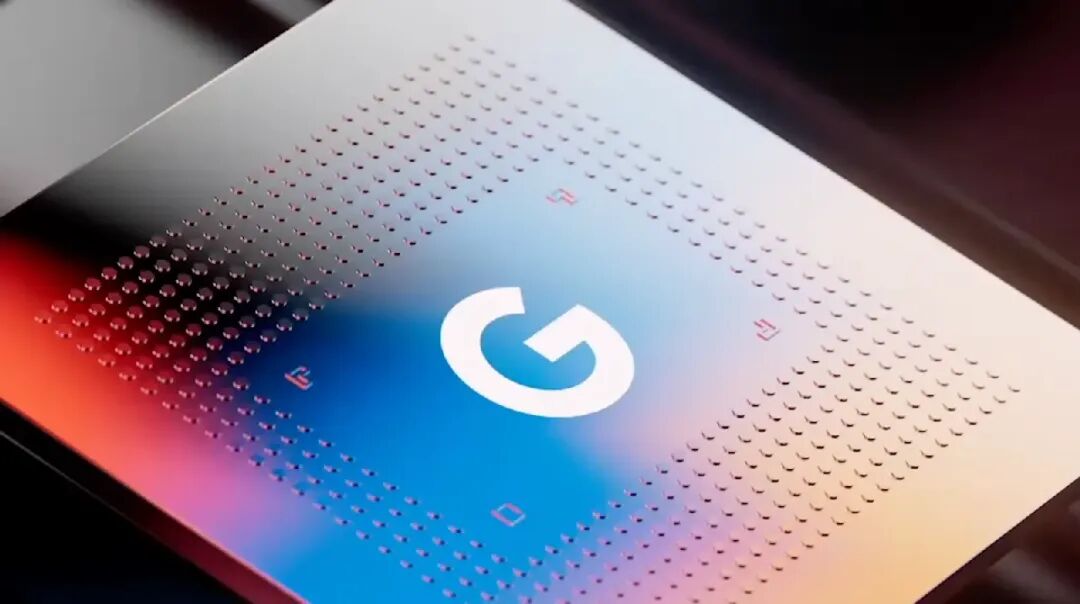
Image | 9to5Google
It is worth noting that sources indicate the Tensor G6 will no longer use Samsung Exynos modems, and instead switch to MediaTek's M90 (MT6986D) modem.
Unfortunately, even with the MediaTek M90, the Tensor G6 still uses an external modem, but at least the unstable network performance of last year's Pixel 10 series can be somewhat improved.
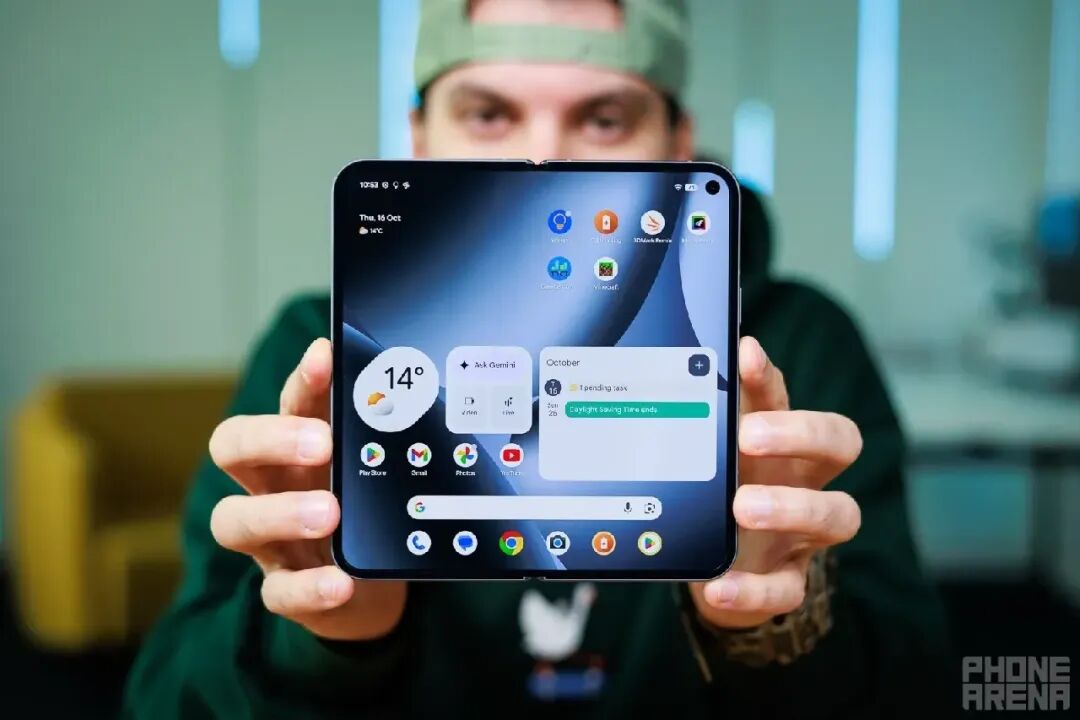
Image | PhoneArena
However, the improvements to the Tensor G6's modem and network performance come at the cost of regression in the GPU.
A leaked image from the well-known leak channel Mystic Leaks shows that the specific GPU model used in the Tensor G6 is the PowerVR CXTP-48-1536:
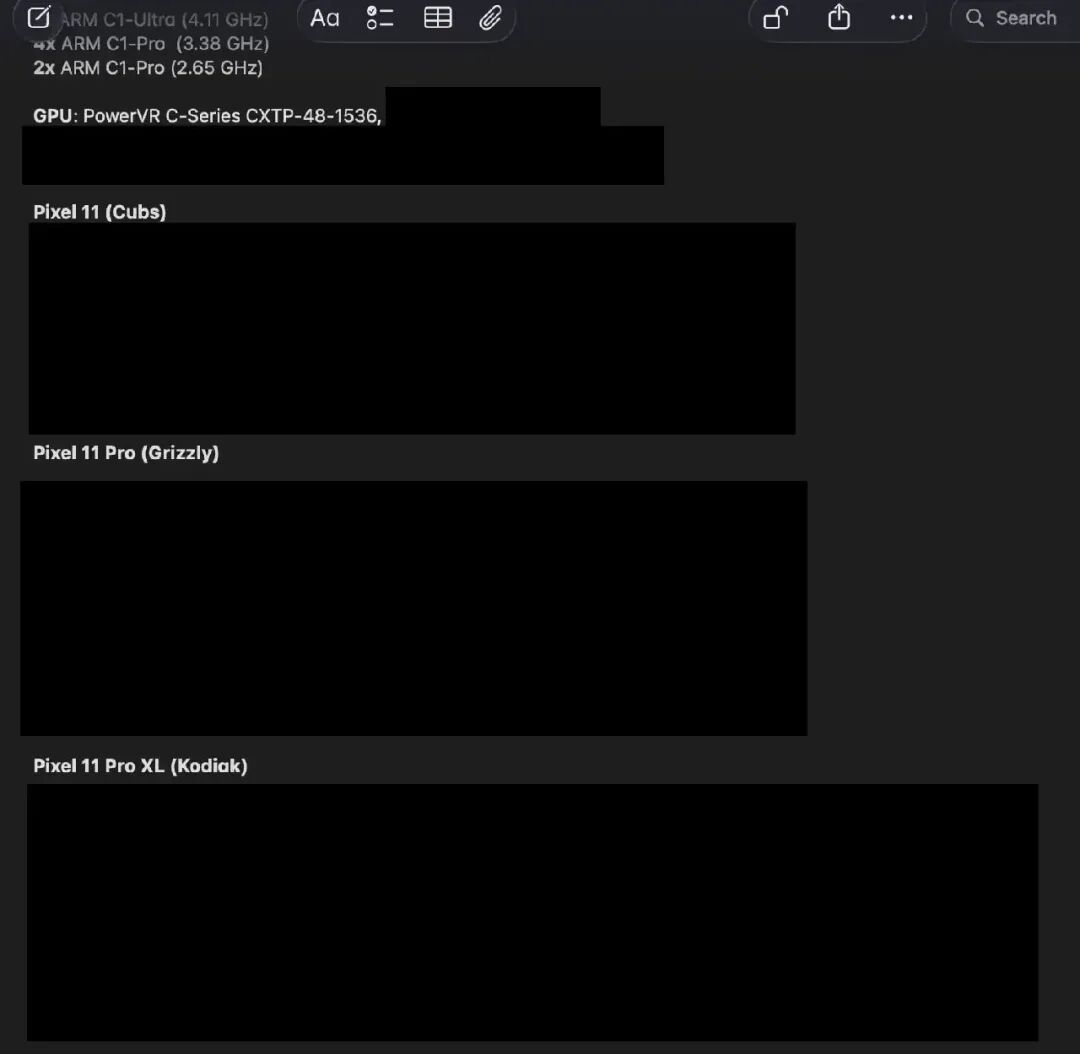
Image | Mystic Leaks
Although both are products from Imagination, the CXT-48-1536 is a product announced back in 2021 —
This is a step backward compared to the DXT-48-1536 GPU on the Tensor G5, which is really confusing.
The only reasonable explanation for this performance regression is that Google wanted to balance chip area, power consumption, and AI performance on the Tensor G6, which is why it chose the older CXT architecture.
This way, power consumption and heat generation can be better controlled, but the already limited graphics performance of Tensor will be further weakened, and the time spent on computational photography will likely be even longer.
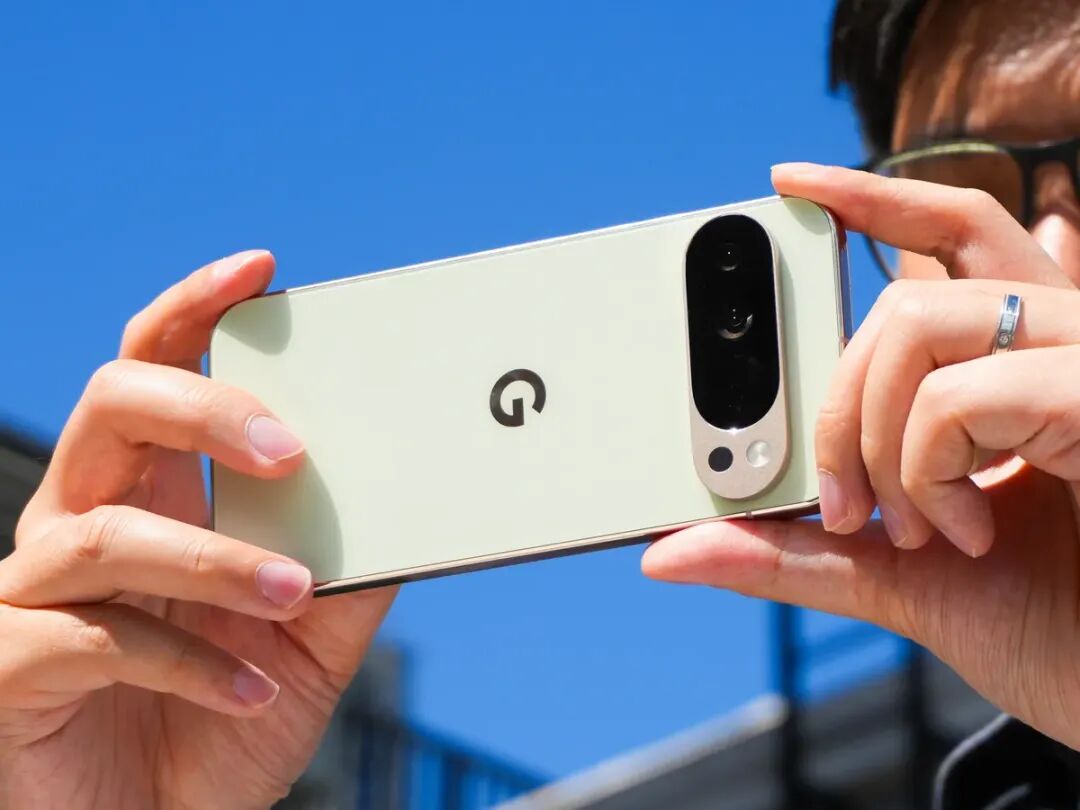
Image | ZDNET
However, the cameras on the Pixel 11 series do have some noteworthy upgrades.
For example, Google finally removed the temperature sensor that had no practical use scenarios at all, and allocated the freed-up decorative space to a larger sensor and an LED light strip:
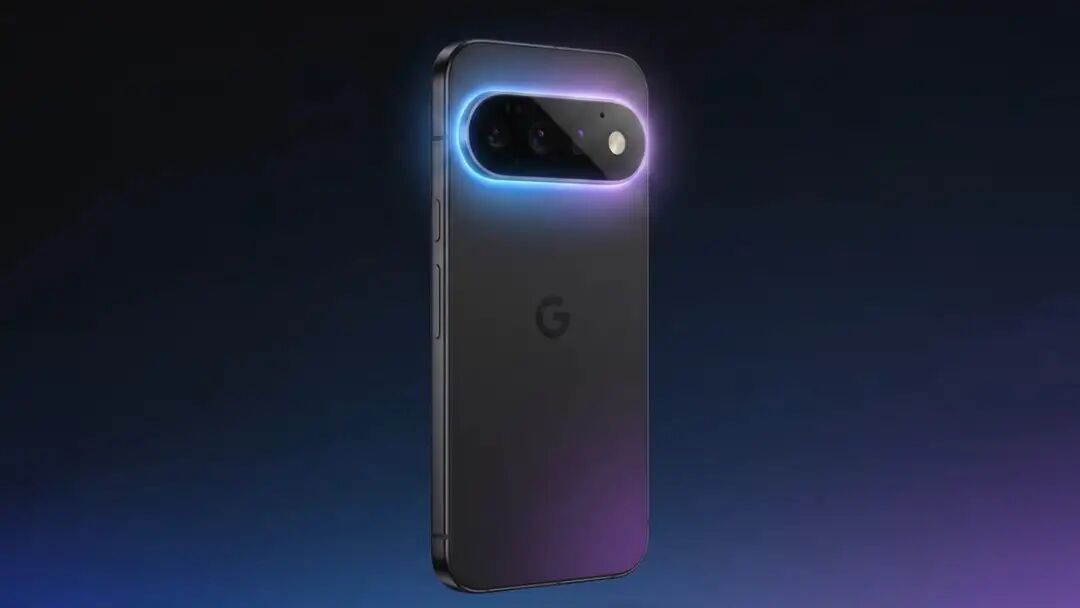
Image | PhoneArena
That's right, after adding the light strip to Googlebooks, Pixel phones are also getting their own decorative lighting effects now.
According to leaks, this feature called Pixel Glow will be exclusive to the three Pro models, which may take the form of a light strip surrounding the camera module, or a small dot-matrix screen similar to the one on Nothing phones.
Apart from indicating the working status of AI, it can also partially fulfill the functions that the old notification LED used to have.
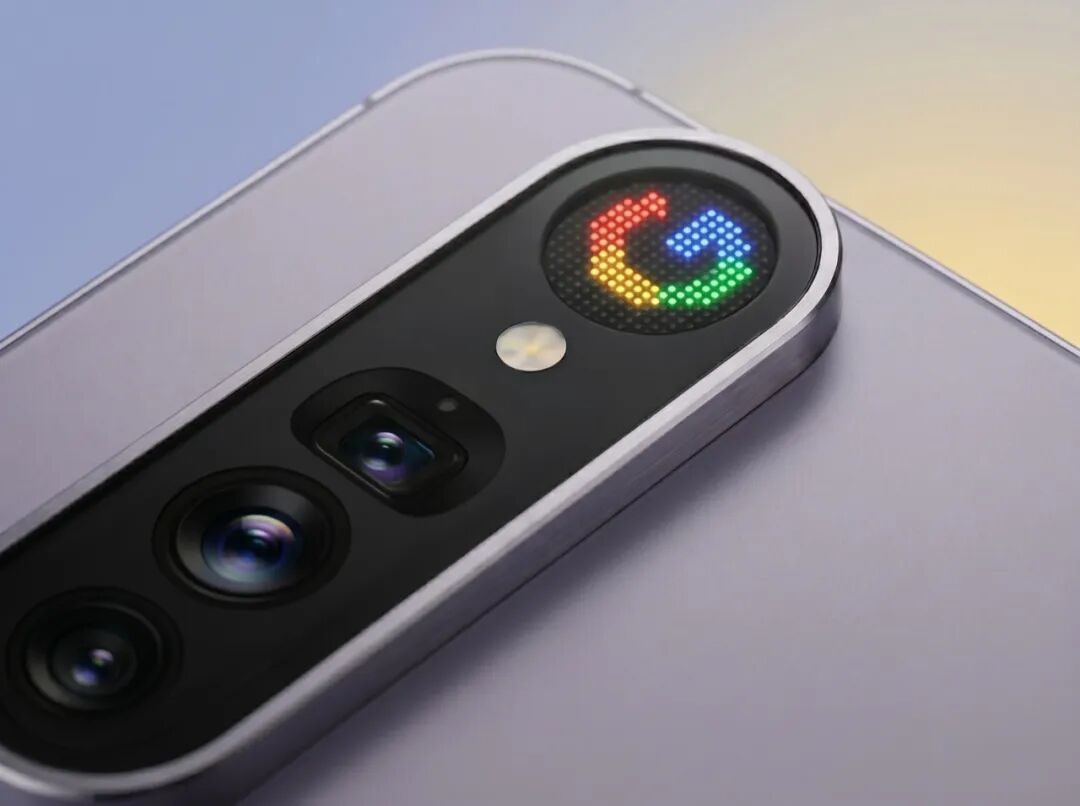
Image | Yanko Design
As for image sensors, after the performance regression of the Pixel 10 series, Google finally remembered to improve its camera hardware.
It is reported that the Pixel 11 and Pixel 11 Pro Fold will be equipped with a new 50-megapixel main sensor codenamed "chemosh", while the telephoto and ultra-wide-angle sensors remain the same as the previous generation.
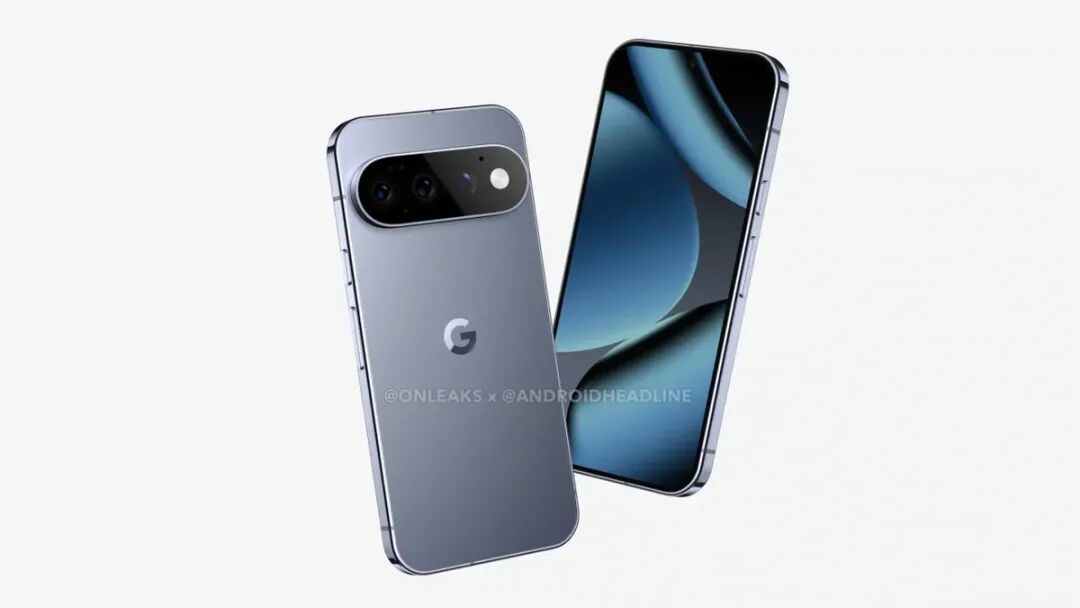
Image | Android Headlines
On the Pixel 11 Pro/Pro XL, Google is expected to adopt high-resolution main and telephoto sensors codenamed "bastet" and "barghest" —
After all these years, Google Camera finally has some tangible hardware improvements to show off.

Image | Google
In addition, Google finally increased the base storage configuration from 128GB to 256GB, with the corresponding starting price rising by around 100 euros (about 780 RMB).
As a result, the starting price for the 12+256GB Pixel 11 is estimated to be 999 euros (about 7760 RMB), while the Pixel 11 Pro/Pro XL are expected to cost 1199 euros and 1399 euros respectively (about 9300 RMB and 10800 RMB).
The starting price for the 12+256GB large foldable Pixel 11 Pro Fold could go as high as 1999 euros (about 15,500 RMB), and the top-tier 16+1TB variant might even approach 20,000 RMB.
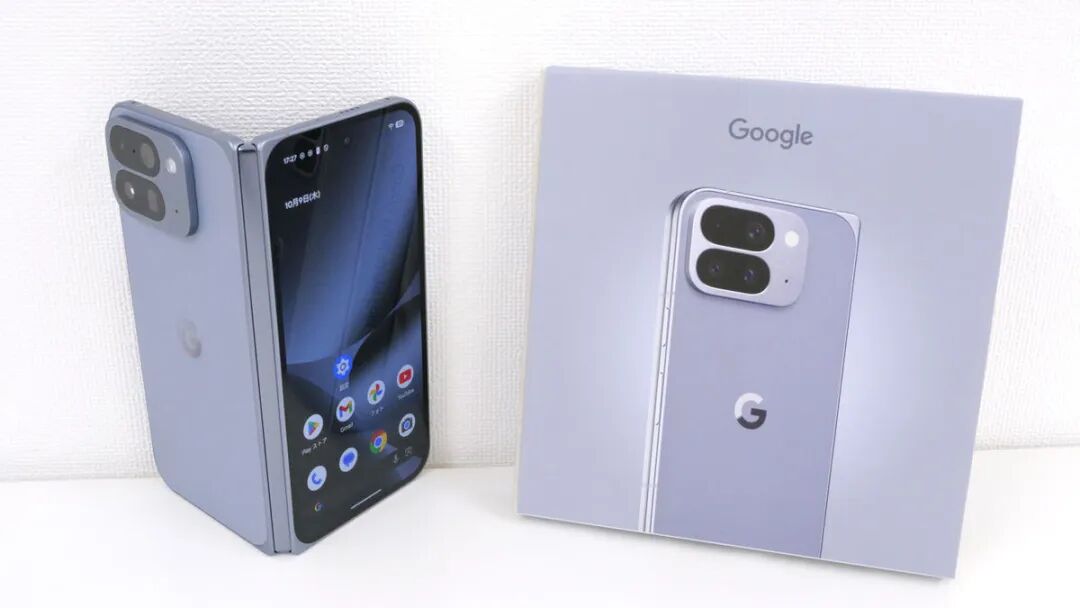
Image | GIGAZINE
However, this price will mainly affect consumers in the EU, and has almost no impact on Chinese users —
After all, when Pixel phones enter China's second-hand market after being shipped across the ocean, their transaction prices usually start at a 50% discount.
Too many software promises, too few delivered features
In recent years, we have clearly felt that the hardware positioning of Pixel has been compressed to a negligible level, and it has become a pure showcase for Android and Gemini.
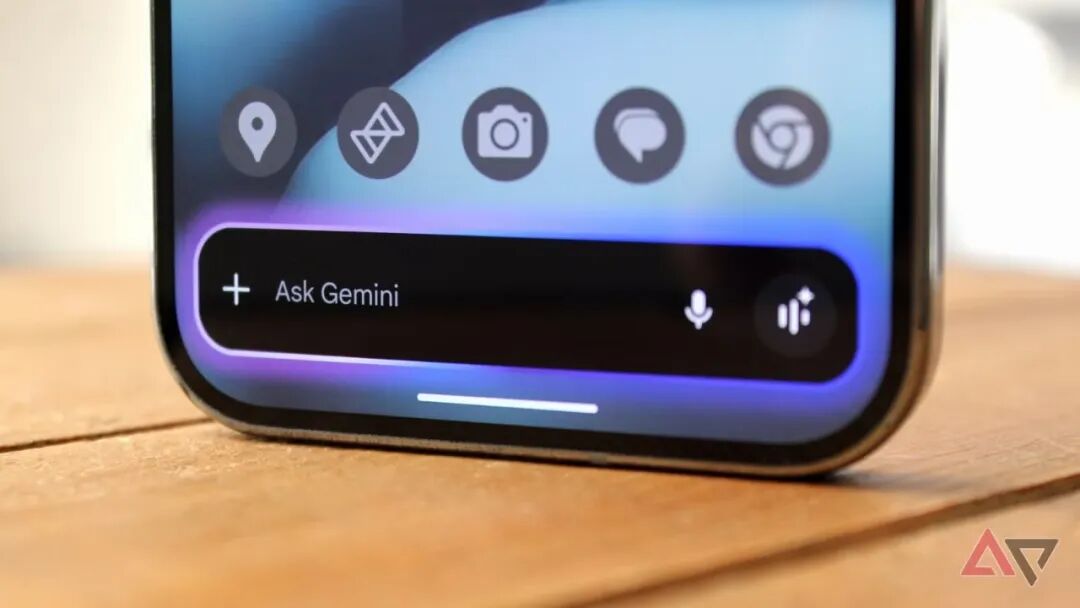
Image | Android Police
This can be seen from the fact that the new major Android version is no longer launched alongside Pixel devices — the stable version of Android 17 has already been released, making Pixel phones look more like supporting devices.
If the transition from demo showcases at Google I/O to the stable Android version has taught us anything, it is that "you can't fully trust Google's demo animations".
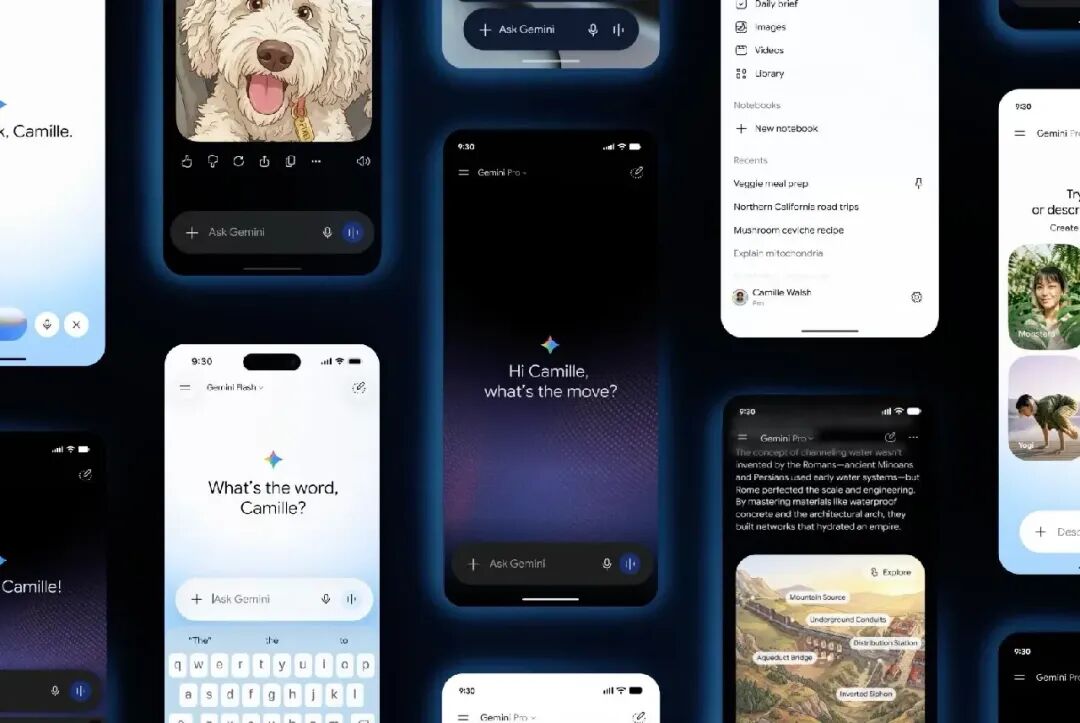
Image | TheVerge
In other words, the new design language Neural Expressive that was prominently showcased at Google I/O still won't be fully rolled out even on the Pixel 11, and will only be visible in Gemini-related interfaces.
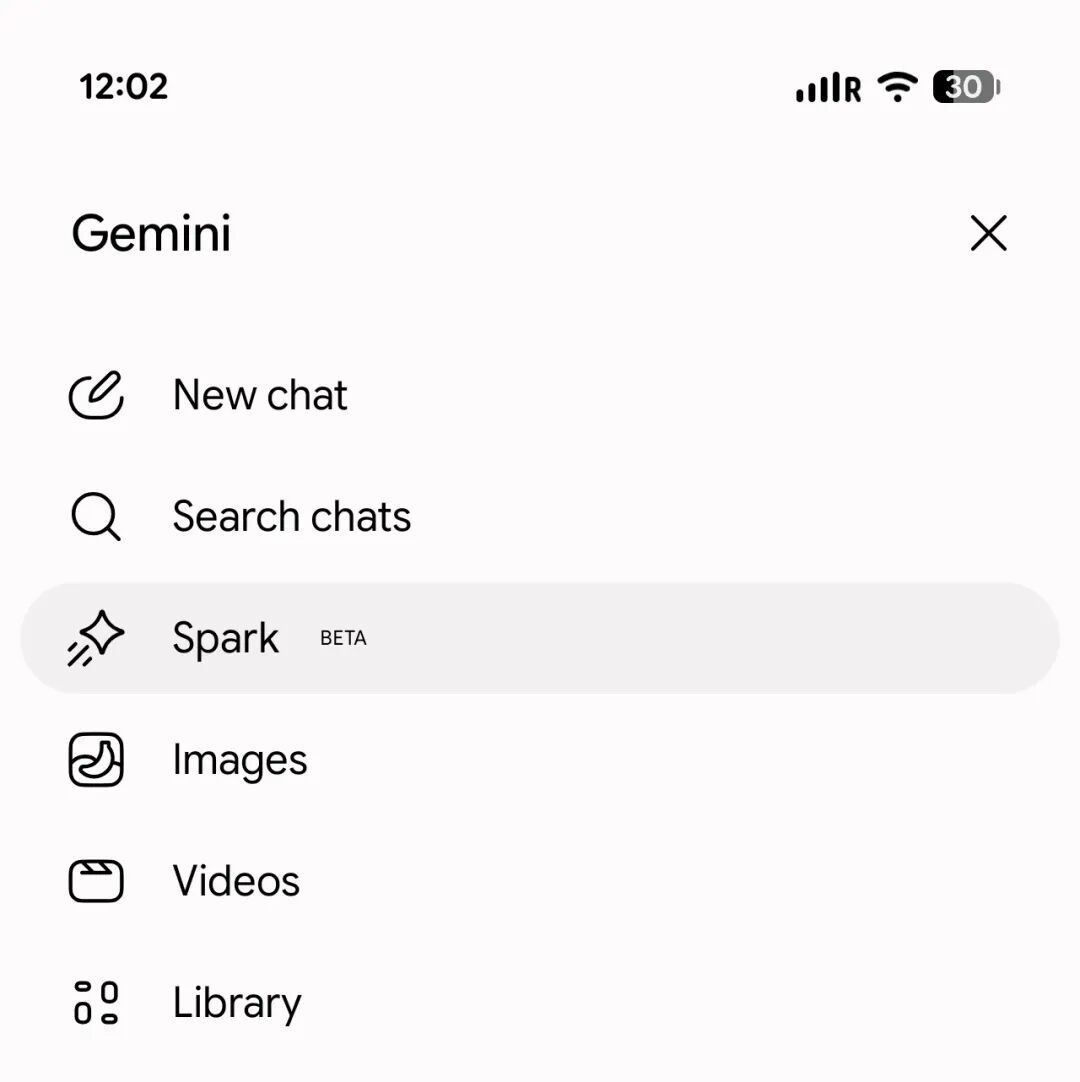
Gemini Spark, which was claimed to run all day, has also been gradually released to Google AI Ultra subscribers, and apart from desktop platforms, there is now a corresponding entry point on mobile phones:
However, features like the Typeless-style smart voice input on Gboard and the vibe coding desktop widget are still not available in the stable version of Android 17.
Considering this year's launch timeline, it is possible that these two features will be exclusive launch offerings for