The flash memory price surge is spreading: Memory cards that have been gathering dust for years are making a comeback, and could the phone card slot be returning too?
What's the most painful topic in the tech circle lately? Without a doubt, it's the skyrocketing prices of storage components.
Recently, prices of various hardware products including smartphones and PCs have been on the rise. The era of ultra-cheap memory and storage drives that we experienced a few years ago is gone forever. As upstream NAND flash manufacturers continue to implement production cuts to maintain price levels, procurement costs for storage have been steadily climbing. This has directly led to significant cost anxiety among phone manufacturers when defining their product SKUs this year — the price premium for large-capacity versions is getting higher and higher. Apple's "premium-priced memory" is a well-known example, and even the Android ecosystem, which has long emphasized cost-effectiveness, is seeing the price gap widen drastically for 512GB and even 1TB storage variants.
Against this backdrop, consumers' wallets are the most honest. Instead of paying hundreds or even thousands of extra yuan for a larger built-in storage version, more people are rediscovering a solution that was once considered a relic of the past: memory card expansion.
In 2026, faced with a diverse and confusing memory card market, how should you choose the right one for different usage scenarios? Why is the mobile industry secretly planning to bring back memory card slots? And how can regular consumers pick the right product without falling into traps in this mixed market? Leikeji (ID: leitech) will explain everything clearly in this article.
Memory cards come in many complex types, with read/write speed being the most critical factor
Many people get overwhelmed as soon as they search for memory cards, facing pages full of confusing letters and numbers on product details, unsure where to start — buying an expensive one means wasted performance, while a cheap one can lead to slow performance or even data loss. Before spending money, we need to clarify the current memory card ecosystem.
Currently, mainstream memory cards on the market are mainly divided by form factor: full-size SD cards (primarily used in professional imaging devices like mirrorless and DSLR cameras) and MicroSD cards (commonly known as TF cards, the most widely used type). For most people, TF cards are the most frequently used.
Of course, there are also some niche memory card formats. For example, Huawei introduced NM memory cards, which share the exact size and shape of a Nano SIM card and are supported by many Huawei phones. One major advantage of NM cards is that they reuse the phone's existing SIM slot, eliminating the need for extra openings in the device body; the downside is that they occupy one of the phone's SIM card slots.
Back to the TF card, which offers the best compatibility: besides phones and tablets, most action cameras, surveillance cameras, handheld gaming PCs, and other devices that support storage expansion rely on this format. Just like USB Type-C ports, they all look identical on the outside, but their specific specifications and performance can vary dramatically.
The core factor determining a TF card's performance is its read and write speeds. Different speed classes correspond to different usage scenarios, and we've compiled an intuitive guide to help you match the right card to your needs.
1. Handheld gaming PCs: Prioritize high-speed cards
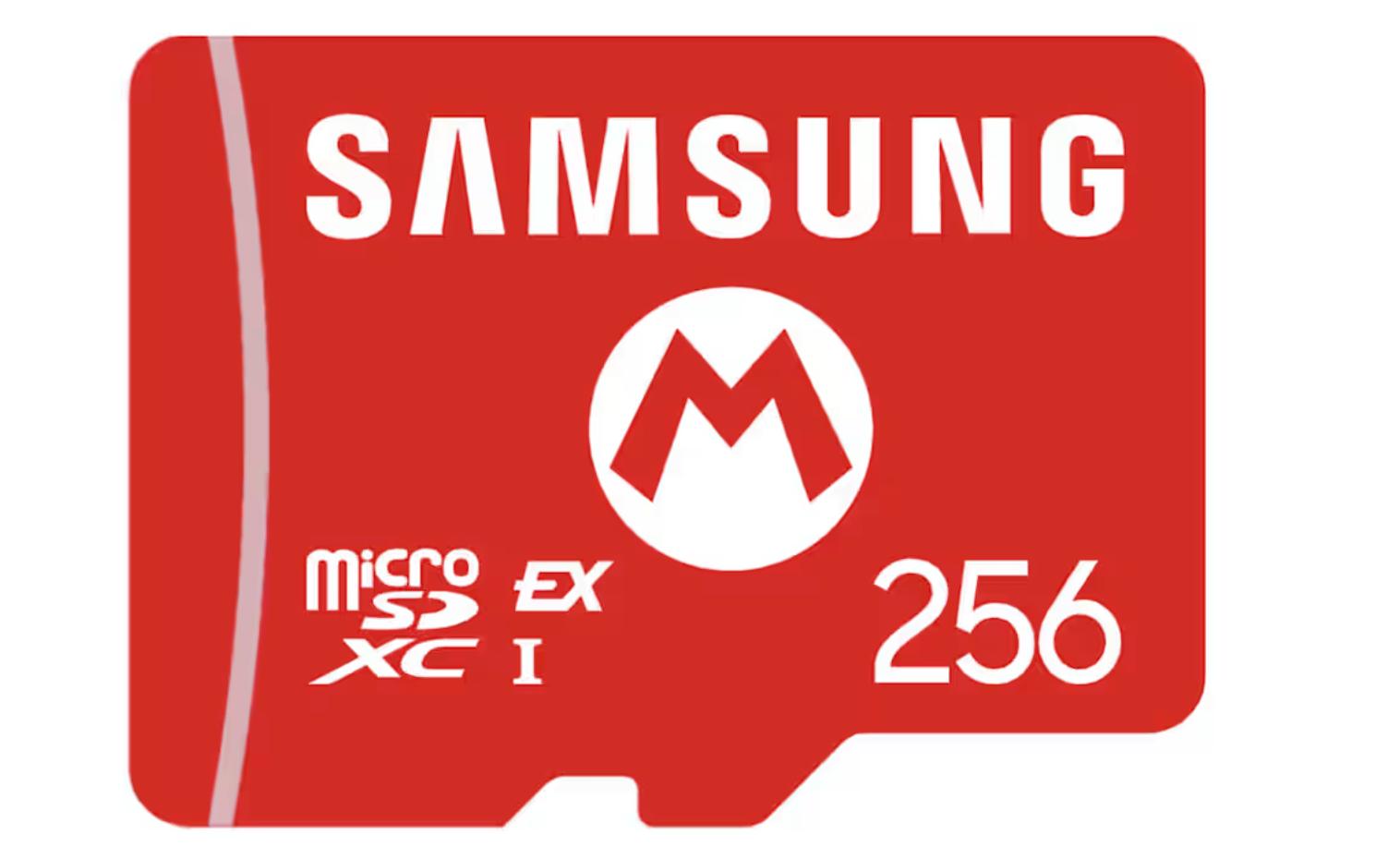
When the Switch 2 launched in 2025, Nintendo announced that the new handheld would only support MicroSD Express memory cards, dropping compatibility with standard MicroSD cards. According to the SD Association's specifications, MicroSD Express has three speed tiers: 985MB/s, 1970MB/s, and 3940MB/s. Unlike regular TF cards, the Express version uses the PCIe standard commonly found in SSDs, supporting a minimum of PCIe 3.1 and up to dual-channel PCIe 4.0.
Currently, most MicroSD Express products available on the market still belong to the first speed tier, with actual read speeds around 800MB/s. They are also significantly more expensive, and prices have become even more exaggerated amid the storage price surge. Right now, even with platform subsidies, Samsung's 512GB MicroSD Express card costs over 800 yuan; Nintendo's official 256GB version is priced at nearly 350 yuan.
The reason the Switch 2 only supports MicroSD Express is not complicated. As a new-generation handheld gaming console, the Switch 2 has seen a substantial performance upgrade over its predecessor, making it capable of running most modern AAA game titles. In this context, storage read/write speed becomes a bottleneck affecting gaming smoothness. Even if Nintendo allowed users to use slower memory cards, loading the massive game data stored on them would easily cause slow loading times and game stuttering due to I/O bottlenecks.
(Image source: Nintendo)
However, considering the Switch 2 comes with 256GB of built-in storage, many games still have physical cartridge releases, and high-speed memory cards are currently very expensive, you can hold off on buying a high-speed card if you don't have large game download needs. Additionally, MicroSD Express cards can technically work in the original Switch, but they won't deliver meaningful performance benefits — the original Switch's memory card bus speed is too low, so even with a high-speed card, actual read/write speeds remain limited, making the investment unnecessary.
In the handheld market, besides the Switch ecosystem, another major category is Windows handheld gaming PCs. Some new models have also added support for MicroSD Express, such as the recently released MSI Claw 8 EX AI+. However, most Windows handhelds don't force users to use high-speed cards. Whether you prioritize maximum speed and smooth gameplay, or focus more on storage capacity and affordability, depends entirely on your personal usage needs.
2. Action cameras and drones: Pay attention to minimum sustained write speed
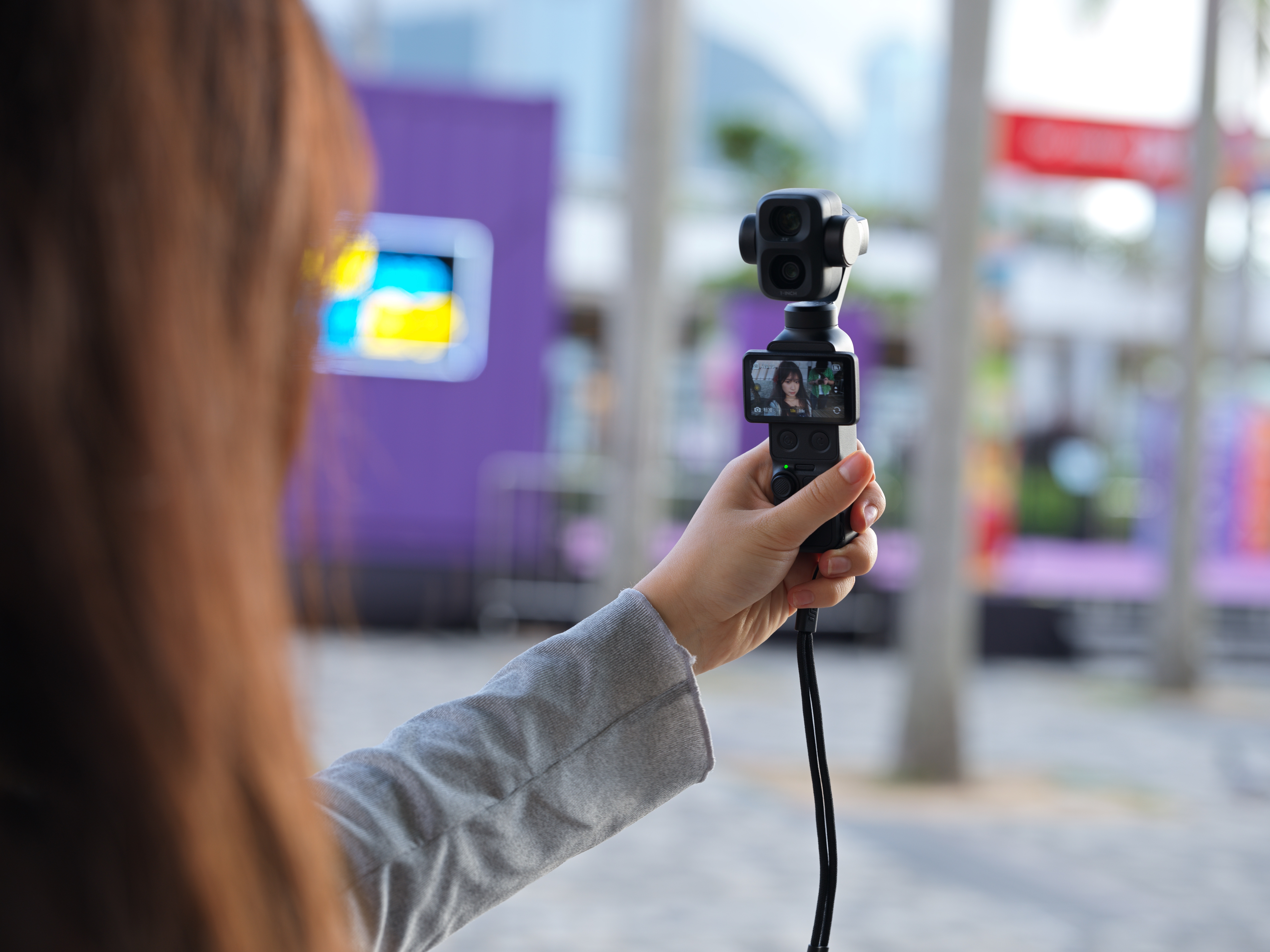
For most drones, action cameras, and handheld gimbals, a memory card is an essential accessory. And since most of these devices now support 4K high-frame-rate video recording, while they don't require MicroSD Express, their read/write performance can't be too poor.
(Image source: DJI)
Generally speaking, to record 4K 60fps video, your memory card needs at least Class 30 (V30) rating, which guarantees a minimum sustained write speed of 30MB/s.
Most V30-rated memory cards on the market today, especially higher-capacity models, can easily reach 70-80MB/s or even exceed 100MB/s, which is more than sufficient for drones and portable camera devices.
However, if you require high reliability for footage recording, especially for commercial shooting scenarios, you need to consider additional factors like lifespan, flash memory type, and overall durability. For example, TLC flash memory has much longer read/write endurance than QLC, so you should prioritize products using TLC chips.
Additionally, we recommend choosing premium product lines from major brands, such as SanDisk's Extreme series. These cards not only offer faster speeds but also feature extreme temperature resistance, waterproofing, and shockproofing, making them much more durable.
3. Surveillance cameras: Price and lifespan matter more
Surveillance cameras have become extremely common today. Most people install compact, affordable models that cost under 100 yuan, with premium ones only reaching a few hundred yuan. While these consumer models aren't on par with professional surveillance systems, they are perfectly adequate for everyday use.
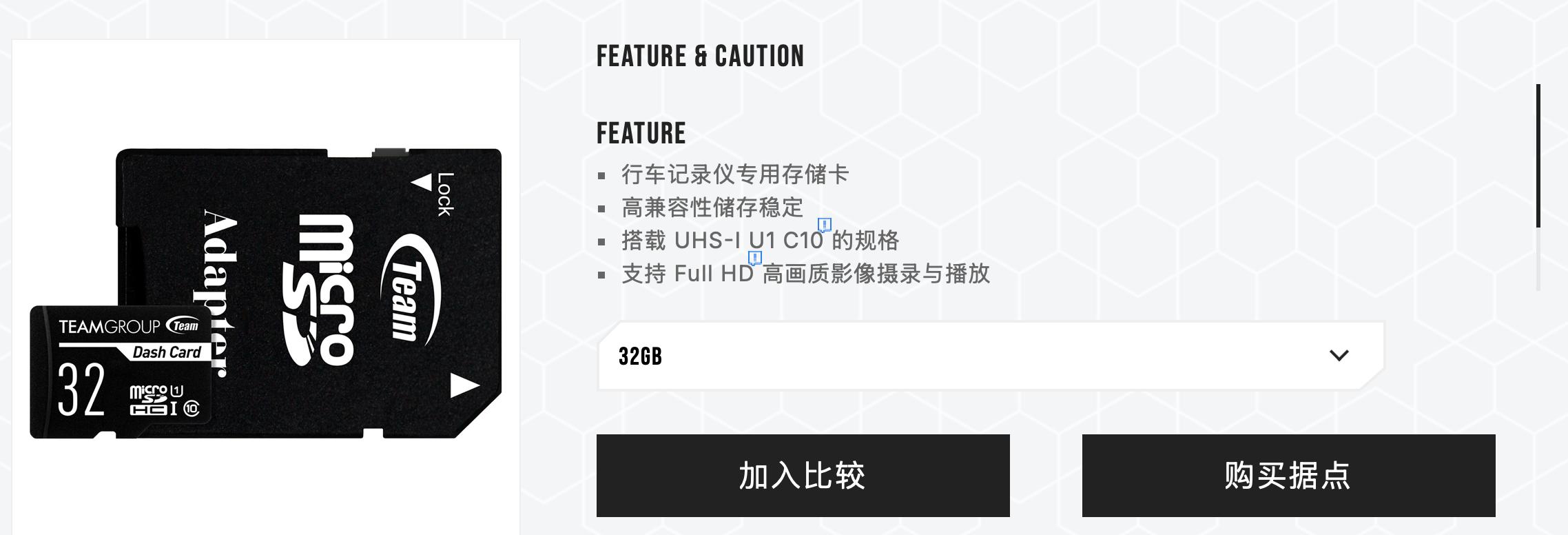
For these devices, choosing an affordable, cost-effective memory card is generally sufficient. Most of these cameras record at 2K or even 1080P resolution with relatively low bitrates. Since they run 24/7 and continuously overwrite old footage, they don't demand high speeds — a V10 rated card is more than enough.
(Image source: TeamGroup)
Similarly, dashcams are essentially specialized surveillance cameras. If you prioritize reliability and are worried about recording interruptions, you can opt for higher-end high-endurance memory cards from major brands, which typically use longer-lasting flash chips. In short, for these scenarios, speed isn't critical — long-term reliability is far more important.
Flash prices are surging too fast — will phone memory card slots make a comeback?
We've covered how to choose memory cards for different scenarios, but we haven't mentioned smartphones yet. After all, for most mobile users, memory card slots have become a forgotten feature. Ever since Apple removed the memory card slot on its iPhones, built-in flash storage has been the dominant storage solution for most phones for many years.
But things are changing now. In the first half of this year, multiple supply chain reports have emerged indicating that memory card slots are making a return to smartphones.
The reason is obvious: flash memory has become too expensive. Major brands have already raised prices across their product lines this year. While Apple hasn't increased iPhone prices yet, its Mac and iPad products have seen dramatic price hikes of over 20% on average.
In this context, reintroducing memory card support in smartphones could help manufacturers alleviate cost pressures while giving users more control over their storage options. It's important to note that Android has long imposed restrictions on memory cards: apps cannot be installed on external cards, which can only store photos and other media data. Google implemented this restriction primarily to prevent slow memory cards from degrading system performance and app responsiveness.
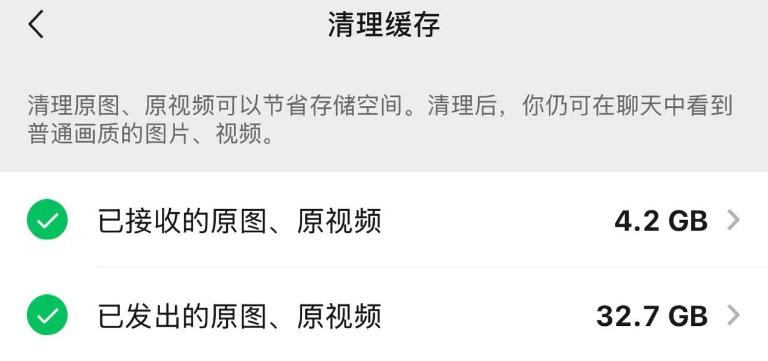
If memory card slots return to mainstream phones while retaining these old restrictions, they will remain quite limited. After all, the main reason our phone storage keeps filling up is that apps are getting larger and caches are growing continuously — storage-hungry apps like WeChat with massive chat histories and resource-heavy games consume enormous amounts of space. In this case, memory cards can only really help alleviate storage pressure for photos and video recording.
(Image source: Leikeji)
Of course, there's another solution: introduce the MicroSD Express standard, just like the Switch 2, so phones can use memory cards with speeds comparable to high-performance built-in flash. At the same time, the Android system could lift the restrictions and allow apps to be installed on memory cards.
But this approach also has its problems — MicroSD Express cards are quite expensive. According to calculations from research firm TechInsights, the 256GB flash chip in the iPhone 18 Pro costs around $51, which translates to roughly 350 yuan, similar to the price of Nintendo's official 256GB MicroSD Express card. So from a cost perspective, high-speed memory cards in smartphones don't make economic sense.
Additionally, as we've analyzed in previous reports, the rising storage costs are impacting entry-level devices the most, followed by mid-range phones, with flagship models being relatively unaffected. Therefore, we believe the first phones to bring back memory card slots this year will likely be budget models priced under 1,000 yuan or even ultra-low-cost devices.
The solution to storage anxiety lies in AI itself
Leikeji (ID: leitech) believes that relying entirely on the return of physical memory cards is only a temporary fix rather than a fundamental solution.
Admittedly, one advantage of memory cards is their removability, allowing flexible data transfer between different devices. But for highly integrated smartphones with complex background processes, frequent card removal and insertion can interrupt app operations and even cause data corruption, leading to a disjointed user experience.
More importantly, in this industry-wide storage price surge, memory cards cannot escape the price increase either. After all, the underlying NAND flash chips in memory cards are fundamentally the same as those used for built-in phone storage. Since upstream manufacturers have raised procurement costs, retail prices for memory cards will naturally follow, and consumers will ultimately bear these additional costs.
So in 2026, the era of AI dominance, the storage anxiety of the AI age must ultimately be resolved by AI itself. Based on current trends, there are several promising possibilities.
First, AI agent smartphones are reshaping the traditional product paradigm. As on-device large language models and agent architectures mature, smartphones are undergoing a transition from relying on local processing and storage to cloud-edge collaboration. In the true AI smartphone era, the importance of local storage will diminish, as most complex applications, services, and data processing can be moved directly to the cloud.
Users will only need a lightweight interaction interface, and the AI agent can retrieve resources from the cloud to handle all tasks. Apps and cached data that once consumed tens or hundreds of gigabytes will be drastically reduced, fundamentally alleviating local storage pressure on devices.
(Image source: Weibo)
Second, the evolution of AI-powered home storage centers. As local storage on individual mobile devices becomes increasingly expensive, AI-enabled NAS (Network-Attached Storage) systems can take over this massive local storage workload. Compared to memory cards that only expand storage for a single phone, AI NAS offers far better multi-device usability.
It breaks down ecosystem barriers, allowing shared access to massive storage space across all your devices — phones, PCs, tablets, and even smart TVs. No matter which device you use, you can freely write or read all kinds of data stored on the NAS. Furthermore, modern NAS systems can even provide partial on-device AI computing power.
For now, the storage price surge driven by the AI hardware arms race is still ongoing. For many devices, memory cards remain the most practical storage expansion solution. And as high-performance flash memory continues to get more expensive, we will see memory card slots return to certain smartphone models.
But the AI revolution is not slowing down, and the transformative impact of AI technology across all industries is already irreversible. The storage price problem won't be resolved anytime soon. The challenges brought by AI will ultimately require new solutions developed in the AI era.
This article is published by Leikeji, and 36Kr is authorized to distribute it.