The electric vehicle is already showing signs of aging just after four years of use, and there are such regulations?
I recently came across a piece of news that says current electric vehicles are already being labeled "too old" by used car dealers after just 4 years on the road. I initially thought this was just another internet rumor, until I looked up some official statistics.
Data shows that the average age of traditional internal combustion engine (ICE) passenger vehicles is 8.2 years, with nearly 60% of them being over 7 years old. In contrast, the average age of new energy passenger vehicles is only 1.8 years, and as high as 90% of them are nearly-new cars aged 1 to 3 years.
Statistics from the China Automobile Dealers Association also confirm this: the replacement cycle for ICE vehicles is 6 to 8 years, while for new energy vehicles it is only 3 to 5 years.
This means that if you bought a new energy vehicle in 2026, there is a high chance that in the near future, you will hear a used car dealer say, "It's too old, we won't take it."
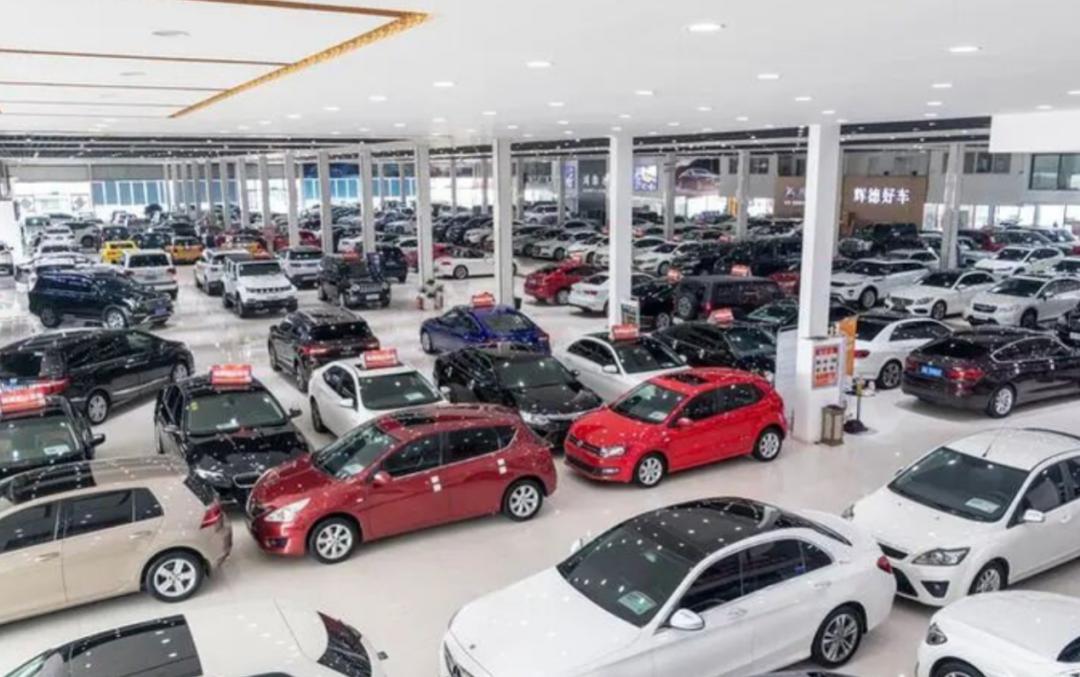
Does that sound pretty harsh? Some people might ask: Do we really have to replace the car? Are we just being fickle and craving new things?
In fact, it's not necessarily about being fickle. I'm going to break down the hidden reasons behind this for everyone.
01
Different underlying logic leads to different calculation methods for costs
In the era of ICE vehicles, the value logic of a car was extremely simple. Mechanical components hold their value well, as long as you maintain them properly. A Toyota engine can still run normally after 300,000 kilometers, and a Camry that's been driven for 10 years will have no fundamental difference in driving experience from a new car, apart from slightly worn-out seats.
Used car buyers focused on engine condition, chassis performance, and smoothness of the transmission. Everyone knew that the degradation cycle of these components was measured in units of "100,000 kilometers".
But new energy vehicles don't follow this logic.
The value of a new energy vehicle is split into two parts: one is the physical assets consisting of the battery, motor, suspension, and body structure; the other is the digital assets made up of chip computing power, intelligent driving version, infotainment system ecosystem, and OTA upgrade capabilities.
There's no need to worry about the physical assets. Real-world test data shows that for batteries under normal household use, the annual degradation rate is only 2.3%, so after 8 years they can still maintain over 80% health. The service life of motors and suspensions also doesn't vary significantly.
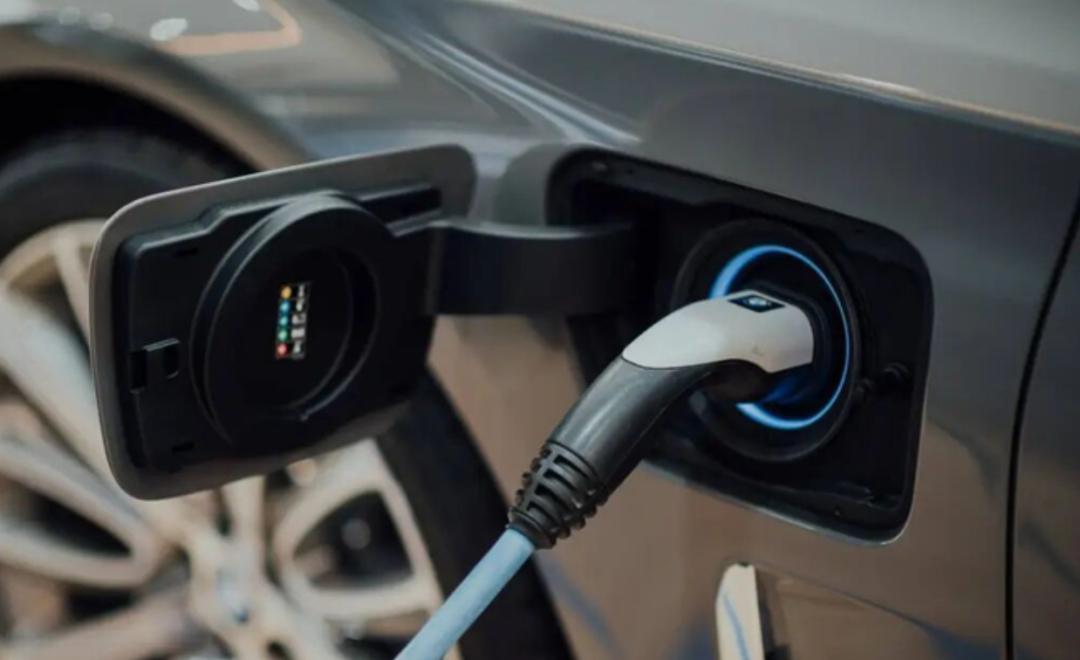
The real problem lies with those intangible digital assets that you can't see or touch.
A car bought in 2022 for 250,000 yuan had a chip computing power of just a few dozen TOPS. By 2026, new cars already have chips with computing power reaching hundreds or even thousands of TOPS.
Your car has just achieved L2 assisted driving, while the next generation of new cars may already be capable of fully autonomous driving in urban areas. Your infotainment system occasionally lags like a slideshow, while new models are already equipped with large-model voice assistants that can chat and banter with the driver.
Do you see it now? This gap can't be fixed just by replacing the battery.
So when a used car dealer says "this car is too old", what he really means is that the digital assets of your car have depreciated to almost zero.
You might think the dealer is being overly realistic and just trying to lowball you for profit. In reality, used car dealers are also trapped in this situation.
02
Different pricing logic leaves everyone in a dilemma
The used ICE vehicle market has a mature pricing system, where four dimensions — age, mileage, maintenance records, and accident history — basically determine the price of a car. Buyers and sellers have symmetric information, making transactions smooth.
In the new energy used car market, this pricing logic is almost completely invalid. If there's one core variable, it's which generation the vehicle belongs to.
A 2022 electric vehicle and a 2024 model of the same car are two completely different products in the eyes of used car dealers. The 2024 model may have a brand-new intelligent driving platform, doubled fast-charging performance, and 3 to 5 times higher chip computing power.
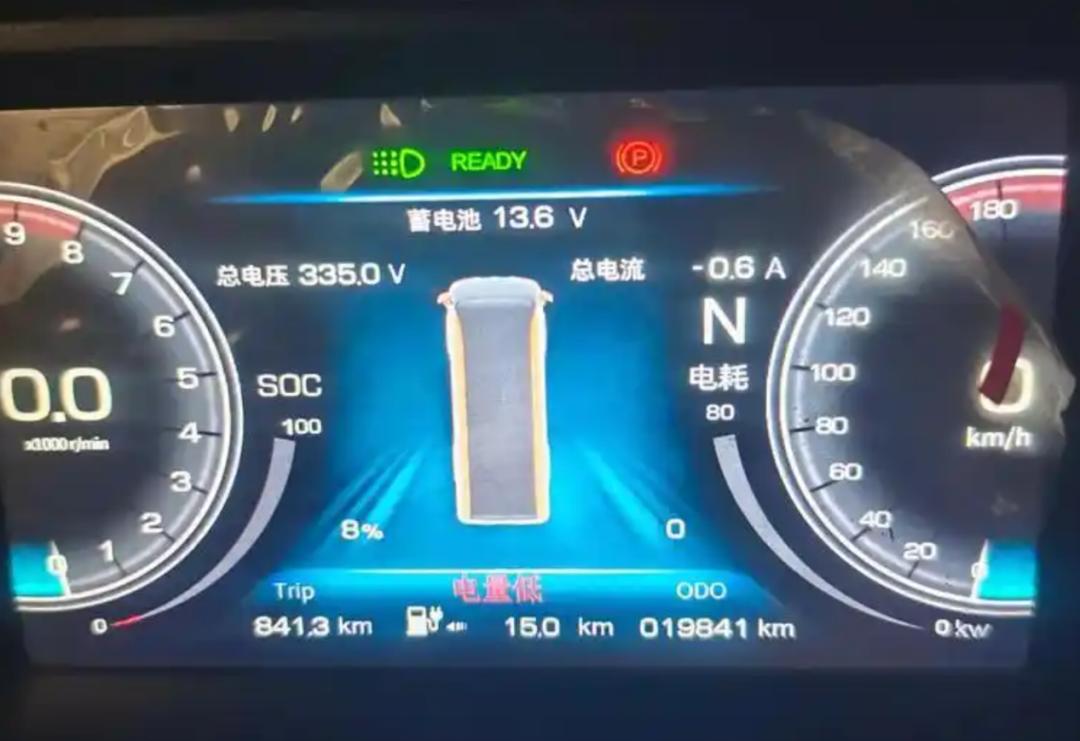
What about the older model? It has the same body structure and almost identical interior, but its digital features have been completely outclassed by the newer generation.
So used car dealers are caught in a dilemma: if they buy older models, they risk being stuck with them. If the cars sit unsold for too long, their value plummets, and the dealer has to bear the risk of further price cuts for that model.
If they don't take the car, they lose a potential deal. What we see is dealers lowballing or even outright rejecting these "old cars". In reality, it's not that they don't want to make the profit, it's that they simply can't afford to take that risk.
By now, you probably understand. No one can come out of this situation unscathed. Owners lose money, dealers can't make profits, and brands also lose potential buyers due to low residual value.
But the most absurd part of this is that the very people who created this sense of obsolescence are the ones who sold you the car in the first place.
Statistics show the helplessness of this situation: 230+ new models were launched in the domestic market in 2025, and over 60 new cars were released in just one month in March 2026.
The automotive industry has no brakes, not even allowing for slowdowns, especially in the new energy era. When your competitors shorten their product iteration cycle to 18 months, while your products still use a 3-year-old platform architecture — who will consumers choose?
Every technological breakthrough redefines what a "good car" is, and the industry is constantly playing out the scenario where "new waves push old waves forward, knocking the old waves onto the beach".
That's not even the harshest part. What I think deserves more attention is that this situation is eroding public trust in new energy vehicles. It's not uncommon now to see new cars get price cuts and feature upgrades not long after delivery, and almost every mainstream brand has a history of "betraying early adopters".
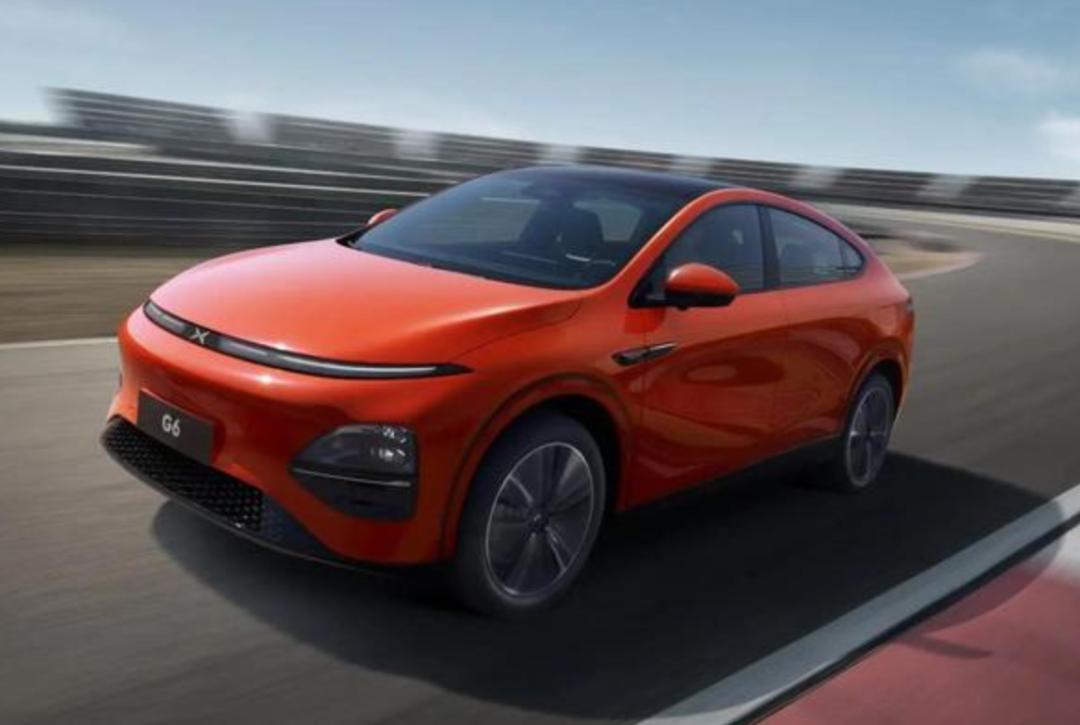
Every product iteration is a blow to existing owners. You just took delivery of your car 3 months ago, and a new version of the same model comes out with better features at a lower price.
When "buy early, enjoy early" turns into "buy early, get ripped off", consumers can only wait for the non-existent "perfect time to buy". If the whole industry keeps doing this, there will only be more "wait-and-see buyers" in the market.
Then, even worse impacts follow.
New car sales are increasingly relying on fire-sale discounts to stimulate demand, and brand premiums are being torn apart by price wars. Behind every "wait-and-see buyer" is a potential owner who tightly holds onto their wallet for fear of being betrayed.
At this point, you might think I'm advising you not to buy new energy vehicles. But that's not the case. I just want to tell everyone that the overall environment is changing, many underlying logics are shifting, and our car selection logic also needs to adapt.
The advantages of new energy vehicles in daily usage costs, smart experiences, and power performance are obvious to all. Many new energy vehicles have already completely outperformed ICE vehicles at the same price point, and this is an irreversible trend.
What we need to note is that we can no longer use the cost calculation logic from the ICE vehicle era to choose new energy vehicles.
Here, I want everyone to keep three key points in mind.
First point: Calculate "usage cost" and "ownership cost" separately. Many people choosing new energy vehicles only calculate how much cheaper electricity is than gasoline, but ignore the residual value drop after 3 years.
A 200,000-yuan electric vehicle may only be worth 100,000 yuan after 3 years, while a 200,000-yuan ICE vehicle can still sell for over 120,000 yuan after the same period. That 20,000-yuan difference is enough to cover your gasoline costs for years. You save on electricity, but lose on vehicle value — you need to consider both factors together.
Second point: Don't treat "smart features" as fixed assets.
The 20,000-yuan intelligent driving package you paid extra for today may become a standard feature on new cars in 3 years. This isn't you losing money, it's the inevitable law of technological iteration.
So when you buy an intelligent driving package, think of it as "renting it for 3 years" instead of "owning it forever". With the right mindset, you won't feel betrayed as easily.
Third point: Be clear about how long you plan to keep the car.
If you plan to replace the car within 3 years, choose popular models from top brands with high residual value to minimize your losses. If you plan to keep the car for more than 8 years, don't worry too much about the iteration speed of smart features.
Choose a model with mature battery technology and reliable three-electric system warranty, and be mentally prepared that the infotainment system might lag a bit in later years. You've genuinely saved money, so you have to accept the reality that the car might not stay "cutting-edge" forever.
If you browse car forums and online platforms, you'll always see two groups of people arguing. One group says "electric vehicles are just a scam, all the money you save on fuel is lost in residual value", while the other group says "once you drive an electric vehicle, you can't go back — ICE vehicles are completely products of a bygone era".
I think both groups are right, but neither is completely right. Because they're not even arguing about the same thing. The first group is calculating the cost on the day they sell the car, while the second group is calculating the cost of every single day they use the car.
In fact, there's no standard answer to which calculation is more accurate. After all, when you spend two hours commuting each day, stuck in traffic on the elevated road, is the quiet and smooth acceleration of an electric car worth more, or is the extra 20,000 yuan you get when you sell it after 3 years a better deal? That question can only be answered by your own real-life experience.
References: The Paper, Kanzhe News, Fengwen, etc.
This article is from the WeChat public account "Tech Fox" (ID: kejihutv), Author: Lao Hu, Editor: MR, Published with authorization from 36Kr.