How long will it take to port Fable 5 to MacBook
Good news for Fable 5: its originally scheduled shutdown on the afternoon of July 8 has been extended to the 12th. After that, subscribers will no longer be able to access the model via their plan allowances.
In just these few days, many have grown fond of it, only to face losing it soon. It makes people wonder: when will models of this caliber be able to run on our own devices?
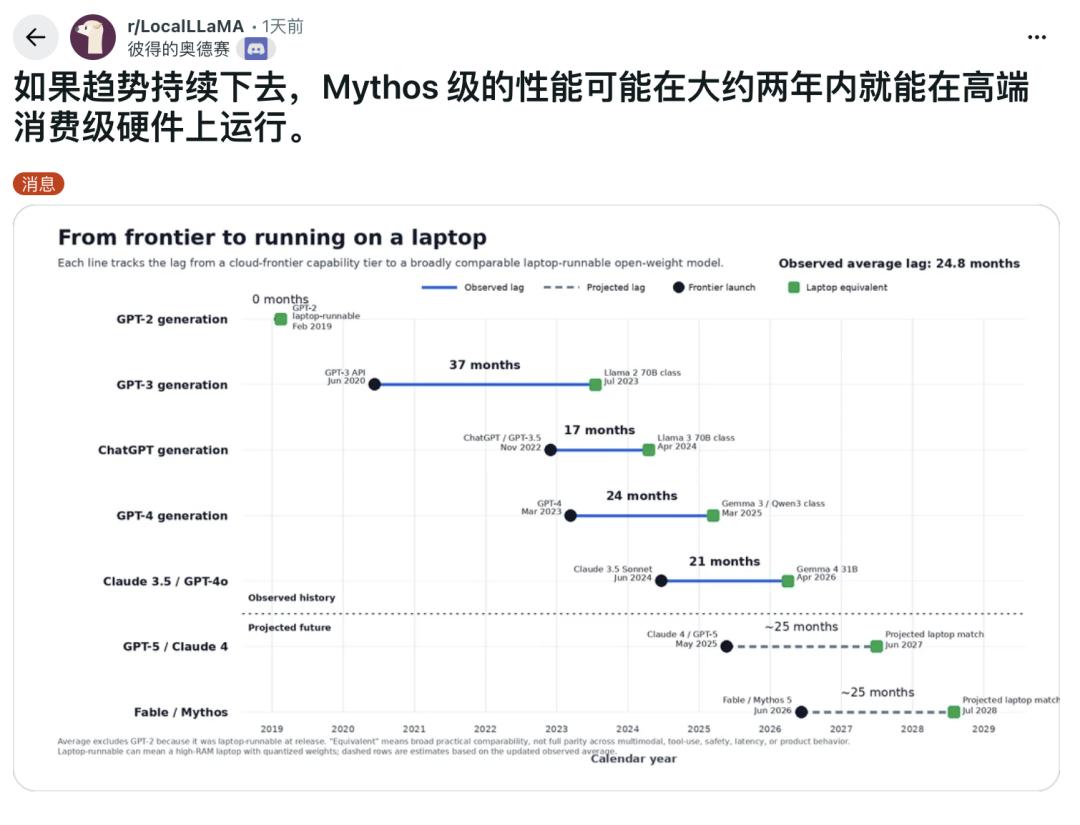
When people used to discuss cutting-edge models, the topics were usually "how powerful it is", "how much faster it is than competitors", and "what jobs it can replace". But this time, some people are starting to ask if it can run on edge devices.
To be honest, this idea is still overly optimistic for Fable 5 right now. After all, it's Anthropic's first public Mythos-class model with a 1 million-token context window, designed specifically for long-running asynchronous tasks, and currently operating in AWS and Google Cloud data centers. The gap between it and edge devices is not just one generation of chips, but several orders of magnitude of differences in computing power, power consumption, and model compression challenges.
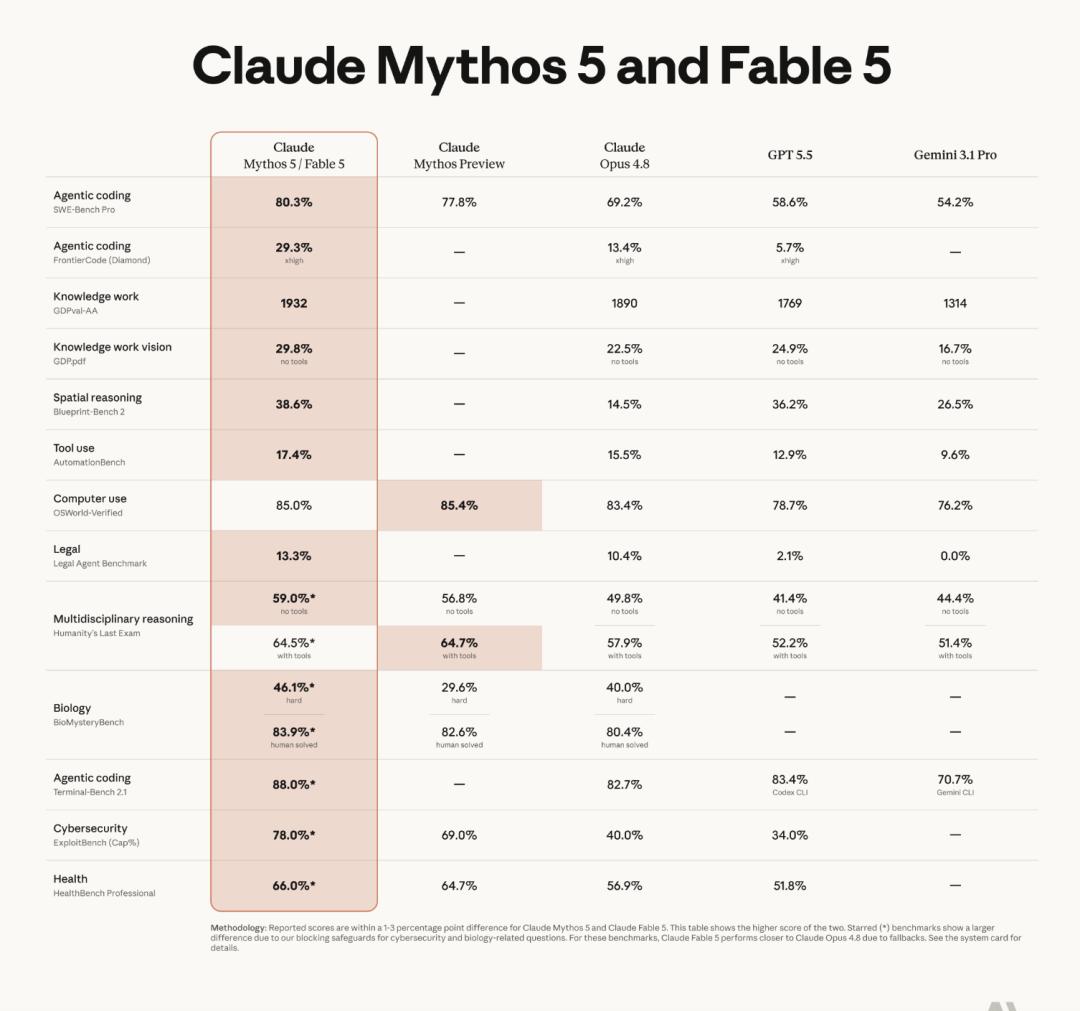
The Fable 5 shutdown incident itself also serves as a reminder of another point. As mentioned on Reddit, if you don't own the silicon and weights, high availability is just an illusion. The emergence of this issue is more of a signal: it shows that on-device AI has evolved from an industry buzzword to a public expectation.
From Releasing Specs to Releasing Architectures
If the theme of on-device AI over the past two years was "announcements", this year's theme has become "reconstruction". Chip manufacturers are no longer satisfied with just marking an NPU computing power number on their launch event slides; they have begun to redesign the entire hardware architecture around local AI inference.
On June 25, Qualcomm released a set of figures that made Wall Street re-evaluate the company: its non-handset business revenue target for FY2029 was raised to $40 billion, roughly double the previous target. The data center AI infrastructure target exceeds $15 billion, and the automotive business target is $10 billion. CFO Akash Palkhiwala put it more directly: "By 2029, handsets will only account for one-third of our chip revenue."
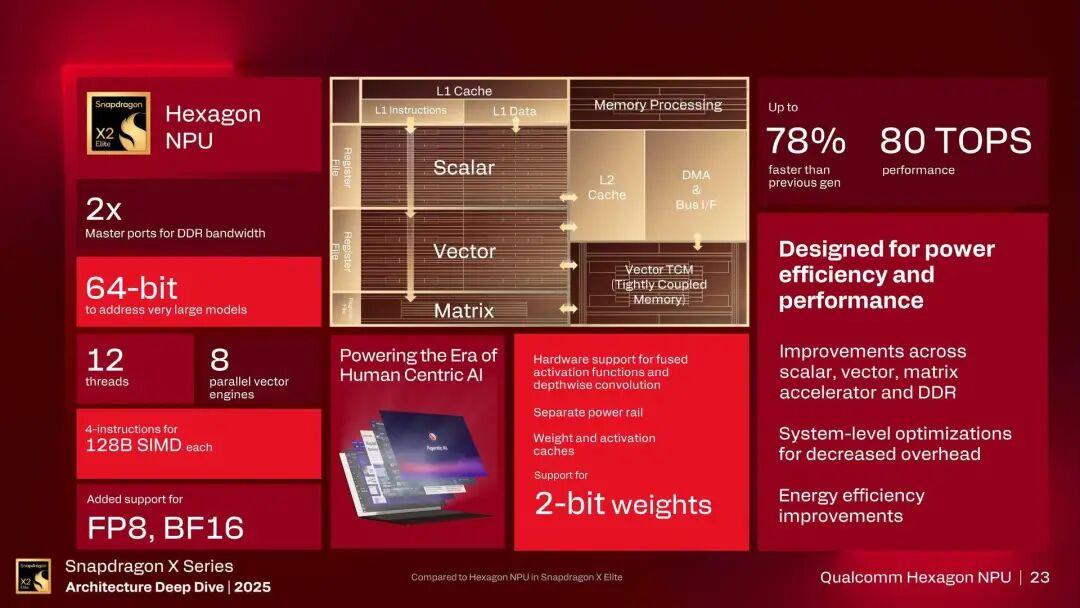
The hardware foundation supporting this target is the second-generation Snapdragon X2 series. The Hexagon NPU in Snapdragon X2 Elite delivers 80 TOPS of AI computing power — a figure that belonged to cloud inference chips back in 2024. Its configuration of up to 18 CPU cores, 228GB/s memory bandwidth, and 128GB of unified memory is no longer just a "laptop that can run AI", but a "laptop designed for AI".
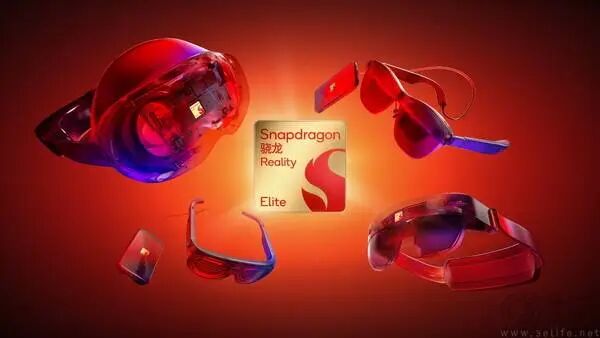
More noteworthy than the chips themselves is Qualcomm's system-level layout. The Snapdragon START program launched at the AWE conference on June 17 packages chips, AI software stacks, and partner networks into a modular solution, allowing brands and enterprises to launch personal AI terminals as easily as building with Lego blocks. The first batch of deployed product categories is smart glasses, with expansion to more form factors to follow. Qualcomm calls this vision "The Ecosystem of You" — instead of opening different AI tools on different devices, the same AI follows you across all your devices.
Apple is playing its cards even more aggressively. According to leaks from Mark Gurman of Bloomberg, Apple is making its largest roadmap adjustment since the launch of Apple Silicon in 2020: skipping the M6 Pro and M6 Max entirely to bet directly on the AI-focused M7 in 2027.
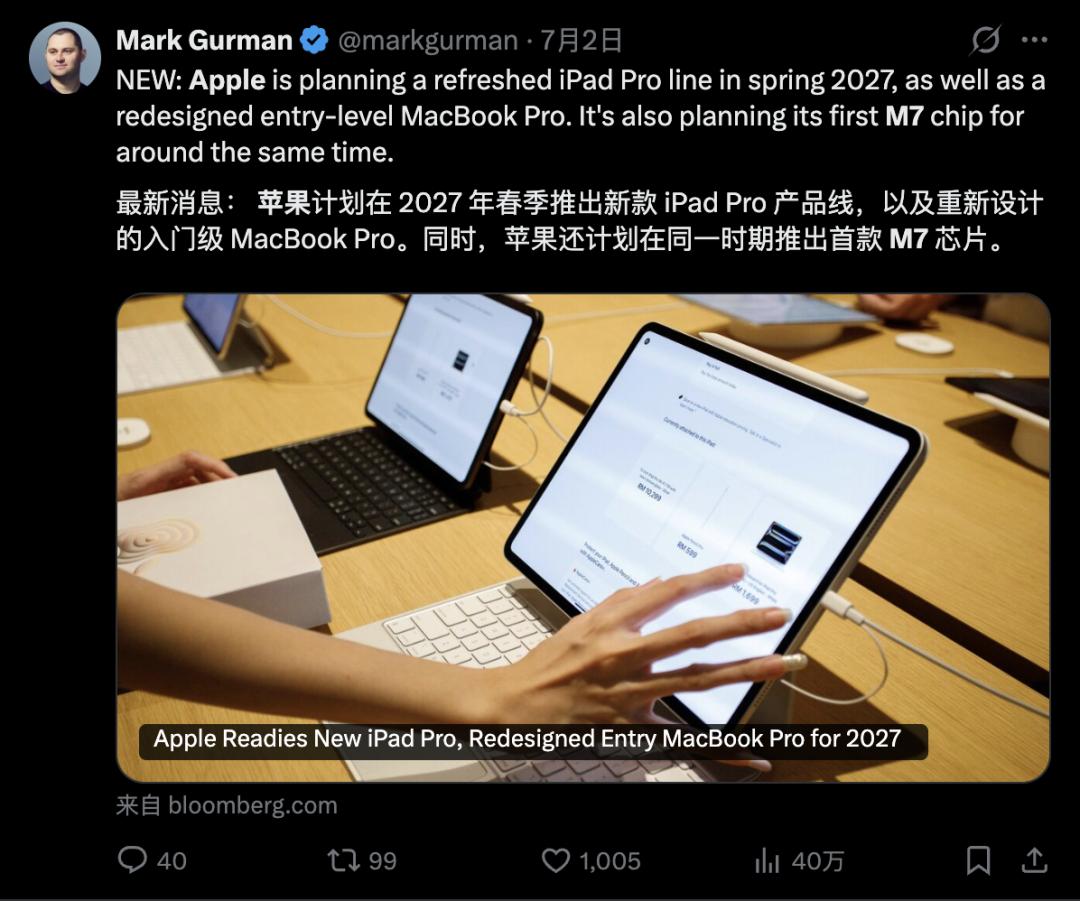
Apple's M-series has followed a roadmap as punctual as Swiss railways since 2020: one new generation every year, with three configurations per generation (base, Pro, Max). Skipping an entire high-end generation all at once means Apple internally judges that the demand for on-device AI is so urgent that it can't wait for the regular iteration pace.
The base M6 is expected to have 200GB/s of memory bandwidth (up from 153GB/s on the M5), while the M7 targets 240GB/s. The unified memory architecture allows the CPU, GPU, and Neural Engine to share the same memory pool, which is inherently suited for large model inference. Starting from the M5, a Neural Accelerator is built into each GPU core, so AI is no longer a separate coprocessor feature, but distributed across every computing unit throughout the chip.
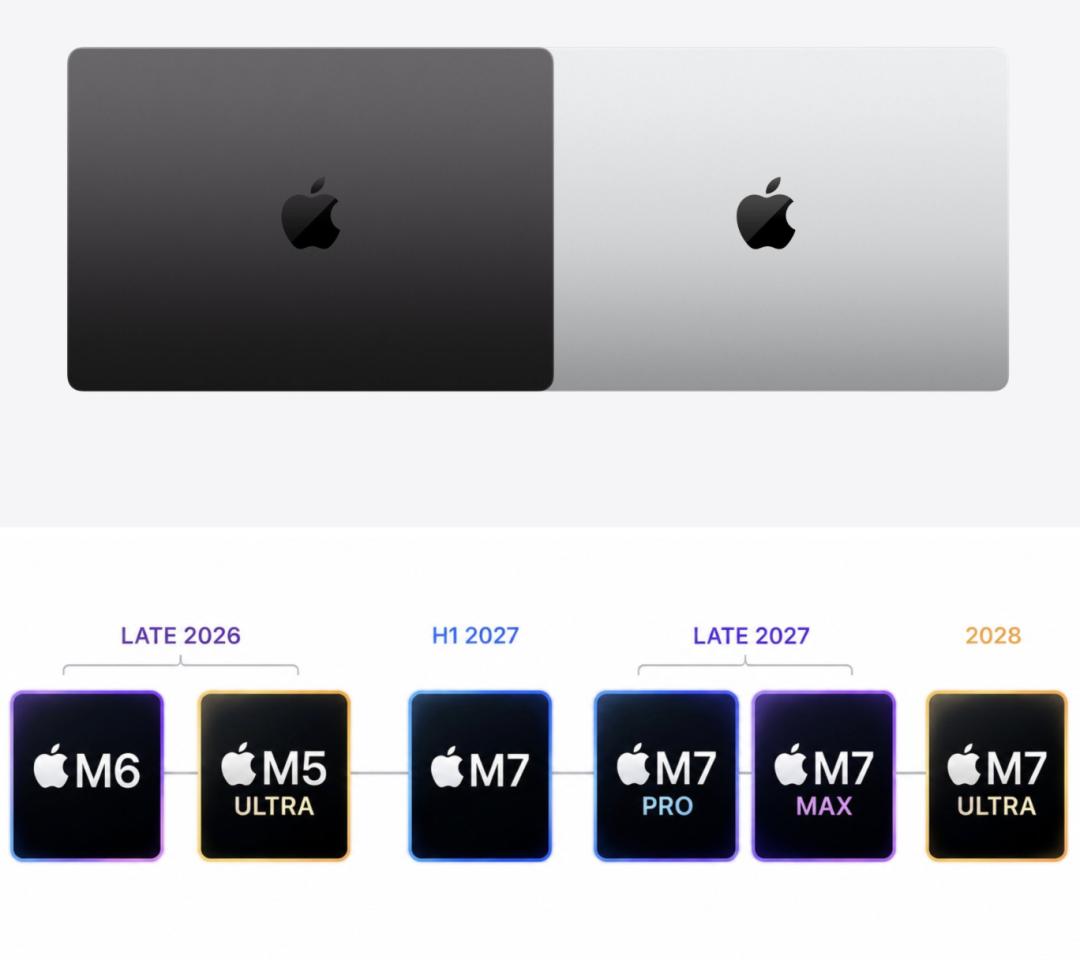
In Gurman's view, this represents Apple "accelerating its push", because the M7 features "technologies that support on-device AI and GPU-intensive software" — not just "supporting AI features", but "supporting on-device AI", which marks a shift in chip design priorities.
While Apple and Qualcomm are laying groundwork on laptops and mobile phones, NVIDIA is entering the market from another direction. Its $4,699 desktop device, the DGX Spark, is equipped with the Grace Blackwell superchip, 128GB of unified memory, and 1 PFLOP of FP4 AI computing power.
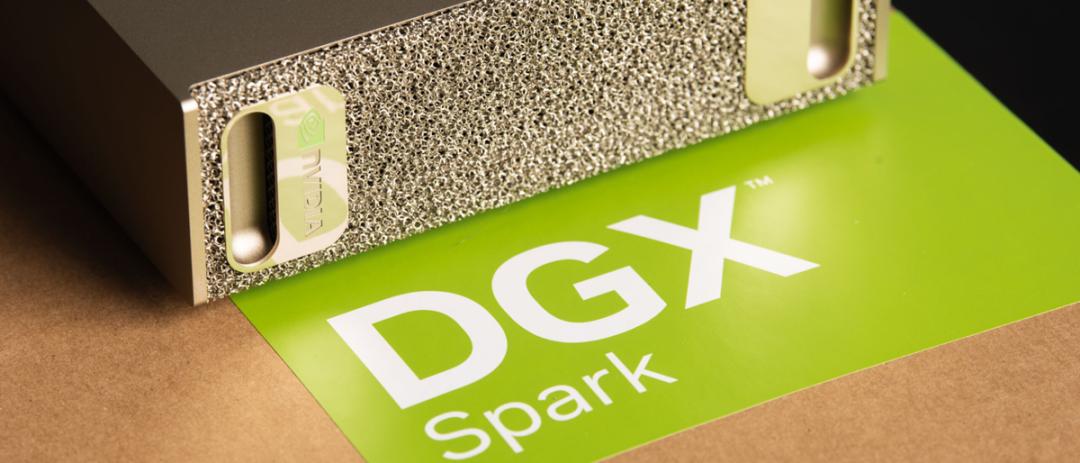
NVIDIA positions it as a "personal AI supercomputer". At GTC Taipei in June this year, Jensen Huang also launched the RTX Spark, a more lightweight superchip aimed at bringing AI-native PCs to thinner laptop form factors. This product line is also converging with NVIDIA's workstation strategy: the RTX PRO Blackwell series has already been deployed on new workstations from Dell, HP, and Lenovo.
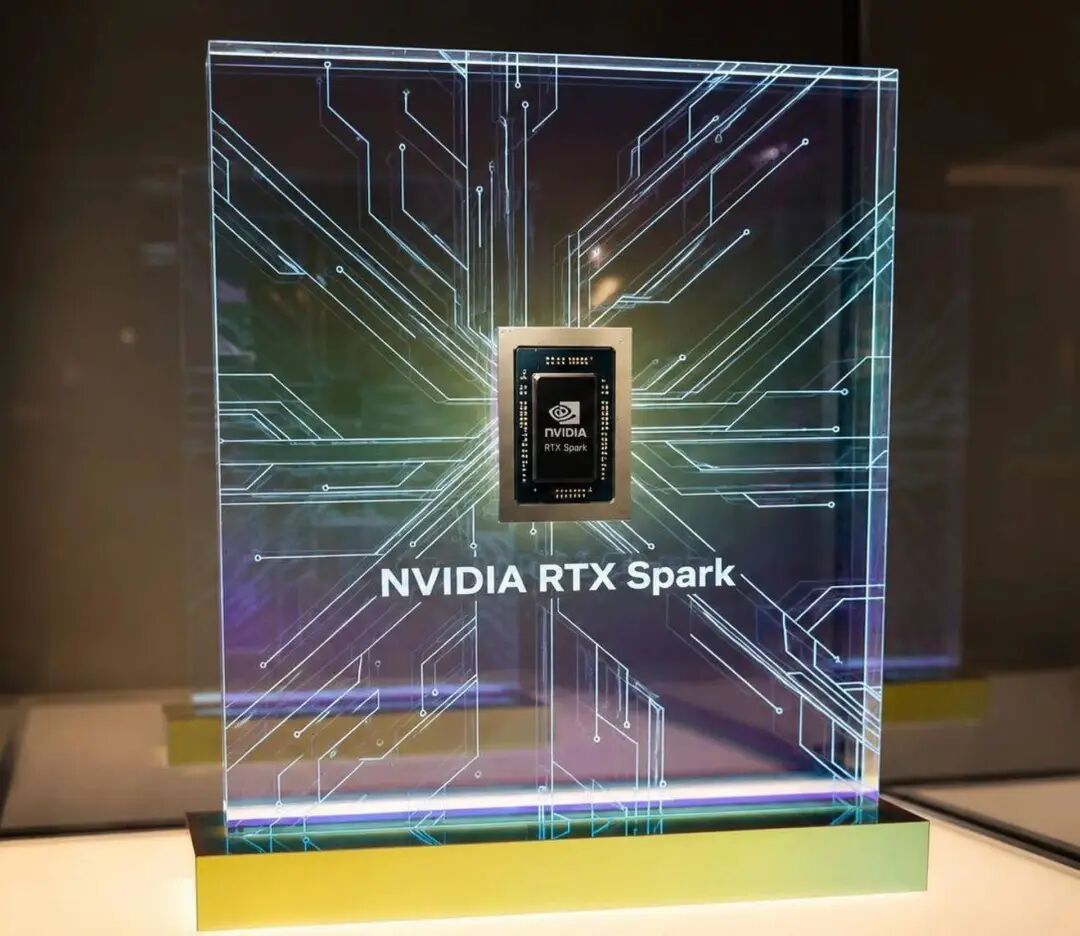
The NemoClaw project allows users to run secure, always-on AI assistants on their local workstations. With the DGX Spark handling heavy desktop inference, the RTX Spark for thin and light laptops, and the RTX PRO for professional content creation, NVIDIA is covering all bases to turn local AI from a geek toy into a mass-producible, price-tagged hardware category.
Bending to Meet Hardware Constraints
While hardware is catching up with AI, models are also adapting to hardware in return. Over the past year, the emergence of several key models has been reshaping the answer to "what can on-device AI do". The most notable move came from Google DeepMind, which released Gemma 4.
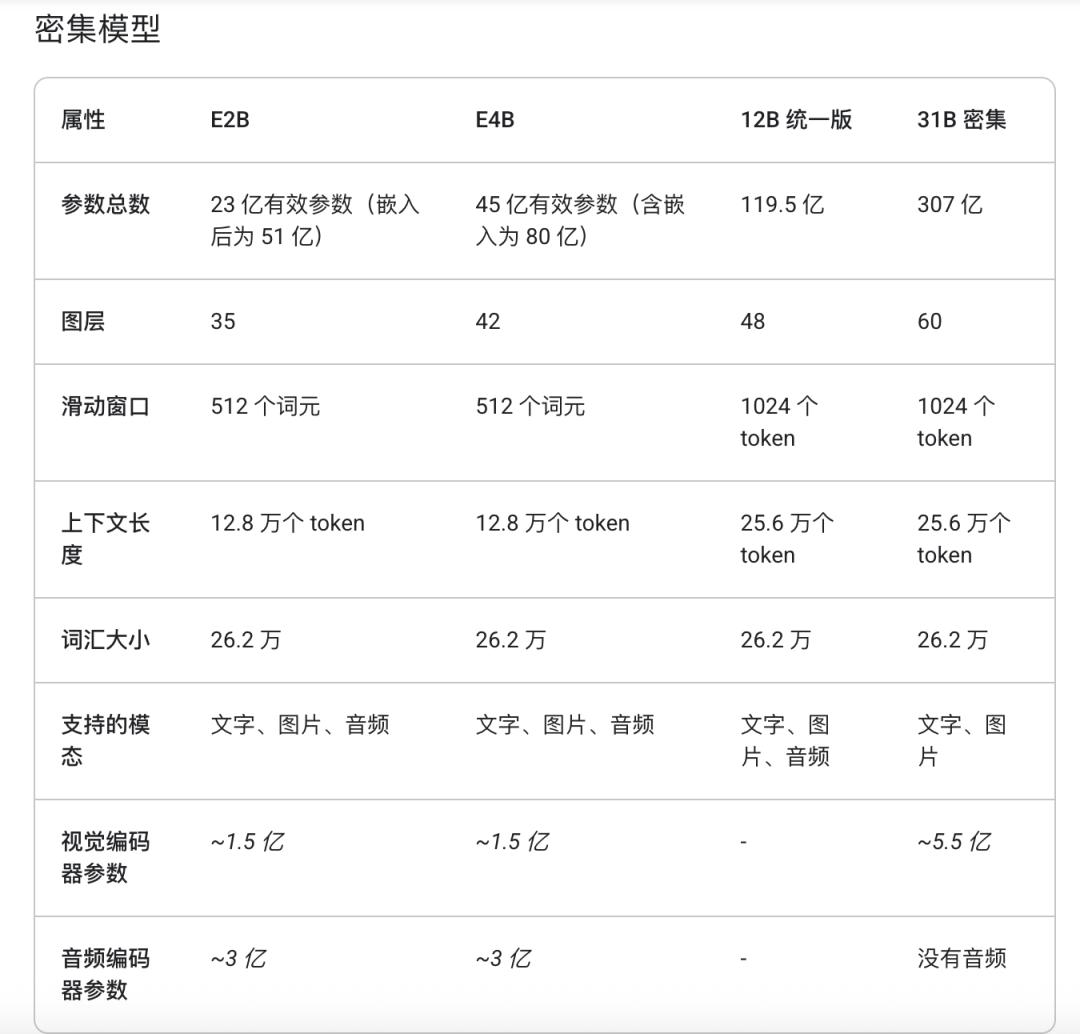
This is an open model family derived from Gemini 3 research, released under the Apache 2.0 license. It covers five parameter sizes, from the E2B that can run on just 5GB of memory, to the 31B dense model that matches 70B-class capabilities, forming a complete product line spanning from mobile phones to personal computers.
The most exciting parts are the "small" models: the E2B and E4B only require 4-5GB of memory under 4-bit quantization, and can run on regular laptops without GPUs, or even on mobile phones; the 12B model can run on devices with 8GB of memory, while supporting multi-modal inputs of text, images, and audio; the 26B-A4B uses an MoE architecture, and can achieve speeds of 30+ tokens/s with just 30GB of memory.
The Google AI Edge team wrote a dedicated blog post demonstrating how to deploy Gemma 4 12B on everyday laptops for agentic workflows, noting that "Google's free Gemma 4 model runs on hardware you probably already own."
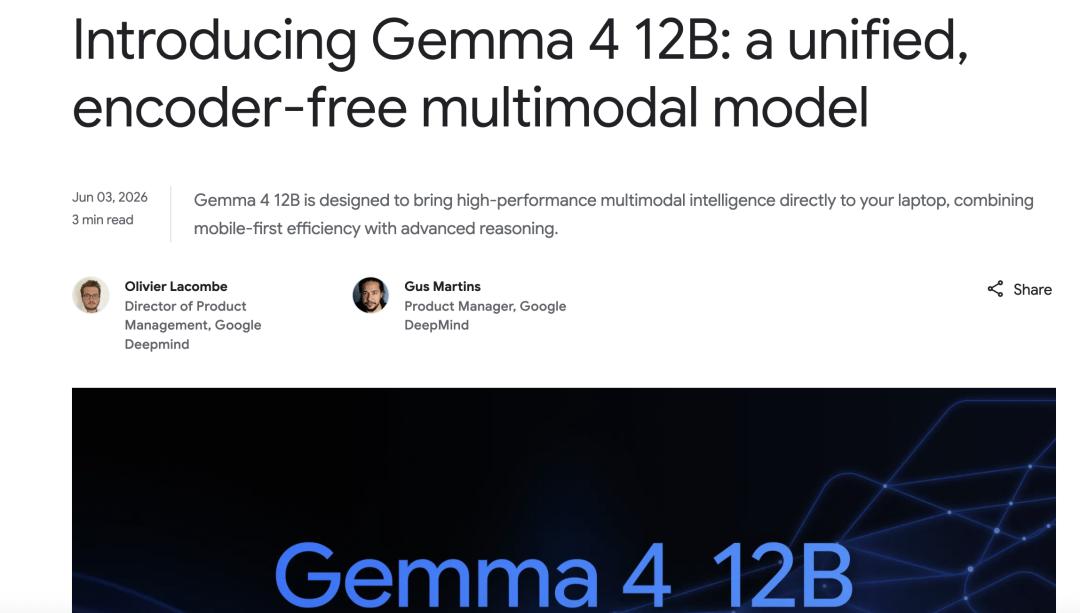
When "probably already own" becomes a selling point in a review, it means the hardware threshold for on-device models is rapidly collapsing.
As a paragon of open-source models, Alibaba's Qwen 3.6 is also working tirelessly to make larger models more local-hardware-friendly. Qwen 3.6-27B is a 27B-parameter dense model with a 1 million-token context window, which was rated by MindStudio as the best open-source agentic coding model of 2026.
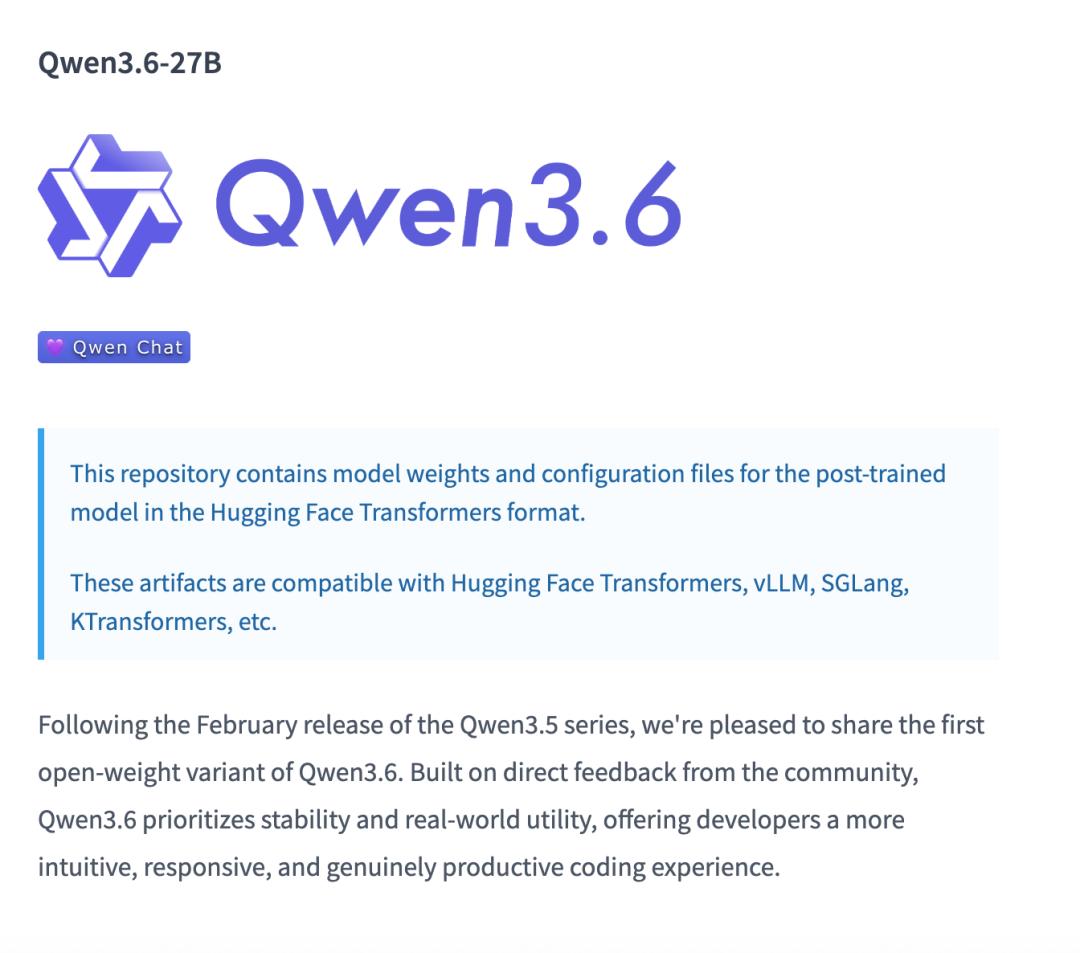
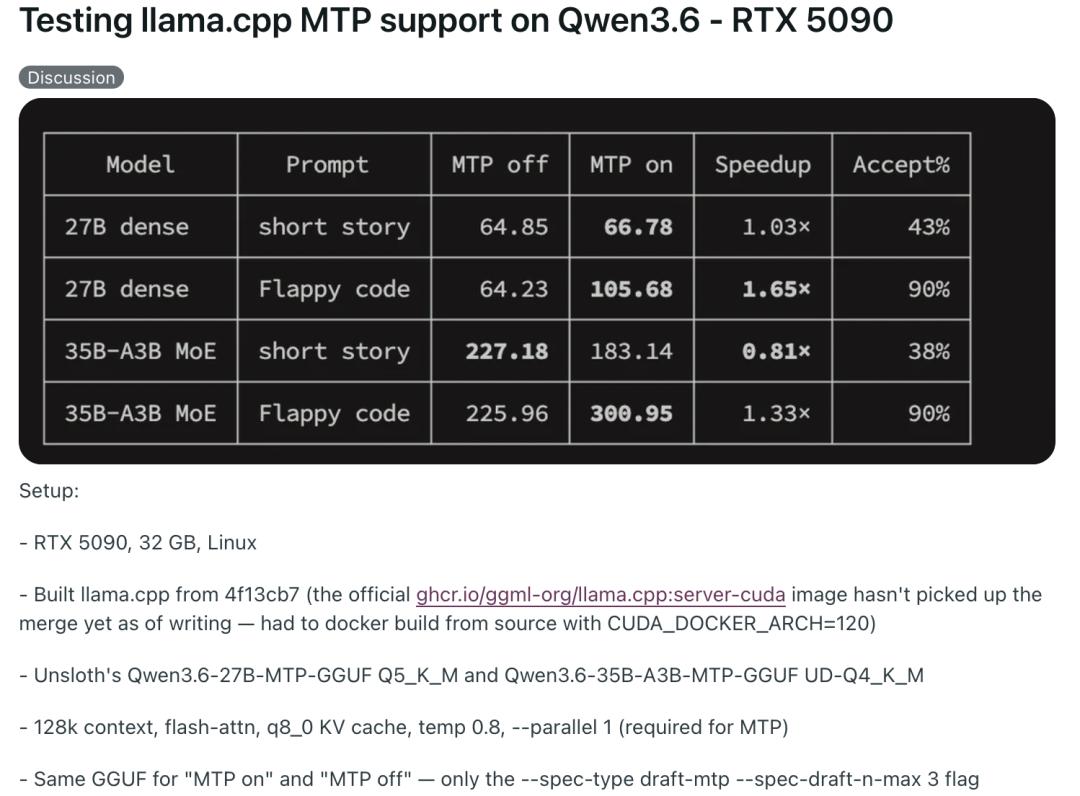
Developers on Reddit have already built a local agentic coding setup of "Qwen 3.6 35B + llama.cpp + RTX 5090". Qwen's strategy is not to compete head-on with cloud models in parameter size, but to use MoE and architectural optimizations to pack near-cutting-edge capabilities into the hardware boundaries that local devices can afford. It's not a "small model" — it's a "compressed state-of-the-art model".
If Gemma and Qwen are doing dimensionality reduction adaptation of model capabilities, the MiniCPM series from FaceUnity goes even deeper — designing models directly for mobile phones and edge devices. MiniCPM-V 4.6 has only 1.3B parameters, designed specifically for on-device multi-modal use cases. It can handle single-image, multi-image, and video understanding, runs natively on iPhone, Android, and HarmonyOS devices, is open-sourced under Apache 2.0, and supports Ollama and llama.cpp.
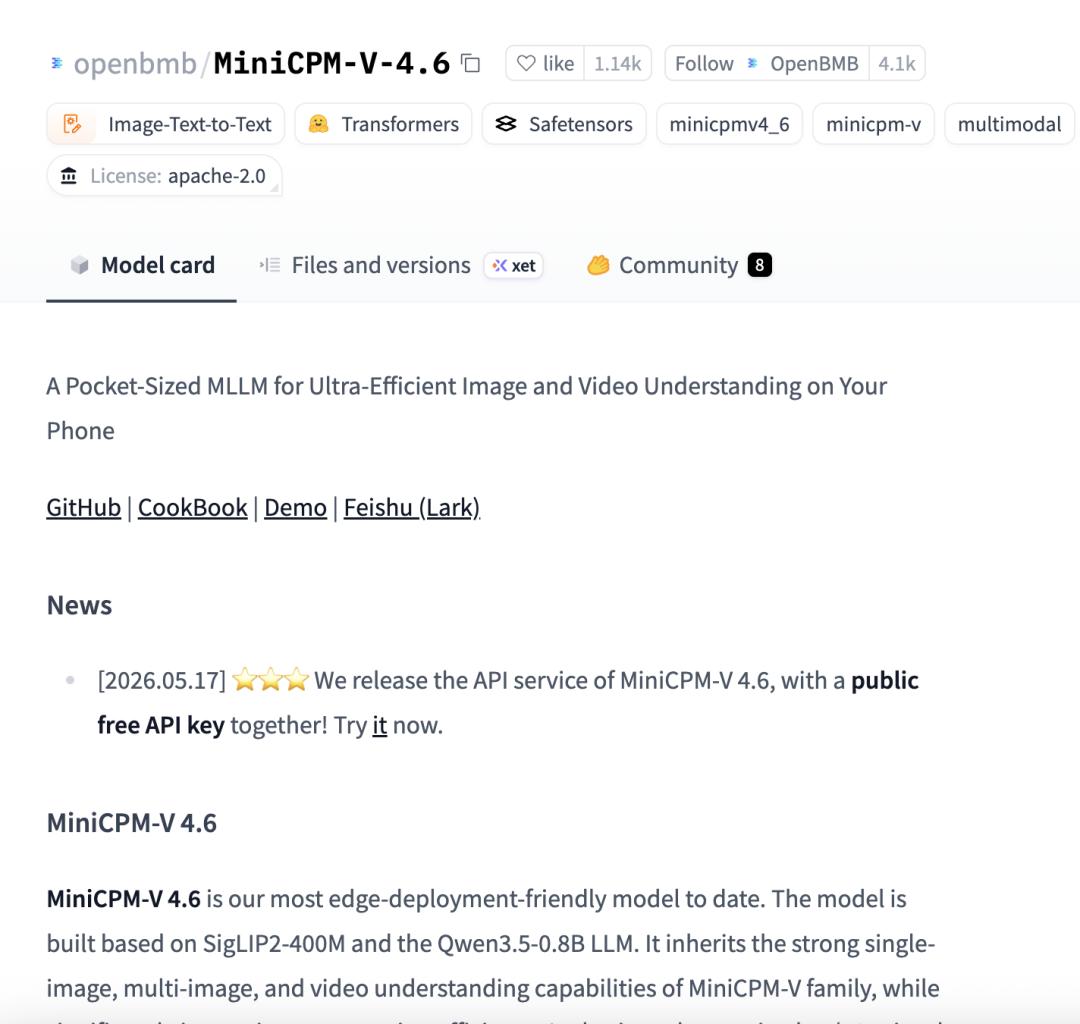
The 1.3B parameter count is almost negligible next to cloud models, but its performance in OCR, document understanding, and visual reasoning can already compete with 7B-class models. MiniCPM5-1B is even more aggressive: a 1B-class dense model paired with deployment and fine-tuned Agent Skills, expanding its target users from "AI developers" to "ordinary consumers". A paper published in Nature Communications gave it a high praise: "A key step toward deploying GPT-4V-level multi-modal capabilities on edge devices."
How powerful these models are right now is not the point. The point is that they are proving