Samsung's 'Wide Fold' is coming. Can it challenge Apple and Huawei?
The phase of counting days eagerly is finally over, and the 2026 wide foldable market has officially welcomed its second well-documented player.
According to concentrated leaks from foreign media, Samsung's annual foldable showcase Galaxy Unpacked is scheduled to take place in London, UK on July 22 this year.
The event will unveil Samsung's 2026 foldable flagship lineups, the Z Fold8 series and Z Flip8 series.
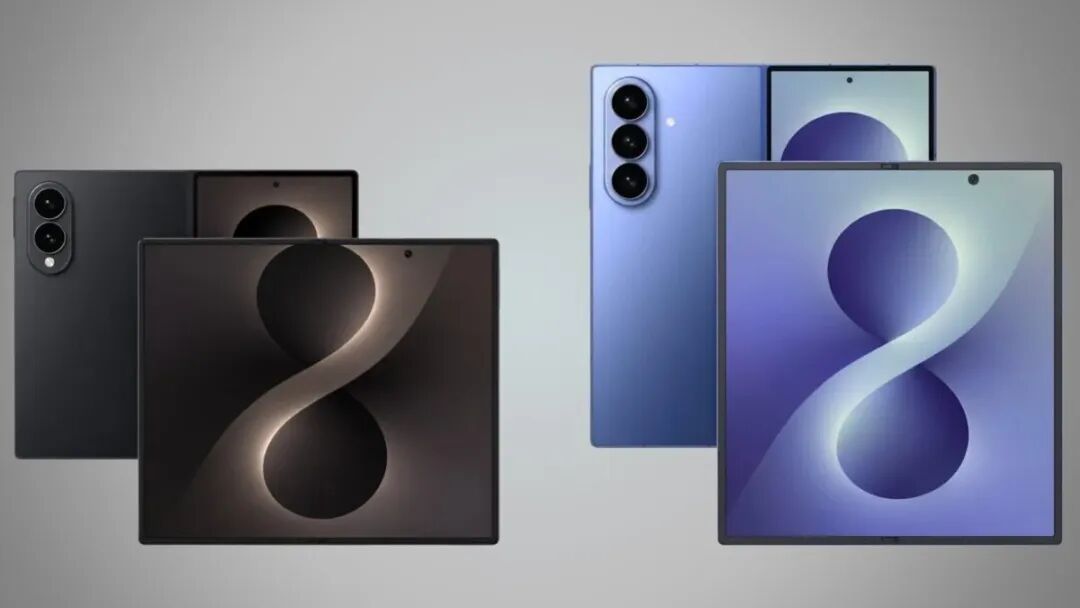
Photo Credit | SamMobile
It's predictable that due to persistently high memory chip prices, the new Z Fold8 and Z Flip8 models will very likely see a price increase of 500-1000 RMB —
After all, Samsung's memory division and mobile division are two completely independent business units, even close relatives keep clear accounts.
Z Fold8: Samsung is going "wide" too
2026 may not be the best year ever for foldable screen users, but it is definitely the most transformative one.
With Huawei Pura X Max paving the way earlier, followed by Apple iPhone Ultra echoing the trend, this year's foldable phones are not just "expensive" — more importantly, they are "wide".
And this new Samsung Z Fold8 is the first Samsung foldable phone to adopt that wide form factor.
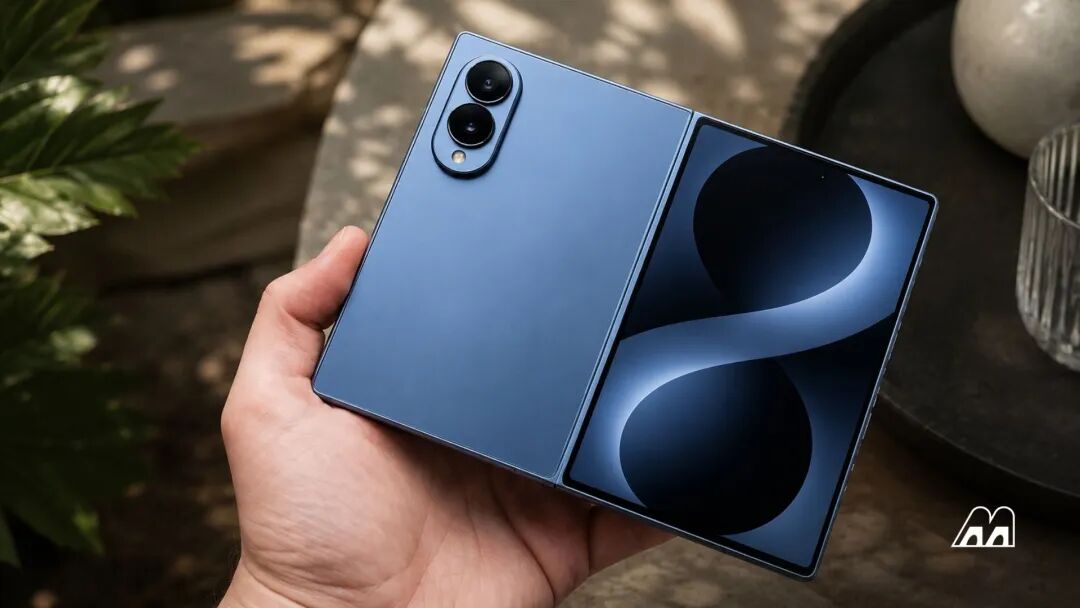
Photo Credit | Memeburn
According to leaks, Samsung will launch two Z Fold8 variants this year: one is a large foldable with a similar form factor to the Z Fold7, the other is a standard wide foldable with a roughly 7.6-inch inner display and 5.5-inch outer display.
Considering the release timeline, it's reasonable to call it the first wide foldable in the Android ecosystem.
Notably, recent leaks indicate that Samsung plans to name the wide foldable the Z Fold8, while promoting the more traditional large foldable to a higher tier, rebranding it as the Z Fold8 Ultra.
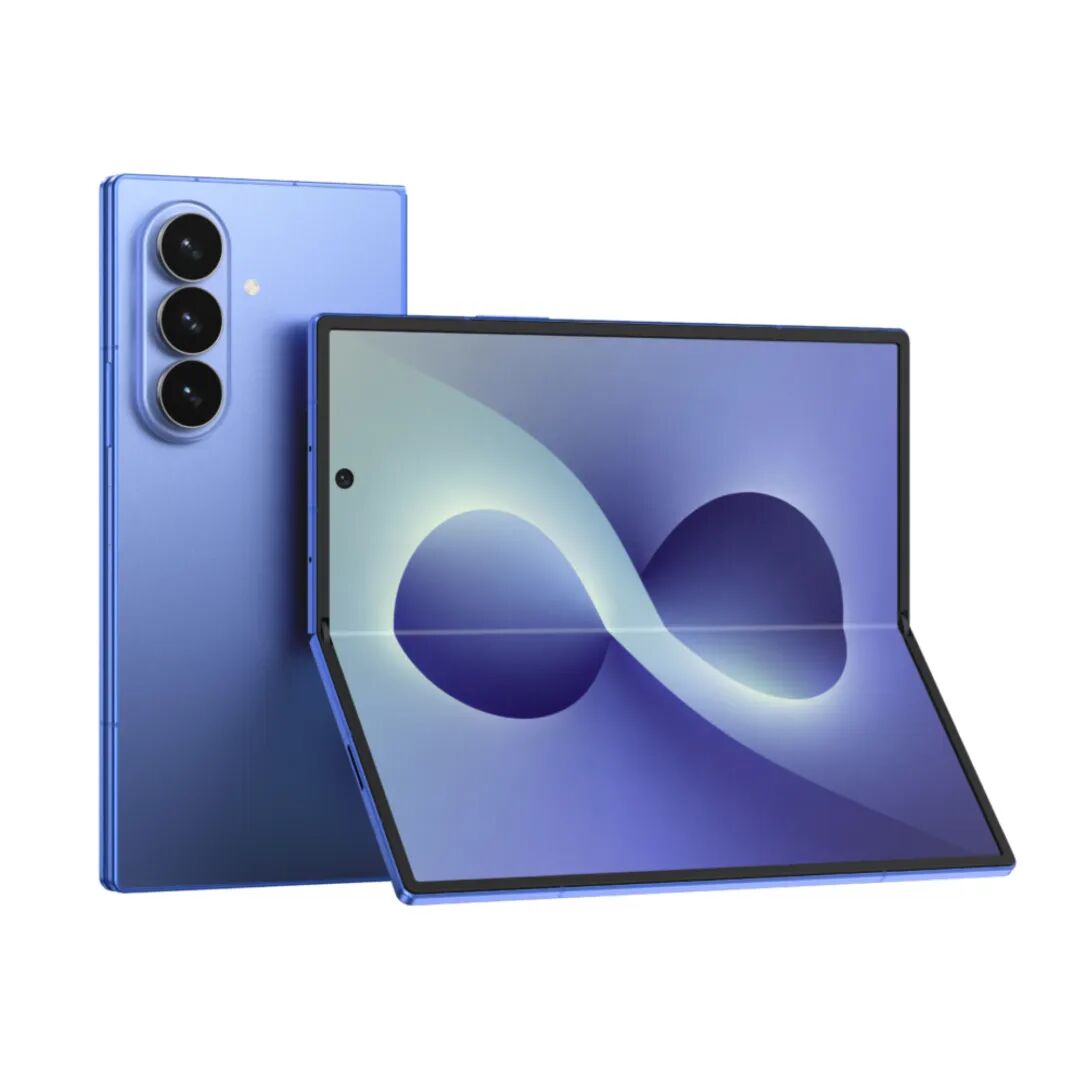
Photo Credit | Android Central
This internal tier division within the Z Fold series is also reflected in pricing —
According to information leaked by European retailers, both the Z Fold8 and Z Fold8 Ultra will see price hikes compared to last year's models, meaning "wide foldable" does not equal a cheaper foldable phone.
The suggested retail price for the 12+256GB wide foldable Z Fold8 is 1,999 euros (approximately 15,500 RMB), while the Z Fold 8 Ultra is priced at 2,199 euros (around 17,000 RMB).
Meanwhile, pricing for the more affordable Korean market variants has also been leaked: the starting prices for the wide foldable and the large foldable are 2,278,000 won (about 10,000 RMB) and 2,577,000 won (11,400 RMB) respectively.
Considering that European market models are typically more expensive while Korean market models are cheaper than domestic Chinese variants, the starting price of the wide foldable Z Fold8 in the Chinese market will likely land between 14,499 and 14,999 RMB, marking a 500-1000 RMB increase from last year's model.
The starting price of the large foldable Z Fold8 Ultra will likely reach around 15,999 RMB, matching and exceeding the suggested price of last year's 512GB model:
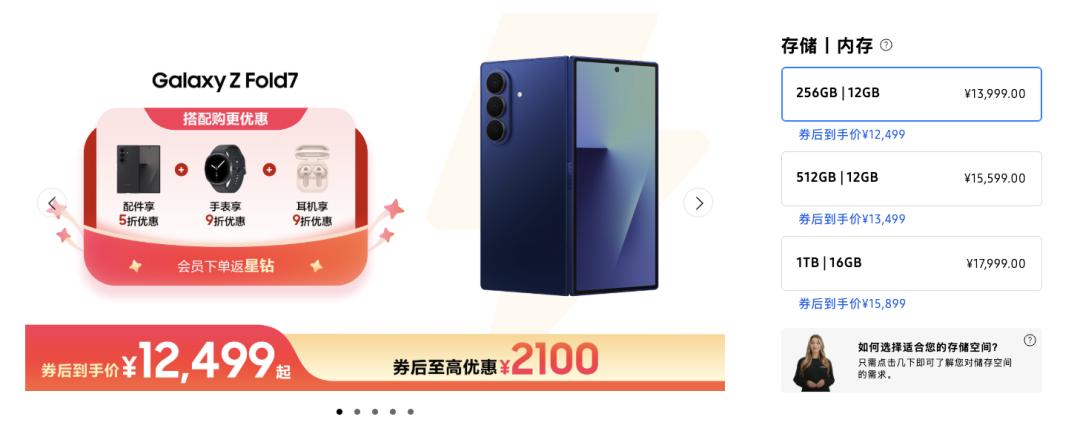
Samsung China Official Website Pricing
However, Samsung has long offered a "free memory upgrade" promotion during the initial sales period, meaning the aforementioned starting price will actually get you a 12+512GB unit, which is barely acceptable in this widespread price-inflation environment.
But compared to this striking price increase, the hardware upgrades for this year's Z Fold8 series appear rather underwhelming.
For example, 16GB RAM remains exclusive to the 1TB storage variant, which will come at a steep premium; the devices will still use the custom Snapdragon 8 Elite Gen 5 for Galaxy processor, but performance bottlenecks will still lie in heat dissipation.
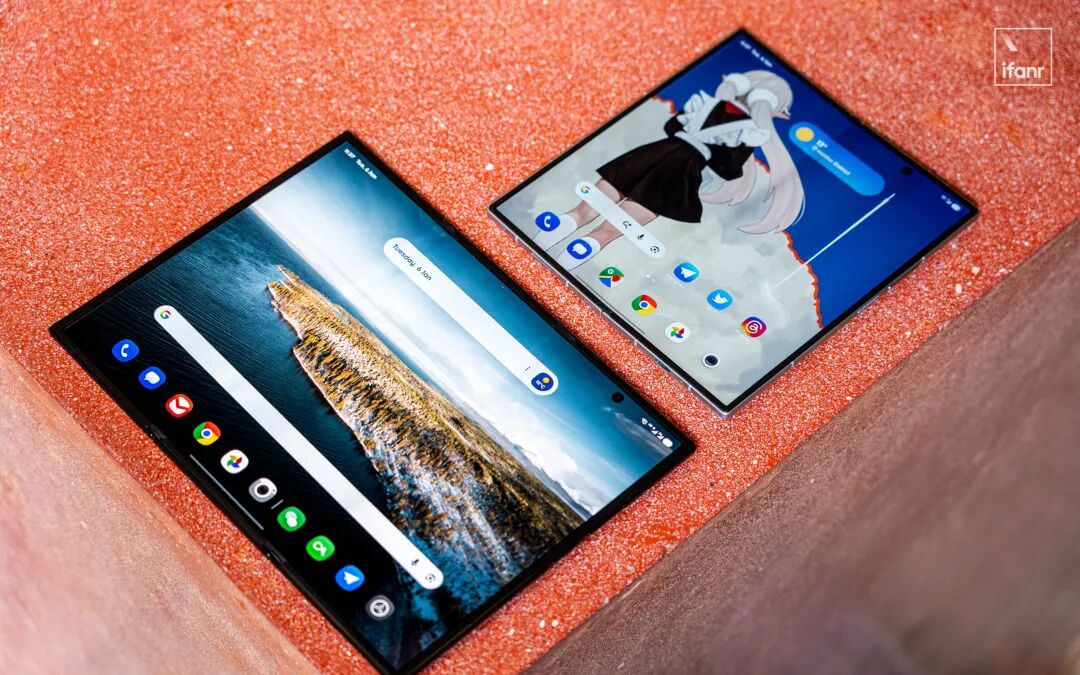
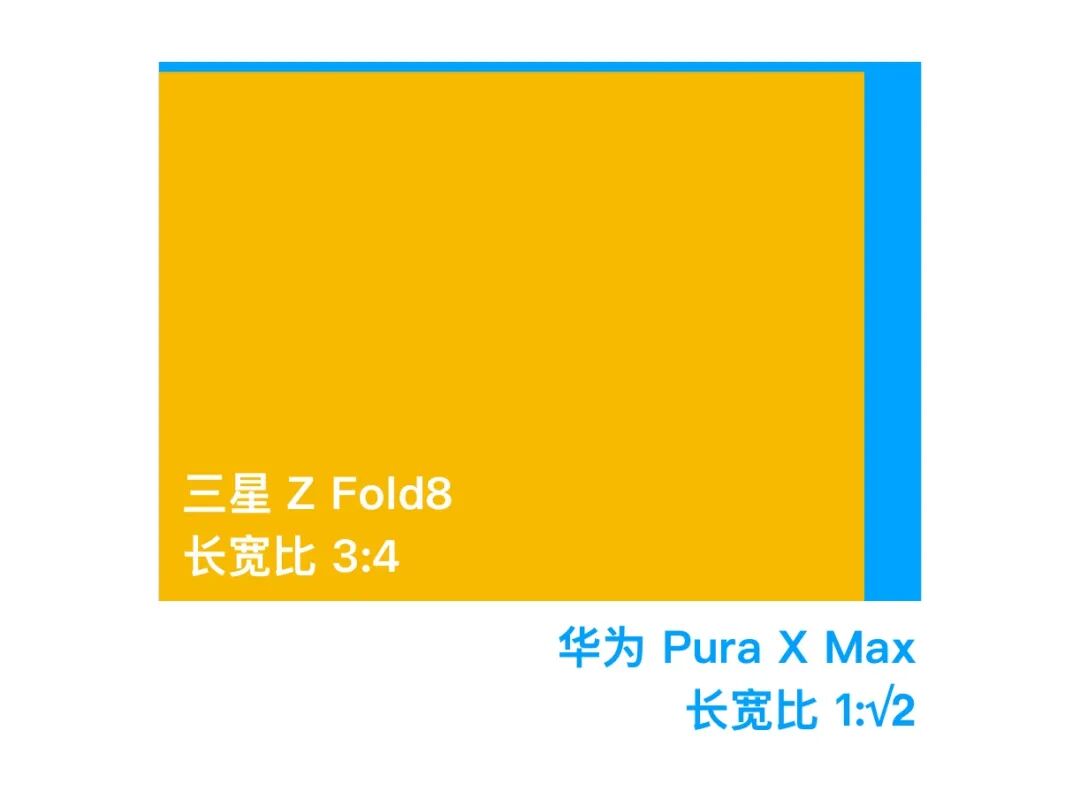
Starting with the wide foldable, the Z Fold8's inner display is expected to feature a 7.6-inch QHD+ Dynamic AMOLED 2X panel — the exact same panel used in last year's model, with a screen aspect ratio of roughly 4:3:
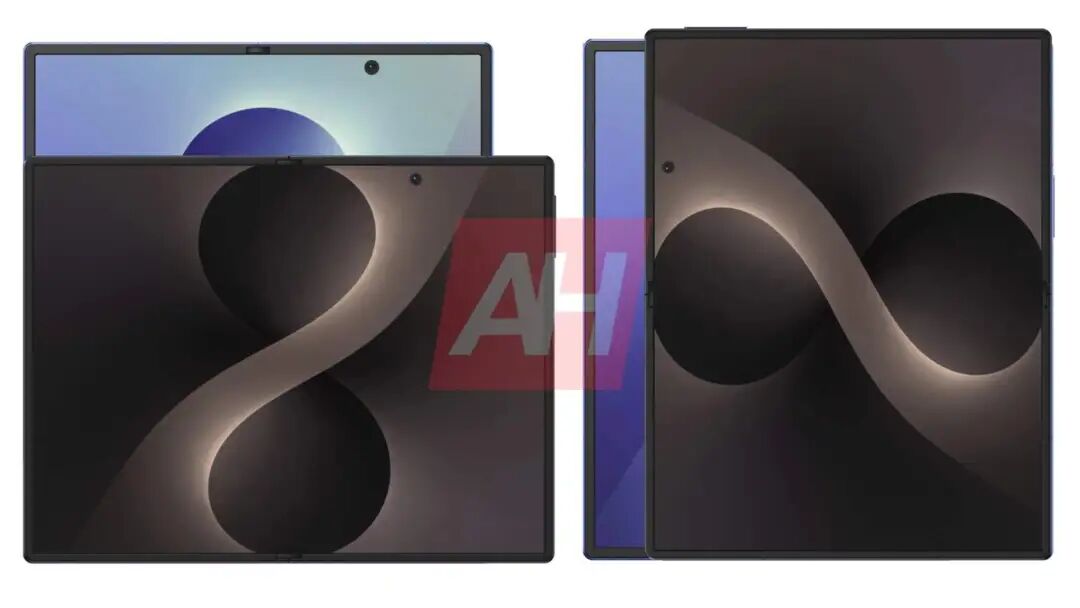
Photo Credit | Android Headlines
As a reference, the Huawei Pura X Max's inner display has an aspect ratio of approximately 1:√2, meaning the Pura X Max still offers a wider view when fully unfolded:
Meanwhile, the large foldable Z Fold8 Ultra brings no unexpected surprises: it still retains the same 8-inch inner display and 6.5-inch outer display as last year, with only minor improvements in peak brightness and durability.
Additionally, the highly discussed privacy-protecting screen featured on the S26 Ultra is not expected to be included on either Z Fold8 variant —
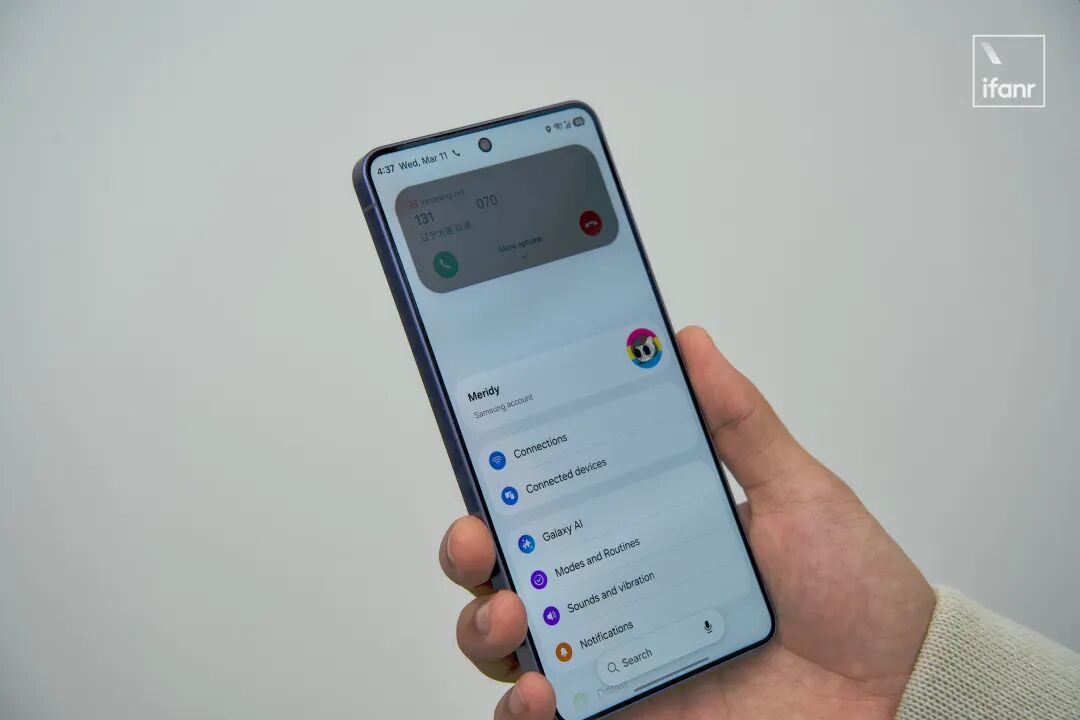
As for the S-Pen, it goes without saying that there is no longer space for the magnetic sensor layer in today's slimmed-down chassis, so the stylus will not be returning to the Z Fold series.
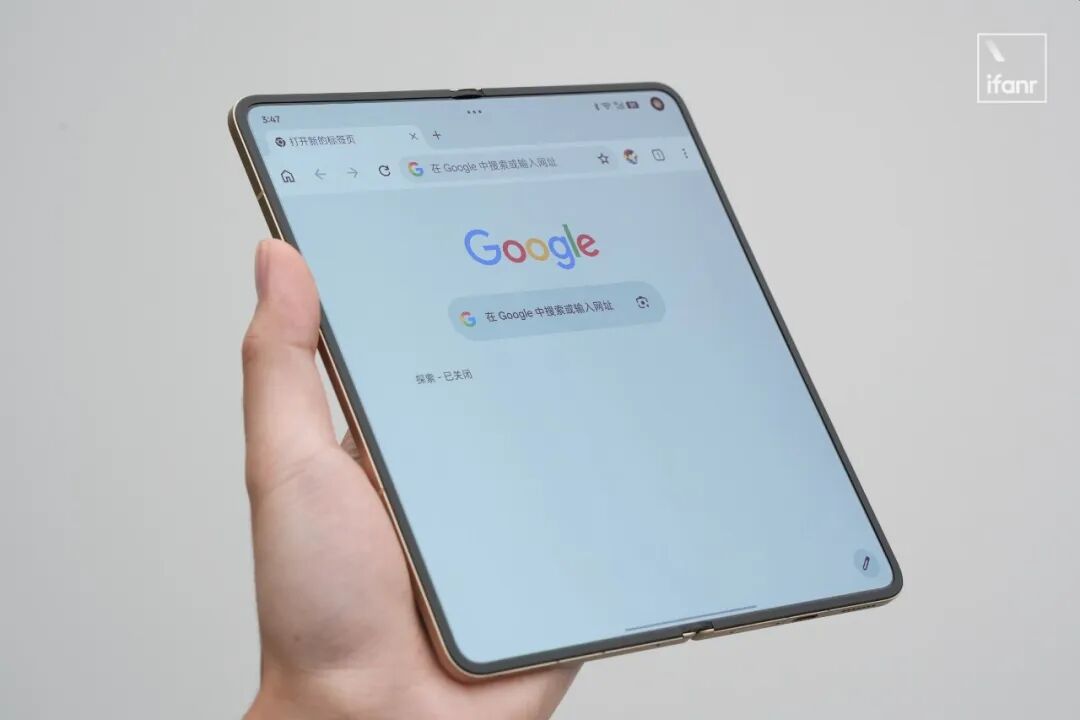
The good news is that Samsung reportedly plans to abandon the uniform damping design on the Z Fold8 series' hinge, adopting a new design that snaps fully open at wide angles like domestic foldable phones do.
This improvement will elevate the crease control on the Z Fold8 to a new level, potentially even approaching the performance of the OPPO Find N6:
As for the cameras on the Z Fold8 and Z Fold8 Ultra, the upgrades are similarly underwhelming —
The wide foldable Z Fold8 is expected to only feature a dual 50MP setup with main and ultra-wide lenses, while the Z Fold8 Ultra retains the familiar 200MP main sensor, 50MP ultra-wide lens, and 10MP telephoto lens configuration.
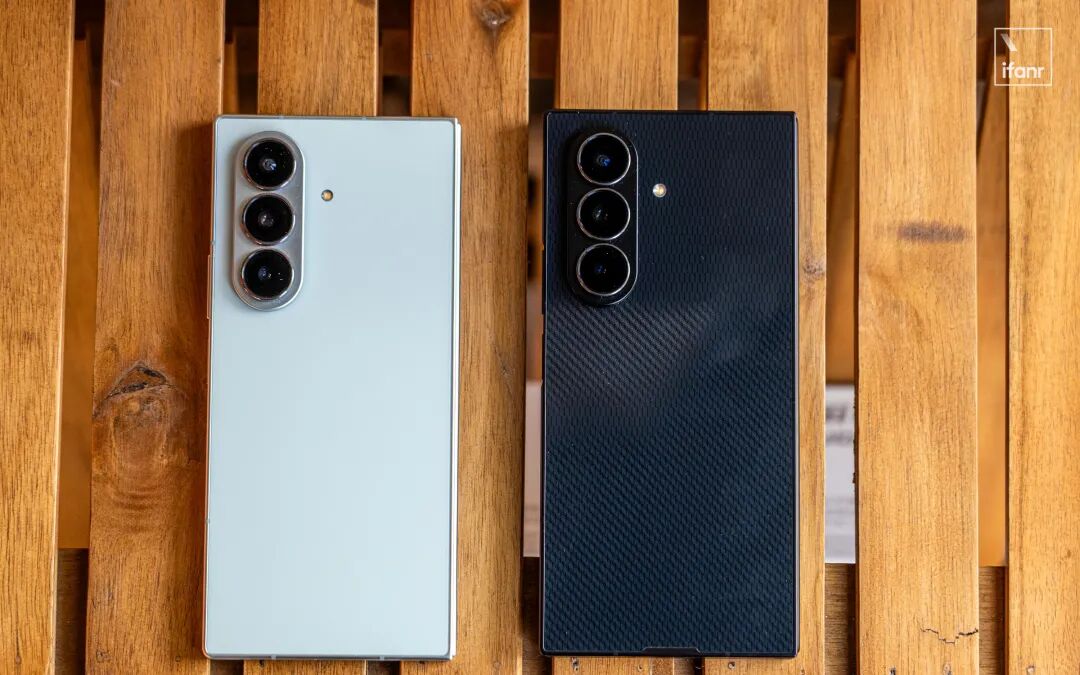
It's predictable that without major overhauls to the camera algorithms in One UI 9, the imaging performance of Samsung's foldable phones will remain far behind the leading competitors.
The Z Fold8 Ultra also gets exclusive battery upgrades. According to leaks, Samsung is finally ditching the long-standing 4400mAh capacity, and both the Z Fold8 and Z Fold8 Ultra will see increased battery sizes this year.
Among them, the wide foldable, with its shorter chassis, is expected to only get a bump up to 4800mAh, while the large foldable will feature a 5000mAh battery for the first time.
As for color options, based on currently leaked accessories and renderings, Samsung is sticking to its "soft and understated" design philosophy this year.
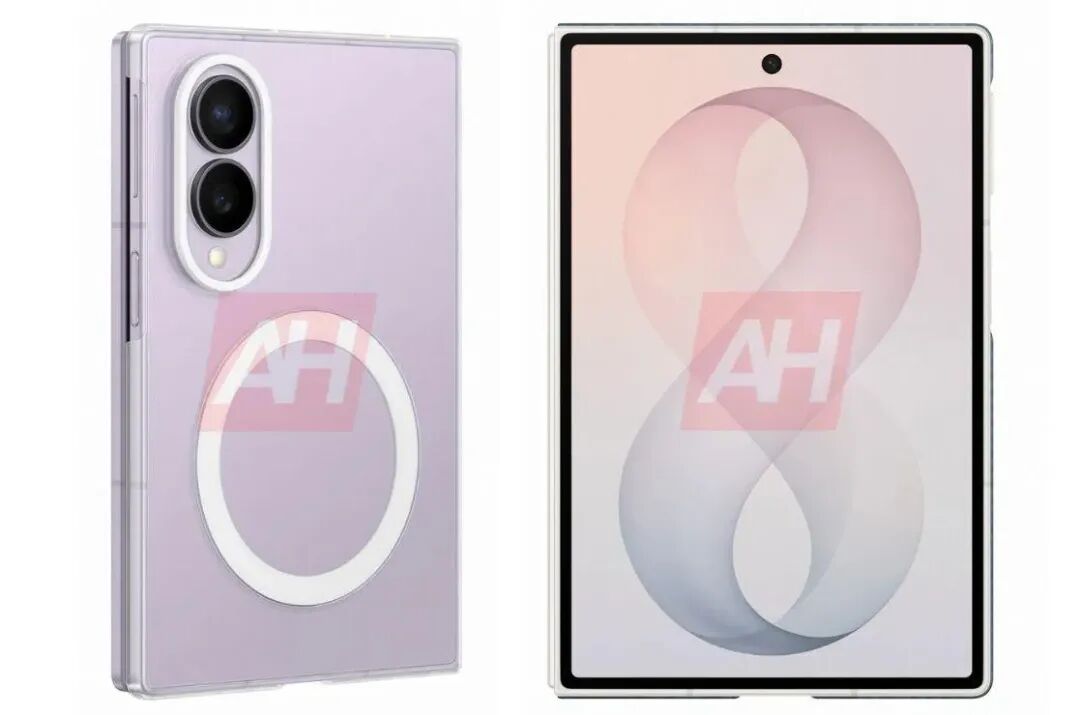
Photo Credit | Android Headlines
It's now largely confirmed that the signature color for this year's wide foldable Z Fold8 will likely be light purple, with standard color options being the traditional silver and black.
This year's official website exclusive color is still in the green family, but with a deeper saturation than last year's Frost Green, leaning closer to Pistachio Green.
The signature color for the Z Fold8 Ultra, on the other hand, is a deep purple (some sources say it's a burgundy red), paired with the standard silver and black, plus the exclusive green variant from the official website.
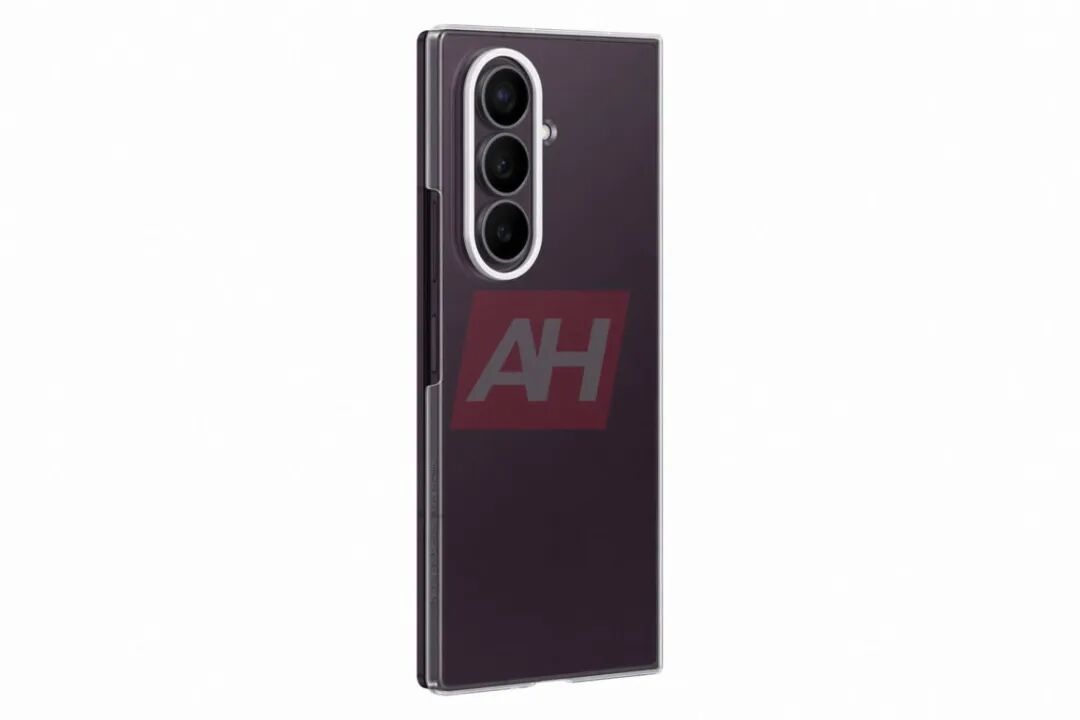
Photo Credit | Android Headlines
Z Flip8: Keep things steady to handle all changes
Compared to Samsung's high-profile wide foldable, the compact flip foldable Z Flip8, whether in terms of leak frequency or public attention, has almost become an overlooked afterthought.
Of course, this situation is also related to the fact that the Z Flip7 already pushed incremental upgrades to the limit last year —
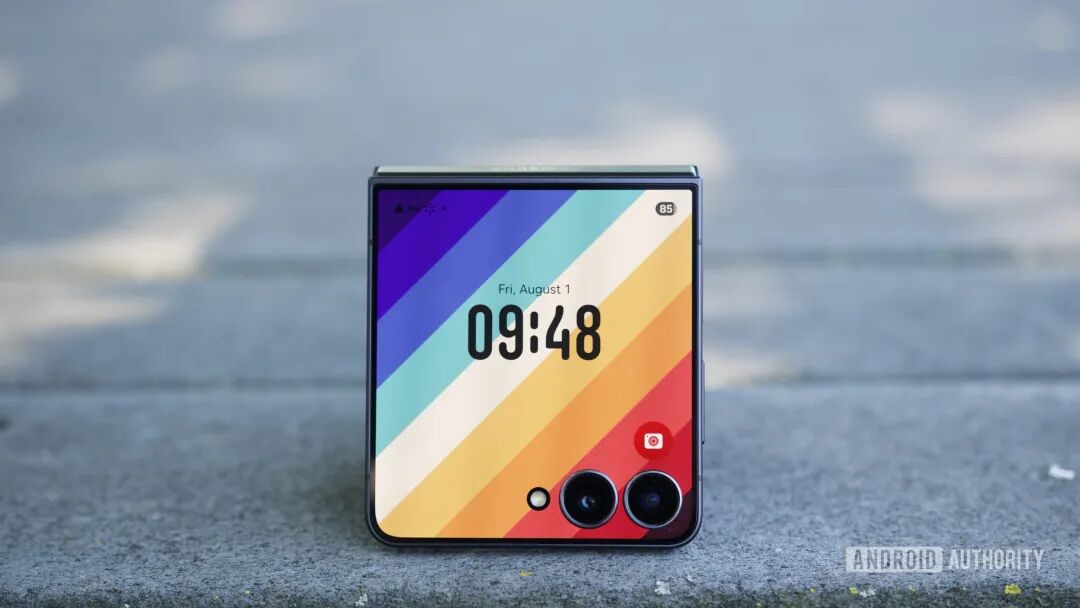
Photo Credit | Android Authority
As one of the very few brands in the world that still persists in producing compact flip foldable phones, last year's Z Flip7 still holds the world record for the highest outer screen screen-to-body ratio, and remains extremely popular on platforms like Xiaohongshu.
Against this backdrop, this year's Z Flip8 can only be described as underwhelming in terms of hardware upgrades, with the only notable improvement still being the SoC —
On last year's Z Flip7, Samsung had already started abandoning its previous region-segmentation strategy, equipping all variants equally with the 3nm Exynos 2500 processor.
Photo Credit | Samsung Semiconductor
However, on this year's Z Flip8, Samsung seems to have reversed that decision.
According to leaks from Notebook Check, the US market Z Flip8 (SM-F776U) passed FCC certification in early June, and the processor listed in the certification documents is the Snapdragon 8 Elite Gen 5 for Galaxy, rather than the expected Exynos 2600.
If the US market information holds true, the Z Flip8 may return to the traditional setup of using Exynos chips for European and Korean variants, and Snapdragon chips for other regions, which is good news for domestic users in China.
Aside from that, the Z Flip