Full Maturity of AI Video: An In-Depth Horizontal Review of 6 Mainstream Tools Led by Seedance 2.0
In 2026, the AI video generation track has entered a mature, full-throttle competition phase, and the breakout success of Seedance 2.0 has turned AI video creation into a "universal creative carnival".
In just two years, AI video has evolved from the initial fragmented, blurry clips of a few seconds to today's minute-long videos with coherent narratives and precise recreations of the real physical world. The iteration speed of AI video tools has far exceeded expectations, completing a three-leap progression from "usable" to "user-friendly" and then to "professional", lowering the barrier to turning creative ideas into reality to an all-time low — professional teams can use it to pre-visualize blockbuster scenes, while ordinary users can generate viral short videos with one click.
In this global race, every tool is defining the future of next-generation video creation with its unique strengths.
To help readers with different needs find the most suitable tool, we spent two weeks testing dozens of AI video generation products at home and abroad, and finally selected 6 mainstream contenders to form this reference list. Covering all video creation scenarios, from zero-baseline creation to professional post-production, from personal content creators to enterprise commercial use, this article will thoroughly explain each tool's core advantages, real-world testing experiences, and shortcomings, helping you avoid selection pitfalls and pick the right AI video generation tool for your needs on the first try.
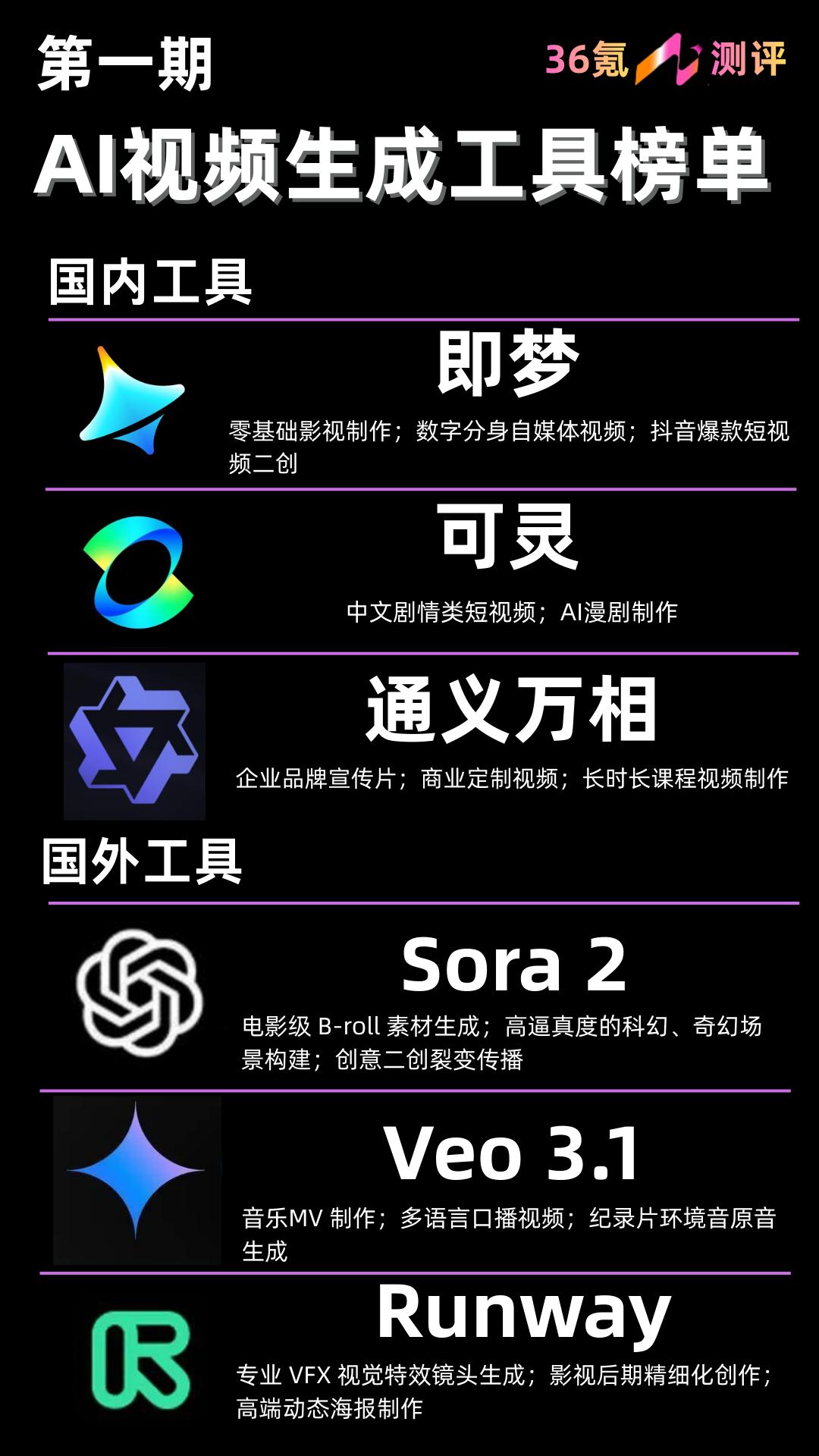
AI Video Generation Tool Leaderboard
Domestic Tools
1. Jimeng AI (Seedance 2.0, ByteDance)
Seedance 2.0 is undoubtedly the leading AI video generation model today. It acts like a true AI film creator with a "director's mindset", which is exactly why it gained explosive popularity some time ago.
First, a major breakthrough of Seedance 2.0 is its full support for four-dimensional multi-modal mixed input of images, text, audio, and video, which enables the model to achieve an unprecedentedly stable level of visual consistency.
Then, in terms of shot comprehension, Seedance 2.0 can independently complete shot scheduling just like a professional director — knowing when to use close-ups to emphasize emotions, when to pull back to a full shot to set the scene, and when to make quick cuts to build tension. In the narrative aesthetics of cinematography, it even surpasses Sora 2.0.
Seedance 2.0 also has a remarkable subject migration feature that sparked discussions due to its extremely high restoration accuracy. You can migrate a subject from your own photo onto a character in another video, perfectly replicating identical actions and lip movements.
No need for complex motion capture equipment — just a video and a photo, and you can migrate everything. In our real test, we used the dance clip from *La La Land* for subject migration, and the action restoration accuracy and background consistency both reached an extremely high level.
In terms of user experience, Jimeng AI achieves truly zero-threshold operation. It has access points on multiple platforms including Jimeng AI, Doubao, and Little Skylark, with a clean and simple interface. Even beginners who know nothing about video production can get started and generate their first video within 3 minutes.
However, the fly in the ointment is that Seedance 2.0 consumes massive computing power, forcing high-traffic entry platforms like Doubao to launch simplified versions where some advanced features are unavailable. Meanwhile, restricted by compliance and safety reviews, the high-precision real-person subject migration function has strict identity verification requirements, temporarily limiting creative freedom.
Applicable Scenarios: Zero-baseline film production; digital avatar or virtual idol content creator videos; secondary creation of Douyin-style viral short videos.
2. Kling AI (Kling 3.0, Kuaishou)
Kling 3.0 under Kuaishou is also a "dark horse" that stands out in the global market among domestic AI video tools. Instead of taking the "all-features-for-everyone" route, it pushes complex human limb movements and daily physical interactions to the extreme, making it the top choice for Chinese-language narrative video creation.
In the AI video circle, there is a classic model testing meme — generating a video of "actor Smith eating noodles" to test the AI's understanding of human limb movements and object physical interactions. Kling 3.0 delivered a near-perfect result in this test: the chopstick movements for picking up noodles are natural, the drooping texture of noodles conforms to physical laws, and the character's chewing motions and facial expressions are highly coordinated.
Meanwhile, Kling 3.0 is the model that best understands Chinese users' story demands, with precise control over Chinese narrative logic. This is backed by Kling 3.0's in-depth training on Chinese daily life scenarios, allowing it to accurately grasp Chinese people's daily behaviors, life contexts, and internet cultural mindsets.
It also excels at cost control for long video generation with faster rendering speed, making it suitable for batch creation. Although it shows comprehension deviations when handling abstract sci-fi concepts or prompts with Western cultural backgrounds, Kling is overall an excellent choice for domestic AI video creators.
Applicable Scenarios: Chinese-language narrative videos; AI manhua drama production
3. Tongyi Wanxiang (Wan 2.2, Alibaba)
Compared to Jimeng and Kling, Tongyi Wanxiang is more like a custom magic tool for enterprise commercial use, belonging to a different track from Jimeng and Kling which primarily target individual users.
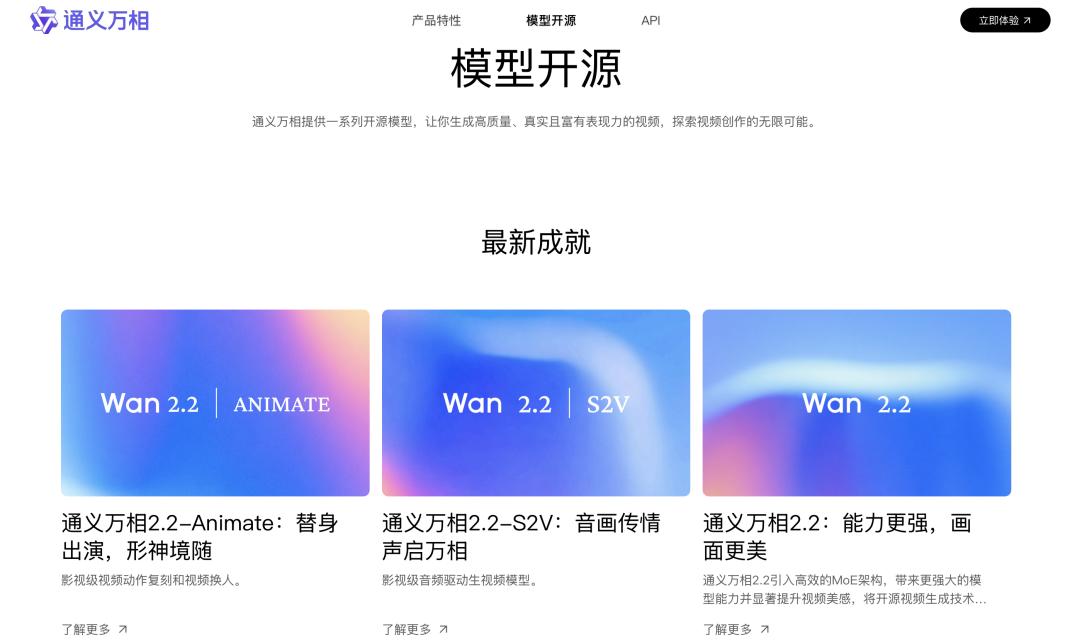
Tongyi Wanxiang Model Open-Source Release
The core advantage of Tongyi Wanxiang is undoubtedly its open-source nature and support for private deployment, which is the biggest attraction for enterprises with high data security requirements — companies can deploy the model on their own servers, storing all creative materials and generated videos locally to avoid commercial data leaks, a feature impossible for C-end tools like Jimeng and Kling to achieve.
At the same time, its enterprise-level customization capabilities are top-tier in the industry, enabling deep adaptation for brand element integration: it can automatically add corporate logos, brand colors, and product imagery to videos, adjust video styles and rhythms according to enterprise demands, and even connect to the enterprise's existing material library to achieve seamless fusion between AI-generated footage and the company's original assets.
In addition, Tongyi Wanxiang has controllable computing costs and maximum data security. Leveraging the ecological advantages of Alibaba Cloud, enterprises can flexibly adjust computing resources according to their own needs, making the cost of batch video generation far lower than other tools.
Of course, this tool is not user-friendly for individual users: it has a relatively high operation threshold, requiring certain ComfyUI workflow knowledge to unleash its customization advantages; and it falls behind top C-end tools like Jimeng and Kling in terms of creative style diversity and visual realism.
Applicable Scenarios: Corporate brand promotional videos; commercial custom videos; long-duration course video production.
Overseas Tools
1. Sora (Sora 2.0, Open AI)
OpenAI-Sora
As the industry's game-changer, Sora 2.0 still maintains a leading position in understanding physical laws and the coherence of long video generation. Compared to the first generation, the 2.0 version reaches Hollywood-level standards in seamless multi-camera language switching and complex light and shadow rendering.
Its biggest advantage is that its underlying logic is not "generating pixels", but "constructing worlds". This means that when there is object occlusion or large-scale camera orbiting motion in the video, the footage rarely breaks, and the consistency of objects is astonishing. However, it also has drawbacks: long waiting times for video generation, relatively weak fine-grained control over specific areas, and occasional "blurring" of human faces, giving it a strong "mystery box" experience.
What made Sora 2.0 explode in popularity last year was its supporting Sora App feature, known as the "AI version of Douyin". The interface uses the familiar vertical feed, where users can swipe up and down to browse AI videos, like, and comment.
It also has highly playable Cameo and Remix features: when you find a video you like, you can modify the prompt, change the style, or add characters with one click, making friends or celebrities appear in the AI video and interact directly within it.
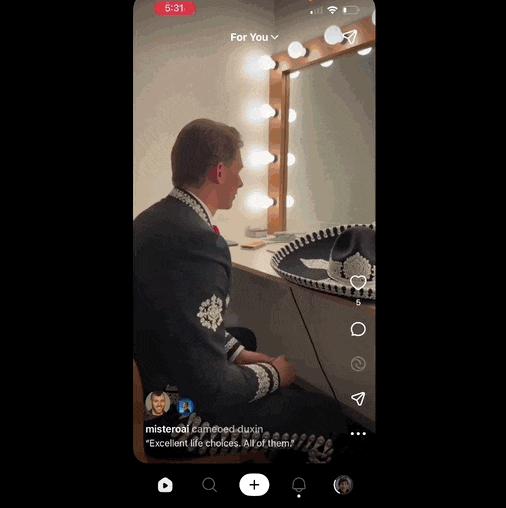
Sora-Generated Video
Applicable Scenarios: Cinematic B-roll material generation; highly realistic sci-fi and fantasy scene construction; creative secondary creation for viral spread.
2. Veo (Veo 3.1, Google)
Veo 3.1 is the top contender in the audio-video synchronization track. While other tools are still struggling to manually align lip movements and add ambient sounds in post-production, Veo can directly generate perfectly synchronized human voices, background sounds, and even BGM in one step. Its newly added features like Expand, Frame-to-Video, and Component-to-Video solve the common audio-video disconnect problem that plagues most other tools.
Backed by the Gemini large model, it also performs excellently in long video narrative logic and multilingual comprehension, with strong ecosystem interoperability. However, its safety filtering mechanism is extremely strict: any prompt slightly involving sensitive or controversial figures will be directly blocked. Its interface operation is not intuitive for non-Google ecosystem users, and its Chinese language adaptation is not as good as domestic tools.
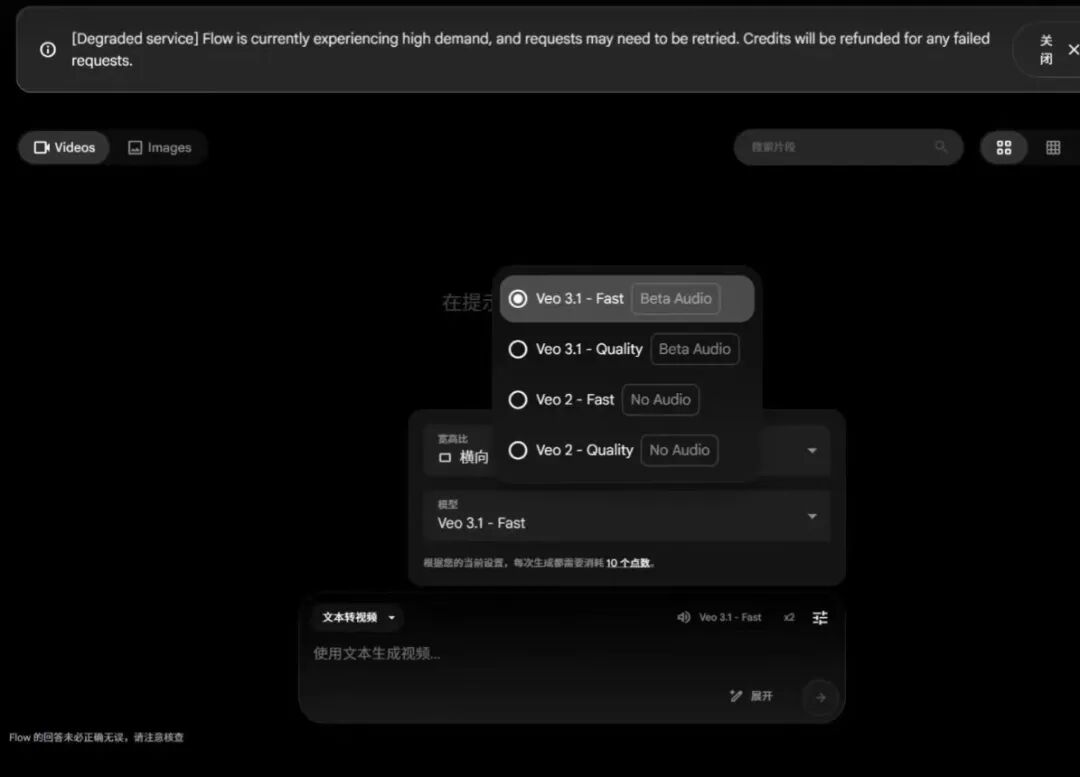
Veo 3.1
Applicable Scenarios: Music MV production; multilingual voiceover videos; documentary ambient sound original recording generation.
3. Runway (Runway Gen-4.5)
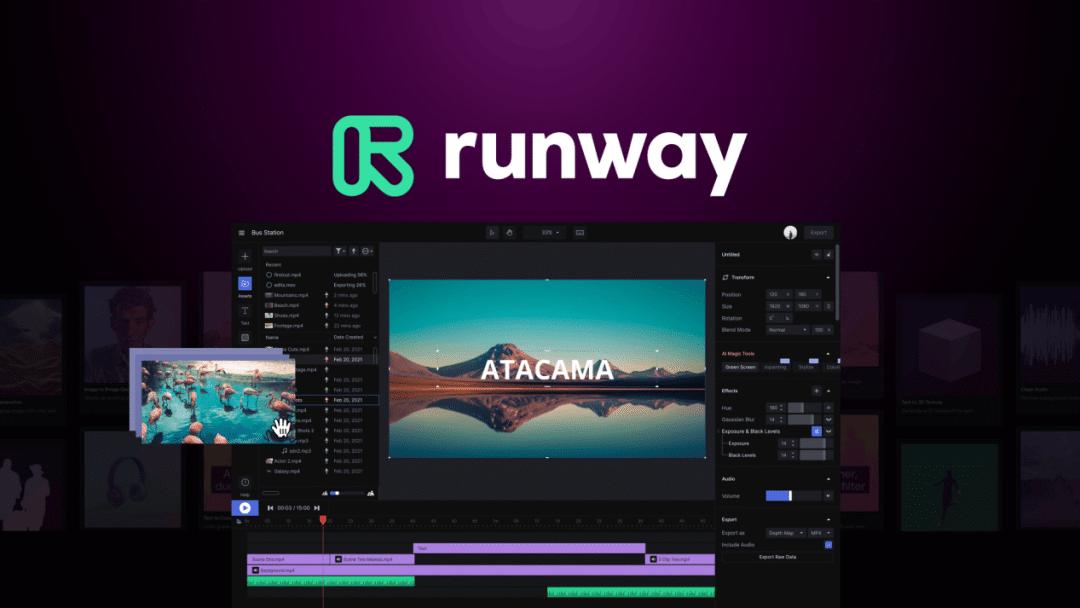
Runway Gen-4.5
Runway Gen-4.5 is more like an all-in-one toolkit for professional creators. Unlike other tools that only focus on "generation capabilities", it integrates generation and full professional post-production functions all in one place.
It comes with built-in motion brushes, smart masks, frame interpolation, and inpainting features, with far higher fine-grained visual control than pure generation tools. It can also seamlessly integrate with professional software like PR and AE, offering top-tier team collaboration capabilities and deeply embedding into professional video editing workflows.
Its shortcomings are also obvious: the upper limit of native generated image quality and long video coherence are not as good as Sora and Veo, its Chinese language support is poor, and its subscription fee is not cheap. It is more suitable for film post-production and advertising teams to do fine secondary creation, while beginners are unlikely to need so many professional features.
Applicable Scenarios: Professional VFX visual effect shot generation; fine post-production for films; high-end dynamic poster production.

the END