Garnered 1.6 million downloads within over a month of launch, the old gameplay has regained popularity 20 years later, and the "Baby Prediction" has welcomed its upgraded version.
Fashion is truly a "cycle".
Recently, the "future baby generation" feature has regained popularity in the Indian market. Data from insightrackr shows that since the app launched on May 15, 2026, as of July 3, 2026, BabyGenie-AI Baby Generator (hereinafter referred to as "BabyGenie"), whose core function is to predict the appearance of future babies, has accumulated over 16.4 million downloads globally through Google Play. The Indian market accounts for about 90% of the total, reaching 14.7 million downloads and becoming its most critical growth source.
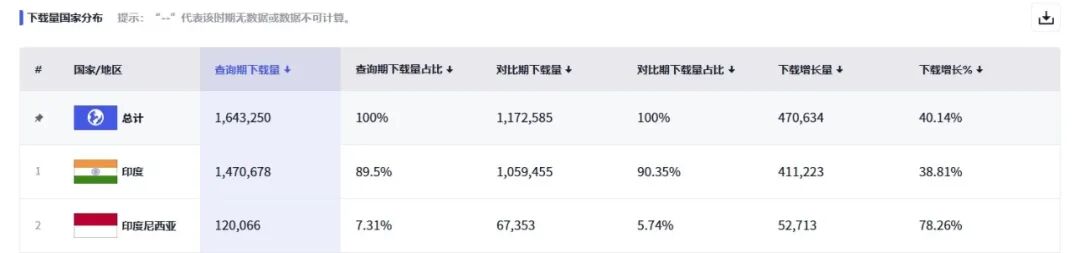
Global downloads of BabyGenie on Google Play from May 15 to July 3, 2026. Source: insightrackr
In terms of monetization structure, the product generates revenue mainly through in-app subscription purchases, and its commercial performance is also highly concentrated in the Indian market.
According to Google Play, the developer of BabyGenie is FuMaoMao, a Singapore-based entity. In May this year, in addition to launching BabyGenie, the team also rolled out the "hairstyle changing" app HairGenie-AI Hair Generator and the AI dance app DancePop-AI Dance Video. These products also rely heavily on the Indian market in their download distribution.

Apps launched by FuMaoMao after BabyGenie. Source: Diandian Data
From the perspective of product development path, the team follows a consistent logic for launching this series of apps: essentially, they split and repackage the light entertainment AI gameplay that has been proven by the market, and reintroduce them to the market in the form of standalone apps.
In recent years, the content format of "AI + baby" has been continuously gaining traction on social platforms. On platforms like TikTok, a large number of AI-generated short videos featuring "cute babies dancing" and "cute babies interacting with pets" have emerged, racking up millions of views, making "AI cute babies" one of the most widely shared niche categories in AI-generated content.
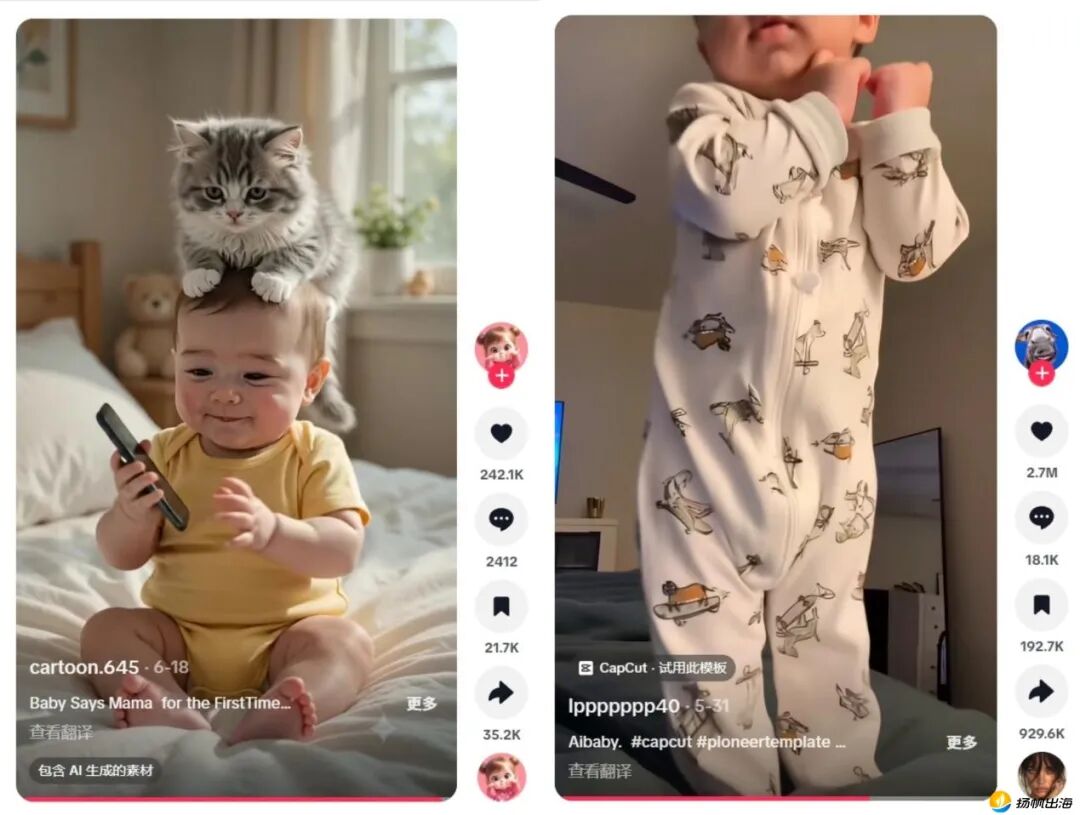
Popular AI baby videos on TikTok recently. Source: TikTok
However, it is important to distinguish that this type of "AI cute baby content", centered on video generation and character building, emphasizes dynamic expression and emotional communication. In contrast, static image generation focused on "predicting the appearance of future babies" mostly stays at the level of relationship testing and result display. Compared with the explosive content potential of the former, "future baby generation" is actually an earlier and more basic image creation gameplay.
An old gameplay from 20 years ago
What kind of evolution has it gone through?
This gameplay can be traced back to the mid-to-late 2000s, to entertainment tools focused on "face merging". At that time, as computer vision technology gradually became accessible to consumers, some web-based apps began to try to generate simulated images of so-called "future babies" through simple facial feature extraction and image merging.
Around 2008, MakeMeBabies, launched by Luxand, became one of the most representative web products in this early segment. Users only needed to upload two face photos to generate an image of a "hypothetical baby", which gained a certain level of viral attention on early social networks and forums.
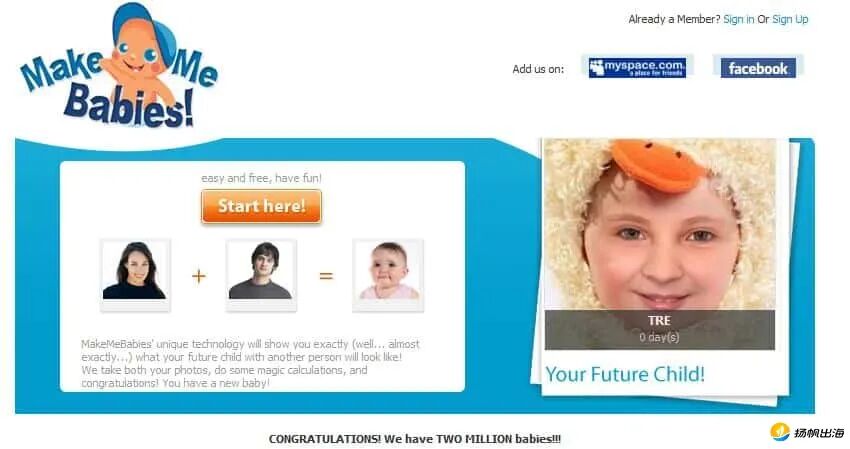
Online baby generation website MakeMeBabies
Around 2015, with the rapid popularization of mobile filter technology and selfie apps, this gameplay was repackaged on the App Store and Google Play, entering the public eye under names such as "Future Baby" and "Baby Maker".
What truly amplified this type of gameplay again was the accelerated distribution of "result-focused content" on short-video social platforms after 2020. Through channels like TikTok and Instagram Reels, "screenshots of someone's generated results" became low-barrier sharing materials, and content such as "future baby appearance" and "couple baby tests" began to appear periodically in viral dissemination chains.
A typical example is that in 2023, AI image app Remini sparked a content viral trend on TikTok with its "predict future baby appearance" feature, leading to a sharp surge in app downloads in a short period.
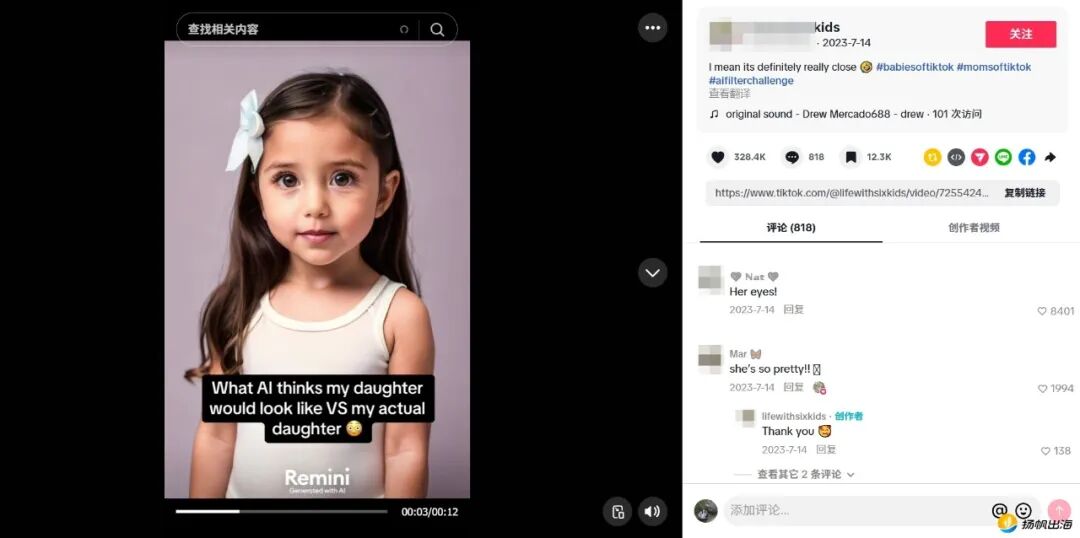
Remini sparked a craze with this feature. Source: TikTok
With the arrival of the generative AI era, this segment has undergone significant changes. On one hand, face merging capabilities have been upgraded, with generated results showing notable improvements in facial feature consistency, skin tone blending, and lighting performance. On the other hand, products have added more extended gameplay, which not only generates "future babies" but also expands to scenarios such as "family portraits" and "growth stage simulations".
It is against this backdrop that the new generation of "AI future baby generators" re-entered the market and quickly achieved growth in emerging markets like India and Southeast Asia.
Classic gameplay + ultrasound photo generation for baby appearance
AI cute baby dancing also joins the fun
After understanding the development background of this gameplay, let's look at the product design of BabyGenie.
In terms of features, BabyGenie retains the most classic gameplay in this segment: upload photos of both parents, and the AI generates a simulated photo of a "future baby" based on their facial features, generated face structure, and other information. This is also the first experience path users encounter when opening the app. The entire process only requires uploading two photos and waiting a few seconds to complete, with extremely low operation barriers.
However, compared with early products that ended the experience after "generating one baby photo", BabyGenie has further extended this gameplay.
First, there is the AI family portrait feature. After generating the baby's photo, the app allows users to further create a family photo featuring the parents and their future baby together, expanding the single standalone baby headshot into a complete family scene. Compared with simply discussing "whether the baby looks like the father or the mother", family portraits make it easier for users to immerse themselves in imagining their future family life, satisfying their fantasies about future family relationships.

Second, there is the "baby similarity analysis". For example, the app analyzes how much the baby resembles the father versus the mother, and displays the results in percentage form. Although this analysis has no scientific basis, compared to directly presenting an image, it adds an extra layer of "interactive feedback", making it easier for users to discuss the results, and even becomes an extended gameplay for couples.
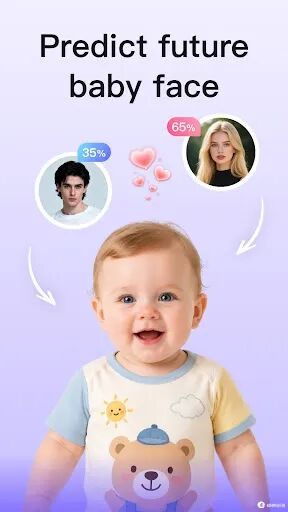
Interestingly, BabyGenie has also added a 3D ultrasound photo generation feature. After users upload a prenatal ultrasound image, the AI can further generate a photo that approximates the baby's future real appearance. This feature is clearly not targeted at ordinary users, but caters to families who are already pregnant or expecting a new baby, extending the app's usage scenario from "family fantasy" to the pregnancy stage, and further expanding the user base.

In addition, users can extend the gameplay further based on the AI-generated baby photos from BabyGenie, for example, creating dynamic video content like dancing clips from the static baby photo.

Users who are still willing to pay for lightweight AI entertainment apps
Judging from user feedback on the app store, BabyGenie's reviews show a clear polarization, with complaints concentrated on a few key points.
Some users' negative reviews mainly focus on the payment and subscription mechanism. Some users point out that subsequent generation features quickly hit a paywall, and there are even cases where "users are required to pay again after generating content just once". Other users report that they cannot normally access features after purchasing low-cost privileges, and question the app's "misleading subscription design".
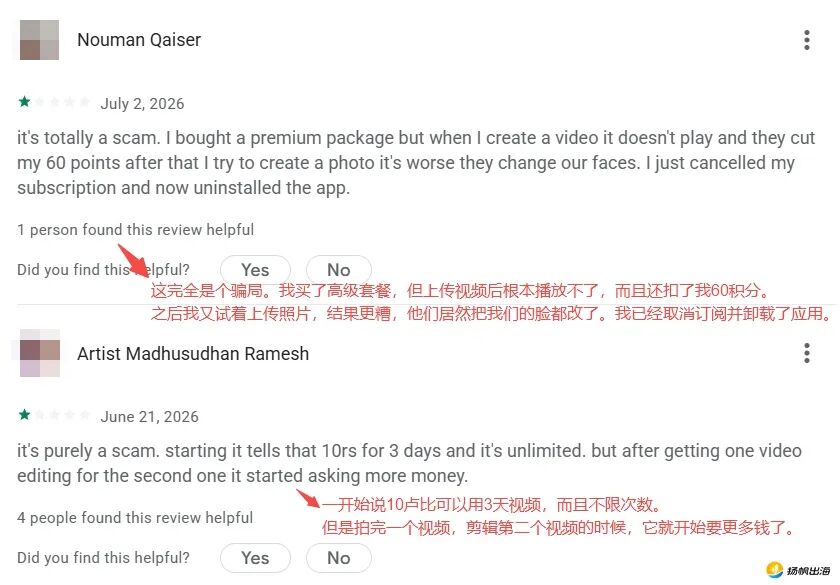
BabyGenie user reviews. Source: Google Play
Beyond user reviews, from the perspective of product growth, BabyGenie's advertising efforts have been continuously increasing recently, with the Indian region as its most critical advertising market.
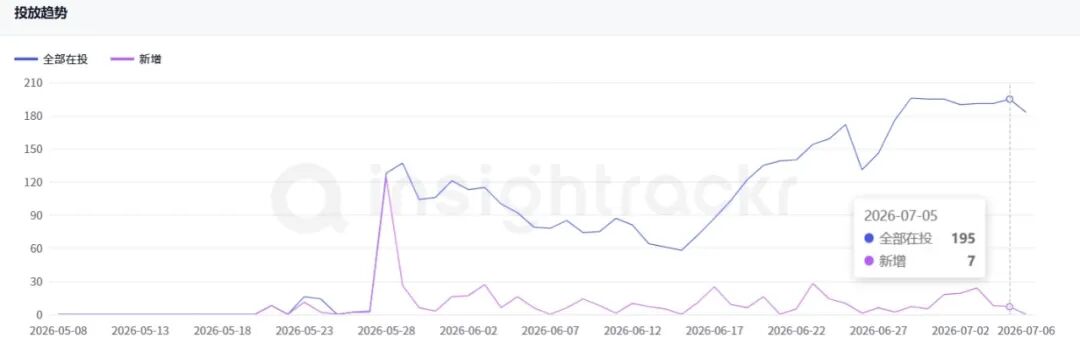
Distribution of BabyGenie promotional materials. Source: insightrackr
Data from insightrackr shows that over the past 30 days, a single ad placed by BabyGenie has reached a maximum exposure of 34.74 million. Among the creatives with over a million exposures, two of them use the combination of "cute baby visuals + World Cup trending themes" to enhance click appeal.
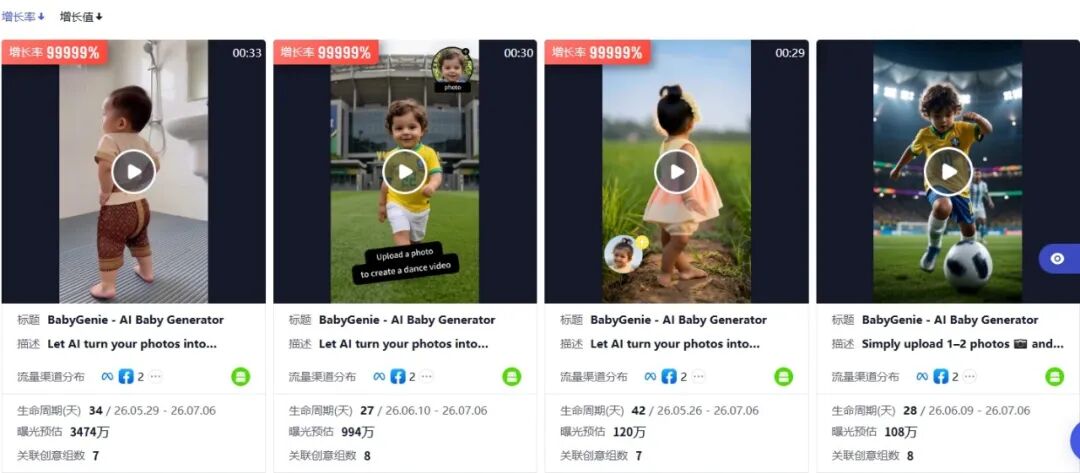
The fastest-growing ad placed by BabyGenie over the past 30 days. Source: insightrackr
This advertising strategy also reflects its growth logic: these types of products have inherently low usage barriers and decision-making costs. For most users, downloading the app is driven by momentary curiosity, wanting to see what kind of result the AI will generate. At the same time, popular video gameplay such as "AI cute baby dancing" adds more weight to the app, increasing its potential to attract users.
Looking further, what truly drives downloads is essentially those basic gameplay that have been repeatedly proven by the market. With the support of generative AI, they enter a new cycle again through minor content innovations and gameplay extensions.
This article is from the WeChat Official Account "Going Global", author: Yi Nan, editor: Huolihu, published with authorization from 36Kr.