AI air conditioners, AI washing machines, and AI fans are all here. Is home appliances embracing AI a gimmick or a rigid demand?
In the past two years, the frequency of AI has been extremely high.
There are AI phones, AI PCs, and AI glasses. Even mice and keyboards are trying to get involved with AI. For Xiaolei, who has been following the digital industry for a long time, seeing the word "AI" on the first page of a new product launch's PPT hardly causes any emotional fluctuations.
After all, in 2026, electronic products that don't feature AI will be in the minority. However, recently, Xiaolei noticed that AI is rushing into another market at a more rapid pace - home appliances.
To be honest, after seeing so many AI home appliances, Xiaolei had a question in mind: What's the use of adding AI to home appliances? With this question in mind, Lei Technology visited offline home appliance stores, looked at many AI home appliances on the market, and talked to the sales staff about the actual purchase situation of customers.
The result was quite interesting. Xiaolei found that there are indeed a lot of "old wine in new bottles" in the current AI home appliance market. On the other hand, AI is truly changing home appliances, and the changes may be more practical than many people think. Today, let's have a good chat: Which home appliances are truly AI, and which ones just replaced the word "smart" with "AI"?
The Most Aggressive AI Adoption in Air Conditioners: From Natural Interaction to Intelligent Temperature Control
Let's start with the category that has the most aggressive AI adoption: air conditioners.
If you've visited offline home appliance stores in the past two years, you may have noticed a very obvious change. Mid - to high - end air conditioners of domestic brands are increasingly putting AI features at the core of their selling points, especially brands like TCL, Hisense, and Haier.
For example, when Xiaolei visited offline stores, the salesperson of TCL introduced the new product. Besides energy efficiency, air volume, and cooling speed, "AI" has also become a core promotional point, and TCL even made a special advertising display board.
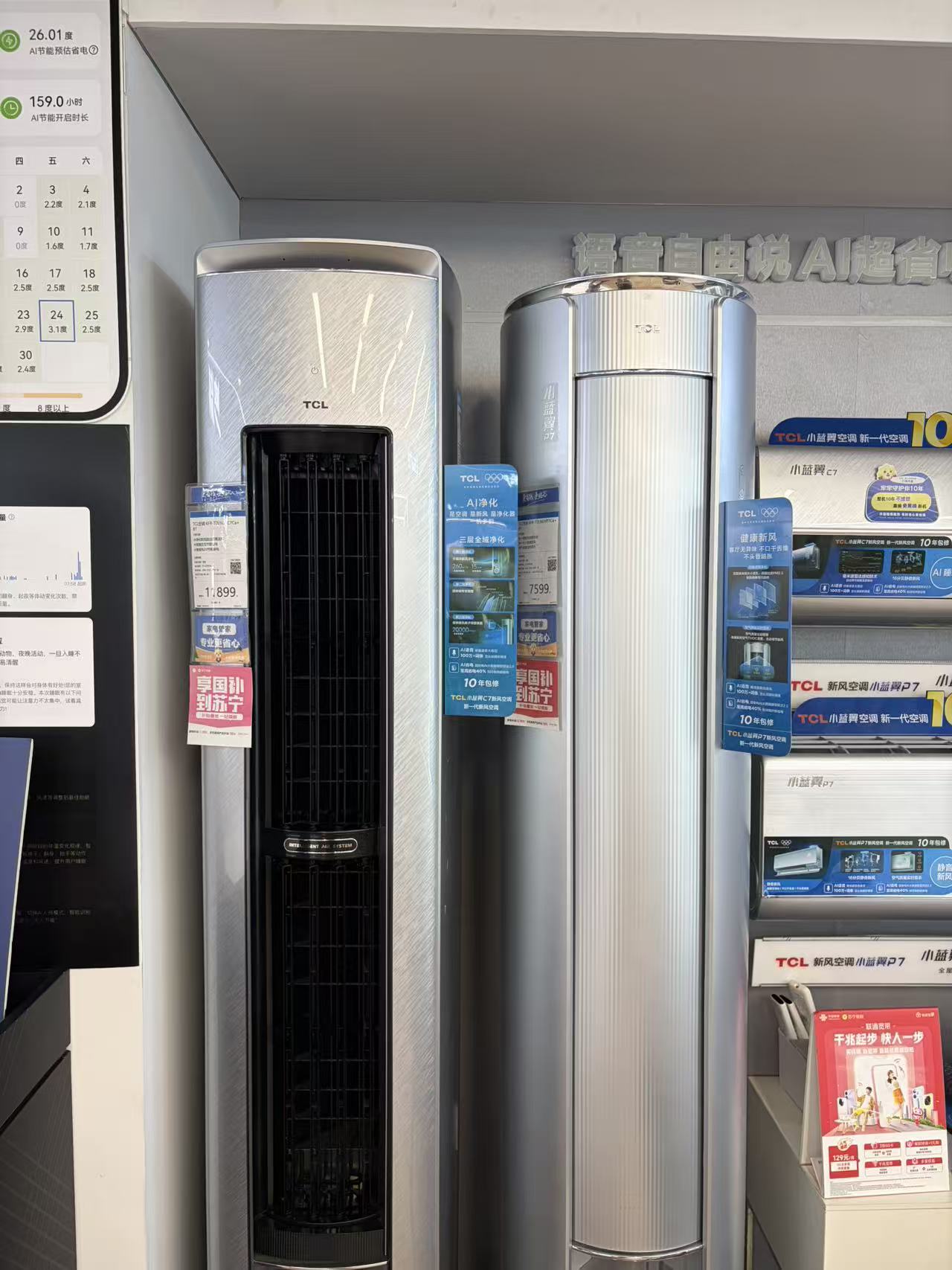
Source: Lei Technology
However, even though they are all called AI air conditioners, their actual functions vary greatly. For some relatively inexpensive products, the so - called AI functions are mainly reflected in voice interaction. To put it simply, it's about connecting a more natural voice system to a traditional smart air conditioner.
In the past, when using a smart speaker to control an air conditioner, we had to give relatively standard instructions, like "Little X, set the air conditioner temperature to 26°C". But now, some AI air conditioners can understand more vague natural language. For example, if you say "It's a bit hot", the system can decide whether to lower the temperature on its own. Or if you tell it "It's a bit cold at night when sleeping", the air conditioner will adjust its operating logic according to the current mode.
From the perspective of underlying functions, what it does doesn't seem to change much. Ultimately, it's still about adjusting the temperature and changing the wind speed. However, the interaction logic is completely different. For more high - end AI air conditioners, their functions go deeper into environmental control, such as AI temperature and humidity control, AI energy - saving, and AI anti - direct - blowing functions.
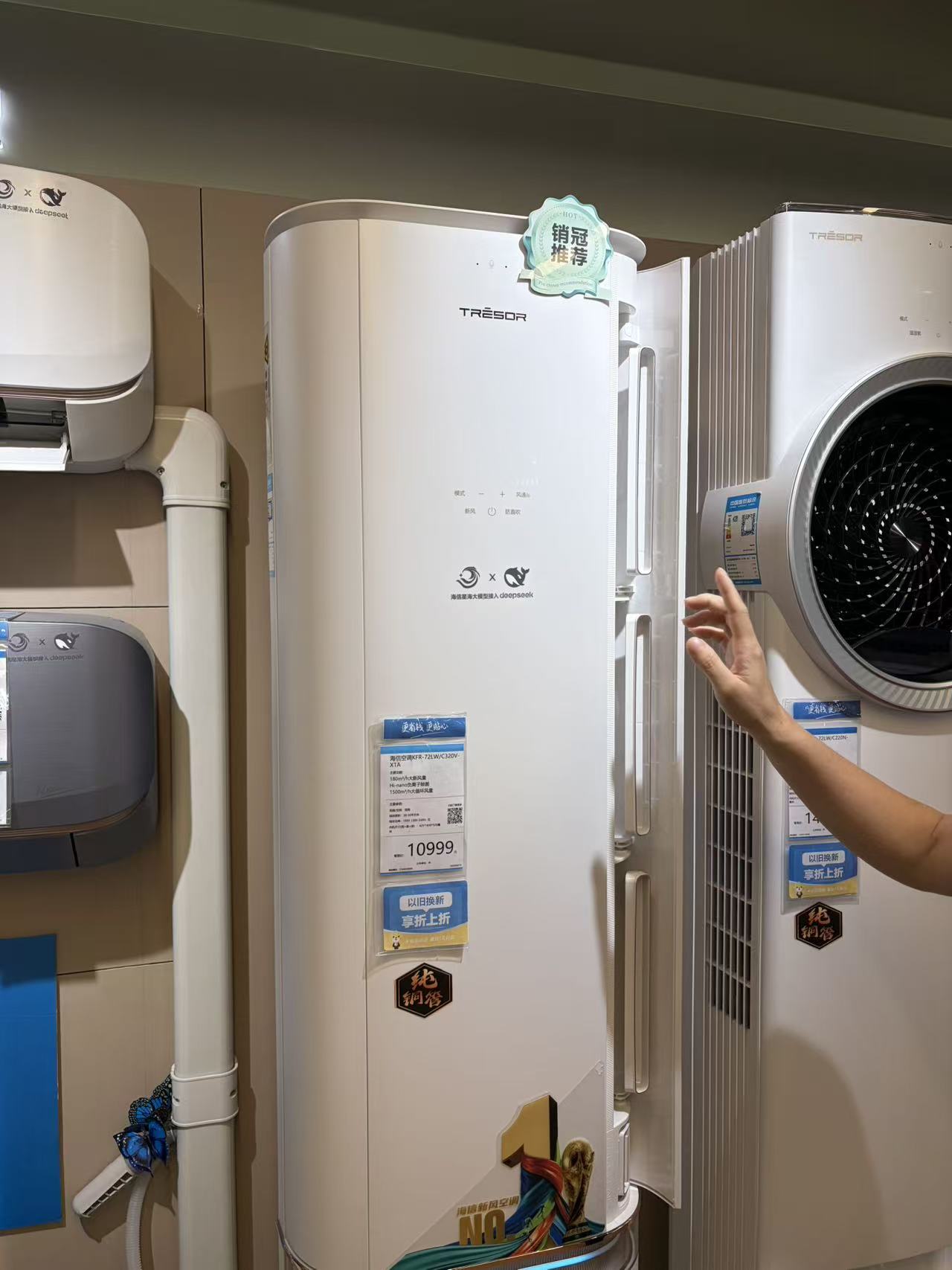
Source: Lei Technology
Take anti - direct - blowing as an example. In the past, to achieve a similar effect with a traditional air conditioner, we usually had to manually adjust the angle of the air deflector to make the cold air blow upwards or swing left and right. But some new air conditioners have added human body sensing capabilities and can identify the user's position.
For example, if you say "Don't let the wind blow on me", the air conditioner will automatically detect your position and then adjust the air outlet direction. Of course, you can also let the air conditioner blow towards you. Especially when you just get home from the outdoors and need to "cool down", you can directly tell it "Let the wind blow on me", and the air conditioner will even control the wind direction to follow you, and the air supply strategy will also change accordingly.
Some products will combine information such as indoor temperature, humidity, and the user's activity status to dynamically adjust the compressor power and air volume. In other words, in the past, it was "people controlling the air conditioner", and now manufacturers want to make the "air conditioner decide on its own". Xiaolei found offline that consumers seem to quite approve of this set of functions.
According to the salesperson, as long as the budget is not too tight, many consumers will eventually choose the new air conditioners with AI functions. The reason is simple: the price increase is not too much. Currently, the price difference between many traditional air conditioners and AI new products is not to the extent that consumers can't accept it.
Suppose a regular air conditioner costs 3000 yuan, and a new model with AI temperature control, anti - direct - blowing, and voice control costs 3500 yuan. If you've already decided to buy an air conditioner, many consumers will be willing to spend a few hundred more yuan for some new functions that sound useful.
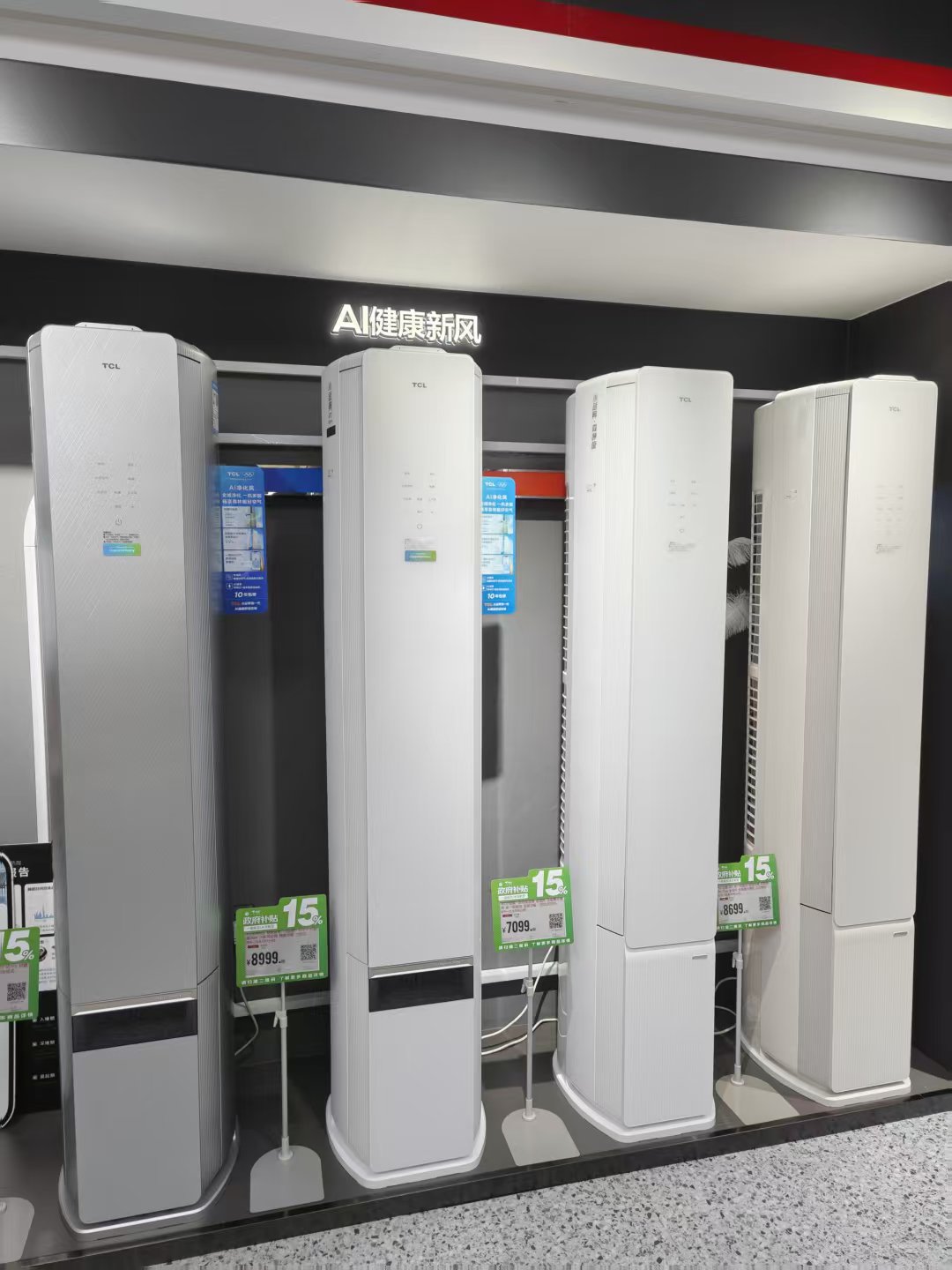
Source: Lei Technology
To be honest, if it were Xiaolei buying, he would probably choose the latter. After all, an air conditioner is usually used for many years. When the additional cost is spread over the entire usage period, it's actually not as high as expected.
Interestingly, not all brands are actively embracing AI. During Xiaolei's visit, he noticed that in sharp contrast to domestic brands, international air - conditioner brands like Daikin and Mitsubishi Electric don't seem to be very interested in "AI". At least from the offline promotion, they still prefer to emphasize traditional selling points such as compressors, temperature control capabilities, air flow organization, and quiet operation.
On one hand, domestic brands can't wait to print the word "AI" right in the center of the air conditioner. On the other hand, international brands still adhere to the traditional technology route. When discussing this topic, the salesperson gave his opinion: The quality of domestic air conditioners is not much different from that of international brands. In fact, at the same price, domestic ones are even better and more intelligent. International brands are not reluctant to go smart; they just develop too slowly and can't keep up with the times.
In contrast, Samsung, which has withdrawn from the domestic market, is another international home appliance giant that aggressively embraces AI, as do brands like LG and Siemens. However, not all manufacturers have such R & D capabilities. At least, looking back at the current trend, AI has officially become a new selling point in the air - conditioner industry.
Moreover, this change is not limited to air conditioners. Another category with a very fast AI adoption rate is washing machines.
Washing Machines Achieve Intelligent Washing with AI: Voice Interaction is the Highlight
Currently, many mid - to high - end washing machines are promoting the so - called "AI intelligent washing". It sounds mysterious at first, but the actual functions are not complicated.
To put it simply, through various sensors inside the washing machine, it detects information such as the weight of the clothes and the washing status, and then automatically adjusts the water volume, rotation speed, washing time, and drying temperature. In the past, when doing laundry, we had to choose modes like "cotton and linen", "mixed", "wool", and "quick wash" by ourselves. For those who understand washing machines, this is no big deal. The problem is that most ordinary users have no idea what the differences are between these modes.
I believe many people's habits of using washing machines are similar to Xiaolei's: throw the clothes in, take a look at the panel, and choose "mixed wash". As for why choose mixed wash? Because it seems the safest.
What AI washing machines want to solve is exactly this problem. Users don't need to understand parameters such as drum rotation speed and washing rhythm, nor do they need to study what water temperature is suitable for different materials. They just need to put the clothes in, and leave the rest to the washing machine to decide.
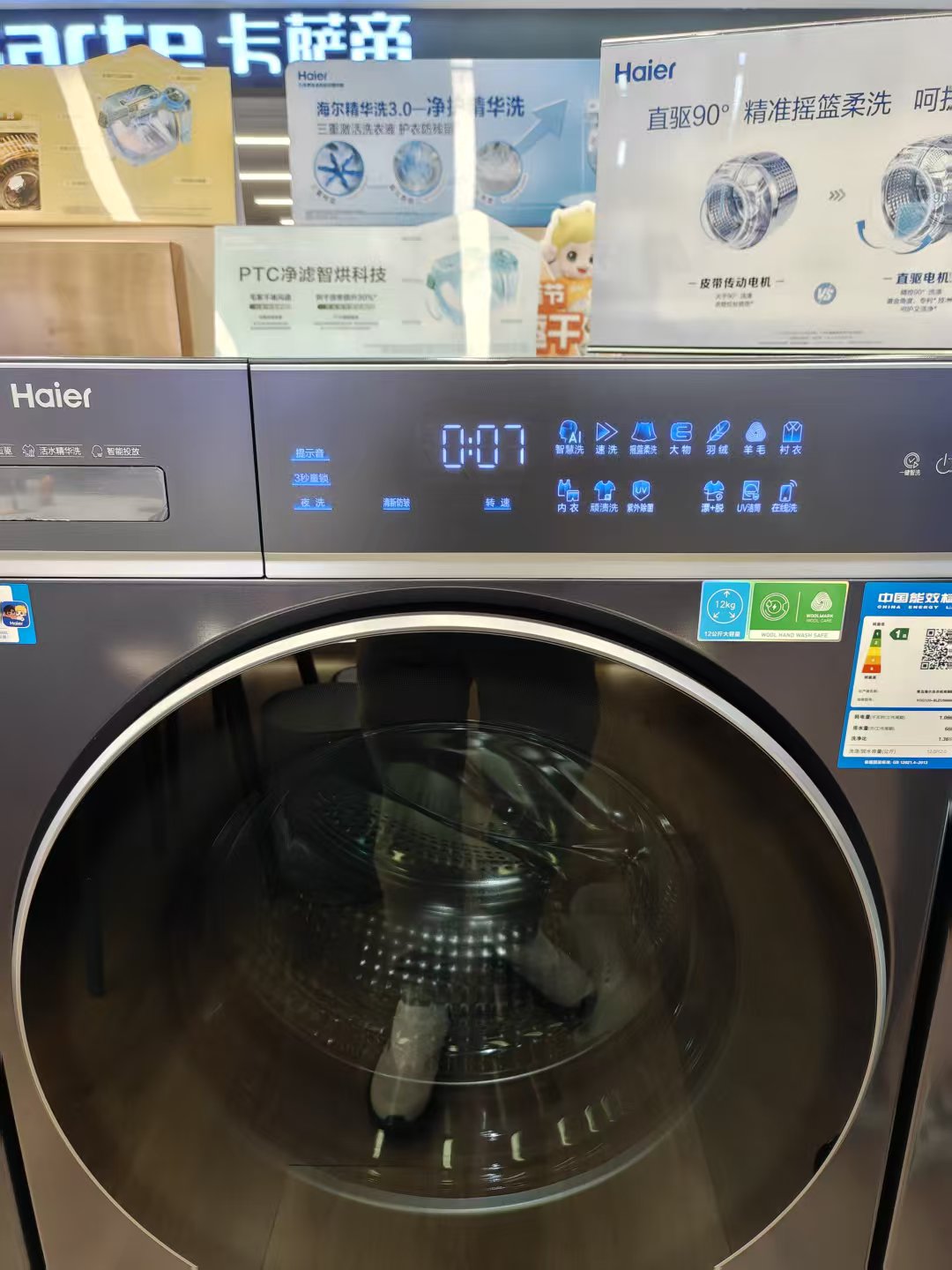
Source: Lei Technology
Some products have even started to add natural language interaction. For example, if your clothes accidentally get stained with red wine, you can directly tell the washing machine: "This piece of clothing is stained with red wine." After the system identifies your needs, it will call the corresponding washing program and adjust the water temperature, washing time, and laundry detergent dispensing strategy.
From a technical perspective, it still calls pre - designed programs, but for users, the way of use has completely changed. In Xiaolei's opinion, the truly underestimated value of AI washing machines is not "washing more cleanly", but being more user - friendly for the elderly.
Last year, Xiaolei bought a touch - screen washing machine for the elderly at home. He bought it because of its many functions. Then the problem came: the elderly didn't know how to use it.
It took Xiaolei several days to teach the elderly how to choose modes and adjust the drying function. They remembered it after being taught once, but forgot it again when doing laundry a few days later. In the end, the many advanced functions and the touch - screen of the washing machine basically had only one use: find the "standard wash" and press the start button (Xiaolei was even criticized by his parents for a long time).
This is actually a very embarrassing problem with current smart home appliances. The products are becoming more and more complex, with more and more functions, but the user's learning cost is also getting higher and higher. Even young people are too lazy to study, not to mention the elderly.
However, voice interaction is different. You can simply say "Help me do the laundry", "Start intelligent washing", or "This piece of clothing is quite dirty", and the washing machine will automatically choose the appropriate washing mode. For the elderly, there's no need to learn because speaking is the most natural way of interaction for humans.
This is why Xiaolei believes that after large models and natural - language understanding capabilities are introduced into home appliances, what may really change is not a specific parameter, but the usage threshold of home appliances.
Here Comes the AI Fan. Isn't This Just the Smart Fan from a Few Years Ago?
After talking about large home appliances, let's take a look at small home appliances.
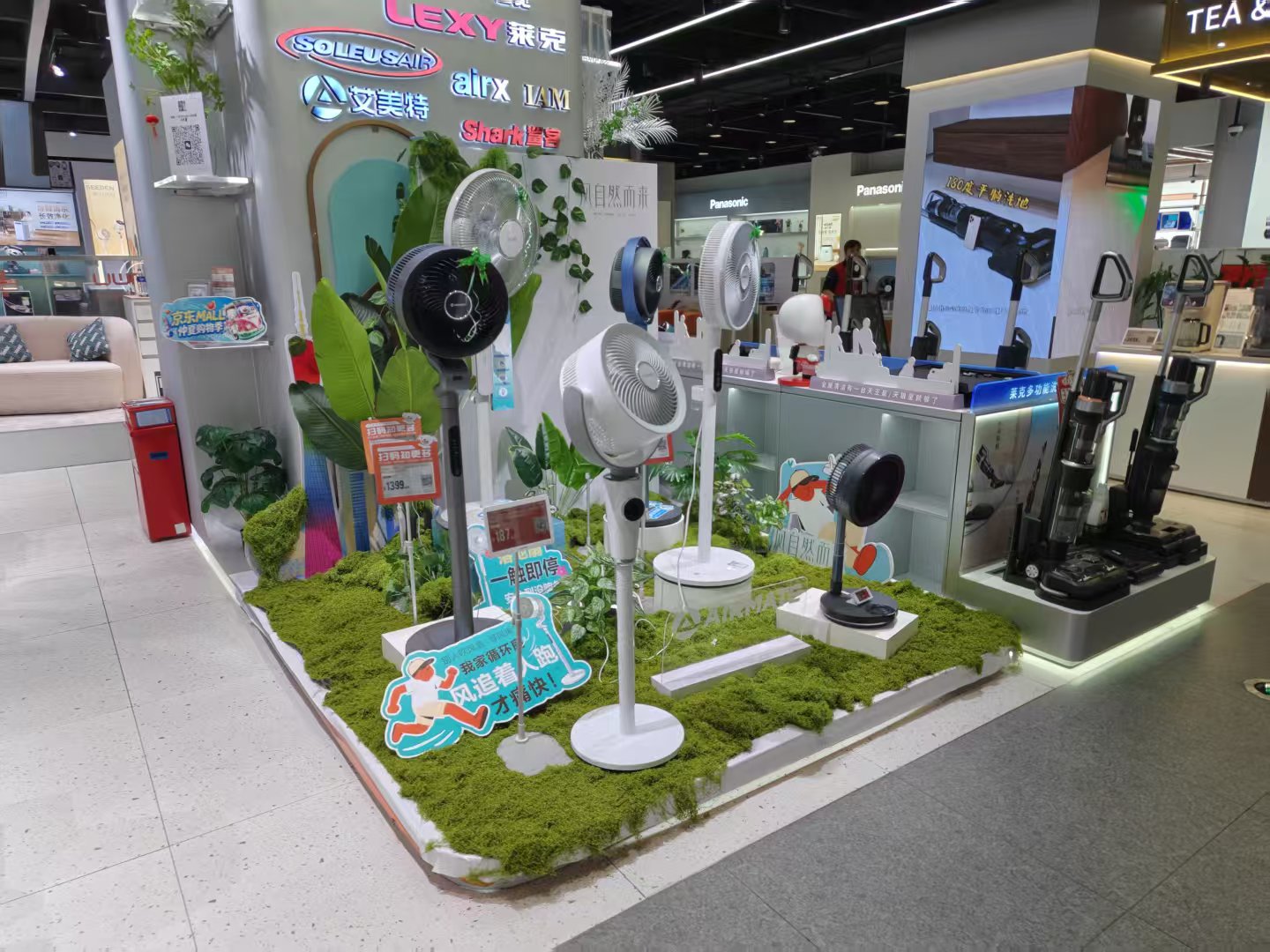
When Xiaolei visited the home appliance mall this time, he saw some so - called "AI fans". Does the name sound curious? AI is even researching how to blow air. After asking in detail, he found that the core function of some products is to automatically adjust the wind speed according to the indoor temperature and humidity. At this point, the first thought that came to Xiaolei's mind was: Wait, I used this function a few years ago.
It was just that it wasn't called an AI fan back then; it was called a smart fan. Xiaolei spent more than 300 yuan on it. After connecting it to the Mi Home app, he never pressed the on/off button or the wind - speed button of the fan again. As Xiaolei continued his visit, he found that similar situations are not rare in the small - home - appliance field.
What used to be called intelligent temperature control is now called AI temperature control; what used to be called automatic mode is now called AI intelligent mode; what used to be called "intelligent algorithm" for adjusting the operating state based on sensor data has now become "AI perception" in 2026 after being repackaged with the same logic.
Source: Lei Technology
You can't say it's completely fake AI. In a broad sense, automatically identifying the environment and adjusting strategies does belong to intelligent capabilities. But it's obviously not appropriate to say that it's the same as the large models and generative AI discussed in the past two years.
This is also the most chaotic part of the current AI home - appliance market. There is no standard for "AI" that consumers can quickly understand. As long as a product can automatically adjust parameters, manufacturers dare to call it AI. Some products don't even have much AI capabilities themselves, and their core functions completely rely on the mobile app.
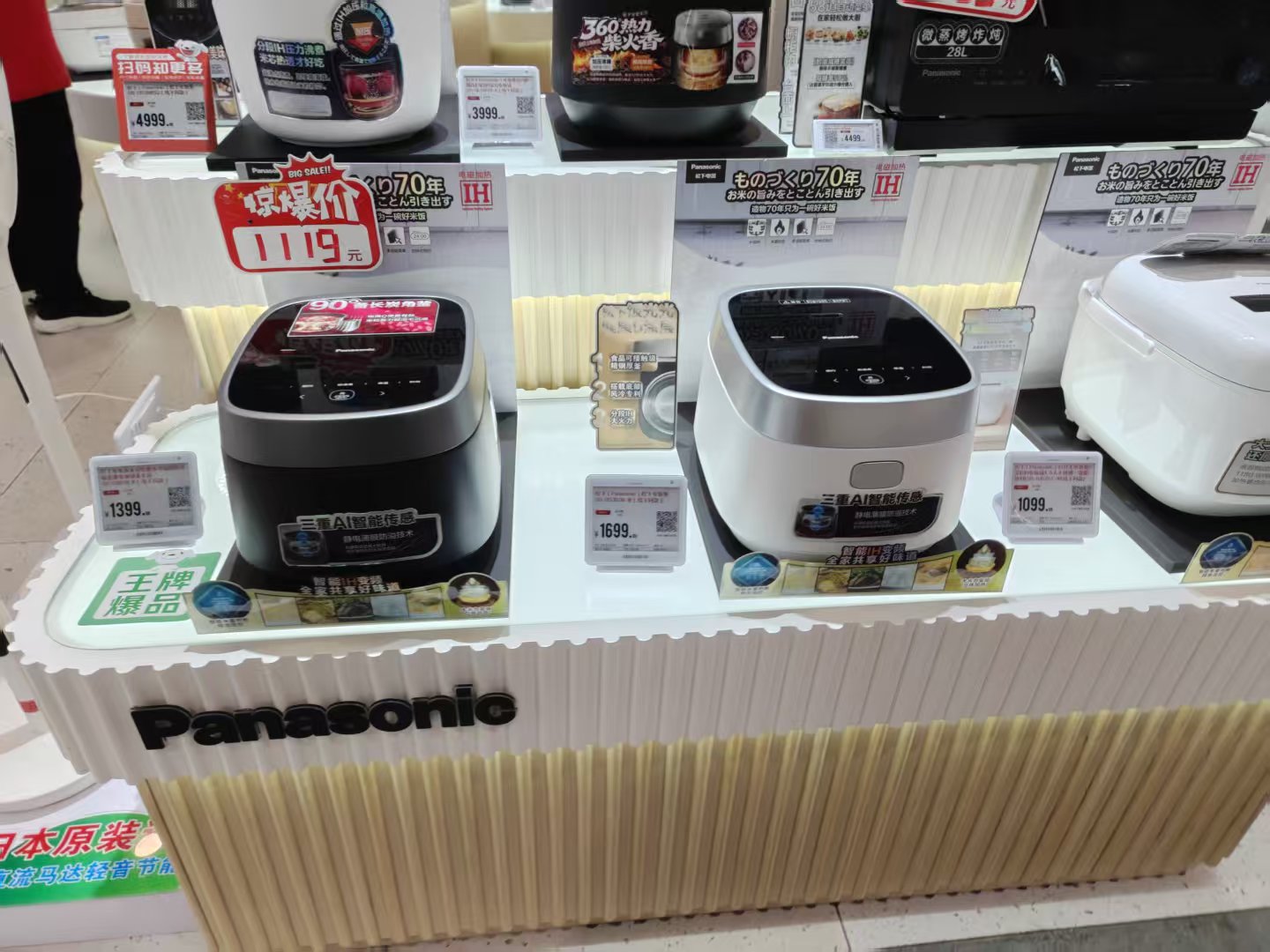
This type of product is especially common in categories like air fryers and small ovens. The promotional pages say "AI intelligent recipes" and "AI voice control", which seem very advanced. But the actual usage process may be like this: Open the mobile app, talk to the AI assistant in the app, and say "I have chicken wings and potatoes. What can I make?"
Then, the AI generates a recipe, sends the corresponding temperature and time to the air fryer, and finally asks if you want to start. Strictly speaking, this does use AI, but the question is, what does the air fryer do by itself? It just receives a temperature and time through the Internet, and all the real AI capabilities are in the cloud.
The biggest advantage of this design is low cost. Manufacturers don't need to deploy expensive local computing power for each device. They just need to provide Internet - connection capabilities and connect a large model to the app to quickly complete "AI - transformation".
Source: Lei Technology
But from the consumer's perspective, the attractiveness of this type of function is relatively limited. After all, when buying an air fryer, most people first care about whether the capacity is large enough, whether the heating is uniform, and whether it's easy to clean. AI recipes? It's good to have them. But if they have to spend a lot more money for AI functions, Xiaolei estimates that most consumers will have to think twice. And to be honest, products in smart - home - appliance ecosystems like Mi Home have had similar functions for a long time.
Ultimately, the usage logic of small home appliances is different from that of large home appliances. An air conditioner may run for more than ten hours a day, and a washing machine may work for dozens of minutes or even several hours at a time. AI can adjust the operating logic in real - time, which may directly affect comfort, energy consumption, and even the washing effect.