Chinese air conditioners are selling like hotcakes in Europe, and European air-conditioner merchants have issued a warning: if they cannot beat Chinese manufacturing, they will change the rules.
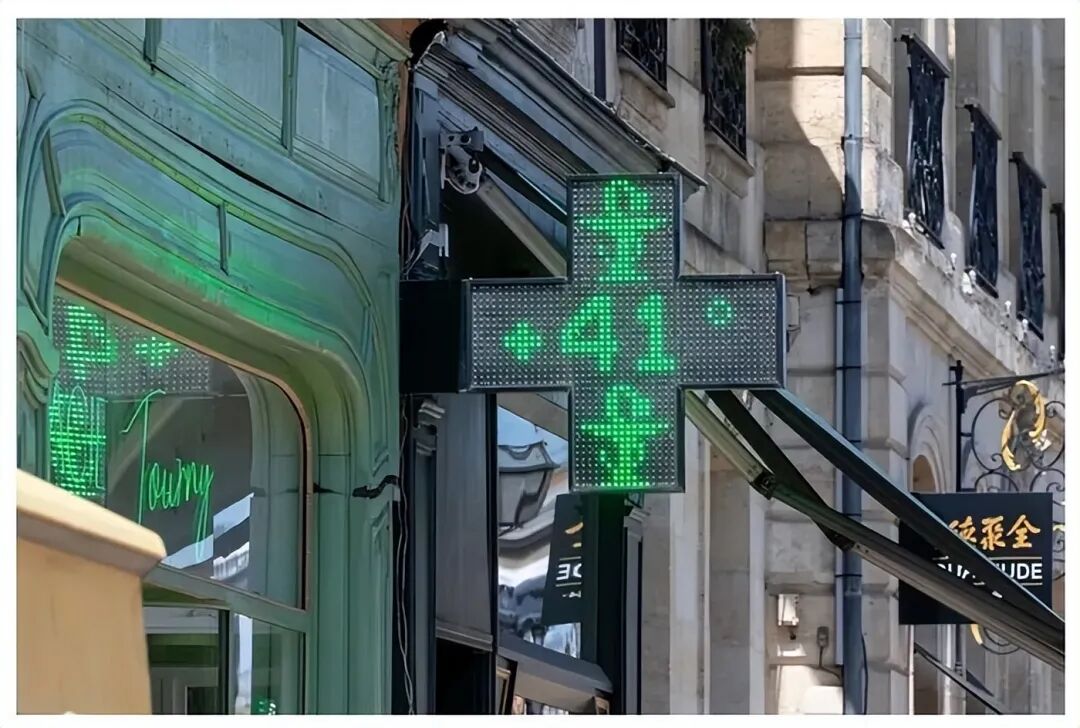
Recently, the weather in Europe has been extremely hot, with temperatures exceeding 41 degrees Celsius in many places. What's even more bustling than the weather is the scene of people scrambling for air conditioners.
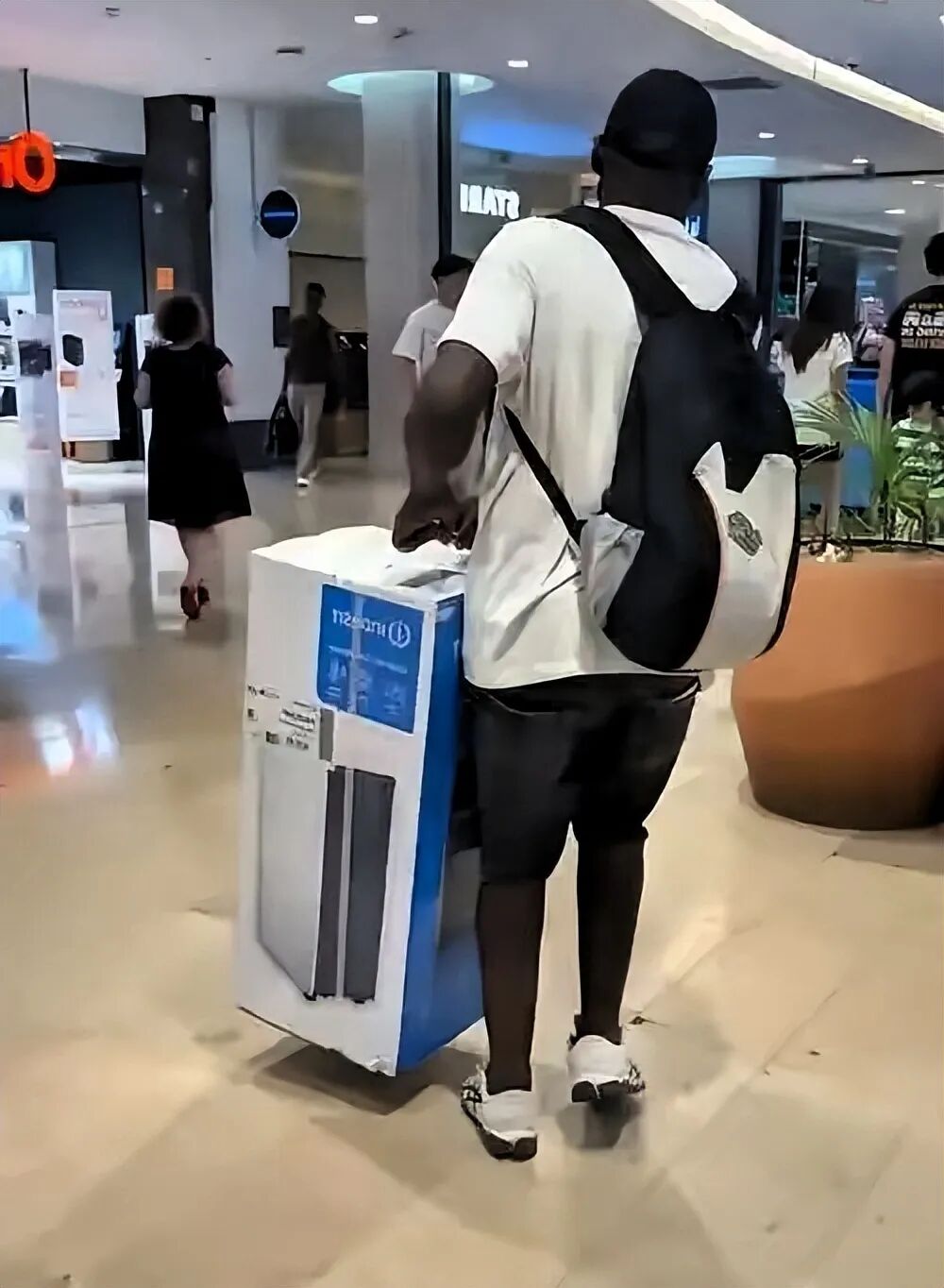
Chinese - made mobile split - type air conditioners have become a sought - after commodity. Some people drive across several countries and travel more than 200 kilometers just to grab a spot goods.
Haier, Midea, and Gree recently stated that the demand for air conditioners in Europe has surged, and they are in short supply and are urgently replenishing stocks.
In 2026, the overall sales of Haier Smart Home's air conditioners in Europe increased by 30% year - on - year. Among them, it ranked second with a 9% market share in Western Europe and ranked first with a 34% share in the Eastern European market.
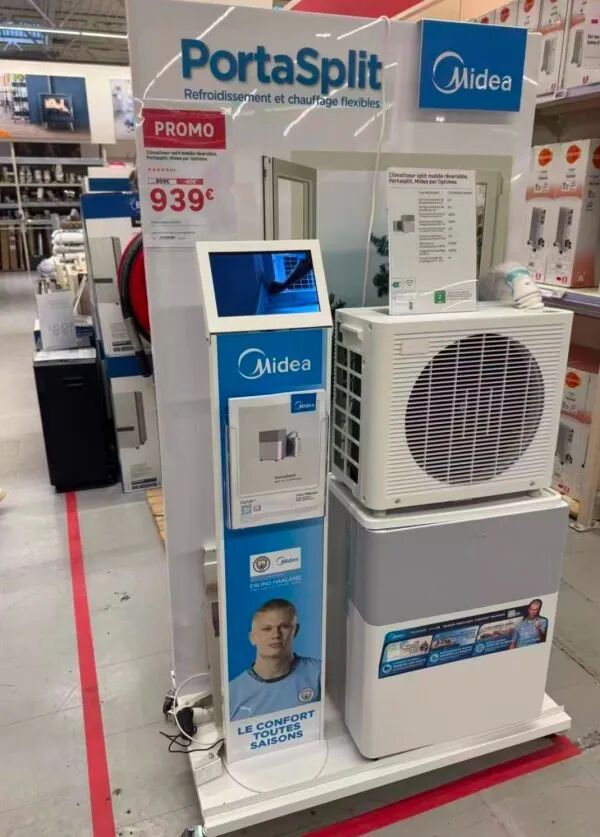
Xiong Xueqin, the director of Midea's European air - conditioner division, said that the PortaSplit, which is specially designed for markets like Europe with low air - conditioner penetration, high installation costs, and regulatory restrictions, had shipped more than 200,000 units in 2026, and its sales have doubled every year since its launch.
In addition, in the first half of the year, Gree's terminal sales in France increased by 50% year - on - year. Among them, due to continuous large orders, the installation schedule of Gree's wall - mounted air conditioners in the French region has been postponed until the end of August.
Facing the situation where Chinese air conditioners are being snapped up in Europe, insiders revealed that the first reaction of the European industry was not to organize the supply of goods, but to discuss the possibility of classifying this kind of air conditioner hung on the windowsill as a "fixed - type air conditioner".
Once the classification is successful, the millions of units currently hanging on people's windowsills will become "illegal installations". The products themselves also have to go through the certification process for fixed - type equipment again, which will directly double the cost and drive up the price.
In addition, in June, when the heat disaster was the most severe in France, the EU Trade Commission was still holding a special discussion meeting.
Some MPs believe that the proportion of Chinese air conditioners in Europe has been continuously increasing, which is due to low - price dumping caused by over - capacity. They proposed to impose an additional punitive tariff of 15% to 25%.

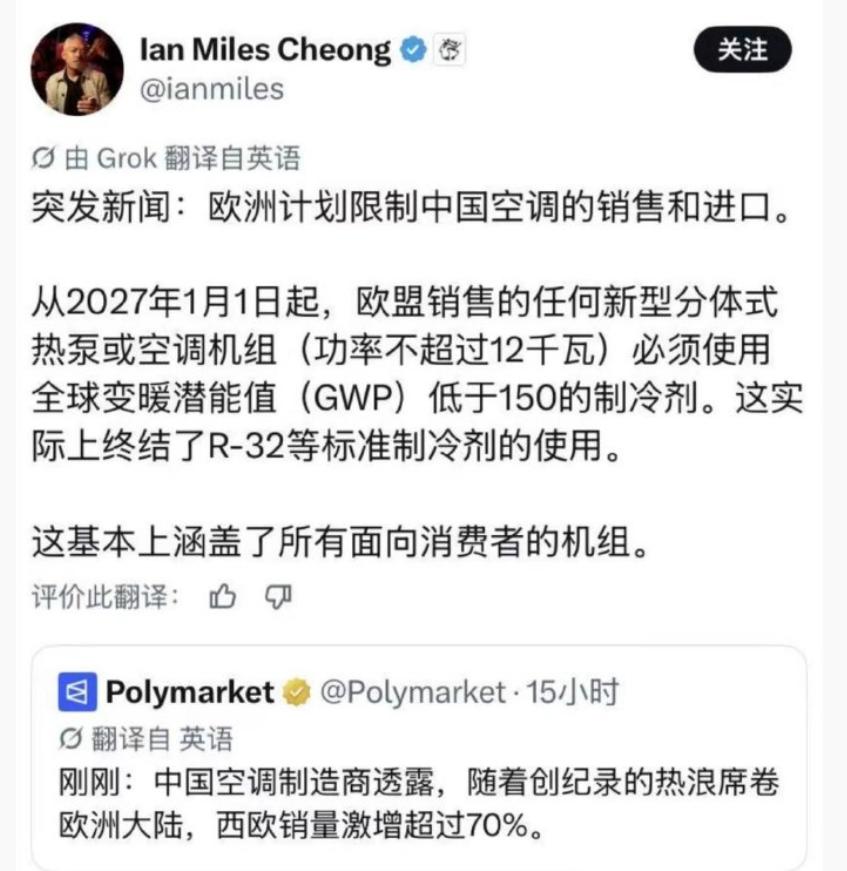
The latest news is that European air - conditioner sellers have issued a warning that Europe plans to restrict the sales and imports of Chinese air conditioners. Starting from January 1st next year, any new split - type heat pumps or air - conditioner units (with a power of no more than 12 kilowatts) sold in the EU must use refrigerants with a Global Warming Potential (GWP) of less than 150, which basically covers all consumer - oriented units.
Many people find it unbelievable after hearing this: In order to suppress Chinese products, no matter how hot it is, are they determined not to let the public use air conditioners?
If you look through the China - EU trade history of the past two decades, you will find that in areas where Chinese products sell well, there must be "plugging" at the rule level.
European local manufacturers are anxious as Chinese products fully comply with European regulations
A large number of buildings in Europe are historical heritage, and drilling holes on the outer walls to install outdoor units is prohibited. The approval process can take several months. The installation cost is even higher than the price of the machine.
In addition, refrigerant operations must be carried out by certified technicians, the night - time noise cannot exceed 35 decibels, and the energy - efficiency rating must meet the standards. With all these restrictions, installing an air conditioner in an ordinary family is as difficult as a home renovation.
For a long time, Europeans have endured the heat with fans and wet towels until Chinese enterprises introduced mobile split - type air conditioners.
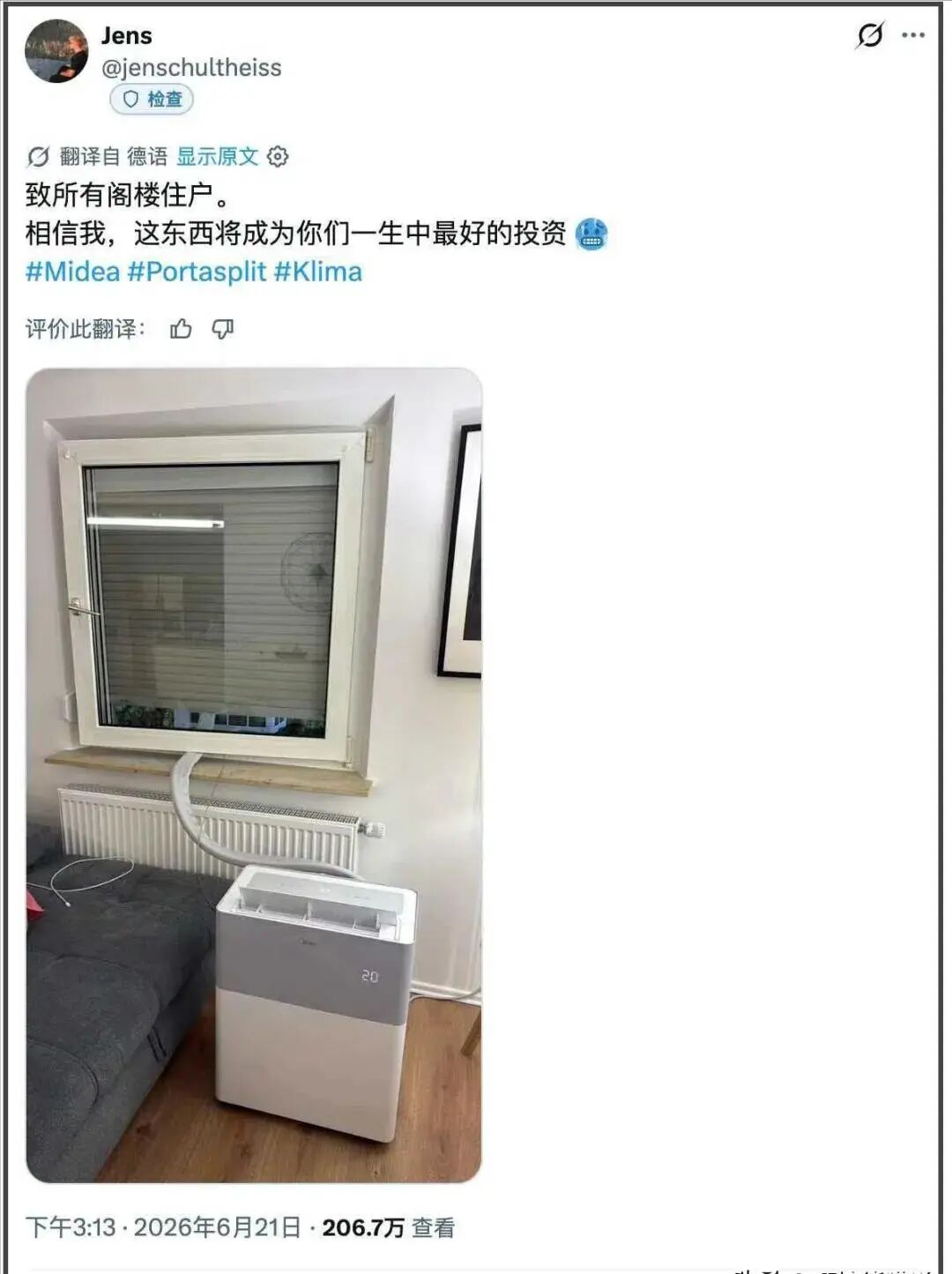
This kind of air conditioner has an indoor unit placed inside the room and an outdoor unit on the windowsill bracket, connected by a hose. There is no need to drill holes, weld pipes, or handle refrigerants. An ordinary person can install it in just ten minutes. Its parameter design is in strict accordance with European laws:
France stipulates that refrigerants exceeding 2 kg must be inspected by professionals, and it precisely weighs 1.99 kg; Germany requires that the outdoor noise at night does not exceed 35 decibels, and its silent mode is exactly 35 decibels.
The EU stipulates that portable electrical appliances do not require installation qualifications, so it is designed to be a structure that can be disassembled and moved at any time. Legally, it is considered a "portable indoor electrical appliance" rather than a fixed - installation device.
In other words, it bypasses all the thresholds that prevent traditional air conditioners from selling well. Its price is only one - third of the traditional split - type air conditioner plus the installation fee. European consumers voted with their feet, and it was sold out. This has made European air - conditioner manufacturers anxious.
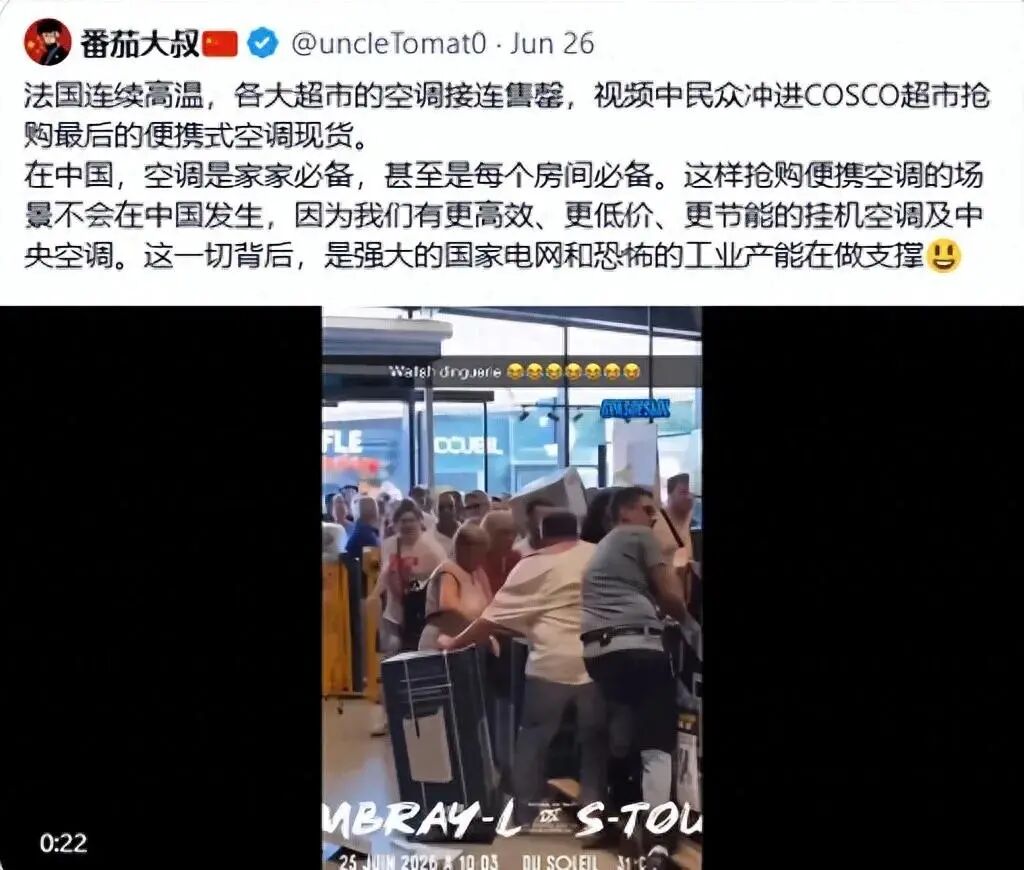
If this continues, Chinese air conditioners will defeat European local air - conditioner brands step by step.
Therefore, just a few months after the product became a best - seller, there was talk of "classifying it as a fixed - type air conditioner".
Then, the latest revised EU F - Gas Regulation (Fluorinated Greenhouse Gas Regulation) has been finalized: starting from January 1st, 2027, all integrated air conditioners and self - contained heat pumps with a rated power of 12 kilowatts or less must use fluorinated refrigerants with a Global Warming Potential (GWP) of no more than 150.
Split - type air - water heat pumps will implement this standard synchronously, and the mainstream household air - air split - type units will also meet the same threshold in 2029.
Most of the Chinese air conditioners that are selling well in the European market now use R32 refrigerant, whose GWP value is 675, more than four times the new regulatory threshold.
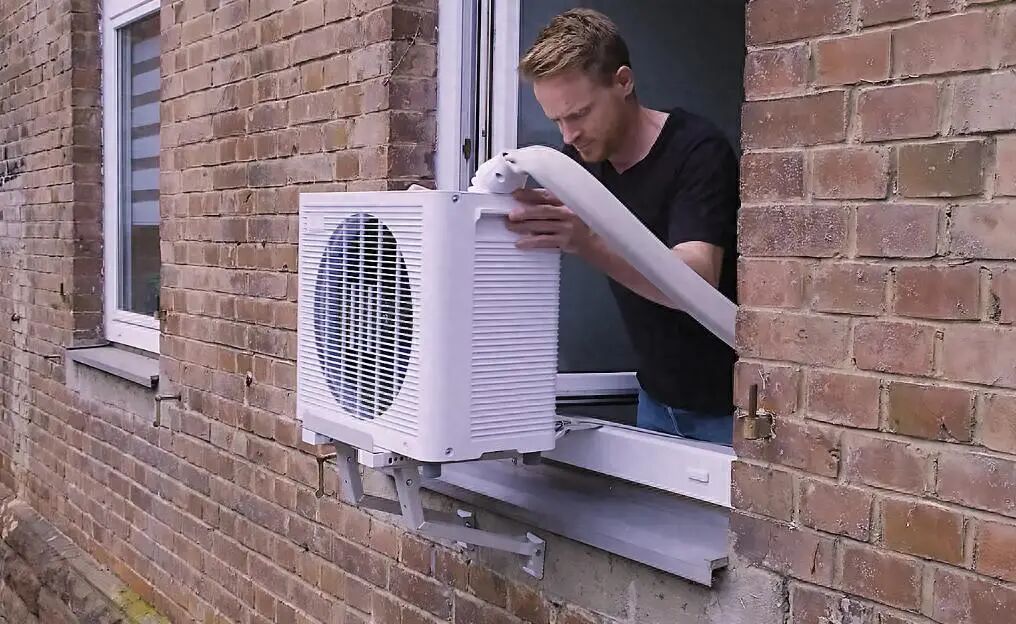
In other words, when the new regulations are officially implemented next year, all the current best - selling models will not be able to enter the European market with their existing configurations.
A familiar scenario: If you can't beat them, change the rules
This GWP150 threshold wasn't introduced earlier or later. The regulatory loopholes had been there for decades without anyone caring. It was only when Chinese air conditioners occupied 40% of the European market and squeezed the local brands step by step that the implementation of this rule was suddenly accelerated.
It's obvious to anyone with a discerning eye whether this is for public environmental protection or to protect local industries.
If you look through the China - EU trade history of the past two decades, you will find this scenario very familiar.
Twenty years ago, when the Chinese photovoltaic industry rose and defeated European local photovoltaic enterprises step by step, the price of components dropped by 70%. The EU launched anti - dumping and countervailing investigations and imposed an anti - dumping duty of up to 47.6%. When they couldn't win, they used the rules as a shield.
More than a decade ago, when Chinese high - speed rail technology matured and began to expand overseas, European enterprises lost orders overseas one after another. Immediately afterwards, Western media bombarded the public with reports about "technical safety risks" and "data leakage", elevating normal business competition to the level of national security.
In recent years, the sales of Chinese electric vehicles in Europe have soared. In 2025, their market share reached 15%. Without hesitation, the EU launched a countervailing investigation and finally imposed tariffs after more than a year of hassle.
The reason is still the same: "Chinese enterprises rely on subsidies for low - price dumping, which disrupts fair competition."
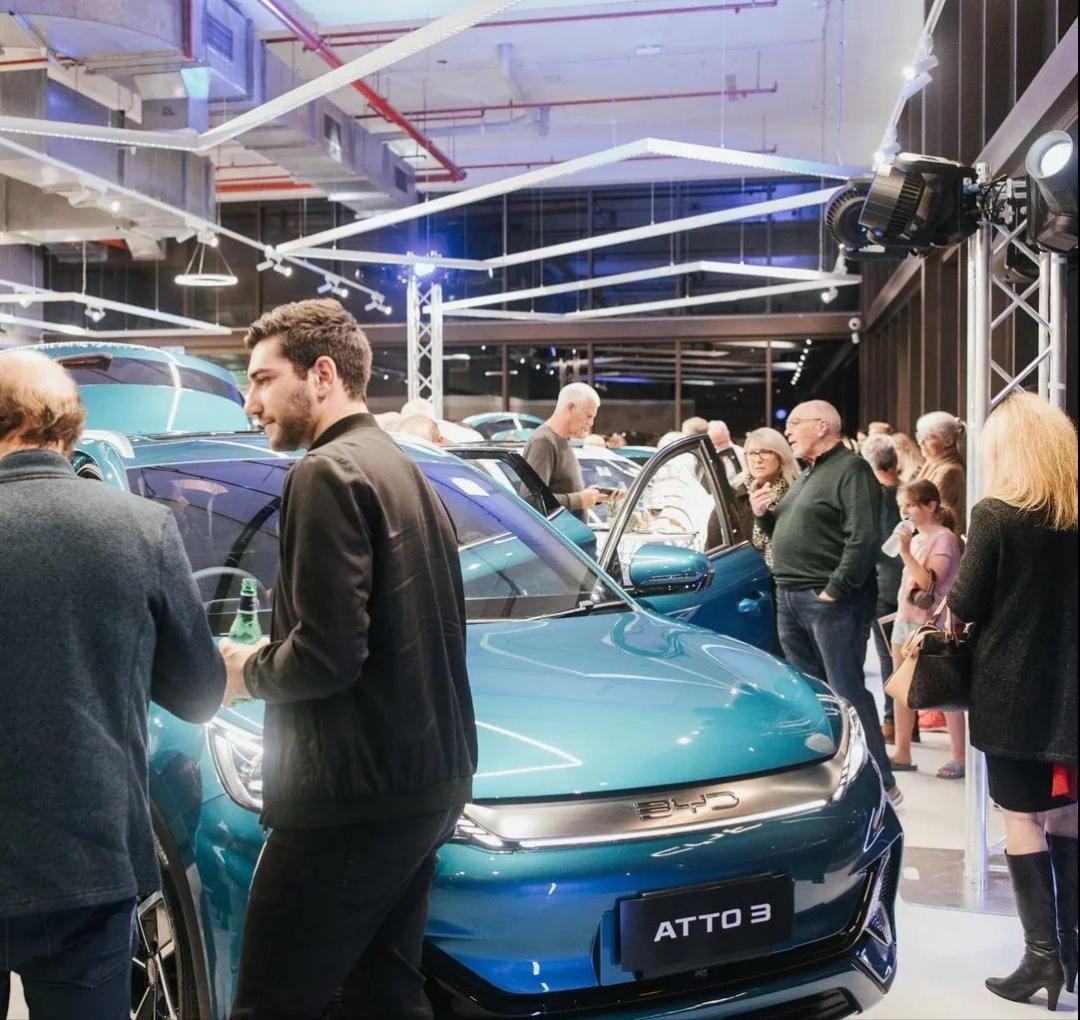
The EU's approach is to lobby the government and industry associations when Chinese products experience rapid growth and local enterprises' interests are damaged. Then, the EU initiates investigations or modifies rules in the name of "environmental protection", "safety", and "fair competition".
Finally, by raising the access threshold and imposing tariffs, it builds higher barriers to leave room for local enterprises to survive.
This new refrigerant regulation follows the same script. If the original threshold can't stop Chinese products, then raise the threshold and eliminate your advantages.
Can this new threshold really choke Chinese enterprises?
First of all, it can't be blocked technically. Refrigerants with a GWP of less than 150 are not some advanced technology. The natural working fluid R290 (propane) has a GWP value of only 3, fully meeting the requirements of the new regulations, and its energy - efficiency performance is even better than that of R32.
Domestic compressor enterprises have been researching R290 technology since 2004 and launched the first R290 compressor demonstration line under the United Nations in 2011. Now, they have a complete product matrix covering multiple categories such as household air conditioners and heat pumps.
Since R290 is a flammable refrigerant, explosion - proof safety design is required, and the R & D and manufacturing costs will indeed increase, probably pushing up the terminal price by 15% - 20%.
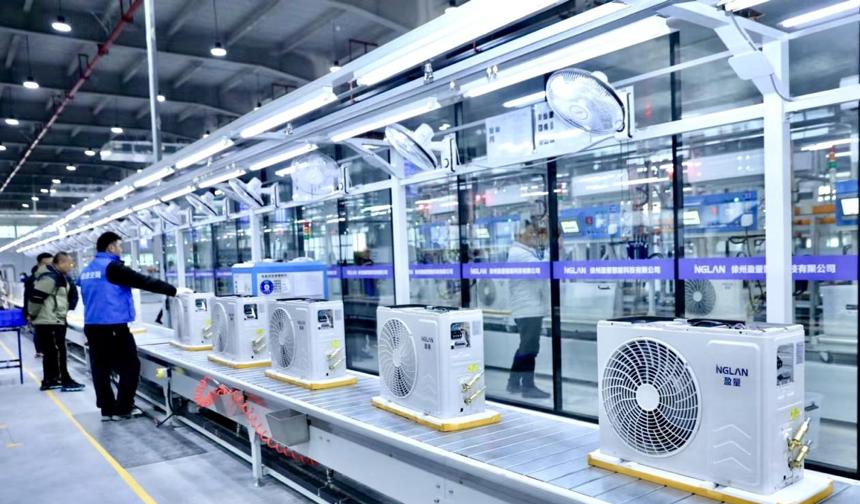
The cost of European local brands to produce R290 will only be higher. More than 80% of the global air - conditioner industry chain is in China. From compressors to copper pipes to complete machine assembly, our cost - control ability has no rivals.
Even with the cost increase brought by the new regulations, the overall cost - effectiveness of Chinese air conditioners is still much higher than that of European local products.
The premium brought by the refrigerant upgrade may be passed on to European consumers - air conditioners will be more expensive, and the threshold for ordinary people to install air conditioners will only be higher.
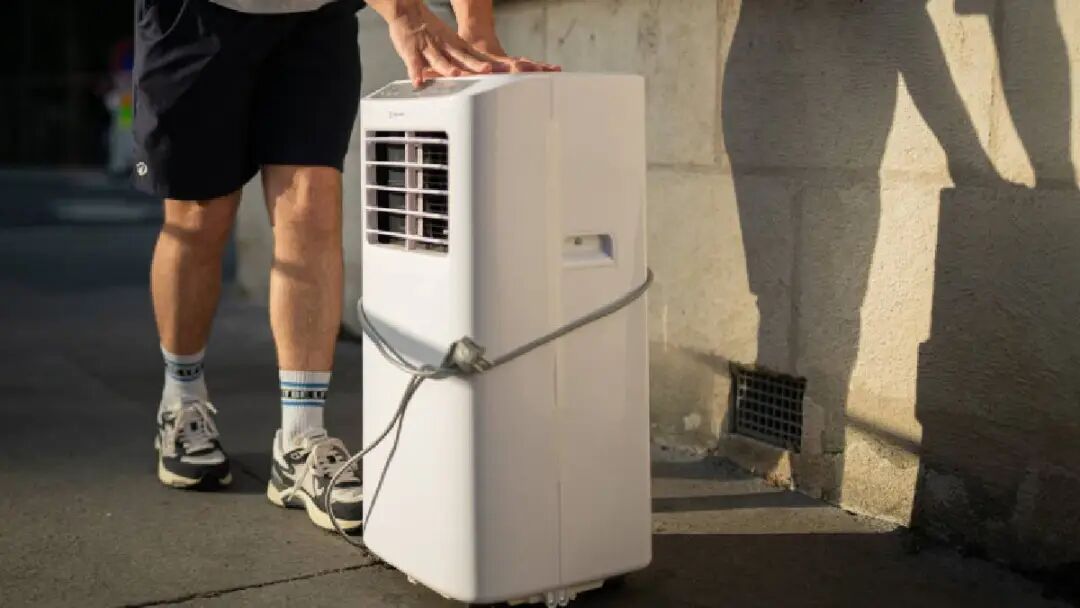
Even if this loophole is completely blocked, the product iteration speed of Chinese enterprises is much faster than the EU's legislative speed.
It can be said that Chinese air conditioners have once again shattered Europe's pretense. It's not hard to understand that from household appliances to photovoltaics, from electric vehicles to energy storage, Chinese enterprises are starting to make inroads in the high - end market, and they will inevitably use the weapon of rules to defend.
Rules are not only thresholds on the surface but also sieves to eliminate the weak. Enterprises that can thoroughly study the rules and make their products excellent within the framework of the rules will only become stronger.
The share of Chinese household appliances in the global manufacturing end has long exceeded 45%. Back then, the EU's energy - efficiency standards blocked a lot of miscellaneous brands, but instead allowed leading enterprises like Gree and Midea to gain a firm foothold.
The same goes for this refrigerant upgrade. Every time the rules are tightened, the market share of competitive leading enterprises will only become stronger than before.
The restriction on not being able to drill holes in old European buildings still exists, the high labor cost still exists, and the extreme high - temperature still exists. As long as there is a rigid demand for the product, no matter how the rules change, those who can offer good products will always stand firm.
This article is from the WeChat public account <