Reviving a 20-year-old vintage RAM and running Windows 11 on DDR1—netizens are almost driven crazy by the price surge
The matter of rising memory prices has become increasingly outrageous.
Previously, DIY enthusiasts were complaining about the high cost of DDR5. Then, DDR4 also started to get expensive. Looking further back, even the old - fashioned DDR2 has been affected. Last week, Apple's MacBook and iPad also increased in price due to rising memory and storage costs. Mobile phones, computers, and tablets - it seems that all consumer electronic hardware is struggling.
Originally, people thought they could just hold off on upgrading their memory, and the wait - and - see crowd would win again.
However, some people took it a step further and went back twenty years in time.
On the overseas forum Reddit, a hardware enthusiast named Omores installed Windows 11 on a platform from the DDR1 era. As a result, all system functions worked normally, and the supporting AGP 8X graphics card could also be properly called by the system and software.
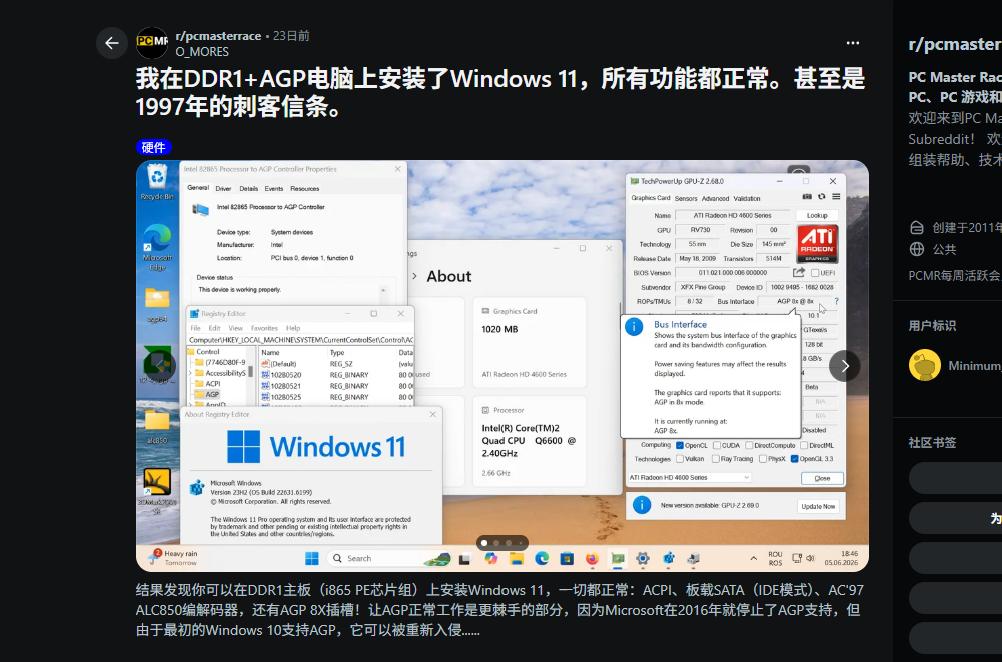
Suddenly, things got interesting.
In the past, when we talked about reviving old computers, it was mostly about installing XP, running Linux, or playing nostalgic games like Command & Conquer. Now, with the high cost of memory, people are starting to wonder: Can memory from over twenty years ago still serve modern operating systems?
Even Microsoft would be taken aback by this idea.
DDR1 Revival: Many Problems, but It Works
Let's first briefly introduce what DDR1 is.
It is the first - generation product of DDR memory, which entered the PC market around 2000. Compared with the popular SDR memory at that time, it achieved double data rate, extended the frequency limit to 266 - 400 MHz, and increased the single - stick memory capacity limit to 2GB. It was a landmark product of the millennium.
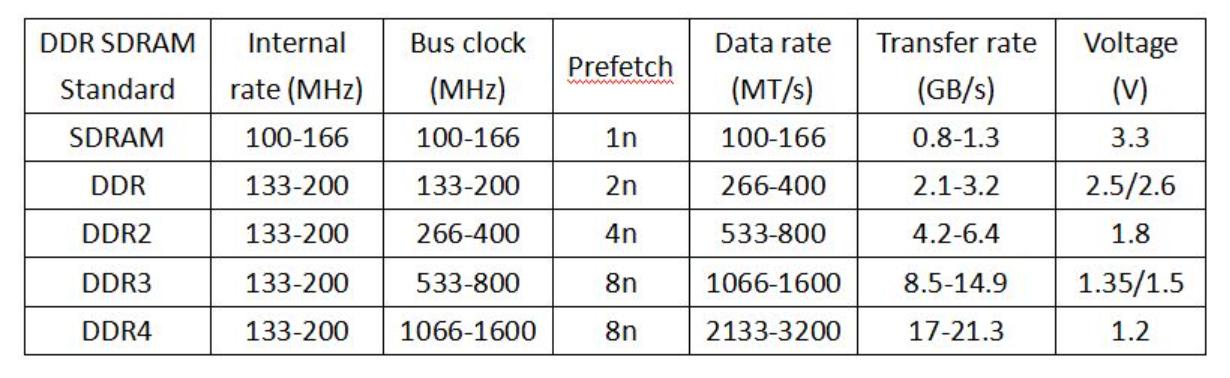
(Image source: Transcend)
However, it also has obvious drawbacks. Its low frequency limit cannot meet the needs of later multi - core CPUs. It only supports single - channel operation, which limits the expansion limit. Therefore, it was quickly replaced by the DDR2 standard introduced in 2003.
To make this thing useful, Omores' machine is not just a random combination of parts.
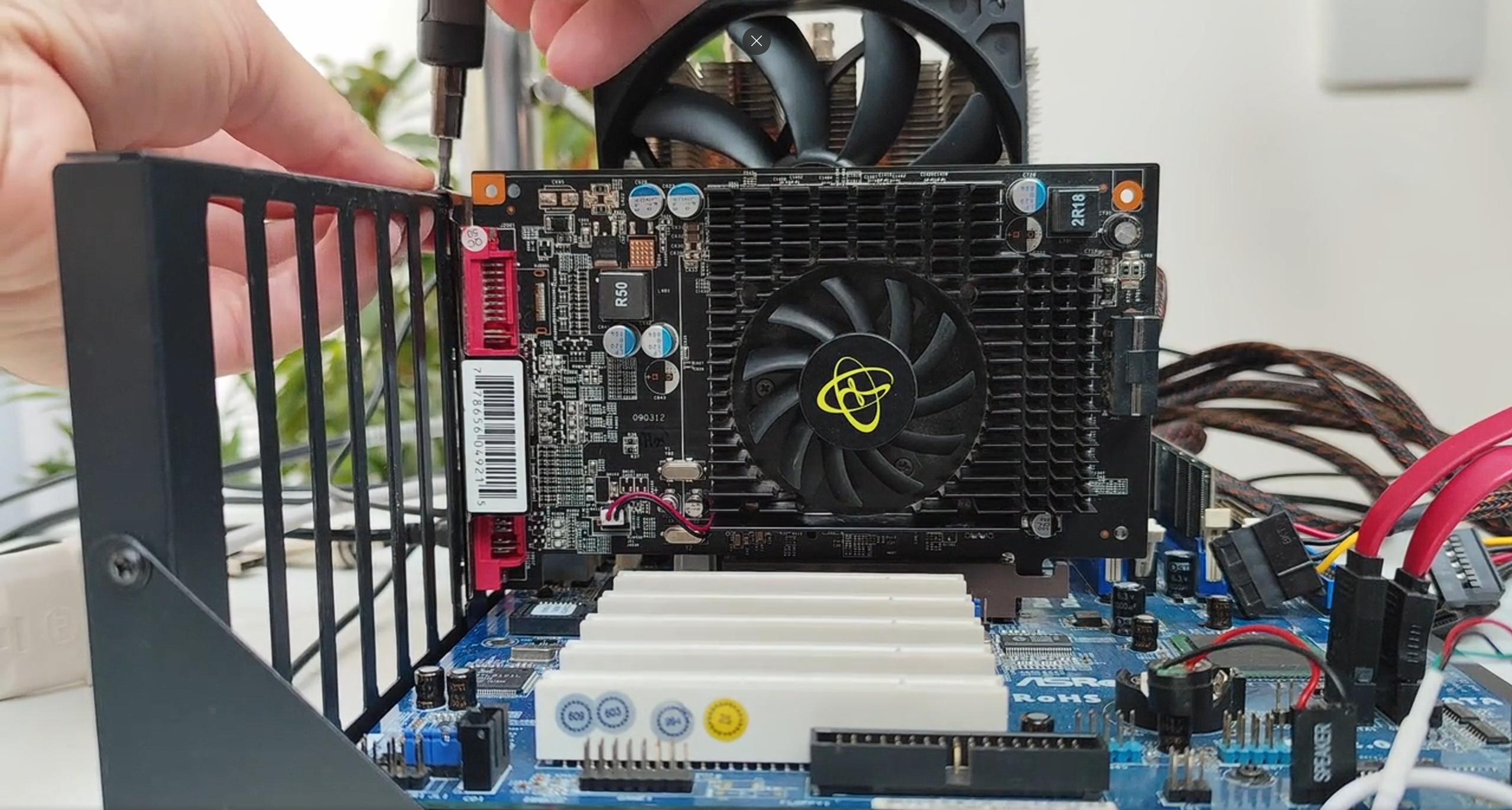
It uses an Intel Core 2 Quad Q6600 processor, paired with an ASRock ConRoe 865PE motherboard, DDR1 memory, and an ATI Radeon HD 4650 AGP graphics card. The most crucial part is this motherboard. It is a very special cross - generation product that allows the relatively newer Core 2 Quad processor to work with DDR1 memory and an AGP graphics card.
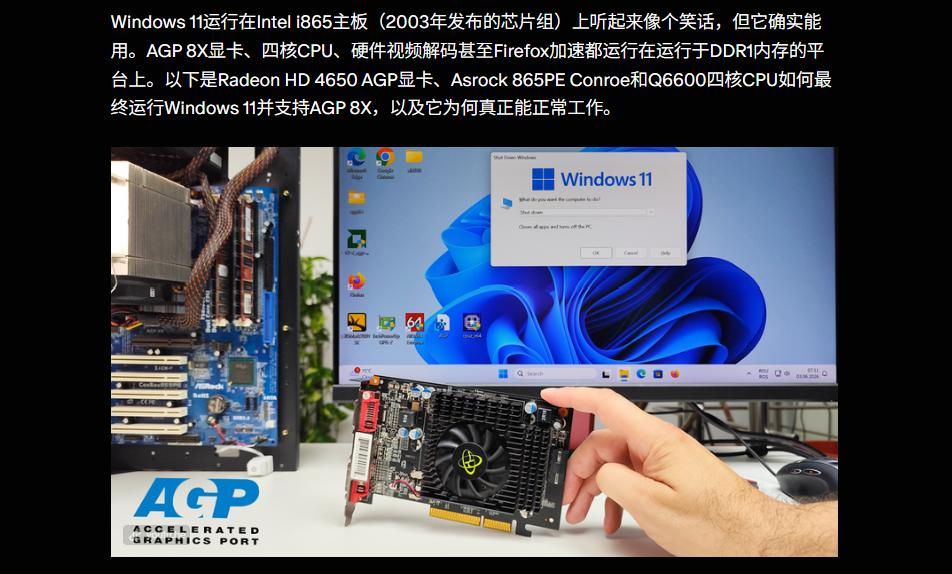
(Image source: Omores)
In short, this set of hardware is fully compatible and can be powered on normally.
The problem lies with the system. When Microsoft launched Win11, it enforced an initial hardware check. If the user's platform does not support TPM 2.0, or if the computer does not use a product after the 8th - generation Intel processor, the system cannot be installed through official channels.
Fortunately, PC users don't care about these formalities. Bypassing the check has become an open secret.
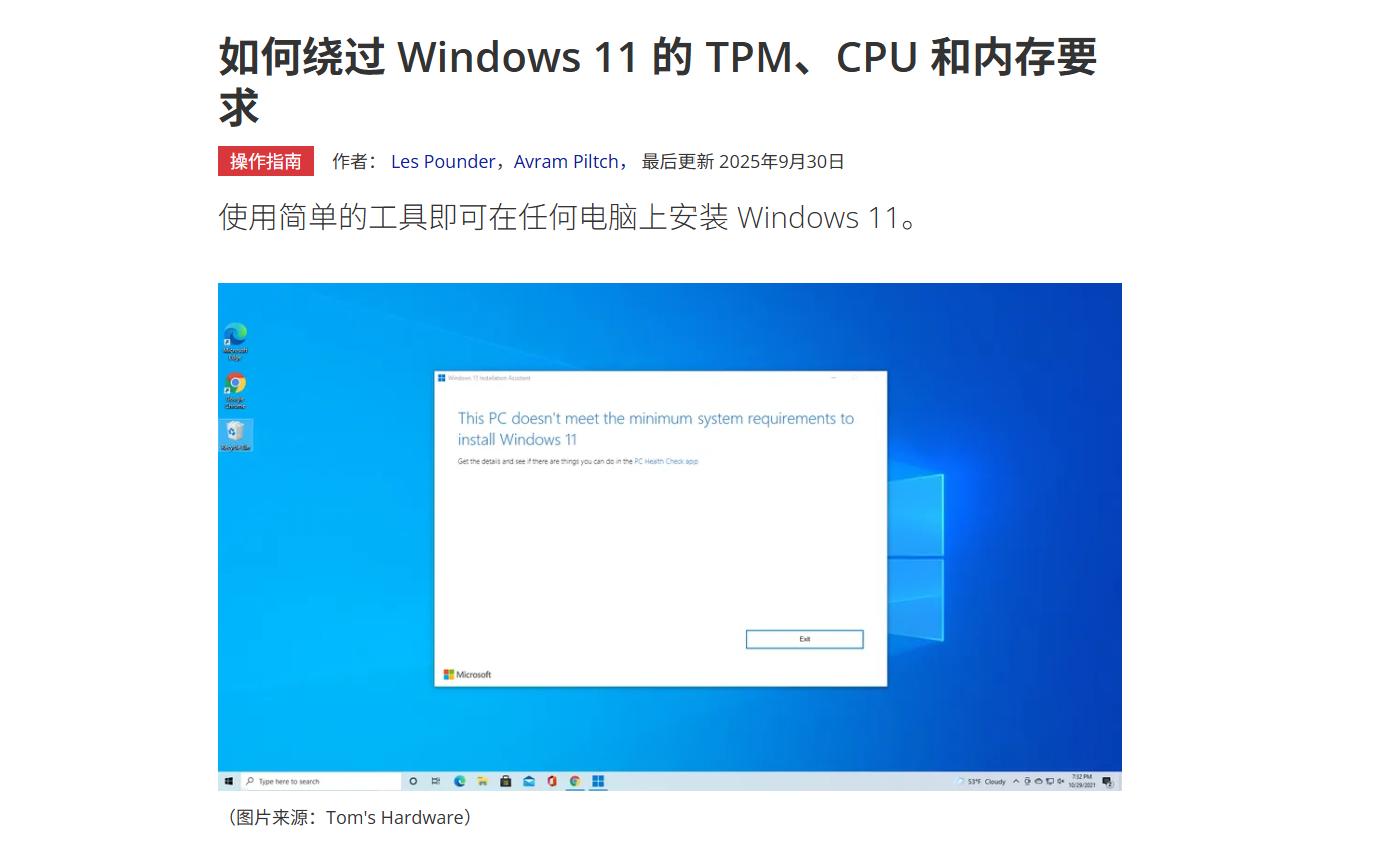
(Image source: Tom's Hardware)
The most difficult part of this machine is actually the graphics card driver. Since AGP graphics cards are no longer mainstream, Windows 11 naturally doesn't provide ready - made drivers.
Omores modified the Windows 7 64 - bit driver from around 2012 to enable the HD 4650 AGP to support AGP 8X again. It not only supports DirectX 10.1 but can even run H.264 hardware decoding. Finally, it scored about 18,100 points in 3DMark 2001.
(Image source: Omores)
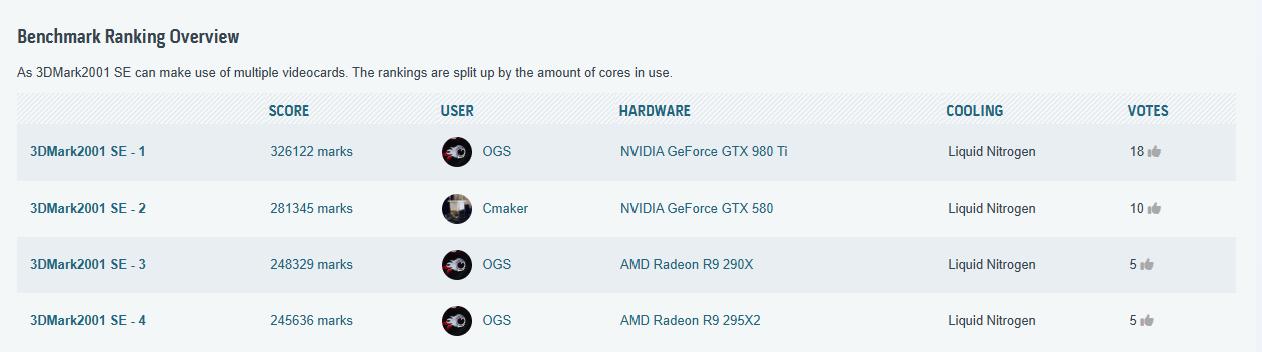
For comparison, the GTX980Ti can score 320,000 points, and the Radeon HD 4650 is about 1/18 of that level.
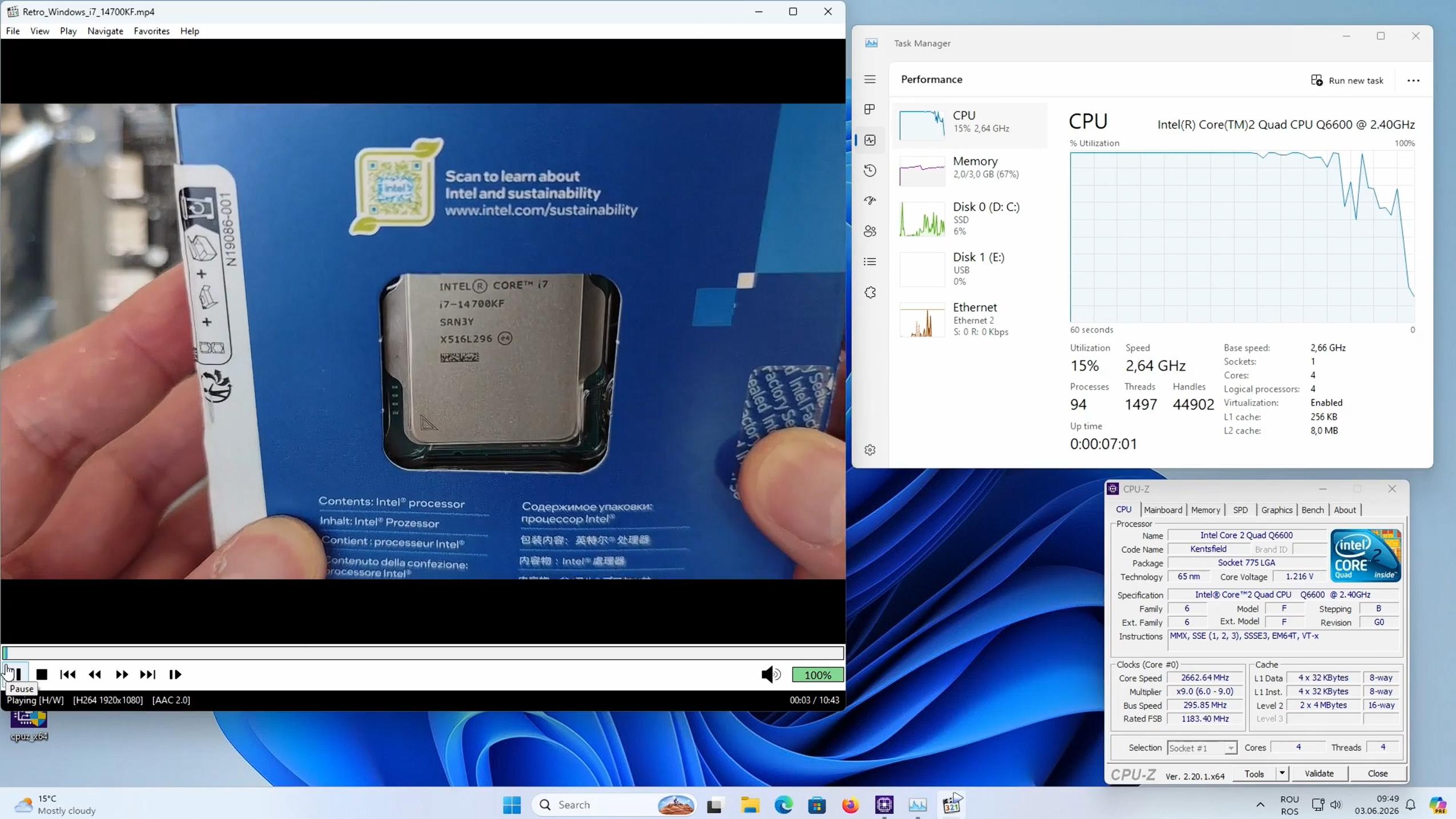
However, the processors are different. According to Omores, the Core 2 Q6600 is actually faster than the N4020 found in currently available low - end Windows 11 laptops, both in single - core and multi - core performance, although it also consumes significantly more power.
(Image source: hwbot)
So, the question is, what can such a computer do?
Playing local videos is no problem. After all, this configuration already supports H.264 hardware decoding. As long as the video player can call it, modern videos should play normally.
(Image source: Omores)
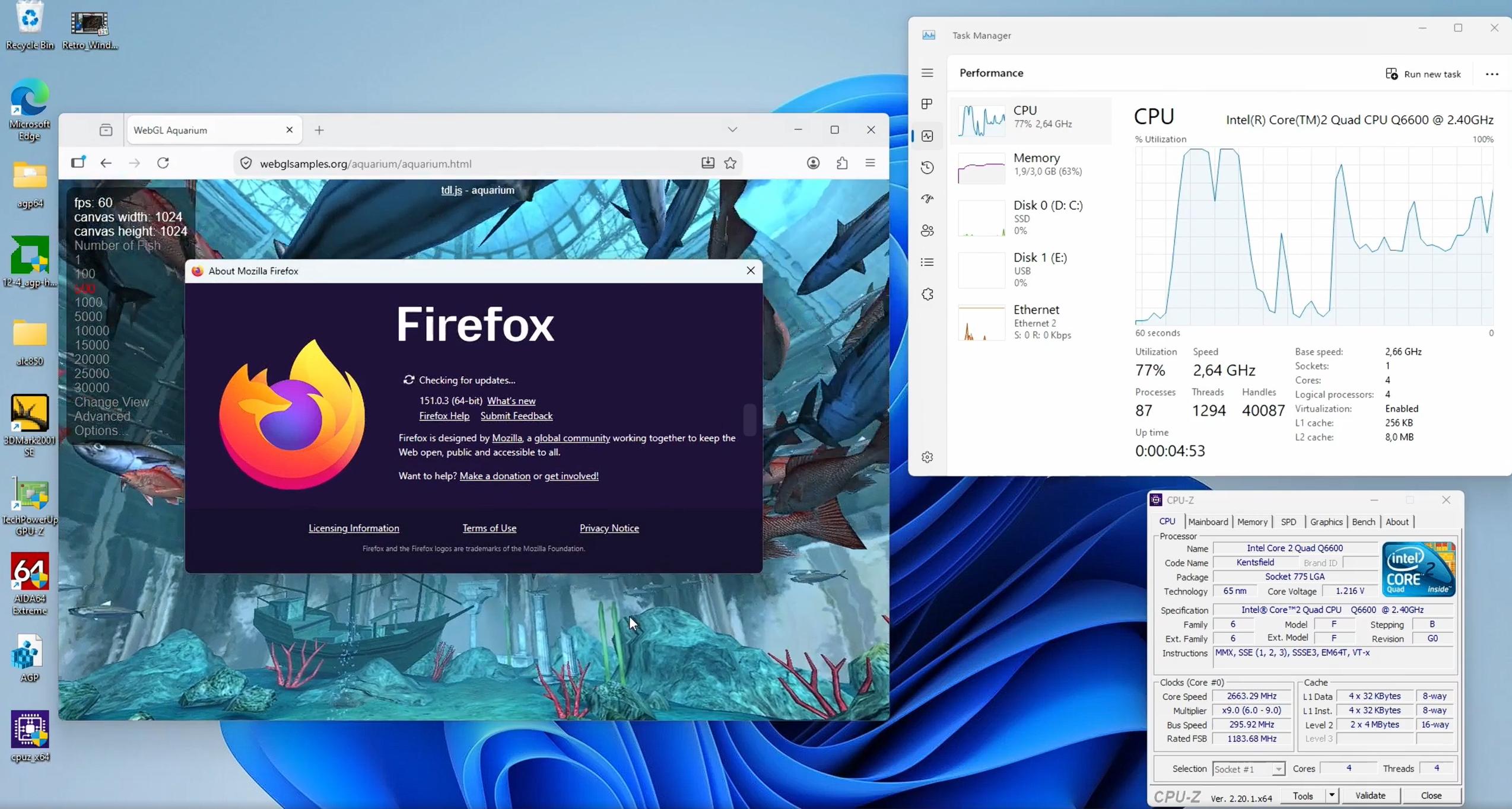
Using a browser is also no problem. Omores said that Chromium - based browsers rely entirely on software rendering, so they perform poorly on DDR1 memory. Firefox, which achieves hardware acceleration through OpenGL, has no such problem, and the WebGL rendering test is also smooth.
(Image source: Omores)
Firefox achieves hardware acceleration through OpenGL. Chromium - based browsers rely entirely on software rendering, so choose your browser carefully on a 3GB DDR1 system.
Even playing games is not an issue. "Half - Life", start!
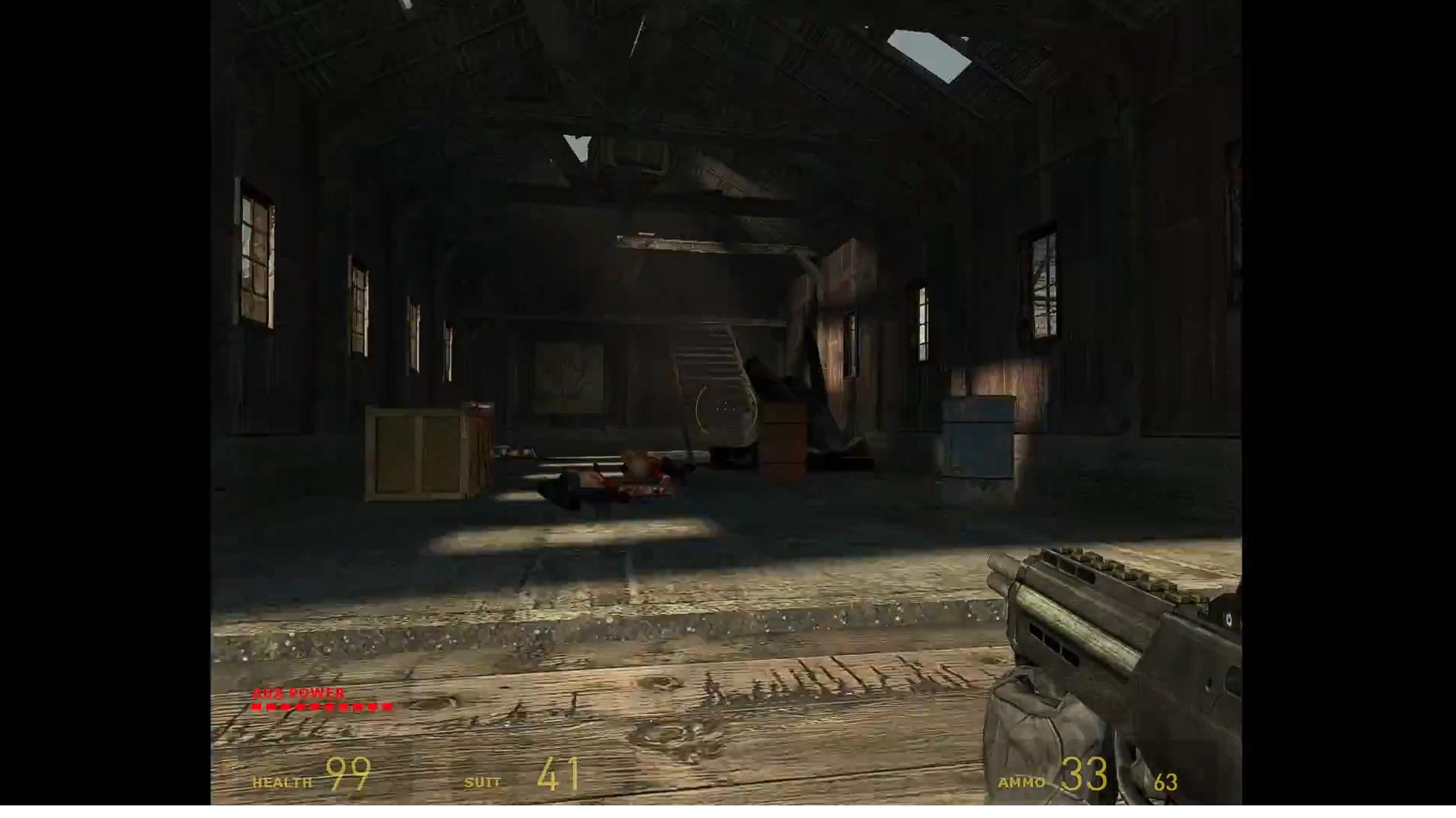
(Image source: Omores)
Although the performance of the processor and graphics card will limit the smoothness, aspects such as software startup speed, web page complexity, and multi - tasking experience are far from the level of modern PCs.
But this is a Win11 system running on a DDR1 platform! This performance is already amazing.
So, will old memory be hyped up?
If you look at this incident in isolation, running Windows 11 on DDR1 seems like a performance art for hardware enthusiasts.
However, if you take a broader view, there is a very realistic reason behind it.
Currently, the price of memory is rising, not just for new memory. AI data centers are consuming a large amount of memory, and manufacturers are shifting production capacity to more profitable areas such as HBM and server memory. As a result, the supply of ordinary consumer - grade memory has become tight. When DDR5 prices rose, DDR4 followed suit, and DDR3 and DDR2 were also affected.
According to data released by TrendForce on June 22, the price of DDR2, an old standard introduced around 2003, increased by 50 - 60% in the second quarter of this year, and there is an expectation of further increases.
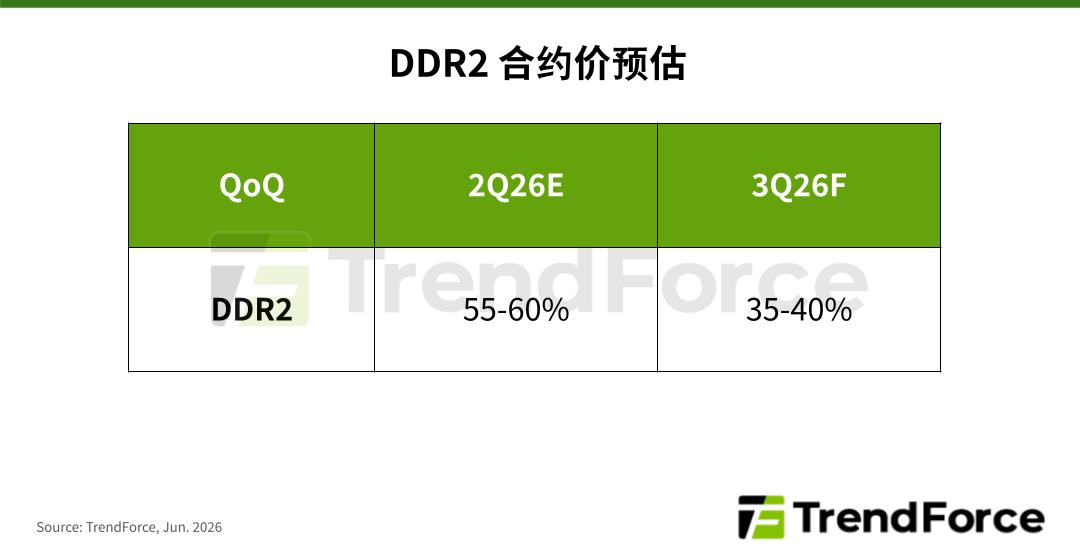
(Image source: TrendForce)
I can understand the situation with DDR3. After all, the lowest - budget AI local deployment device currently uses the X79 platform with DDR3. Filling all four channels with eight 16G DDR3 memory sticks can run the full - scale qwen3.5 - 35B - A3B model, and the actual experience has reached the level of DeepSeek R1 in early 2025.
DDR2 is more abstract. Shouldn't this thing have gone to the museum long ago?
When I checked on Xianyu (a second - hand trading platform), it's true. Now, a 2GB 800MHz DDR2 memory stick on the second - hand platform costs about the same as a 4GB 1333MHz DDR3 memory stick, both at 12 yuan including shipping.
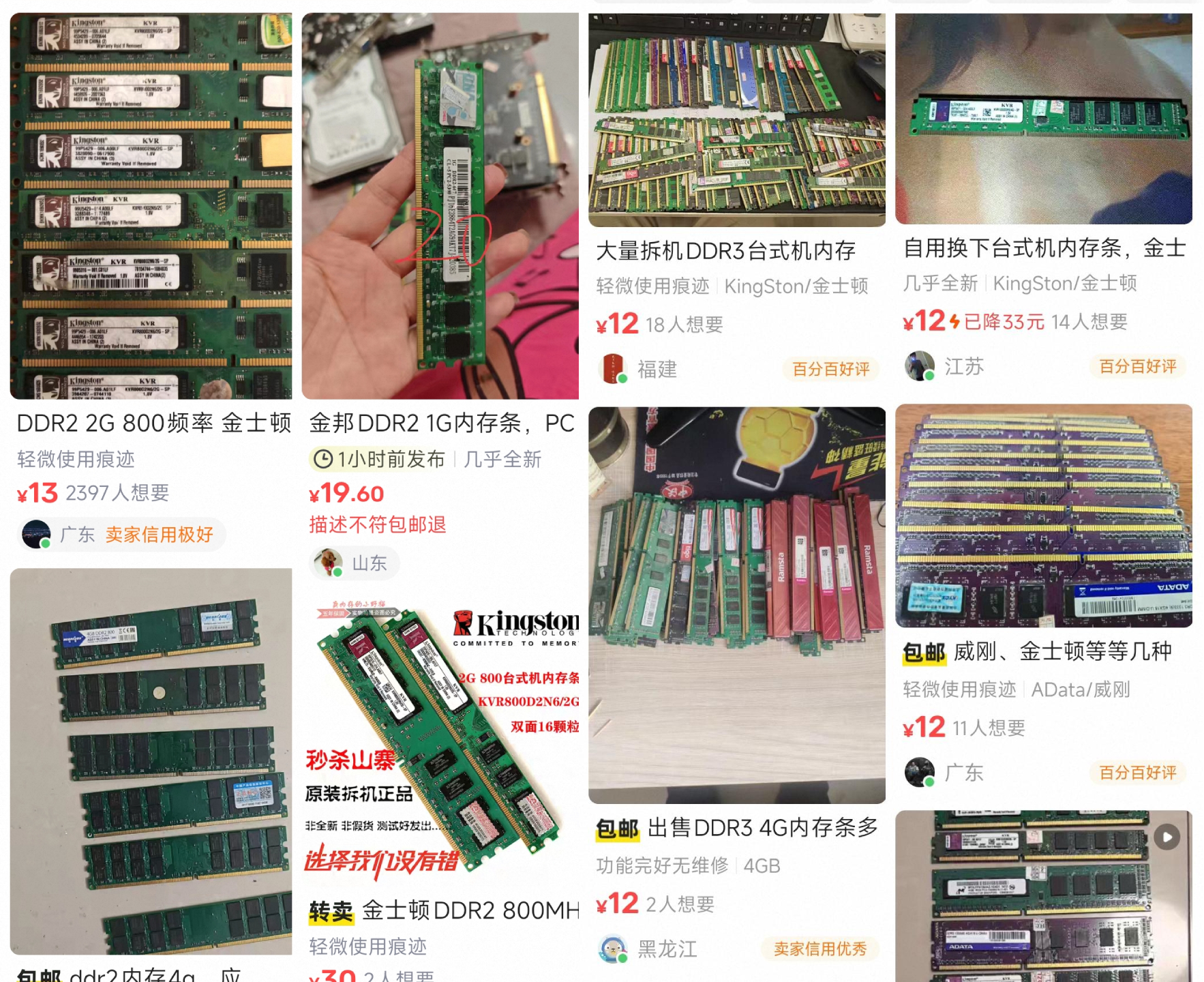
(Image source: Xianyu)
I asked the merchants, and they couldn't explain it either.
After all, DDR2 and DDR3 memory have been out of production for many years. The ones circulating in the market are all in stock or second - hand. How could they be affected by this wave of production shortages?
A reasonable guess is that due to the shortage of new memory, some industrial devices, embedded devices, and in - vehicle systems still using old platforms have brought these old memories back into the supply chain's view.
The most interesting thing is that not only the second - hand market but also many new products are secretly doing this.
Recently, Anbernic, a well - known domestic handheld game console brand, caused a stir on Reddit for secretly replacing LPDDR4 memory with LPDDR3 memory in its products. Subsequently, the manufacturer also reduced the memory from 2GB to 1GB and then to 512MB several times.
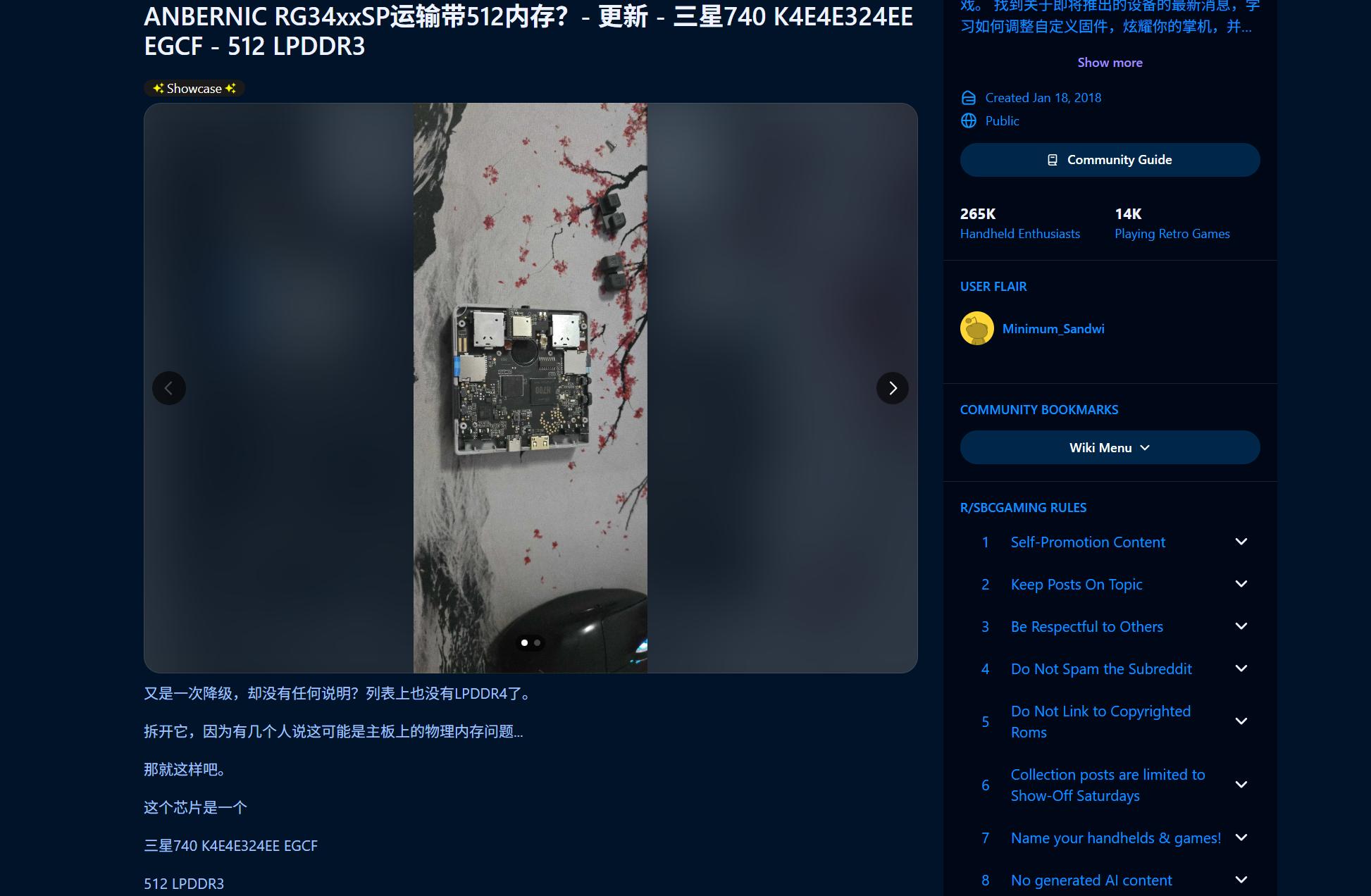
(Image source: Reddit)
Similarly, another domestic handheld game console company, Ayn, also adopted a similar strategy for its product Thor, downgrading the flash memory specification from UFS 4.0 to UFS 3.1 as shown in the crowdfunding promotion.
The recently - noticed flip - phone Callback 8020 also announced that it will use recycled memory and reduce the price.
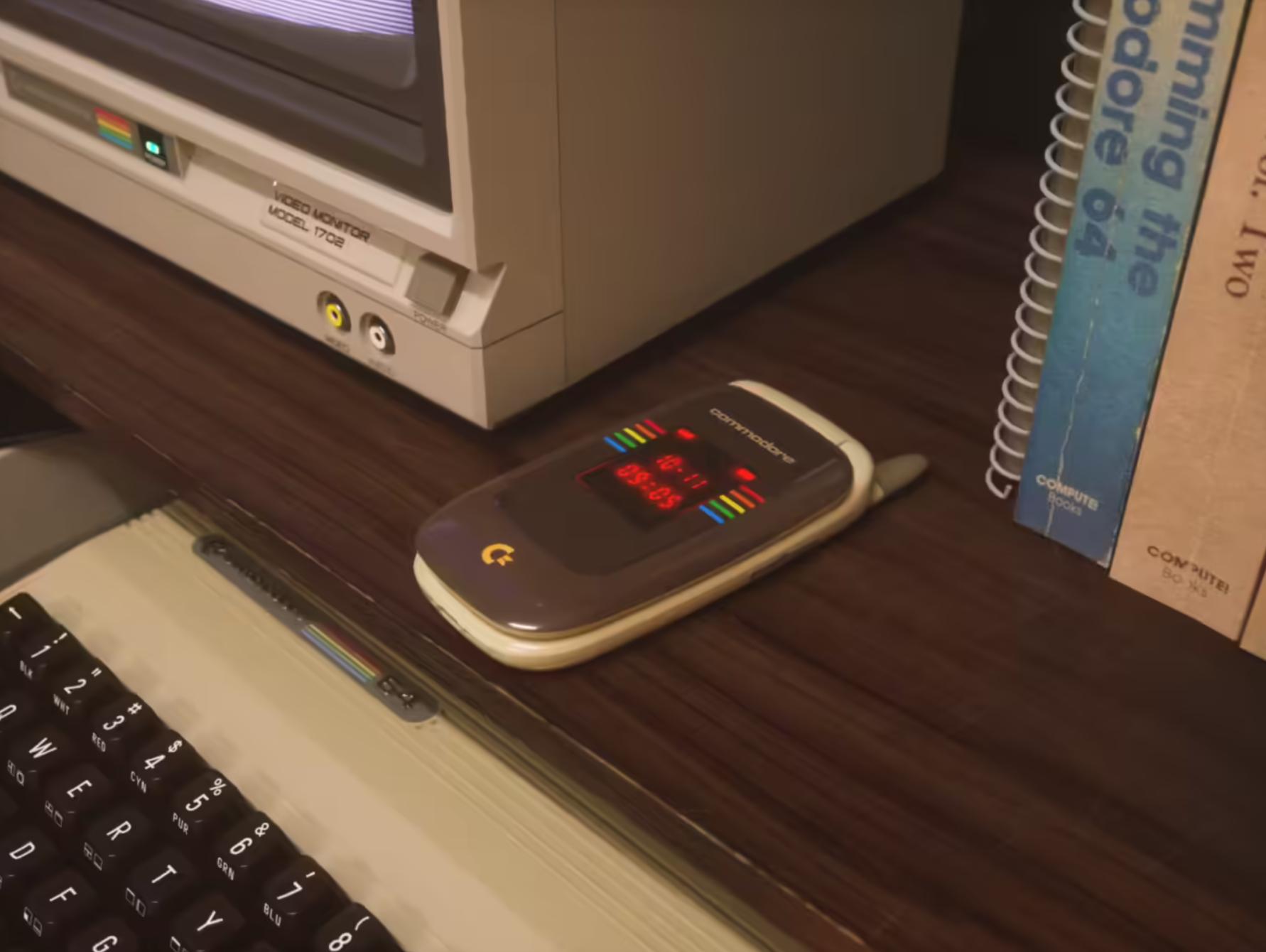
(Image source: Reddit)
It seems that for manufacturers, actively using inventory or recycled memory to maintain product pricing has become an open choice.
However, I think few consumers will like this.
Inventory or recycled memory can be used, but their lifespan, source, and stability are questionable. When buying such products, the biggest concern is not low performance but issues like blue screens, reboots, and data errors after a few months of use. If manufacturers are willing to clearly state the source and provide a warranty, it's still negotiable. But if they pass it off as brand - new, it's really off - putting.
In Conclusion
Running Windows 11 on DDR1 is essentially a very exciting hardware stunt.
In a normal cycle, this combination would not work. DDR1 is not sufficient, and Win11 should not appear on such a platform. However, when hardware costs continue to rise and people start to hesitate about whether to buy a new computer, the value of old hardware naturally starts to be re - evaluated.
If the previous standard for