Super Bionics: The New Battlefield for Humanoid Robots
In the past year, the most popular story in the humanoid robot industry has been "entering the factory."
They are expected to enter automobile factories, 3C production lines, and warehousing and logistics, becoming tireless "super workers."
Since the factory environment and production line tools were originally designed for humans, a robot that looks like a human seems naturally destined to become the next - generation workforce.
However, reality quickly provided a more sober answer.
After humanoid robots truly enter the factory, customers are more concerned about whether the robots can work stably, cheaply, and safely, rather than how human - like they are.
So, we can see:
Walking on two legs is cool, but it's not as reliable as a wheeled chassis;
A full - sized humanoid is more imaginative, but it's not more cost - effective than a robot with two arms and a wheeled chassis.
Even He Xiaopeng, the founder of XPeng Motors, who is intensively researching humanoid robots, has bluntly stated that "if it's just about moving things and tightening screws in the factory, humanoid robots aren't cost - effective."
At this time, another interesting change emerged:
The commercial and even consumer scenarios, which were once predicted to be more difficult to implement, began to become the most attractive track for humanoid robots in 2026. Many robot teams started to launch more anthropomorphic humanoid robots, bionic humanoid robots, for 'consumers'.
A large number of more human - like humanoid robots began to flood the market.
01 The 'Industrial Dilemma' of Humanoid Robots
What first attracted people to humanoid robots was that they seemed able to enter the world already built by humans.
Factories, warehouses, buildings, and homes - a large amount of space is designed according to human needs, with humans assumed to be the users. If robots are also made in a humanoid form, less environmental modification is needed, and existing infrastructure can be reused more.
In the past two years, this has been the most convincing reason for general - purpose humanoid robots to enter the human world. The first implementation scenario selected by global engineers and scientists for general - purpose humanoid robots has been the industrial scenario, which has undergone multiple transformations in the past three industrial revolutions.
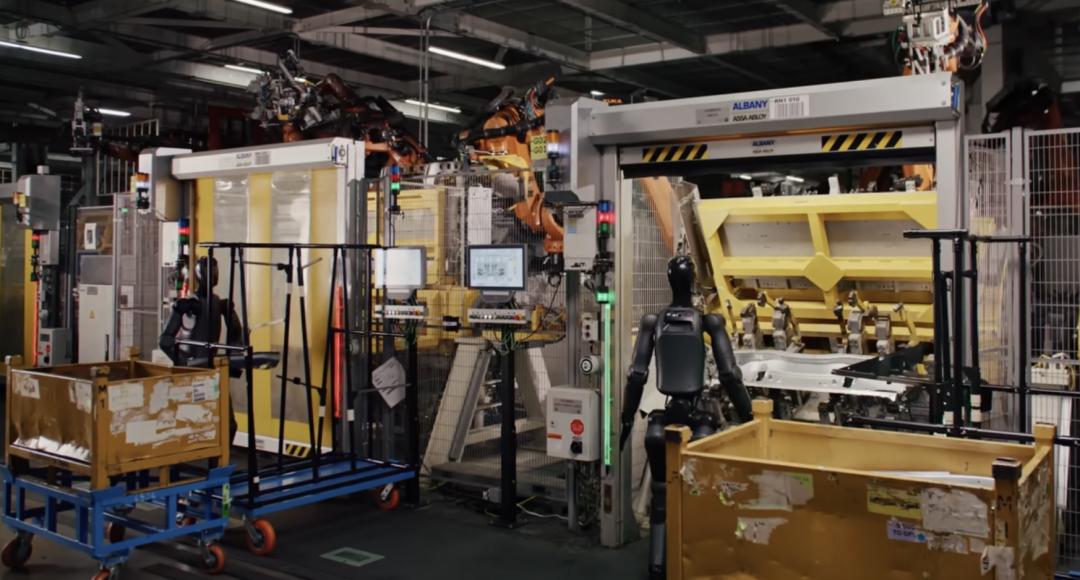
However, the real commercial market never pays for imagination.
In the factory, robots need to operate continuously, reduce malfunctions, and work with humans, vehicles, robotic arms, and conveyors. They can't stop frequently, fall easily, or slow down the rhythm due to graceful but inefficient movements.
The value of bipedal humanoids is more reflected in their movement ability in complex terrains and unstructured spaces. In a flat, regular, and controllable production - line environment, wheeled chassis are often more stable and easier to maintain.
So, after entering the factory for POC, a complete humanoid robot has gradually been re - disassembled and re - defined:
Keep the arms and weaken the two legs;
Keep the dexterous operation and weaken the anthropomorphic gait;
Although the concept of a humanoid still exists, the product form has started to become more like a mobile operation platform.
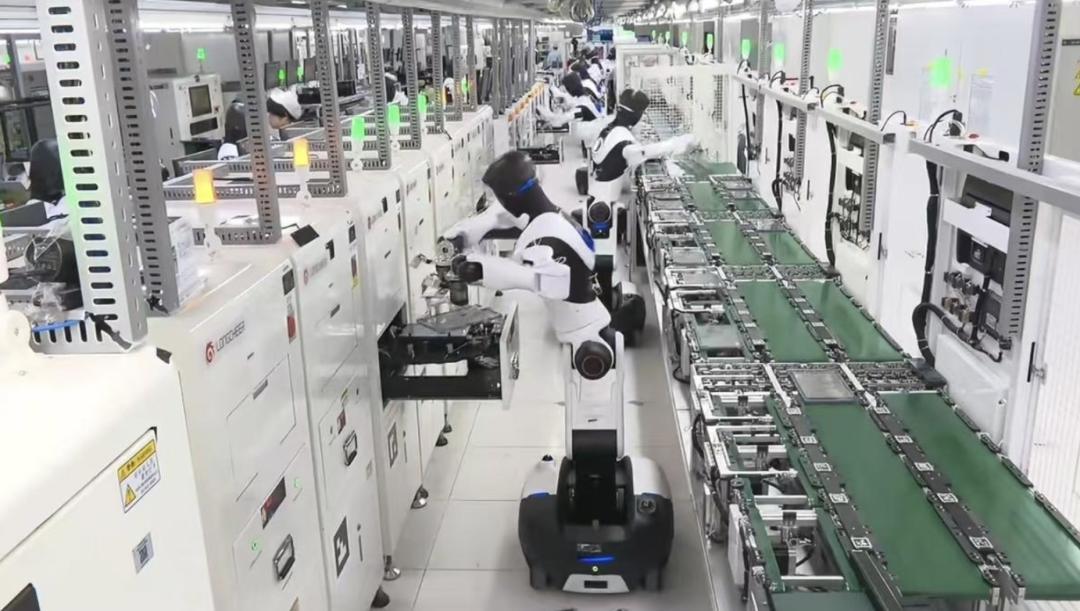
After experiencing the industrial field, more and more robot teams have realized that what factories need is never 'a more human - like robot,' but 'a more machine - like robot'.
According to the research data from the market research institution IDC, the global shipment volume of humanoid robots in 2025 was 18,000 units.
This figure is far from the million - level mass production in the general sense. It should be noted that the entire robot industry set 2025 as the year of mass - producing humanoid robots.
When the story of robots 'going to work in factories' didn't come as quickly as expected, the entire robot industry began to look for a new direction in 2026 - where exactly should 'a more human - like robot' go?
The answer to this question is markets that focus more on experience and emotional value, such as receptionists, tour guides, explainers, performers, live - streaming assistants, cyber brand ambassadors, and even family companions.
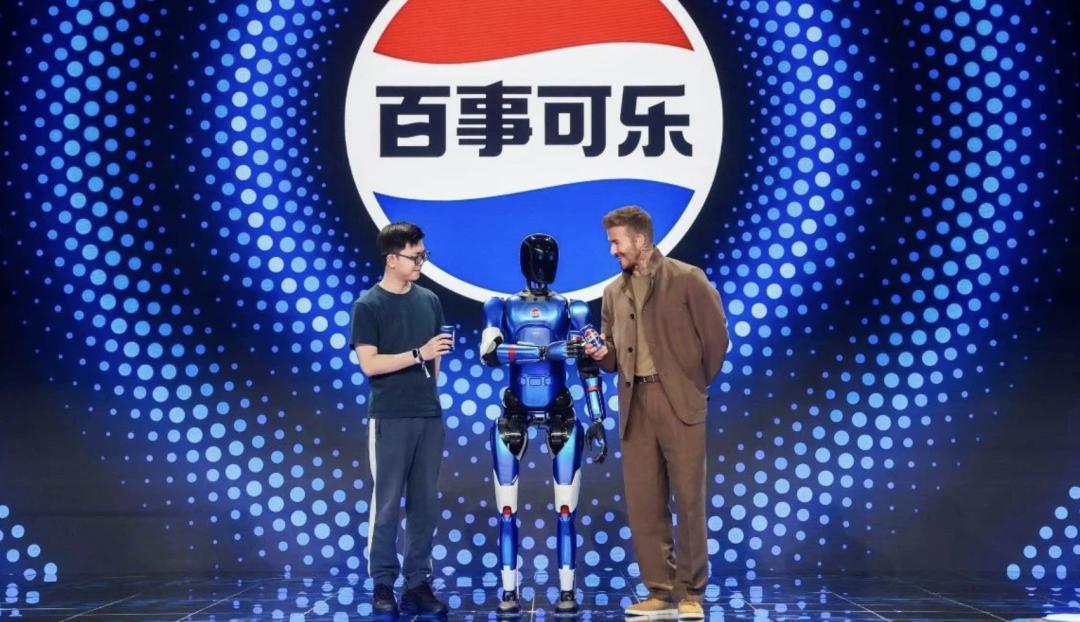
These positions put forward different requirements for humanoid robots.
They don't need to work continuously on the production line for eight hours right from the start, but they need to be able to make people stop, be willing to approach them, talk to them, and take pictures for sharing. Thus, the battle of bionic humanoid robots has begun.
In fact, bionic humanoid robots are not an alternative route to industrial humanoid robots. Instead, they are more like a mobilization of public emotions and a practice for mass - production before the industrial ROI is fully achieved.
So, which teams have officially announced bionic humanoid robot products?
02 The 'Supplementary Battle' of Bionic Humanoids
When the ultra - bionic Cai Ming robot appeared on the Spring Festival Gala stage, that moment became the most direct fuse for the full - scale competition of bionic humanoid robots.
However, the battle situation of bionic humanoid robots had already quietly begun. We have made a brief review of the teams involved, from which we can also see the growth process of bionic humanoid robots.
We roughly divide these teams into three categories:
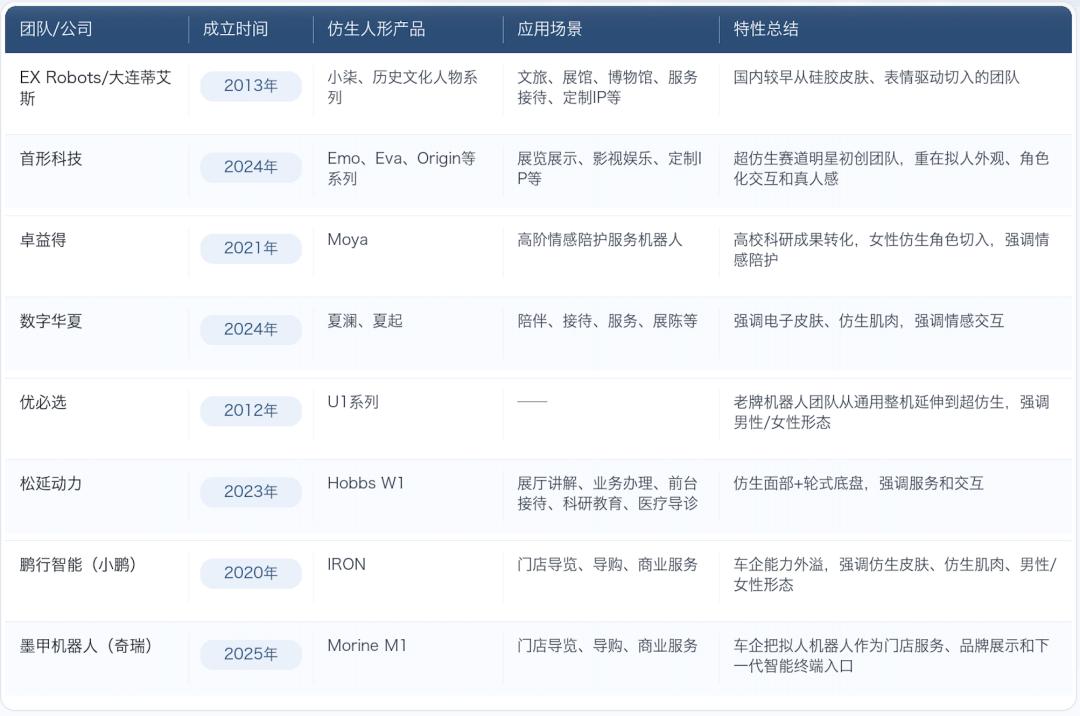
The first category is manufacturers that started from robot skins, represented by Dalian Tiesi.
Dalian Tiesi was established in 2013 and initially started with silicone dolls. When it went public in 2017, Dalian Tiesi was regarded as 'the first stock of inflatable dolls.' The real transformation took place in 2018.
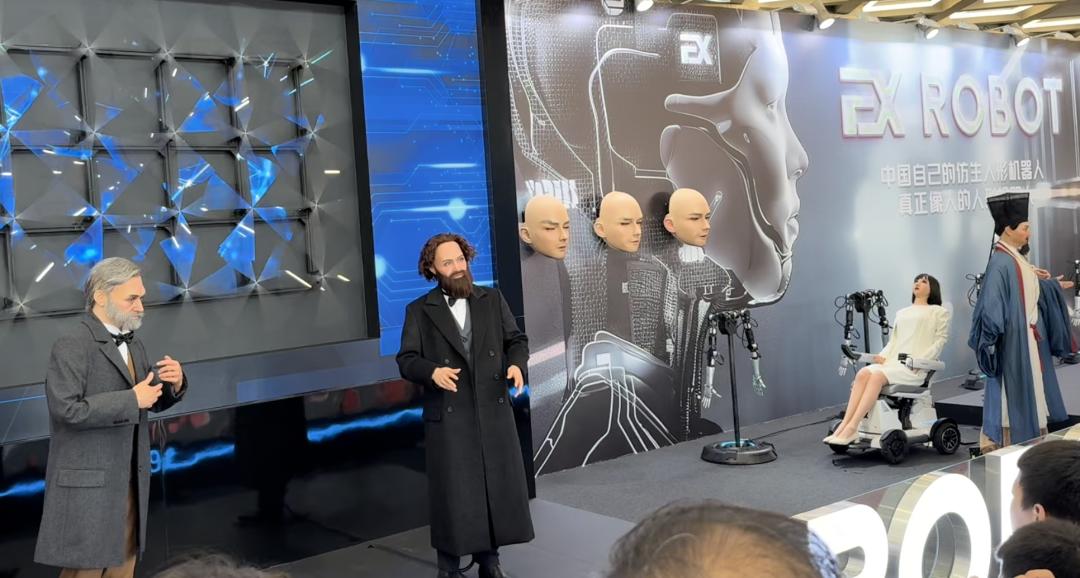
In 2018, Dalian Tiesi divested its original silicone doll business and transformed into an integrated solution provider for intelligent bionic robots with EX Robot as its new main brand.
Also in this year, EX Robot created the first bionic humanoid robot, Jiang Lailai. This robot later partnered with Jiang Changjian and became the robot host of the Zhejiang TV program 'Intelligent Future.'
In the wave of humanoid robot enthusiasm, at every large - scale robot exhibition, we can see bionic robots playing various ancient and famous figures on - site. These robots are the current product matrix of Dalian Tiesi.
Another star team that also started from robot skin research is Shouxing Technology.
Shouxing Technology is a company founded in 2024 by the post - 90s entrepreneur Hu Yuhang, which focuses on ultra - bionic emotional interaction humanoid robots. What made this company most well - known is the bionic robot face they developed. Their bionic robot face, Emo, made it onto the cover of the opening issue of 'Science Robotics' at the beginning of this year.
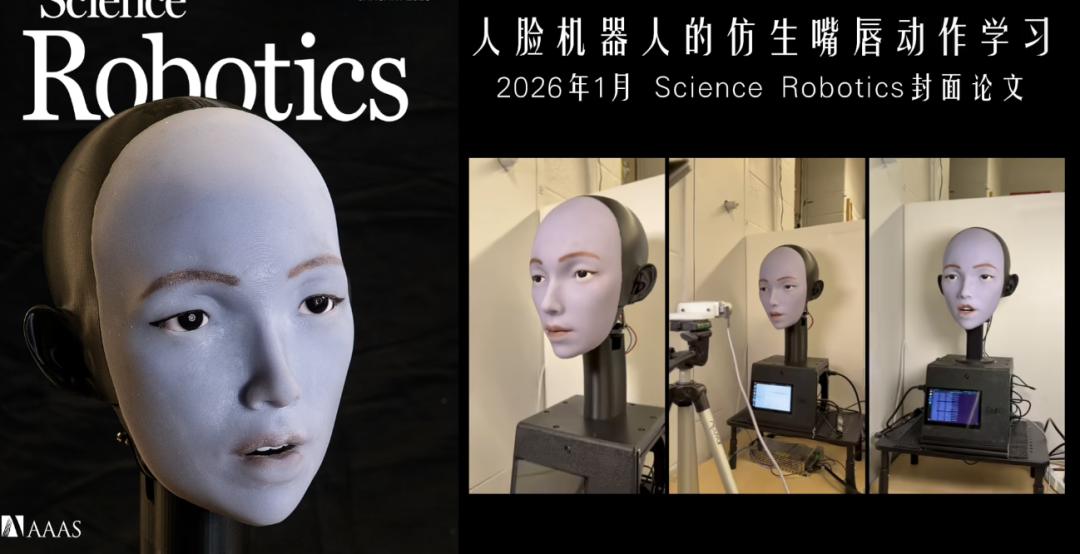
Meanwhile, Shouxing Technology quickly became a star team that capital chased to invest in, and together with EX Robot, they became typical representatives of the new and old generations of robot skin teams.
The second category is teams whose main business is to develop general - purpose humanoid robots but have always regarded bionic humanoid robots as an important product line.
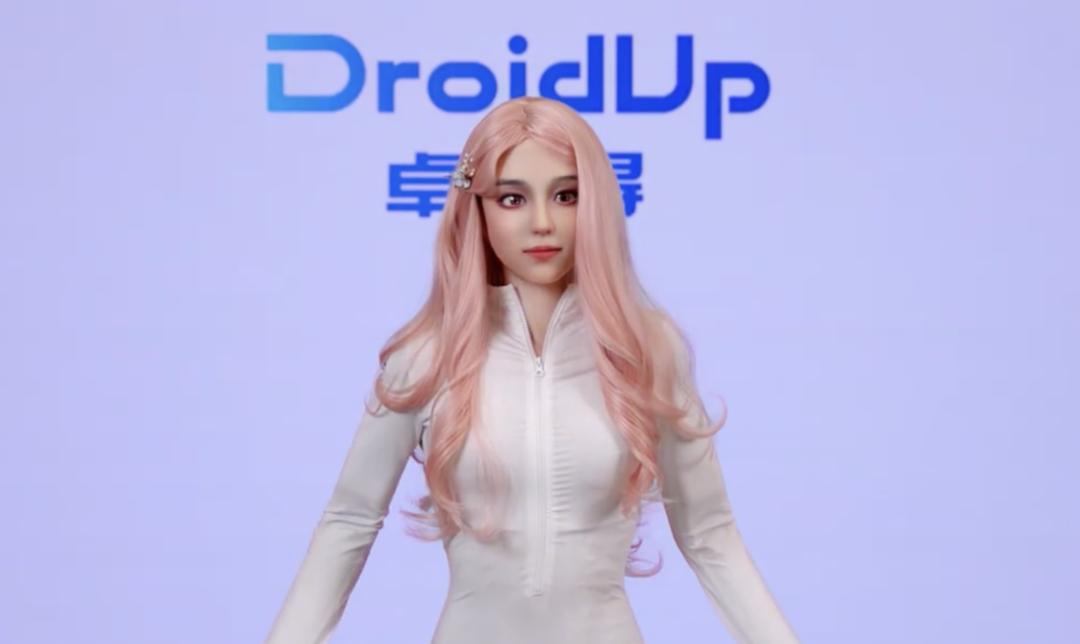
Zhuoyide was founded in 2021 by Professor Li Qingdu from the University of Shanghai for Science and Technology. Its developed Xingzhe 2 won the third place in last year's robot half - marathon event, and Xingzhe 2 thus became Zhuoyide's representative work in full - scale humanoid robots.
However, Zhuoyide also has another product line, bionic expression robots. At the beginning of this year, Zhuoyide released a bionic robot named Moya. This humanoid robot with a young girl image is expected to be priced between 1.2 million and 1.5 million yuan, and the first batch of 50 units is expected to start a limited - edition pre - sale in the fourth quarter of 2026.
Digital Huaxia also regards bionic humanoid robots as one of its core product lines.
Digital Huaxia was established in March 2024. Its developed bionic humanoid robot, Xia Lan, made its first appearance at the World Artificial Intelligence Conference in August 2024. One year later, Digital Huaxia released another bionic humanoid robot, Xia Qi.
In Digital Huaxia's official definition, Xia Qi is the elder brother, and Xia Lan is the younger sister.
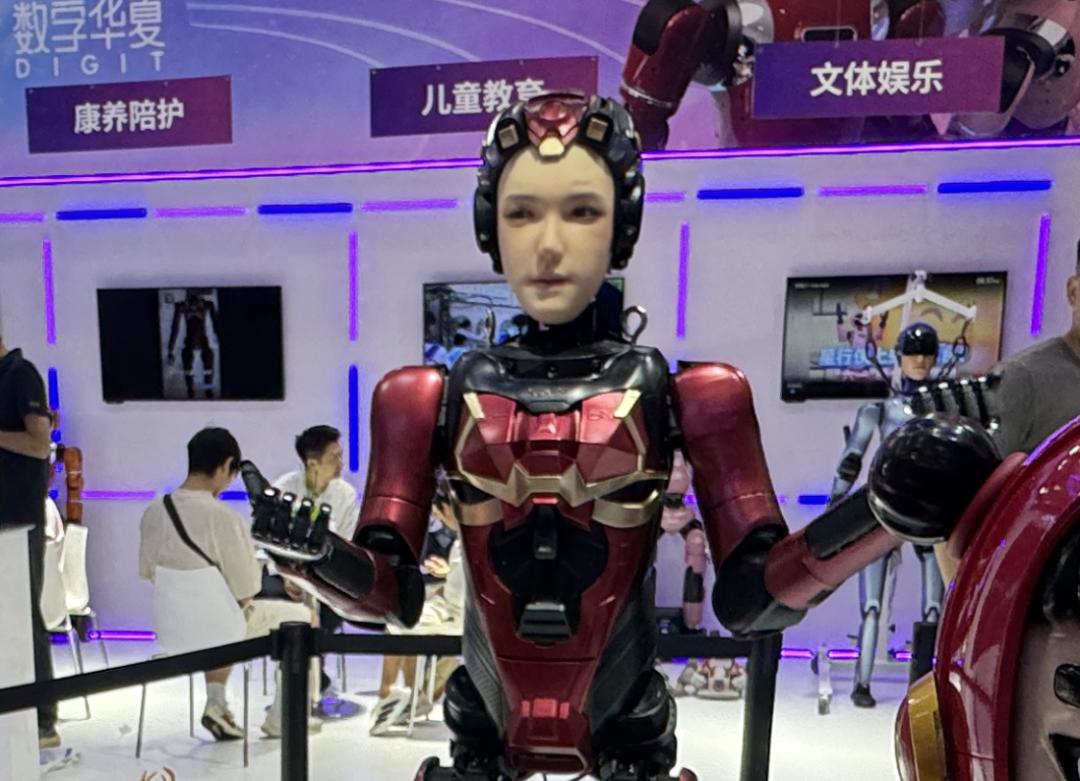
So, strictly speaking, Digital Huaxia had bionic humanoid robots first and then developed the humanoid robot Xingxingxia for the commercial market. As a robot team in the investment portfolio of Zhiyuan, Digital Huaxia has also been conducting technical research on electronic skin and bionic muscles.
The third category is teams that are building bionic humanoid robots as a new business, such as Ubtech.
Ubtech is an established company in the domestic humanoid robot field. It was founded in 2012 and went public on the Hong Kong Stock Exchange at the end of 2023. In its early years, Ubtech entered the education market with robots and later expanded to various markets such as consumer and commercial markets.
Back then, Ubtech was almost searching for business opportunities across the entire industry to support its humanoid robot team.
Ubtech's humanoid robot, Walker, first made an appearance and attracted attention at the CES in the United States in 2018 and has gone through multiple generations of iterations in the following years, resulting in the industrial - version Walker S series and the consumer - version Walker C series.
Ubtech truly publicly entered the field of bionic robots in 2026 and released the consumer - grade humanoid robot brand, You World. Before its global first - generation ultra - bionic humanoid robot, the U1 series, was launched, it started pre - sales on JD.com. As of June 21, the number of first - launch pre - orders exceeded 5,000 units.

It should be noted that according to the data officially announced by Ubtech, at the end of 2025, only 1,000 units of the industrial - oriented Walker S2 were produced.
Therefore, it's not hard to find that when the robot market quietly shifted the spotlight to the bionic track in 2026, humanoid robots launched a supplementary battle in the mass - production war.
03 The Attention Economy of Bionic Robots
The sudden popularity of bionic robots is not only driven by technology and mass - production needs but also essentially due to the over - crowdedness of the track.
Three years ago, a robot that could walk, wave its hands, and dance was enough to be the focus of a press conference. Today, such robots are no longer attractive.
Among the products of star humanoid robot teams such as Zhiyuan, Unitree, Ubtech, Zhongqing, Leju, and Fourier, running, dancing, carrying, and sorting have become standard features. A backflip or a hip - hop dance can hardly excite the market anymore.
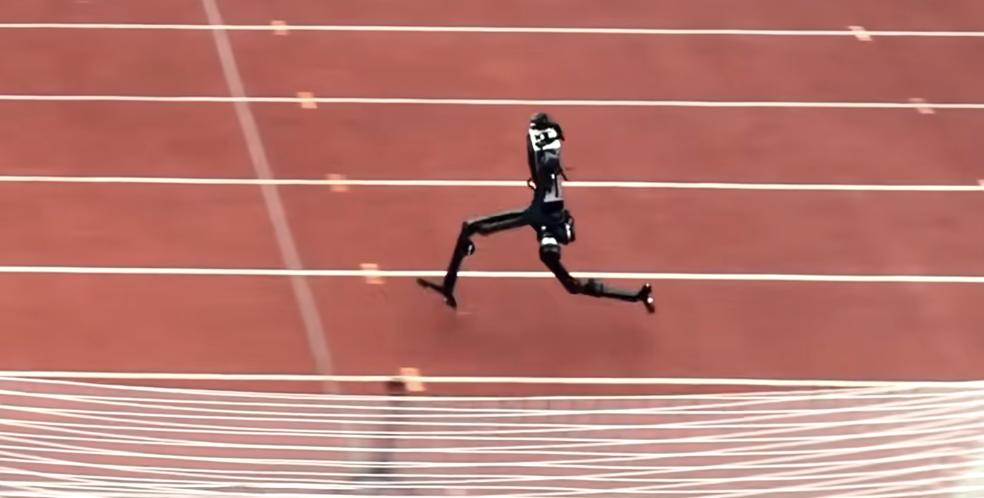
Meanwhile, the once - scarce humanoid robot market is now over - crowded.
According to the data released by the Ministry of Industry and Information Technology in January this year, in 2025, there were more than 140 domestic humanoid robot whole - machine enterprises, and more than 330 humanoid robot products were released.
For a market that is still in the technological growth stage and difficult to form a commercial closed - loop, to compete in front of capital, new memory points are needed.
At this time, nothing can attract public attention more than