Why do the stadiums of the FIFA World Cup in the US, Canada and Mexico look so new?
Recently, I've noticed an interesting phenomenon: when many football fans watched the live broadcast of the 2026 FIFA World Cup jointly hosted by the United States, Canada, and Mexico, their first impression was "the stadiums in this World Cup look quite new and modern."
Behind this actually lies an unknown business story - these stadiums were not built for the World Cup. They have been "nurtured" by their respective league systems for decades.
01
Stadiums "Raised" by the NFL
Among the 16 stadiums for the 2026 World Cup, 11 come from the NFL system - Atlanta, Boston, Dallas, Houston, Kansas City, Los Angeles, Miami, New York/New Jersey, Philadelphia, the San Francisco Bay Area, and Seattle.
What does this mean?
These 11 stadiums have been "nurtured" by NFL teams for decades before the World Cup. Each NFL team plays 10 home games a year, with 60,000 - 70,000 spectators per game. The stadium is the most important "asset" of an NFL team - ticket sales, hospitality, retail, and broadcast revenue all depend on it. So, it's normal for NFL teams to invest tens of millions of dollars in stadium maintenance each year. This is not a "special investment" prepared for the World Cup.
Among these 11 stadiums, the two most "iconic" ones are:
The first one is MetLife Stadium in New York/New Jersey. It is the home stadium of the NFL's New York Jets and New York Giants. Built in 2010, it has a capacity of about 82,500 and will host the final of this World Cup. Interestingly, MetLife Stadium doesn't have the "atmosphere of a traditional football stadium" - its design is closer to that of an NFL stadium, lacking the sense of oppression of European stadiums where the stands are close to the pitch. That's why many fans complain that "watching the final at MetLife feels like watching an NFL playoff game."
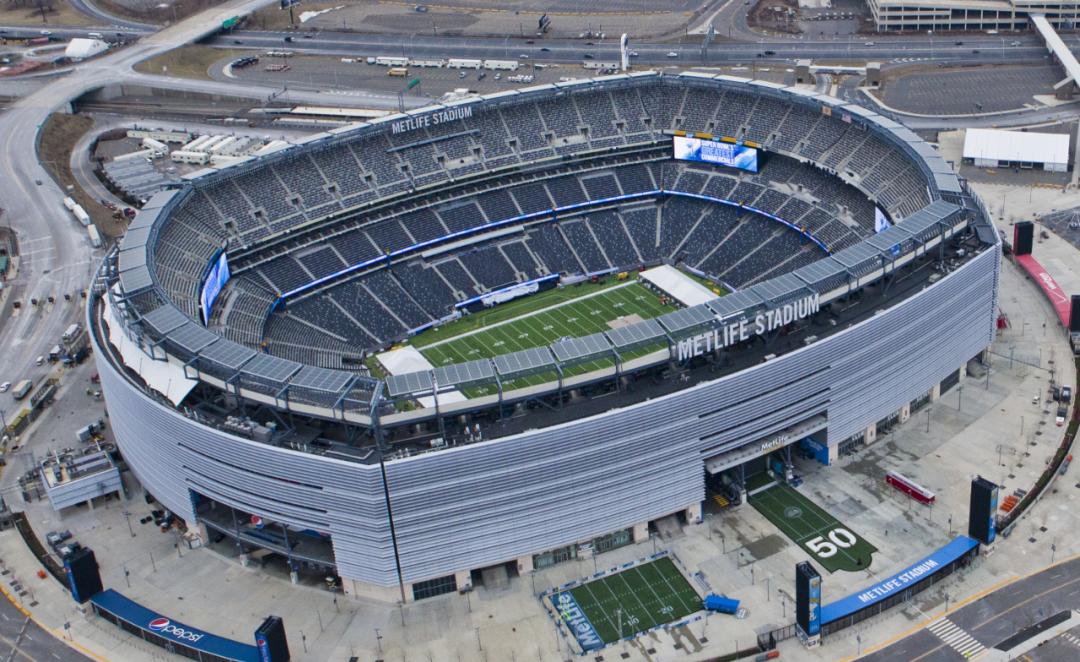
Image source: Internet
The second one is AT&T Stadium in Dallas. It is the home stadium of the NFL's Dallas Cowboys. Built in 2009 with an investment of $1.15 billion, it has a span of 1,290 feet (about 393 meters). It will host 9 games (the most among all stadiums) in this World Cup, including the semi - finals. It has the world's largest LED screen (160 feet × 72 feet), and its air - conditioning system can lower the temperature inside the stadium from 35°C to 21°C in 30 minutes. It is the World Cup stadium with the strongest "sense of technology."
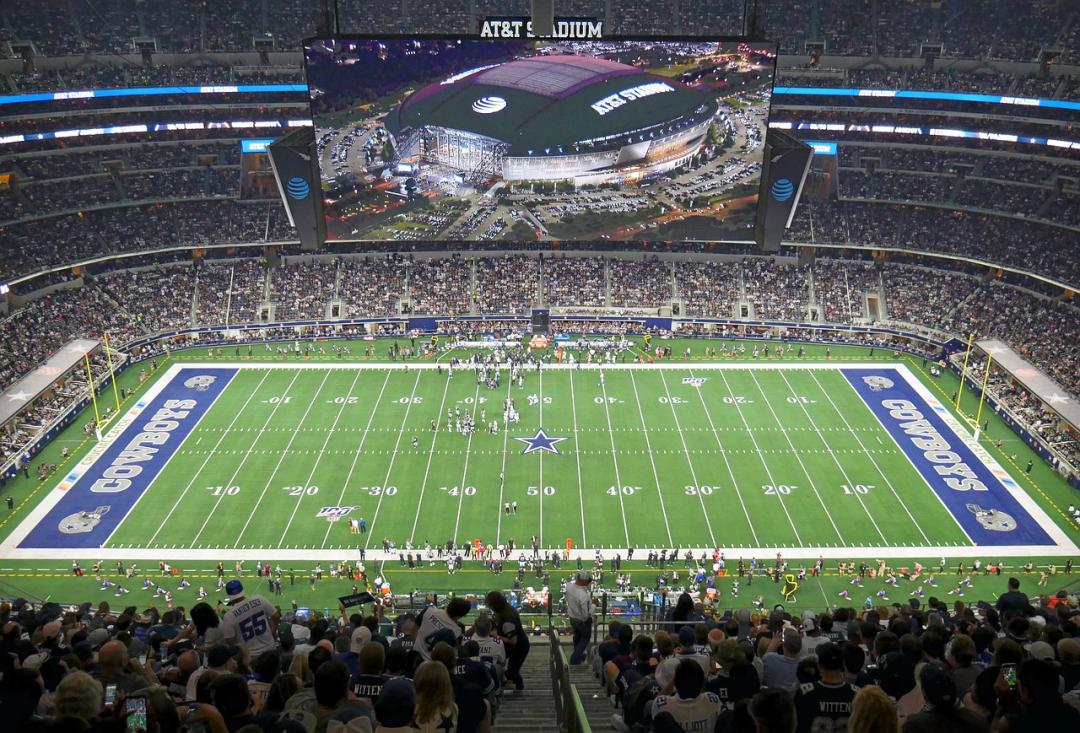
Image source: Internet
There is also one that must be mentioned separately - Estadio Azteca in Mexico City. It doesn't belong to the NFL but to the Mexican league system. Estadio Azteca has played four iconic roles in the history of the World Cup:
The 1970 World Cup final: Brazil defeated Italy 4 - 1, and Pelé lifted the World Cup for the third time;
The 1986 World Cup final: Argentina defeated West Germany 3 - 2, and Maradona became a legend;
The 1/4 final in 1986: Argentina vs. England. Maradona's "Hand of God" and the "Goal of the Century" were born on this pitch;
The opening game of the 2026 World Cup: Mexico vs. South Africa, which will be held here on June 11.
When fans enter this stadium in 2026, they are not just entering "a venue," but "a temple of football culture."
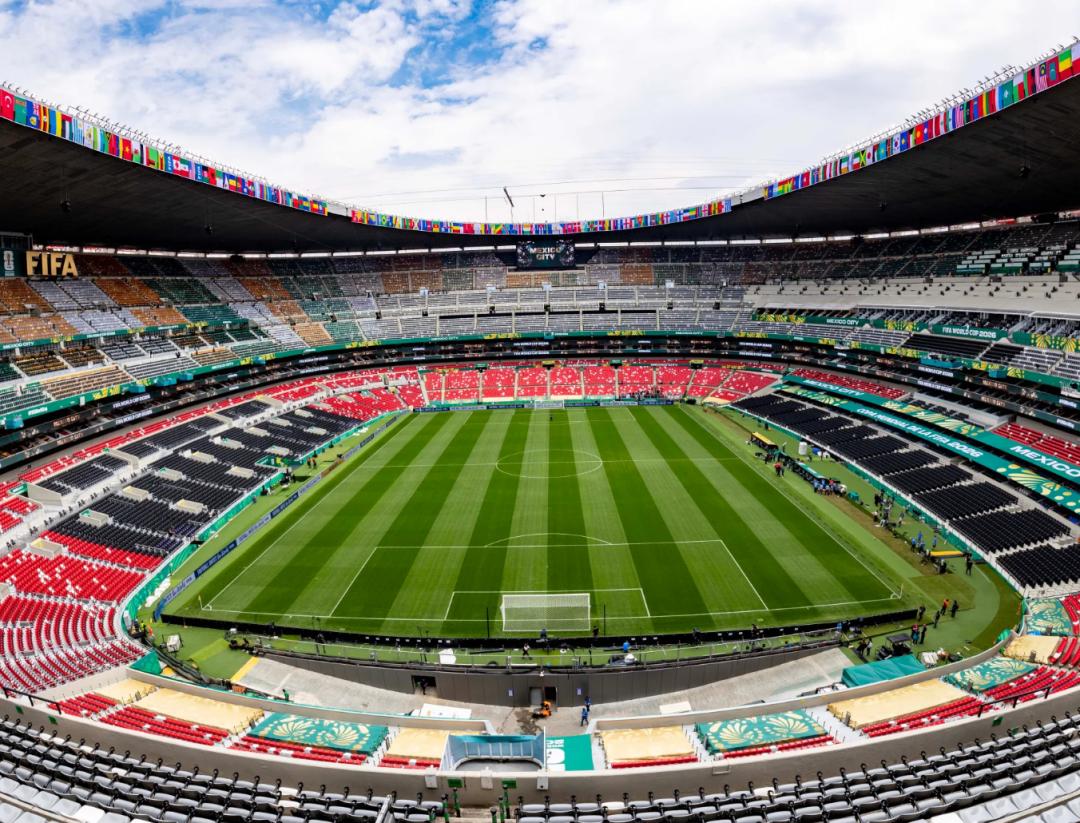
Image source: Internet
Behind these three stadiums actually lies the "secret" of the sports industries in the United States and Mexico - stadiums are commercial assets, not government assets. Clear property rights mean clear maintenance responsibilities. High - frequency use forces high - standard maintenance, and there won't be situations like "insufficient government stadium budgets and poor maintenance."
This is the first business insight worth noting in the 2026 FIFA World Cup jointly hosted by the United States, Canada, and Mexico: The World Cup is not "maintained by FIFA with a large amount of money." It has been "nurtured by NFL teams and the Mexican league for decades." FIFA just "rents" it for one month.
02
Why Can the NFL Nurture So Many Large Stadiums?
The Underlying Logic of the American Sports Business Atmosphere
To understand the NFL system, one must first understand the foundation of American sports.
The most popular professional sports leagues in the United States, in order, are roughly: the NFL (American football), the NBA (basketball), the MLB (baseball), the NHL (ice hockey), plus college sports (especially college football) and the MLS (soccer). The NFL is the absolute "national sport" in the United States - according to Nielsen data, in 2023, American fans spent more than 887 billion minutes watching games of the five major sports leagues, and the NFL alone accounted for 55%. The annual Super Bowl is called the "Spring Festival Gala of the United States" and has been the single - event with the highest ratings in the United States for many years. The price of a 30 - second advertisement starts at $7 million.
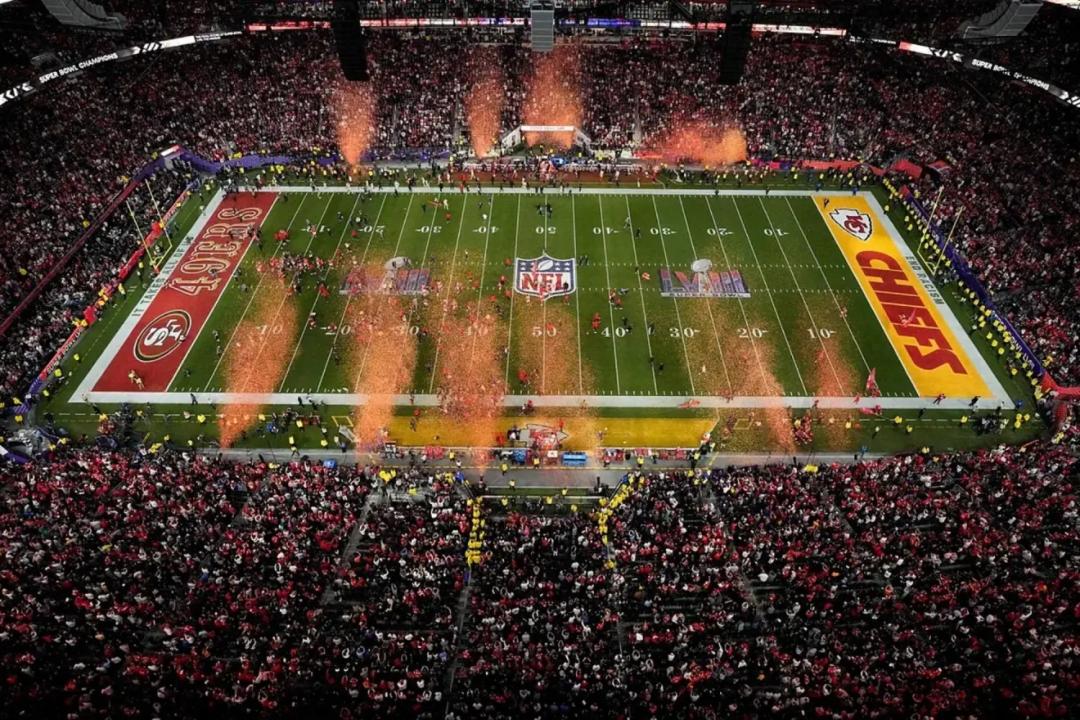
Image source: Internet
Then why can the NFL "nurture" so many stadiums? There are three underlying reasons.
The first reason: Commercialization gene - stadiums are "commercial assets" rather than "government assets." The ownership structure of American sports stadiums is very clear. They are either privately owned (built by NFL team owners with their own money) or leased by teams for a long - term. It is rare for the government to invest and operate them alone. Clear property rights lead to three results - clear maintenance responsibilities (someone will definitely repair the stadium if it's damaged), clear commercial incentives (for every $1 invested in maintenance, one can expect a return of $1.5 - $2), and clear motivation for upgrading (teams will actively upgrade facilities for commercial returns). In contrast, many European stadiums are jointly owned by city governments or clubs, with scattered maintenance responsibilities, and the phenomenon of "stadium aging" often occurs - this is the fundamental reason why the American stadiums in this World Cup "look good."
The second reason: High - frequency use - stadiums are almost "in use all year round." Take NFL stadiums as an example: They host 8 - 10 NFL home games, 6 - 7 college football games, 5 - 10 large - scale concerts, and several other sports events each year, with a total of more than 30 games per year. The lawn is "maintained" every week (the lawn keeper is a full - time position), and there is a "maintenance budget" invested in the stadium every day. The facilities and equipment are continuously upgraded and are always in a "used" state, never idle. In contrast, European stadiums only have about 25 home games per year, with a much lower usage frequency than American stadiums.
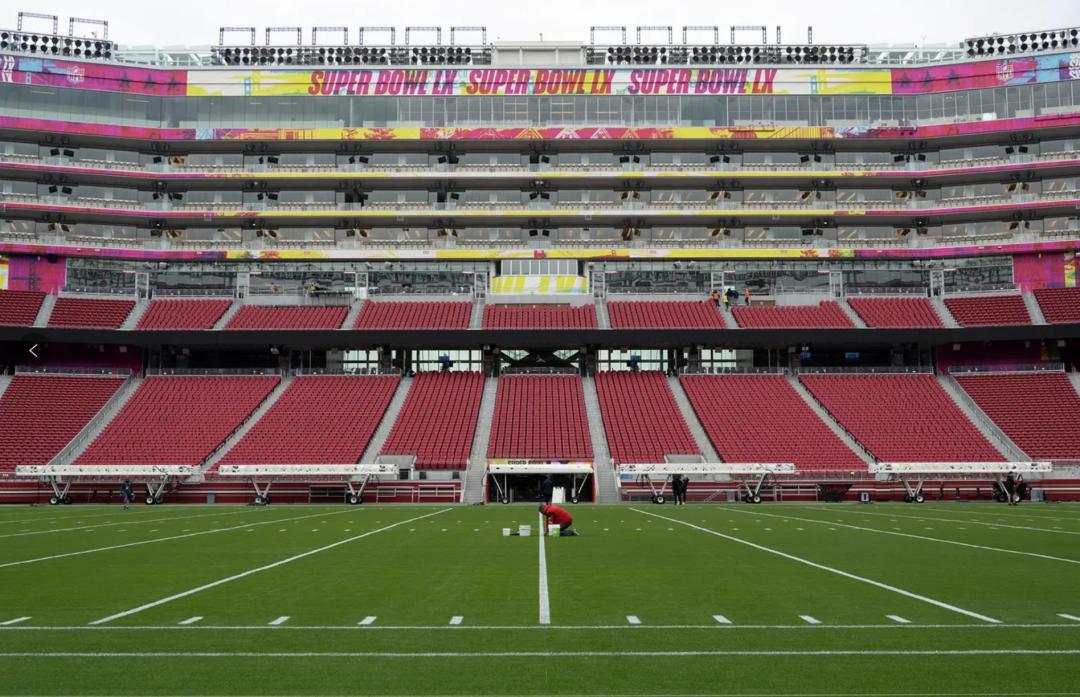
Image source: Internet
The third reason: Super Bowl culture - the annual "commercial spectacle." The Super Bowl is essentially not "a game," but "the largest annual commercial spectacle in the United States" - more than 100 million Americans watch it, a 30 - second advertisement costs $7 million, and it drives consumption of $15 - 20 billion in a single day. This "Super Bowl culture" makes NFL team stadiums "commercial operation centers" rather than simply "game venues." The stadium is not just "a place to play games," but also a "large - scale event operation center." For enterprises, a single source of income is not enough to support an asset. They must create "super symbols" (annual events, festivals, rituals) to activate the high - frequency use of the asset.
The "commercial atmosphere" of American sports is essentially the result of the combination of "clear property rights + high - frequency use + commercial incentives." This is not only the law of the sports industry but also the gene of the entire American consumer culture - everything can be "operated" into an "entertainment experience." In this World Cup, the United States brought the experience of the "Super Bowl halftime show" to the World Cup - large screens, DJs, performances, fireworks, and laser shows are all learned from the NFL.
03
Why Is the "Atmosphere" of This World Cup So Exciting?
The on - site atmosphere of this World Cup is considered by many fans to be the "most exciting" in the past 10 years. There are three reasons behind it.
First, Mexico contributed an "atmosphere of faith."
On the day of the opening game (Mexico vs. South Africa) at Estadio Azteca in Mexico City, the whole city was in a frenzy. Fans wore traditional costumes, big straw hats, and waved national flags. The cheering sounds of "⚽⚽⚽" were all over social media. For many Mexican fans, this is a "pilgrimage to the holy land" - football is the national faith in Mexico, and several generations of a family support the same team.
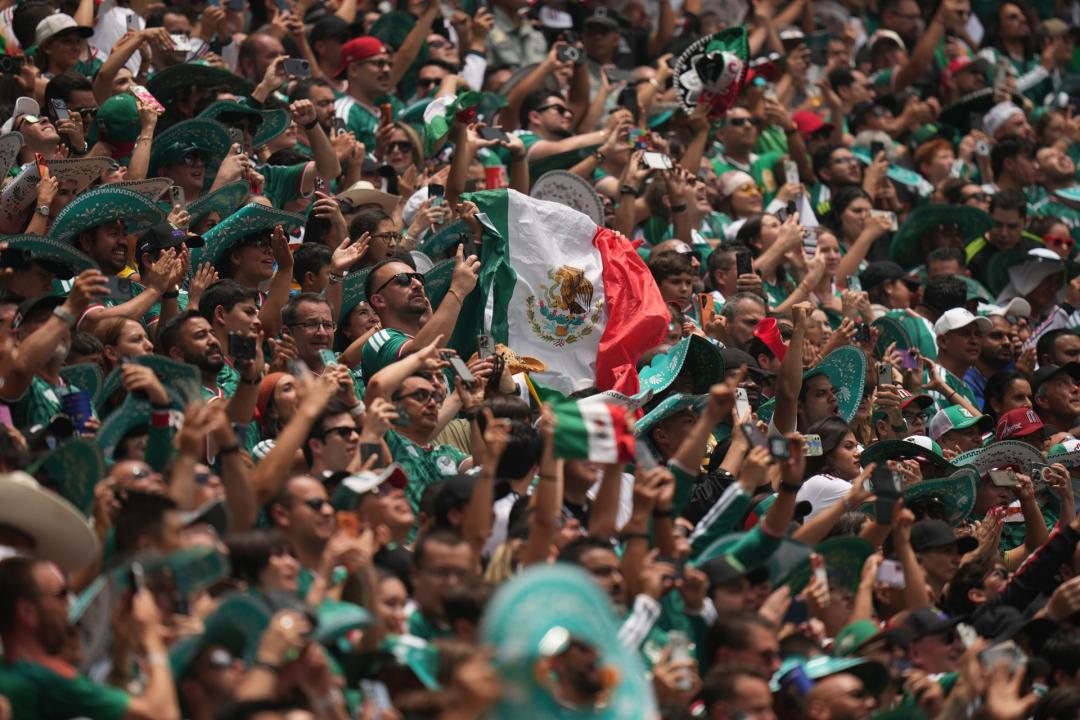
Image source: Internet
Second, the United States contributed a "commercial atmosphere."
The United States brought the "halftime show" experience of the NFL to the World Cup - large screens, DJs, performances, fireworks, and laser shows. American fans regard "watching sports events" as an "entertainment experience," not just "watching a game." This "full - process entertainment operation" originally belonged to the NFL, and FIFA directly "copied" it to the World Cup.
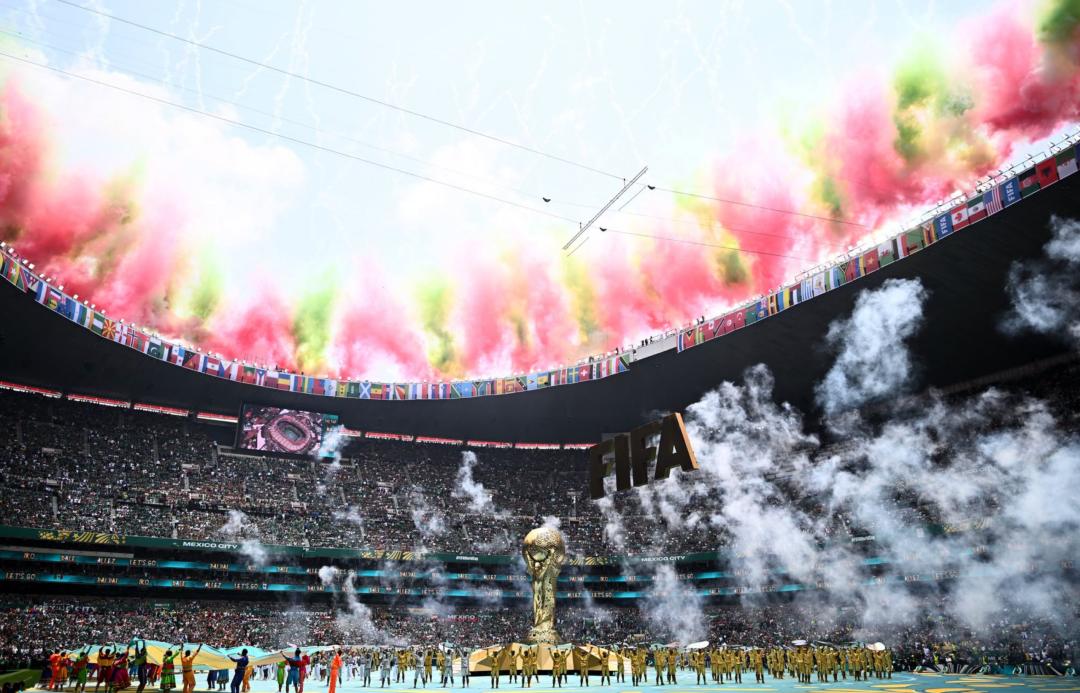
Image source: Internet
Third, FIFA's "atmosphere operation" was very effective.
Each host city has an official Fan Fest, where fans can enjoy the "official atmosphere" without being inside the stadium. FIFA also encourages fans to post "selfies while watching the game" on social media, and there is a "Best Atmosphere Moment" selection for each game. By digitally spreading the "on - site atmosphere," it allows global audiences to participate.
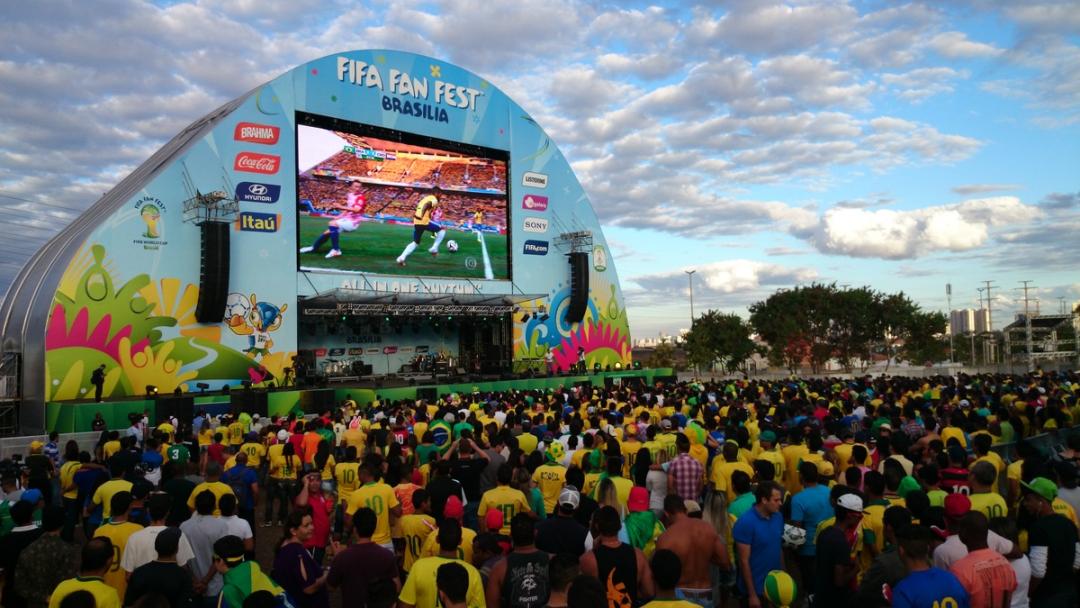
Image source: Internet
The combination of these two factors makes the on - site atmosphere of this World Cup reach the highest level in the past 10 years. But what's more worth thinking about is: The American atmosphere is a "commercial atmosphere" - it can be replicated, standardized, and promoted; the Mexican atmosphere is a "cultural atmosphere" - it cannot be replicated, standardized, or transferred. There is no superiority or inferiority between the two, but enterprises must be clear about which kind of "atmosphere" they are selling?
04
Hydration Time: The Underestimated "Rule - Changing Game"
Finally, I want to talk about a detail - This World Cup has a mandatory "hydration time."
The main points of the new rule: There is a 3 - minute hydration time in each half of every game, which is carried out around the 22nd minute of each half, regardless of the weather. This is the first "unified hydration time" rule in FIFA history.
The direct reason is that North America experienced extreme high temperatures from June to July 2026. BBC reported on May 20: "14 out of the 16 stadiums used in the event may experience dangerous levels of high temperature." But this is only the superficial reason.
There are three deep - seated reasons:
First, global warming is a definite trend - extreme weather will become more and more frequent, and FIFA must respond in advance at the rule level.
Second, the political pressure from the players' union - the influence of the players' union has increased significantly, and the players collectively pressured FIFA to improve the game conditions.
Third, FIFA's consideration of "product quality" - the quality of the game = FIFA's product strength. The hydration time is essentially FIFA's way of protecting its "product quality."
