This Huawei service has seen a price hike of 4,000 yuan. Would you be willing to pay for it?
Huawei's assisted driving system is about to increase in price!
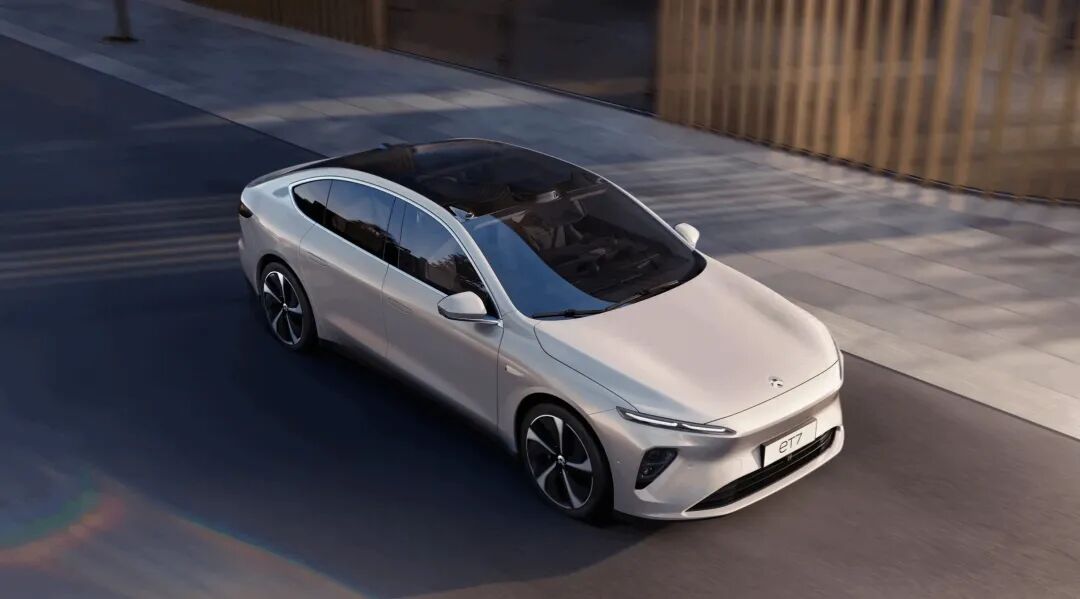
On June 22nd, Huawei's Qiankun Intelligent Driving ADS Max advanced function package underwent a price adjustment. The previously launched limited - time offer price of 32,000 yuan will expire at the end of the month. Starting from July 1st, the standard price will be restored, which means a one - time purchase will cost 36,000 yuan.
Of course, models equipped with Huawei's Qiankun Intelligent Driving ADS generally offer a 20,000 - yuan discount for the advanced function package. The extra 4,000 yuan is not spent in vain, as it comes with the "Assisted Driving Accident Protection" benefit of ADS assisted driving and the right to freely switch between dual maps (Amap/Baidu Map).
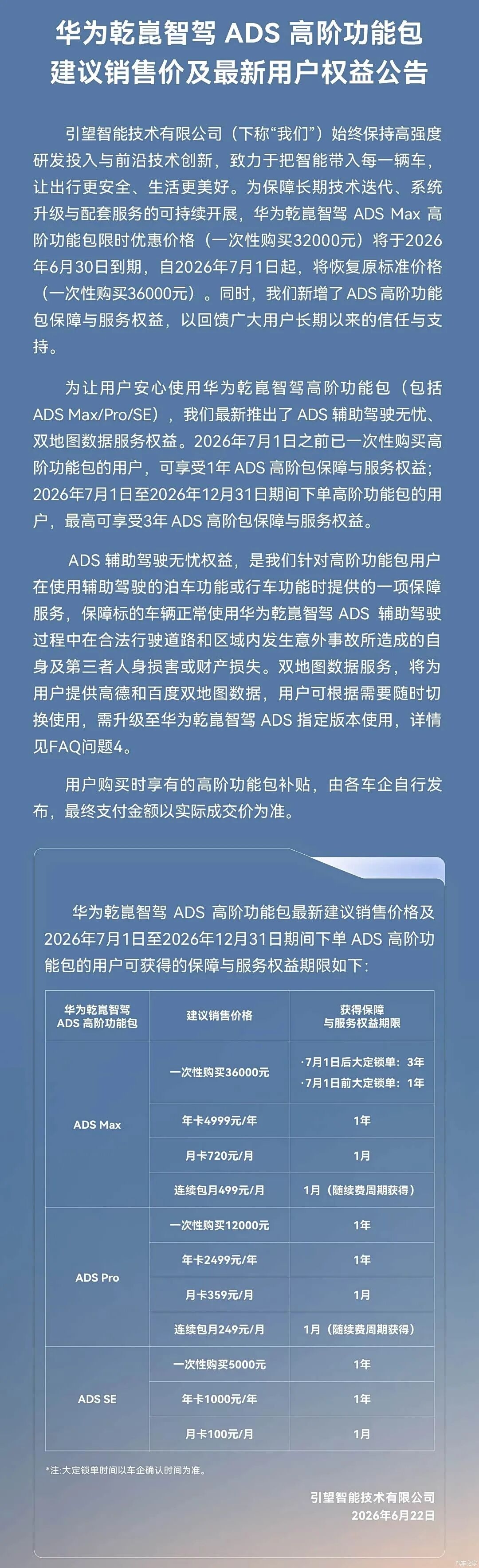
Four days before Huawei announced the price increase of ADS, NIO officially launched the largest - scale simultaneous upgrade of intelligent assisted driving in the industry, covering four platforms and more than 700,000 vehicles. Even the ET7 delivered in March 2022 was upgraded. NIO is also the first automaker in the industry to achieve co - development and simultaneous release of intelligent driving on general - purpose chips and self - developed chip platforms.
Actually, both of these events are related to one thing, which is "money"!
When it comes to assisted driving and money, you may have two questions in mind: Why do some companies offer high - level assisted driving functions like urban NOA for free while others charge for them? As a consumer, should I buy a car with a paid assisted driving system?
Today, let's clarify these questions!
#01
Free, Less Resistance
In the eyes of some users, spending money on assisted driving is simply a "foolish act".
Even though they understand the principle of "the wool comes from the sheep", most car consumers still prefer the free - assisted - driving model. After all, the urban NOA function of the paid version of some models is not much better than the free version of their competitors.
This is also one of the core reasons why most automakers choose to offer high - level assisted driving functions such as highway NOA and urban NOA to users for free.
In today's Chinese new - energy vehicle market, the competition has shifted from the first half of electrification to the second half of intelligence. The experience of intelligent functions has become a core factor influencing users' car - buying decisions.
Free software functions can reduce users' concerns about spending unnecessary money, which is conducive to stimulating more consumers to buy cars and use assisted driving functions. For companies, more users' usage not only helps accumulate more relevant data but also strengthens the brand label of intelligence.
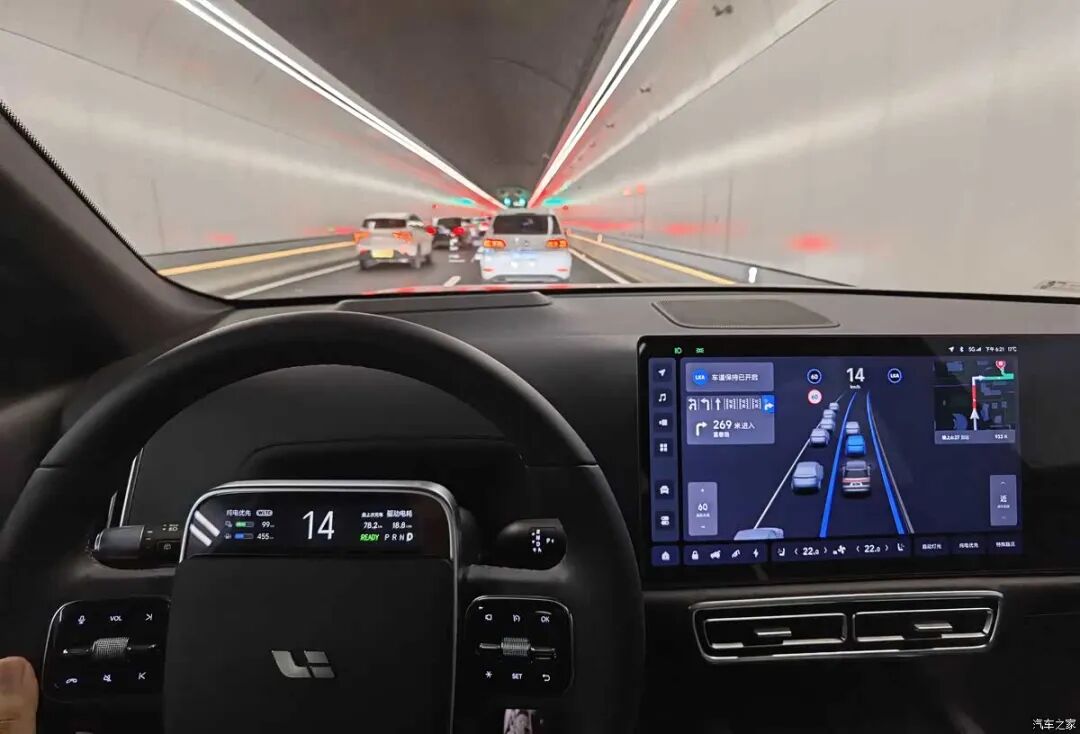
Li Xiang, the founder, chairman, and CEO of Li Auto, once said that assisted driving "should be made available for free so that users can experience the technological charm brought by artificial intelligence."
Of course, some companies choose to offer it for free because the level of their assisted driving functions lags behind that of leading companies. Offering it for free can be a bargaining chip to attract users in relevant fields.
Regardless of the reason, free use of assisted driving has become the mainstream in the current Chinese automobile market.
#02
Paid, More Sustainable
"Free use will bring disaster to the Chinese intelligent driving industry."
Wu Yongqiao, the president of Bosch's Intelligent Driving and Control in China, made such an appeal because the "money - burning" ability of assisted driving is becoming more and more exaggerated.
Nowadays, companies that attach importance to assisted driving often have software R & D teams of thousands or even tens of thousands of people, and the annual R & D expenses can reach billions or even tens of billions of yuan. The annual revenue of many companies is only a few billion yuan.
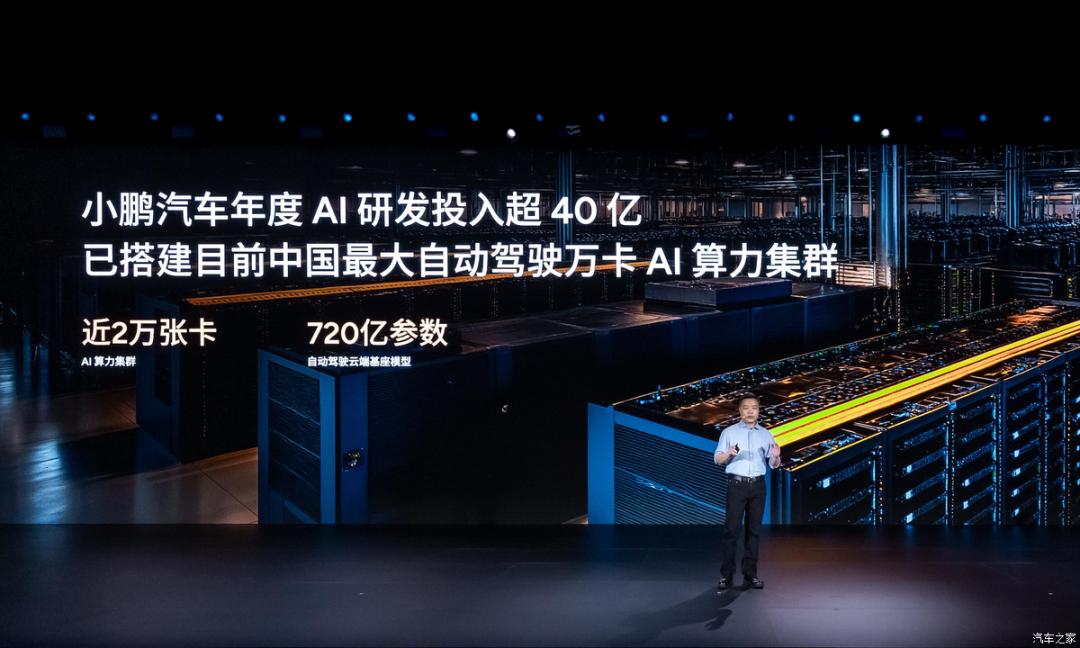
The development of assisted driving also has a continuously increasing demand for data and computing power. XPeng has previously spent billions of RMB on computing power cards. In 2026, Tesla announced that it plans to spend another 10 billion US dollars (about 67.8 billion RMB) on cards.
Development is not easy, and function implementation is also difficult. Different models have different configurations, and the number, position, and capabilities of sensors are also different. Any version of assisted driving requires a large amount of adaptation work for implementation. Nowadays, many automakers launch N new models every year, resulting in a large number of new cars waiting to be launched and a large number of old cars waiting to be upgraded every year.
In the foreseeable future, the development cost of assisted driving will continue to increase. Without continuous positive cash flow, software iteration for discontinued models may be difficult to continue.
This is also one of the reasons why some companies with leading assisted driving capabilities insist on the paid model. For example, Tesla, Huawei, XPeng, NIO, etc. all charge for assisted driving, but their charging strategies vary.
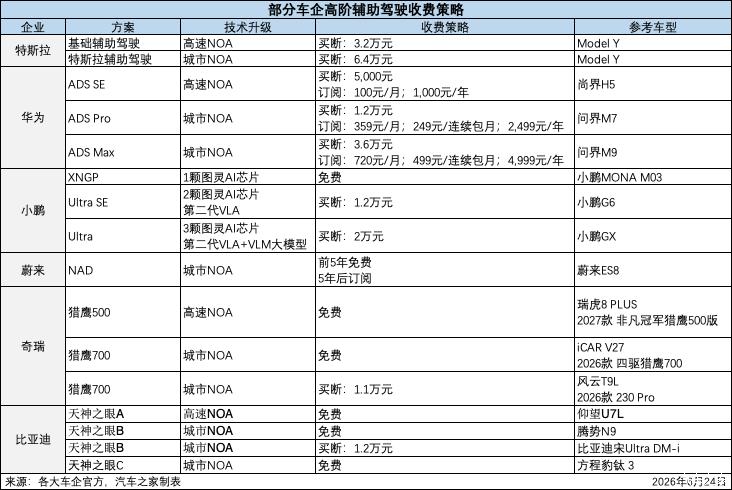
Recently, Ren Shaoqing, the senior vice - president of NIO and the person in charge of intelligent driving R & D, said that NIO will adhere to the paid - subscription model for assisted driving in the long term, aiming to provide users with function availability over a longer life cycle.
In addition to software fees, NIO also adopts the method of pre - installing hardware, equipping products with hardware redundancy far exceeding current needs, so that users have the opportunity to experience the latest software functions three to five years after purchasing the car.
#03
How to Choose When Buying a Car?
As a consumer, should I buy a car with a paid assisted driving system?
I think you should have two criteria in mind before making a choice:
First, high - level assisted driving functions like urban NOA are not basic functions but luxury functions. So what are basic functions? They are functions such as the accelerator, brake, steering, airbag, AEB, air - conditioner, and radio.
Second, no matter how advanced the assisted driving is, it is only at the L2 level. Safety should still be in your own hands. Assisted driving is not absolutely safe. Automakers can at most cover your property losses, but they cannot guarantee your life safety.
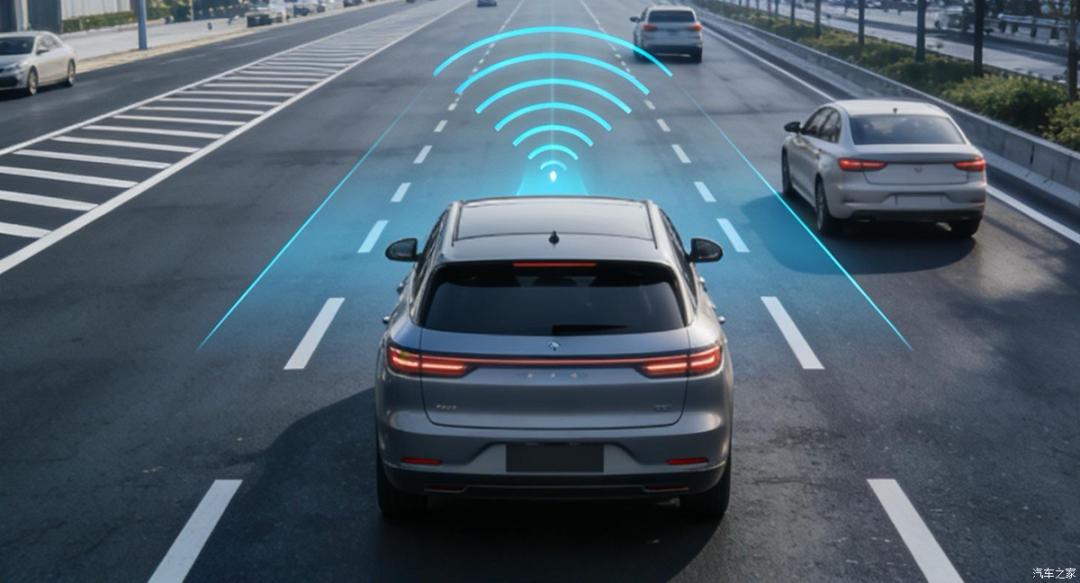
For most people, high - level assisted driving functions like urban NOA are just icing on the cake, not a timely help.
If the model you fancy happens to offer free assisted driving, congratulations. At least you can keep up with the times in terms of intelligent experience in the first year of car ownership. After that, it depends on the company's integrity and hardware pre - installation.
If the model you fancy happens to have a paid assisted driving system, also congratulations. It at least means that the company is confident in its product experience and is willing to continuously upgrade relevant functions.
If you really like the urban NOA function, make a full - fledged function experience before buying the car to see if it meets your needs.
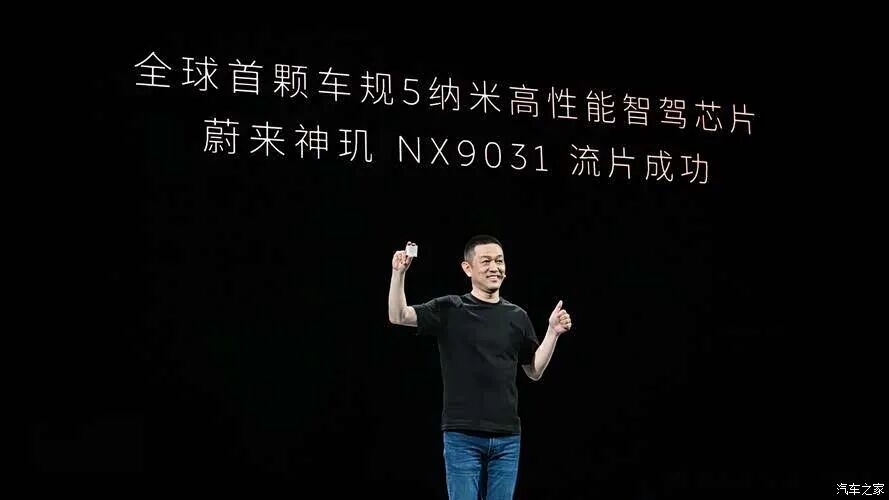
In addition, it's best to learn about the brand's hardware pre - installation and software update frequency before buying a car. If you buy a car with a total computing power of less than 500 TOPS, it's hard to expect it to maintain a leading position in the industry in 2030. NIO can update the software for cars from 2022 because of the previous hardware pre - installation.
Have you noticed that I didn't mention money in my answer? Because whether to spend money is not the key. The key lies in the usage experience and future expectations.
#04
Conclusion
From the perspective of the current assisted driving function experience, paid and free services cannot be directly distinguished in terms of quality.
In the long run, software charging is more conducive to the healthy development of the industry, especially the subscription model. From the consumer's perspective, the subscription model means lower sunk costs, and users can cancel the subscription at any time if they are not satisfied with the experience. From the industry's perspective, it can force companies to continuously improve their technology and optimize the experience, otherwise, users will leave at any time.
This article is from the WeChat official account "Autostinger" (ID: autostinger), written by Zhang Yuzhe and published by 36Kr with authorization.