After covering 140 countries around the world, EcoFlow's next stop
In Europe, home energy systems are becoming increasingly complex.
With the accelerated popularization of photovoltaics, energy storage, electric vehicles, heat pumps, smart home appliances, and dynamic electricity pricing mechanisms, more and more households are starting to own multiple energy devices simultaneously. More devices should theoretically mean greater energy autonomy. However, in reality, users are also facing more apps, more parameters, more strategies, and higher management thresholds.
Similar complexity is also creeping into the industrial and commercial energy consumption scenarios.
This has become a question that the next - generation energy management must answer: When there are more and more energy devices, who will understand users' needs, coordinate the devices, and simplify the complex system?
Recently, 36Kr observed from EcoFlow's European press conference in Munich, Germany, that EcoFlow is trying to provide its own answer.
At this press conference, EcoFlow launched the OASIS 3.0 intelligent energy management system, the EcoFlow EcoBot energy intelligent agent, the STREAM series balcony energy storage system, the OCEAN 2 home energy storage system, and the A Series industrial and commercial energy storage product line.
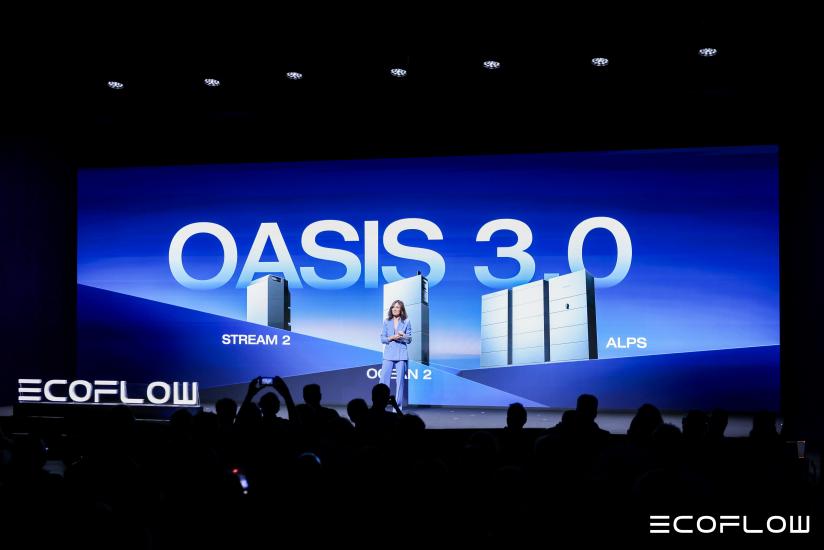
Just looking at the product list, this was a press conference with a dense lineup of new products. But what really deserves attention is that EcoFlow is trying to unify mobile energy storage, balcony energy storage, home energy storage, and industrial and commercial energy storage with an AI - driven intelligent energy system.
In other words, what EcoFlow aims to solve is not just "providing more energy storage devices," but a more fundamental problem: When the energy sector enters an era of multi - device, multi - scenario, and multi - variable coordination, how can users truly take control of energy instead of being trapped by complex systems?
This means that the industry narrative is changing. Energy storage is no longer just a series of independent hardware products but is evolving into an energy system that requires continuous management, coordination, and optimization.
01. AI is Reconstructing the Energy System, from Device Management to Understanding Users
Over the past decade, the global energy storage market has long centered on hardware parameter competition, with the core being to solve the basic charging and discharging capabilities of energy storage. However, when energy storage entered home and industrial and commercial scenarios, the focus of competition began to shift: The intertwined demands of multi - device coordination, dynamic electricity pricing, and emergency power backup have made system fragmentation and operation thresholds new burdens for users.
The industry is facing a core proposition: Should the energy system make users adapt to devices, or should it actively understand users?
What EcoFlow presented at the Munich press conference was not a single hardware upgrade but the OASIS intelligent energy management system, which has been iterated to version 3.0, and the EcoBot energy intelligent agent. Both point to its judgment of the industry trend: Energy storage competition is shifting from hardware performance to system intelligence - that is, whether the system can understand users' goals, coordinate various types of energy devices, and automatically generate the optimal energy strategy within the safety boundary.
In the view of 36Kr, this shift is the key for EcoFlow to maintain its leading position in the European energy intelligentization process. Compared with the traditional competition logic centered on device parameters, EcoFlow is pushing the industry towards system - capability competition: Connection capabilities, goal - understanding capabilities, and intelligent scheduling capabilities among complex electricity prices, photovoltaic fluctuations, and home loads are becoming the core standards for the next - generation energy ecosystem.
In other words, what EcoFlow is doing is not single - point product innovation but redefining the interaction mode of the energy system. In the past, users revolved around devices; now, the system starts to operate around users' goals. This transformation from "device intelligence" to "system intelligence" and from "passive operation" to "active service" is the core direction of the intelligent development of European home and industrial and commercial energy management.
It is worth noting that EcoFlow's energy management system did not appear suddenly. As early as 2020, the EcoFlow App began to carry basic energy management capabilities. By 2023, this energy management capability was further systematized, forming the OASIS architecture. OASIS 1.0 began to integrate photovoltaics, energy storage, charging piles, and thermal management into a home energy management system; OASIS 2.0 introduced the AI Mode, starting to predict power generation and consumption to help users make smarter scheduling decisions; in OASIS 3.0, natural language has become the unified entry point between users and the energy system.
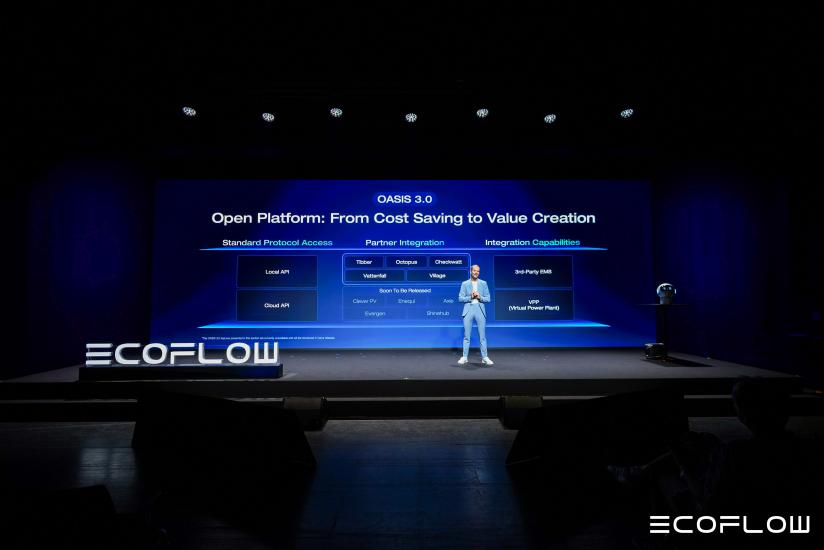
Behind this evolution path is a clear trend: The energy system is moving from "rule - driven" to "intention - driven." In the past, users had to learn the system language. They needed to set charging times, discharging strategies, priorities, and automation rules, and even understand the relationship between electricity price curves, photovoltaic output, energy storage capacity, and load changes. In other words, users had to become professional enough to make the system operate according to their intentions.
However, in OASIS 3.0, the interaction logic has been reversed. Users no longer need to say, "Please charge the energy storage battery to 80% during the low - price electricity period and discharge it according to a certain power curve during the evening peak." Instead, users are more likely to say, "Save as much money as possible this month," "Charge the car by 8 am tomorrow," "Prioritize comfort for the party at home this weekend," or "Reduce standby power consumption during the trip next week."
These expressions are not device - specific languages but everyday life languages. The value of OASIS 3.0 and EcoBot lies in converting these life languages into scheduling plans that the energy system can execute. The system needs to understand the goals, break down the tasks, call on data such as weather, electricity prices, photovoltaic output, home loads, energy storage status, and device status, then generate strategies, and execute them after user confirmation.
It is worth noting that this does not mean that the large - scale model directly controls batteries, inverters, charging piles, and home loads.
In OASIS 3.0, AI is more like an orchestration layer of the energy system. The LLM is responsible for understanding users' intentions, organizing tasks, and explaining plans; the prediction model is responsible for weather, electricity price, and load prediction; the optimization system is responsible for calculating specific scheduling strategies; the rule system is responsible for the safety boundary; and the device system is responsible for the final execution.
That is to say, AI is not the "direct controller" of the energy system but more like a "coordinator" and a "translator." It translates what users can say into plans that the system can execute. At the same time, parts that truly involve safety boundaries, grid - connection constraints, device status, and user authorization still need to go through the rule engine, optimization solver, local safety mechanism, and user confirmation.
In this sense, the core of EcoBot is not "being able to chat" but reducing the usage threshold of the energy system. What it does is translate the complex energy system into a language that users can understand. Users no longer need to learn the system; instead, the system starts to learn from users. Home energy management has thus entered a new stage: From users managing energy to energy actively serving users.
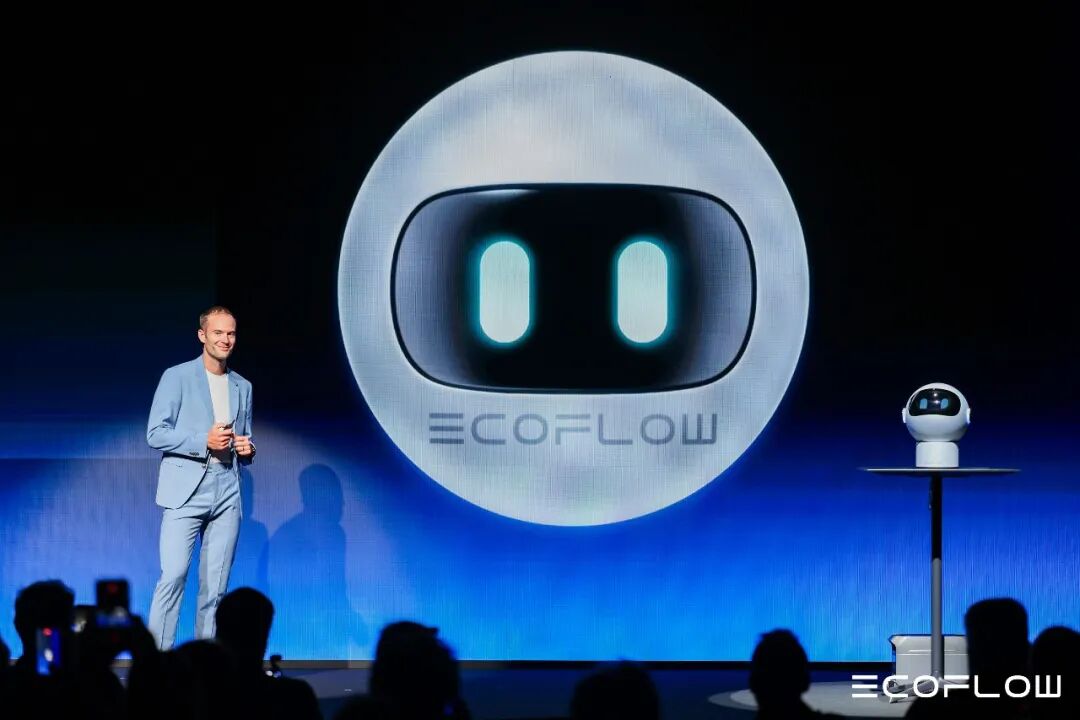
This is also the underlying change taking place in the energy storage industry. What users really care about is never what AI labels the system uses, but whether it is safe and stable, whether it can really save money, and whether it is simple enough. No matter how complex an algorithm is, if it still requires users to study parameters, adjust strategies, and switch modes every day, it has not really solved the problem.
The competition in the next - generation energy system is not just about who is smarter but about who can make intelligence more usable.
02. From Mobile Energy Storage to Industrial and Commercial Energy Storage, a Full - Scenario Energy System is Taking Shape
If OASIS 3.0 is the underlying core of EcoFlow's intelligent energy ecosystem, then STREAM, OCEAN 2, and A Series are the product fulcrums for this system to be applied to different scenarios. The three product lines correspond to balcony energy storage, home energy storage, and industrial and commercial energy storage scenarios respectively, jointly forming EcoFlow's full - scenario layout from mobile energy, home energy to commercial energy.
Although the scales of different scenarios vary, the underlying problems tend to be the same: How to reduce energy costs, how to deal with dynamic electricity prices and grid fluctuations, and how to maximize the value of energy assets on the premise of ensuring safety and stability. These problems ultimately point to the same answer: Energy management capabilities.
This is the key for EcoFlow to lead the industry. It does not sell energy storage as isolated hardware but uses the same OASIS system to adapt to the differentiated needs of different scenarios. STREAM lowers the threshold for ordinary households to enter the photovoltaic - energy storage field. OCEAN 2 integrates home photovoltaics, energy storage, loads, and electricity prices into unified scheduling. The A Series extends this capability to the industrial and commercial field. From balconies to entire homes and then to industrial and commercial settings, the scenarios change, but the logic of system scheduling remains the same.
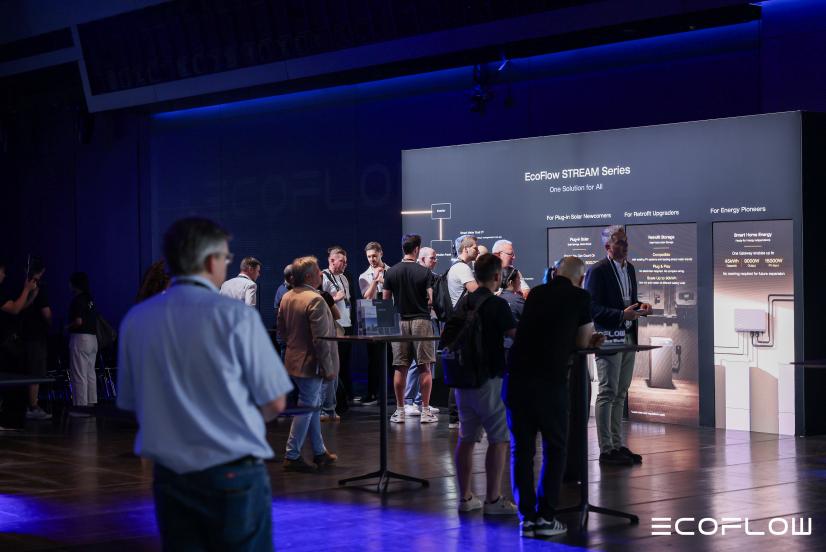
While most energy storage manufacturers are still competing on single - point hardware performance, EcoFlow has used a system to connect all products into a single network. By integrating photovoltaics, energy storage, loads, electricity prices, and weather into the same scheduling system, it has taken the lead in breaking away from the thinking of using a single battery to solve a single problem and instead manages all energy devices with a single system. It needs to make the most of photovoltaic power generation during the day, reduce power purchase during peak electricity price periods, and retain the backup power capacity for critical loads during extreme weather or grid fluctuations. What is really tested is the system's ability to coordinate the priorities among different goals.
The A Series is the most crucial strategic signal at this press conference. This is the first time that EcoFlow has launched an industrial and commercial energy storage product line for the European market. The first - launched product of the A Series, Alps·Lanfeng, is targeted at new photovoltaic - energy storage projects and industrial and commercial users. It can perform intelligent scheduling based on electricity prices, loads, and photovoltaic output and is open for connection to virtual power plants and third - party aggregation platforms.
Compared with the home scenario, industrial and commercial energy storage faces more complex energy asset management problems. Enterprise users not only care about "whether there is electricity" but also care more about energy costs, peak - valley electricity prices, self - consumption rate of photovoltaics, load fluctuations, investment return periods, and whether they can connect to virtual power plants and third - party aggregation platforms. Therefore, in the commercial scenario, there are additional challenges in load management, revenue optimization, participation in the electricity market, and asset return.
From the underlying logic, whether it is for households or enterprises, it is essentially an energy asset management problem. This is also the key to EcoFlow's full - scenario layout - from portable energy storage to balcony energy storage, from home energy storage to industrial and commercial energy storage, EcoFlow is forming a complete chain: mobile energy, home energy, and commercial energy. And the unified foundation for all of this is OASIS 3.0.
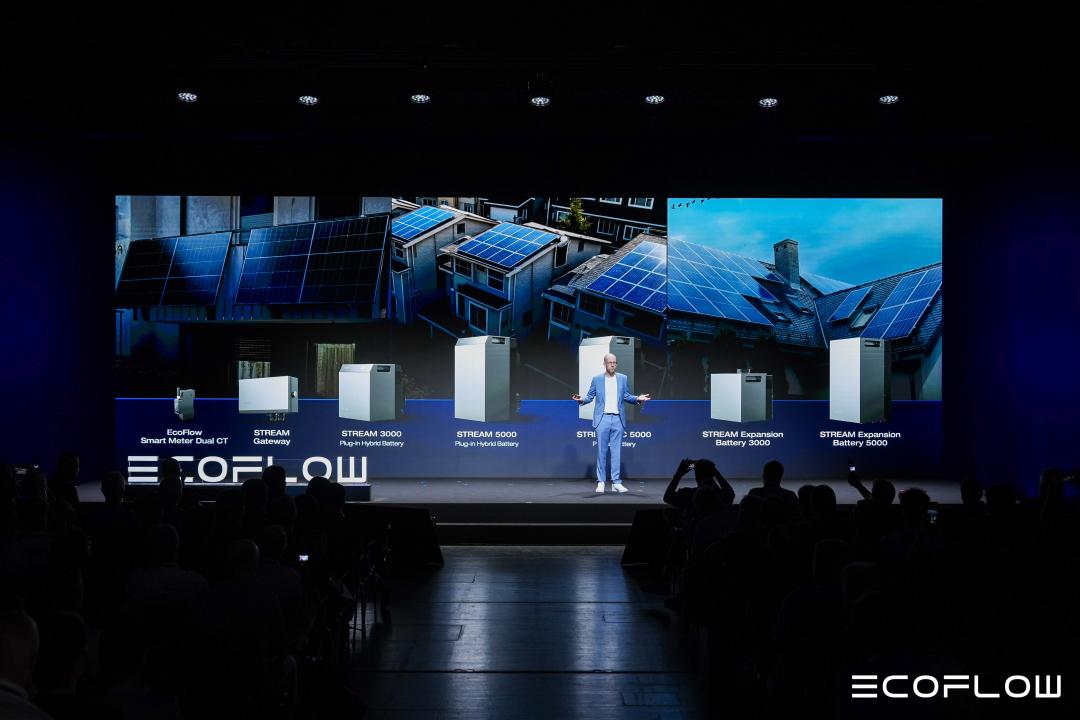
These four scenarios are not simply juxtaposed but gradually increase the system complexity and also raise the requirements for enterprise capabilities step by step.
If portable energy storage tests the product definition, supply chain, and global channel capabilities, then home energy storage and industrial and commercial energy storage test the system integration, energy scheduling, installation service, compliance certification, ecological connection, and long - term operation and maintenance capabilities.
EcoFlow's entry into the industrial and commercial energy storage field means that it is no longer satisfied with being just an energy device provider but is trying to integrate the capabilities accumulated in hardware, software, user scenarios, and the global market into an intelligent energy platform.
03. This is Not a Sudden Transformation but a Phased Fulfillment of a Long - Term Vision
From the outside, EcoFlow's press conference seems like a business expansion. From outdoor power supplies to balcony energy storage, home energy storage, and then to industrial and commercial energy storage, the product lines are increasing, and the scenarios are expanding. However, from the company's own development logic, this is more like a gradual implementation of a long - term strategy rather than a sudden transformation.
EcoFlow put forward the vision of "Power a New World" in its early days. Behind this vision is not just the production of more energy storage devices but the hope of making energy simpler, smarter, and more autonomous, enabling users to truly gain control over energy.
The early choice of portable energy storage was because it had several clear advantages: low user understanding cost, strong global market adaptability, and a clear commercialization path. Users did not need to first understand the complex energy system; as long as they knew that "this battery can provide electricity in places without a power grid," the product value was clear enough.
This step solved the problem of energy availability. As the global energy system changes, especially with the popularization of distributed photovoltaics, electric vehicles, dynamic electricity prices, and user - side energy storage, new problems have emerged. Users no longer just need "available electricity" but hope that energy can be managed more intelligently.
Therefore, EcoFlow's move from mobile energy storage to home energy storage and then to industrial and commercial energy storage is essentially not a change of track but a continuous implementation of the same vision at different energy stages.
In the mobile energy storage stage, energy autonomy means having electricity available even when away from the power grid; in the home energy storage stage, energy autonomy means that households can better utilize photovoltaics, energy storage, and electricity price mechanisms to reduce energy costs and enhance backup power capabilities; in the industrial and commercial energy storage stage, energy autonomy means that enterprises can regard energy as an asset that can be optimized and participate in more complex energy scheduling and value distribution.
This is also why EcoFlow needs to have hardware capabilities, software capabilities, AI scheduling capabilities, and global service capabilities simultaneously.
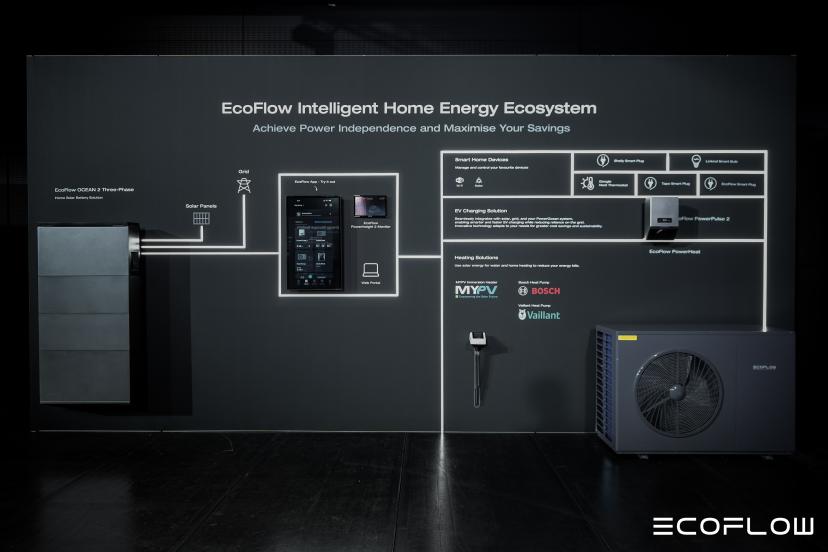
Currently, EcoFlow's business covers more than 140 countries and regions around the world. This means that it is not facing a single market, a single electricity price mechanism, or a single user habit but different countries, different energy structures, different climate conditions, different family compositions, and different commercial scenarios.
This accumulation of global user scenarios forms an important foundation for EcoFlow to build an intelligent energy system. Energy intelligentization is not simply the addition of AI capabilities but an overall ability based on long