Beyond Recording: Iflytek Enables AI to Keep Working After Meetings End
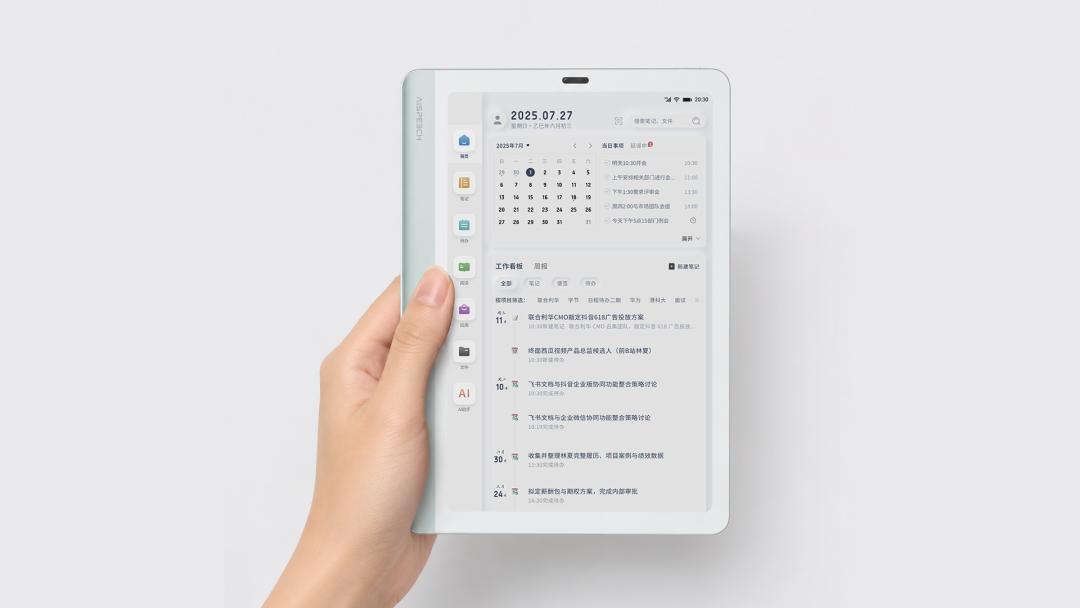
SmartMore integrates OfficeClaw with Tencent Cloud's enterprise-level Agent capabilities, bringing real-time insights, proactive intelligence, permission distribution, and process tracking into the office scenario, transforming meeting information from archived content into actionable work assets.
There has been an awkward change in office meetings in recent years: tools are getting better at recording, but people aren't feeling much more relaxed. Recording, transcription, and meeting minutes are no longer new. The trouble often starts after the meeting ends: someone has to keep reminding others after the minutes are sent out.
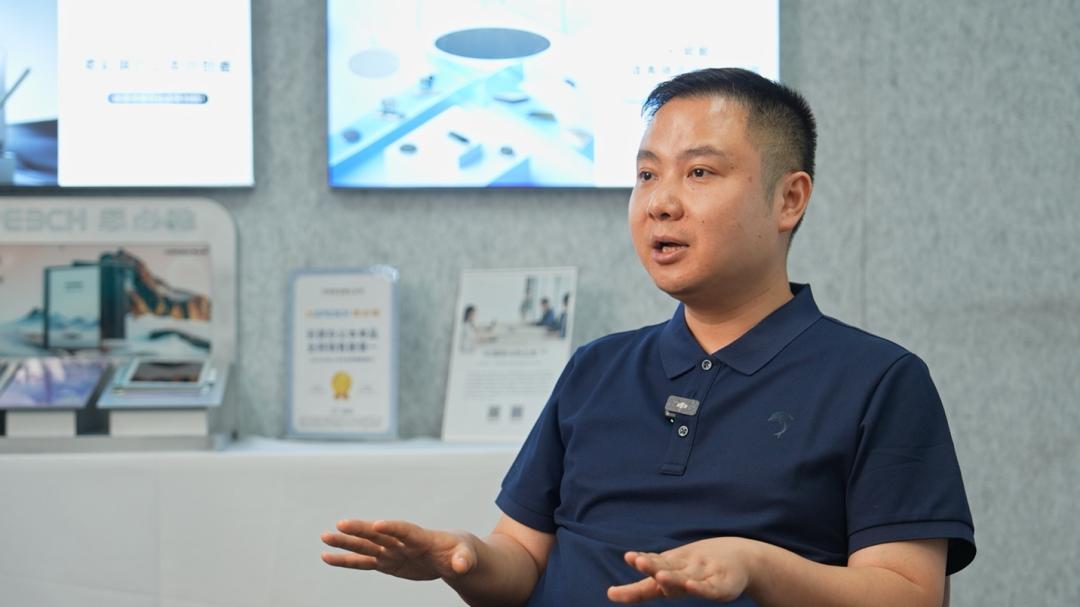
Ma Binbin, the Chief Product Officer of SmartMore, put it bluntly: "A meeting is just the beginning of a task. Execution is the real challenge and the big headache."
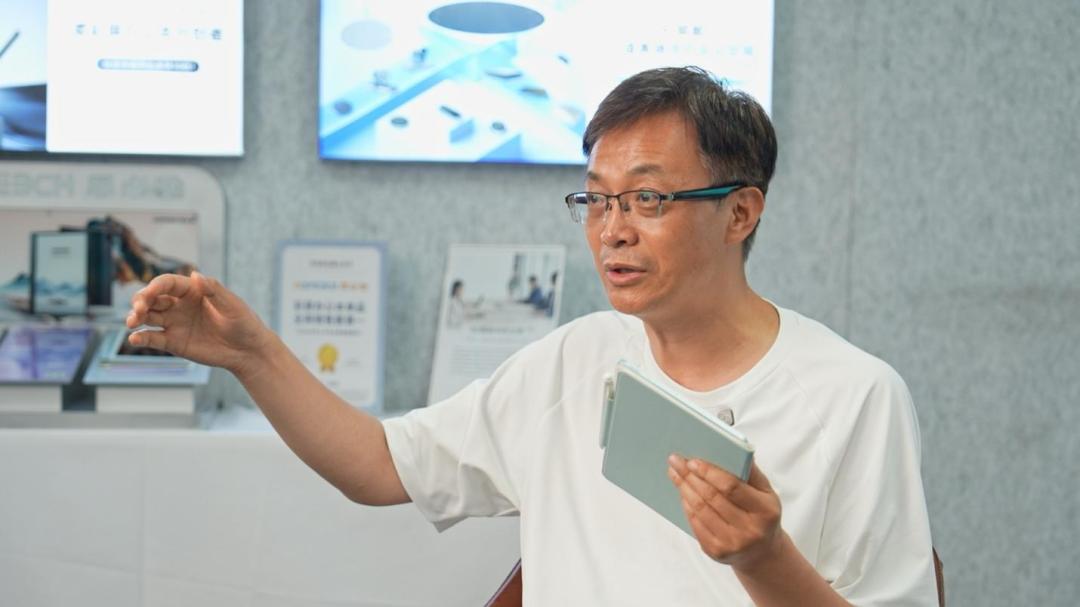
Ma Binbin, the Chief Product Officer of SmartMore
Yuan Huiyin, the General Manager of Tencent Cloud's Jiangsu and Anhui region, also shared a very real scenario: "After a meeting ends, I need to hold more meetings to address the to-dos from that meeting." It may sound absurd, but many office workers are familiar with this situation.
What's even more difficult to handle is the fragmentation of context. Information about the same project is scattered across video conferences, enterprise IMs, and various platform documents. It's hard for AI to piece together the cause and effect. Without a complete context, meeting minutes are just another archived document.
SmartMore was previously better known for its conversational AI capabilities. In the office scenario, it is now developing an integrated hardware and software office AI solution: the office tablet and recording card first collect information from meetings, phone calls, and fleeting thoughts on the go. Office AI connects meeting records, office hardware, and post-meeting execution. By integrating hardware and software, it links up information scattered before and after meetings, across different devices and systems, allowing AI to continue working after the meeting ends.

Let AI Keep Working After the Meeting
However, for AI to continue advancing work, the first step is still to record the meeting accurately.
SmartMore has been working on voice technology for 19 years. Ma Binbin emphasized that the accuracy of recording determines the upper limit of all subsequent AI capabilities. In complex meeting rooms, with multiple people speaking simultaneously, or in remote meetings where one account represents a group of people - these scenarios are difficult for simple transcription software to handle well.
This is also why SmartMore adheres to the integration of hardware and software. SmartMore's AI office tablet covers the main meeting room scenario, while the TalkNote recording card fills in the mobile scenario. Ideas that pop up in cafes, on high-speed trains, or while waiting at traffic lights can all be recorded and eventually enter the same system. Ma Binbin believes that the significance of hardware lies in enabling AI to be present at the source of information generation.
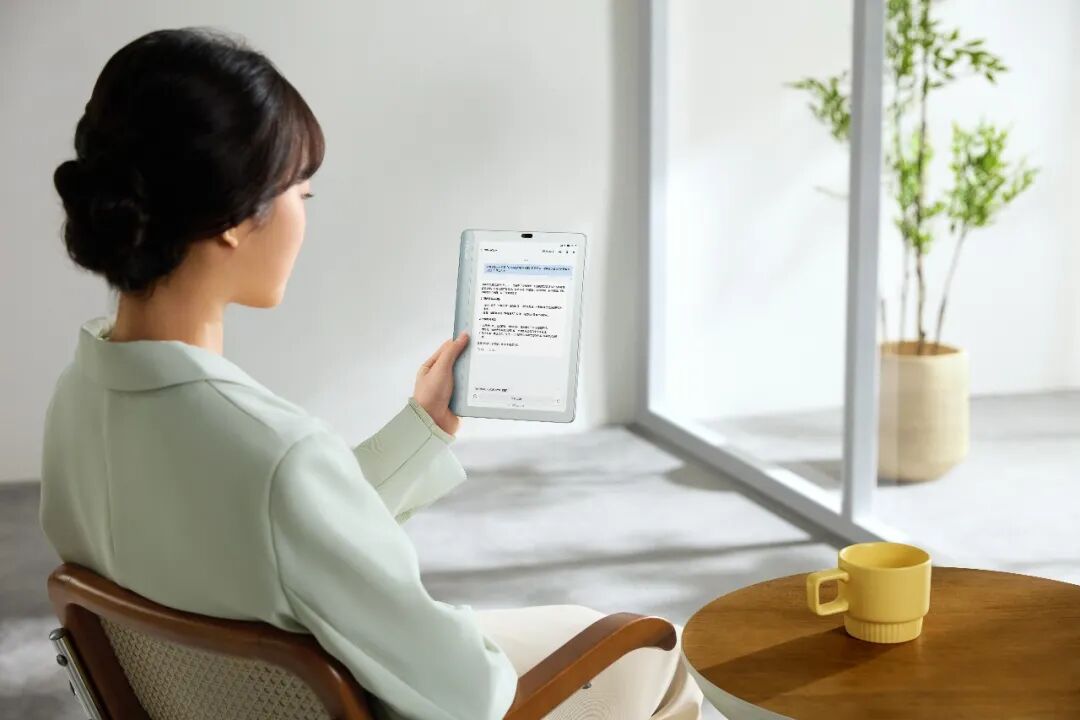
Only after accurate recording can AI continue to progress. Only by obtaining precise context can subsequent understanding and execution have a foundation.
Once the recording enters the system, it will be placed in the complete meeting chain. According to Ma Binbin's description, Office AI can link up pre-meeting, in-meeting, and post-meeting processes: it can schedule meetings and remind participants before the meeting; record and provide real-time insights during the meeting; organize meeting minutes, extract to-dos after the meeting, and then ask the user if they want to proceed with the execution.
Ma Binbin calls this set of capabilities in Office AI "proactive intelligence." AI participates in the entire meeting, actively identifies tasks it can assist with, and then asks the user if they want to execute. Whether it's product planning, market analysis, drafting emails, or organizing an idea into a document - as long as the user says "yes," it will continue to work.
Traditional to-dos are more like a storage box. People put tasks in, and the system reminds them based on time. Office AI goes a step further. Ma Binbin mentioned that SmartMore's to-dos and notes are now interconnected: you can jump back to the notes from the to-dos, and vice versa, allowing for accurate tracing back to the specific meeting and discussion.
During the meeting, AI also performs another task: real-time insights. While the discussion is ongoing, AI will prompt potential risks and remind where further questions are worth asking. Ma Binbin clearly differentiates between "recording" and "insight": recording is faithfully documenting the discussion content; insight is AI, as a third-party and objective observer, analyzing the actual risks and potential problems in the meeting.
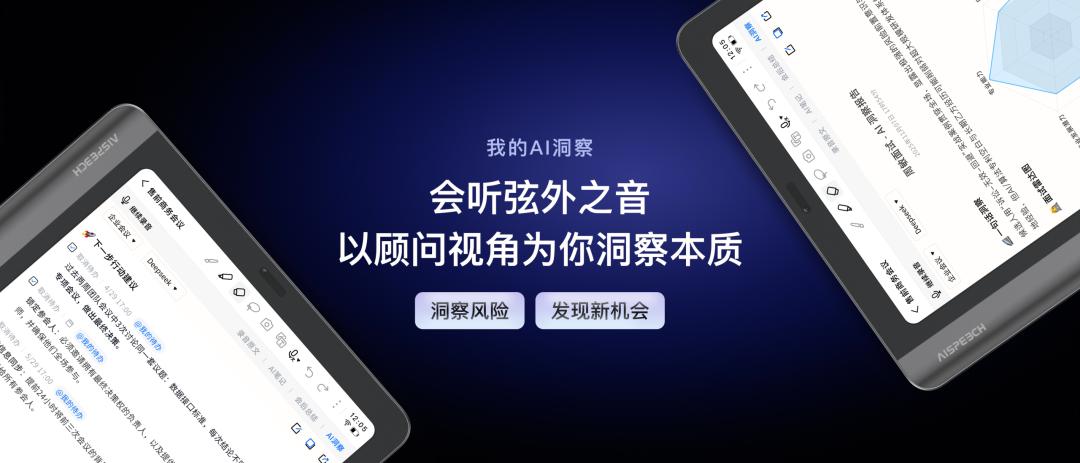
After using SmartMore's insight function, an investor reported a "chill down the spine." The reason is that the project analysis provided by AI is like that of a senior consulting expert with over 20 years of experience, helping him evaluate the project.
What gives the investor that "chill" is precisely this outsider's perspective: it doesn't interrupt, but it can identify the most valuable and risky aspects of the project.

Enterprise Agents Need Boundaries First
Just because AI can help people work doesn't mean it can directly enter the enterprise process.
Meetings in enterprises often involve multiple roles. In a single meeting, there may be financial data, legal opinions, business progress, and project decisions simultaneously. For the same set of meeting minutes, the parts that the finance department can see may not be accessible to the business department; the same to-do may require the simultaneous involvement of several departments.
Yuan Huiyin mentioned that in the past, the flow of information largely depended on human judgment. Who to CC the meeting minutes to, which content not to send, and which to-dos to synchronize with which department all had to be handled manually. Now, there is an opportunity to let the Agent handle this: presenting different content to different people based on different permissions. He summarized this change in one sentence: "In the past, people had to find data; now, data finds people."
Yuan Huiyin, the General Manager of Tencent Cloud's Jiangsu and Anhui region
What Tencent Cloud contributes in this cooperation is the foundation required for the operation of enterprise-level Agents.
SmartMore understands the meeting scenario and the detailed needs of office users. Tencent Cloud ClawPro deals with another type of problem: what identity the Agent should have in the enterprise, what data it can access, and whether it can be traced back in case of problems. Yuan Huiyin made it clear that Tencent Cloud aims to make the applications on top of the foundation "fast, stable, and secure."
For example, permission issues cannot rely solely on ad-hoc human judgment. If an Agent is to help a user process meeting minutes, it is necessary to clearly define in advance whether it can access financial data, retrieve customer information, and send the results to external parties. Tencent Cloud's approach is to authenticate the Agent's identity, control what it can do with the minimum necessary permissions, and isolate data through sandboxes.
This foundation solves the problem of where the Agent should stop. Content that can flow according to rules can be processed by the system first; once it involves disputes, judgments, and consequences, it still needs to be handled by humans.
Ma Binbin is also very cautious about opening up permissions in the office scenario. Since large models are not fully mature, they need to be treated with caution in the office environment. Therefore, SmartMore currently adopts a step-by-step approach to opening up data permissions for the office tablet and recording card: first allowing reading, and then editing and writing in the future. High-risk actions such as deletion will be more strictly controlled.
He especially emphasized: "You have to make your own judgment and conduct a review in the final stage." This is the boundary that must be maintained when entering the enterprise office environment. AI can help people record, track, and execute some tasks, but the organization cannot transfer the responsibility.
Meeting tools are already good at recording, but the most time-consuming part is after the meeting. This is also the area that SmartMore and Tencent Cloud aim to address through their cooperation: meetings no longer just leave behind minutes but also start to plan the next steps.
Perhaps this is the real direction for office Agents in the future. They can work and be controlled by humans. This is the prerequisite for Agents to enter real business operations.