5.4 trillion, NVIDIA becomes the largest "landlord" in the AI sector, while big model giants are reduced to "computing power tenant farmers"
When the AI myth is illuminated by the ledger, the most glaring truth finally surfaces. As the tide recedes, the carnival ends. When the searchlight shines, it's clear who's swimming naked.
In the past three years, everyone has been fixated on one thing: whose large model scores higher.
But this summer, the rules of the game in the US AI circle have quietly changed.
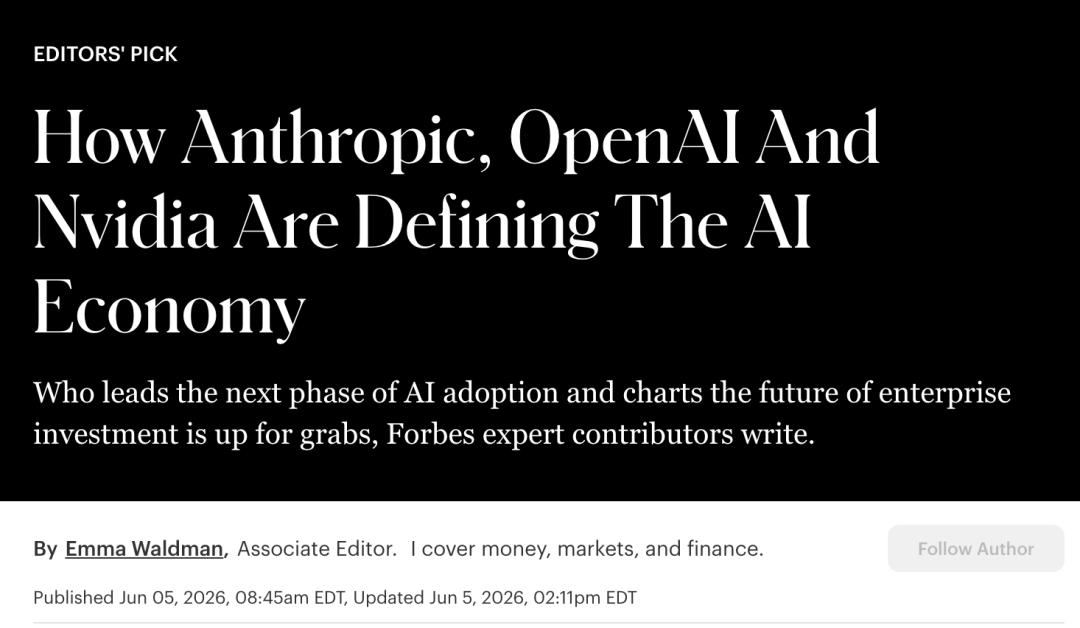
A long article in Forbes made it clear: the AI economy has moved from the "model breakthrough" phase to the second half of the "infrastructure decisive battle".
What determines a company's survival is no longer parameters, scores, and a little technological lead, but three more crucial things: computing power, supply chain, and regulation.
The cards have changed. And the ones holding the new cards are three people.
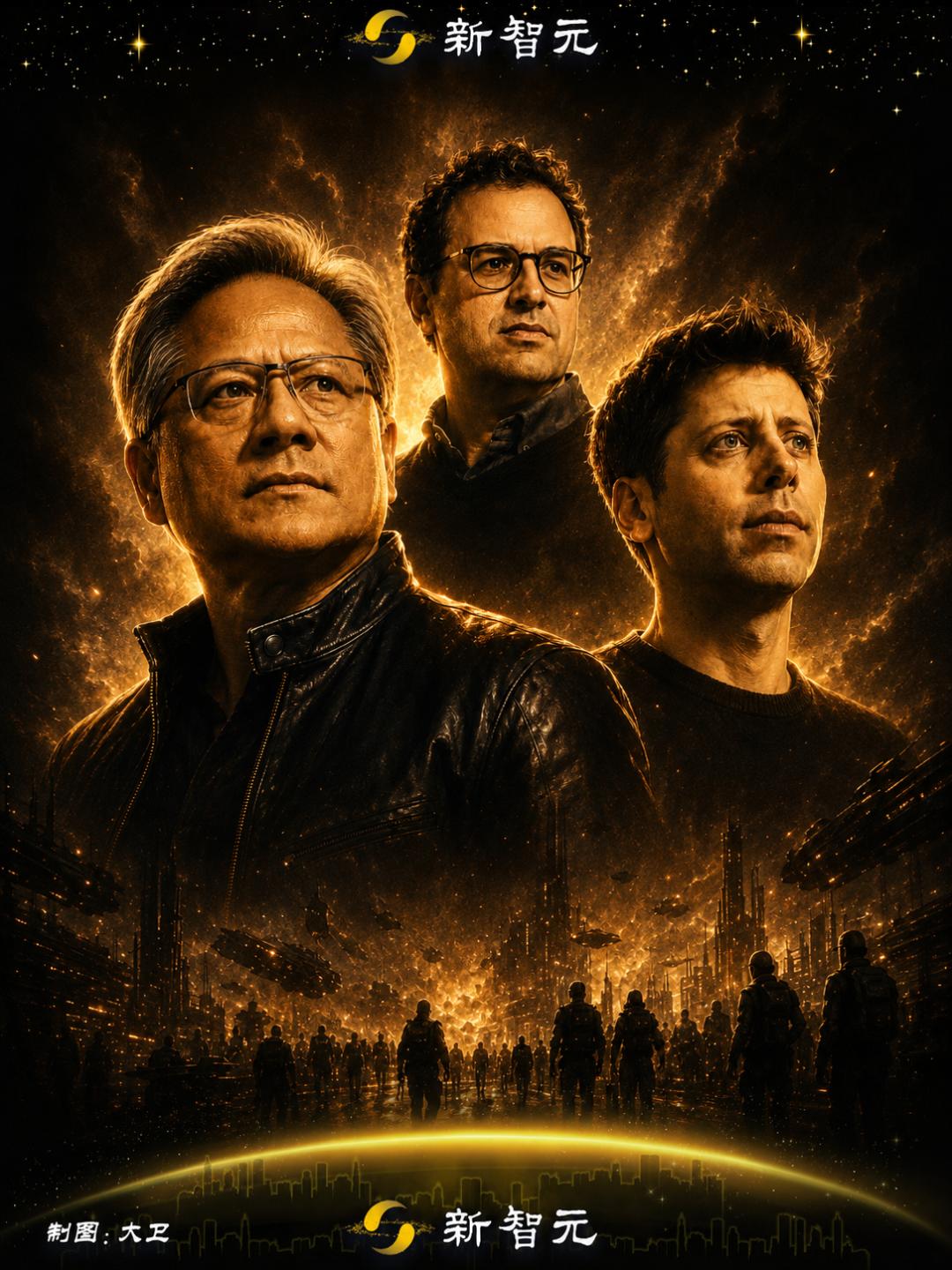
The $5 trillion shovel seller: NVIDIA might be the biggest landowner in the AI era
Let's start with the most profitable one.
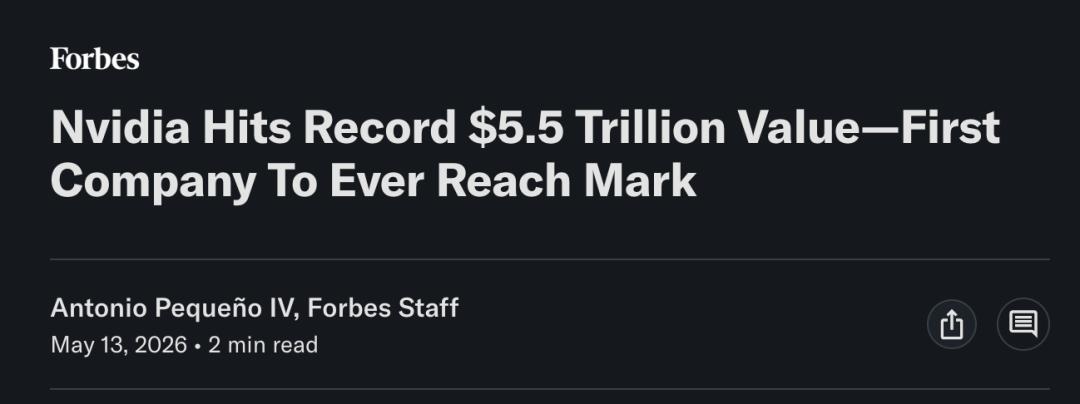
In May 2026, NVIDIA's market value soared to $5.4 trillion, hitting a record high.
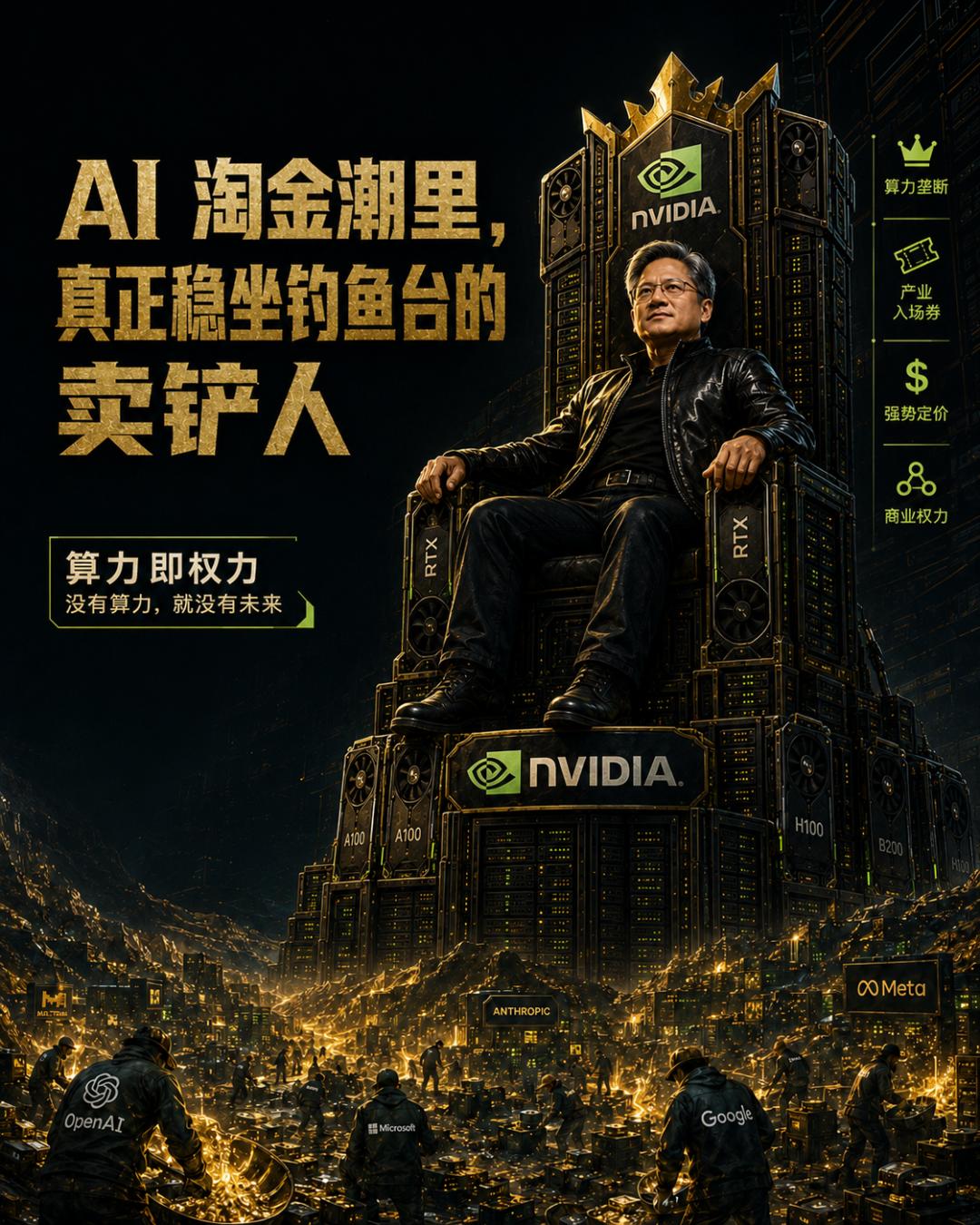
In the entire AI gold rush, it's the one sitting comfortably as the shovel seller - no matter who strikes gold, they have to buy shovels from it.
When the market value reaches the $5 trillion level, GPUs are no longer just GPUs, but the admission ticket to the entire AI industry.
Whoever can get enough cards can train stronger models, support larger inference traffic, and grab more enterprise customers.
It's just that this admission ticket is getting more and more expensive.
The seemingly glamorous new large - model companies are actually "computing power tenants" working for Jensen Huang.
What's more subtle is that NVIDIA acts as both the referee and the player.
It has invested in OpenAI and Anthropic, but that money turns into orders and flows back to its own chips.
Invest and then buy back, moving money from one hand to the other, and the valuation goes up another notch.
This "self - investment and self - profit" cycle has fattened the entire industry chain, and it makes people start to wonder: is this real prosperity or just a bubble?
Two large - model companies: burning money while rushing for IPO
Now let's look at the other two protagonists: OpenAI and Anthropic.
Their revenues and valuations are skyrocketing.
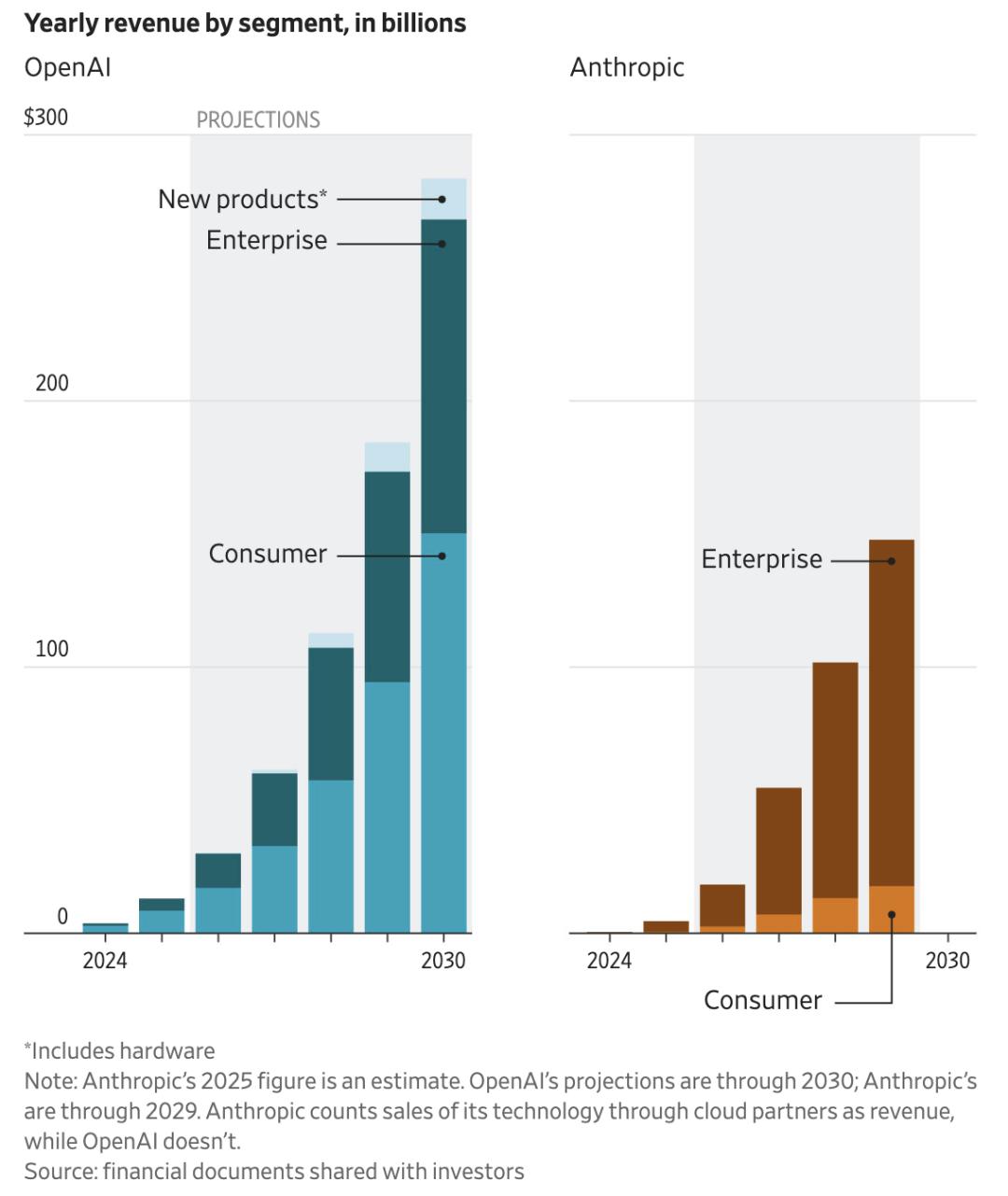
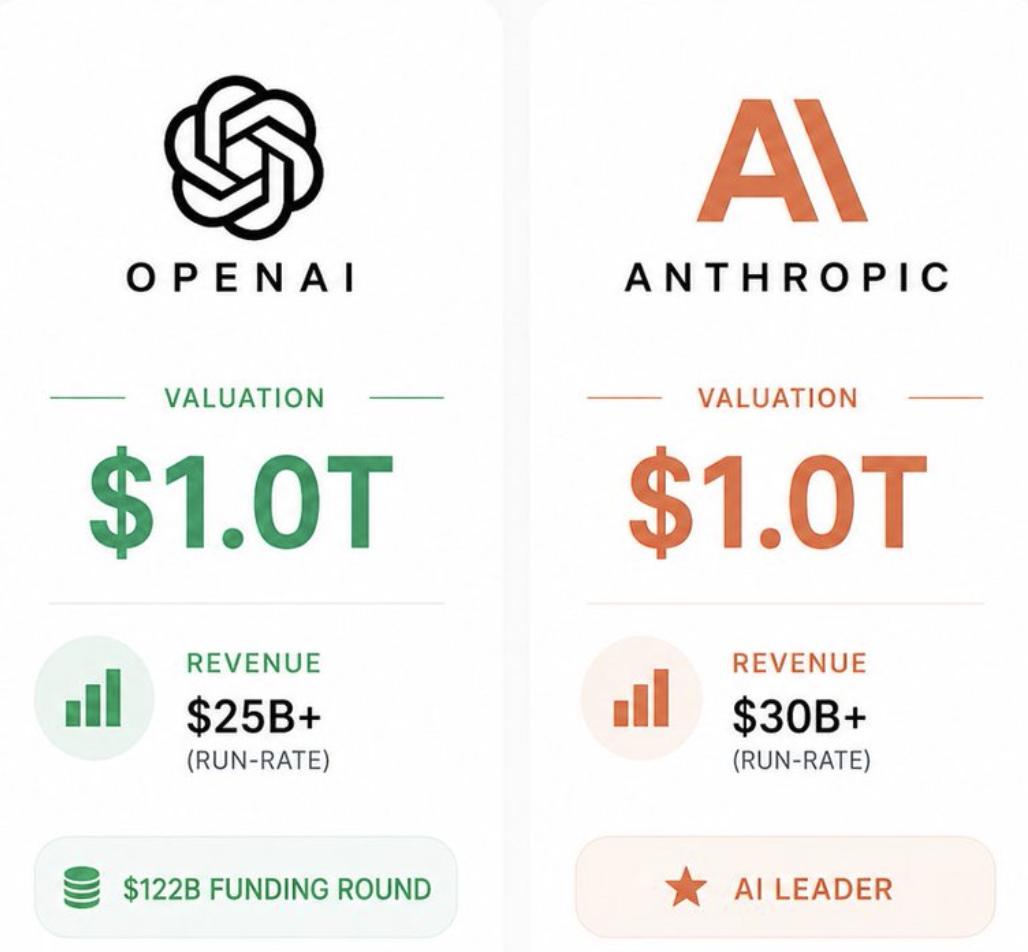
Anthropic's annualized revenue run - rate reached about $47 billion in May. It just completed a financing of about $50 billion, and its valuation hit $900 billion.
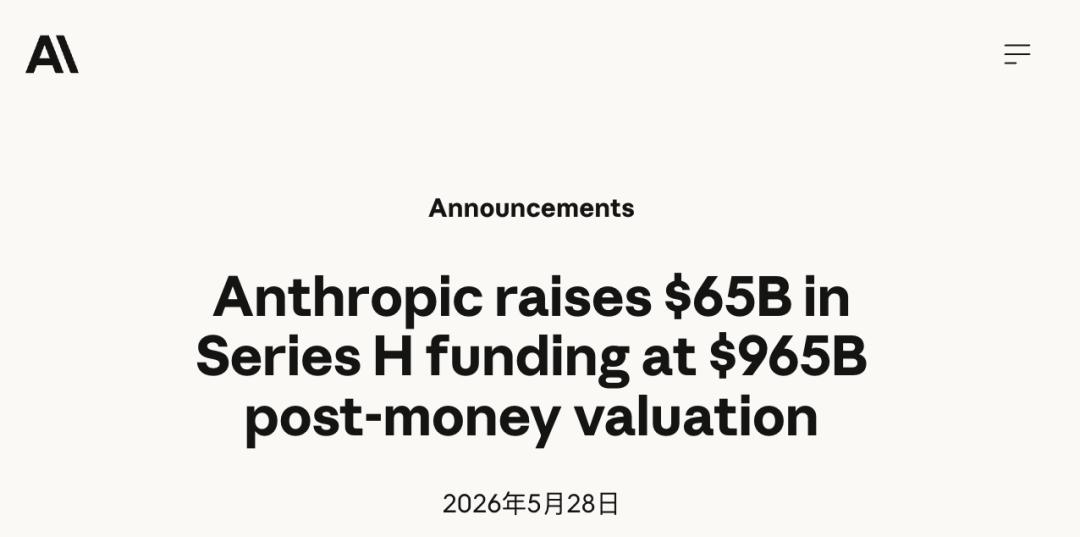
OpenAI is reported to have raised funds at a pre - investment valuation of $852 billion, with an IPO target aiming for $1 trillion.

The numbers look great, but behind them is a money - swallowing computing power black hole.
The stronger the model, the more users, and the more complex the agents, the scarier the money - burning speed.
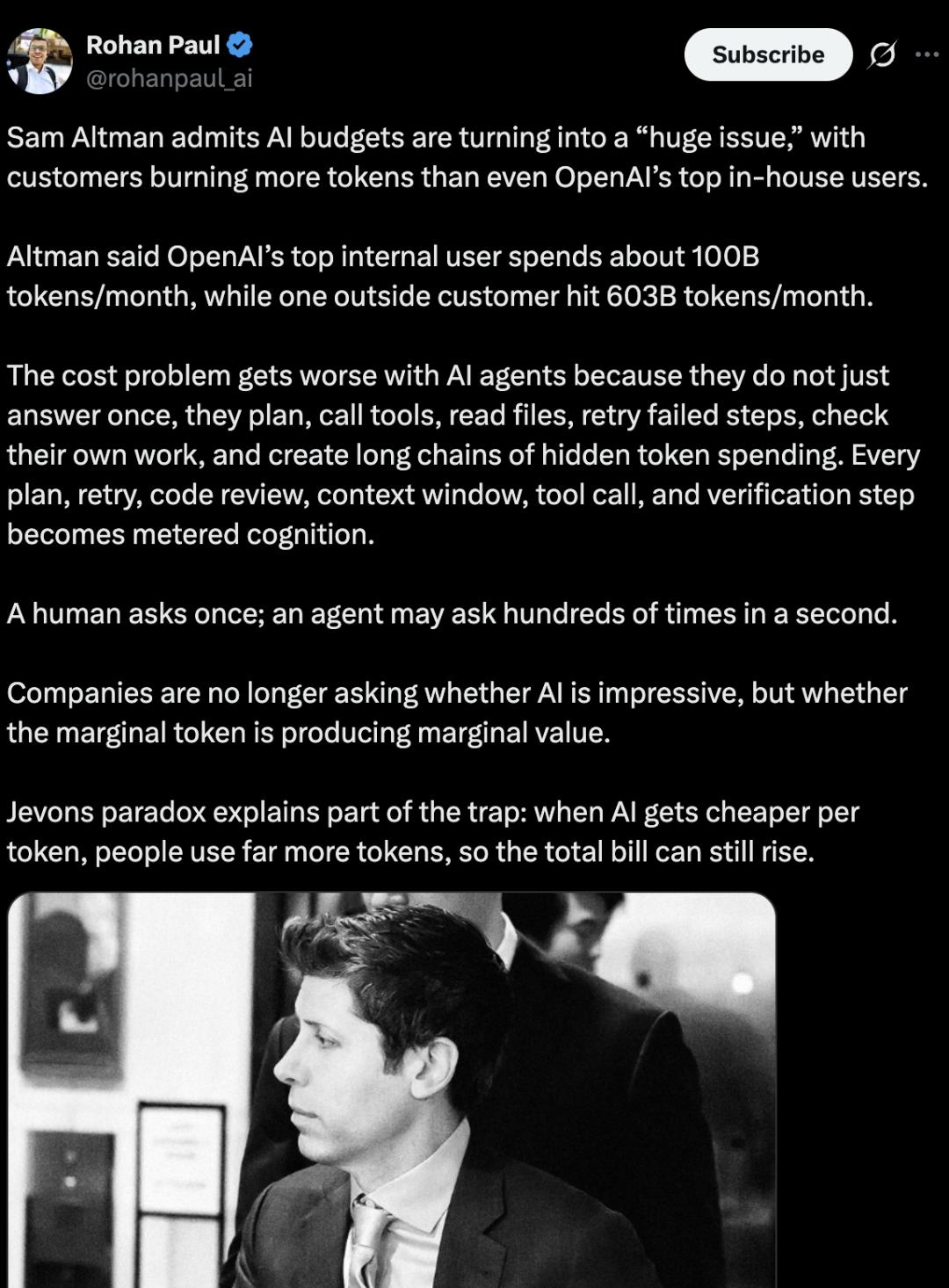
And Altman admitted that the AI budget is becoming a "big problem", and the tokens consumed by customers even exceed those of OpenAI's top internal users.
Altman said that the largest internal user of OpenAI consumes about 100 billion tokens per month, while an external customer's monthly token consumption reaches 603 billion.
The cost problem of AI agents is even more serious.
In the past, AI companies loved to say "our capabilities have made another breakthrough".
Now, the capital market wants to ask: how much do you spend on computing power each month? And how long can this money last?
So the two companies have both taken the same path: rush for an IPO and raise money from the public market to fill the hole.
Anthropic got ahead - in early June 2026, it secretly submitted a listing application to the SEC, one step ahead of OpenAI.
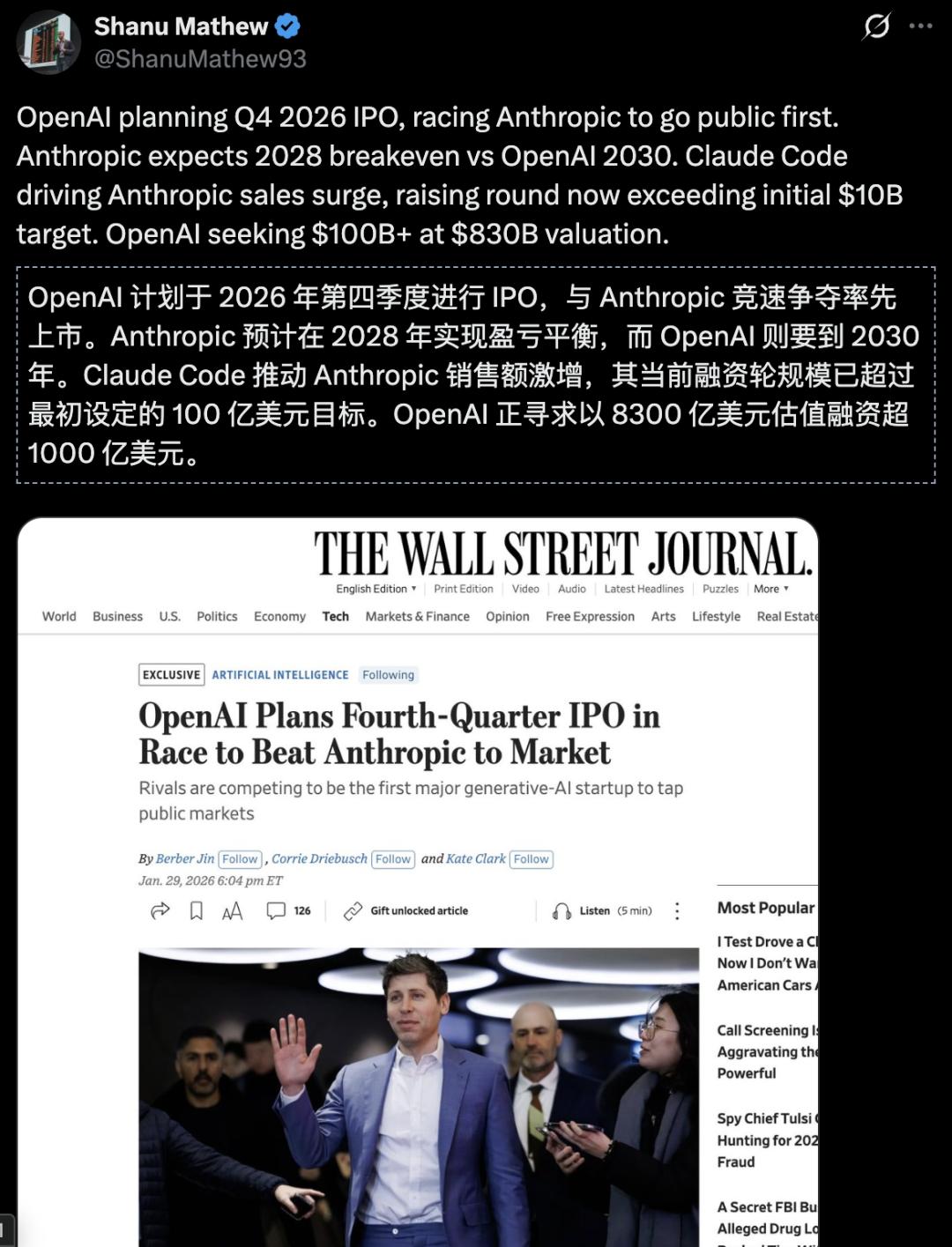
Whoever goes public first and has their prospectus exposed to the public first will get the ammunition first.
IPO prospectus: a bottle of "makeup remover"
So the IPO has suddenly become the next obvious move.
Once the prospectus is made public, it's no longer just a financing document, but an X - ray of the entire AI industry: training costs, inference costs, cloud service contracts, chip dependence, and gross margin pressure are all hidden in it.
The bottomless depreciation behind those 220,000 graphics cards and how much revenue it swallows can no longer be hidden.
To put it simply, it's a bottle of makeup remover.
After the fig leaf is torn off and the details are put under the microscope, the most pointed question can't be avoided:
Are these AI companies with astonishing valuations printing money or pouring money into the GPU server rooms?
What's most interesting is the relationship between these three people.
Jensen Huang, Altman, and Amodei should have been partners in the same industry chain, but now their strategic differences are getting bigger and bigger.
One wants to keep selling that $5 trillion "shovel", and the other wants to build a wall for themselves with regulation and safety red lines.
Anthropic's computing power hunger: from a buying - selling relationship to a fate - binding one
When it comes to hardware, large - model companies actually don't have much confidence.
In May this year, Anthropic's computing power demand soared to 80 times the original plan. With extremely tight computing power, it finally grabbed all the computing power of SpaceX's Colossus supercomputer - more than 220,000 NVIDIA GPUs and about 300 megawatts.
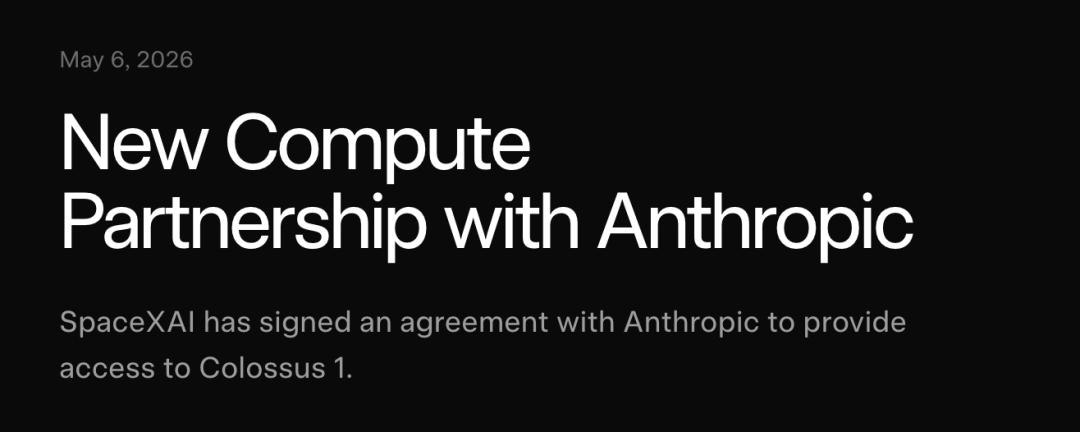
Note that this is renting computing power, not buying graphics cards.
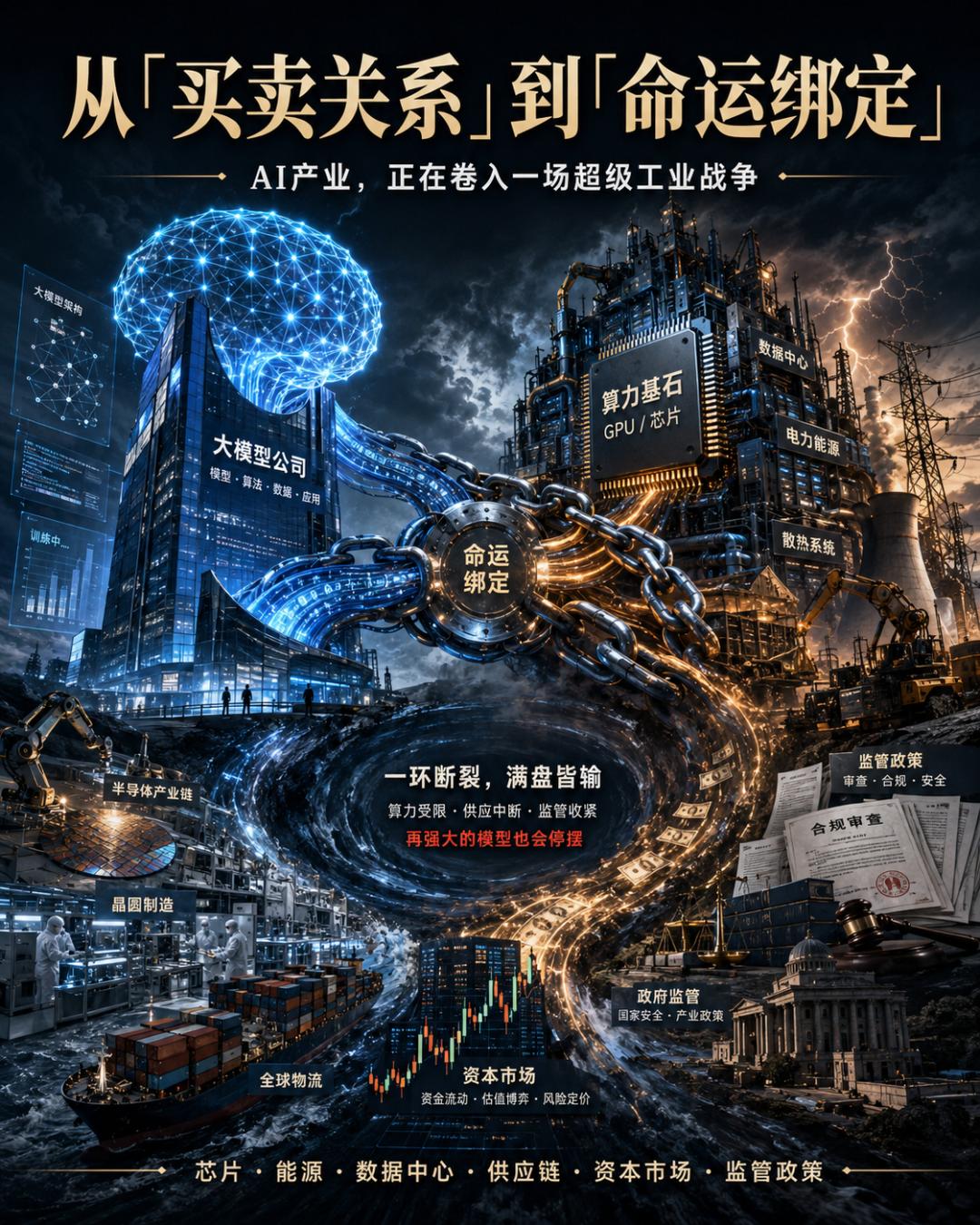
This number reveals a trend: large - model companies and hardware and infrastructure giants are changing from a "buying - selling relationship" to a "fate - binding" one.
Model companies can't do without computing power, and computing power companies need model companies to drive up the demand.
So the AI industry is no longer as light as it was in the software era.
It's becoming more and more like a super - industrial war: chips, energy, data centers, supply chains, capital markets, and regulatory policies are all caught in the same whirlpool.
The deeper the binding, the less anyone can afford to lose - if the hardware supply is cut off or the regulation tightens, even the strongest models can only wait.
The next highlight: three lines when the tide recedes
So, to figure out how the AI game will develop next, there's no need to keep an eye on who releases a new model.
There are only three real barometers:
First, the scale of NVIDIA's capital expenditure (CapEx).
The amount of money that tech giants spend on NVIDIA chips is the only thermometer to measure whether AI is real prosperity or a false bubble - if it's still rising sharply, it means the game isn't over; once it stalls, the story might change.
Second, the details of Anthropic and OpenAI's prospectuses.
See how much revenue the real depreciation behind those 220,000 graphics cards can swallow.
Third, the landing point of the geopolitical regulatory stick.
Every time the chip export restrictions tighten, the supply - chain map of the AI empire is reshuffled.
In the first half of the AI era, people competed on who was smarter. In the second half, it's about who has more money, more cards, and more electricity.
When the model myth is illuminated by the ledger, the most glaring truth finally surfaces.
As the tide recedes, the carnival ends. When the searchlight shines, it's clear who's swimming naked.
Reference materials:
https://www.forbes.com/sites/emmawaldman/2026/06/05/how-anthropic-openai-and-nvidia-are-defining-the-ai-economy/
https://x.com/ShanuMathew93/status/2062865797710499929?s=20
This article is from the WeChat official account "New Intelligence Yuan". Author: ASI Revelation. Editor: David. Republished by 36Kr with permission.