Just now, CATL invested in a 15 billion-yuan chip IPO in Wuxi, which skyrocketed by 123% during intraday trading.
According to a report by Xin Dongxi on June 17th, today, Jinjie Electronics, a leading company in automotive wireless sensor chips in Wuxi, Jiangsu, listed on the Hong Kong Stock Exchange, becoming the "first stock of physical AI edge-side wireless intelligent chips" and the second company from Wuxi to list on the Hong Kong Stock Exchange this year.
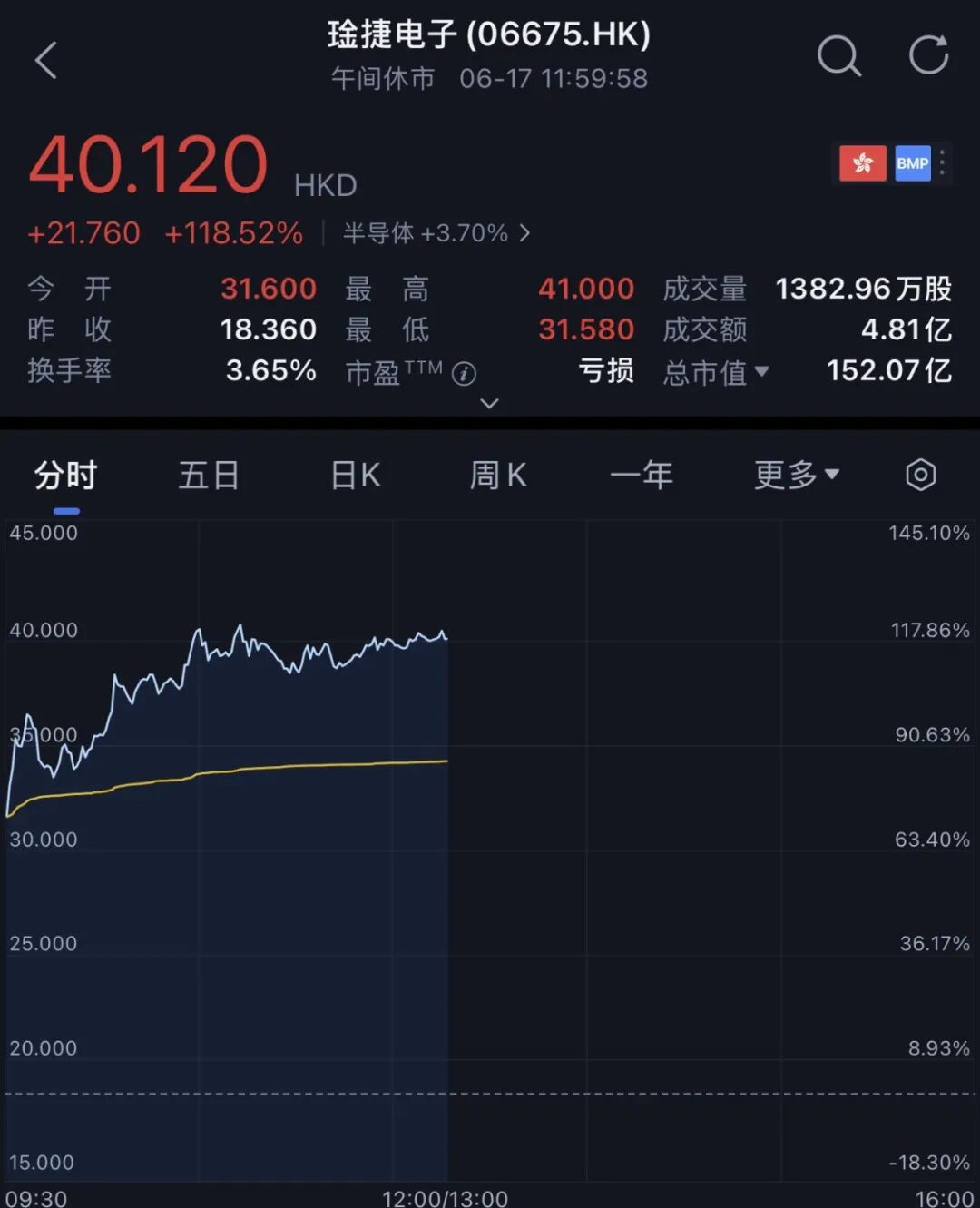
Its issue price was HK$18.360 per share (equivalent to approximately RMB 15.837). It opened 72.11% higher at HK$31.600 per share (equivalent to approximately RMB 27.258). As of the midday break, its intraday share price rose as much as 123.31% to HK$41 per share (equivalent to approximately RMB 35.366), with a total market value of over HK$15.2 billion (equivalent to approximately RMB 13.1 billion).
The prospectus shows that Jinjie Electronics was founded in March 2015 by Li Mengxiong, an alumnus of the Department of Microelectronics at Fudan University. Contemporary Amperex Technology Co., Ltd. (CATL), SAIC Motor, Geely, GAC Group, Baolong Automotive, Sany Group and others are all shareholders of Jinjie Electronics.
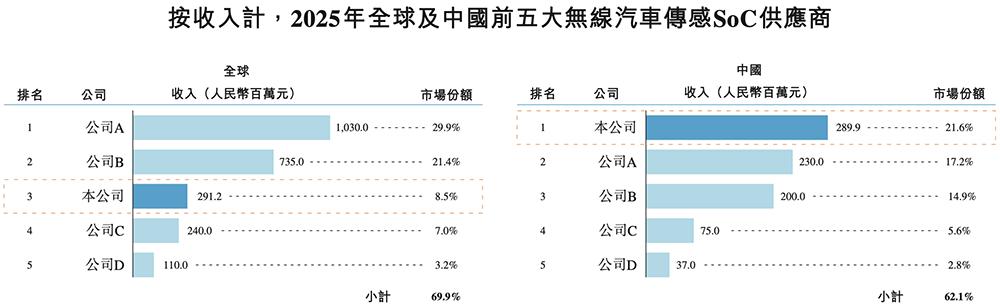
According to the Frost & Sullivan report, in terms of revenue in 2025, Jinjie Electronics is the third-largest automotive wireless sensor SoC company globally and the largest automotive wireless sensor SoC company in China.
In addition, Jinjie Electronics has initiated the strategic development of sensor SoCs tailored for robot applications and also plans to develop intelligent general sensor chips tailored for humanoid robots.
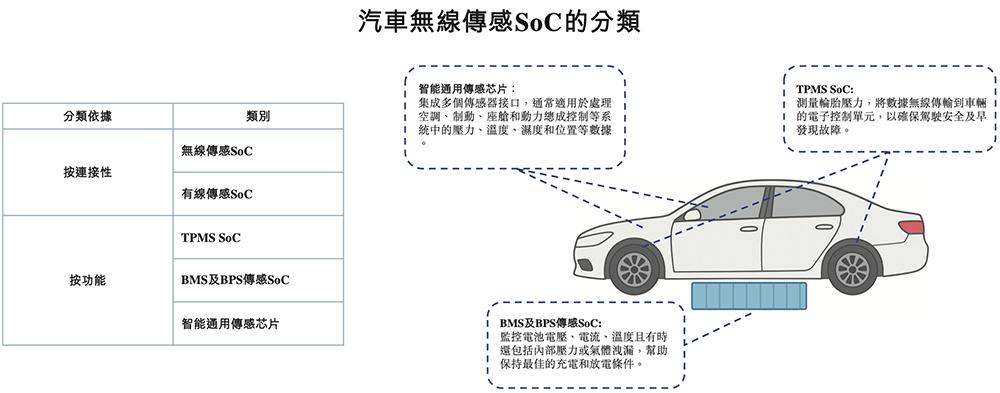
In the specific segment, Jinjie Electronics is the first and only supplier in China to provide tire pressure monitoring system (TPMS) SoCs and low-power Bluetooth (BLE) TPMS SoCs to automotive OEMs, the first company globally to launch a battery pressure sensor (BPS) SoC, and the first and currently the only company in China with the capability of automotive-grade wireless battery management systems (BMS).
The top ten domestic automotive OEMs in terms of sales in China in 2025 have all adopted Jinjie Electronics' products.
As of December 31, 2025, the cumulative shipments of Jinjie Electronics' automotive sensor SoCs have reached 241.9 million units, and the wireless sensor SoCs have been installed in more than 40 models.
01 Annual revenue exceeds RMB 400 million, with a net loss of over RMB 300 million
Jinjie Electronics provides comprehensive sensor SoC products covering various sensing scenarios, mainly including intelligent tire sensing, battery monitoring, general sensing interfaces and other scenarios.
In 2022, 2023, 2024, and 2025, its revenues were RMB 104 million, RMB 224 million, RMB 348 million, and RMB 478 million respectively, with net losses of RMB 205 million, RMB 356 million, RMB 351 million, and RMB 331 million respectively, and R & D expenses of RMB 77 million, RMB 96 million, RMB 108 million, and RMB 102 million respectively.
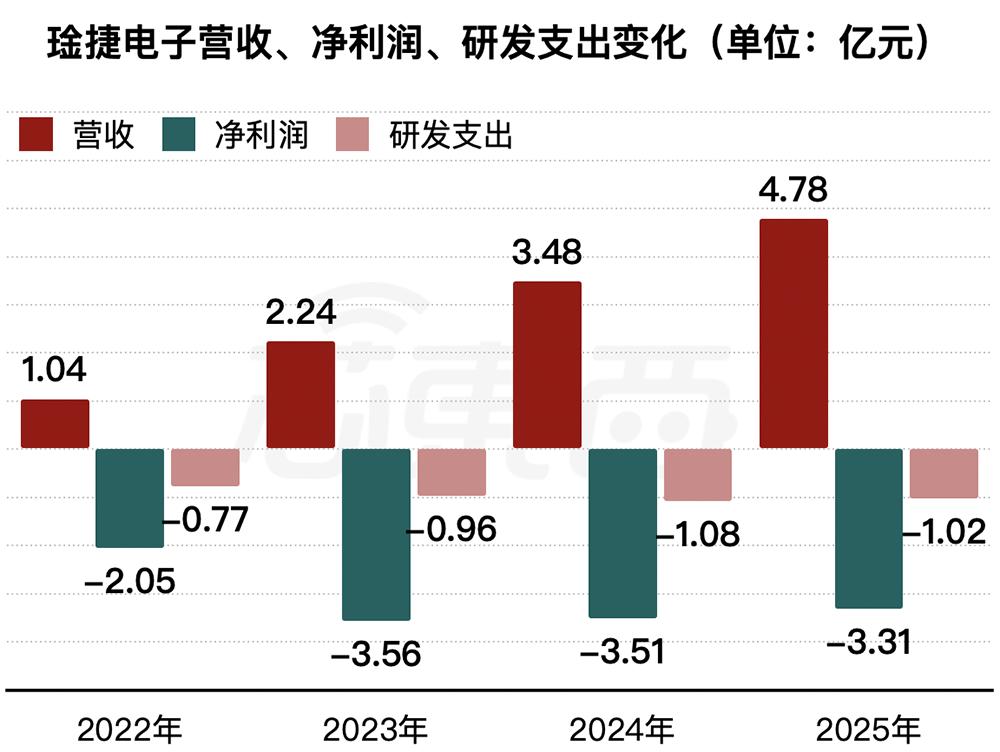
▲ Changes in Jinjie Electronics' revenue, net profit, and R & D expenditure from 2022 to 2025 (Charted by Xin Dongxi)
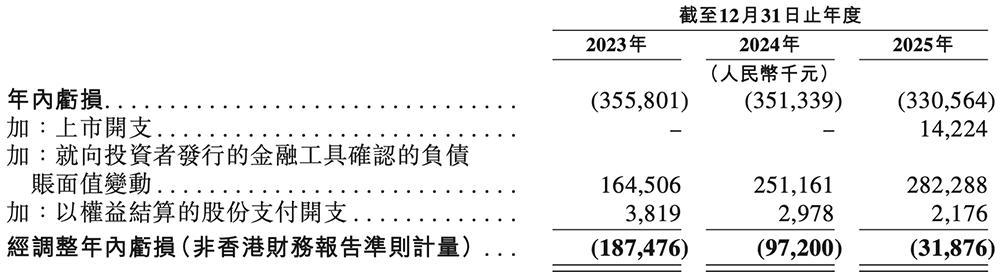
From 2023 to 2025, the company's adjusted net losses were RMB 187 million, RMB 97 million, and RMB 32 million respectively.
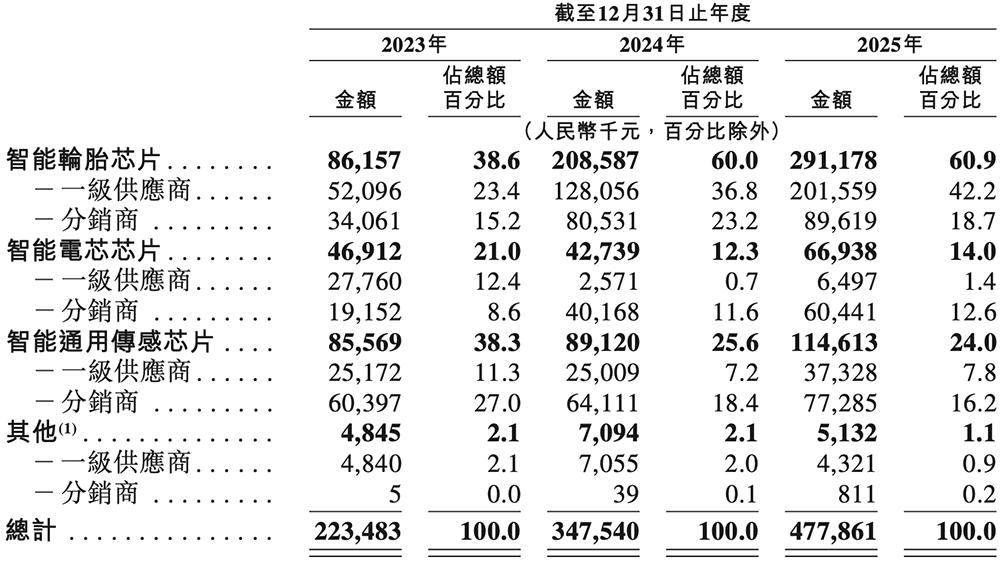
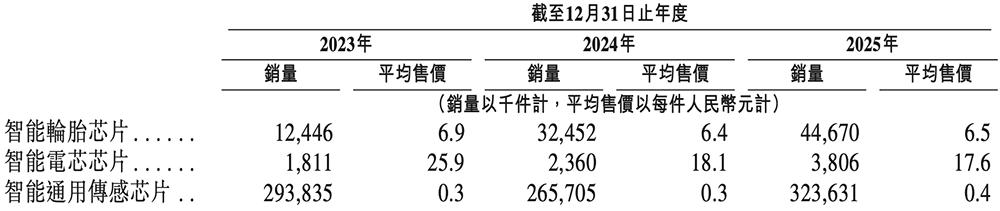
In 2025, intelligent tire chips contributed 60.9% of Jinjie Electronics' revenue.
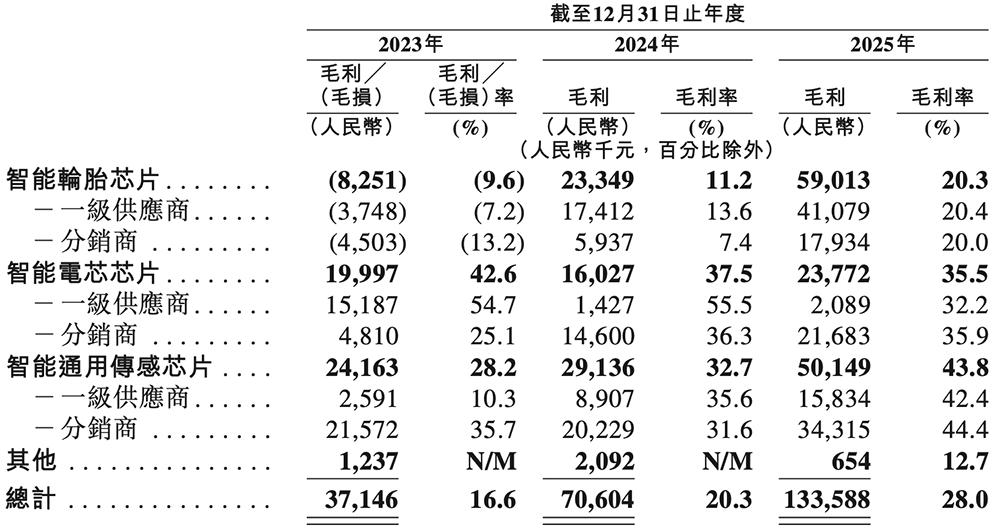
In 2023, 2024, and 2025, Jinjie Electronics' gross profit margins were 16.6%, 20.3%, and 28.0% respectively.
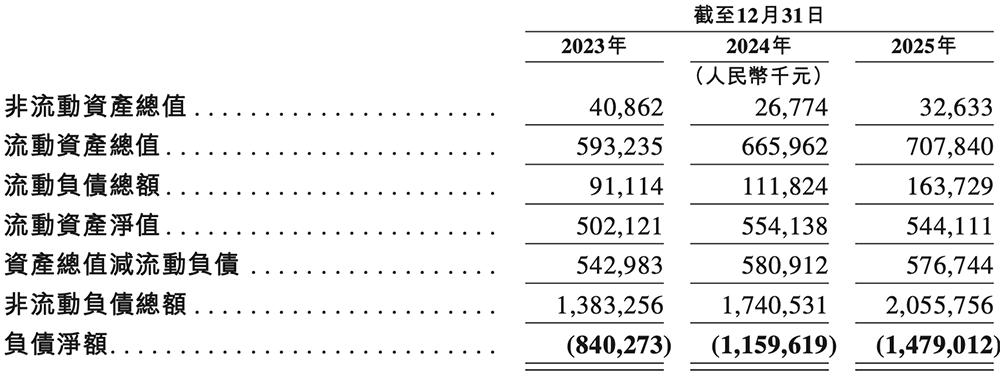
An overview of its consolidated balance sheet is as follows:
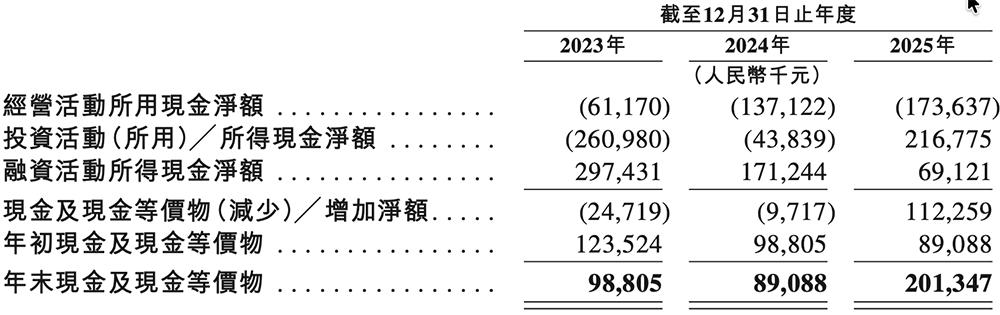
The cash flow is as follows:
02 Annual chip sales reach 372 million units
Since its establishment, Jinjie Electronics has established a proprietary sensor SoC platform integrating sensing, processing, and wireless transmission capabilities, along with wireless radio frequency technology, automotive-grade SoC capabilities, and engineering capabilities.
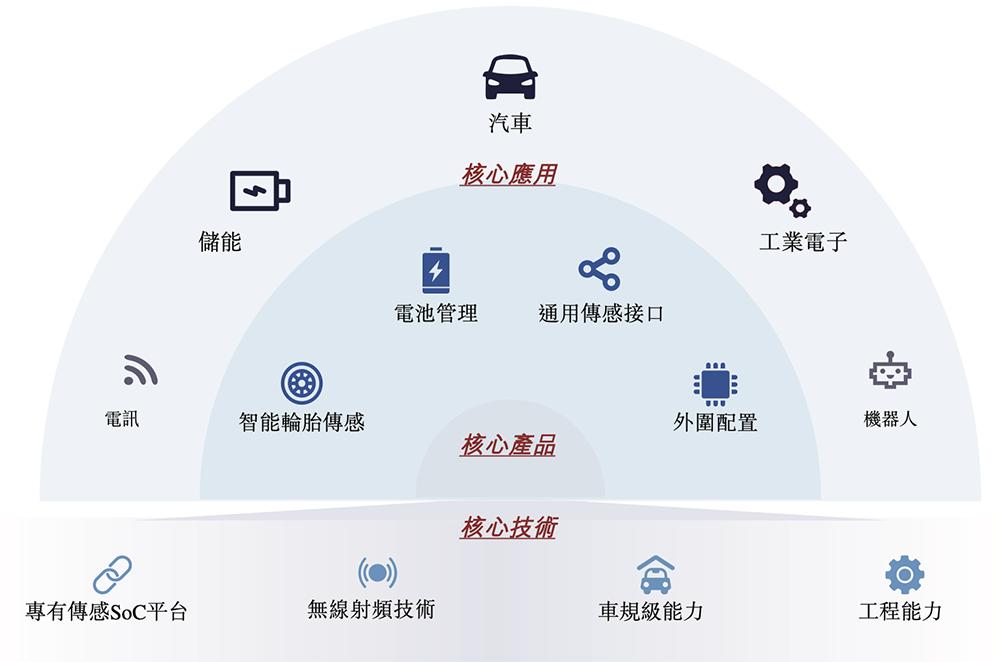
As of December 31, 2025, Jinjie Electronics had a total of 225 employees, including 125 R & D personnel, accounting for 55.6%. It holds 90 authorized patents, 33 utility model patents, and 1 design patent.
In 2025, Jinjie Electronics' annual chip sales were 372 million units.
In 2022, 2023, 2024, and 2025, the revenues from the top five customers accounted for 41.2%, 35.6%, 52.1%, and 52.3% of its total revenue respectively; the procurement amounts from the top five suppliers accounted for 72.8%, 52.6%, 64.5%, and 59.6% of Jinjie Electronics' total procurement respectively, indicating a relatively high degree of concentration.
03 Classmates from Fudan's Microelectronics Department join hands, with CATL, SAIC, Geely, and GAC participating in investments
Jinjie Electronics was initially incubated on the campus of Fudan University. The main members of the founding team are all Fudan alumni, and the angel investor is a Fudan school director. Its first automotive sensor chip was also born on the Zhangjiang campus of Fudan University.
In 1994, 17-year-old Li Mengxiong and Li Shuguang were admitted to the Department of Microelectronics at Fudan University and became classmates. Both of them chose to continue their studies for a master's degree in microelectronics at Fudan. The year after graduating from their master's programs, they both joined OKI Techno Center (Singapore) as engineers.
Li Mengxiong left the company in September 2003 and then joined multinational technology companies such as SEQUANS Communications and Sensata Technologies in the UK until November 2014. During this period, he obtained a doctorate from the School of Electrical and Electronic Engineering at the University of Nottingham in the UK in December 2007.
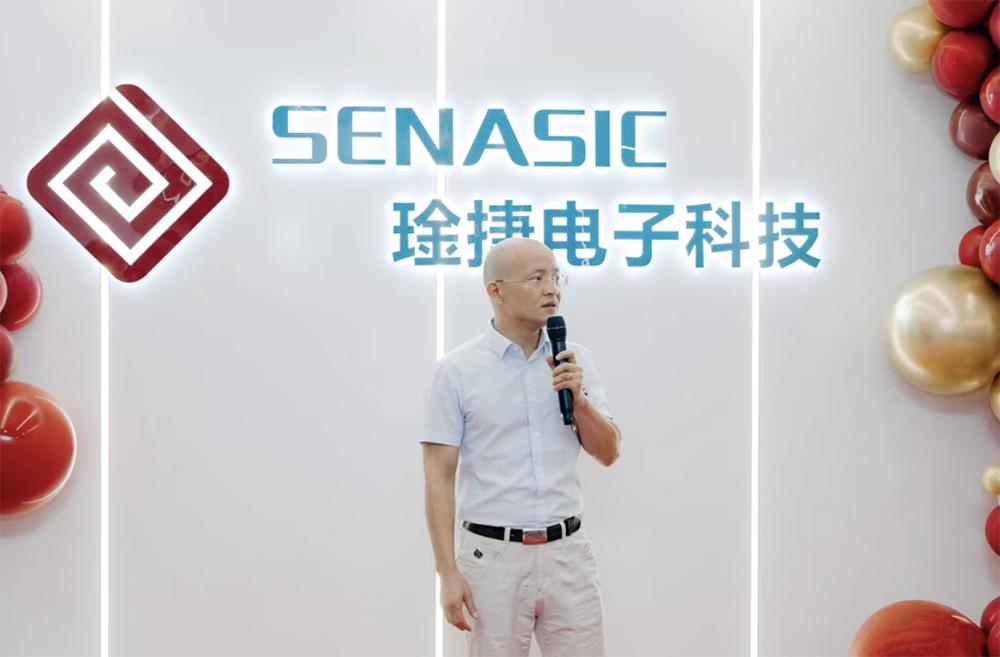
▲ Li Mengxiong
Li Shuguang left the company in April 2004 and then worked at Qualcomm Enterprise Management (Shanghai) Co., Ltd. for eleven consecutive years, serving as a senior engineer at the end of his tenure.
In 2015, Li Mengxiong returned to China to start a business and built the Jinjie Electronics team with the help of many Fudan professors and alumni. Currently, Li Mengxiong serves as the chairman, executive director, and CEO of Jinjie Electronics.
Li Shuguang joined Jinjie Electronics in October 2015. He is one of the main contributors to many of Jinjie Electronics' core patents, responsible for the R & D and quality management of key technologies and products. Currently, he serves as an executive director and vice president of Jinjie Electronics.
Wen Li and Chen Cheng, the main R & D leaders of Jinjie Electronics, are also Fudan alumni. Wen Li graduated from Fudan University's Department of Electronic Engineering with a bachelor's and master's degree, and Chen Cheng graduated from Fudan University's Department of Microelectronics with a bachelor's degree and a doctorate.
As of June 1, 2026, Li Mengxiong and Li Shuguang act in concert and jointly control Jinjie Electronics. The two directly and indirectly control approximately 32.25% of the total issued share capital of Jinjie Electronics through Shanghai Chuangyingrui, Shanghai Ruixinchuang, Shanghai Yaojun, and Gongqingcheng Jinjie.
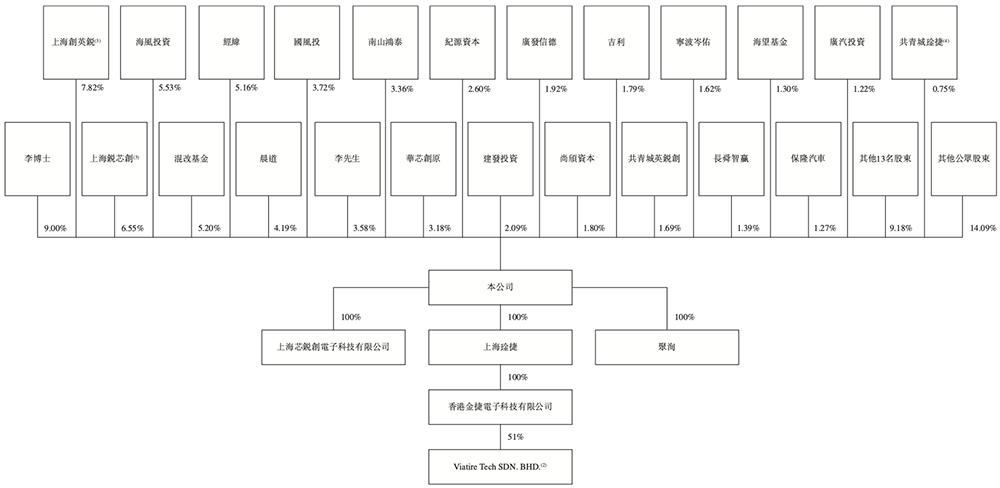
Among Jinjie Electronics' shareholders, Chendao Capital under CATL holds 4.19% of the shares, Shangqi Capital under SAIC holds 1.80%, Geely holds 1.79%, Baolong Automotive holds 1.27%, and GAC Investment holds 1.22%.
04 Conclusion: Specializing in wireless sensing to promote the localization of automotive chips
According to the Frost & Sullivan report, since 2009, China has become the world's largest automotive manufacturing and consumption market.
Jinjie Electronics has always focused on the R & D of high-performance automotive-grade chips. It is one of the few domestic wireless sensor chip design companies involved in automotive functional safety, contributing to the localization of automotive chips.
Jinjie Electronics plans to use the funds raised from the listing to expand its business scale, accelerate the commercialization of new products, enhance its R & D capabilities for core chip technologies, and expand its domestic and international sales networks.
This article is from the WeChat official account "Xin Dongxi", author: ZeR0. Republished by 36Kr with authorization.