Will new energy vehicles in the future lose their brakes once they run out of battery power?
Recently, Brother Neck heard an outrageous claim that the sky is falling for modification shops...
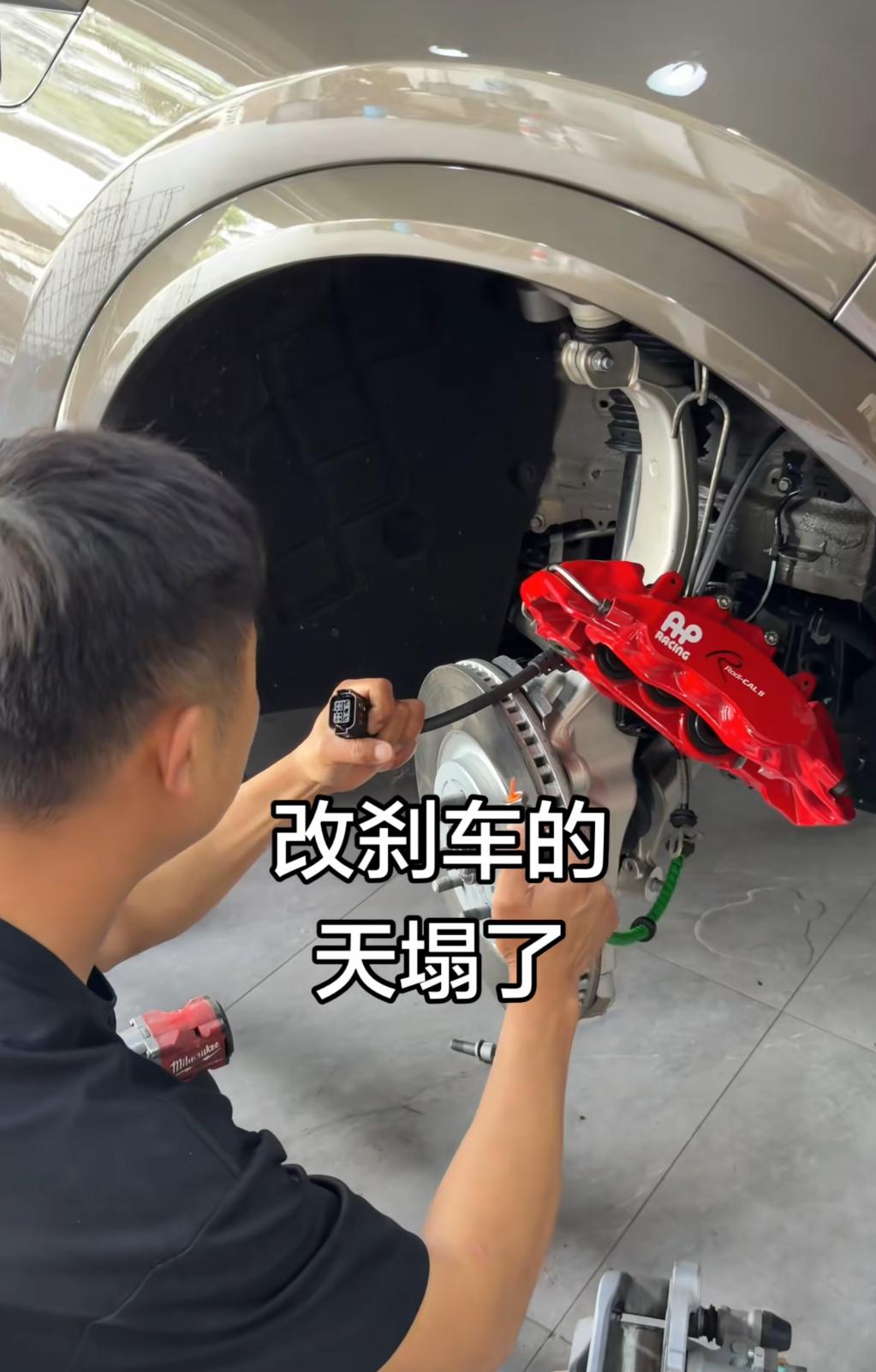
The reason is that the recent Li L9 Livis has started using a fully-by-wire digital chassis, and naturally, the hydraulic brakes have been replaced by by-wire brakes.
This means that traditional oil circuits are no longer needed for braking. When the vehicle's computer sends a signal, the motor next to the caliper directly compresses the piston to brake.
This is definitely a good thing for the increasingly important assisted driving. The response speed of the brakes has increased significantly, and users are safer.
However, the shops doing Li modification business are in a dilemma. When they remove the original brakes, they find there is no steel hose (oil pipe), only a single wire. The high - end modified calipers worth thousands or even tens of thousands of yuan simply cannot be installed.
However, this technological change has sparked a lot of discussions.
Netizens have questioned the purely electronically controlled brakes, wondering if there will be bugs, and if the brakes will fail directly when the vehicle runs out of power. Various safety issues have always surrounded by-wire brakes.
So, Brother Neck has also been looking for some information in the past few days to see the safety issues of by-wire brakes that car manufacturers haven't promoted much.

First of all, any system may malfunction. Just like the oil pipe of traditional brakes may burst, by-wire brakes also carry risks.
What everyone can think of, car manufacturers and the country can also think of.
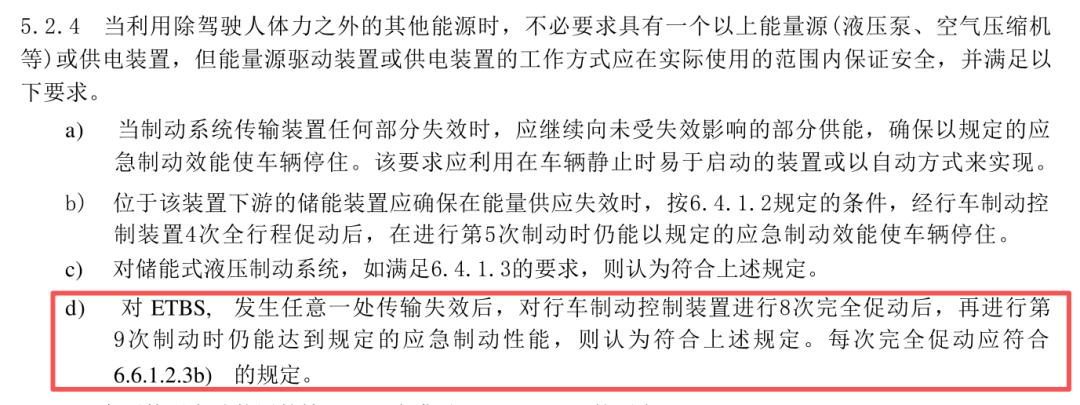
In the national standard for by-wire braking, "Technical Requirements and Test Methods for Passenger Vehicle Braking Systems", which was first released last year, the country has set a red line. After a transmission failure occurs in by-wire braking, it should still be able to perform 9 emergency brakes that meet the regulations.
That's the standard, but how to comply with it depends on the car manufacturers' own ingenuity.
Currently, only two car manufacturers are using fully by-wire brakes. One is Li Auto, and the other is Chery. Their chosen routes are similar.
For example, regarding the power outage issue that everyone is most concerned about, the current method is to add multiple redundant systems.
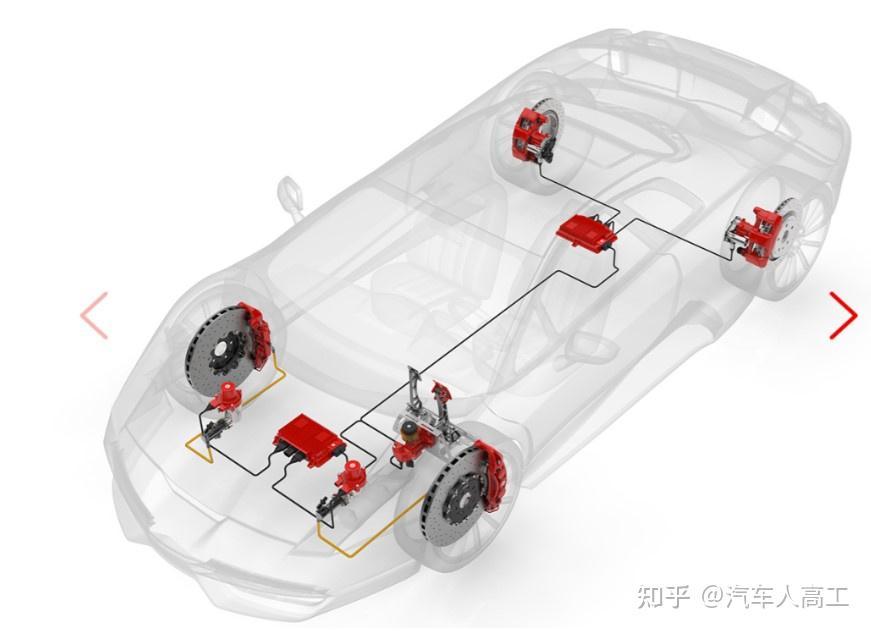
It's as simple as when the lights in our homes go out. We need to find out why.
If there is a power outage at home, we may need to prepare a portable power source; if the switch is broken, we need to have an extra switch; if there is a problem with the circuit, we need to lay an extra line.
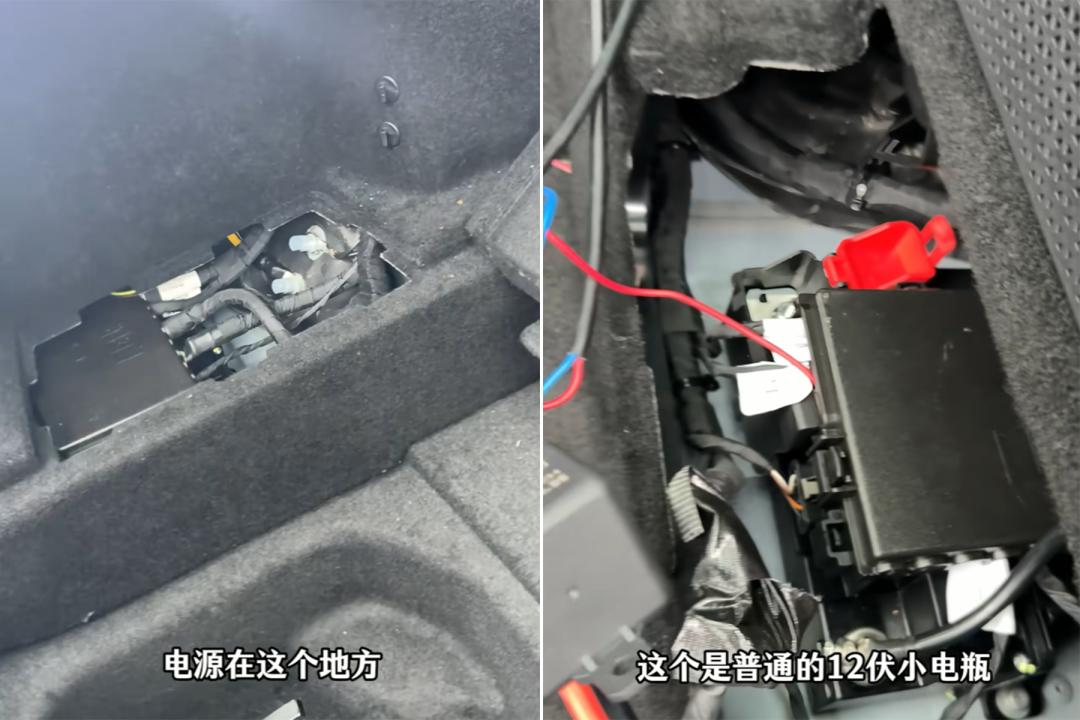
Let's apply these to cars one by one. Regarding the power outage issue, blogger Engineer Lai participated in a test of Chery some time ago.
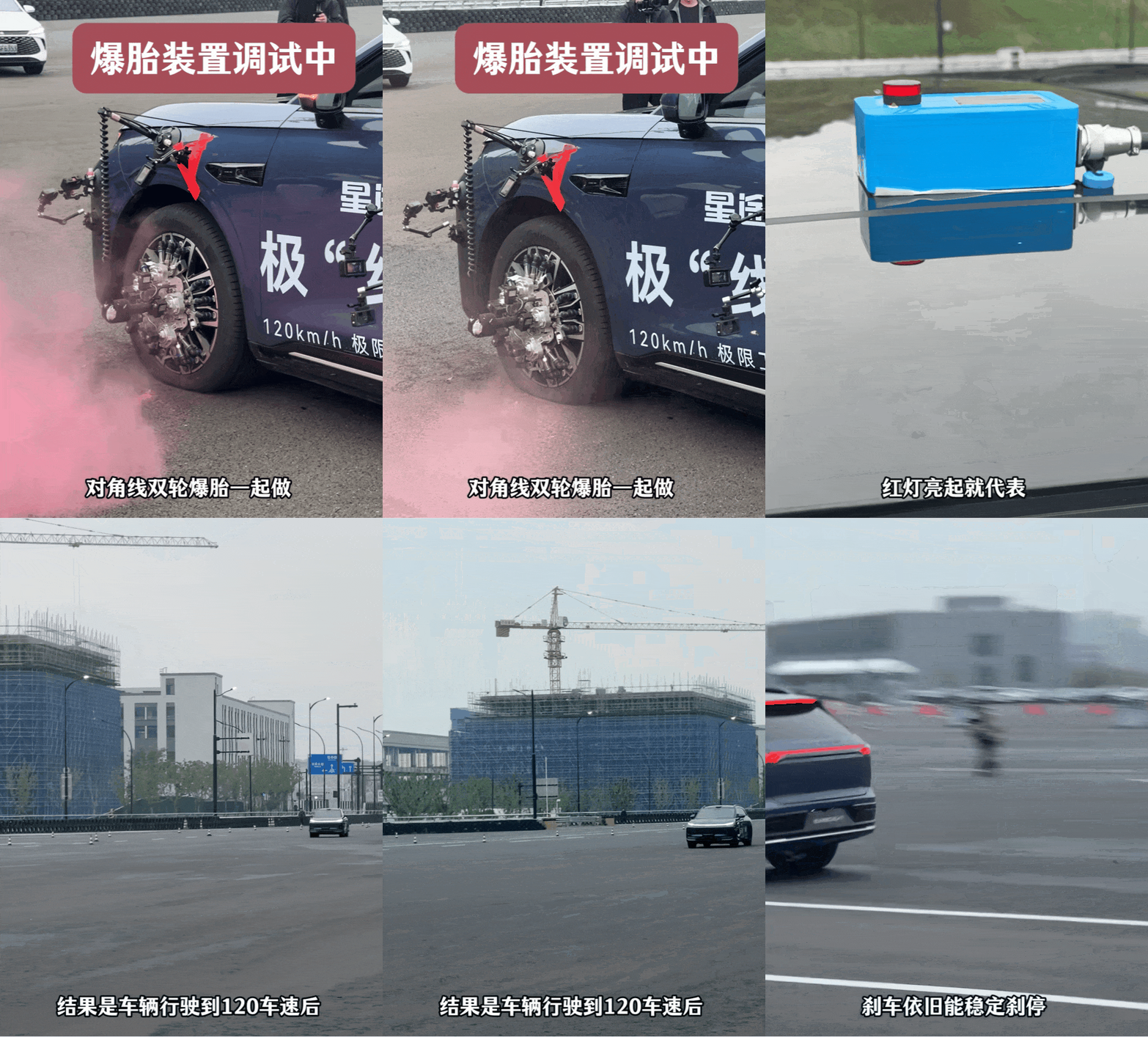
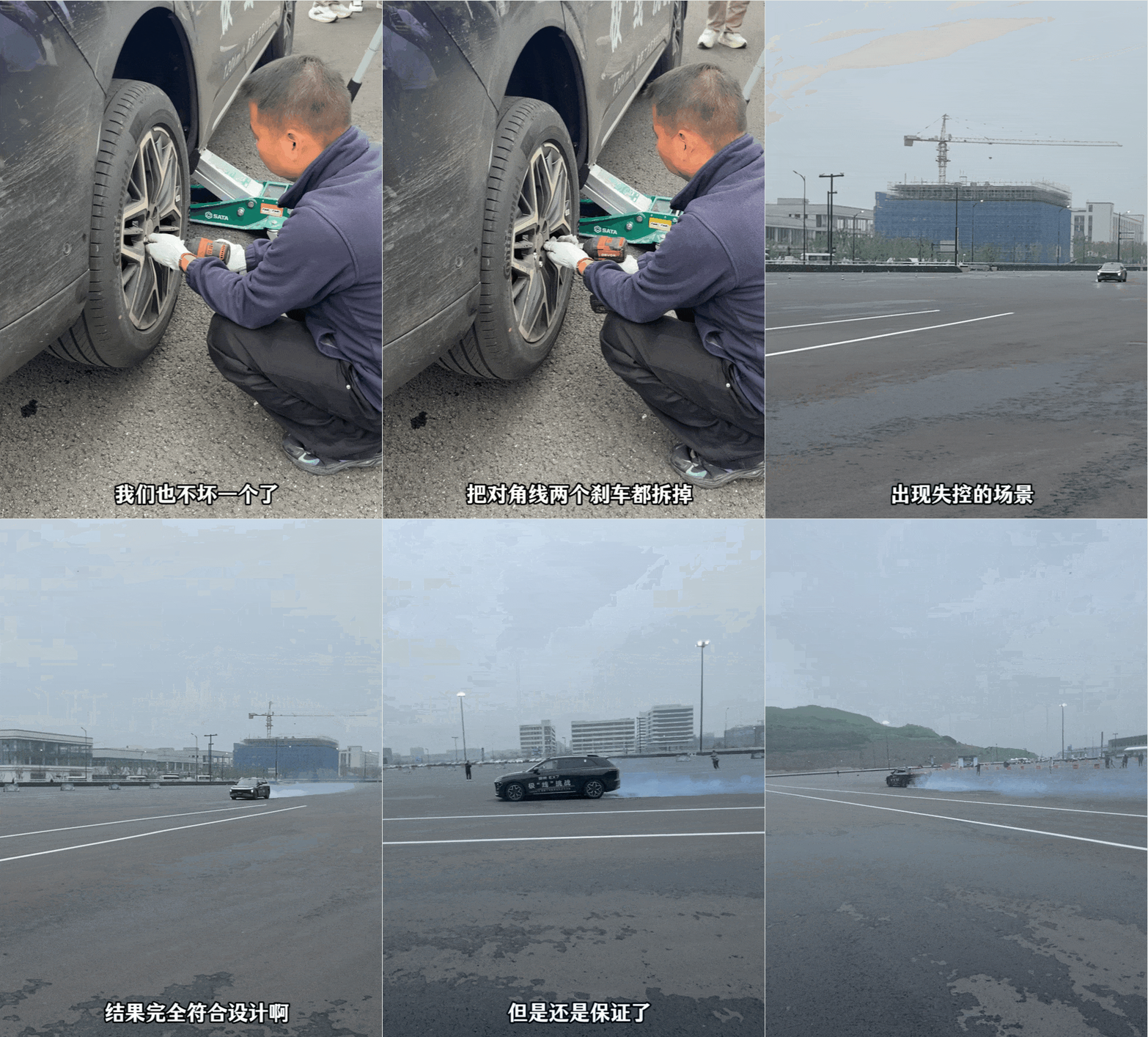
In the test, he showed that there is a small battery on each side of the trunk of the Chery EX7. Together with the large battery, there are a total of three power sources to ensure that the braking system will not lose power.
In his video, we can see that Chery's test car made the test more difficult. In addition to a power outage, it also punctured the diagonal wheels to test the extreme braking ability.
Next is the backup of circuits and communication. Brother Neck found a patent they applied for in March last year. In it, we can see that they have done something like "four people in a dormitory can have eleven groups".
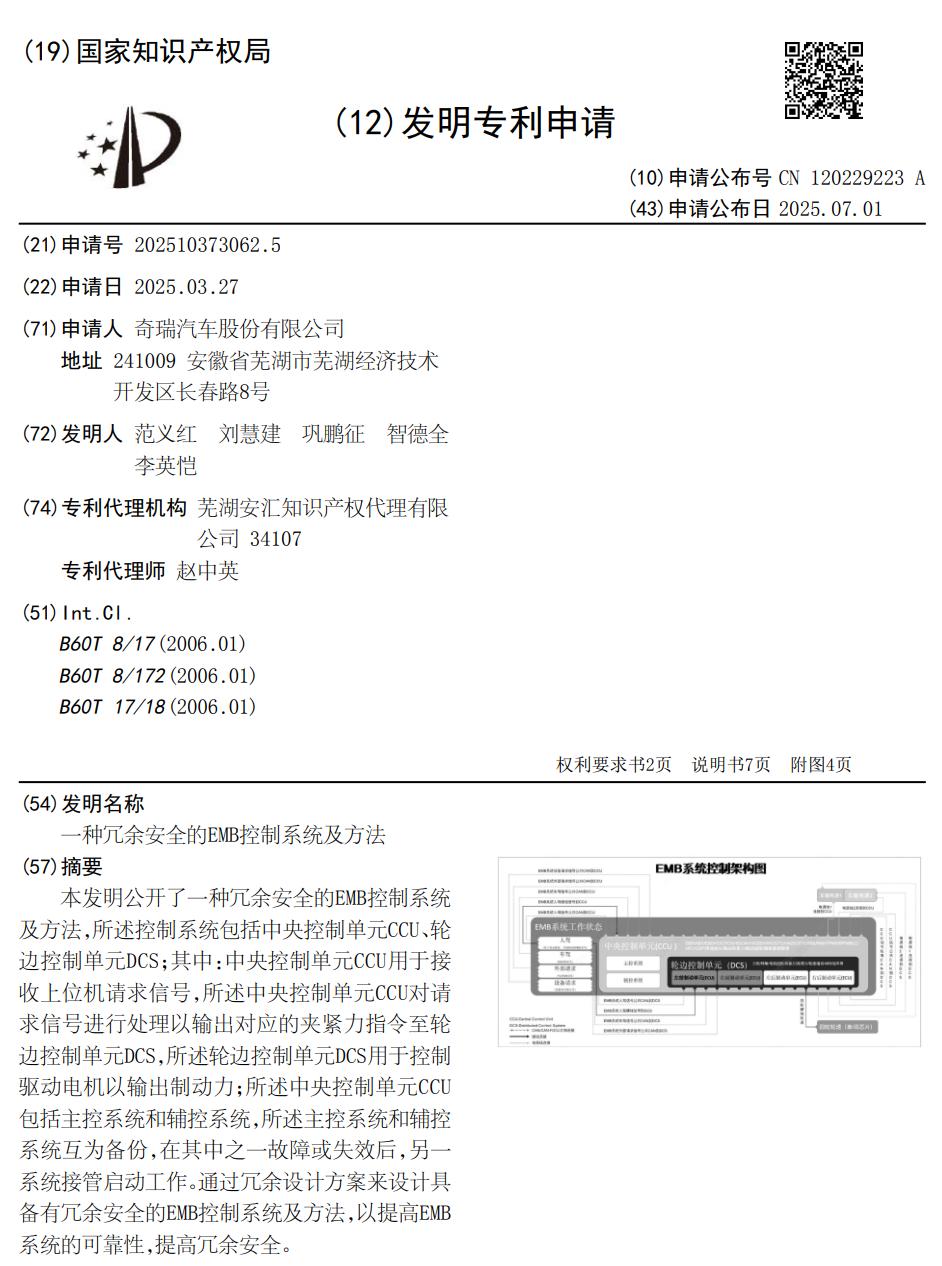
Generally, the braking system is commanded by the central controller. For safety, by-wire braking needs an extra one.
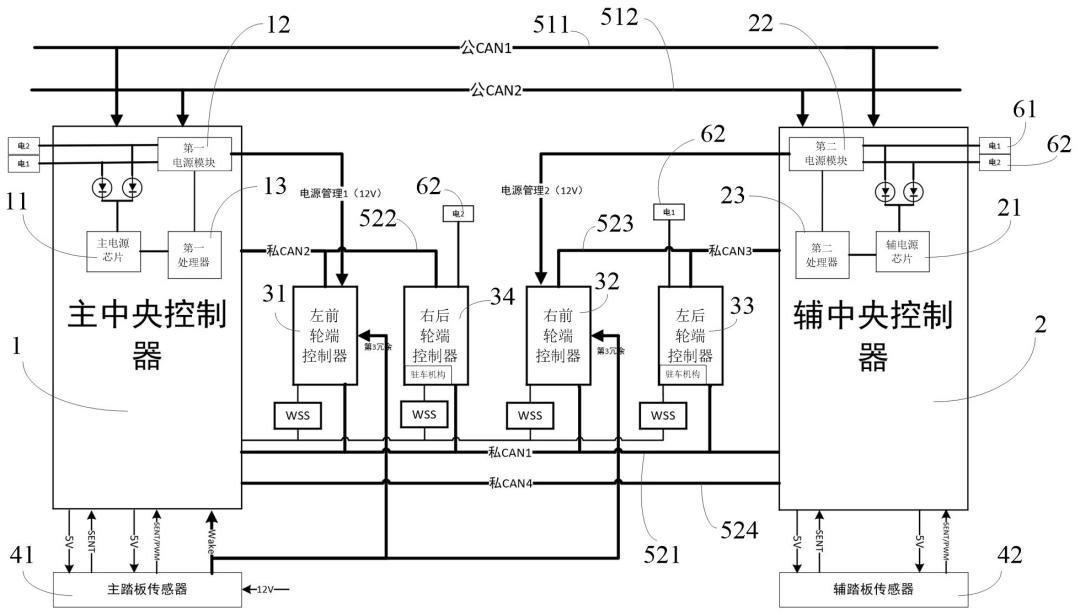
Their method is to pile up components. They let the four wheel-end controllers and the pedal controller back up the functions of the "central controller".
That is to say, the by-wire brakes in this patent can have up to 7 backups of the central controller...
Moreover, the communication lines between these controllers also have multiple backups, which are intricate and sufficient in quantity.
The operation mode of Bethel, the by-wire braking supplier of Li Auto, is no exception. They gave an extreme example. When the left front wheel gets water in and short - circuits, the two lines 511 and 522 in the following figure will malfunction, and both front wheels will not be able to brake.
At this time, the auxiliary central controller can still control the two rear wheels to brake through the 523 line to ensure the braking force required by the national standard.
Since we've mentioned water ingress, next comes the issue of failure rate.
Waterproofing is actually not difficult. The waterproof level of the key wiring harnesses of cars can reach IP67. They won't get water in even when immersed in one - meter - deep water for 30 minutes, so short - term wading is not a big problem.
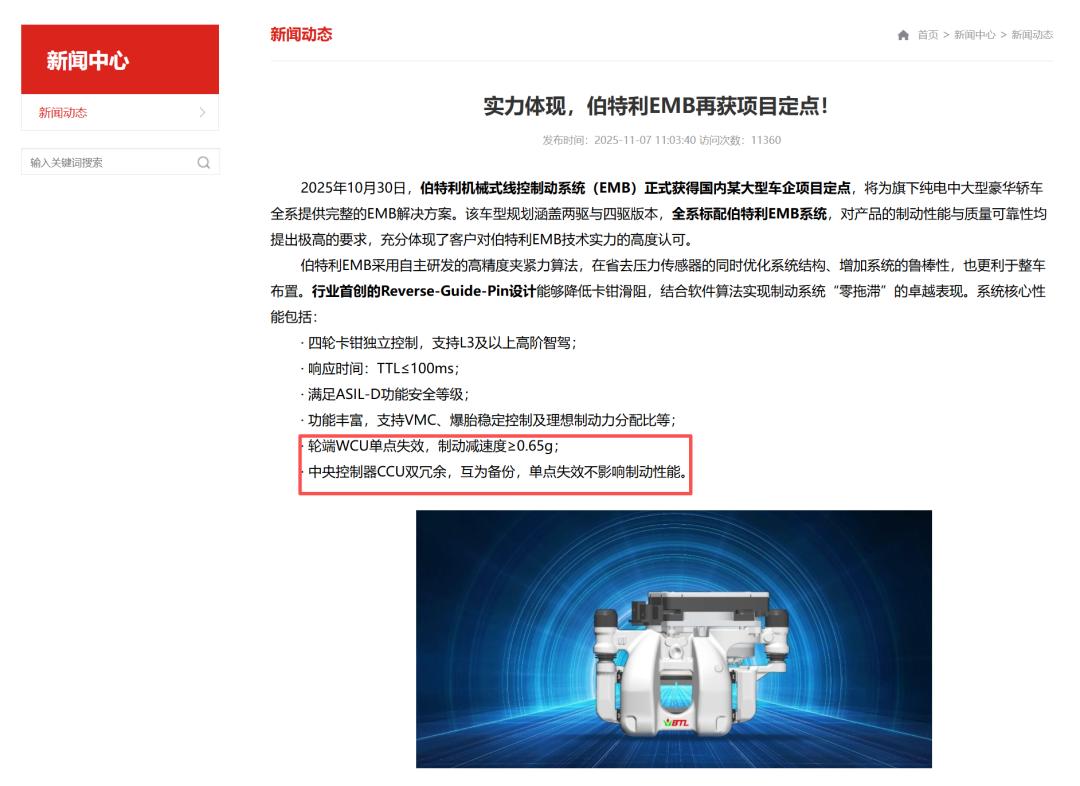
As for other protections, there isn't much information yet. Bethel previously mentioned on their official website that they meet the international standard ASIL - D (Automotive Safety Integrity Level - D).
The hard indicator of this standard is that "the system failure rate must be less than 10 FIT", that is, no more than 10 failures in 1 billion hours.
If a failure does occur, there is redundancy. In the same test, Chery removed the diagonal brakes to simulate the failure of the calipers.
Logically, this working condition is quite difficult. Without the brakes on both sides, the system cannot control these two wheels correctly. The vehicle's body stability system can only rely on the remaining two wheels to stabilize the body, which requires a very high level.
However, the vehicle can still stop stably. Maybe this is the charm of chassis digitization.
So, does by-wire braking only have advantages?
Actually, not necessarily. One point has been overlooked, that is, whether it can withstand intense driving.
Moreover, not only car manufacturers, but I also checked the academic research on this. Currently, there is only an SAE paper from the School of Automotive Engineering of Tongji University. It can be said to be an uncharted area for now.
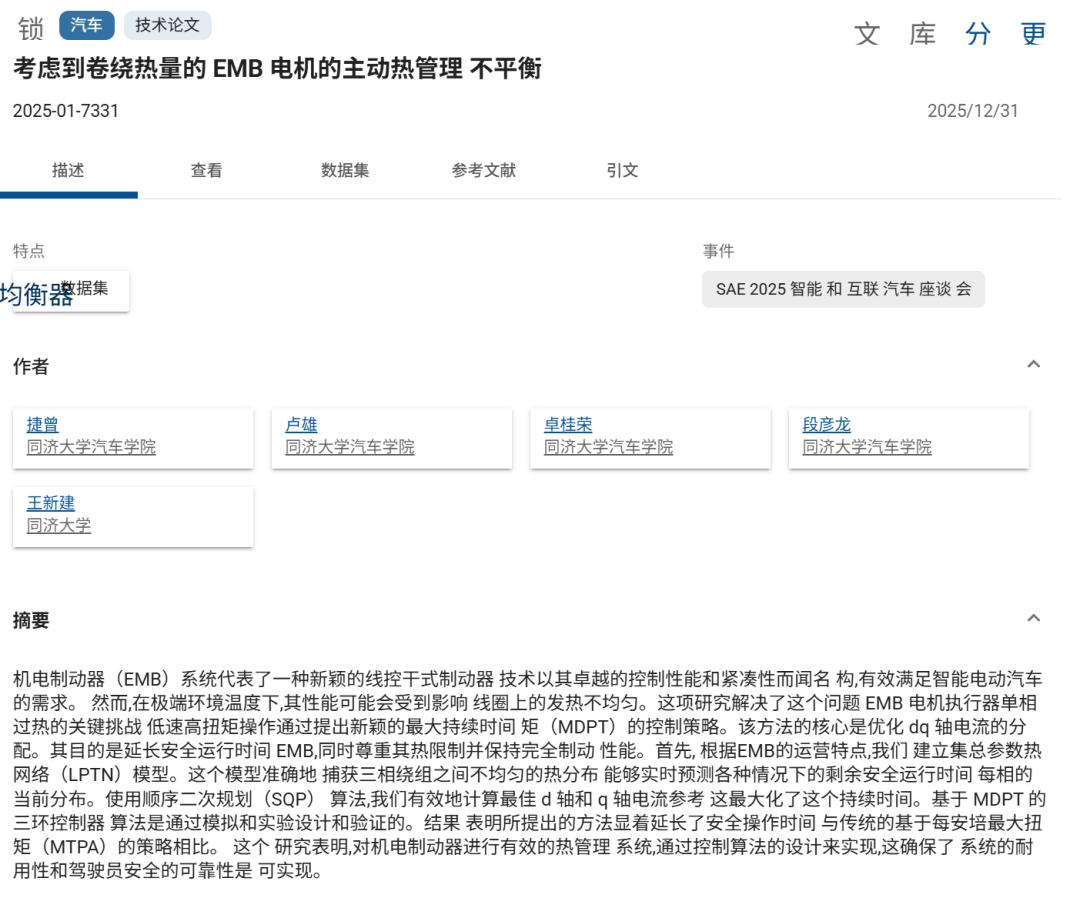
However, this issue actually still has potential risks.
This has to mention the incident where the leaders of a group crashed the Xiaomi SU7 on the race track. Both of them encountered the problem of brake thermal fade, which led to misjudgment of the braking point.
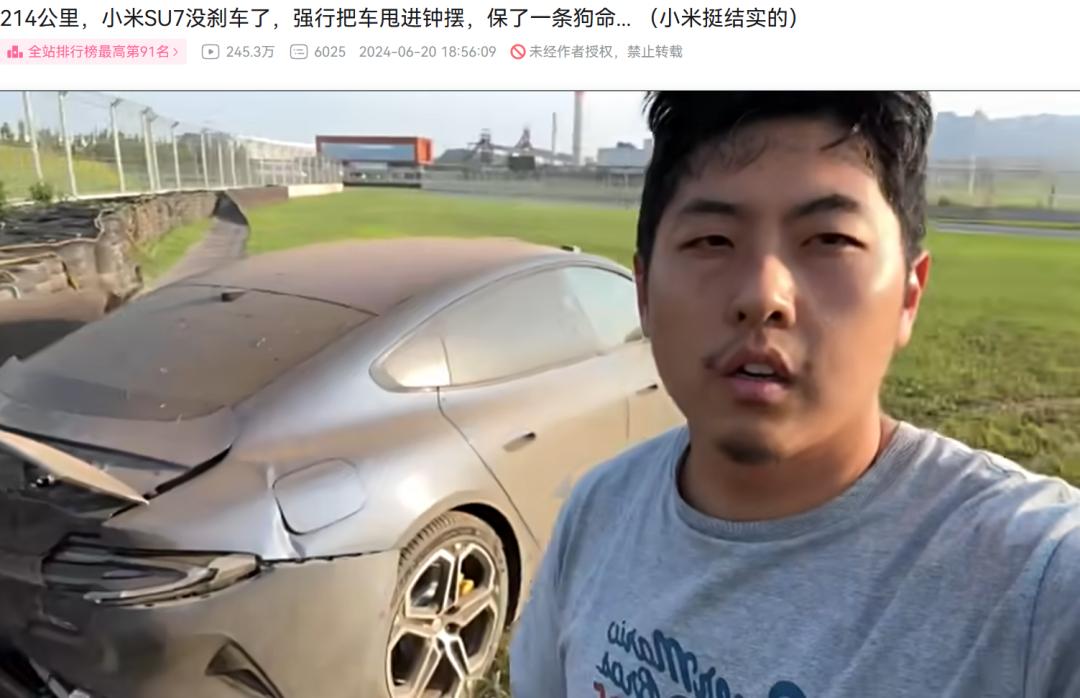
After the thermal fade of traditional brakes, due to the high temperature of the brake discs and brake pads, the braking feel will become softer, and you will know that the car is reaching its limit.
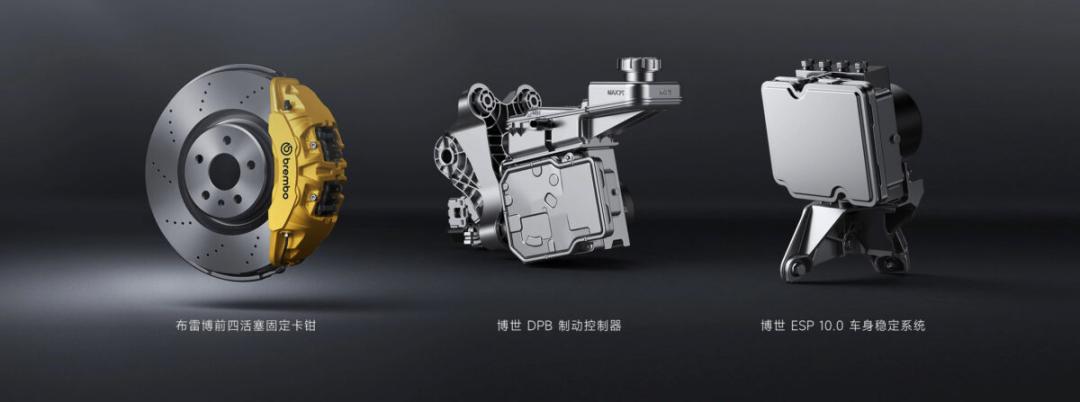
However, Xiaomi uses Bosch's DPB + ESP fully decoupled solution. There is no mechanical connection between the brake pedal and the brakes. So even if they have rich racing experience, they can't handle it.
High temperature actually not only affects the brake pads and brake discs. Xiaomi's is only a semi-by-wire brake, which still retains the hydraulic oil circuit. It's not a fully by-wire brake yet.
The situation of fully by-wire brakes may be more serious. After all, its brake calipers are driven by a motor, and the permanent magnet of the motor may overheat and demagnetize.
Generally, neodymium - iron - boron motors can only withstand a temperature of 320 - 380℃ at most, and the magnetic steel will experience irreversible demagnetization at about 180℃.
In the race track working condition, the temperature of ordinary NaO brake pads used in electric cars can reach over 500℃, and the low - metal brake pads can reach 600 - 700℃.
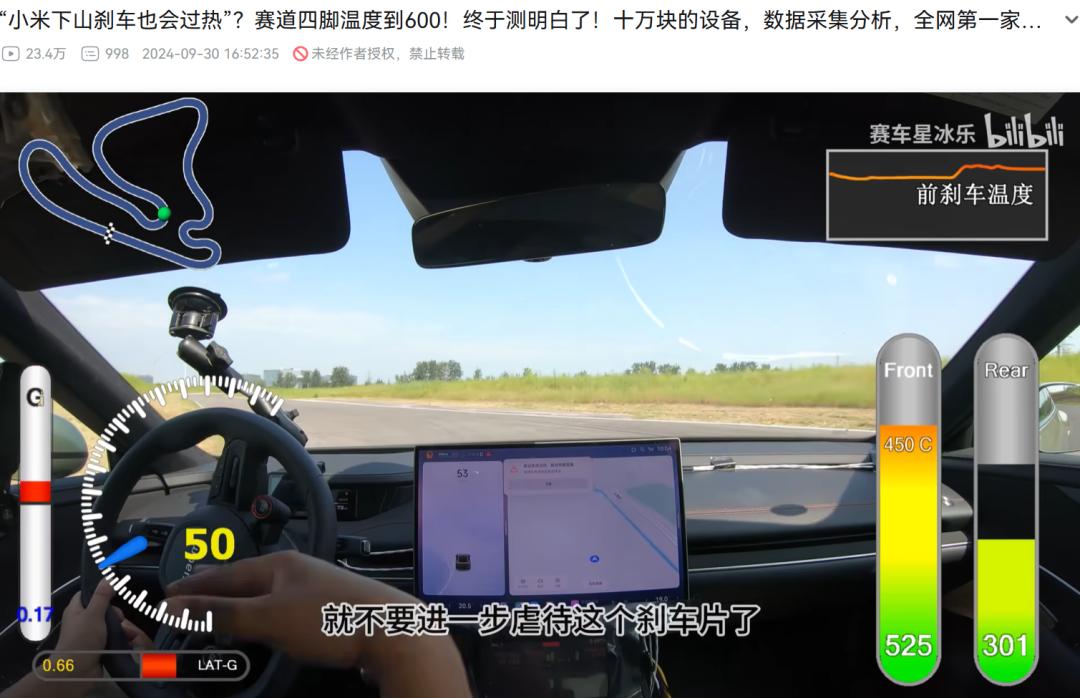
This means that if people drive a car with by-wire brakes for intense driving, the caliper motor may break down before the car crashes due to overheating.
Currently, since the usage scenarios of family cars like the Li L9 Livis and the Chery Xingtu EX7 are not that extreme, the problem may not be serious.
However, since by-wire braking is the future of automotive digitization, this shortcoming must be solved properly.

Otherwise, with our large population, I can only say that the probability of someone pushing the limits in the future is not zero.
Source of pictures and materials:
Fan Yihong, Liu Huijian, Gong Pengzheng, Zhi Dequan, Li Yingkai, A redundant and safe EMB control system and method: CN120229223A
Zhang Sheng, Ma Yubing, Geng Yihai, An electro - mechanical braking system: CN121448330A
Zeng, J., Xiong, L., Zhuo, G., Duan, Y., et al., "Active Thermal Management of EMB Motors Considering Winding Heat Imbalance," SAE 2025 Intelligent and Connected Vehicles Symposium, Shanghai, China, September 19, 2025, https://doi.org/10.4271/2025-01-7331
Official website of Wuhu Bethel Automotive Safety Systems Co., Ltd.
Keyboard Car God Church
Racing Star Ice Lat