Battery-electric + supercar = poor sales?
“We will no longer conduct any exploration on all - electric technology for sports cars. We won't even attempt it.”
At the Lotus Focus2030 strategic media communication meeting in early June, Feng Qingfeng, the CEO of Lotus Group, made such a firm statement, which seems to run counter to the development trend of the entire automotive market.
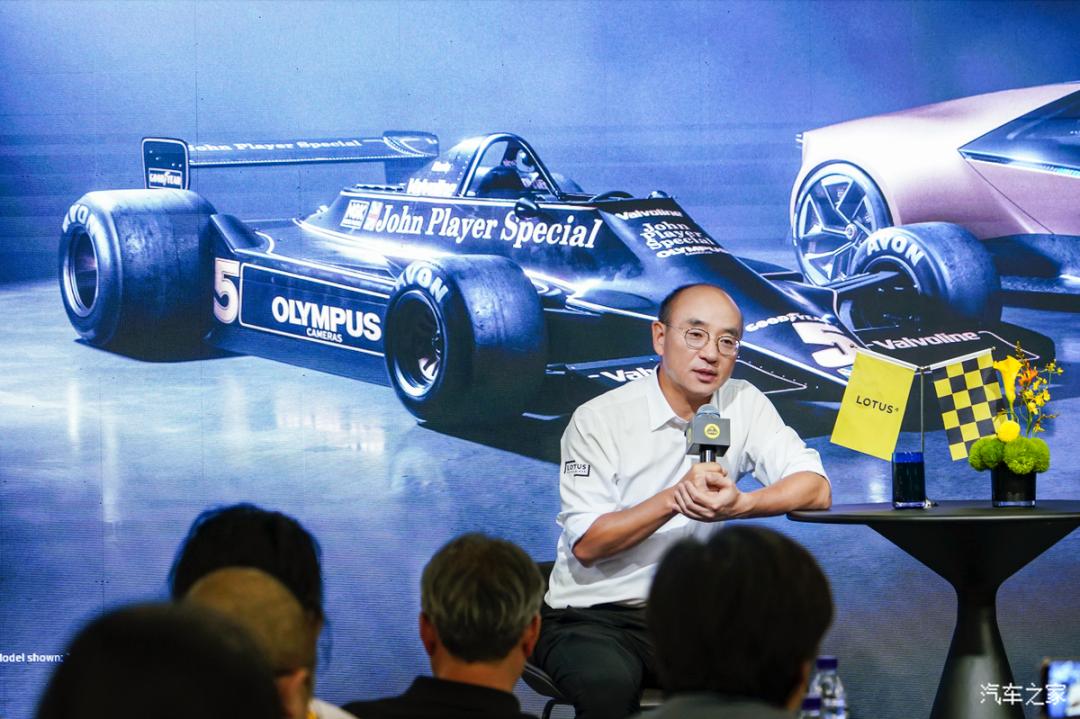
Feng Qingfeng, CEO of Lotus Group
However, after seeing the public opinion situation faced by Ferrari's first all - electric sports car, Luce, it's not surprising that Feng Qingfeng is so firm.
After the release of Ferrari Luce in late May, it attracted global attention. The public opinion can basically be summarized in four words: endless ridicule.
Even Luca di Montezemolo, the former CEO who led Ferrari for 23 years and brought the brand to glory, couldn't sit still and directly made three rounds of mockery: “We are facing a huge risk of ‘destroying a legend’”, “I hope at least the Prancing Horse logo can be removed from that car”, “The Chinese would never copy”...
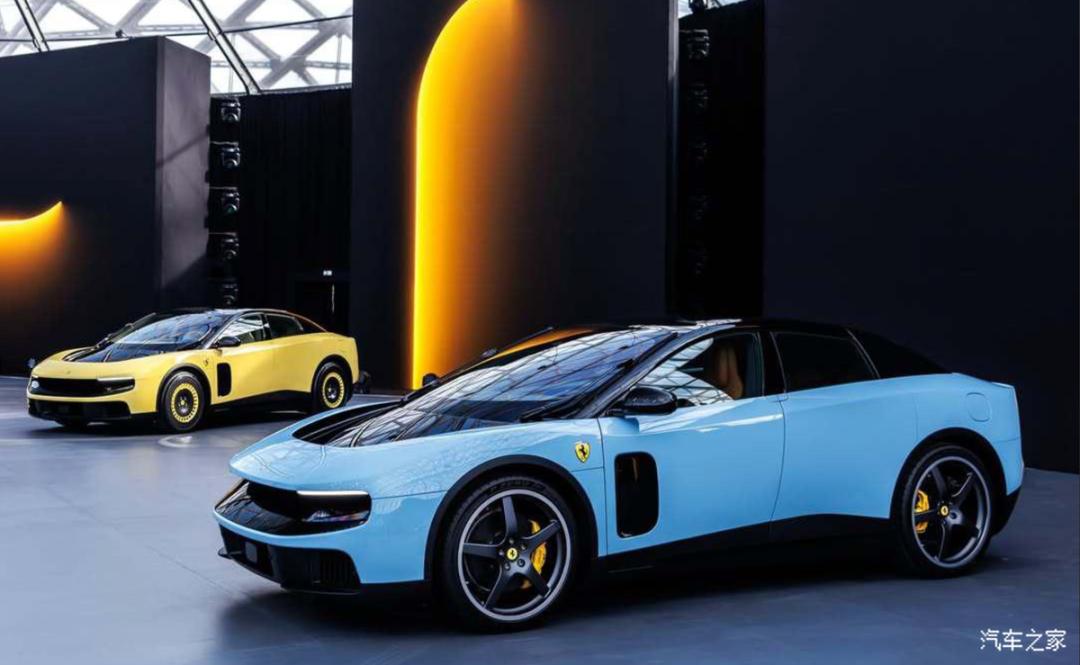
On the day after the release of this so - called epoch - making new car, Ferrari's Milan stock price plunged nearly 8% during intraday trading and finally closed down more than 6%; its US stocks closed down 5.26% on that day, with a single - day market value evaporation of more than $3 billion (about 20.32 billion yuan), equivalent to the value of a Mitsubishi Motors.
Are the situations of Lotus and Ferrari individual cases or a common phenomenon? Why is there so much hostility towards “all - electric supercars”? Can electrification never break into the supercar circle? Today, I'll clarify these three questions.
The failure of all - electric supercars has nothing to do with performance
In mid - May, Lotus officially announced that it would abandon the radical full electrification schedule and restart the R & D of fuel - powered sports cars after a five - year hiatus.
Lotus is not an individual case. In February this year, Lamborghini stopped its all - electric GT sports car project and postponed the full electrification deadline to after 2035.
Previously, Porsche also postponed the launch of its all - electric 718 sports car. Aston Martin postponed the release of its first all - electric model several times. Maserati cancelled the plan for the electric version of the MC20 sports car. Bentley and Rolls - Royce also successively reduced their R & D investment in all - electric projects.
More high - end brands like Bugatti, Pagani, and Koenigsegg also chose to abandon the all - electric route after a lot of research.
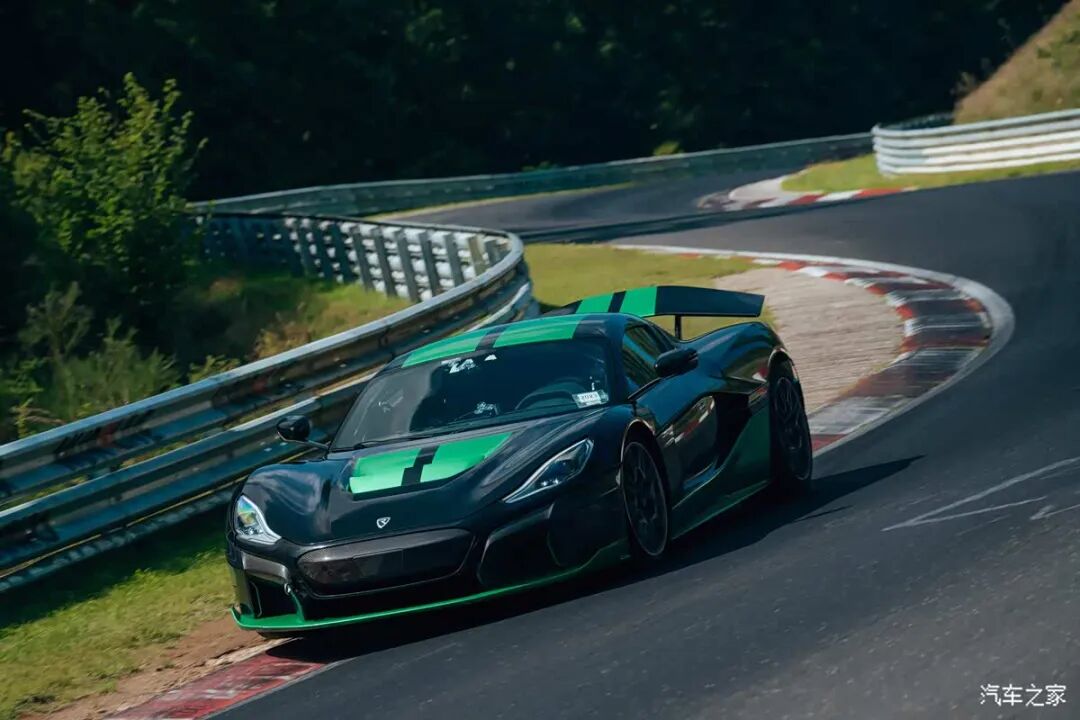
Bugatti's parent company, Rimac, launched an all - electric supercar, Nevera, in 2021. This top - level all - electric supercar with 1,914 horsepower and breaking 23 world records was limited to 150 units. As a result, it wasn't until 2025 that they basically sold out all the production capacity.
Qiantu K50, the first model launched by Great Wall Huaguan, a former new Chinese car - making force in 2018, was an all - electric supercar. Although it was priced at only 700,000 yuan, it was abandoned after delivering more than 150 units.
Why isn't all - electric power popular? Is it because of performance?
Absolutely not. It's much easier for an electric motor to reach a thousand horsepower than an engine. In addition to acceleration, electric vehicles are no worse than fuel - powered vehicles in terms of handling. Otherwise, how could Xiaomi SU7 Ultra and YU7 GT respectively break the lap records of mass - produced four - door cars and mass - produced SUVs at the Nürburgring.
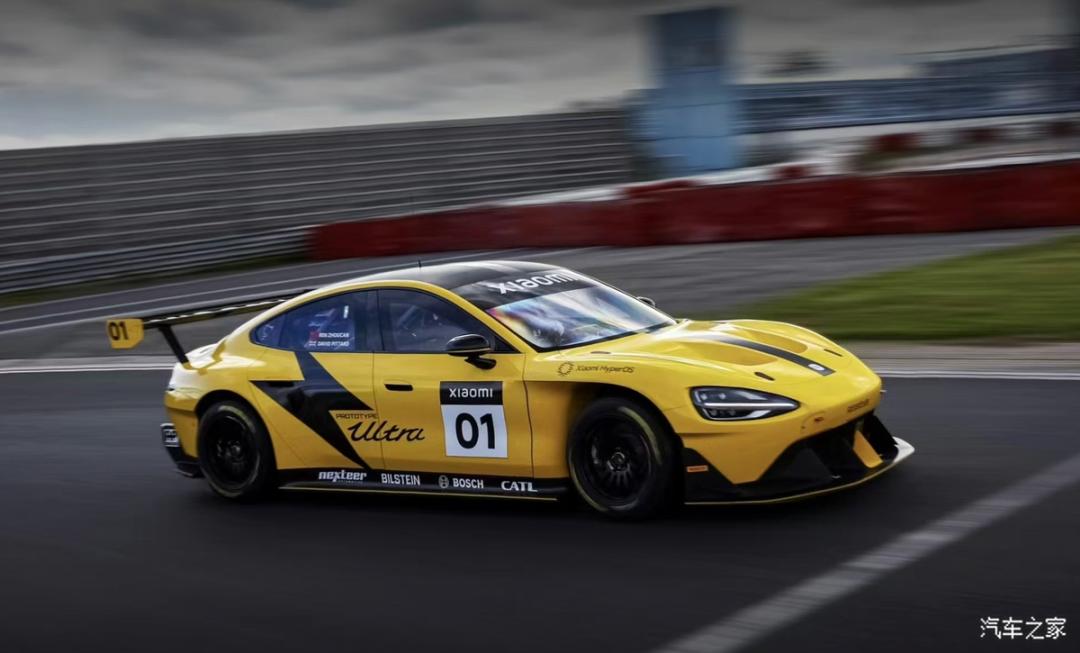
Even if Xiaomi keeps breaking lap records, you can't compare it with Porsche, Ferrari, and Lotus, right? They are not in the same category at all.
What all - electric power lacks is not power, but a feeling. Feng Qingfeng said: “In the past, when we talked about horsepower, it was often associated with the number of cylinders. Now, when we talk about horsepower, people don't know what it's associated with.”
Supercar users need emotional value
What supercar customers pursue is not just the 0 - 100km/h acceleration figure, but a comprehensive sensory experience including engine sound, lateral acceleration, and handling feeling on winding mountain roads. Scardoni, the head of Lamborghini's Asia - Pacific region, said: “This kind of emotion is what current all - electric supercars lack.”
In other words, when customers spend millions or tens of millions to buy a supercar, they care more about the resonance between themselves and the car: the vibration transmitted through the fingertips in the roar of the engine, the jerks when shifting gears, the warning of the rear - axle slip when cornering at the limit...
A senior supercar enthusiast can feel the different understandings of driving pleasure of different brands when driving different classic fuel - powered supercars.
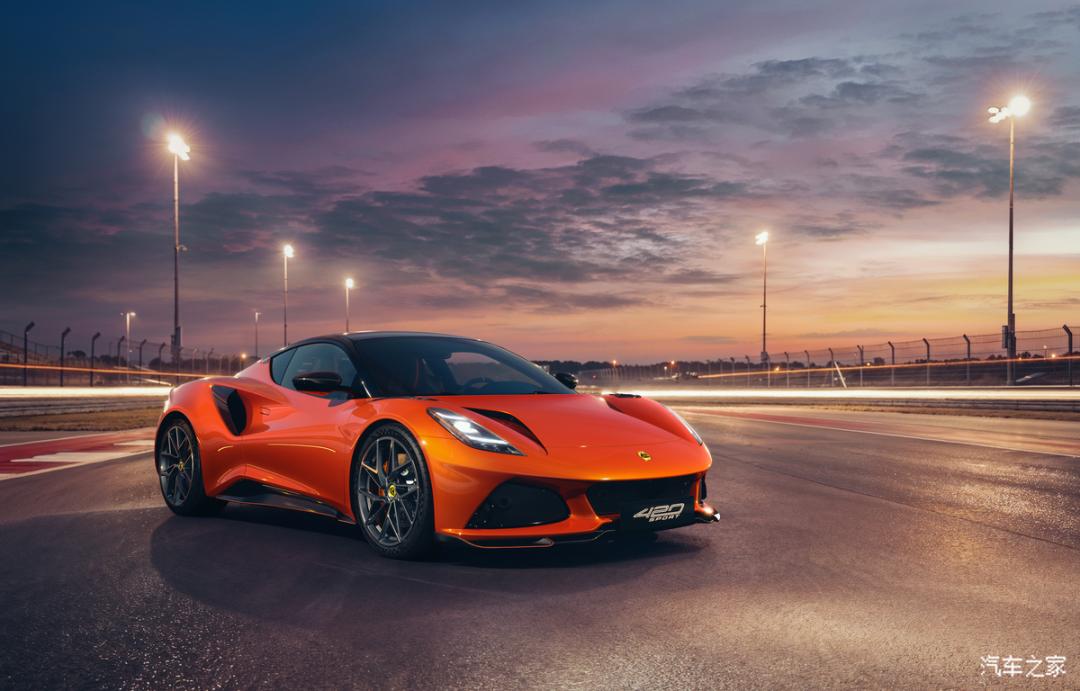
In comparison, electric vehicles have neither the vibration of an engine, nor the jerks when shifting gears, nor the exhaust sound. To provide sensory stimulation, all - electric supercars have to use programs to simulate the sound of fuel - powered vehicles.
When you choose to simulate your opponent, you've already lost half the battle. Just like if you choose to copy the design of the other party, it's hard to sell at the same price as them.
Many smartwatches nowadays have launched designs that simulate the dials of classic mechanical watches. But no matter how they simulate, everyone knows it's not real, so their prices can't match those of brands like Rolex and Patek Philippe.
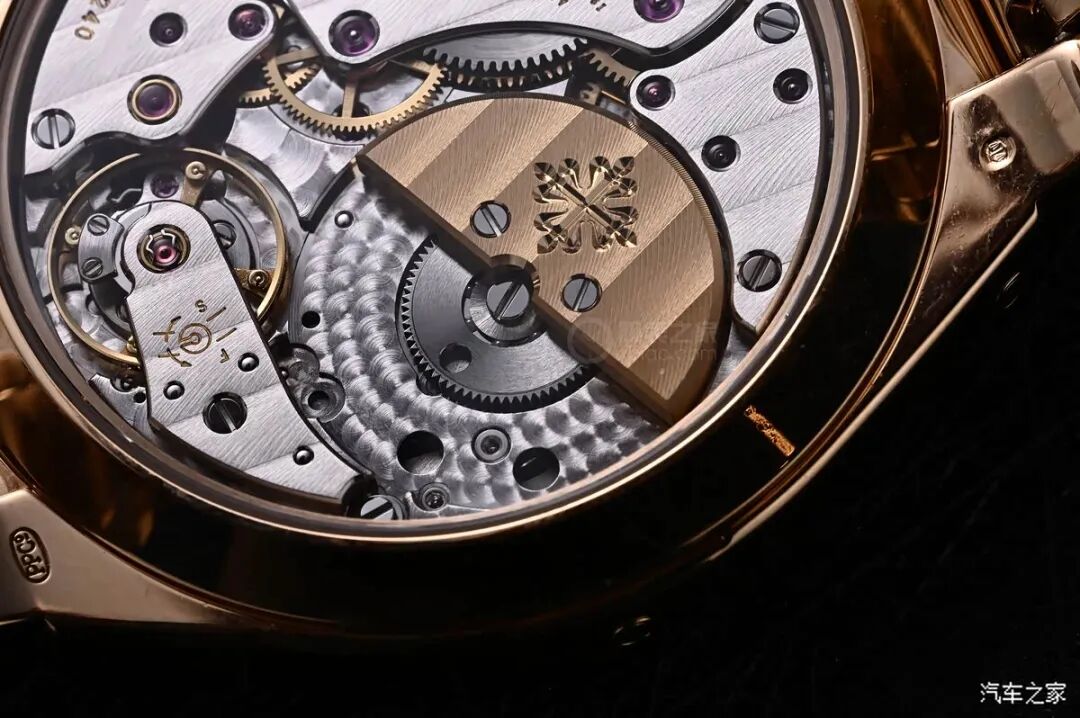
Although mechanical watches are outperformed by smartwatches in terms of timekeeping accuracy and function richness, they still have great value today. They no longer exist as functional products, but as ornaments, handicrafts, and luxury goods.
In the future, fuel - powered supercars may also move towards a market positioning similar to that of mechanical watches. Feng Qingfeng said that in the automotive market above $80,000 (about 550,000 yuan), the all - electric penetration rate has always been less than 10%, including in the Chinese market. This is also the confidence for Lotus sports cars to reject all - electric power.
The supercar market's electrification has not stopped
Although the electrification process of supercars faces many obstacles, the supercar market has never stopped absorbing electrification technology. The difference is that supercar manufacturers have chosen another way - hybrid power.
The future sports car Type135 launched by Lotus will apply a MGU - K power unit similar to that in F1 on the basis of a V8 power system. The 350 - kilowatt MGU - K motor and transmission mechanism used in F1 only weigh 15kg in total, which is 1/5 to 1/6 of the motor systems of most current passenger cars.
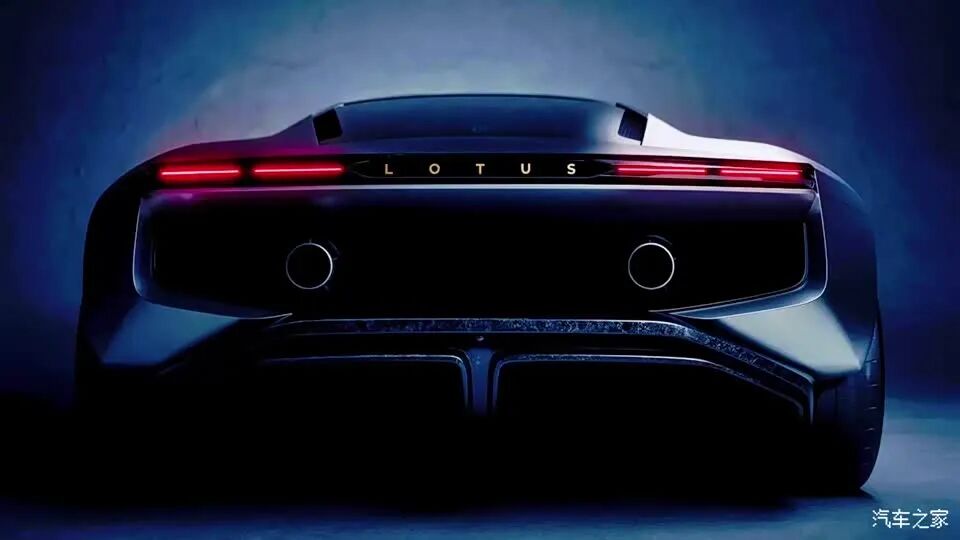
Feng Qingfeng's goal is to make Type135 have more than a thousand horsepower, high voltage, a good energy recovery system, and at the same time control its weight at the level of the ‘Horse King’ (Ferrari F80, over 1.5 tons).
The F80 launched by Ferrari in 2024 has a power architecture based on the 499P, using a hybrid system of V6 + three motors, with a price as high as 3.6 million euros (about 28.18 million yuan) and a limited production of 799 units. As a result, the pre - order demand was directly three times the planned production. Similar situations also occurred with other supercar brands like McLaren.
Since 2026, Lamborghini has stopped launching pure - fuel flagship models and instead covers its main product line with plug - in hybrid electric (PHEV) technology. Now, the two supercars on sale from Lamborghini only use hybrid systems.
Obviously, hybrid power is the optimal solution for the current supercar upgrade. It can bring stronger power through the motor and also retain the interaction and emotional value provided by the fuel - engine system.
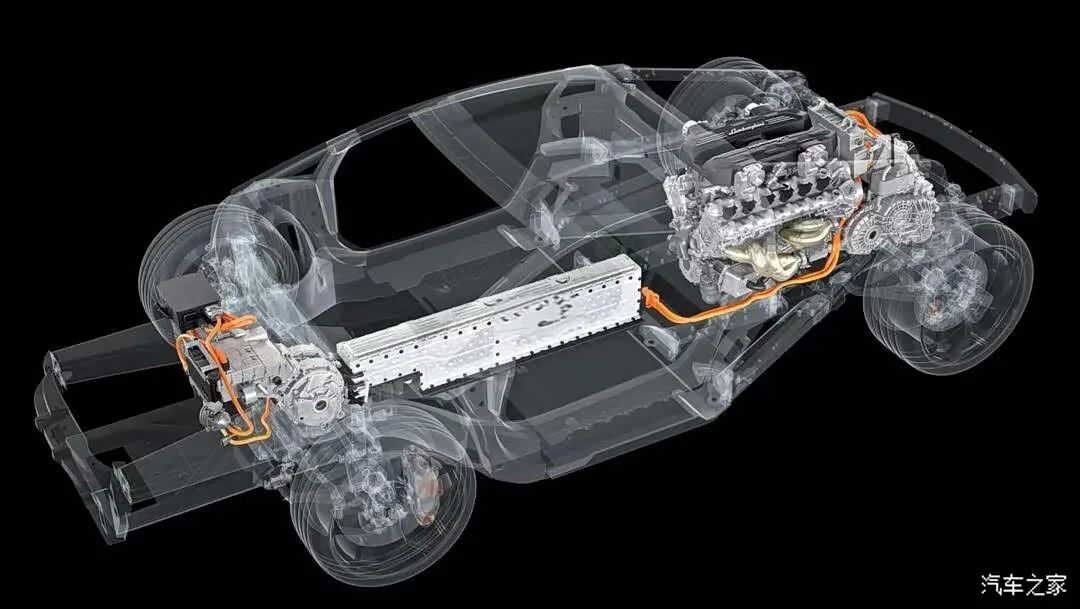
From the perspective of supercar users' pursuit of the emotional value of the unity of man and car, all - electric power indeed has obvious shortcomings. However, this doesn't mean that all - electric supercars will always be a “false proposition”.
According to the plan, Tesla's all - electric sports car Roadster, which has been postponed N times, will be officially released in August 2026. The car can accelerate from 0 - 60 miles in less than 1.9 seconds and can reach 1.1 seconds with the SpaceX kit installed, with a range of about 998 kilometers.
Not only Tesla, although Feng Qingfeng has determined that he won't try the all - electric supercar route in the short term, he also believes that there is still a lot of room for optimization in all - electric power, such as battery efficiency.
Perhaps with the call of Tesla, the hard work of Chinese car companies, and the improvement of all - electric technology, all - electric supercars still have the hope of finding their own market in the future.
This article is from the WeChat official account “Autostinger” (ID: autostinger), author: Zhang Yuzhe, published by 36Kr with authorization.