The small-screen flagship has been popular for just two years, so why have large-screen smartphones suddenly made a comeback?
The trend of small-screen phones has only been popular for a couple of years, and it seems they're about to fade away.
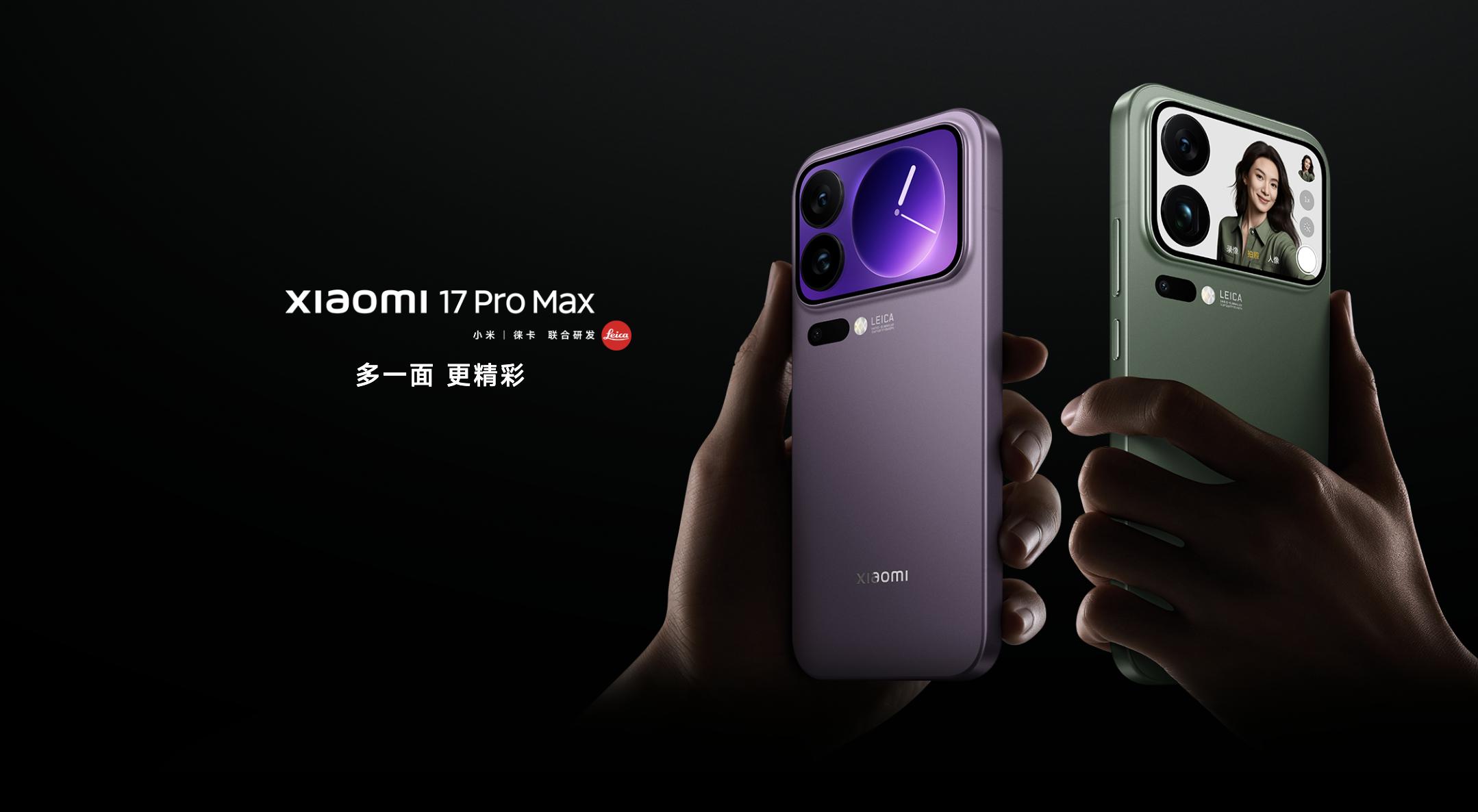
If you've paid attention to the new phone launches this year, you'll notice that the small-screen flagships that were all the rage last year don't seem to be the focus of manufacturers this year. Instead, among the new phones launched at the end of last year, the Xiaomi 17 Pro Max stood out with its extra-large screen and became an instant hit. There were online rushes and long queues offline. This kind of scene used to be only seen during iPhone launches.
(Image source: Xiaomi)
On the other hand, Vivo, OPPO, REDMI, iQOO, and Lenovo have all been busy competing in the market of straight large-screen phones with a size of 6.8 inches or above. According to incomplete statistics, there were 11 extra-large screen phones among the new phones launched in the first half of the year. Of course, this doesn't mean that small-screen phones will be immediately abandoned by the market. Many users really care about the feel, portability, and one-handed operation. However, the hot sales of large-screen phones are also reshaping the worldviews of phone manufacturers - it turns out that you can still sell well without making small-screen phones.
Why did small-screen phones suddenly lose their popularity?
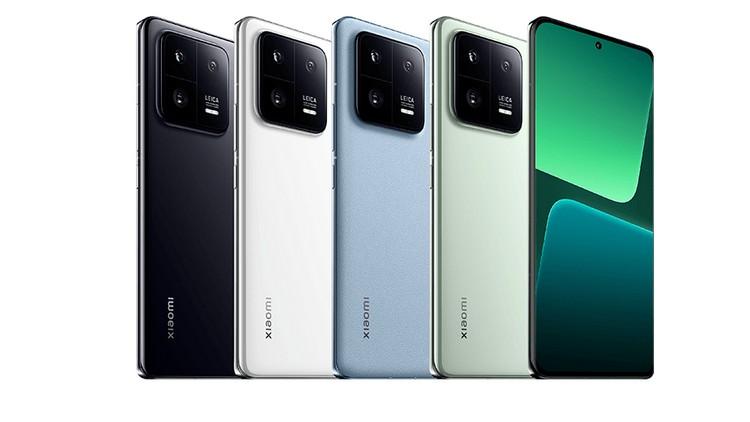
Actually, the popularity of small-screen flagships started with the Xiaomi 13. It didn't become popular because of extreme parameters. Its body was relatively compact, the configuration was balanced, and it had a great feel in the hand. It was reliable for daily use, and this phone sold well for a long time.
Counterpoint data shows that in the list of best-selling models in the global $400 - $599 price range in the first quarter of 2023, the Xiaomi 13 ranked third, with a sales volume of about 1.1 million units. Xiaomi's annual performance announcement for 2022 also mentioned that as of February 28, 2023, 55% of the cumulative sales of the Xiaomi 13 series new phones came from offline channels. It was almost impossible for a small-screen phone to sell one million units in the past two or three years.
(Image source: Xiaomi)
Most importantly, Xiaomi had always had an image of "born for geeks" in the early years, and its main users were basically geeks. However, the offline sales of the Xiaomi 13 were also very strong, accounting for more than half. This shows that the popularity of the Xiaomi 13 had spread to ordinary consumers.
Not only in terms of sales, but the success of the Xiaomi 13 also lies in changing consumers' impressions. When many people mention this phone, their first reactions are evaluations like "easy to use", "comfortable to hold", and "finally, a small-screen flagship is worth buying". Few people think about specific parameters first. The subsequent Xiaomi 14, Xiaomi 15, and the current Xiaomi 17 have all maintained good word-of-mouth and sales.
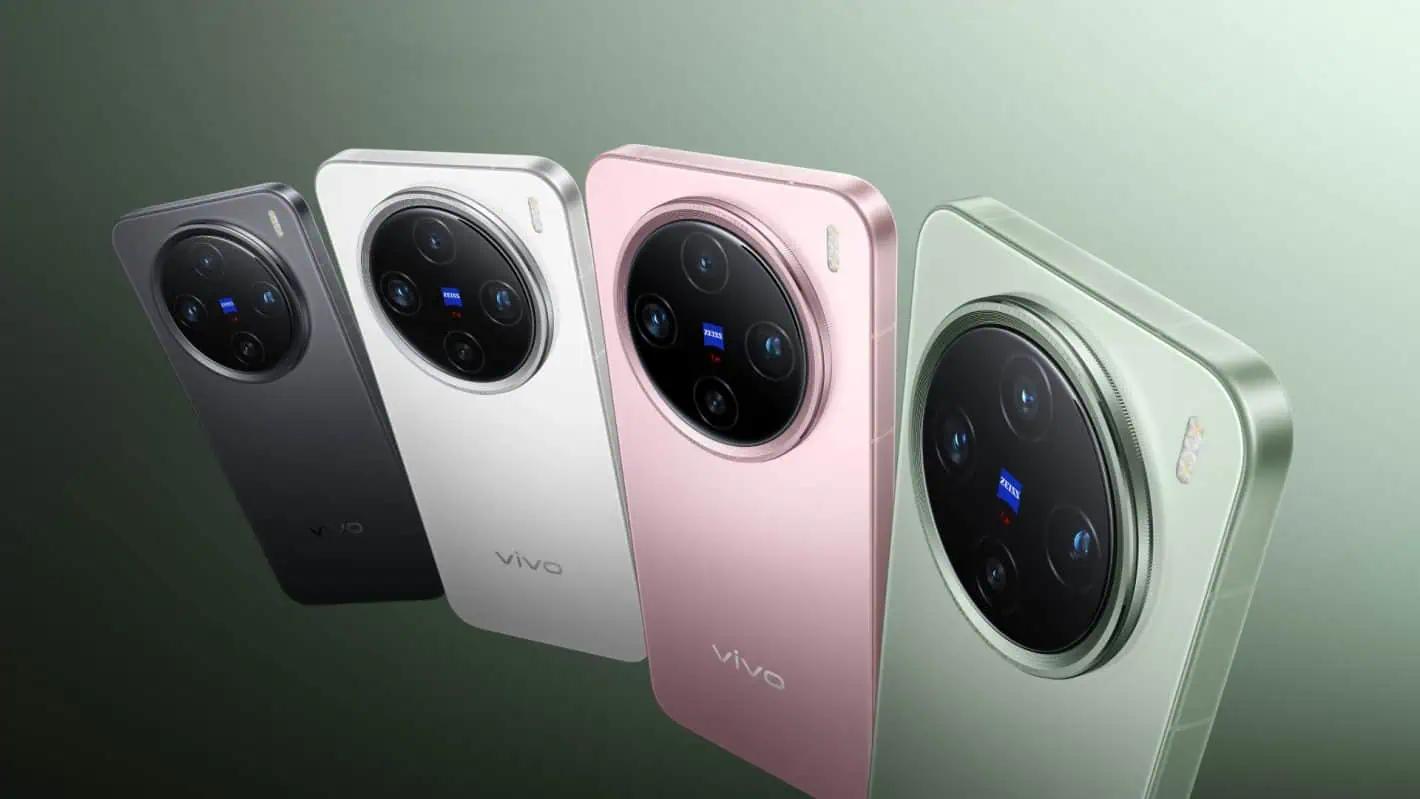
It was precisely because small-screen flagships were increasingly recognized by consumers that a trend of small-screen phones started in 2024. Vivo launched the X200 Pro mini, and OPPO introduced the Find X8s. In the past, people thought it was difficult to fit a complete flagship experience into a small-sized body, but manufacturers managed to make it a more delicate and high-end choice. Even Vivo's S series and OPPO's Reno series, which are mainly for offline sales, started to try the small-screen route.
(Image source: Vivo)
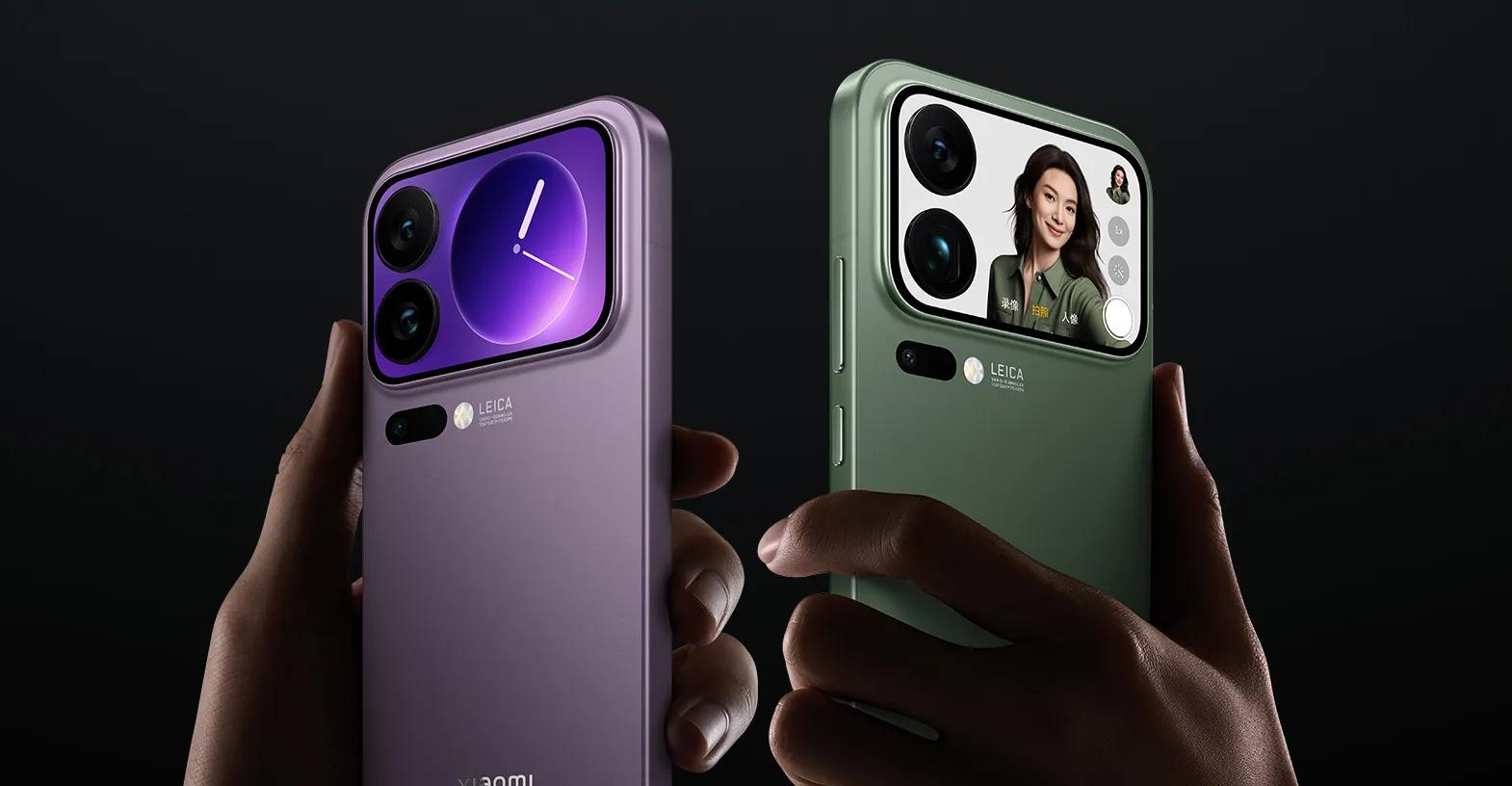
But interestingly, just when everyone thought that the competition among small-screen flagships would continue, Xiaomi launched the Xiaomi 17 Pro Max, which was a huge success again. According to the data from Xiaomi's official Weibo account, the Xiaomi 17 series refreshed the sales volume and sales revenue records of new domestic phone series in all price ranges on the first day of sales within 5 minutes. Among them, the single model of the Xiaomi 17 Pro Max broke the sales volume and sales revenue records of new domestic phones in all price ranges on the first day of sales, accounting for more than 50% of the series' sales; Later, Lu Weibing revealed that the sales volume of the Xiaomi 17 series exceeded one million within 5 days of its launch and reached two million at the beginning of November. The sales volume of the Pro series was about three times that of the previous generation.
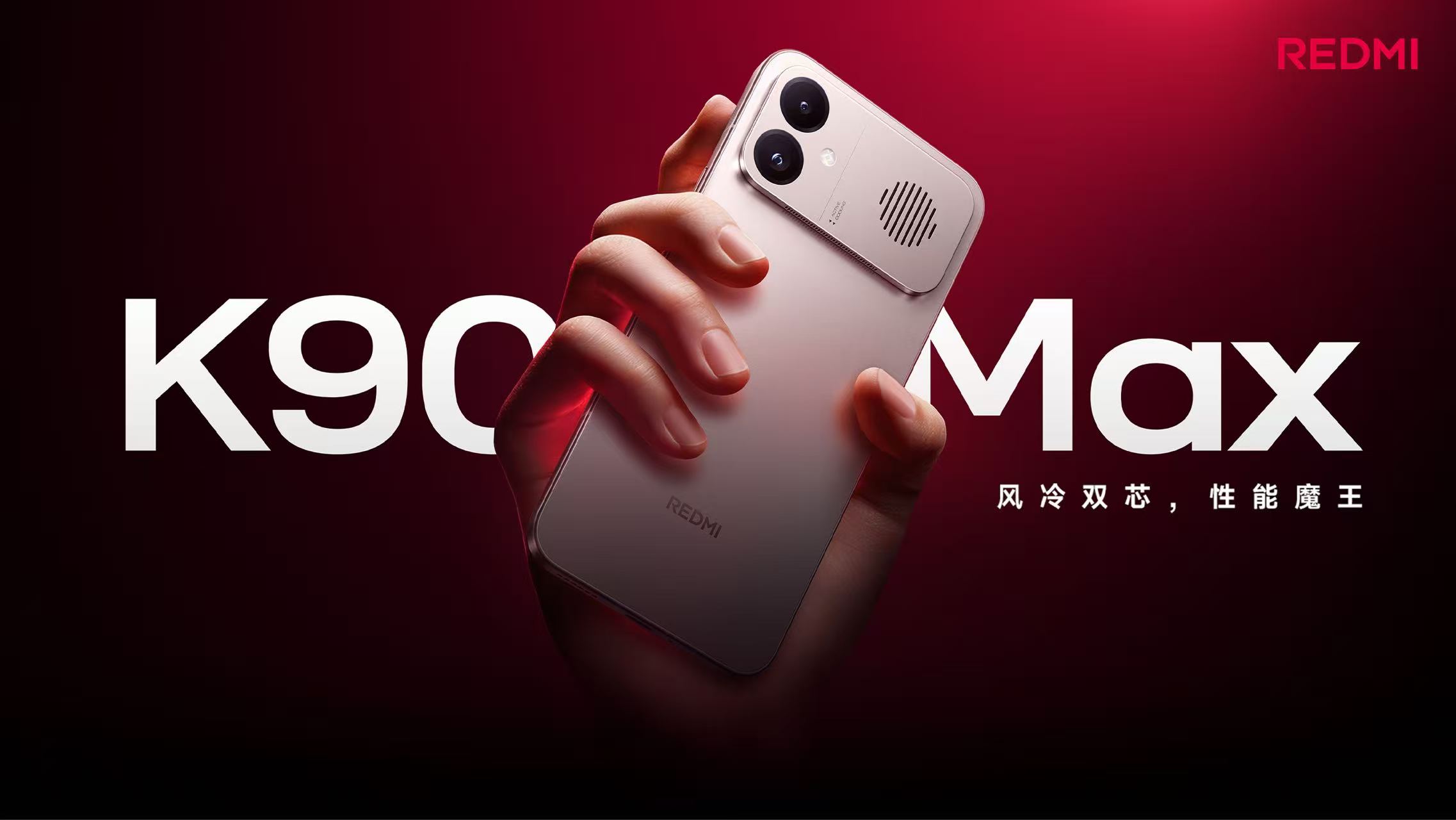
The Xiaomi 17 Max, which was launched in May, is more like an extra-large screen version of the Xiaomi 17, with a display size of up to 6.9 inches. It's not just Xiaomi. Among the mainstream straight new phones publicly launched from January to May, there were at least 9 large-screen models with a size of 6.8 inches or above, including the Samsung Galaxy S26 Ultra, Vivo X300 Ultra, Huawei Pura 90, Huawei Pura 90 Pro Max, OPPO Find X9 Ultra, REDMI K90 Max, Xiaomi 17 Max, iQOO 15T, and the new generation of Lenovo Legion Y70.
(Image source: Xiaomi)
Actually, what manufacturers are thinking about now is not just showing a larger screen at the launch event. They want to translate the concept of "big" into some benefits that users can directly feel, such as a large-capacity battery, better heat dissipation, and a more comfortable experience when watching videos or playing games.
Small-screen fans have an amazing experience with extra-large screen phones
I'm a die-hard small-screen fan. Over the years, the phones I've used, from the Xiaomi 12S to the iPhone 14 Pro, and now the iPhone 16 Pro that I carry with me every day, are basically all small-screen phones. The reason is actually quite simple. I just like the feeling of holding a phone in one hand.
When I first got the Xiaomi 17 Max, my first impression was that it was awkward. The most obvious awkwardness came from its width. It's 77.6mm, while the iPhone 16 Pro in my hand is only 71.5mm. The extra 6mm may not seem like much, but it makes a big difference when holding the phone. I can hardly reach the left edge of the screen with one hand. I have to switch hands or use my other hand every time. In terms of weight, it's not as heavy as I thought. The whole phone doesn't feel too heavy in the hand, but when the size is large, the grip is not very stable. The center of gravity always seems to be floating outwards, and I always feel like I can't hold it firmly, afraid that it will slip out of my hand. For small-screen fans, it takes some time to get used to this kind of insecurity.
(Image source: Leikeji shooting)
However, despite the awkwardness, when I actually started using it, there were almost all good aspects.
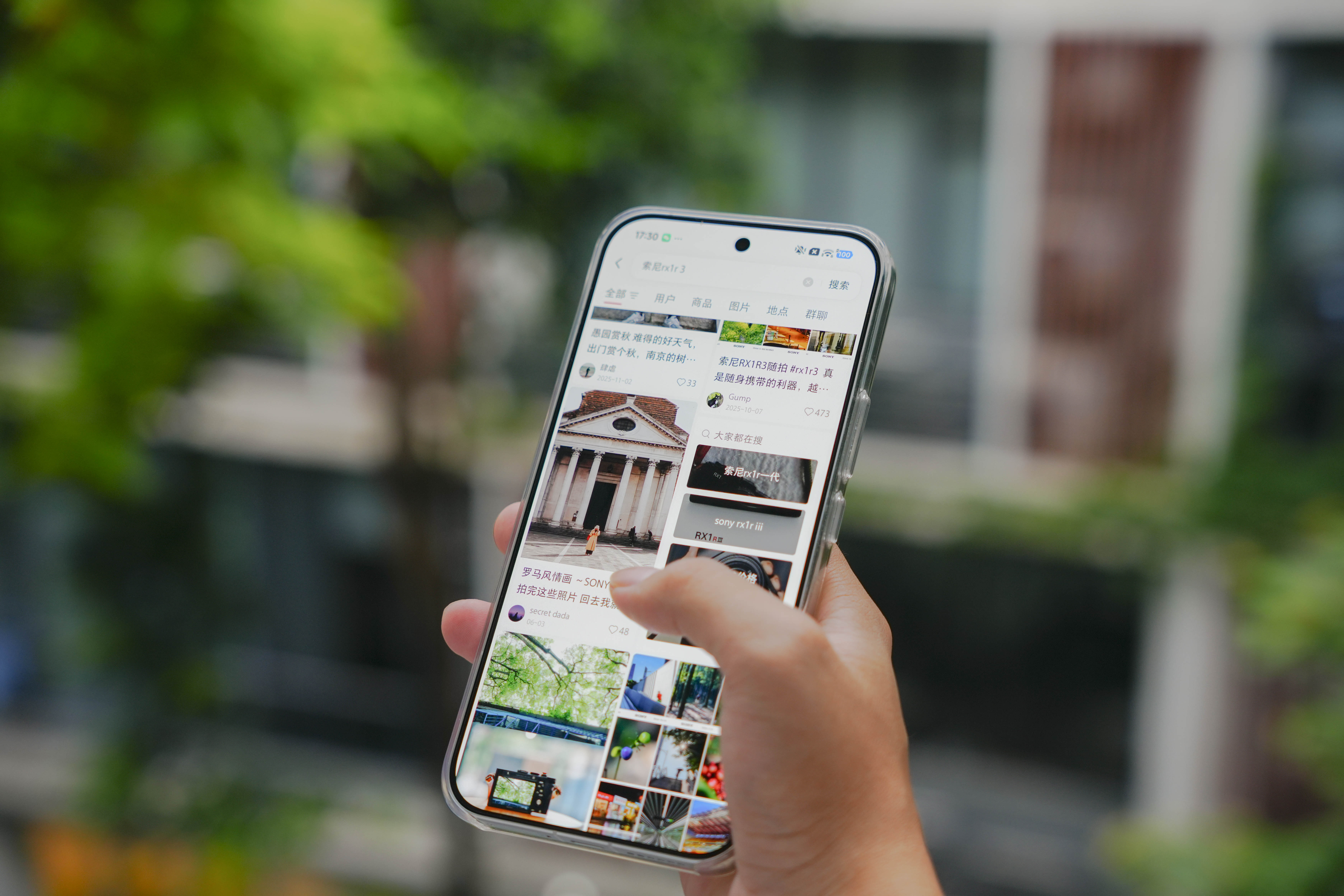
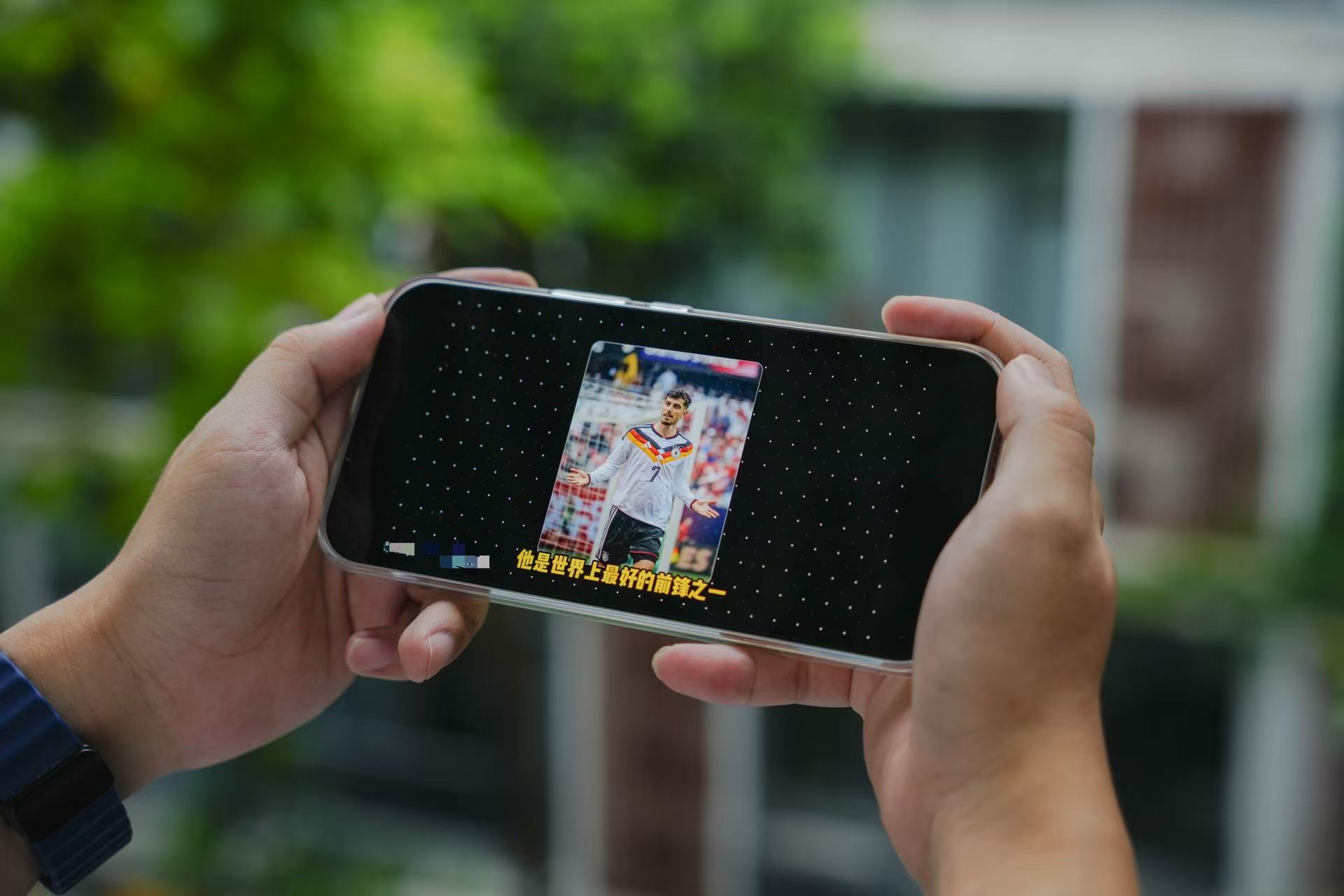
What impressed me the most was the immersive experience of the large screen. When watching videos on Bilibili, the pleasure was obvious. The screen almost filled my hand, and once my eyes were immersed in it, I didn't want to look away. It's the same when browsing Xiaohongshu. In the past, when looking at those small puzzle pictures on a small screen, I always had to zoom in with two fingers to see the details. On the 17 Max, in many cases, just looking at the small pictures is enough. This is a real relief for people who need to browse a large amount of pictures and texts every day.
(Image source: Leikeji shooting)
The battery life is even more amazing. It's almost a dimensionality reduction strike. The 17 Max is equipped with an 8000mAh battery, while my iPhone 16 Pro has a battery of about 3582mAh. Just looking at the numbers, there's a difference of 4418mAh, which is more than the entire battery of the iPhone. Although I usually just browse short videos and play a few games, which are not very power-consuming scenarios, the 8000mAh battery is really there. After using it for a day, I still have more than 40% of the battery left when I get home, which is enough. If it were my previous iPhone, I had to keep an eye on the battery level. By afternoon, I would start looking for a charger everywhere. The 17 Max can basically last from morning to night with some battery left. That kind of peace of mind of not having to worry about the battery all day is really something that small-screen phones can't provide.
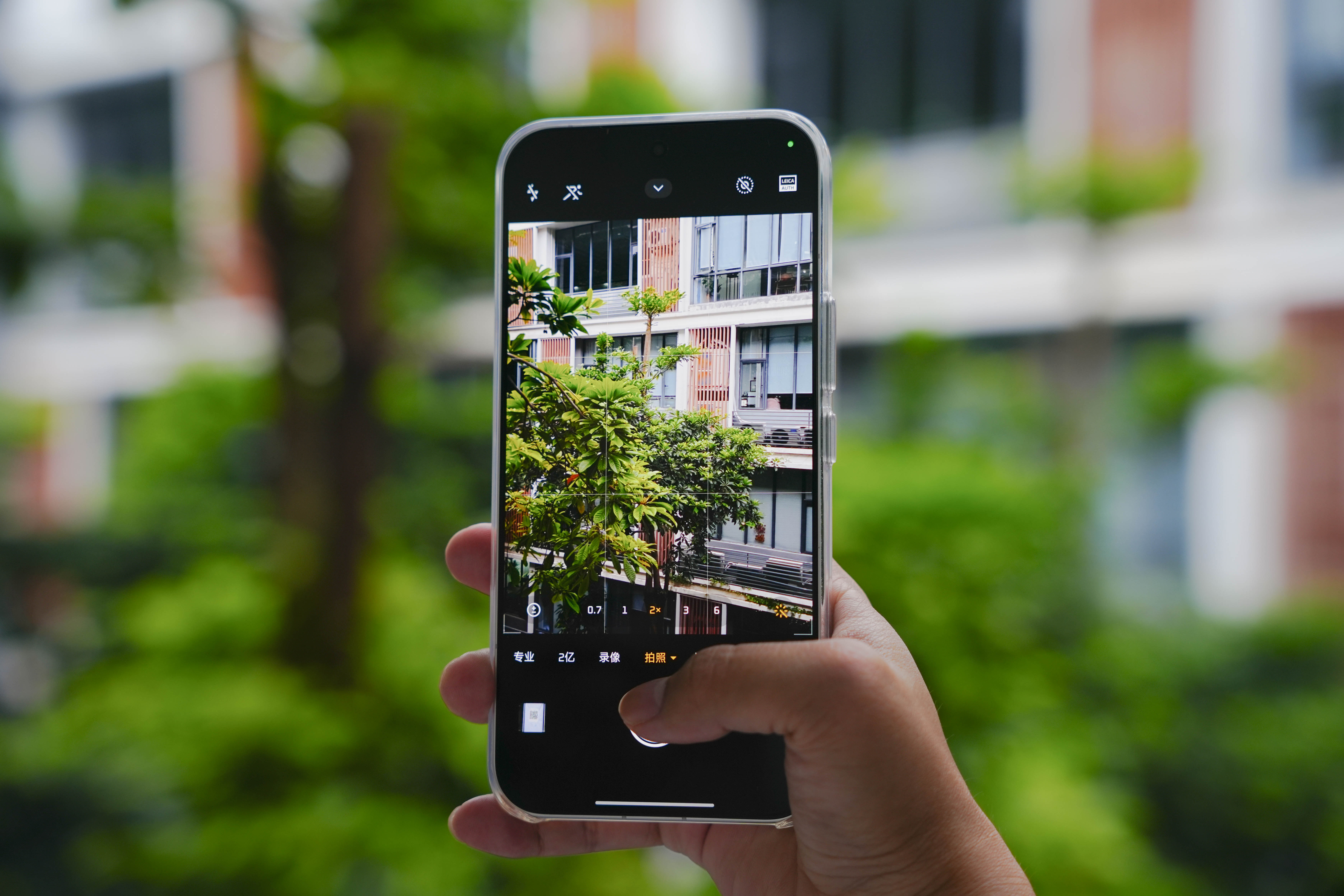
However, the longer I use it, the more I realize that the large screen actually raises the bar for UI design. On the Android side, because of the side return gesture, it's still relatively comfortable to use in most scenarios. What really takes time to get used to is clicking on the content at the top of the screen. I always have to move my finger up for a long time. The camera is another situation. It piles most of the interactions at the bottom of the screen. Although I can reach them by sliding, for a user with small hands like me, holding such a large phone to take a picture, I'm still afraid that I'll drop it if I'm not careful. This also shows that whether the experience of a large screen is good or not ultimately depends on whether manufacturers have taken care of the details for users with small hands.
(Image source: Leikeji shooting)
So if someone asks me whether to go back to a small-screen phone or choose a large-screen phone for my next phone, if I have to choose between an extra-large screen or a small-screen flagship, I think I'll look for a compromise, such as a phone with a size of around 6.5 inches, which is about the size of the iPhone Air. It won't be as wide as the 17 Max that I can't reach the edge, and it can also retain some of the immersion and battery life of a large screen. This kind of experience may be the real reason for a small-screen fan like me to switch to a large-screen phone.
Large-screen phones need to create new memory points
Small-screen flagships have taught the market a lesson in the past two years, making many people realize again that a phone is ultimately a personal item that you carry in your pocket, hold in your hand, and use repeatedly on your way to and from work. Although users can understand the battery life and immersive experience brought by a large screen, and they also recognize that it's easier to stack powerful configurations in a large body, this doesn't mean they'll automatically forgive a phone that is wide, heavy, difficult to use with one hand, and makes your wrist ache after using it in bed for a while.
So in this year's large-screen competition, although it seems to be about screen size and battery capacity on the surface, what really affects consumers' choices is how to control the weight and whether the system has been optimized for different scenarios. Whoever can make the large screen seem less "large" will have a better chance of benefiting from this wave of resurgence. Because users have used large phones before and know what a large screen can bring. What they really want to know is whether manufacturers have the ability to retain the pleasure of a large screen.
In other words, small-screen phones attract users mainly because of the physical comfort, while large-screen phones want to win back users with the visual experience and long battery life.
Looking at the big picture, small-screen and large-screen phones are not really in an opposing relationship. Small-screen flagships haven't faded away just because large-screen phones are back, and large-screen flagships can't be regarded as a negation of the small-screen route. They are more like the mobile phone industry looking for certainty in two directions at the same time. One is the users' demand for portability, compactness, and a personal feel, and the other is the users' demand for battery life, audio and video, games, imaging, and AI scenarios. The former proves that phones don't have to keep getting bigger, and the latter proves that phones really need more physical space after taking on more tasks.
(Image source: Xiaomi)
But to be honest, large-screen and small-screen phones are designed to answer different questions. When making a small-screen phone, manufacturers need to focus on how to fit a powerful SoC into a small size, manage the battery capacity and heat dissipation problems, and most importantly, make the imaging part not too bad. For large-screen phones, they need to focus more on the visual experience and ultra-long battery life. But in the end, it's all about the experience. After all, users won't pay for the numbers like 6.3 inches or 6.9 inches. What they pay for is definitely the final usage experience.
