Karpathy ousted? The US may push foreign talents out of the core circle of ASI
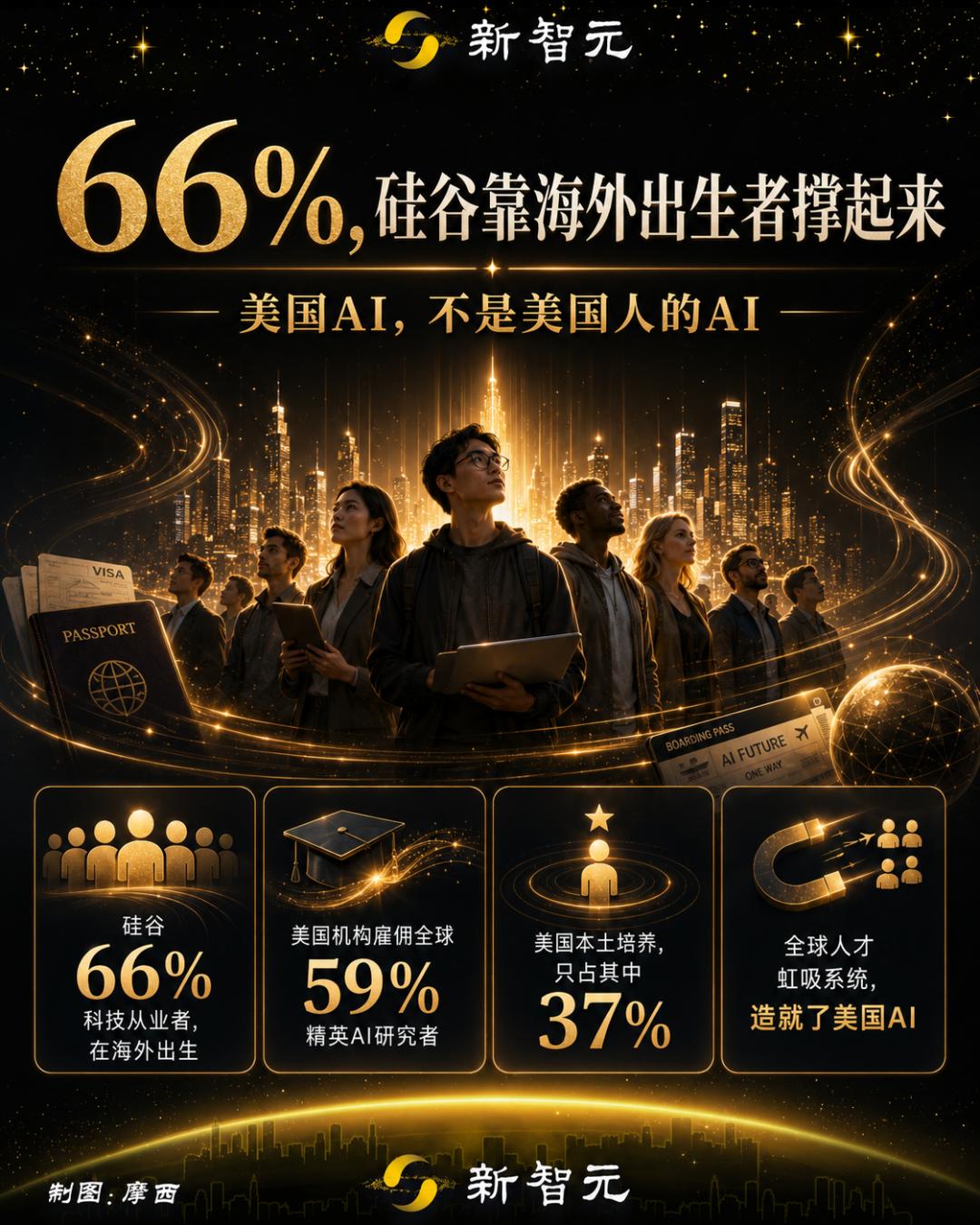
66% of tech practitioners in Silicon Valley were born overseas.
Now the US government says they're not worthy of accessing the best models.
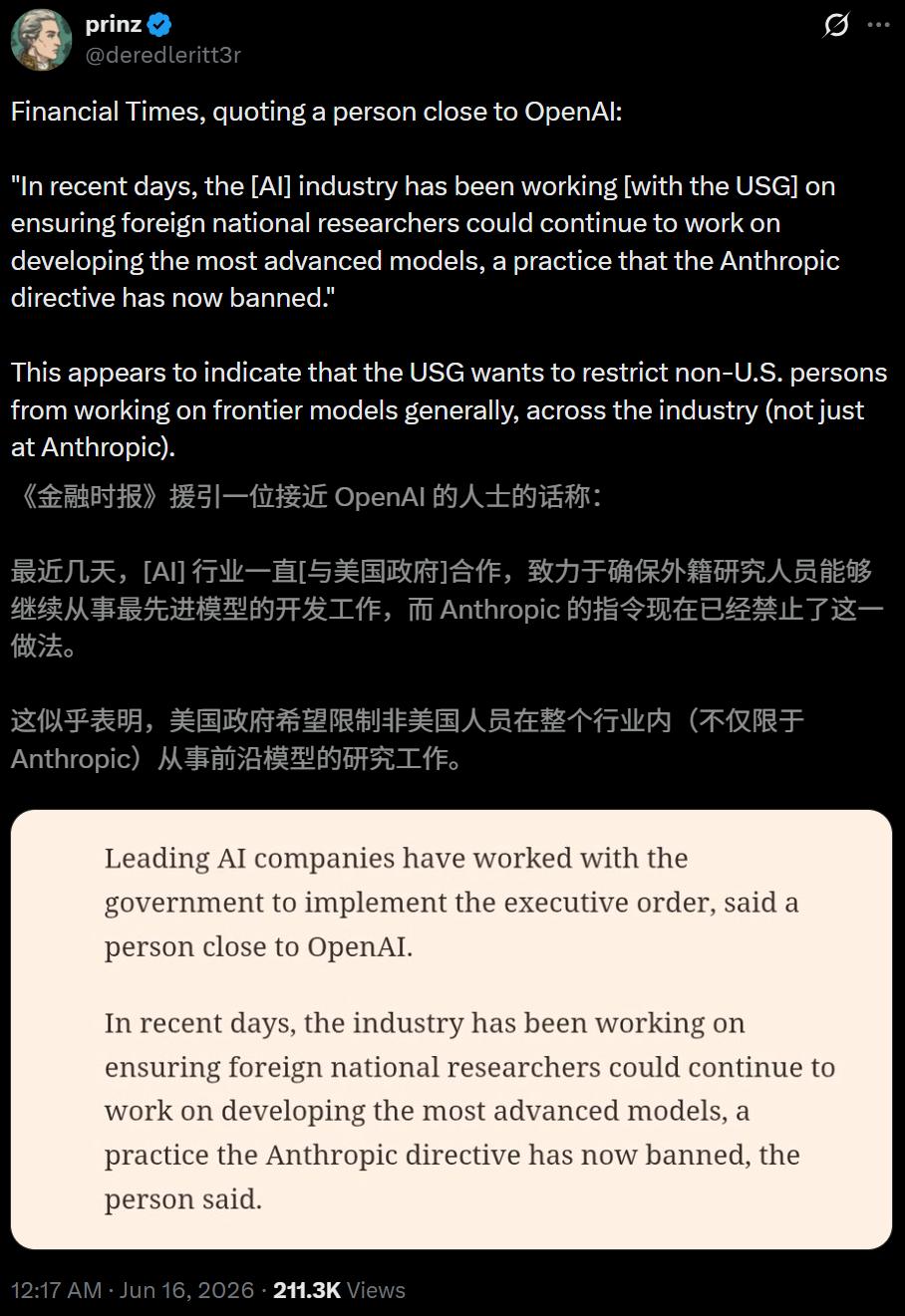
Just as everyone was anxiously waiting for Fable 5 to resume, an article in the FT suddenly revealed -
In the past few days, the entire AI industry has been collaborating with the US government, trying to preserve the right of foreign researchers to continue participating in the development of the most advanced models. However, the ban received by Anthropic has blocked this path.
Although this short piece of breaking news contains a huge amount of information.
「The entire AI industry has been collaborating with the US government」
The restriction on foreign researchers' access to cutting - edge models didn't emerge after the incident at Anthropic. The industry has long been in a tug - of - war with the government. Undercurrents have been surging.
「Trying to preserve the continued participation of foreign researchers」
Pay attention to the wording, 「preserve continued participation」, not 「strive for new permissions」. The government has been trying to tighten the reins, and the industry is still resisting.
「The ban received by Anthropic has blocked this path」
The export control order doesn't just block external users. Non - US citizens working at Anthropic will also be excluded.
It seems that Anthropic may not be the only target of the US government. But as the first one to be enforced, just looking at its own team is quite shocking.
「Foreigners」 in top Silicon Valley AI labs
Andrej Karpathy was born in Slovakia and moved to Toronto with his family at the age of 15.
He is not only a Stanford doctor, a co - founder of OpenAI, and the former AI director of Tesla. His YouTube teaching videos have influenced an entire generation of AI practitioners.
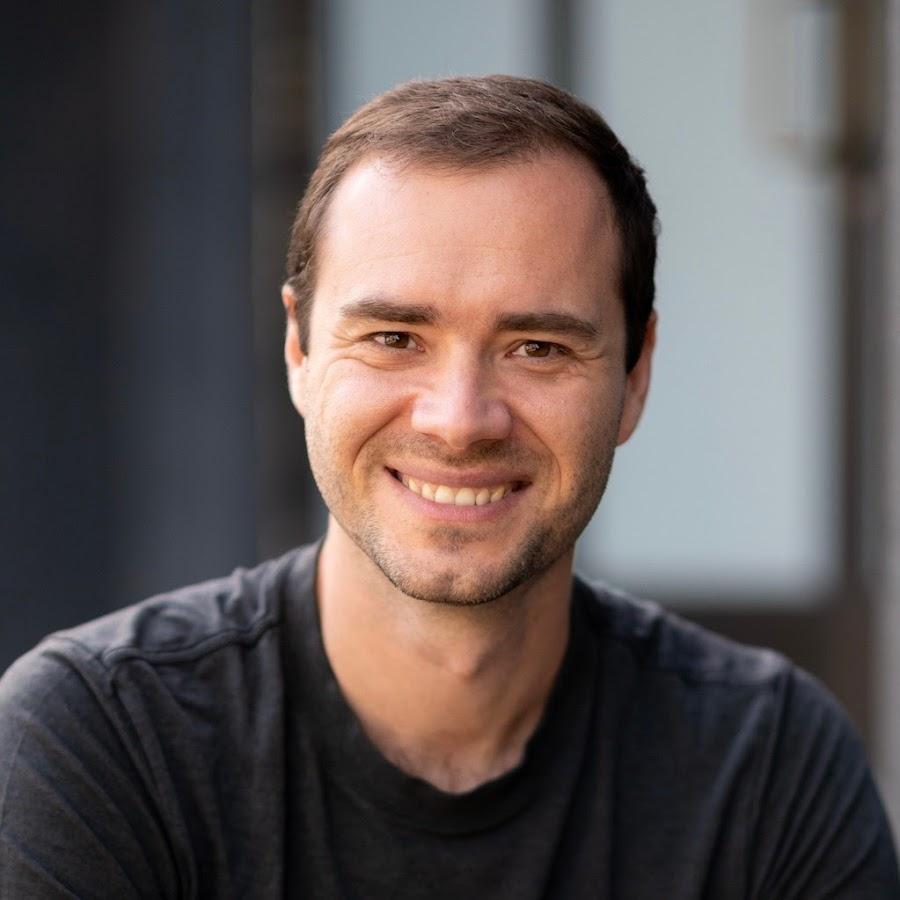
He came to Anthropic for one thing only: to lead a new team to accelerate the pre - training research of the next - generation Claude using Claude.
As a result, less than a month after he joined the company, the company's most powerful model was taken offline globally.
As a non - US citizen, even if the model resumes operation, he may still be kept out.
Although some analyses point out that Karpathy has worked in the US for over 15 years and may well hold an EB - 1 outstanding talent green card, and according to the export control law, he can be classified as a 「US person」 and is not subject to this restriction.
But even if he himself is not affected, how many people in the team he leads hold work visas? How many foreign colleagues also need to access the models required for his pre - training research?
One person's green card can't solve the identity problem of an entire R & D chain.
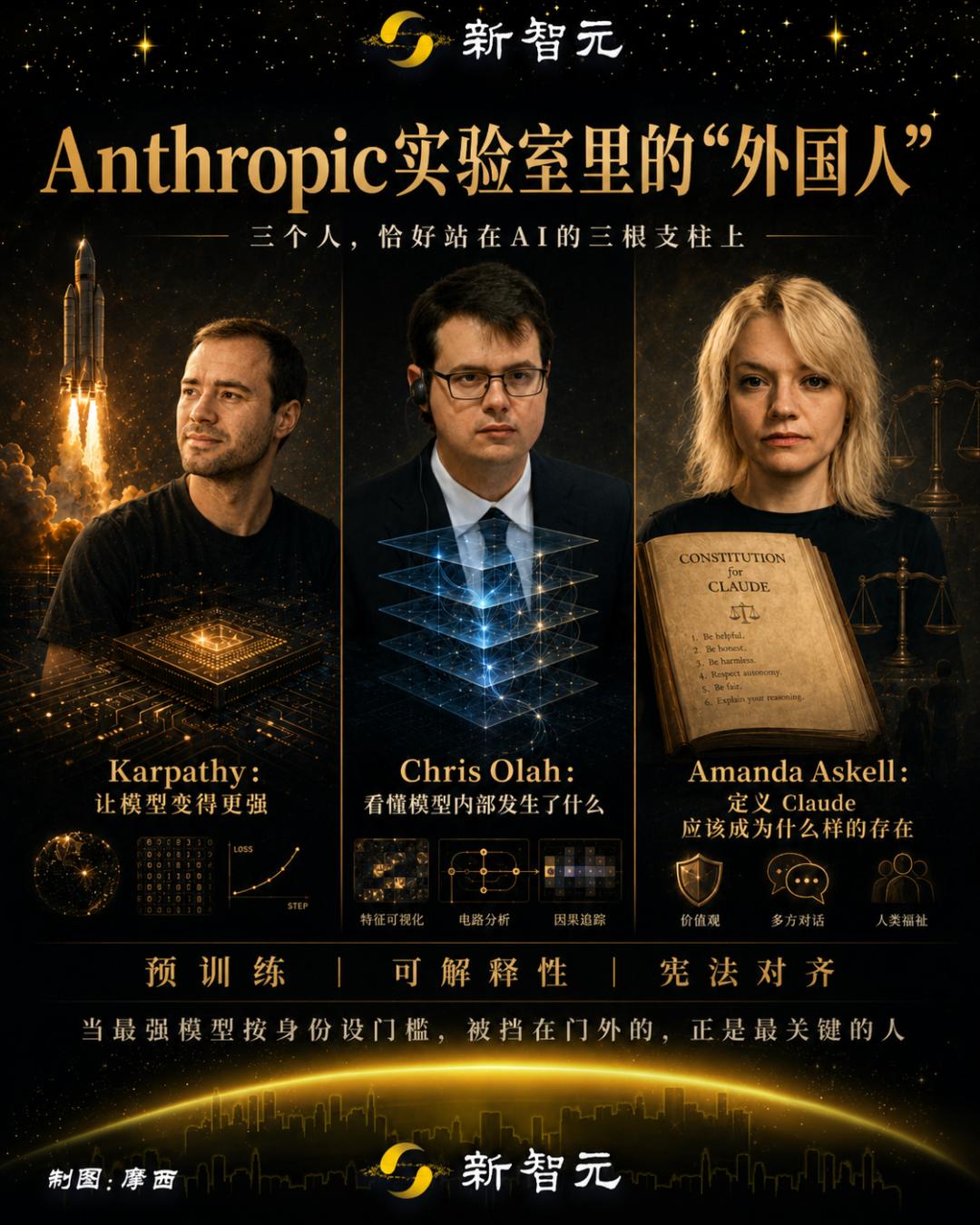
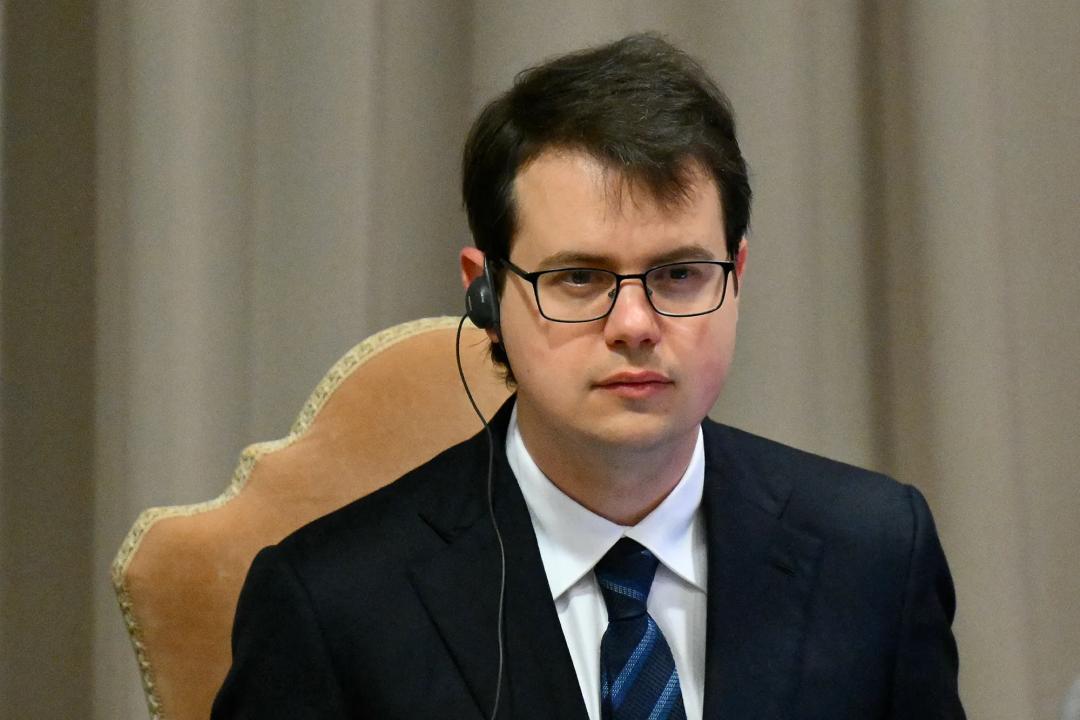
Chris Olah, a Canadian born in 1992, is one of the seven co - founders of Anthropic.
He pioneered a brand - new scientific field, mechanistic interpretability, which in other words means 「opening the black box of neural networks to see what's really going on inside」.
His job is to make AI understandable, auditable, and trustworthy.
According to the logic of the ban, he can't access his own company's models either.
Amanda Askell grew up in the Scottish town of Prestwick, holds a philosophy degree from Oxford and a philosophy doctorate from New York University.
Her job at Anthropic is to write the 「constitution」 of Claude, a document of tens of thousands of words that defines Claude's values, personality, and moral reasoning framework.
Hundreds of millions of people talk to Claude every day. What Claude says, what it doesn't say, and how it says it are largely determined by this Scottish philosopher.
According to the logic of the ban, she will also be blocked from her own company's product.
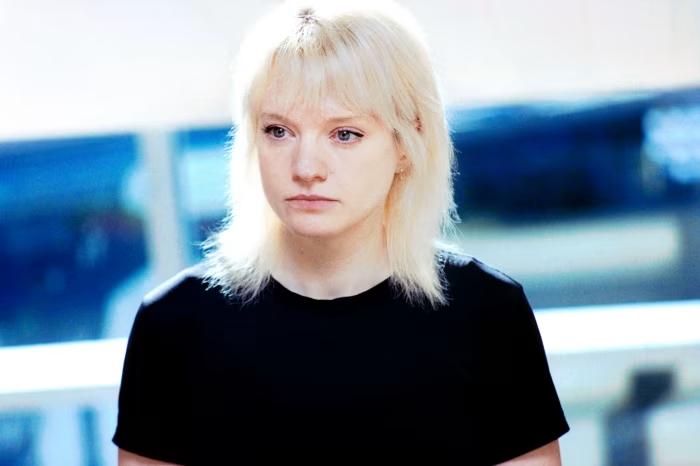
The three of them happen to stand on the three pillars of AI.
Karpathy makes the model more powerful, Olah understands what's going on inside the model, and Askell defines what kind of existence the model should be.
And Anthropic is not an exception. The US AI industry is actually supported by foreign talents.
Data from the MacroPolo Global AI Talent Tracker shows that US institutions employ 59% of the world's elite AI researchers, but only 37% are domestically trained.
A 2025 study by IFP found that 60% of top - ranked US AI startups have immigrant founders, and over 70% of them initially came on student visas.
In the second quarter of 2026, the number of H - 1B visa applications at Anthropic soared by 490% year - on - year, from 10 to 59. At OpenAI, it increased by 215% during the same period, from 20 to 63.
On one hand, they're frantically recruiting people from all over the world, and on the other hand, they're saying that foreigners are not worthy of accessing the best models.
There's a legal mechanism being activated behind this.
There's a provision in US export control called deemed export. Even if the technology doesn't leave the US, as long as it's released to a foreign person within the US, it may be considered an 「export」.
Because knowledge has entered a person's mind, and people can 「go out」 on their own.
In the past, this logic mainly applied to sensitive fields such as semiconductors. Now, cutting - edge AI models are being put into the same framework.
In all the Silicon Valley AI labs, there are tens of thousands of researchers holding H - 1B, OPT, or student visas, all on the other side of this line.
As mentioned earlier, cutting - edge models are not developed by one person working alone.
Pre - training, post - training, security assessment, red - team testing, inference infrastructure, and product integration are all intertwined.
A model's behavioral problems may lie in the data, in the alignment optimization, or in the system prompts. To fix it, a group of people must get close to it simultaneously.
When access to the most powerful models is restricted by identity, it's not just a matter of a few people being excluded. It's that the collaboration efficiency of the entire production line is hampered.
Smart people are leaving
Anthropic emphasized in its statement: 「If this standard is applied across the industry, we believe it will effectively halt the deployment of new models by all cutting - edge model providers.」
This is not an exaggeration.
The 2026 AI Index Report from Stanford HAI shows that in the past nine years, the number of AI researchers and developers flowing into the US has decreased by 89%. It plummeted by 80% in just the past year.
In the past few years, when talking about AI control, the most familiar keywords were GPU, wafer fabs, data centers, and computing power contracts.
This time, the keyword is people.
Previously, it was about 「need - to - know」. In the future, it may be about 「nationality - to - know」.
The US's talent advantage in cutting - edge AI is built on the global siphon effect. The smartest people from all over the world flock to Silicon Valley, regardless of nationality, only looking at ability.
Once nationality becomes a barrier, the siphon effect starts to reverse.
Every person being pushed away may become a pillar in other camps.
The position closest to the model may not always be determined solely by ability.
Sometimes, it's also determined by identity.
References:
https://x.com/deredleritt3r/status/2066555668434239990
https://www.ft.com/content/f6940d59-28f4-4ae4-a569-c6fc421e52b9
This article is from the WeChat official account 「New Intelligence Yuan」. Author: ASI Apocalypse. Republished by 36Kr with permission.